
Free written scope consultation - allowances, timeline, and change-order rules on paper before a single trade is scheduled
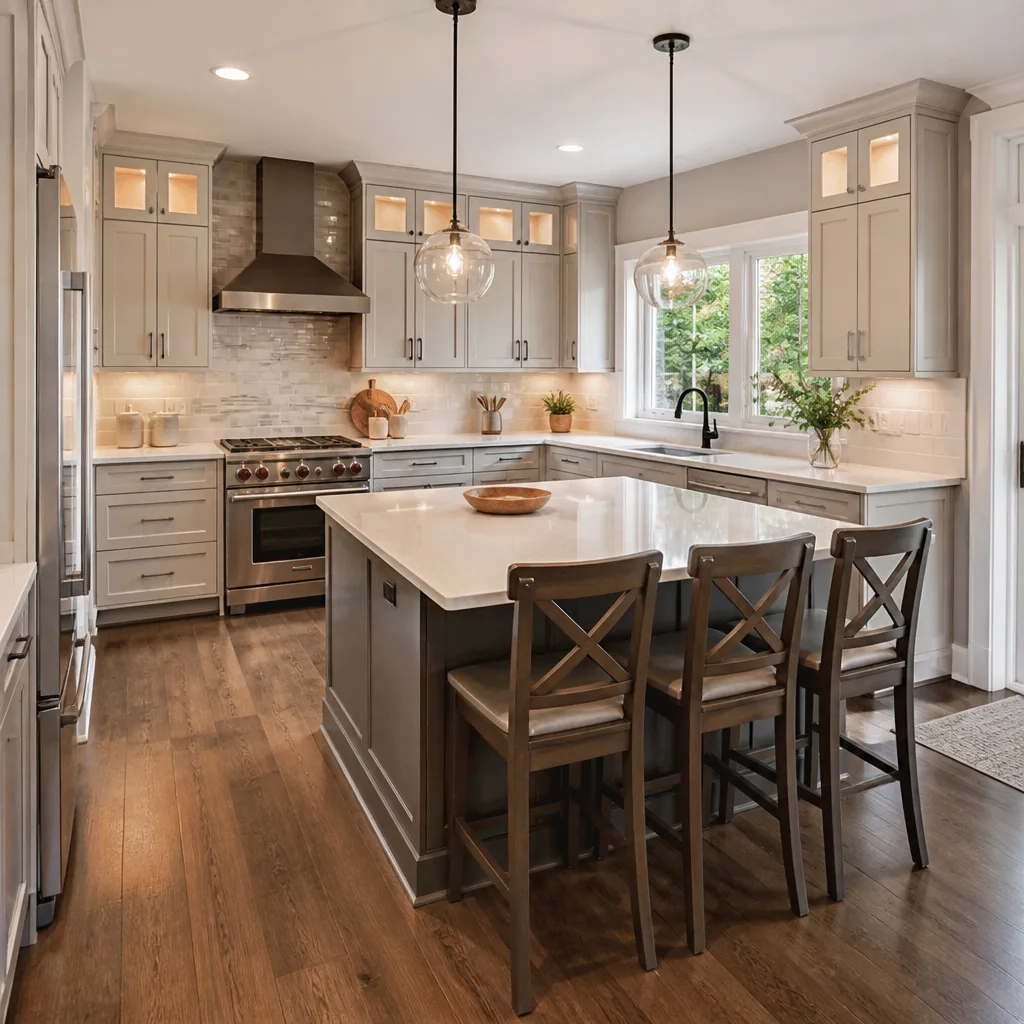
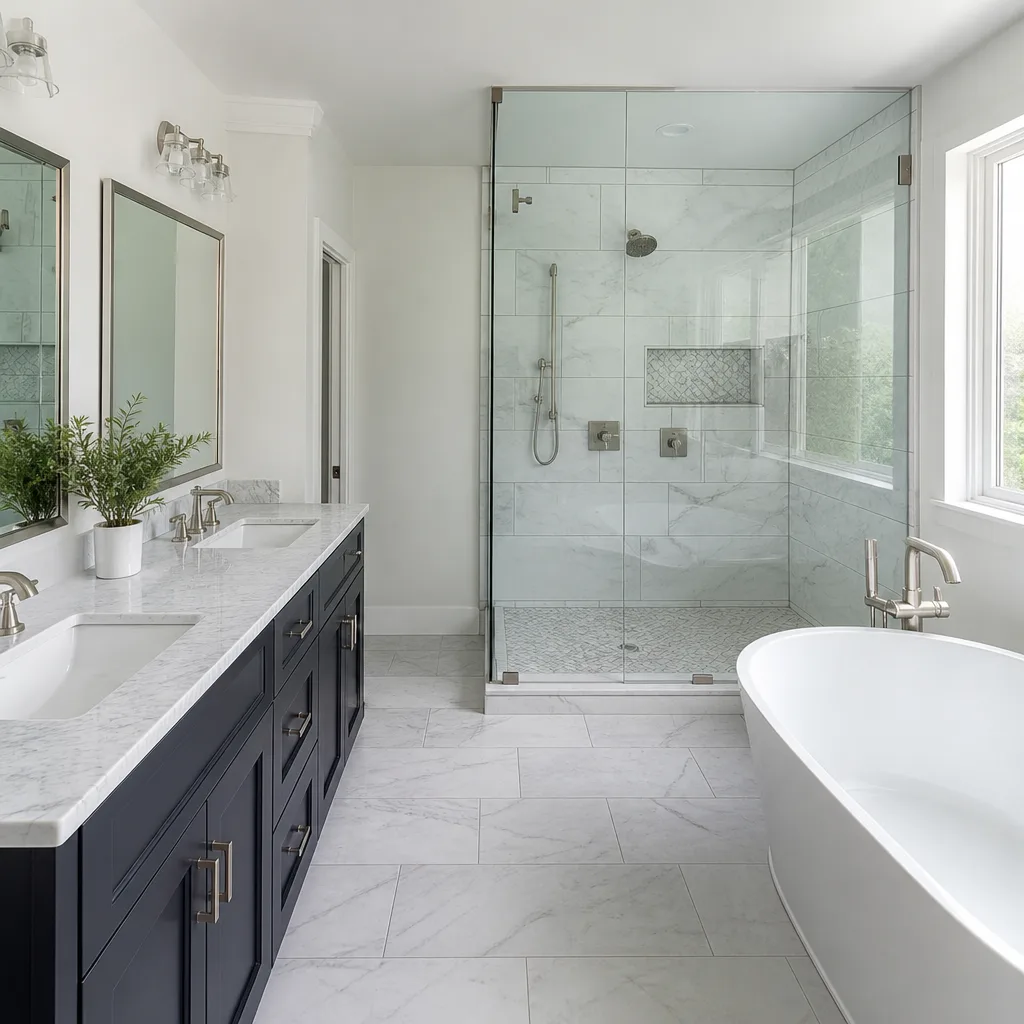
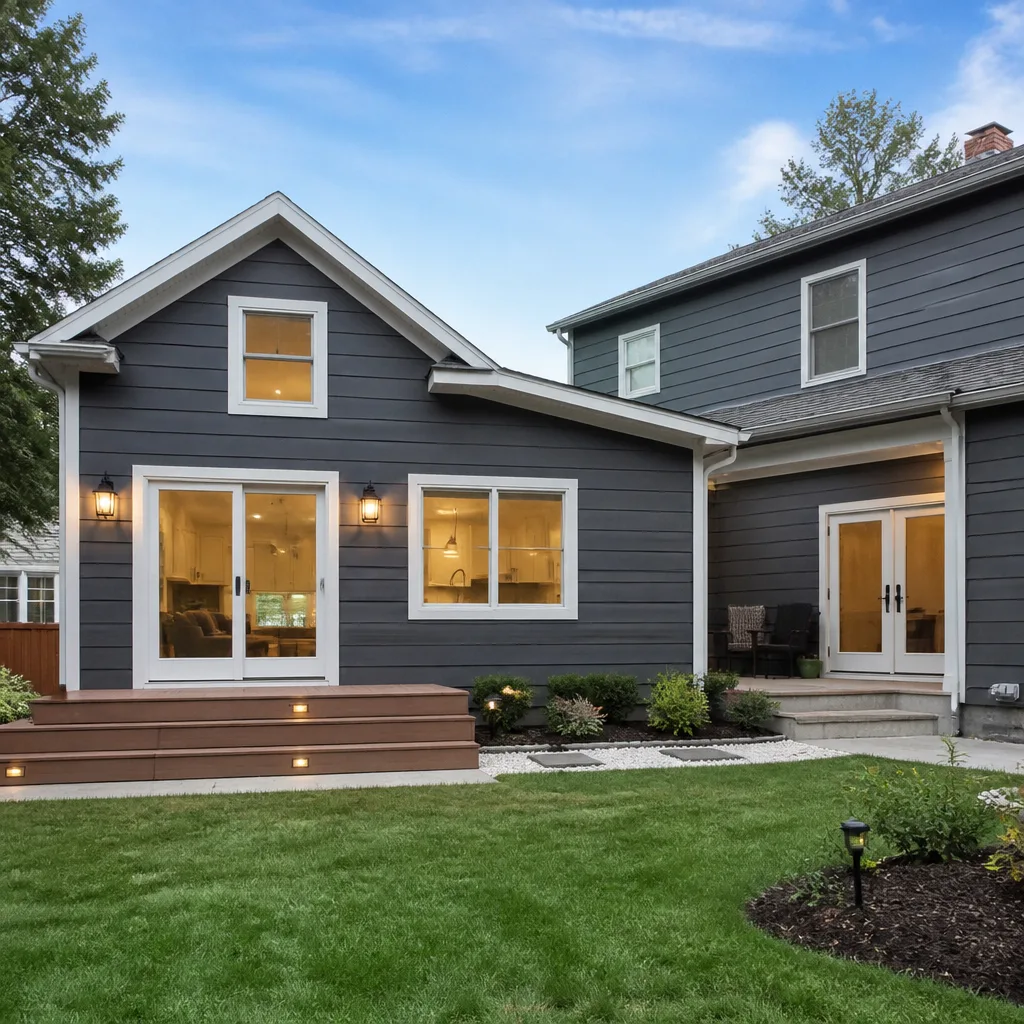

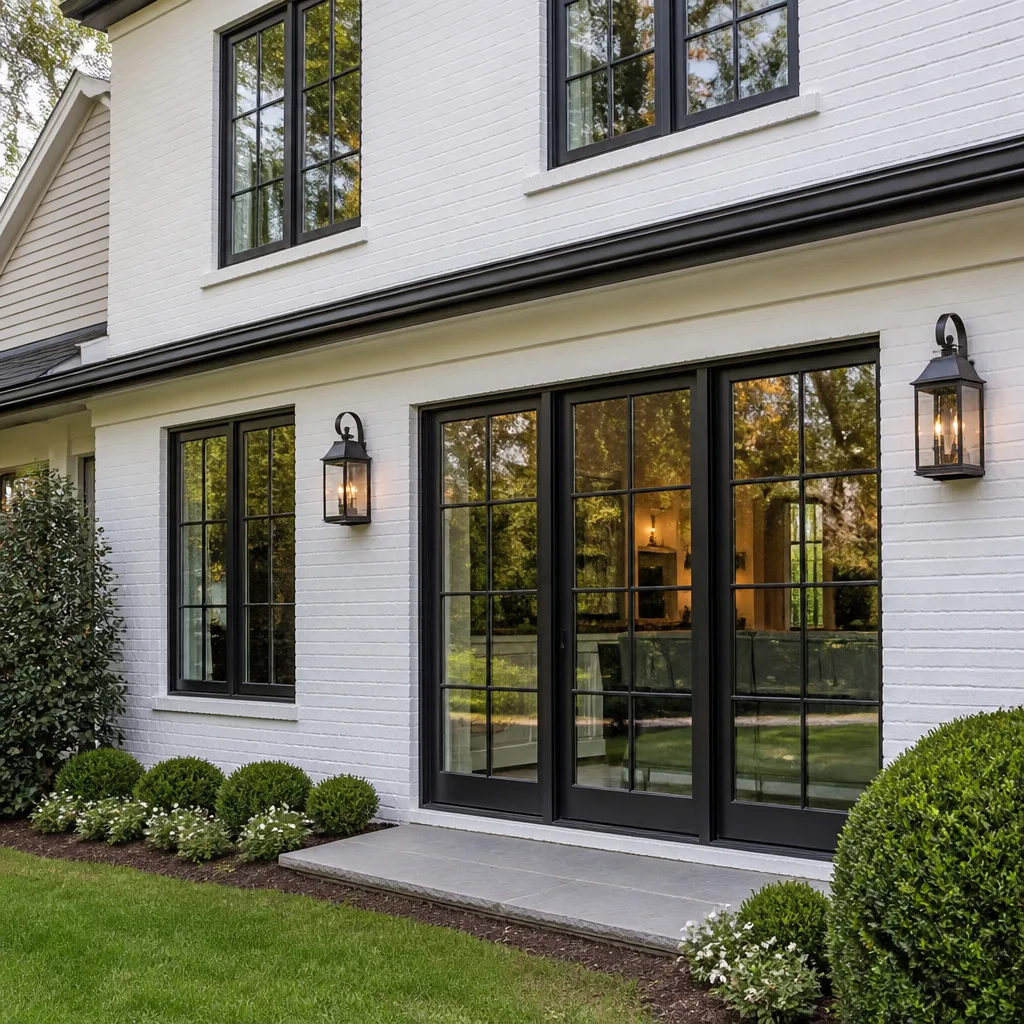
 Before
 After
After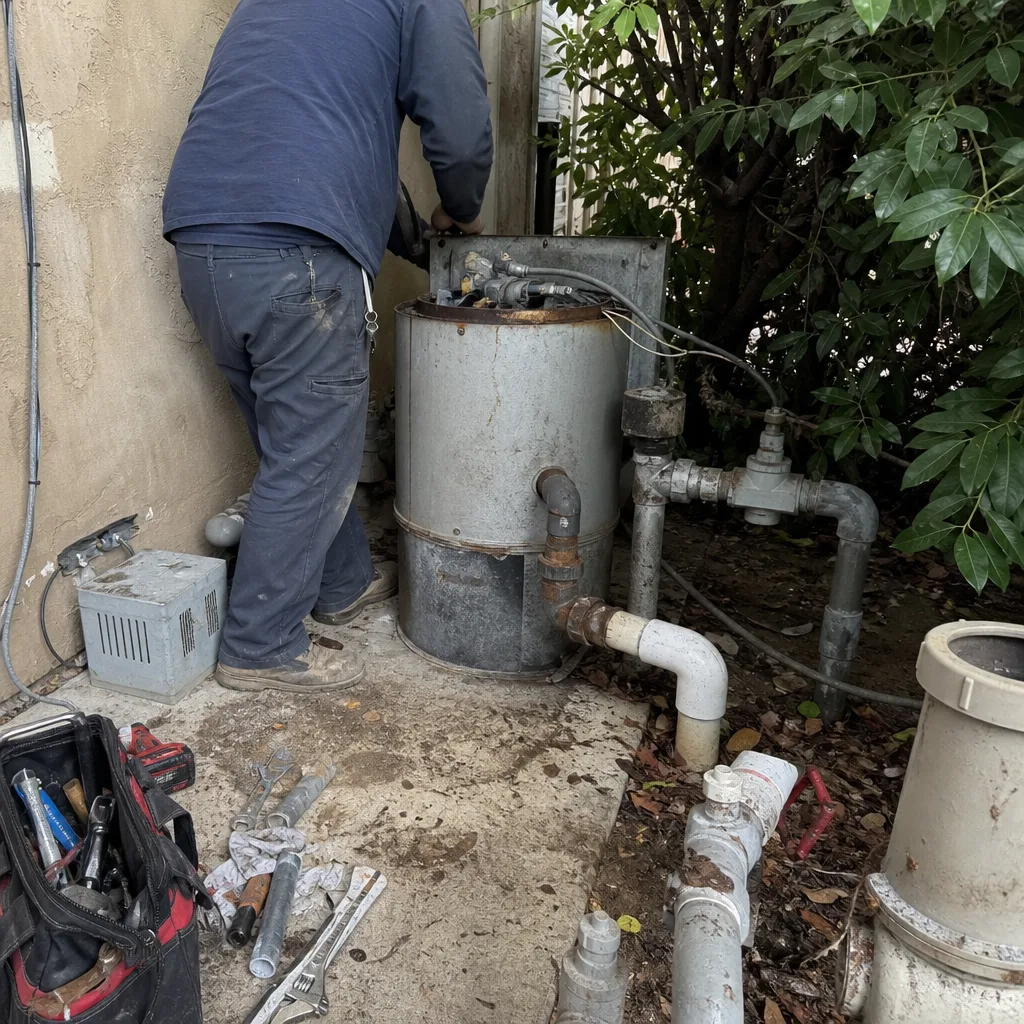 Before
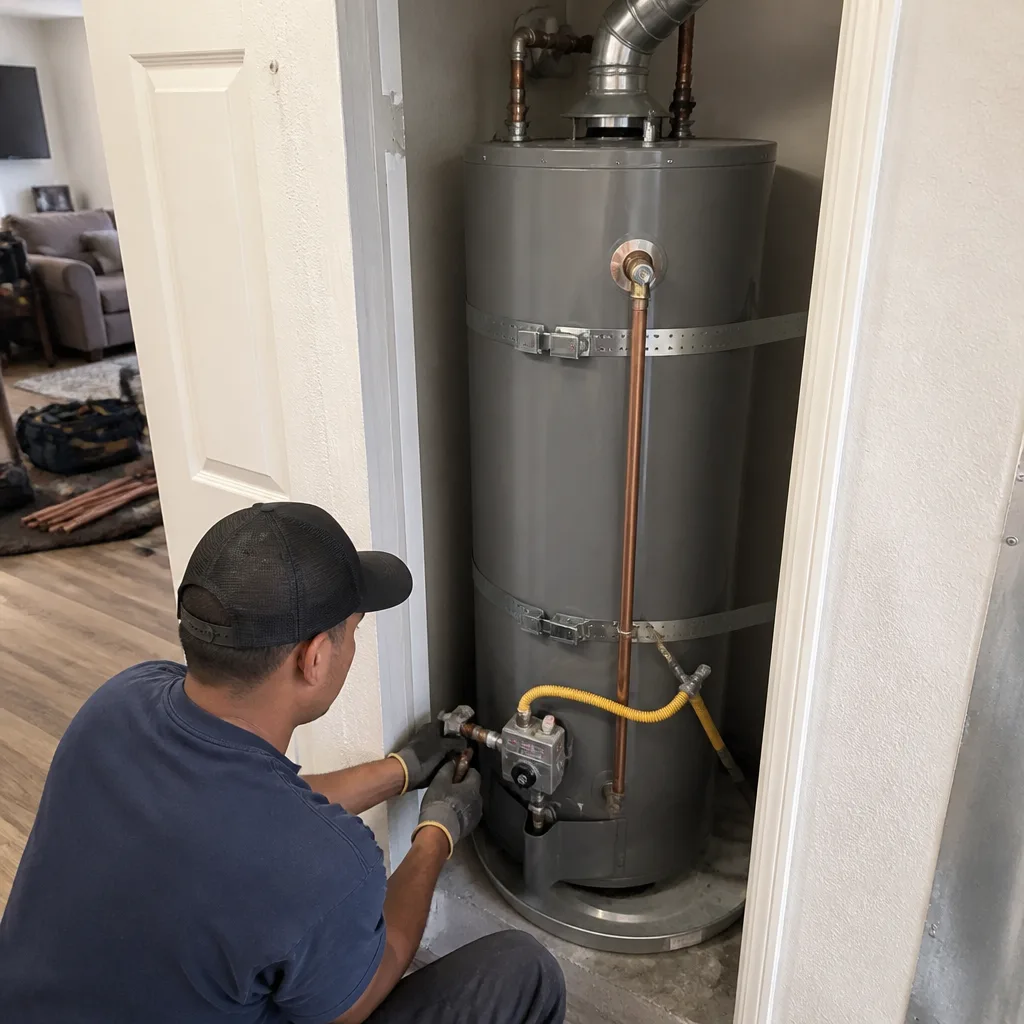 After
After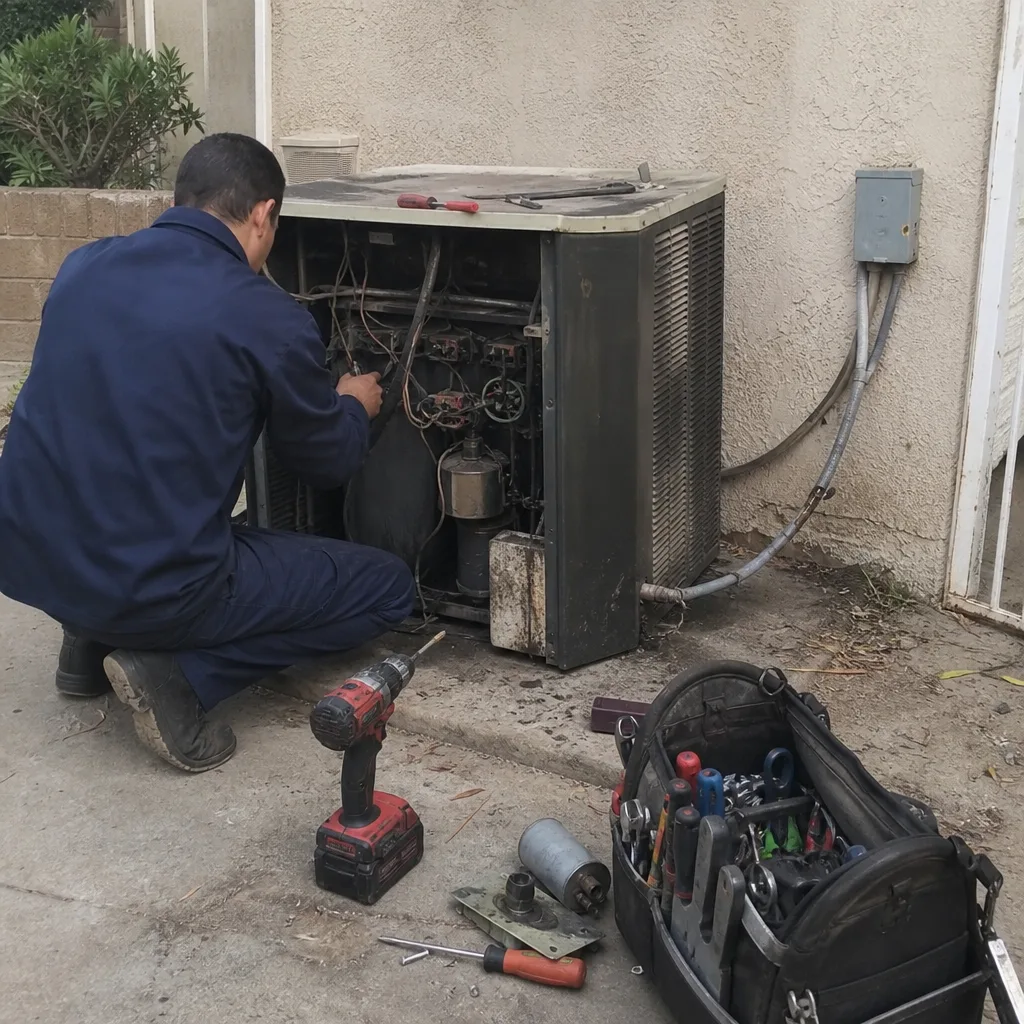 Before
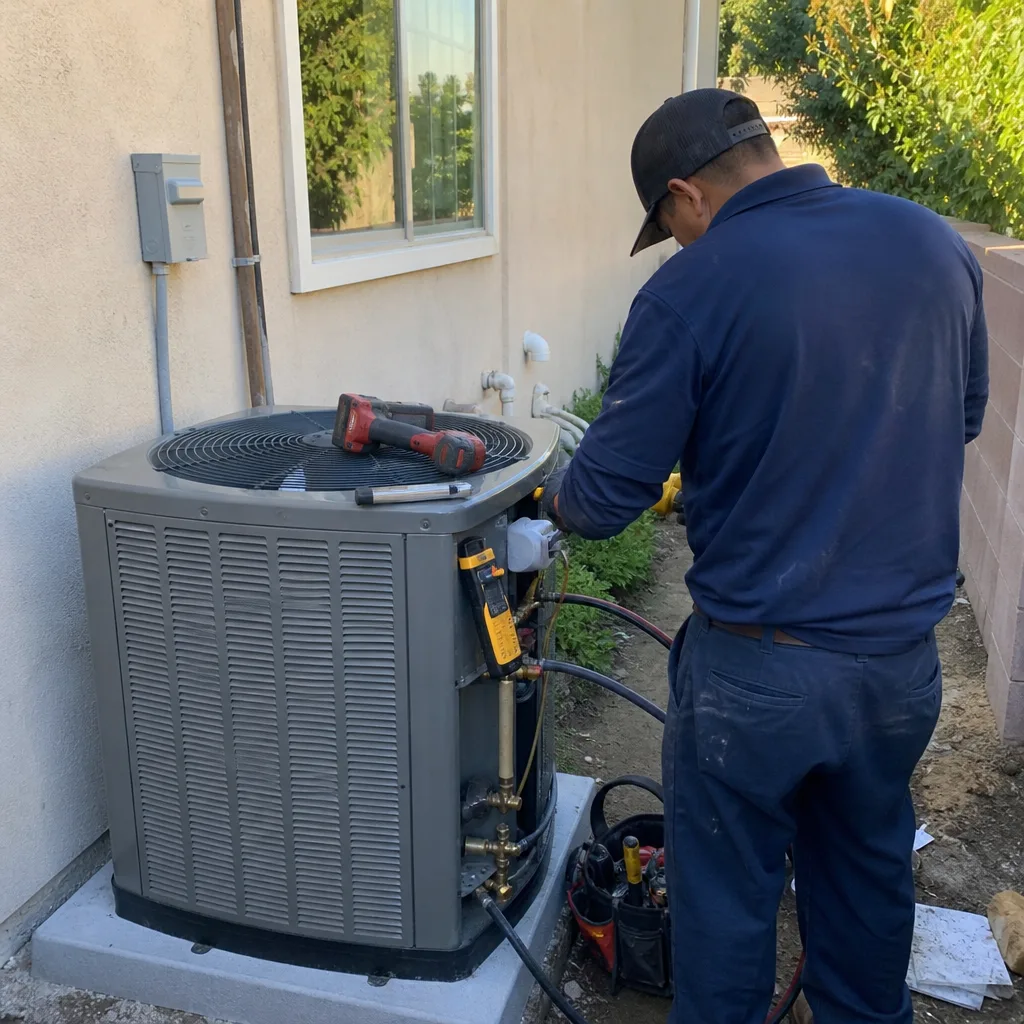 After
AfterBlanco Home Additions & ADU: The Los Angeles Owner’s Guide
If you’re planning a home addition or ADU in Los Angeles and you want Blanco fixtures, sinks, and faucets specified into the build, we can help. A Blanco-equipped addition or ADU in Los Angeles typically runs $53,100 – $153,400 depending on square footage, foundation work, and finish level. We’re an independent general contractor, not affiliated with Blanco, but we’ve installed Blanco products in kitchen and bath projects across LA for years and know which models hold up and which ones create service calls down the road.
Most homeowners find us when they’re mid-plan on an addition and realize their existing remodeler doesn’t stock or specify Blanco, or when they want an ADU built with the same fixtures they trust in their main house. Blanco’s German-engineered sinks and faucets are a specific request, and pairing them with a contractor who actually knows how they install is the whole game. The wrong rough-in depth, the wrong drain offset, the wrong faucet trim plate: any of those turns a $300 sink into a $900 callback. We’d rather get the spec right the first time.
Which Blanco Models This Applies To
Blanco makes several lines that show up in Los Angeles additions and ADUs. The Silgranit composite sinks (Precis, Diamond, Performa, and Ikon series) are the most common for kitchen work. For bathrooms, Blanco’s lineup is smaller but present: the Axia and Linus faucet lines plus a few bar and prep sink models. Each Silgranit sink has a model number stamped into the underside of the basin, usually starting with a 4-digit prefix like 440000 or 511. That number matters because Blanco changed drain openings across generations: older domestic models used a 3.5-inch drain, newer ones use a 4-inch, and the European-spec models that occasionally end up in LA remodels are a different animal entirely.
Here’s the compatibility gotcha we see most in Los Angeles: a homeowner buys a Blanco sink from a clearance seller, then the rough-in plumbing goes in based on the old model’s dimensions. When the actual sink arrives, the drain offset is off by an inch, and now you’re cutting cabinet frames or relocating plumbing before the countertop crew shows up. If you give us the model number before rough-in, we’ll verify the spec sheet and pull the right dimensions so the plumbing lands where Blanco intended. On OEM versus aftermarket: Blanco doesn’t sell replacement parts through any third party, so if you need a replacement strainer basket, mounting clip set, or drain assembly, you’re getting OEM or a generic that may not seat. For new-build installations, we order OEM Blanco components because the aftermarket Silgranit-compatible clips we’ve tested don’t grip the same way.
Signs Your Blanco Home Addition & ADU Is Failing
If you already have Blanco fixtures in an existing structure and you’re wondering whether they’ll transfer into a new addition or ADU, here’s what to look at, because these are the things that fail first in LA’s hard water and heat:
- Silgranit sink showing white chalky residue that won’t scrub off. That’s mineral scale from Los Angeles water. Blanco’s composite is dense, but decades of scale can etch the surface if it’s cleaned with abrasive products. It’s cosmetic, usually, but it tells you the sink has been through hard water cycles.
- Faucet swivel feels gritty or stiff. Blanco cartridge seals degrade over time, and the swivel bearing picks up sediment from LA’s water supply. If you’re moving the faucet into a new build, plan on replacing the cartridge, not just the handle.
- Drain strainer basket no longer seats flush in the basin. The rubber gasket under the basket dries out or the stainless spring clips lose tension. This lets standing water sit in the sink, which is annoying in a kitchen and a breeding ground for grime. A new basket assembly is a quick fix.
- Mounting clips are rusted or missing. We see this on sinks that were originally installed with generic clips instead of Blanco’s stainless ones. The sink drops slightly out of level, and water pools at the rim. If rust is present, we replace the clips and check the cabinet rim for moisture damage.
- Faucet base is loose, or water seeps out around the deck plate at startup. Usually the O-ring at the base has compressed. If you’re roughing in a new addition and reusing an older Blanco faucet, this is the failure point that shows up within a month of reinstallation.
Replacement Cost & What’s Included
Let’s talk numbers for Los Angeles, because that’s what actually matters. A full home addition with a Blanco-equipped kitchen and bath runs $53,100 – $153,400. The ADU range is higher: $106,200 – $259,600 depending on whether you’ve got a detached unit with its own foundation and utility drops or a garage conversion that already has some infrastructure in place. A garage conversion lands between $35,400 and $94,400.
What drives the range on a Blanco-specific project: square footage and whether we’re tying into existing plumbing or running new sewer and supply lines, foundation type (slab versus raised, hillside or flat), the Blanco series you pick, and whether you’re building a full kitchen or a kitchenette. We write every price down before the first tool lifts. That number includes parts, labor, permit coordination, and a written 365-day guarantee that says if the work fails, we come back and fix it at no charge, no service fee, no second invoice. You call, we answer, and it’s handled.
DIY or Call Us?
If you’re swapping a Blanco drain basket or a faucet cartridge in an existing sink, that’s a reasonable weekend job for a patient homeowner with the right tools. The safety risk is low, and Blanco’s parts are straightforward when you have the model-specific kit.
The bigger project is not DIY. Framing an addition, running new plumbing and electrical, setting a foundation on Los Angeles soil, pulling permits: those are where we earn our keep, and where you want a background-checked, uniformed crew who leaves the place clean. Getting the Blanco rough-in wrong isn’t dangerous in the way a garage-door spring is, but it is expensive to redo after the counters are in. Call (936) 259-2607 and we’ll walk the project with you first, then put the number in writing. Give me the whole picture first, then we pick up the tools.
FAQs
Twenty to thirty years, realistically, if it’s not scrubbed with abrasives. The sink itself rarely fails; the drain assembly and mounting hardware fail first. Los Angeles hard water shortens the life of gaskets and O-rings, but the composite basin is in it for the long haul. If your sink is under ten years old and something’s wrong, it’s almost always a part, not the basin. Call (936) 259-2607 and we’ll tell you which it is before you spend a dime.
Faucets, yes. Cartridges, O-rings, swivel bearings, and drain assemblies are all replaceable on Blanco models. Sinks, no: once the Silgranit surface is deeply etched or cracked, you replace the basin. We don’t push replacements when a repair does the job, and we’ll write the diagnosis down so you can hold us to it.
From first framing inspection to the day your Blanco sink is set, plan on three to five days of plumbing work inside a larger project. That’s not three to five days from signing; it’s the plumbing window once framing is up. We build it into the schedule we give you in writing, and if we miss our window, we tell you before you have to chase us.
We keep common Blanco drain baskets, strainer assemblies, and faucet cartridges on the truck for the models we commonly install in Los Angeles. We also specify OEM parts from Blanco for new installations, and we work with KraftMaid and Cambria when the cabinet and countertop side of the addition calls for it. For the exact model you need, call (936) 259-2607 and we’ll confirm stock before we schedule.
Written by Trevor Nash, Owner, Penhallow Remodeling at Penhallow Remodeling, serving Los Angeles and nearby areas.