
Free written scope consultation - allowances, timeline, and change-order rules on paper before a single trade is scheduled
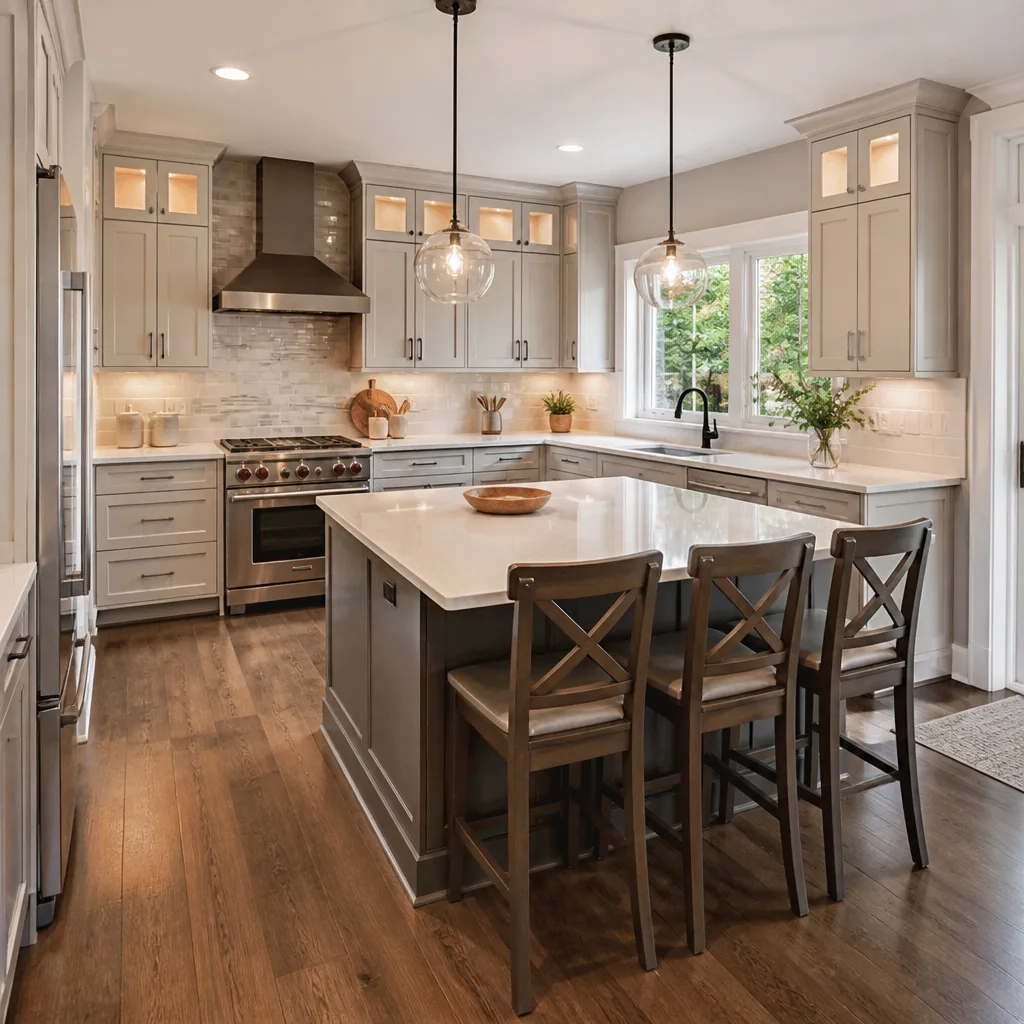
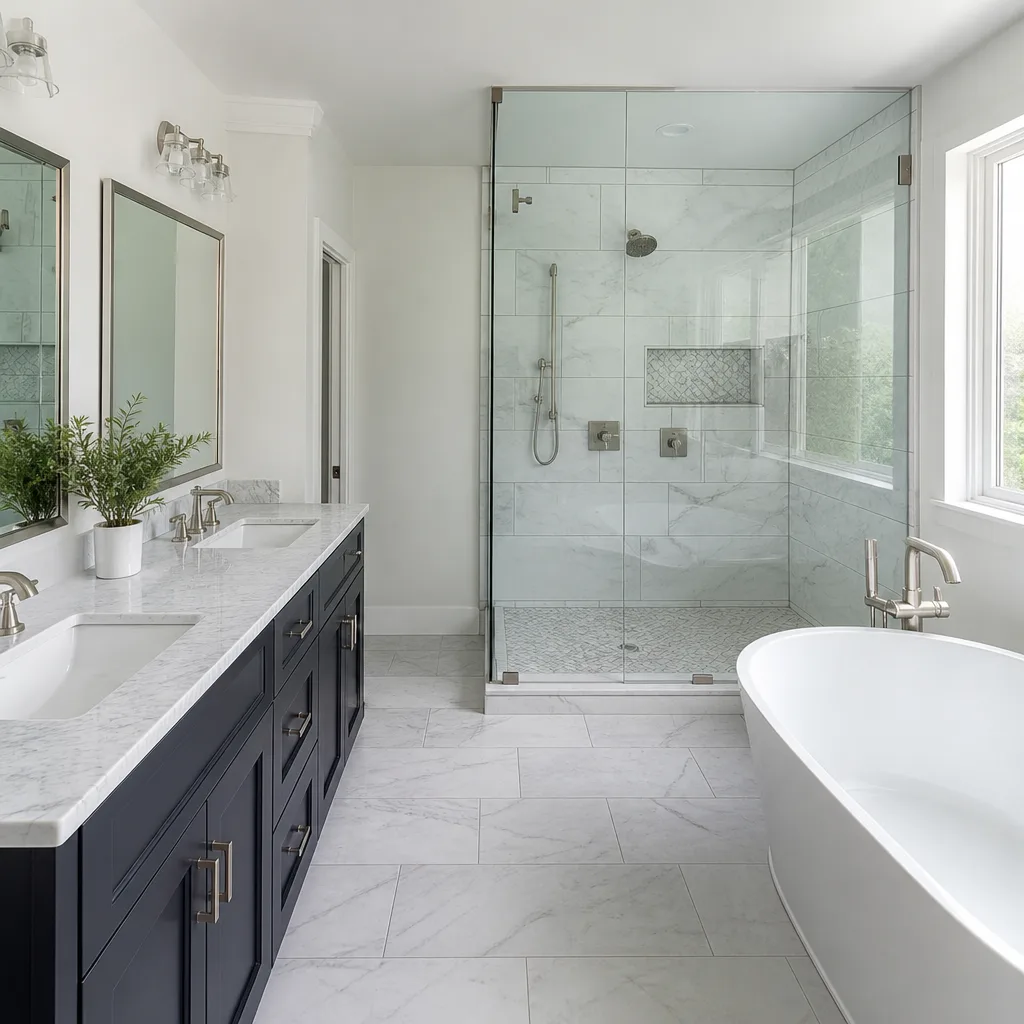
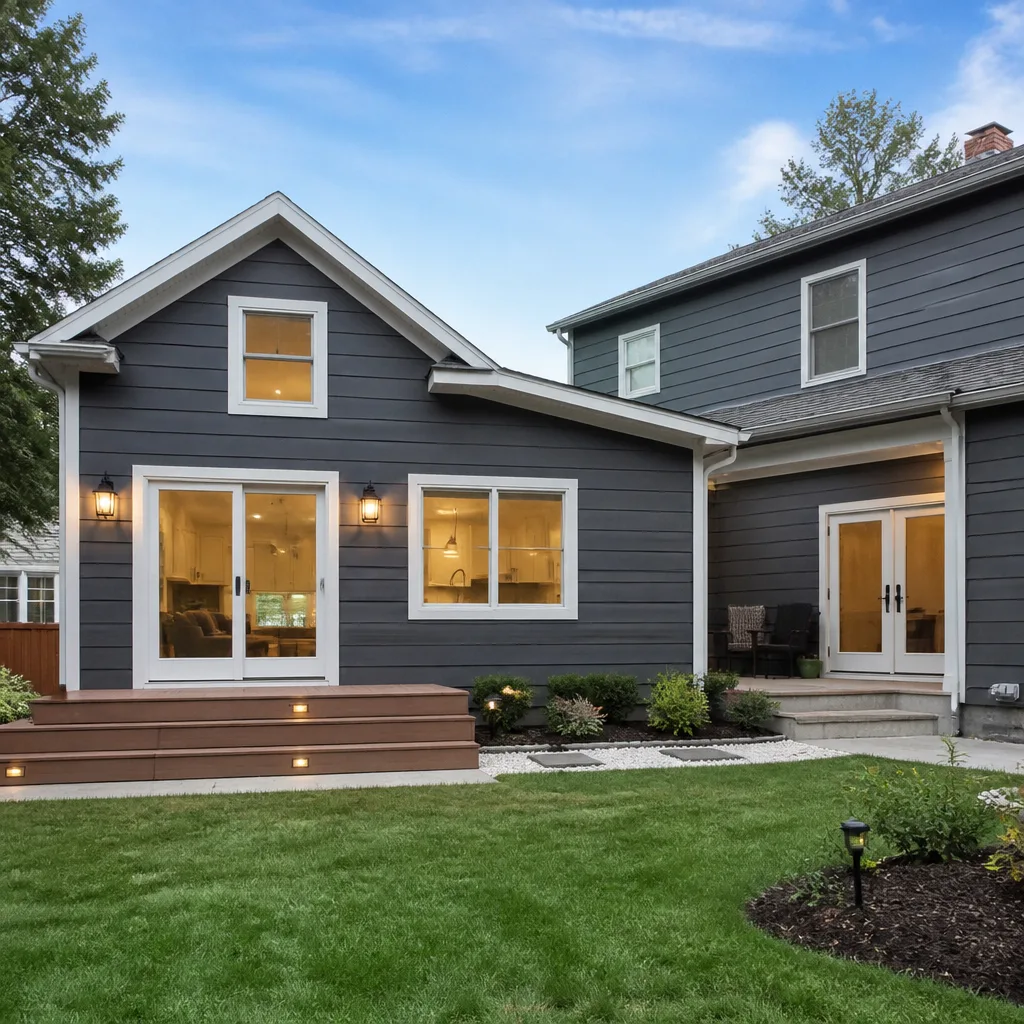
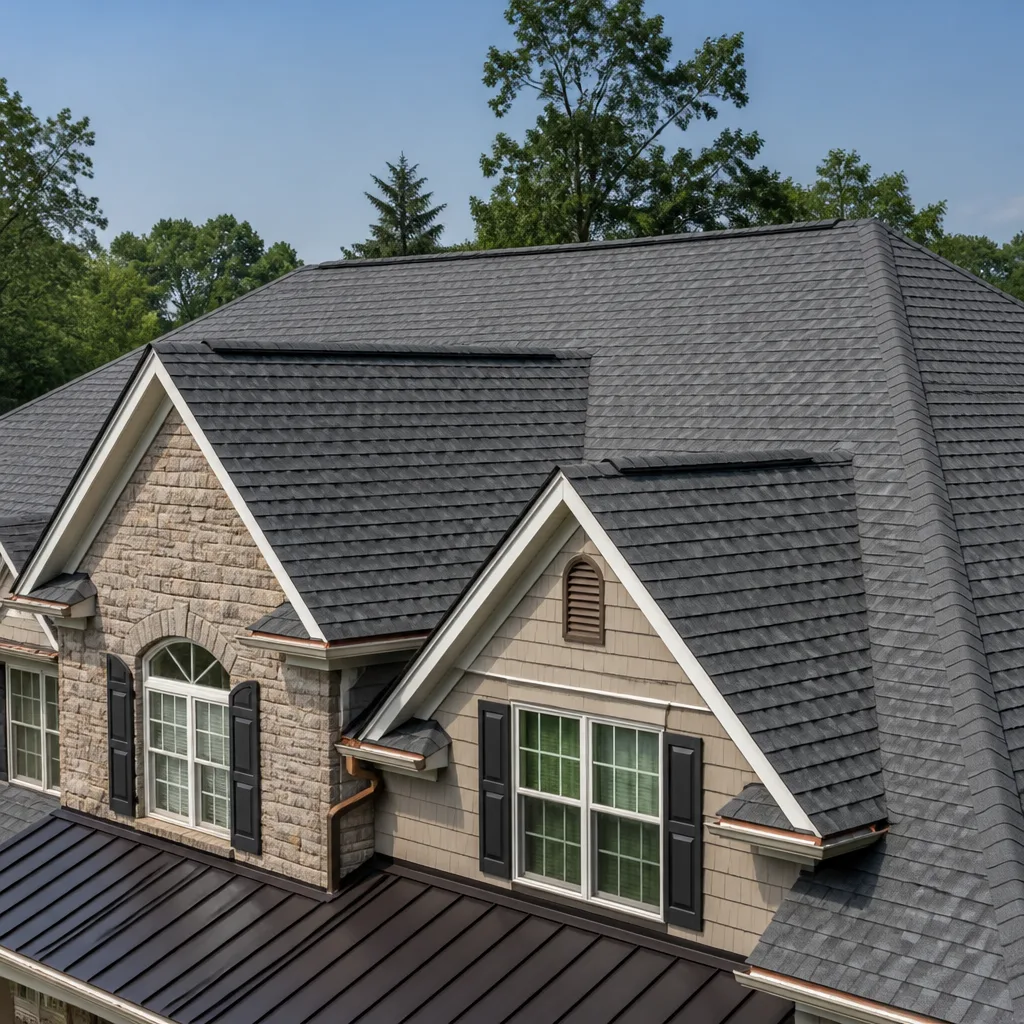
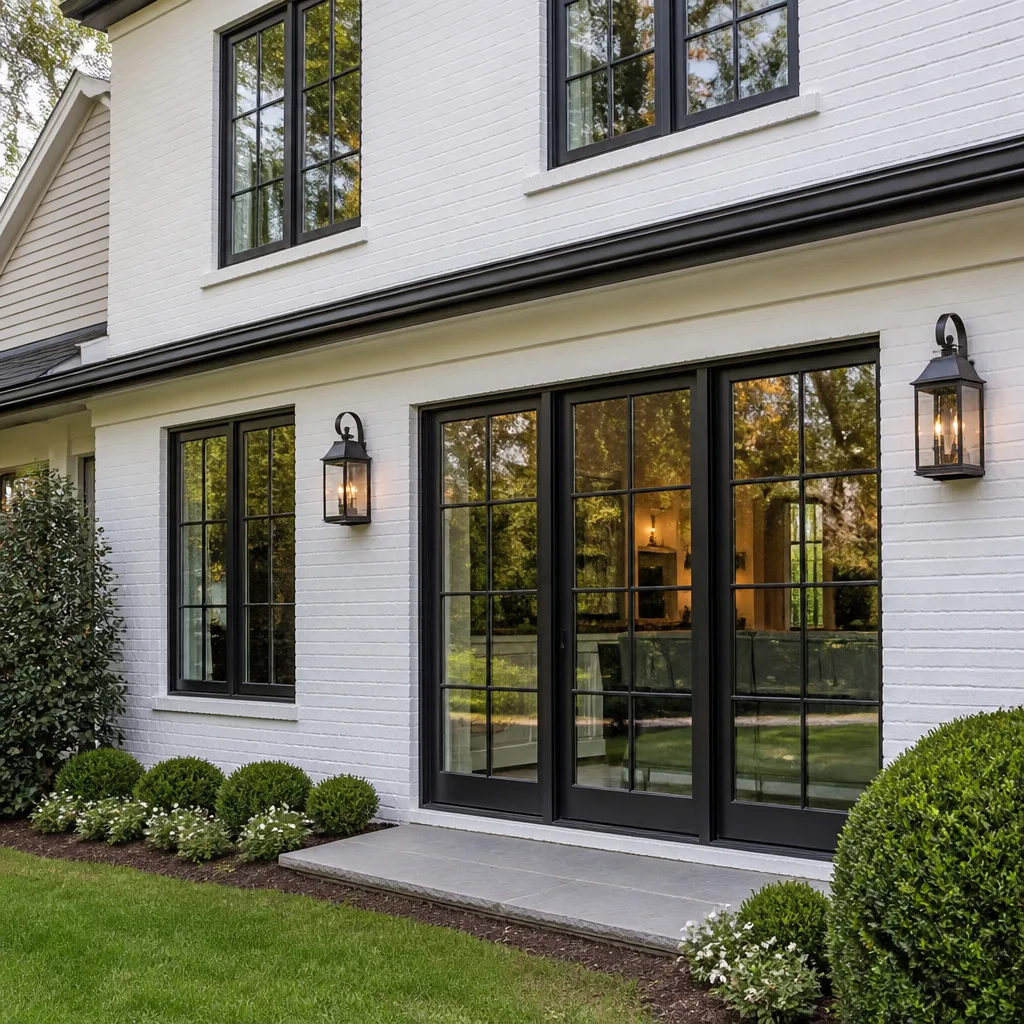
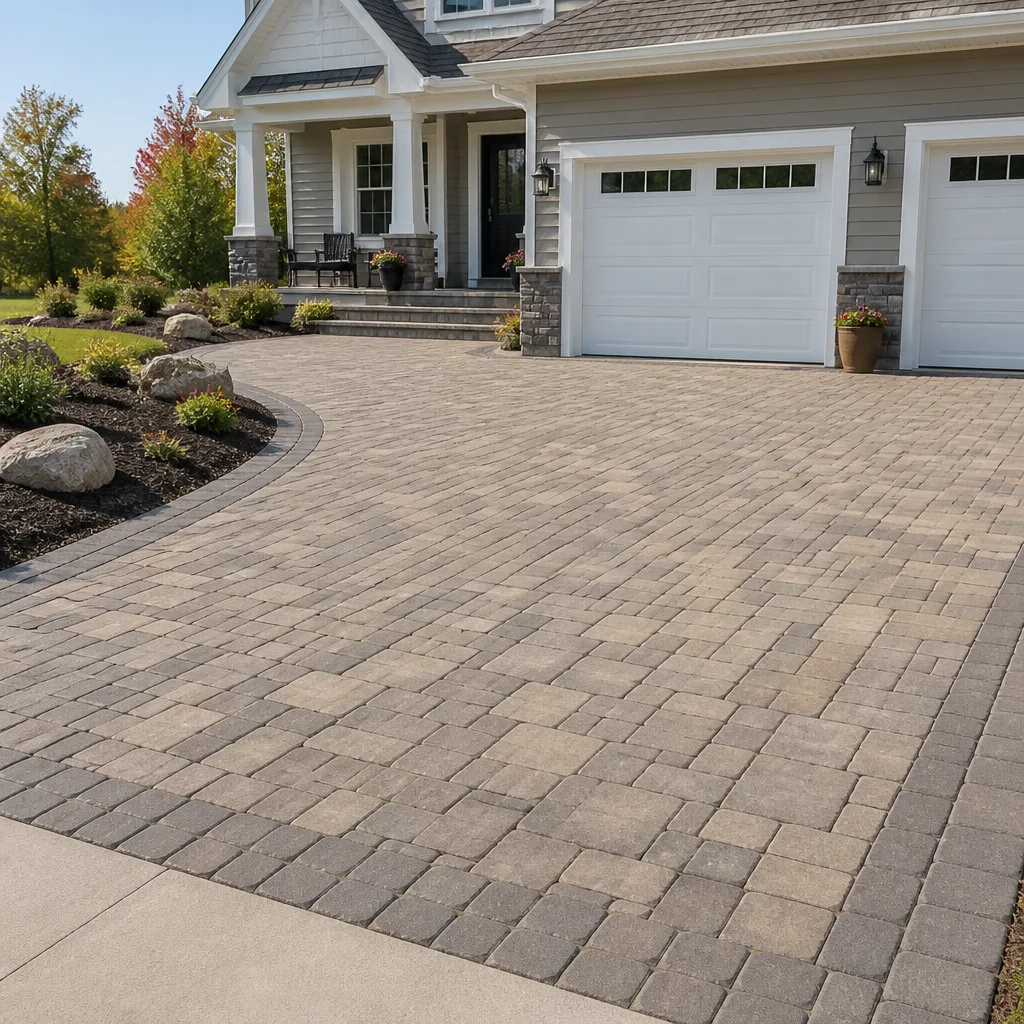
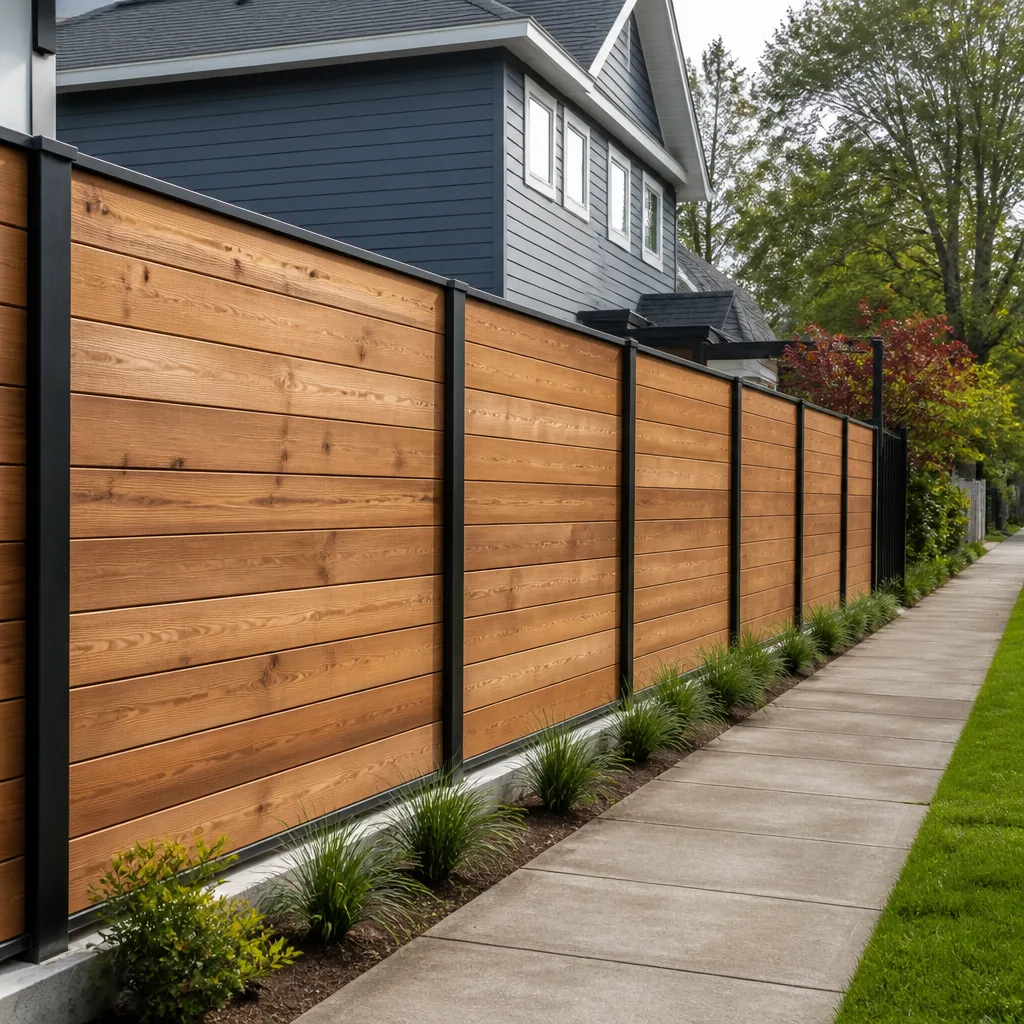
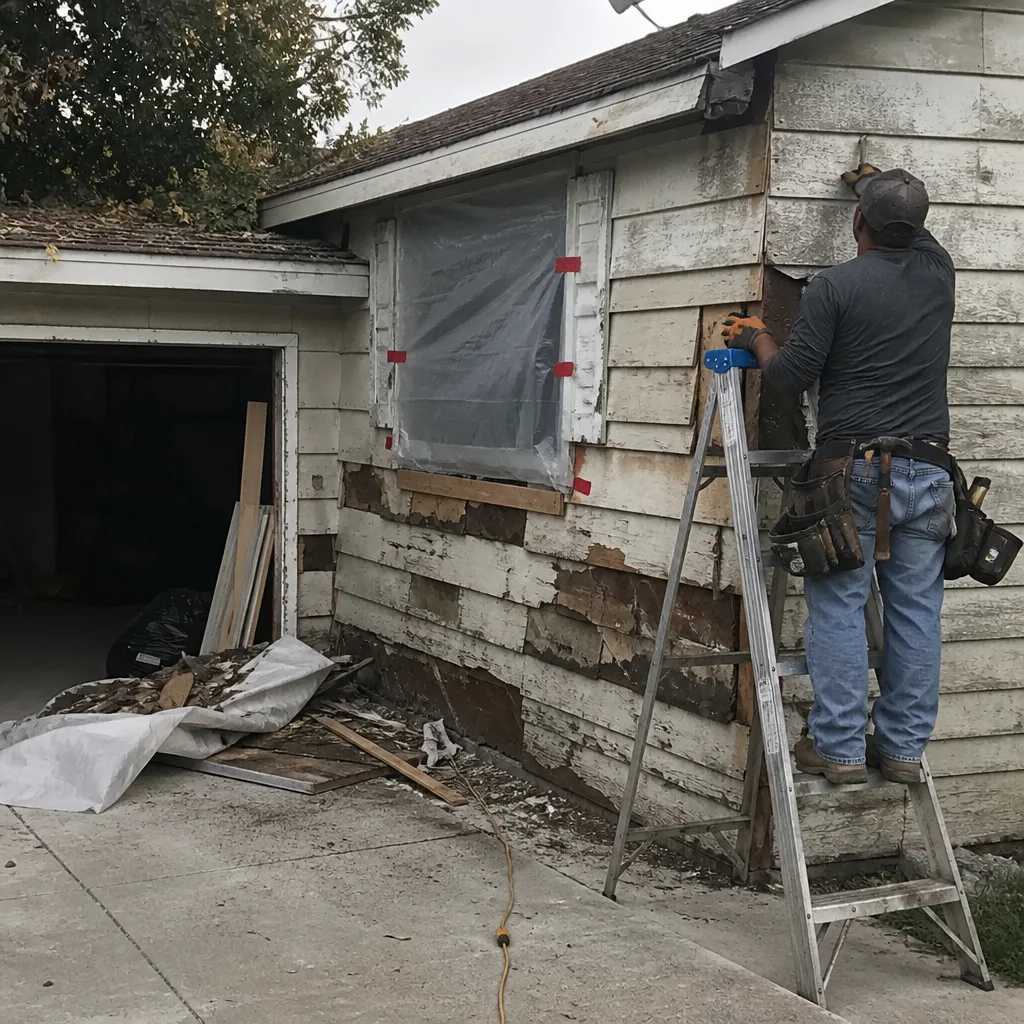 Before
 After
After Before
 After
After Before
 After
AfterAmerican Standard Home Additions & ADU: The Los Angeles Owner’s Guide
You’re not looking for a generic addition. You have an American Standard product or system already in your home, and you need a contractor who understands how that brand’s specifications, dimensions, and material tolerances affect an addition or ADU built around it. In Los Angeles, a home addition tied to existing American Standard plumbing, HVAC, or fixture layouts typically runs $53,100 to $153,400 installed, and most owners discover they need this work when an addition plan collides with existing American Standard rough-in locations, vent stack placement, or load path conflicts that a generic framing crew would miss.
Here’s the symptom picture we see most often in Los Angeles: a homeowner gets drawings back from a designer or architect, then finds out the new room doesn’t line up with the existing American Standard drain lines, the water heater recovery rate won’t support the added bathroom, or the existing window and door openings won’t carry the new header loads. That’s the moment a brand-agnostic estimate stops working and you need someone who reads specs, not just blueprints.
Which American Standard Models This Applies To
Most Los Angeles homes built between 1965 and 2005 carry American Standard fixtures and rough-in components from the Cadet, Colony, or Champion series, and those series have quirks that matter when you’re adding square footage. The Cadet line, for instance, uses a 12-inch rough-in for toilets and a specific valve body depth that changed in the early 1990s. If your addition calls for a new bathroom, we’ll need to match the rough-in dimensions to your existing American Standard rough-in or plan a dedicated branch line. It’s a small detail that prevents the new room from flushing poorly or leaking behind a brand-new vanity.
The Champion series has its own compatibility gotcha: the flush valve tower and canister are not cross-compatible with Cadet or Colony internals, and the supply line volume requirement is higher. When we run new supply lines for an addition, we size them to the most demanding fixture on the branch, not the average. We also check whether aftermarket components make sense. For American Standard trim kits and flanges, OEM is usually the right call because the tolerances are tighter and the warranty stays intact. For rough-in supply lines and vent extensions, a quality aftermarket equivalent meeting Los Angeles code is often perfectly fine, and we’ll tell you which is which before you pay for either.
Penhallow Remodeling is an independent Los Angeles general contractor and is not affiliated with American Standard. We work with American Standard products because we see them in a majority of the homes we remodel in Los Angeles, and we’ve learned their dimensions and failure points the way you learn a neighborhood: by being in it for years.
Signs Your American Standard Home Additions & ADU Is Failing
- Water pressure drops in the existing bathroom when the addition’s rough-in is connected. This usually means the branch supply line was undersized for the combined fixture load. American Standard fixtures, especially Champion-series toilets, need more water volume than older fixtures, and a half-inch line that worked fine for one bathroom will starve two.
- New drywall shows hairline cracks where the addition meets the original roofline. In Los Angeles, this is often a seismic shear wall detail that wasn’t tied correctly to the existing American Standard-framed wall. The old framing moves one way, the new framing moves another, and the joint telegraphs that movement.
- The new toilet gurgles or bubbles when the washing machine drains. A venting conflict between the existing American Standard drain-waste-vent layout and the new addition’s branch line. Los Angeles code is strict on vent distances, and plumbing inspectors here will flag a wet-vented line that a less experienced crew might hide behind drywall.
- The water heater can’t keep up with the added bathroom or kitchen. An addition that adds a shower, a dishwasher, or a soaking tub changes the recovery load. Existing American Standard water heater sizing rarely accounts for the extra demand, and Los Angeles mornings get cold enough in winter that the difference shows up fast.
- The new room never quite matches the temperature of the rest of the house. Undersized duct runs or a poorly placed return are common in additions tied to an existing forced-air system. The original American Standard HVAC was sized for the original square footage, and adding a room without rebalancing the system will always leave one part of the house warmer or cooler.
Replacement Cost & What’s Included
Our home additions in Los Angeles run $53,100 to $153,400 for the work covered on this page, which includes structural framing, rough-in coordination with existing American Standard plumbing and HVAC, finish work, and permit-ready drawings where needed. ADU construction on a separate Los Angeles lot or in a converted garage runs higher, $106,200 to $259,600, because it involves separate utility metering, dedicated panels, and foundation work that reuses less of the existing structure. Garage conversions typically fall between $35,400 and $94,400.
What drives the range: the number of wet walls you’re adding (a half bath is cheaper than a full bath), whether you’re changing roof structure or just extending a wall line, and how much of the existing American Standard rough-in we can reuse. Every Penhallow project starts with a written price before any work begins, and that number is the number on the invoice. We include our 365-Day Done Right Promise in writing on every project: if something fails inside the guarantee period, we come back and fix it at no charge, including a free return visit and no re-inspection fee.
DIY or Call Us?
There are a few things you can check yourself before you call. Look at the wall where the addition will tie into your existing American Standard bathroom or kitchen. If the pipe fittings are green with corrosion or you see water staining, that’s useful information to have ready when we walk the site. You can also measure the water pressure at the hose bib nearest the planned addition with a pressure gauge from any Los Angeles hardware store, so we know whether you’re starting with 40 psi or 70 psi. Both numbers change how we size the supply lines.
What you shouldn’t do is open walls, move drain lines, or attempt any structural alteration on an existing American Standard-framed wall. Cutting through old framing that carries roof or floor load without understanding the load path is how additions turn into structural problems, and sewer gas is a real risk when an unvented line is cut. Trevor Nash grew up in Reseda watching older ranch houses get gutted and rebuilt, and the one thing he’ll tell you from all of it is simple: “Give me the whole picture first, then we pick up the tools.” Call (936) 259-2607 and we’ll walk the whole project with you before anyone touches a wall.
FAQs
Most of our Los Angeles additions run 10 to 16 weeks from permit approval to final inspection, depending on whether you’re adding a wet wall and how much of the existing roof structure changes.
In most cases, yes. We can sleeve, extend, or branch the existing American Standard drain and supply lines rather than replacing them, which saves money and keeps the project inside the range on this page. Call (936) 259-2607 and we’ll tell you exactly what can stay and what must go.
The tie-in where your new addition connects to the existing American Standard plumbing and framing typically takes two to four working days, including inspection rough-in, and the rest of the schedule depends on finishes and fixtures.
We keep common American Standard rough-in fittings, flanges, and trim kits on our trucks because we see them daily in Los Angeles, and we source non-stocked components from local supply houses in the San Fernando Valley and central LA. We also work with KraftMaid, Cambria, and Silestone materials when the addition includes kitchen or bath finishes, so the parts and materials behind the work all carry their own warranties alongside ours.
Written by Trevor Nash, Owner, Penhallow Remodeling at Penhallow Remodeling, serving Los Angeles and nearby areas.