
Free written scope consultation - allowances, timeline, and change-order rules on paper before a single trade is scheduled
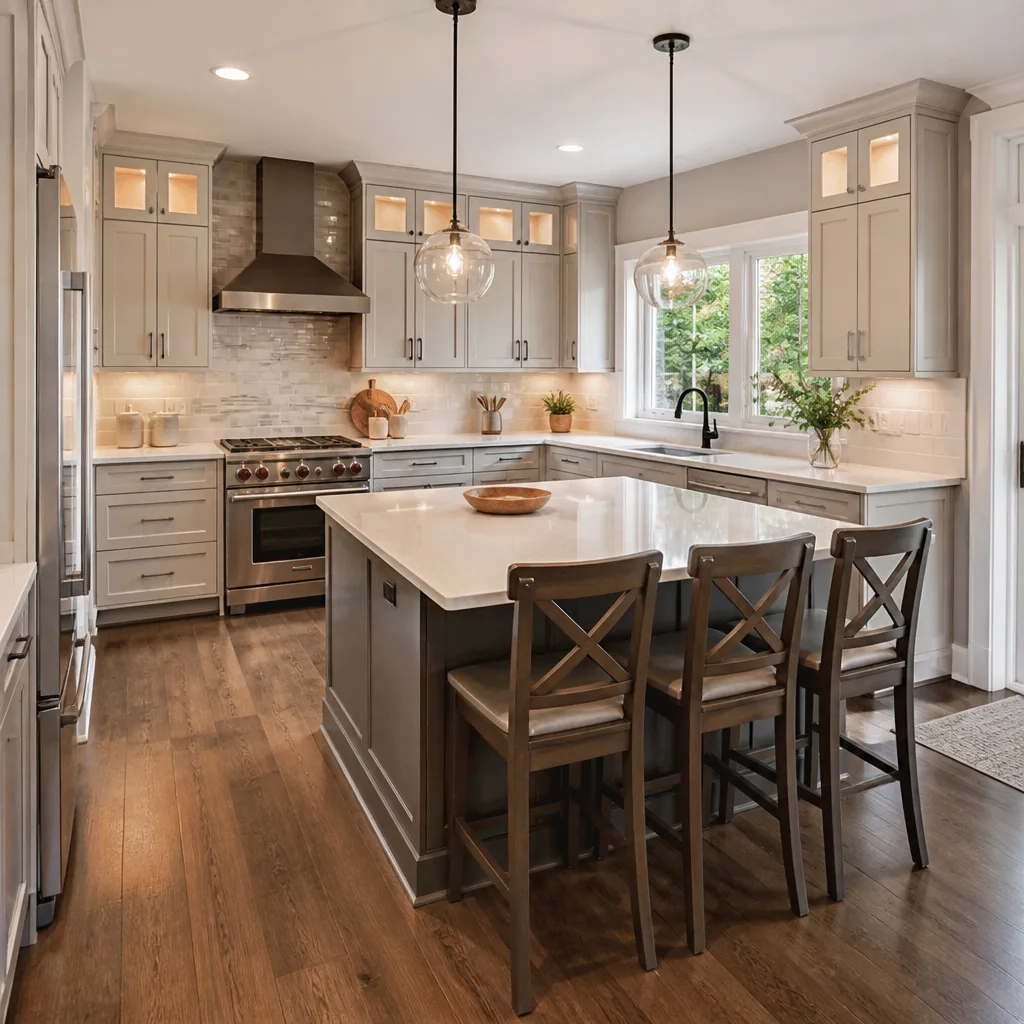
 Before
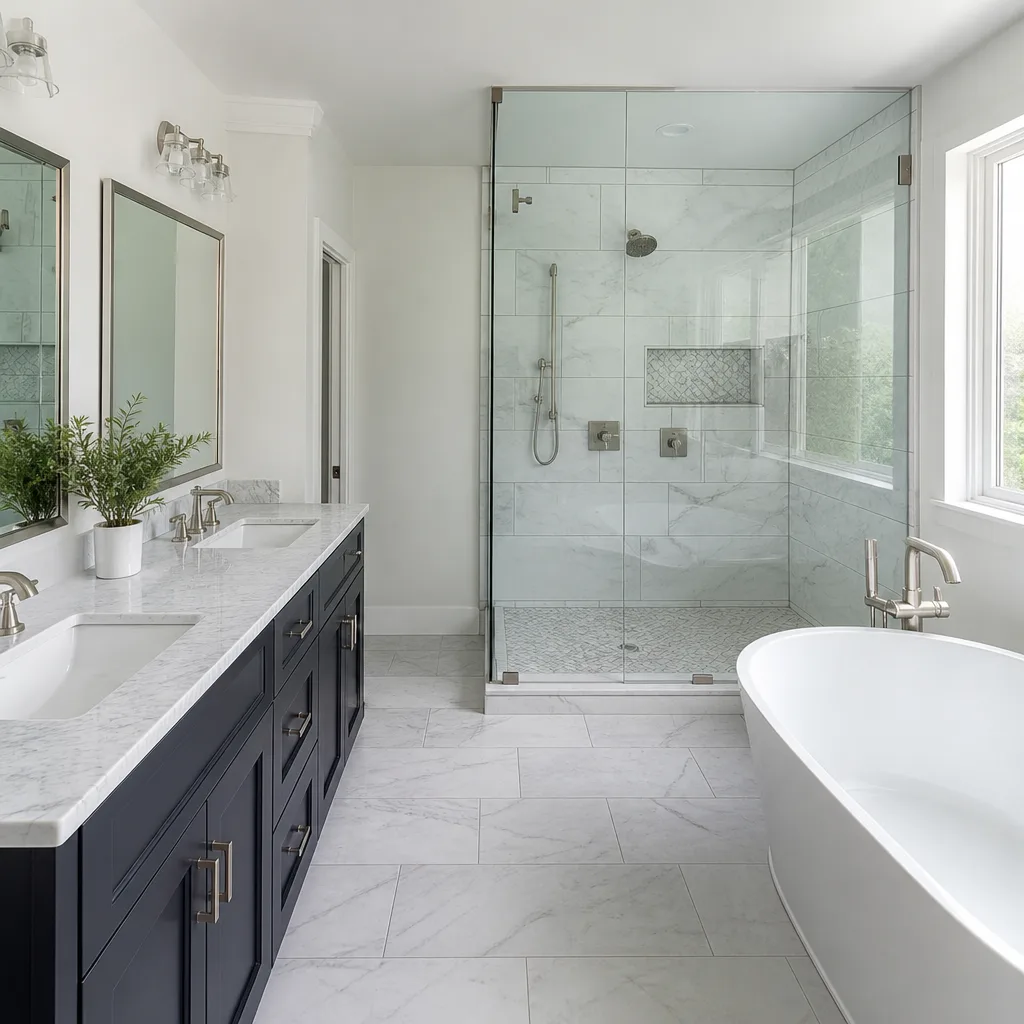
 After
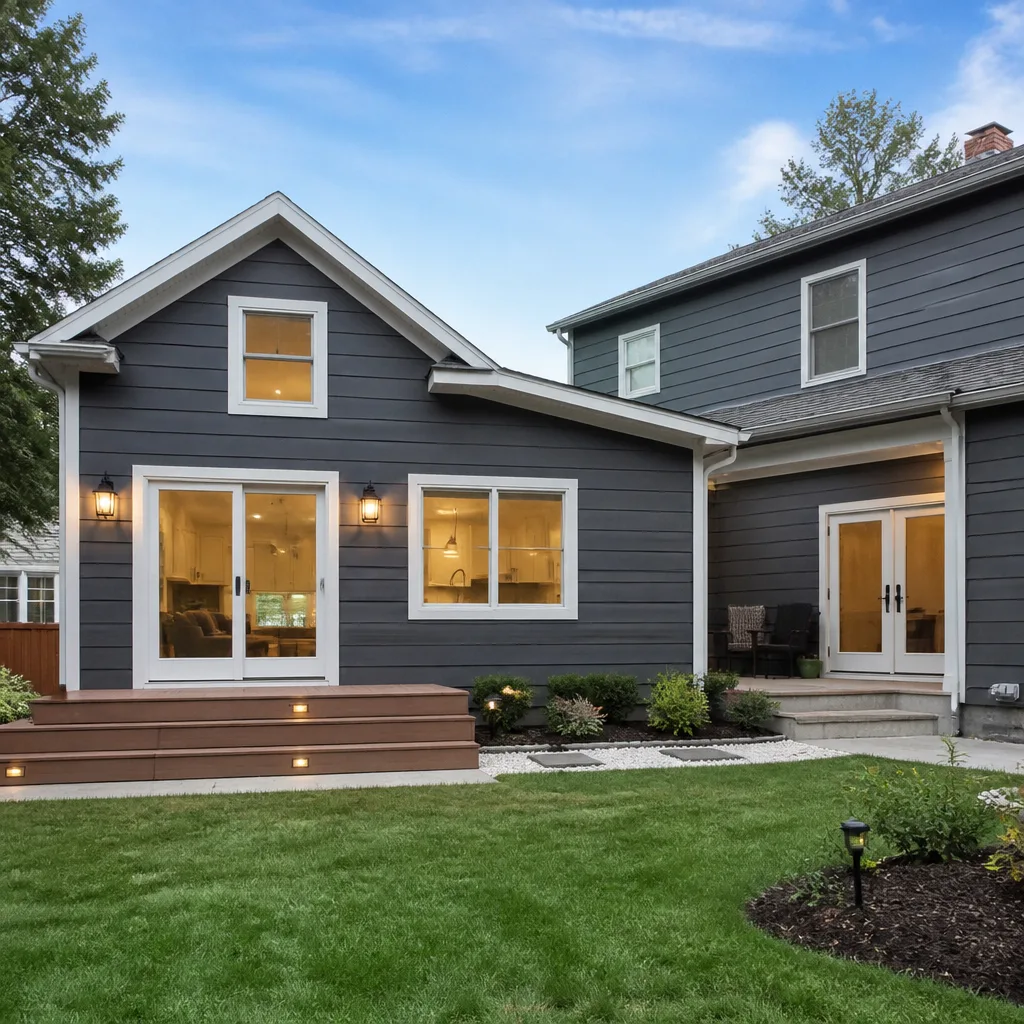
After Before
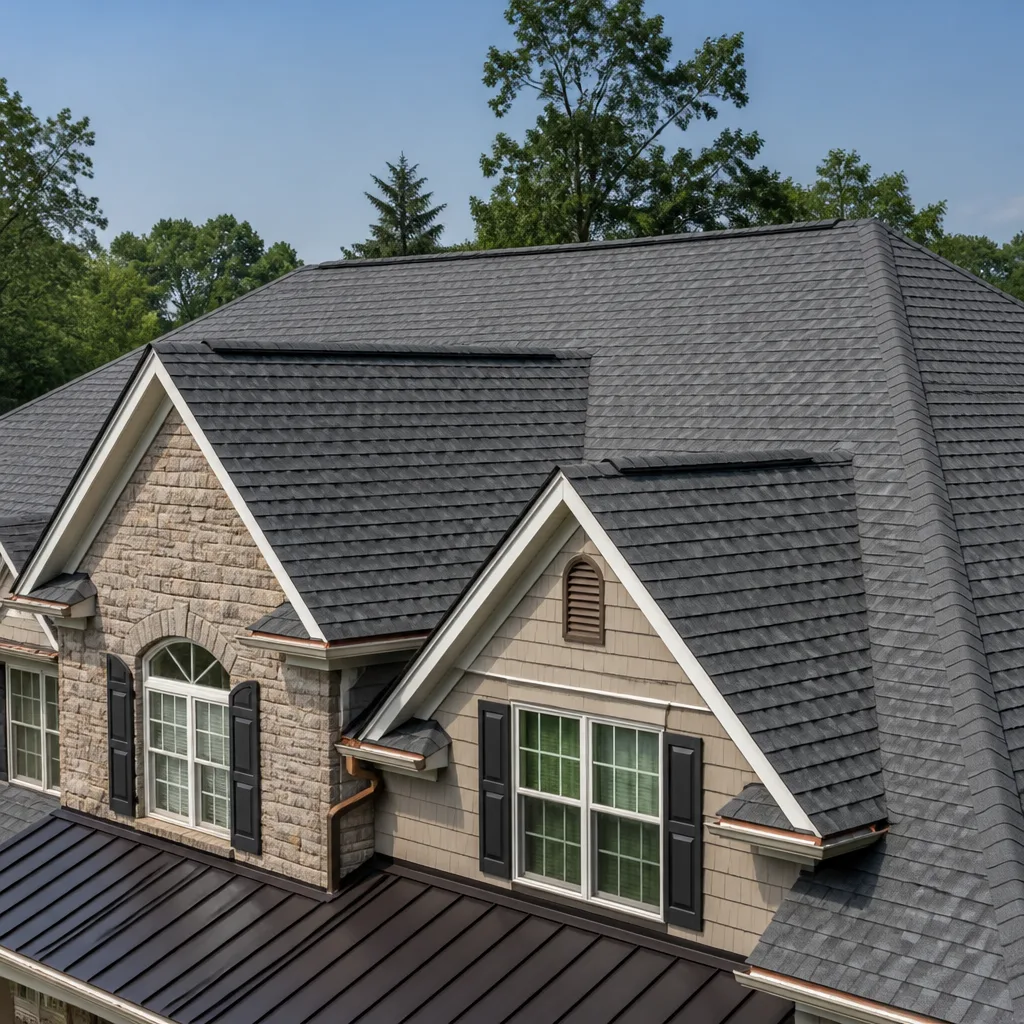
 After
After Before
 After
AfterSterling Home Additions & ADU: The Los Angeles Owner’s Guide
Sterling home additions and ADU projects in Los Angeles typically run $53,100 – $153,400 installed, and the parts side of that work – framing materials, tie-downs, flashing, and connection hardware – is usually sourced and staged within one to two weeks. When a homeowner calls us about a “failed part” on a Sterling addition, it’s almost never the whole room that’s gone bad. It’s a specific weak point: a roofline flashing that’s pulling away, a shear wall panel that’s wicking moisture, or a foundation anchor that’s loosened after a rainy season. The good news is these are repairable component failures, not tear-it-down problems, and we handle them as standalone service calls or as part of a larger remodel.
We’re an independent contractor serving Los Angeles and nearby areas – not a Sterling factory service provider – but we work with Sterling-compatible parts and materials every week. If you’ve got a failing section of your addition or ADU and you’re not sure whether it’s structural or cosmetic, start with a phone call. Trevor Nash and our team will tell you what we think it is before we ever send a truck, and the estimate is free.
Which Sterling Models This Applies To
Sterling home additions and ADUs aren’t a single product line – they’re custom builds, which means the “parts” are construction components specified at the time of the build. The compatibility question usually comes down to three things: the framing system (2×4 or 2×6 lumber, or steel studs in some Los Angeles hillside builds), the sheathing type (OSB or plywood, occasionally cement board in moisture-heavy areas), and the connection hardware specified by the original engineer. If you have the original plans or permit set, look for a detail sheet marked “shear wall schedule” or “roof-to-wall connection.” That sheet tells us exactly what was spec’d.
For OEM versus aftermarket on Sterling-compatible parts, here’s the practical reality: framing lumber and sheathing don’t have OEM branding in the way a kitchen faucet does. What matters is the engineering spec – the grade stamp on the lumber, the exposure rating on the panel, the load rating on the tie-down. We match to spec, not to a brand logo. The one place we insist on specific manufacturer products is flashing and waterproofing membranes, where we use Grace Ice & Water Shield or similar code-compliant products because California’s wet-dry cycles punish a cheap flashing job harder than almost any other climate in the country.
Compatibility gotcha: if your Sterling ADU was built before 2020, the roof-to-wall connection may not meet current Los Angeles Department of Building and Safety uplift requirements. A repair that doesn’t address that is a repair you’ll pay for twice. We check it on every call.
Signs Your Sterling Home Additions & ADU Is Failing
- Drywall cracks that open and close with the seasons. This points to movement at a connection point – usually a shear wall panel separating from the mudsill or a roof rafter pulling at the top plate. The crack is the symptom; the loose connection is the problem.
- Stucco or siding staining below a roofline. Water is getting behind the flashing. In Los Angeles, the culprit is often a dry rot cycle: winter rain saturates, summer heat bakes the moisture in, and the flashing channel quietly fails over three to five years.
- A door or window in the addition that suddenly binds. When a framed opening drifts out of square, the frame is telling you something below it has shifted. Foundation anchors or a settling footing are the usual suspects.
- Musty smell you can’t locate, even after rain stops. Water’s gotten into the wall cavity or a crawl space. With an addition, the leak point is often where the new roofline ties into the original house – the transition flashing is the single most common failure we see.
- Cracks in tile or popped nails inside the ADU. These are movement indicators. Popped drywall nails especially mean the framing behind the wall is flexing, and in a hillside Los Angeles neighborhood, that flex usually traces back to drainage or soil movement.
Replacement Cost & What’s Included
For Los Angeles homeowners, the lead range for Sterling addition and ADU repair or rebuild work is $53,100 to $153,400 installed. That’s a wide spread because the job can be anything from a partial shear wall replacement to a full roof-to-wall connection rebuild with new flashing, new waterproofing, and re-stucco. Here’s what actually drives the number:
- Access. A second-story addition or a hillside ADU with no clear staging area costs more. Scaffolding and crane time are real line items.
- What we find once the wall is open. Dry rot, termite damage, or a foundation issue hidden behind the sheathing changes scope. We photograph everything and show you before we add a dollar.
- Finishes. Matching stucco texture or siding color on a 15-year-old addition takes skill and time. A perfect match is cheaper than a full re-skin – unless you want the re-skin.
Every job gets a written price before work starts, and that written price is the price on the invoice. Our 365-Day Done Right Promise covers the work for a year: if something fails inside that window, we come back and fix it at no charge. No service call fee, no negotiation. It’s in writing.
DIY or Call Us?
Here’s the honest split. You can safely check a few things yourself: look for visible flashing gaps from the ground with binoculars, check your downspouts are directing water away from the addition’s foundation, and mark any cracks with a pencil line to see if they’re growing. That information helps us help you before we even arrive.
What you should not do is open up a wall or climb a ladder to inspect roof connections yourself. Shear wall failures and roof-to-wall connection issues involve structural loads, and a misdiagnosed connection can fail catastrophically in the next earthquake or heavy wind. Trevor’s rule on this one is simple: “Give me the whole picture first, then we pick up the tools.” Call (936) 259-2607 and describe what you’re seeing. We’ll tell you what we think, what it likely costs to confirm, and whether we even need to come out at all. The estimate is free either way.
FAQs
A properly built addition in Los Angeles should go 40 to 60 years before structural repair, but the transition points – flashing, waterproofing, and connection hardware – typically need attention at the 15 to 20 year mark. That’s the reality of our wet-dry, hot-cool climate. Call (936) 259-2607 and we’ll tell you if what you’re seeing is normal aging or something that needs action this year.
In most cases we can isolate the repair to the failed component – a shear panel, a flashing transition, a section of roofline – without touching the rest of the structure. The exception is when water damage has spread into the framing or subfloor, which is why we never recommend waiting on a leak. Call (936) 259-2607 for a straight answer on whether your specific issue is isolated or systemic.
Most component repairs on Sterling-compatible additions run 3 to 10 working days from first cut to final paint. Full shear wall replacements or roof-to-wall rebuilds run longer, typically 2 to 4 weeks, depending on access and finish matching. We give you a written arrival window and a written completion target before work starts – and we hit them.
We stock common framing hardware, flashing, and waterproofing products on our trucks, and anything we don’t have is typically at our Los Angeles suppliers within two business days. For specialty materials – engineered lumber, custom flashing profiles – we provide the lead time in writing before the job starts. We also work with the same trade brands you’ll recognize: KraftMaid and Wellborn cabinetry, Cambria and Silestone countertops, for any finish work tied into the repair.
Written by Trevor Nash, Owner, Penhallow Remodeling at Penhallow Remodeling, serving Los Angeles and nearby areas.