Free written scope consultation - allowances, timeline, and change-order rules on paper before a single trade is scheduled
Atlas Home Additions & ADU: The Los Angeles Owner’s Guide
If you have an Atlas home addition or ADU in Los Angeles and something’s failed, here’s the short answer: we install and repair Atlas-built additions and accessory dwelling units across Los Angeles, with full project work typically running $53,100 – $153,400 depending on scope, and structural or systems repairs falling at the lower end of that range. Most owners discover a problem the same way: a crack opens in the drywall above a door header, a roof leak shows up at the ceiling line where the addition ties into the original house, or the mini-split that services the ADU stops holding temperature. Those failures almost always trace back to three things: settling at the connection point between old foundation and new, flashing detail where the addition roof meets the main structure, or undersized mechanicals installed during the original build.
Which Atlas Models This Applies To
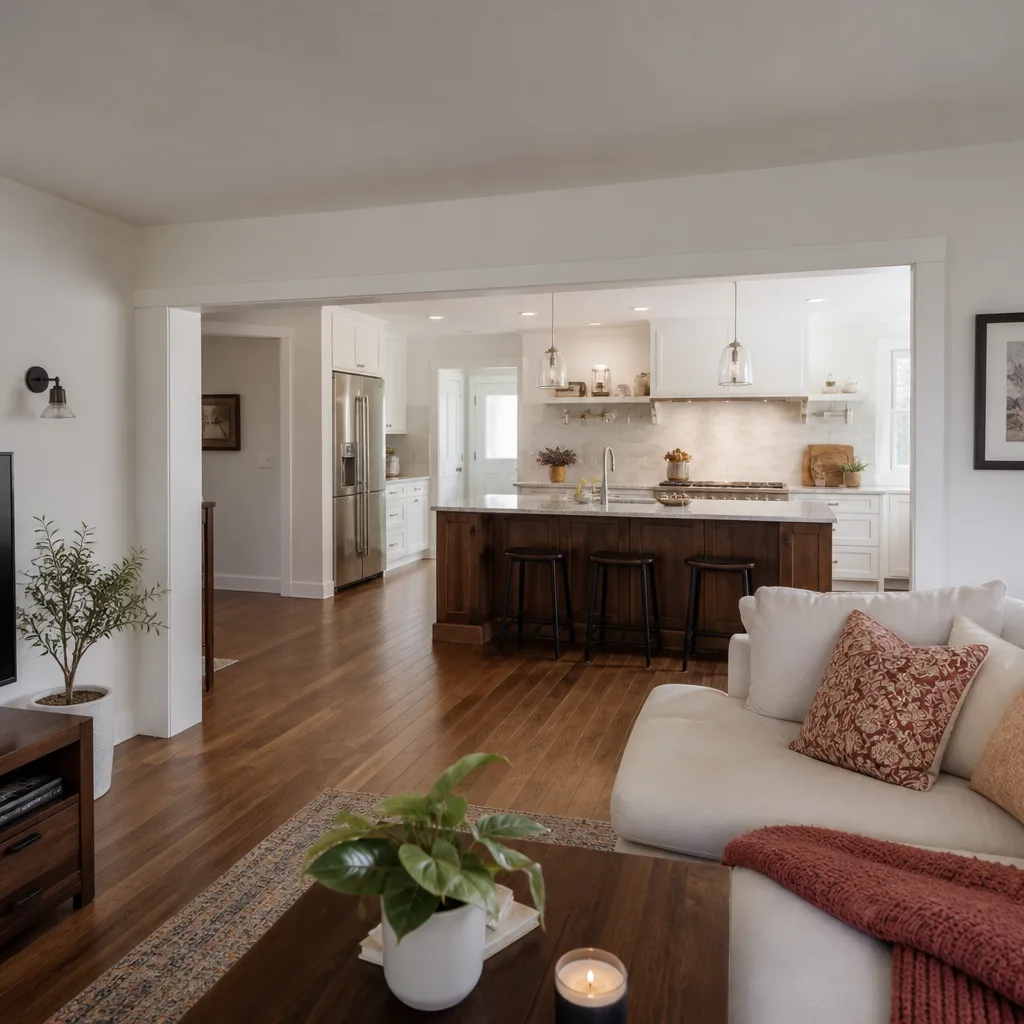
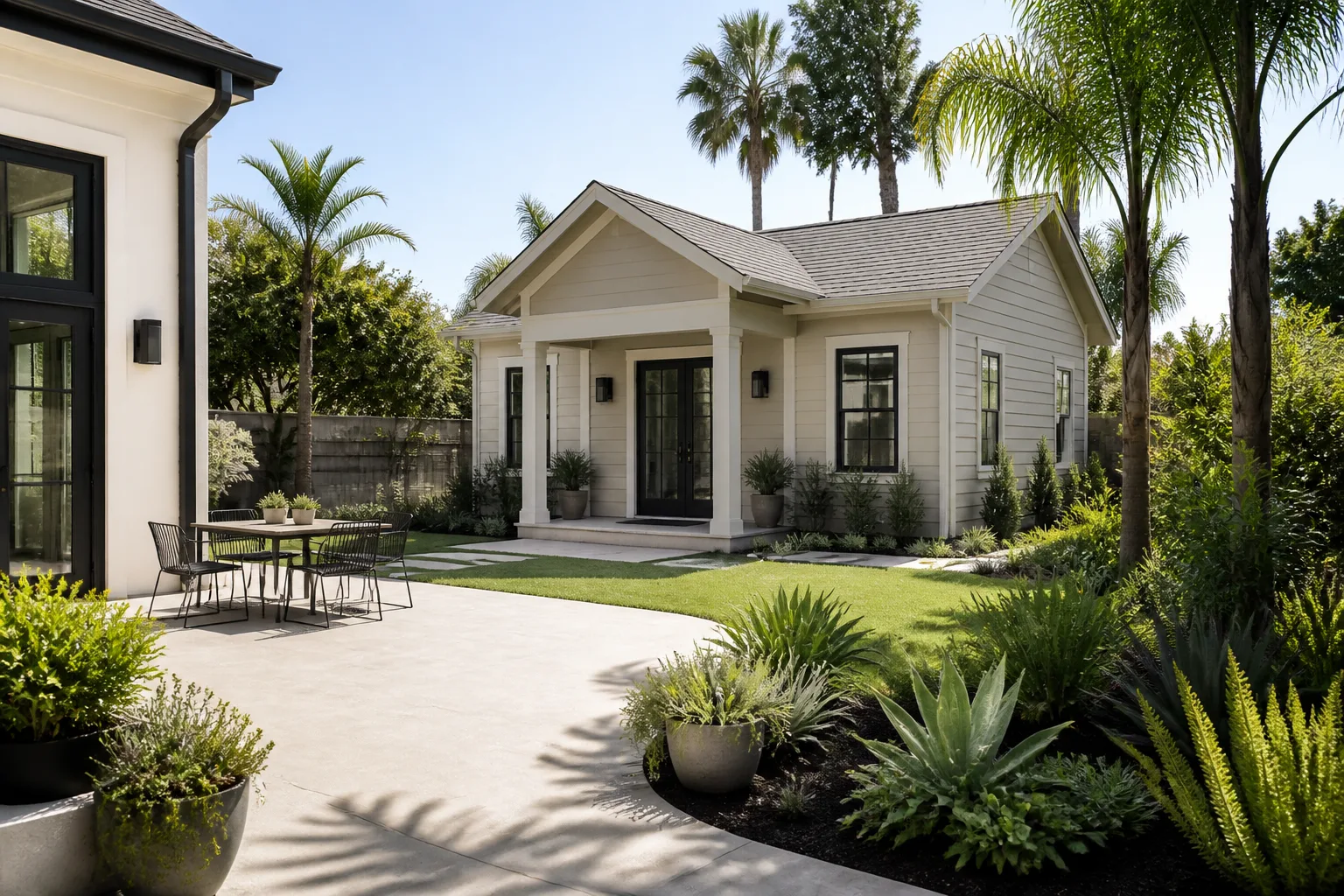
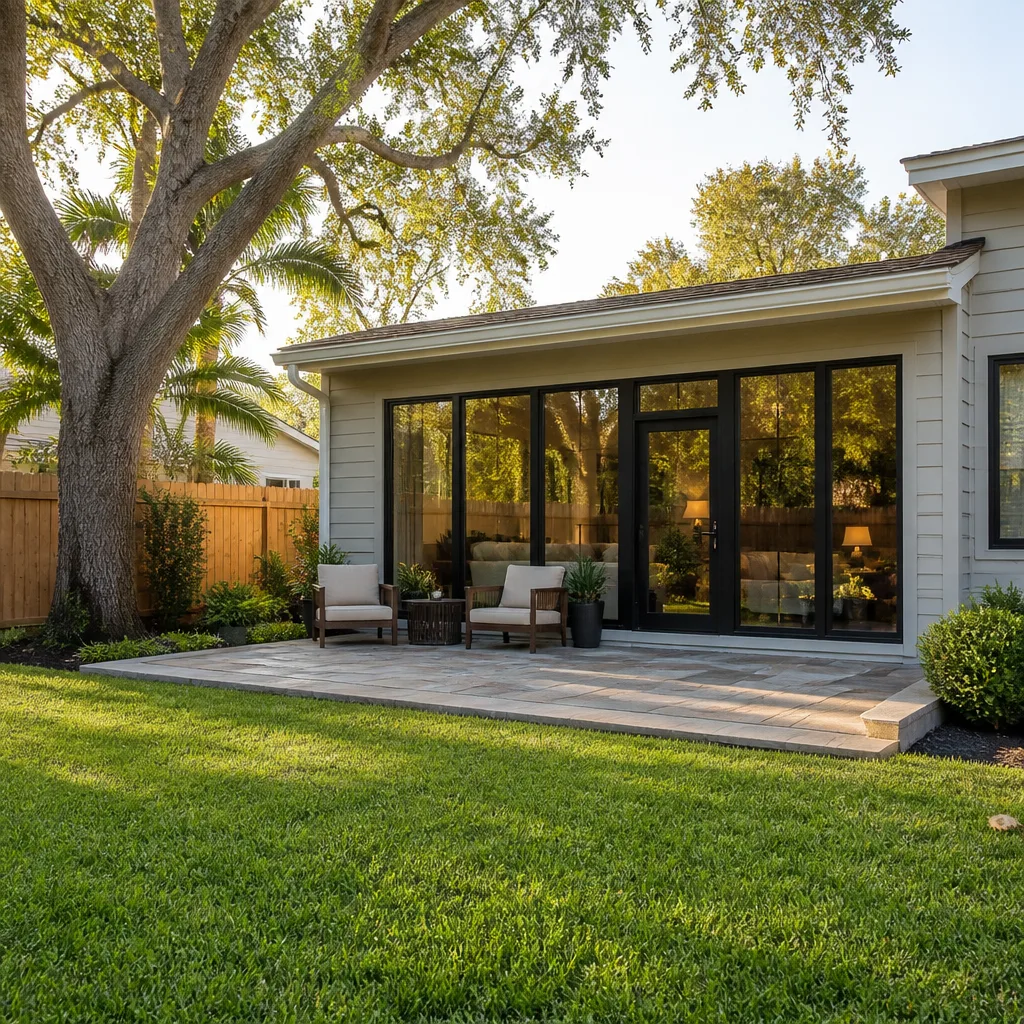
Atlas home additions and ADUs in the Los Angeles market fall into a few distinct build types, and the failure profile is different for each. Attached single-story additions, the most common Atlas build we see in neighborhoods like Reseda, Encino, and Woodland Hills, share a roofline with the main house and a butt-joint wall where the framing meets the original exterior. Detached ADUs, which have become the bulk of Atlas work in cities like Burbank and Torrance since the 2020 ADU law changes, carry their own electrical subpanel, their own water heater, and usually a ductless mini-split. Garage conversions, the third category, present a specific gotcha: the original garage slab was poured thinner than modern living-space code requires, so Atlas crews either poured a topping slab or bolted down a raised floor system. If you’re looking at a problem in a converted garage, you need to know which method was used before anything gets torn open. We identify the right approach by checking the permit record with LADBS (Los Angeles Department of Building and Safety), not by guessing from visible symptoms.
On the OEM versus aftermarket question: Atlas doesn’t manufacture components like a carmaker does. Their additions are framed, sheathed, and finished with the same trade materials available to any licensed LA contractor. The “Atlas part” is really an Atlas detail: the specific way the tie-in was flashed, the specific shear-wall spec the engineer signed off on, the specific spacing on the pier footing rebar. When we repair an Atlas addition, we match those details to the original plans rather than swapping in generic fixes. That’s what keeps a repair from cracking again in six months.
Styles & brands we work with
- Kitchen remodeling
- Bathroom remodeling
- Home additions & ADU
- Roofing
- Windows & doors
- Driveway & pavers
- Fence
Signs Your Atlas Home Additions & ADU Is Failing
- Cracking at the connection seam. A vertical or diagonal crack where the addition wall meets the original house usually means differential settling: the newer foundation moves at a different rate than the old one. In Los Angeles’s varied soil, compacted fill under the newer slab often settles for the first three to five years, and the seam is where the movement shows first.
- Water staining at the ceiling line where roofs tie in. The intersection of an addition roof and the main house roof is the hardest flashing detail to get right. When a leak shows up there, it’s rarely the shingle or membrane itself. It’s the flashing detail: wrong gauge metal, too short a lap, or sealant that cooked in the San Fernando Valley summer and separated.
- The ADU mini-split can’t hold temperature past 78 degrees. Homes in the valley regularly see 95+ days through August and September. An undersized or poorly charged mini-split will run constantly and still fall behind by mid-afternoon. In a garage conversion, the problem is often worse: the existing slab wasn’t insulated, and the floor acts as a heat sink that fights the system all day.
- Doors inside the addition start to stick or swing on their own. A door that was square a year ago and now catches at the top corner is telling you the header or the floor framing has moved. Small movement is expected; a door that won’t close at all is a sign the deflection exceeds what the framing was designed for, and it’s worth a structural look.
- Subpanel trips when you run normal loads. Many Atlas ADUs were built with a 60-amp feeder from the main panel, which is fine for a studio or one-bedroom. But the second someone adds an in-unit washer/dryer, an EV charger, or a second mini-split head, the 60-amp service doesn’t hold. The fix isn’t a bigger breaker; it’s running new feeder wire, and that’s a permitted job.
See the difference
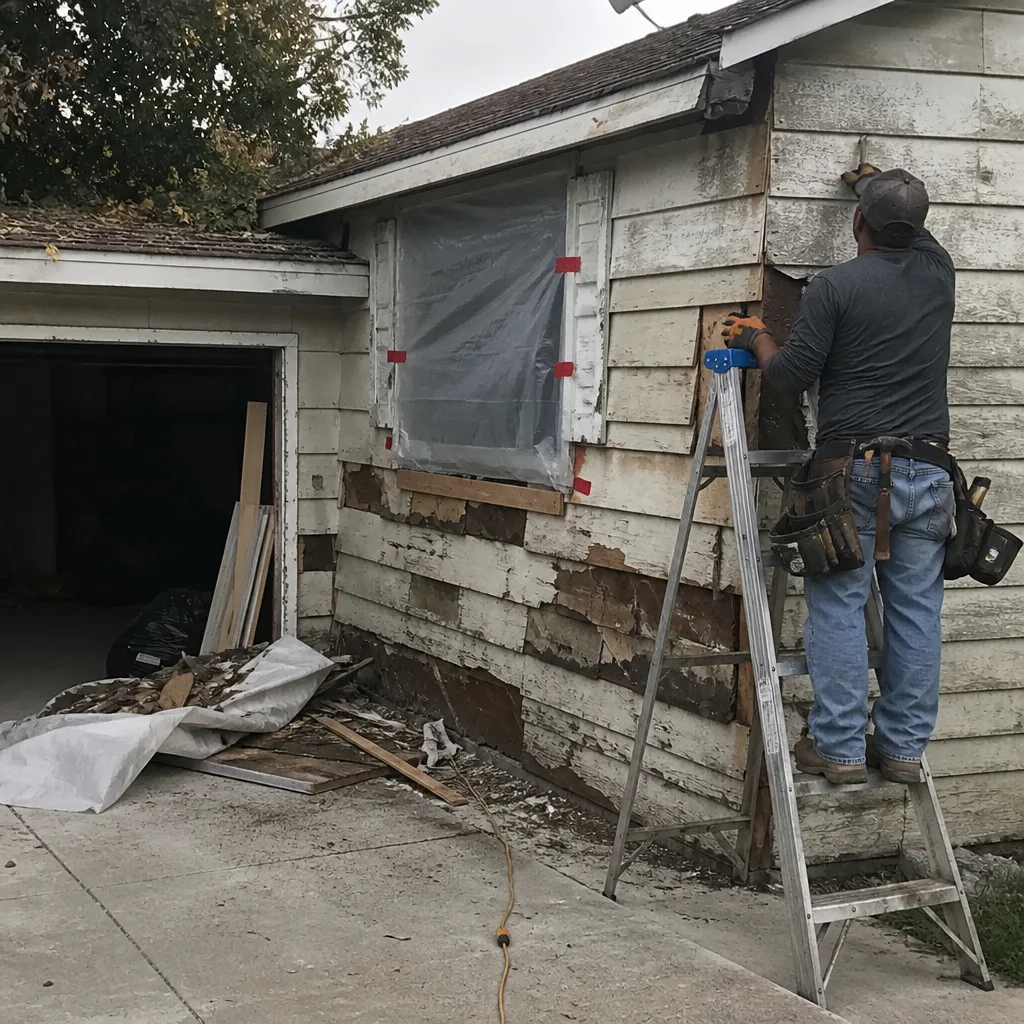 Before
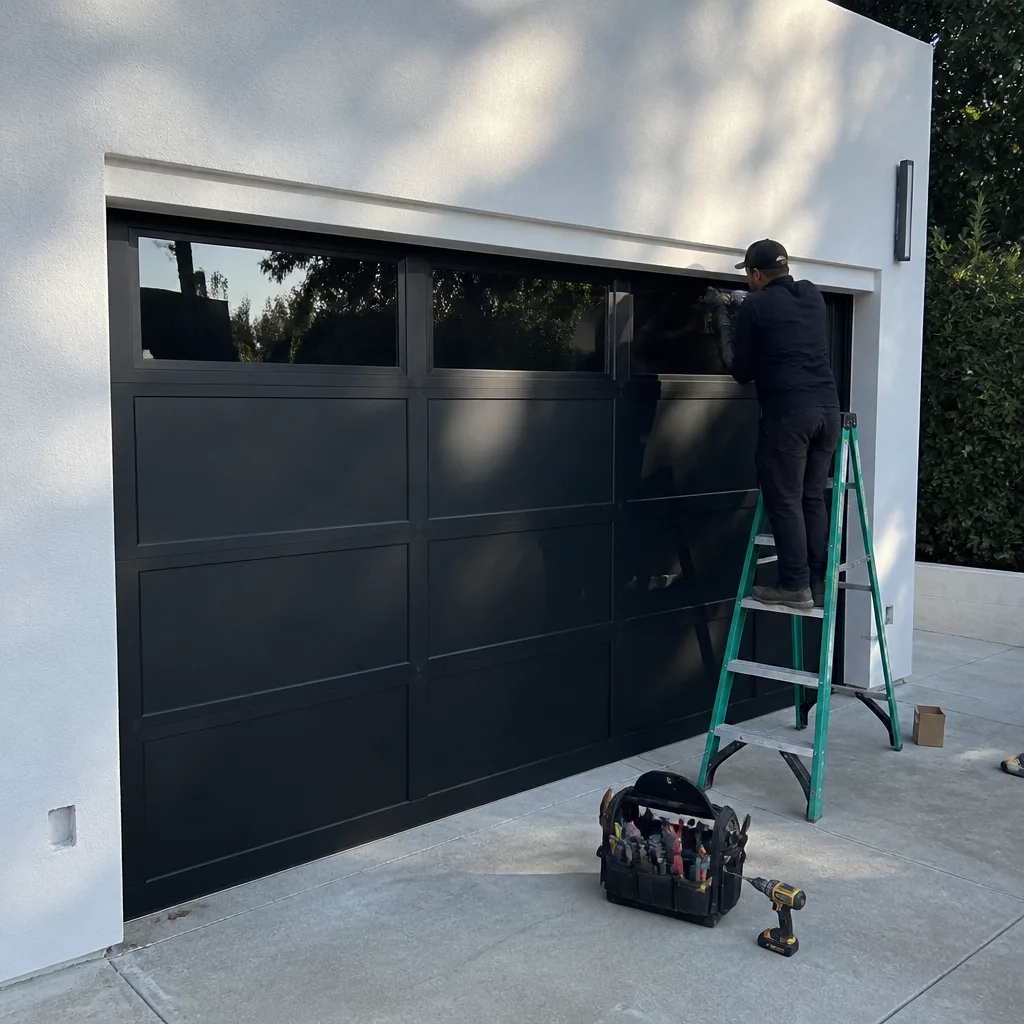 After
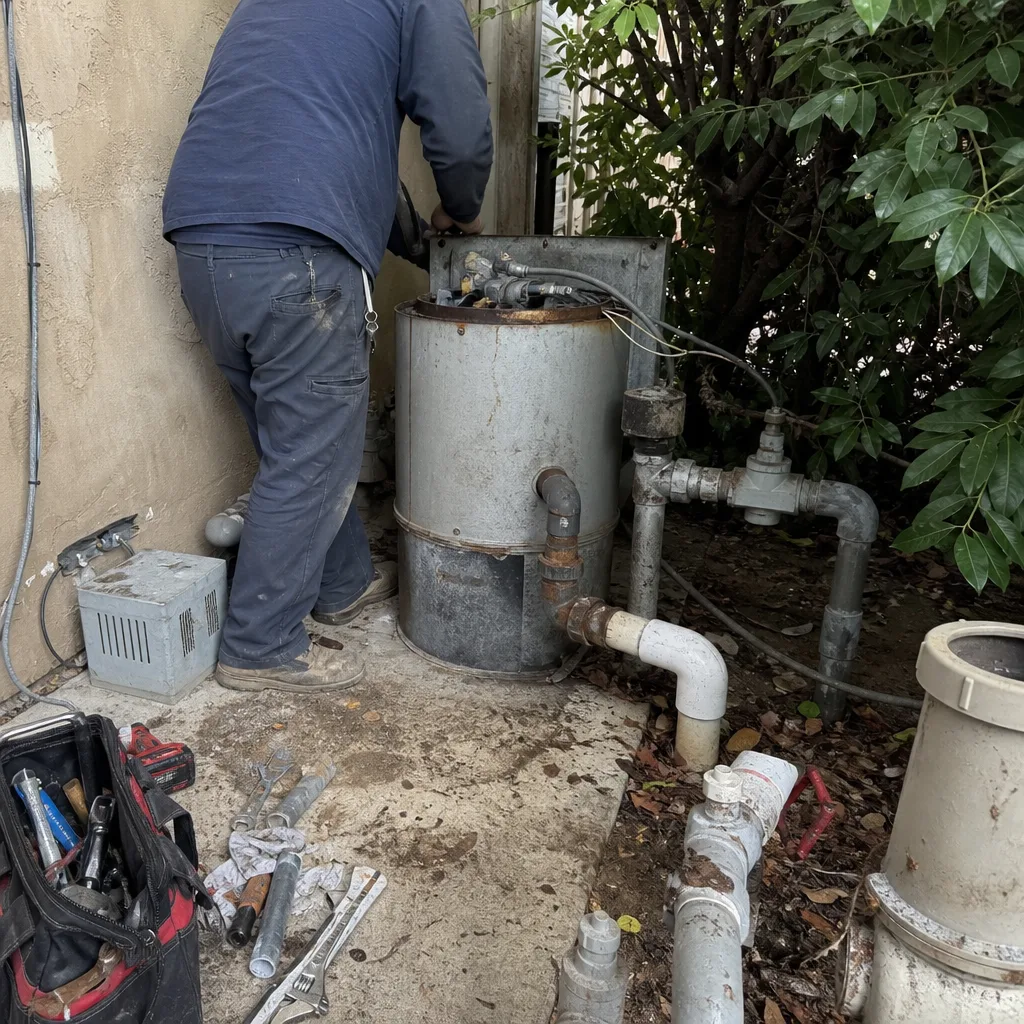 Before
 After
 Before
 After
Replacement Cost & What’s Included
In Los Angeles, a full Atlas home addition or ADU rebuild of comparable scope runs $53,100 to $153,400, with detached ADUs from the ground up landing at $106,200 to $259,600. But readers landing on this page usually don’t need a full rebuild. The repair work we do on failing Atlas additions clusters in narrower bands. Fixing a failed roof tie-in flashing with new metal and membrane typically runs $470 to $2,125 depending on linear footage and roof access. Replacing an undersized mini-split with a properly sized unit, including line-set and electrical, runs $5,310 to $14,160. Structural crack repair with epoxy injection and framing-as-needed varies too widely to give a single number without a site visit, but most fixes fall between $4,720 and $15,340. Every number you get from us is written, line-itemed, and fixed before work starts under the Kingswell standard. That means the price on day one is the price on the invoice. The Done Right Promise covers the repair in writing. If the same failure comes back within a year, we return and make it right at no charge.
DIY or Call Us?
There’s a safe amount of diagnosis an owner can do. You can check your LADBS permit record to confirm what was approved. You can note where exactly the crack runs, whether it’s grown in the last month, and whether it opens and closes with the seasons. You can look at the flashing from a ladder at the roofline, if and only if you can stay off the roof itself. What we don’t recommend is any hands-on repair involving roof work, electrical panels, or structural framing. Roof work on a two-story Los Angeles house is a fall risk. Opening a subpanel without killing the feeder is a serious electrical hazard. And cutting into a shear wall or header without understanding load paths can turn a $3,000 repair into a $40,000 one. I grew up watching my uncle gut valley ranch houses in Reseda, and the lesson stuck: give me the whole picture first, then we pick up the tools. Call (936) 259-2607 and we’ll start with that picture.
FAQs
A properly built addition with a good foundation and correct flashing should go 30 to 50 years before major structural work. In Los Angeles’s dry climate, the components that fail first aren’t the framing: they’re the roof tie-in flashings (10 to 20 years), the mini-split systems (12 to 15 years), and the exterior caulking at trim and window lines (5 to 10 years). Call (936) 259-2607 if any of those are showing age.
Repair is almost always possible. Rebuilding is justified in rare cases of extreme foundation failure or when the original work was so far out of code that bringing it up means taking it down. We’ll tell you which one you’re dealing with, in plain terms, before any work is quoted. Estimates are free.
Most single-component repairs take one to three working days once the permit is in hand. A roof tie-in re-flash is usually a day. A mini-split replacement is a day. Structural crack repair with epoxy is two days including cure time. Larger structural issues add time accordingly. We give you a written arrival window before the job starts, not after.
For the materials involved in Atlas repair work, we keep common flashing gauges and profiles, epoxies, and structural connectors on hand in our Los Angeles service vehicles. Brand-specific components like mini-split systems come from local supplier stock and are typically available same-week. If we’re pairing your repair with cabinetry or countertop work from our KraftMaid, Cambria, or Silestone lines, those are ordered to spec with lead times quoted before you commit.
Written by Penhallow Remodeling, Penhallow Remodeling at Penhallow Remodeling, serving Los Angeles and nearby areas.