
Free written scope consultation - allowances, timeline, and change-order rules on paper before a single trade is scheduled
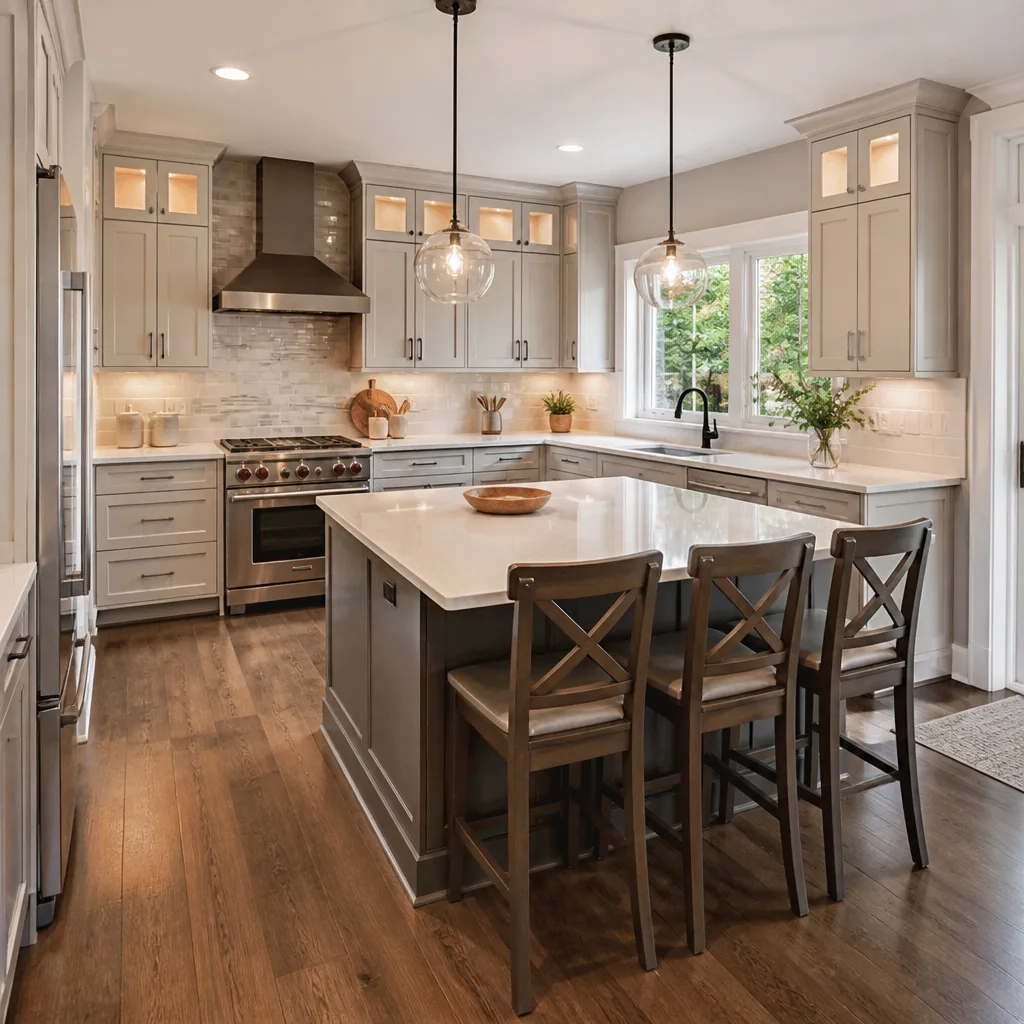
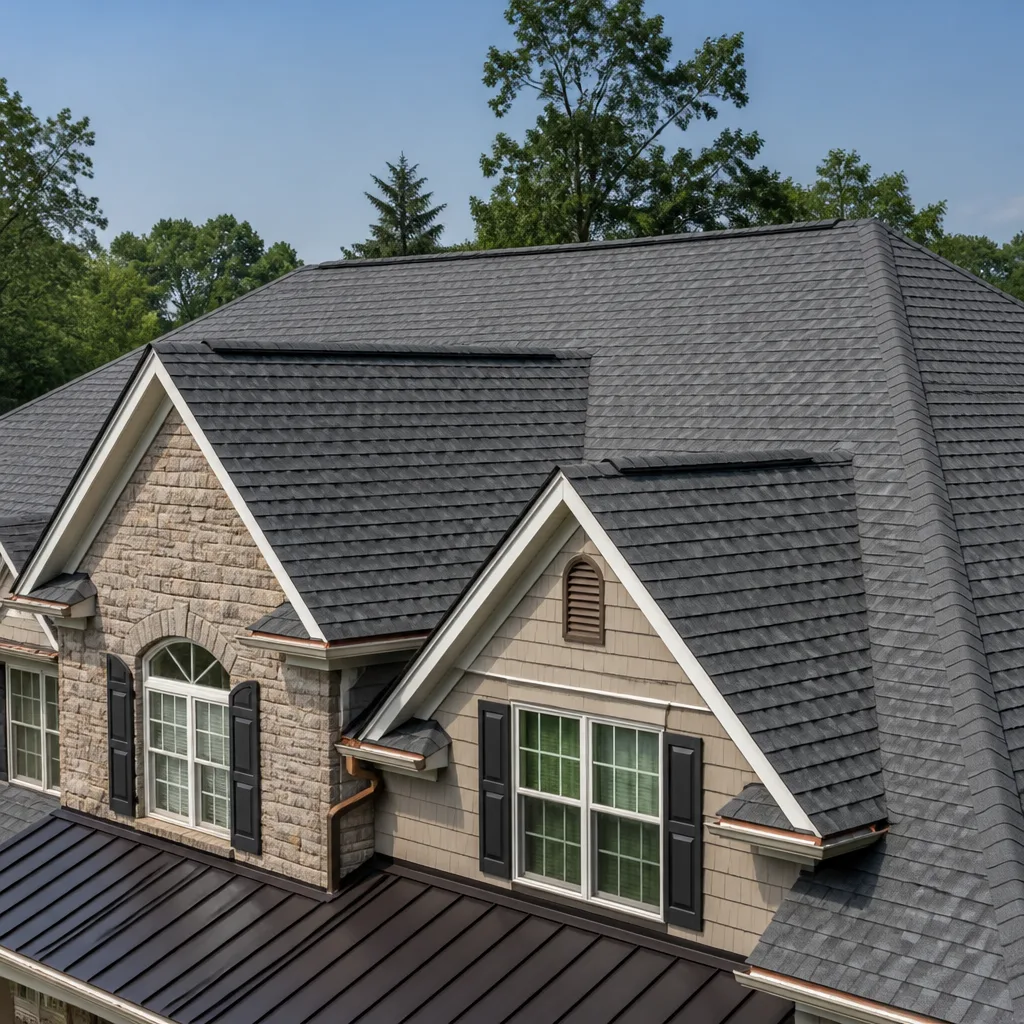
 Before
 After
After Before
 After
After Before
 After
AfterCWS Roofing: The Los Angeles Owner’s Guide
If your CWS roofing system is leaking, lifting, or losing granules, the repair bill for a professional fix in Los Angeles typically runs $470 – $2,125 depending on the damage, and full roof replacement on a CWS-equipped home lands between $9,440 and $23,600. We stock common CWS-compatible flashing, underlayment, and fasteners on our trucks, and in most cases our crew can complete a standard repair the same day we diagnose it. Most owners discover the problem the same way: a water spot on the ceiling after the first real rain, granules collecting in the gutter, or a tile that slides out of place when a Santa Ana wind kicks through. What looks like a small issue on the surface often traces back to a failed underlayment seam or a cracked flashing boot that’s been quietly letting moisture in for months.
Key Takeaways:
- Los Angeles CWS roof repair typically costs $470 – $2,125; full replacement runs $9,440 – $23,600.
- We carry CWS-compatible flashing, fasteners, and underlayment on the truck for same-week repairs.
- Penhallow Remodeling is an independent contractor; we’re not affiliated with CWS, but we work on their systems daily.
- Every repair comes with a written price before work starts and our 365-Day Done Right Promise in writing.
Trevor Nash has been pulling apart Southern California roof systems long enough to know that the CWS line has a few specific weak points. Give me the whole picture first, then we pick up the tools. That’s how we run every diagnosis: look at the whole roof, find the actual failure, and tell you what it costs before anything gets touched.
Which CWS Models This Applies To
CWS roofing systems in Los Angeles fall into a few distinct generations, and the parts are not as interchangeable as most homeowners assume. Older CWS installs from the mid-2000s typically used a 24-gauge standing seam profile with 1.75-inch ribs and a snap-lock joint that’s since been discontinued. Newer CWS lines moved to a 26-gauge panel with a mechanical seam and a wider 2-inch rib, which means a flashing boot cut for the old profile won’t seat correctly on the new one. The fastest way to identify which generation you have is to check the underside of a lifted panel: older runs carry a stamped date code and gauge mark near the eave edge, while newer stock prints the series number directly on the panel lip. We also keep our eye on the specific gray tone CWS used in its coastal-tier finish; it’s a shade or two lighter than the standard commercial gray, and matching it matters on patch jobs near the street-facing slope. For owners deciding between OEM and aftermarket, CWS-branded replacement panels often carry a 30-day lead time from the manufacturer. Quality aftermarket 26-gauge panels from our stock run about 15 – 20% less and hold a comparable lifespan when paired with the right underlayment. We’ll give you both numbers in writing and let you decide.
Signs Your CWS Roofing Is Failing
- Water staining on ceilings or upper wall corners. This is usually a failed pipe boot or a cracked seam at a roof penetration. The rubber collar around vent pipes on CWS systems degrades faster under Los Angeles sun exposure, especially on south-facing slopes. Once that collar splits, water tracks down the pipe and pools behind drywall.
- Granules collecting in gutters or downspouts. CWS asphalt shingle lines shed granules as the fiberglass mat begins to dry out. After 12 to 15 years of Los Angeles heat, that granule loss accelerates. A consistent trickle of granules at the downspout means the shingle’s protective layer is gone and the mat is exposed.
- Lifting or flapping metal panels during Santa Ana winds. The snap-lock profiles on older CWS standing seam systems eventually lose their grip. Once a panel lifts at the seam, wind gets underneath, loosens adjacent panels, and weakens the fastener line. What starts as a rattle becomes a peeled-back section after one strong wind event.
- Visible rust streaks running from fastener heads. CWS fasteners use a coated steel shank, but after enough thermal cycling, the coating wears thin at the washer edge. Rust streaks are the earliest sign that the fastener’s watertight seal is compromised, and the leak starts long before the drip shows up inside.
- Tile slippage on the rake or ridge edges. On CWS tile profiles, the mortar-to-metal bond at ridge caps and rake tiles fails before the tile itself breaks. If you spot a tile hanging off the edge after a heavy rain, the underlying mortar pad has likely washed out, and adjacent tiles are not far behind.
Replacement Cost & What’s Included
For a standard CWS-compatible repair in Los Angeles, you should expect to pay $470 – $2,125, and the spread comes down to two things: how much material needs replacing and how difficult the access is. A simple pipe boot swap on a single-story with a 6/12 pitch lands at the low end. A repair that involves pulling and resetting a 20-foot section of standing seam, replacing underlayment, and working around a second-story dormer hits the upper range. If the damage is structural or the underlayment has failed across multiple slopes, full replacement becomes the honest answer. On a typical CWS-equipped home, full replacement in Los Angeles runs $9,440 – $23,600. Every quote we hand over lists parts and labor as separate line items so you know exactly where the money goes. The 365-Day Done Right Promise applies to every roofing repair we do, and it’s written into your contract: if the fix fails inside a year, we return and make it right at no charge.
DIY or Call Us?
There are a few checks you can do safely from the ground: look for missing granules at the downspout, scan the ridge line with binoculars for lifted panels, and check the attic for water staining on the underside of the sheathing. What you should not do is climb onto a steep Los Angeles roof to inspect or patch a CWS system yourself. Standing seam panels are slick when dry and dangerous when dusty with Santa Ana grit. Metal edges will open a hand faster than you’d think, and a fall from a two-story eave is a life-changing injury. The honest split is this: diagnosis from the ground is fine, but the moment you need a ladder against the fascia, call us at (936) 259-2607. We’ll take the climb, find the failure, and hand you a written price before anything gets taken apart.
FAQs
A properly installed CWS metal roof will last 40 to 50 years in Los Angeles, though the underlayment typically needs replacement at the 20-to-25-year mark. The panels themselves rarely fail first; it’s the fasteners, boots, and underlayment seams that give out under years of UV exposure and thermal cycling. If your home is over 20 years old and still on the original underlayment, plan for a repair budget even if the panels look fine from the street. Call (936) 259-2607 and we’ll inspect the whole system before giving you a written number.
In most cases, yes. A single split seam, a corroded fastener, or a cracked boot can be repaired without replacing the panel, and that kind of repair usually lands between $470 and $900 in Los Angeles. The exception is when wind has kinked or creased the panel; once the metal is bent, it won’t reseat cleanly against the adjacent panel, and replacement is the better long-term fix. We’ll tell you which one is which after the inspection, and the price is in writing before work starts.
Most single-panel or flashing repairs take our crew between two and four hours from setup to clean-up. Underlayment replacement on a single slope typically runs a full day, and full roof replacement on a standard Los Angeles home takes three to five working days depending on the pitch and the number of stories. We give you a real arrival window before the job, and we leave the job site cleaner than we found it.
We keep common CWS-compatible flashing, pipe boots, fasteners, and 26-gauge panel stock on our trucks, which means most Los Angeles repairs start the same day we diagnose them. For OEM CWS panels in specific older colors or discontinued profiles, there’s typically a 30-day lead time from the manufacturer, and we’ll give you that timeline in writing. If you want the job done sooner, we’ll quote both the OEM option and the aftermarket equivalent so you can decide with the numbers in front of you. Call (936) 259-2607 to schedule a free estimate.
Written by Trevor Nash, Owner, Penhallow Remodeling at Penhallow Remodeling, serving Los Angeles and nearby areas.