
Free written scope consultation - allowances, timeline, and change-order rules on paper before a single trade is scheduled
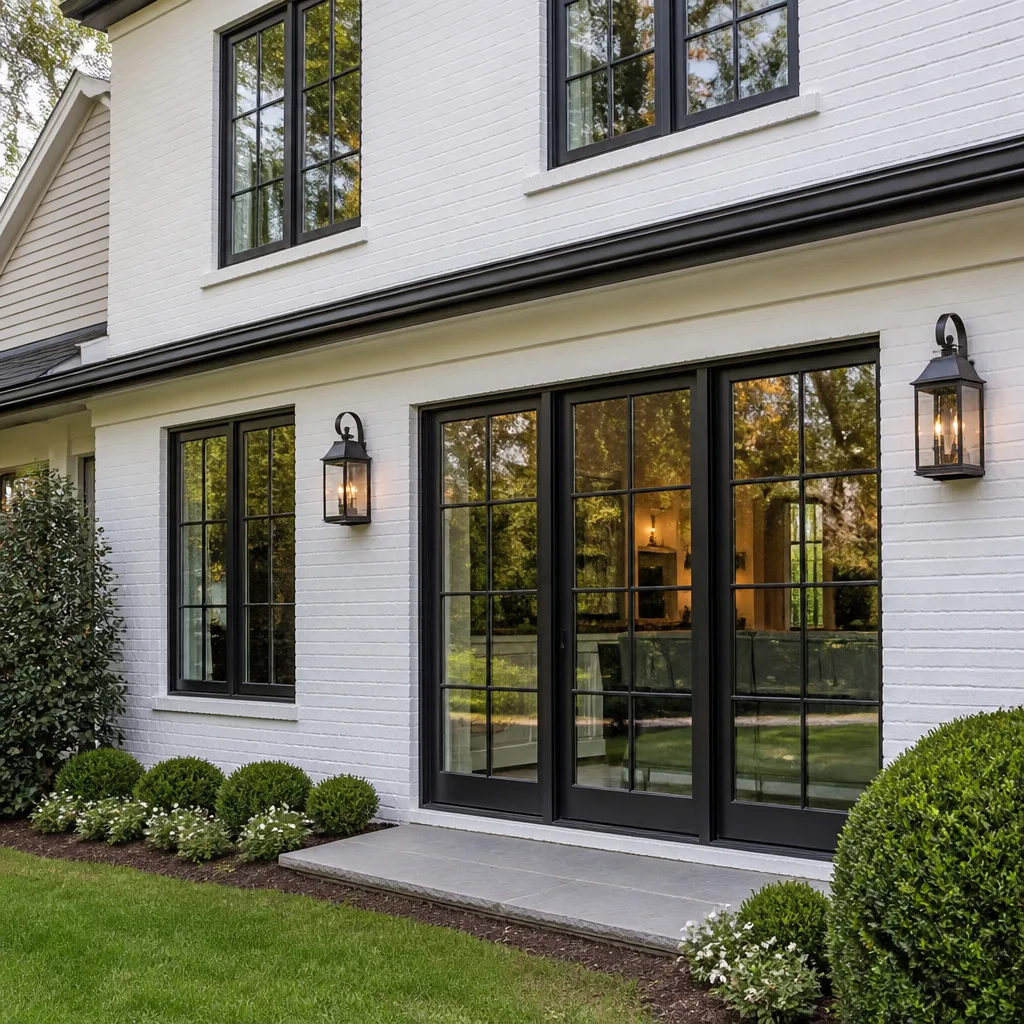
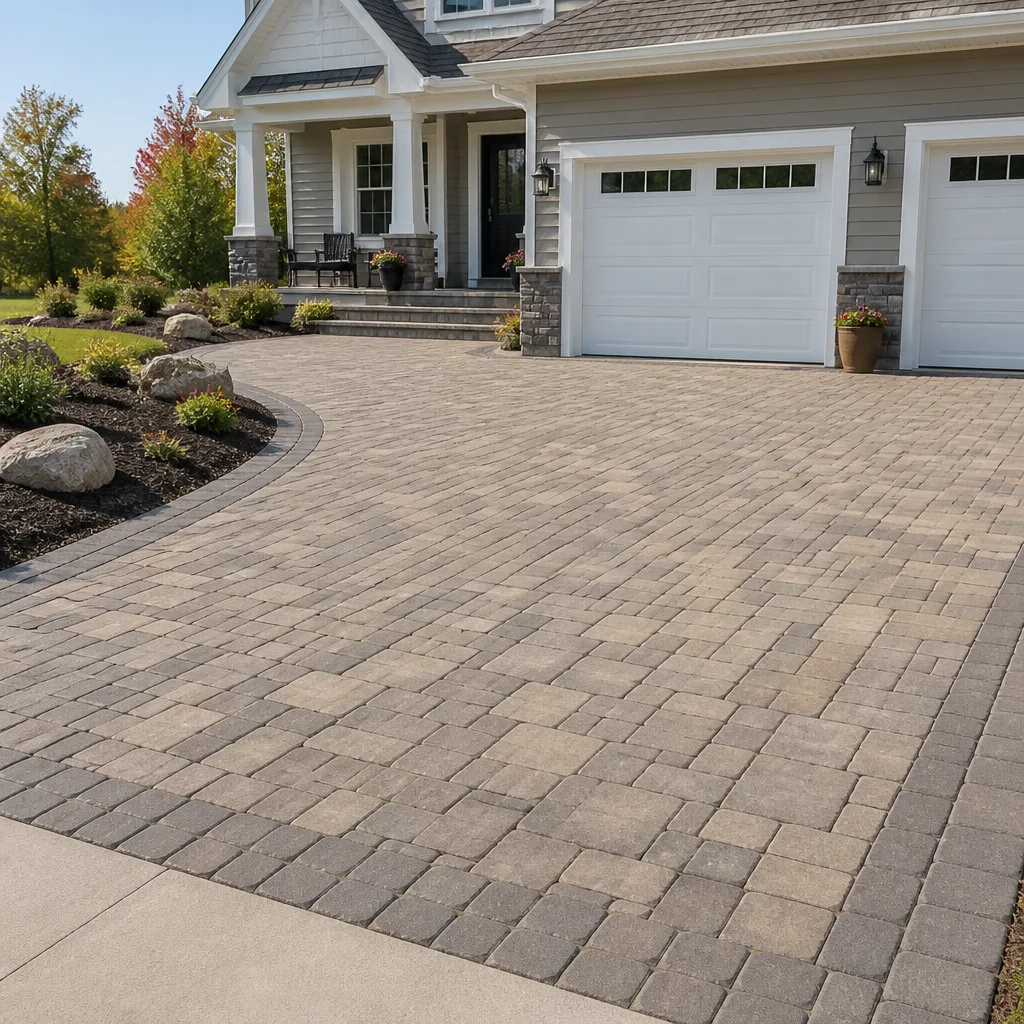
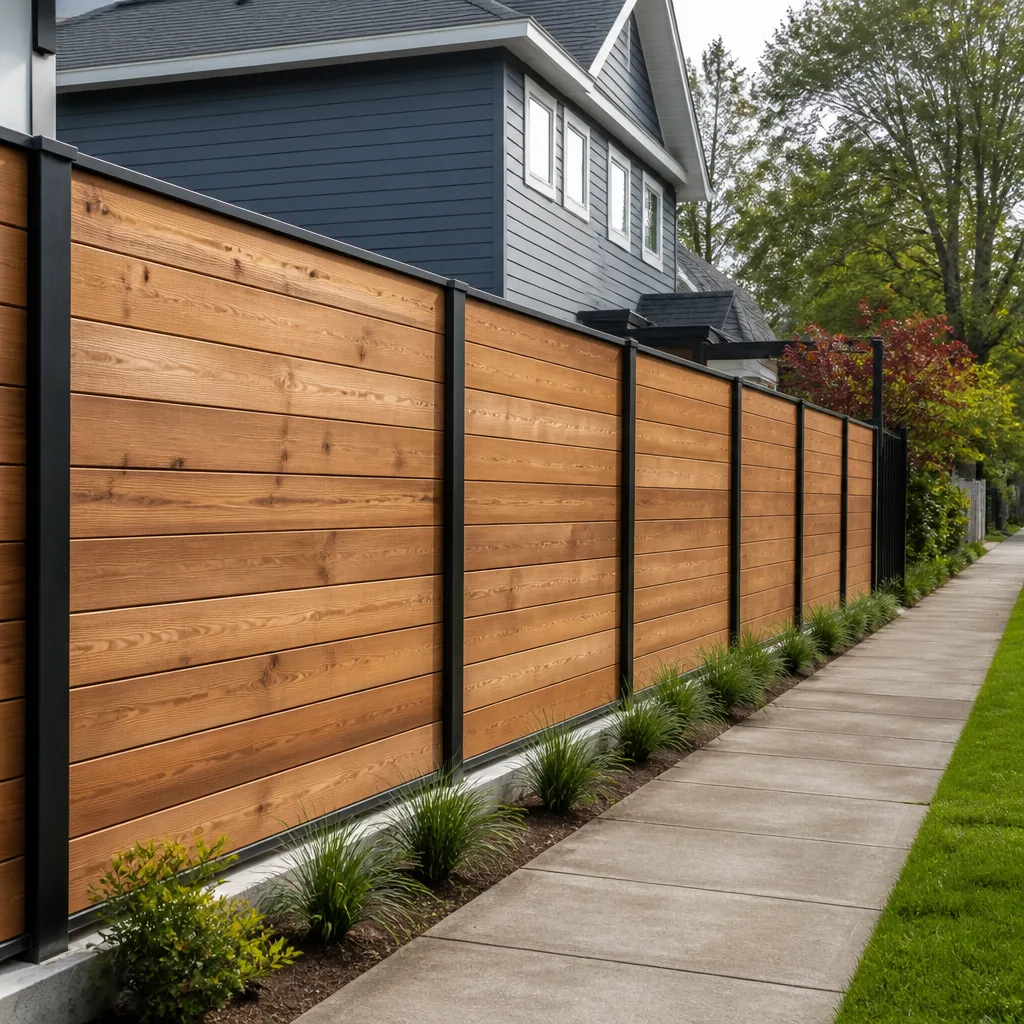
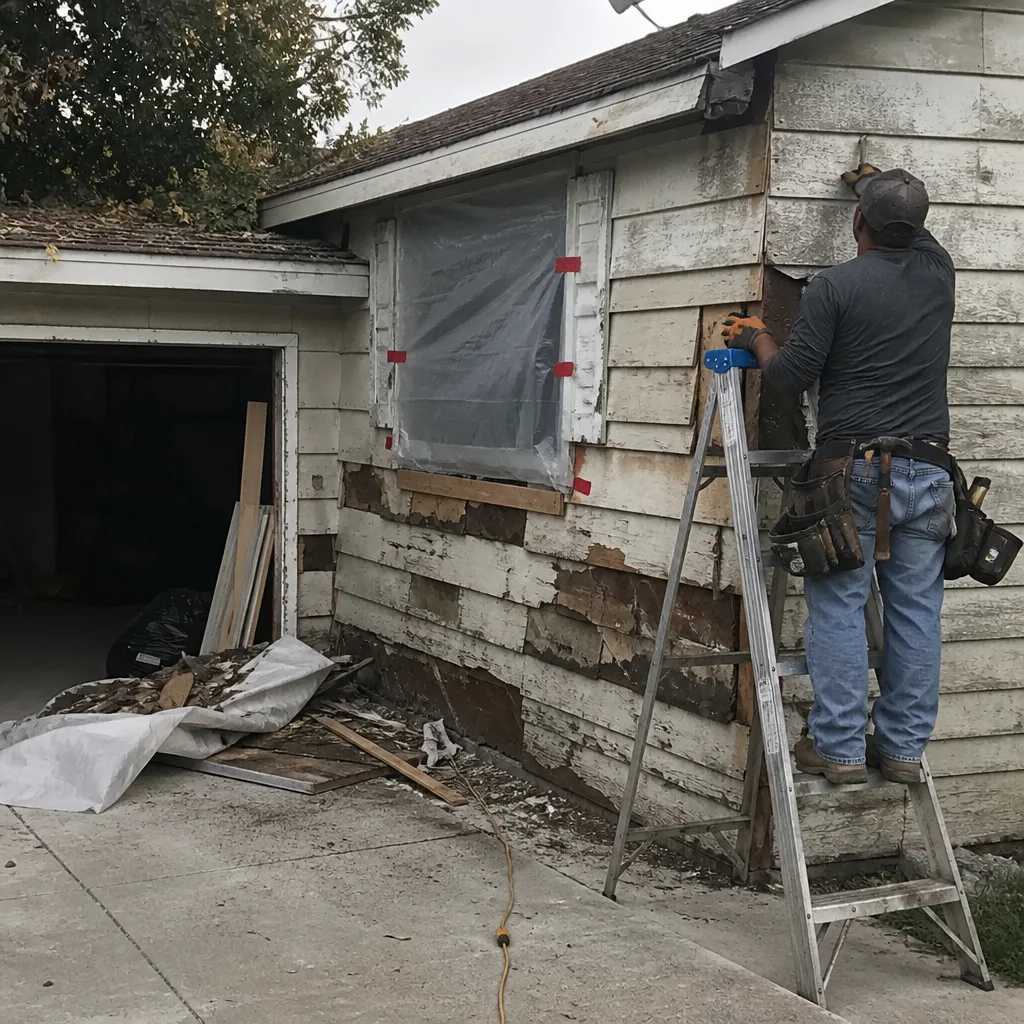 Before
 After
After Before
 After
After Before
 After
AfterCWS Home Additions & ADU: The Los Angeles Owner’s Guide
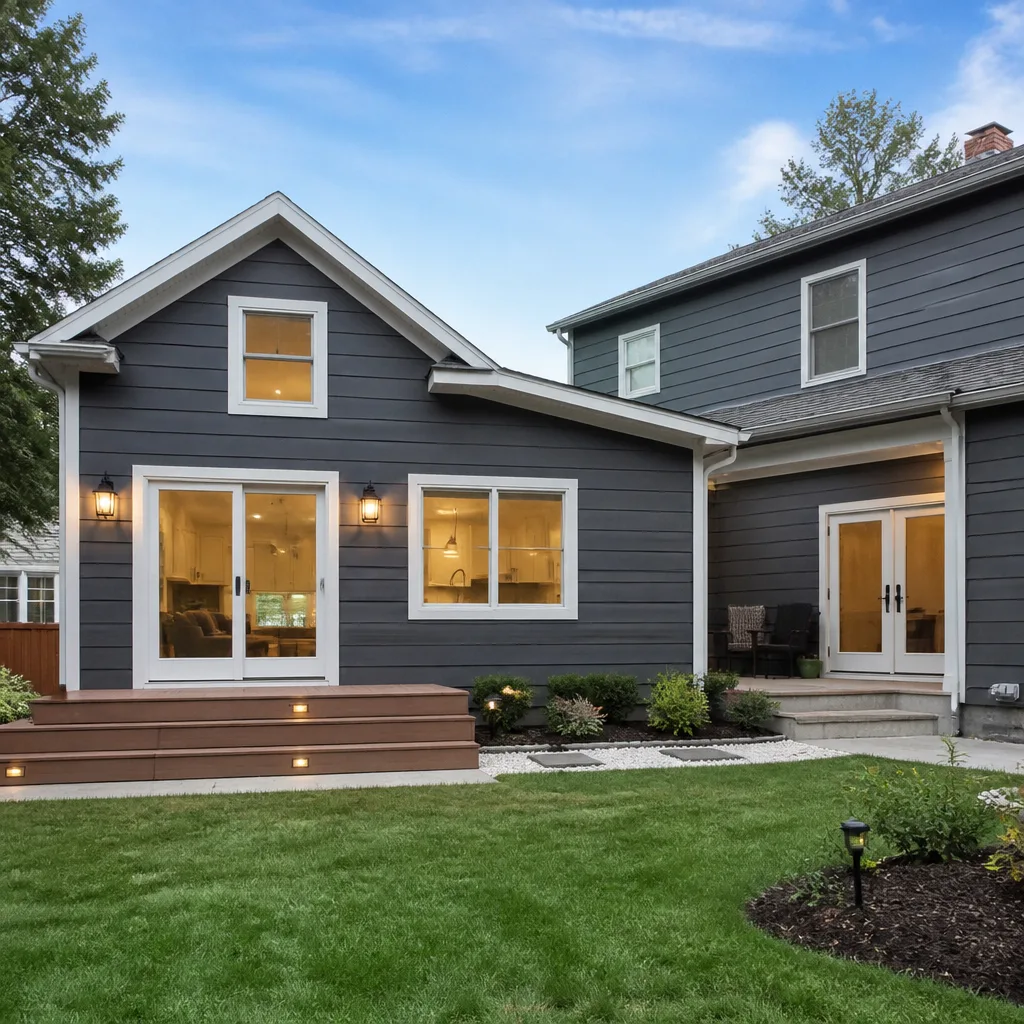
If you’re searching for “CWS home additions & ADU” in Los Angeles, you’re likely staring at a scope-of-work question rather than a simple part swap, and the honest answer is this: a CWS addition or ADU typically runs $53,100 – $153,400 installed here in LA, with full ADU construction ranging $106,200 – $259,600 depending on site conditions, foundation work, and finish level. We stock and install the structural components, framing packages, and finish materials behind those numbers, and we price the whole job in writing before a single permit gets pulled. Most owners discover they need this work when a slab cracks, a roofline settles, or a room stops holding square after the original build underperformed.
Which CWS Models This Applies To
CWS home additions and ADU components follow a few recognizable series and framing conventions, but here’s the part most homeowners miss: the compatibility question isn’t about a model number; it’s about your existing structure’s load path and foundation type. A post-war ranch on a raised perimeter foundation in the Valley takes a different tie-down and shear-wall approach than a 1980s slab-on-grade build in the flats. Penhallow Remodeling is an independent contractor, not affiliated with CWS, which means we don’t have a brand-specific parts catalog to hide behind; we match framing hardware, header sizing, and connection details to the actual house in front of us. When we walk a job in Los Angeles, we look at three things first: the foundation’s edge condition, the existing wall assembly, and whether the original construction used continuous load paths or cut corners at the transitions. That’s what actually determines what gets ordered.
Signs Your CWS Home Additions & ADU Is Failing
- Doors that stick seasonally and never fully square up. In Los Angeles, our dry summers and wet winters cause reactive clay soils to swell and shrink. When an addition or ADU wasn’t tied into the existing structure properly, the differential movement shows up as doors that bind in July and swing loose by February.
- Drywall cracks that reappear after patching. A hairline crack you patch once and never see again is cosmetic. A crack that returns in the same plane six weeks later tells us the framing behind it is moving. That’s the most common early warning on CWS-spec additions in LA’s hillside zones.
- A visible step crack in the exterior stucco or siding at the old-to-new juncture. Where the original house meets the addition is exactly where failed tie-ins declare themselves. We see this most often on garage conversions in North Hollywood and Van Nuys where the slab was never pinned to the original foundation.
- Water staining or efflorescence at the base of new walls. LA gets roughly 15 inches of rain a year, but when it comes, it comes hard. If the addition’s sill plate wasn’t properly flashed or the grade slopes toward the structure, that white chalky residue shows up within two seasons.
- Floor slopes you can feel when you walk the room. A 1/4-inch slope over 10 feet is often within tolerance. A 1-inch slope or a floor that feels “soft” underfoot is not. That’s a foundation or framing problem, not a finish problem, and it’s the most expensive symptom to ignore.
Replacement Cost & What’s Included
In Los Angeles, we quote home additions from $53,100 on the straightforward side; a larger or hillside addition lands around $153,400. ADU construction starts at $106,200 for a basic converted garage and runs to $259,600 for a detached two-bedroom with site infrastructure. What drives the spread, honestly: foundation type (slab repairs and caissons are expensive), roofline complexity, kitchen or bath rough-ins, and the finish tier you choose. Penhallow Remodeling doesn’t do verbal ballparks. You get a written price before any work starts, and that number is the number on the invoice. The 365-Day Done Right Promise sits behind every job: if work fails inside the guarantee period, we come back and fix it at no charge, in writing, every time.
DIY or Call Us?
What you can safely do yourself: document the symptoms. Take photos of the cracks with a quarter for scale, note the month they appeared, and mark the ends of each crack with a pencil line so you can see if they’re growing week to week. What you should not do: try to jack, shim, or “settle” an addition yourself, cut into any wall before we’ve confirmed what’s load-bearing, or sign off on a fix that doesn’t address the movement’s source. Faulty structural connections fail suddenly and without much warning, which is exactly why we recommend a trained professional the moment a slope or recurring crack appears. Give me the whole picture first, then we pick up the tools. Call (936) 259-2607 and we’ll walk the site and tell you exactly what’s moving and what it costs to make it stop.
FAQs
A properly tied-in addition on a stable LA foundation should last 50+ years for the structural shell, with finish materials (roofing, siding, caulk joints) cycling on their own 10-to-25-year schedules. The failure point on CWS-spec builds is almost never the materials; it’s the connection details where old meets new, which is why we spend the extra hours on shear panels, anchor bolts, and flashing at that exact plane.
Usually, yes. We repair far more additions than we tear down. Foundation pinning, shear-wall retrofits, and header replacements address the structure directly, and they cost significantly less than new construction. The only time we recommend rebuild is when the original work was so deficient that patching would cost more than starting clean. An exact quote requires a site walk; call (936) 259-2607 and we’ll give you a written answer after we see it.
Most structural corrections take 2 – 4 weeks from demo to final inspection, depending on permit turnaround, weather windows, and whether we’re working across an occupied space. A full ADU build runs 5 – 9 months in Los Angeles, with city plan check and utility coordination eating into that timeline. We give you a written schedule alongside your written price, and we hit the arrival window we commit to.
We stock the nuts-and-bolts tier on our trucks: anchor bolts, hold-downs, straps, and plate washers from Simpson Strong-Tie, along with the pressure-treated lumber grades LA code requires for sill plates. Project-specific items like engineered beams, shear panels, and custom flashings get ordered per job and delivered to your site before we need them. For finishes, we source from recognized trade brands like KraftMaid, Cambria, and Silestone when the project calls for them, so the materials behind the guarantee match the guarantee itself.
Written by Trevor Nash, Owner, Penhallow Remodeling at Penhallow Remodeling, serving Los Angeles and nearby areas.