
Free written scope consultation - allowances, timeline, and change-order rules on paper before a single trade is scheduled
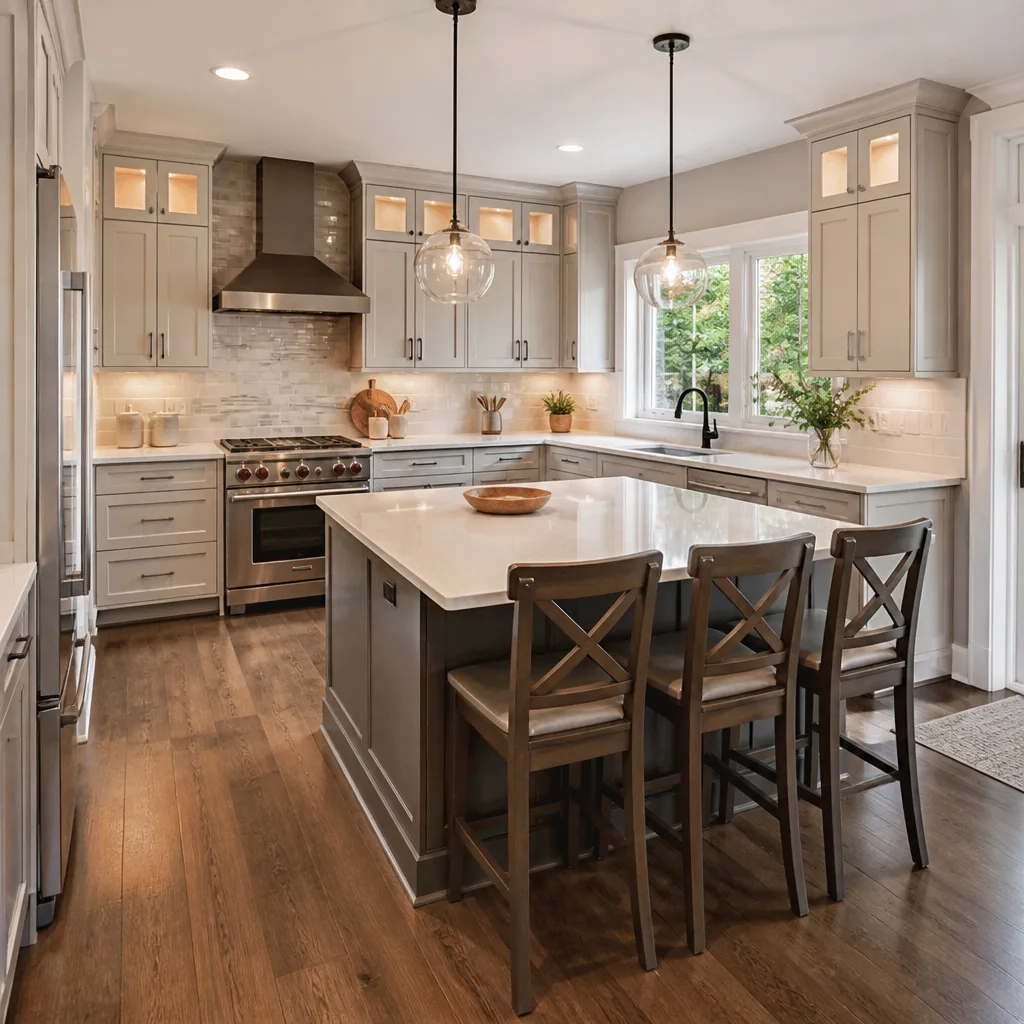
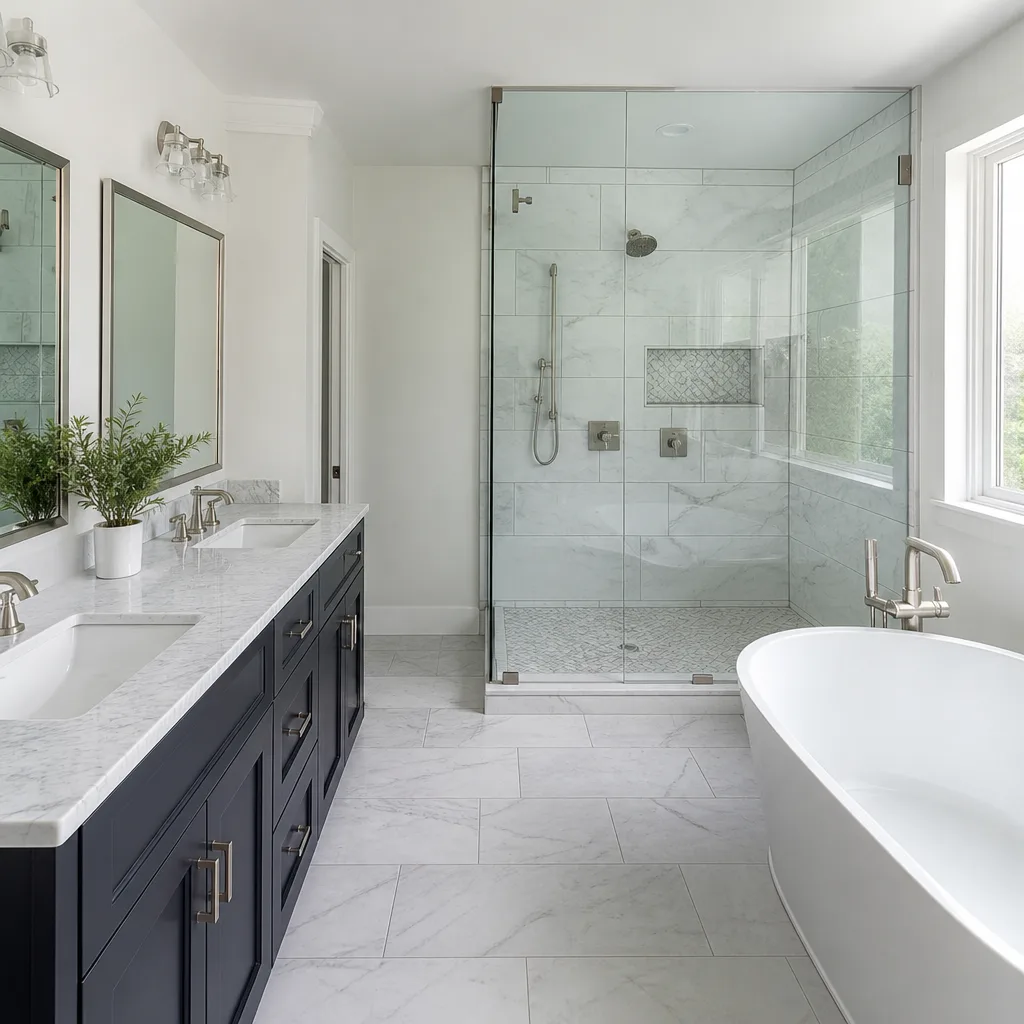
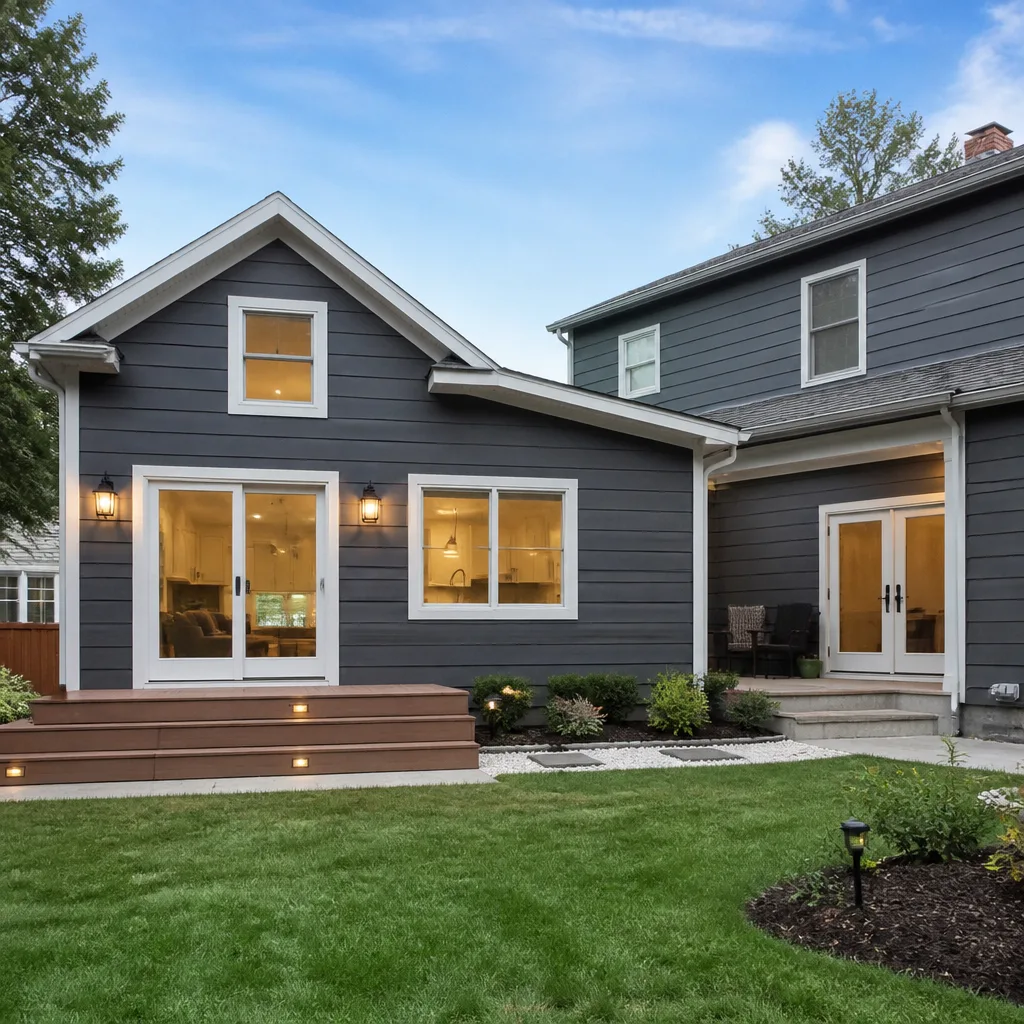
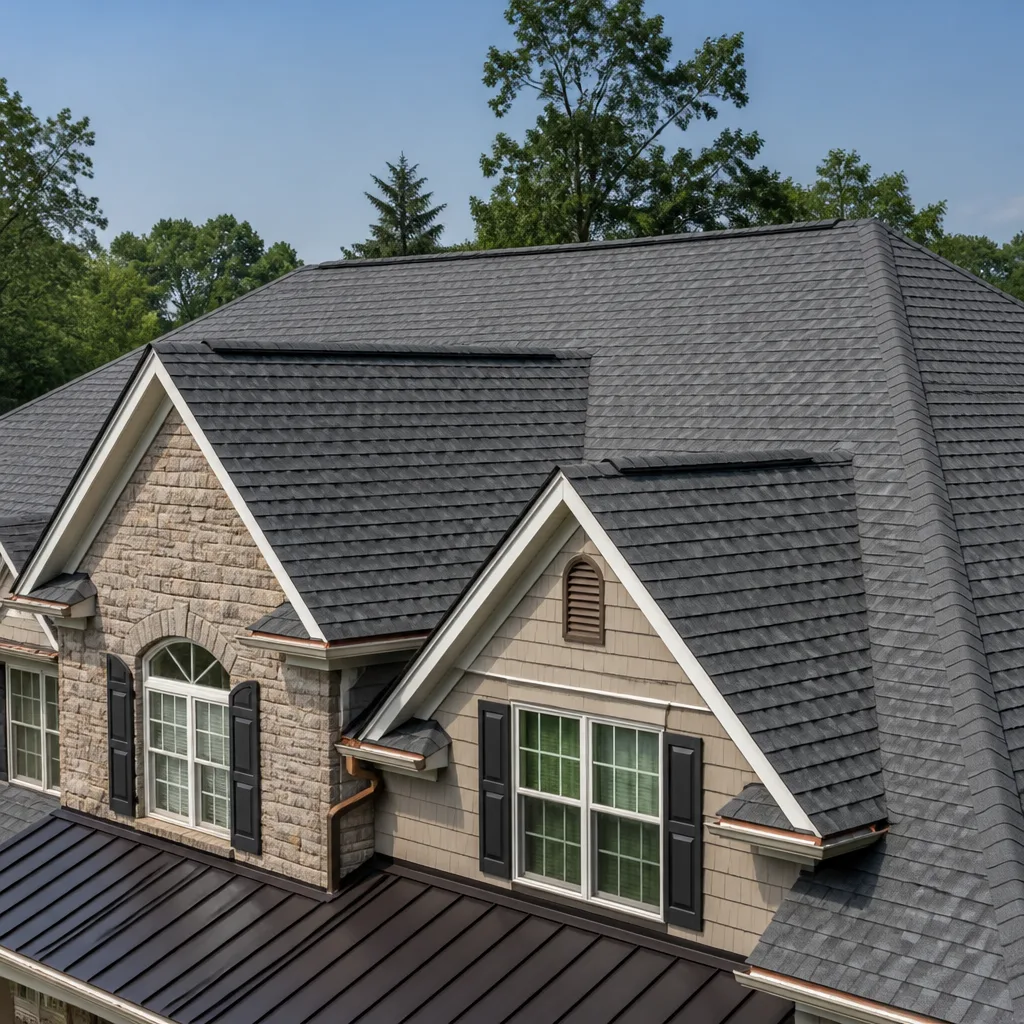
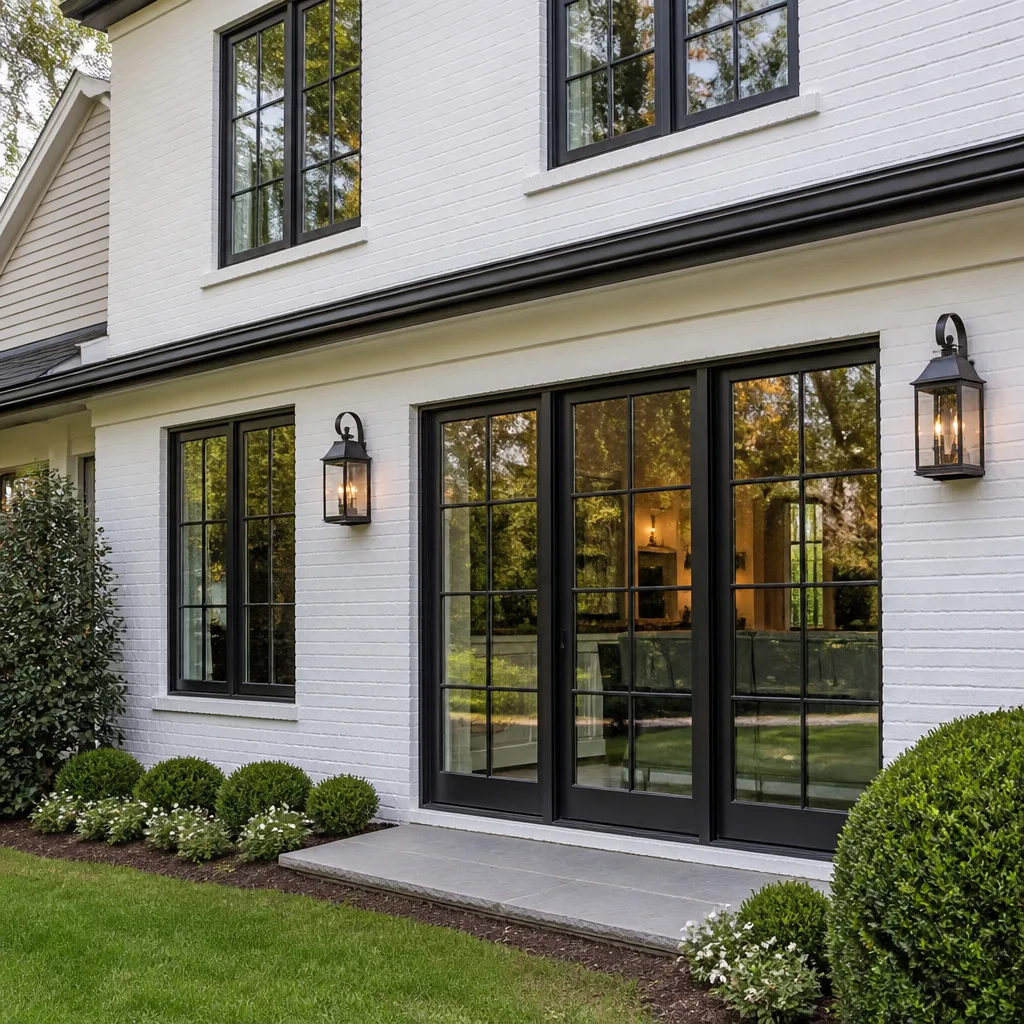
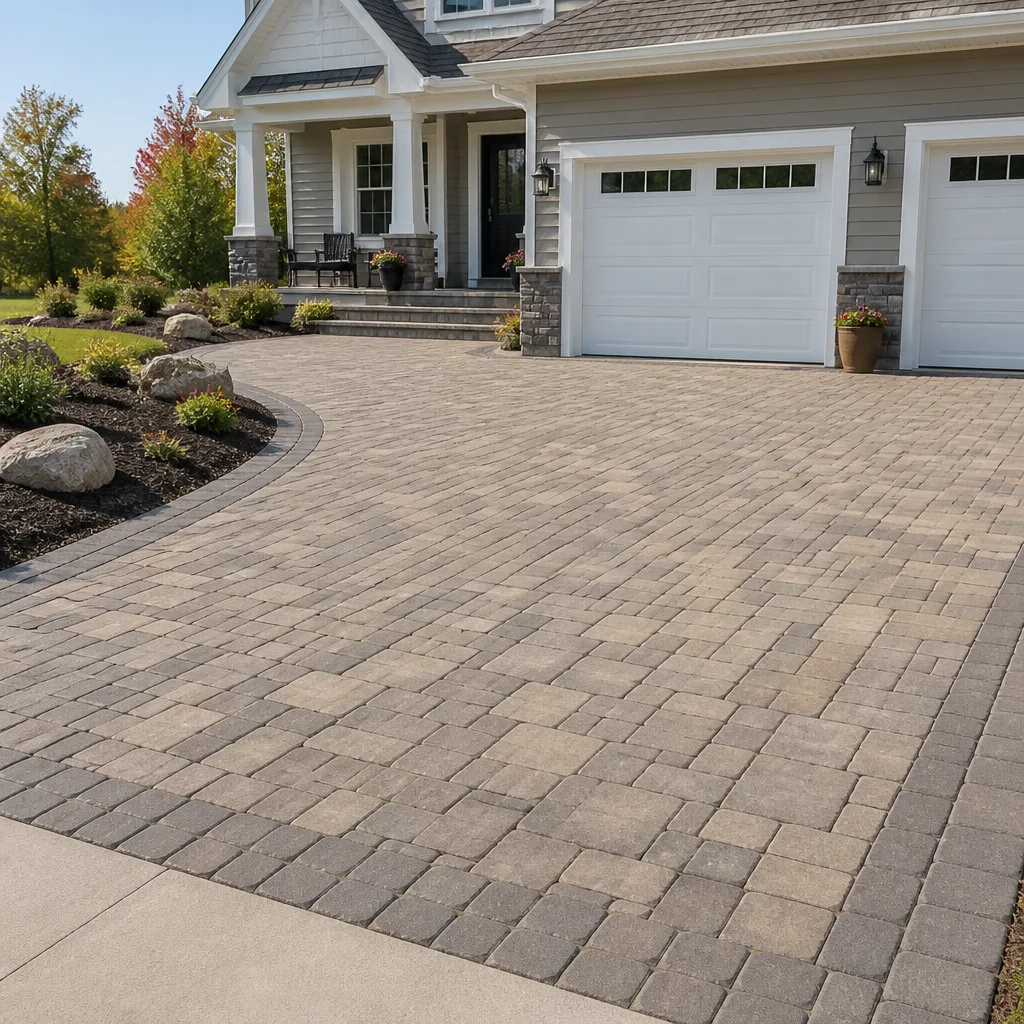
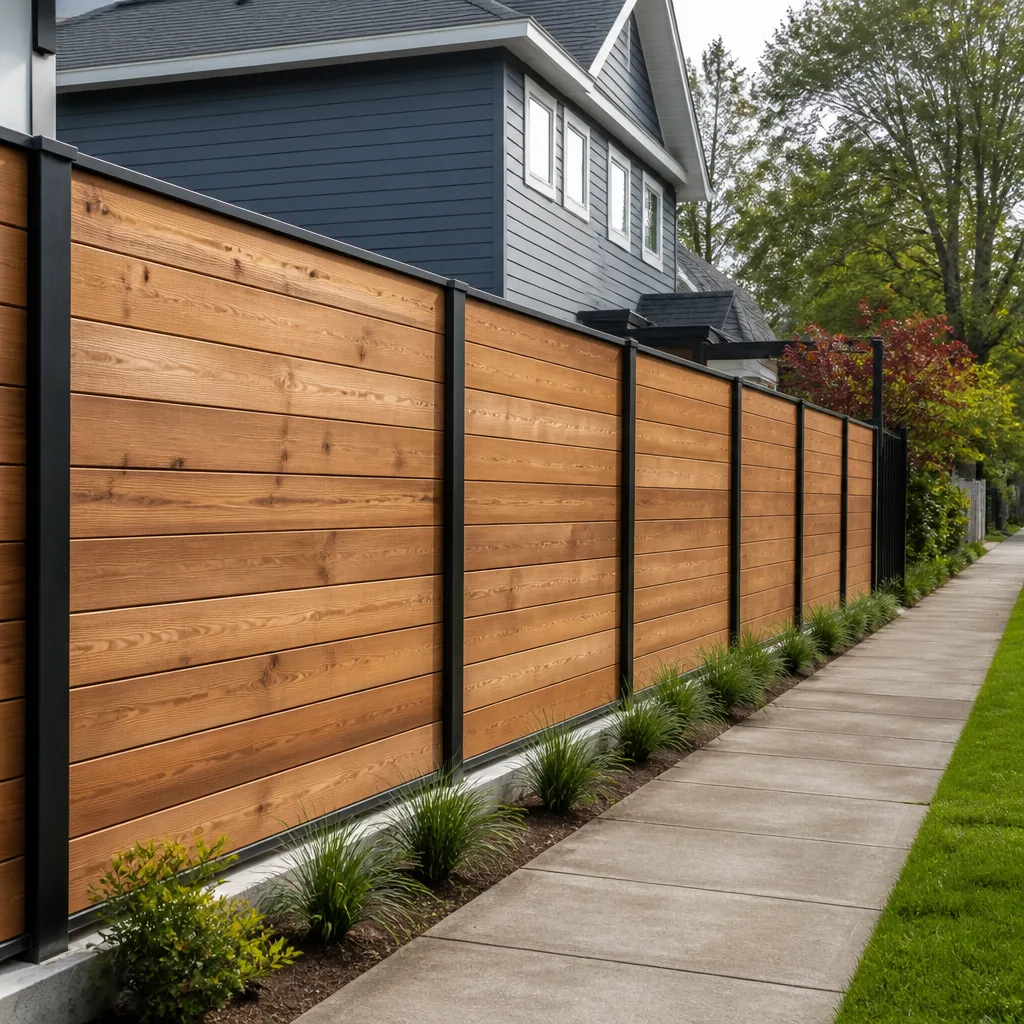
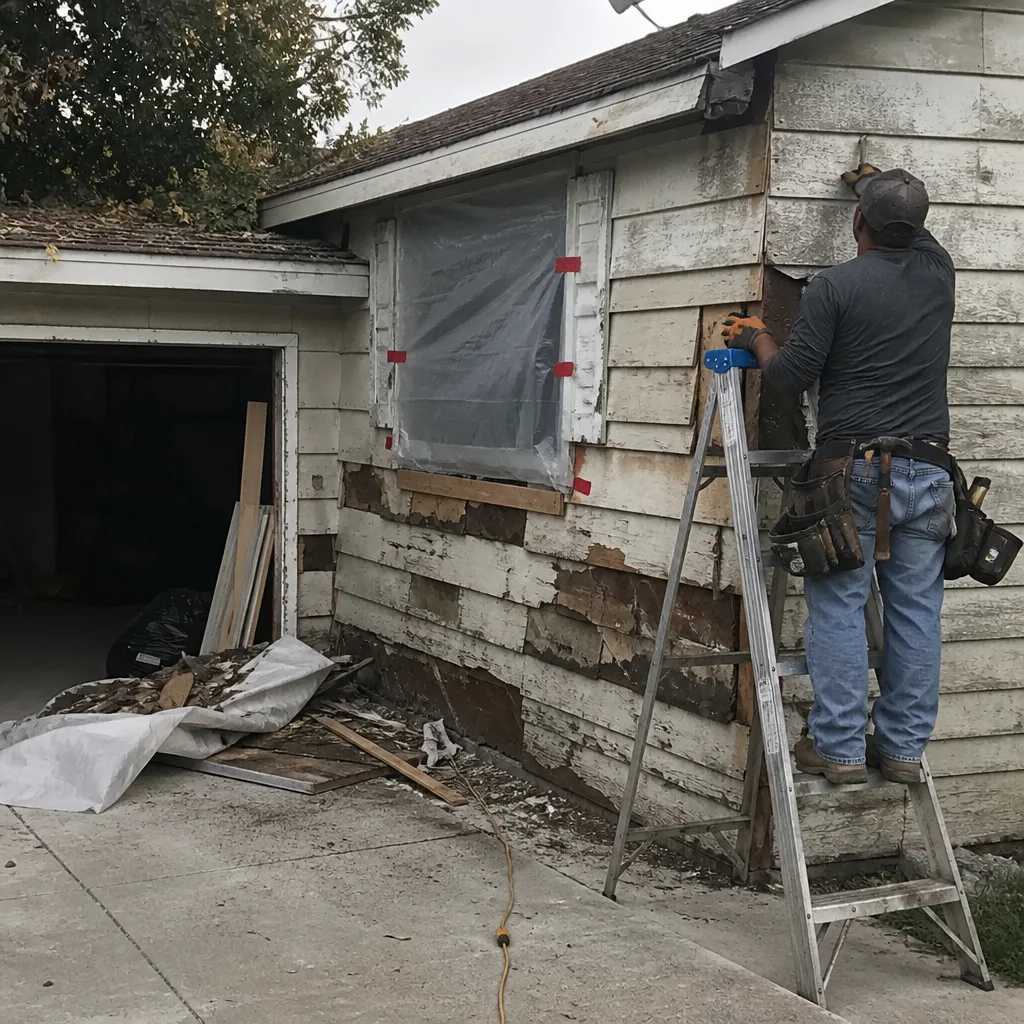 Before
 After
After Before
 After
After Before
 After
AfterUnilock Windows & Doors: The Los Angeles Owner’s Guide
We stock and install Unilock-compatible windows and doors throughout Los Angeles, with typical installed replacement parts running $5,310 – $17,700 for window assemblies and $4,720 – $11,800 for door hardware and panel components. Most Unilock window and door part failures show up as a window that suddenly won’t lock, a door that drags against the frame, or a seal that’s gone cloudy between the panes. If you’re reading this because one of those things happened this week, here’s the whole picture: what failed, what it costs to fix, and whether you should touch it yourself.
We are an independent service provider, not affiliated with Unilock. We work on their products because a lot of Los Angeles homes have them, and because the parts are still serviceable when you know which series you’re dealing with.
Which Unilock Models This Applies To
Unilock’s residential window and door lines share a lot of DNA across models, but the parts are not all interchangeable. The two series we see most often in Los Angeles are the casement and awning window lines, along with their sliding patio door systems. The older Unilock vinyl frame units from the mid-2000s used a different balance shoe and pivot bar than the current generation, which is the single most common mismatch we fix after a homeowner orders a part online that looked right but wasn’t.
Here’s the compatibility gotcha: Unilock window sashes carry a small etched code on the inside corner of the glass, near the spacer bar. That code tells you the glass pack, but it does not tell you the hardware generation. The only reliable way to match a Unilock window part is to remove the sash, read the stamped number on the pivot shoe or the hinge mount, and measure the sash thickness in millimeters. Older Unilock windows used a 24mm sash profile; newer units run 28mm. That 4mm difference means the keeper, the lock, and the weatherstrip are all different parts.
For sliding doors, the roller assemblies are the highest-fail item, and Unilock used three different roller housing diameters across their vinyl slider runs. If the door has been shaved or adjusted before, the only safe way to order is to pull one roller and match it physically. We keep the most common Unilock-compatible rollers, hinge sets, keepers, and balance shoes on the truck for Los Angeles service calls, and we can source the odd sizes within a day or two through our local supply houses.
On the OEM versus aftermarket question: for Unilock specifically, we prefer OEM locks and keepers when they’re available, because the screw hole spacing on aftermarket locks rarely lines up without drilling new holes in the vinyl. For weatherstripping and glazing bead, a quality aftermarket profile is often just as good and costs 30 – 40% less. We’ll tell you which is which before we order anything.
Signs Your Unilock Windows & Doors Is Failing
- The window won’t stay up or closes itself slowly. This is a failed balance shoe or a stretched balance spring inside the side jamb. On Unilock windows, the shoe engages the pivot bar at the bottom of the sash; when the shoe’s nylon cam wears out, the sash either drops or binds. It’s not the window’s fault; it’s a $40 – $80 part doing exactly what nylon parts do after 8 – 12 years.
- The window is harder to close than it used to be, or the lock won’t throw. In Los Angeles, the dry heat and occasional Santa Ana dust cycles cause the vinyl keeper to shift slightly as the frame expands. The lock misalignment is usually the keeper, not the lock body. You can sometimes see a wear mark where the latch tongue has been missing the keeper slot.
- Fog or moisture between the panes. The glass pack (the insulated sealed unit) has lost its seal. This is not a part you can dry out; the IGU gets replaced. On Unilock windows, the IGU is held by a snap-in glazing bead, and we replace the glass pack in place rather than replacing the whole window frame.
- A sliding door that growls, drags, or jumps the track. Roller wheels flatten over time, especially on Los Angeles patios where fine dust gets into the roller bearings. A dragging door wears the track and eventually the door panel itself. Replacing the rollers before the track is damaged is a $150 – $300 fix; replacing the track is a much larger job.
- Air or water leaking around a closed window or door. The weatherstripping has compressed or cracked. On Unilock units, the wool pile weatherstrip in the sliding tracks is the first thing to go in LA’s UV and heat. We replace it with a matched-profile pile that restores the seal and keeps dust out.
Replacement Cost & What’s Included
In Los Angeles, a Unilock window or door part replacement typically runs $470 – $2,950 for hardware, glass-pack, weatherstrip, or roller work, while a full window replacement runs $5,310 – $17,700 depending on size and frame material. For door panel replacements on Unilock patio sliders, expect $4,720 – $11,800 installed. That’s the range we give homeowners before we see the window, and we hold to it unless the house has an unusual condition we couldn’t see from the ground.
What drives the cost up? Sash thickness (older 24mm parts are harder to source), accessibility (a third-story window over a hillside in Mount Washington costs more to reach than a first-floor slider in Van Nuys), and whether the frame itself has been damaged by the failed part. A bad roller left too long can chew the track, and then you’re into more than a roller swap.
Every Unilock part we replace is installed under the same terms as any Penhallow job: a written price before we start, a defined arrival window, and the 365-Day Done Right Promise behind the work. If the part fails or the repair doesn’t hold inside that year, we come back and make it right at no charge. That’s in writing, on every ticket, not a verbal promise.
DIY or Call Us?
For Unilock windows, the honest split is this: you can safely clean the tracks, re-seat a sash that’s popped out of its shoe, and check whether a keeper is loose with a screwdriver. If the problem is a stretched balance spring or a snapped pivot bar, we’d rather you didn’t try it yourself. The spring inside a window balance is under tension. When it lets go, it does so fast, and it can take a finger with it. Same logic for a patio door panel: we’ve watched homeowners take a slider off its track and then discover the panel weighs more than they expected and the glass-only panel has no frame to hold onto.
If you’ve already taken the sash out and you’re staring at a pile of parts, stop there and call us at (936) 259-2607. We’ll come out, identify the series, match the part, and do the job with the right tool and the right part the first time. The service call to diagnose is credited toward the repair if we do the work that day.
FAQs
Most Unilock window hardware lasts 8 – 12 years in LA before the nylon pivot shoes, balance springs, or wool pile weatherstrip wear out. The heat and UV here are harder on seals and weatherstripping than they are on the vinyl frames, which is why we replace weatherstrip and glass packs more often than full windows. A well-maintained Unilock frame can go 25 – 30 years before the structural corners show fatigue.
It depends on the part. We can sometimes clean and re-lubricate a sluggish roller, or realign a keeper, and that’s a repair. A broken pivot bar, a stretched balance spring, or a shattered glass pack cannot be repaired and should be replaced. We’ll tell you which is possible before you pay for anything. Call (936) 259-2607 and describe the problem; we’ll give you a straight answer.
Most single-part replacements, like a balance shoe, a lock, a keeper, or a weatherstrip set, take 45 minutes to two hours on site. A glass-pack replacement runs about an hour per opening. A full patio door roller replacement with track cleanup is usually half a day. If the part isn’t on our truck, add a day or two for us to source it from our Los Angeles suppliers.
We carry the most common Unilock-compatible pivot shoes, balance springs, keepers, locks, rollers, and weatherstrip profiles on our service truck. The less common sizes, especially older 24mm sash parts, we source within a day or two. If you’re not sure what you have, we’ll identify it on the first visit. We also stock parts for KraftMaid, Cambria, and Silestone products when the project calls for them.
No. The written price you get before we start is the number on the invoice. If we open the window and find additional damage that changes the scope, we’ll stop, show you what we found, and give you a new written price before we touch it. You approve everything first. That’s how Trevor runs every job, and it’s the same rule for a $200 roller swap or a $50,000 remodel. Give me the whole picture first, then we pick up the tools.
Written by Trevor Nash, Owner, Penhallow Remodeling at Penhallow Remodeling, serving Los Angeles and nearby areas.