
Free written scope consultation - allowances, timeline, and change-order rules on paper before a single trade is scheduled
 Before
 After
After Before
 After
After Before
 After
AfterTremron Home Additions & ADU: The Los Angeles Owner’s Guide
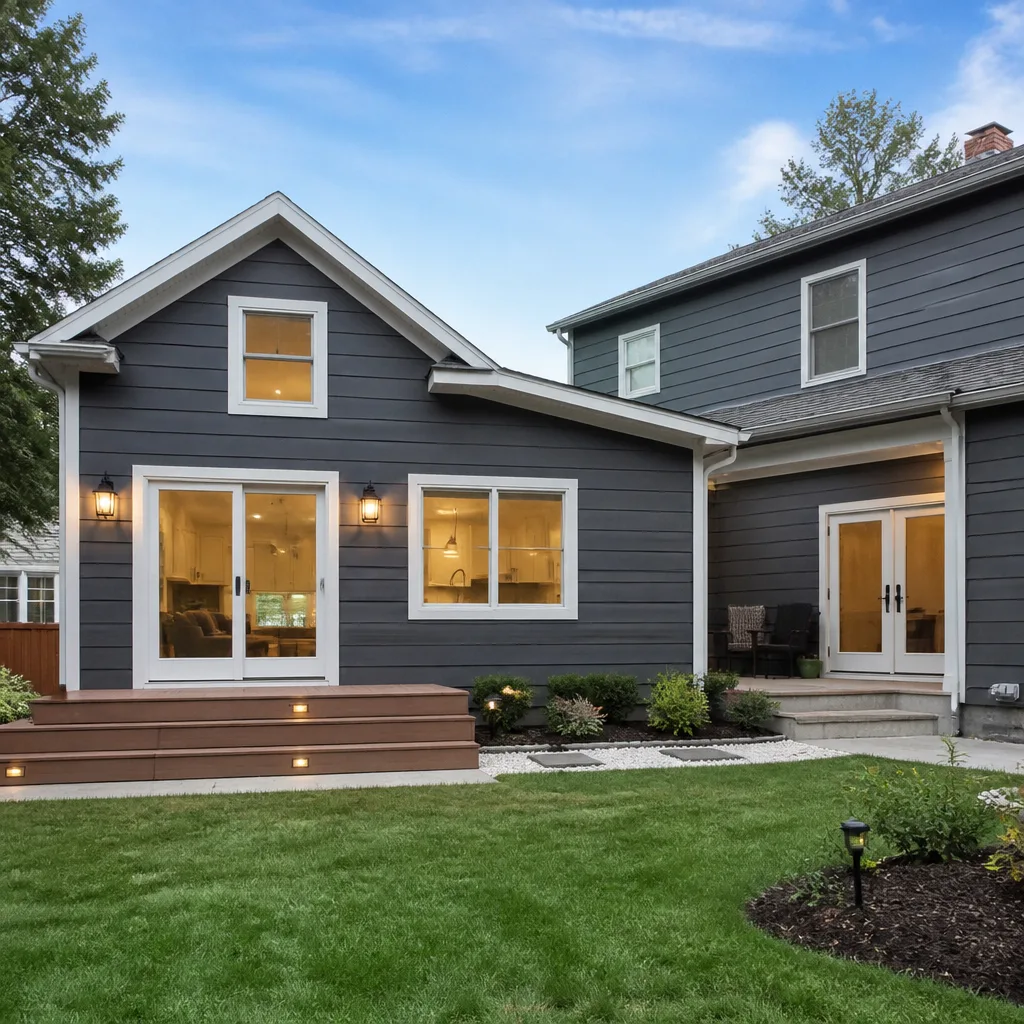
If you’re planning a Tremron home addition or ADU project in Los Angeles, you’re looking at an installed range of $53,100 – $153,400 depending on square footage, foundation condition, and whether you’re converting existing space or building new. Penhallow Remodeling is an independent general contractor, not a Tremron dealer, but we work with Tremron pavers, retaining wall block, and hardscape materials on a regular basis across LA home addition and ADU builds. Most owners contact us when they’ve discovered their existing Tremron hardscape or patio base has shifted, cracked, or settled around the footprint of a planned addition, or when they need a hardscape design that integrates cleanly with a new ADU.
Which Tremron Models This Applies To
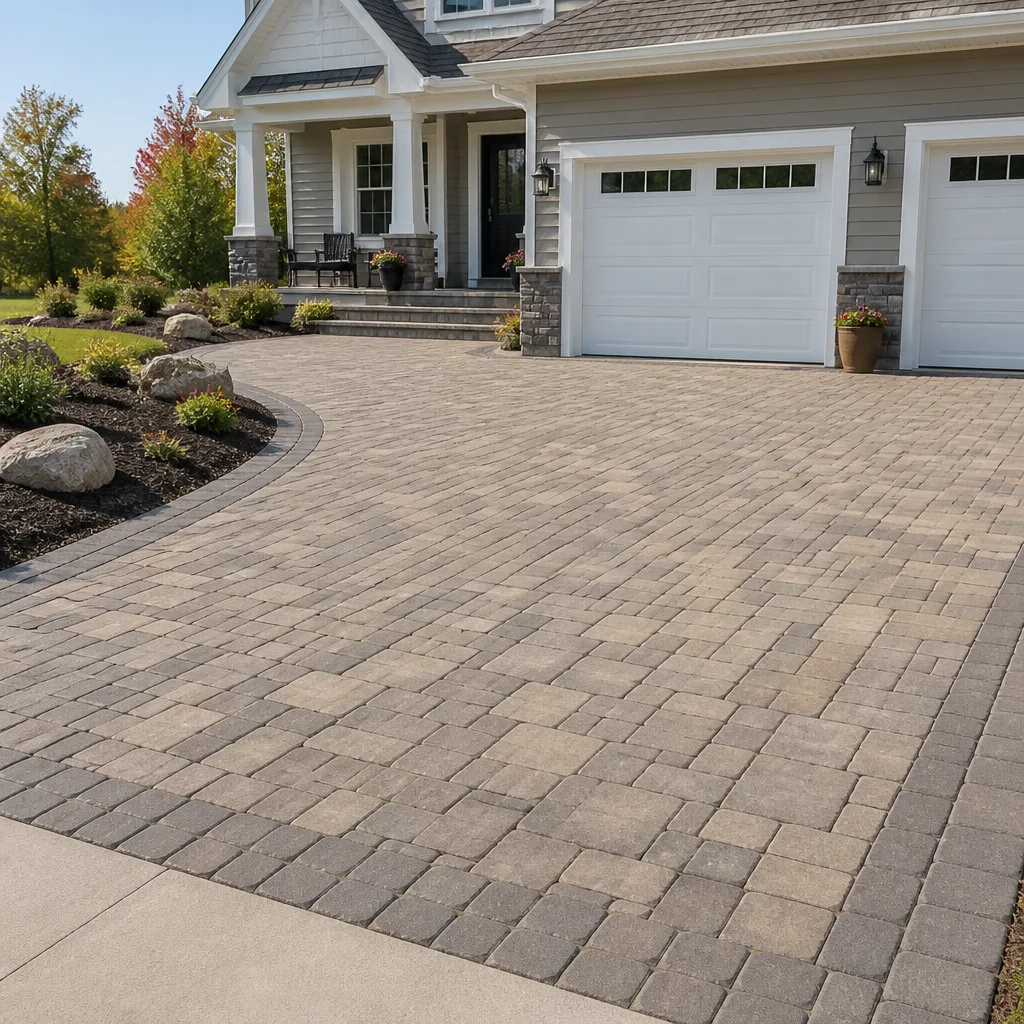
Tremron manufactures a wide range of concrete pavers, retaining wall systems, and hardscape products, each with its own dimensions, joint spacing, and base requirements. The most common products we encounter on Los Angeles home addition and ADU projects are the Tremron Estate pavers (3 1/8″ thick, in 6×9, 6×6, and 6×12 modular sizes), the Jacksonville series (a slate-texture paver often used for driveways and patio floors around additions), and Tremron wall block in the Diamond and Stonewall lines. The compatibility gotcha most homeowners miss: Tremron pavers in the 60mm thickness rating require a different base compaction and joint sand specification than their 80mm pavers. If you use the thin paver for a driveway surface around an ADU, you’ll see edge cracking within the first two rainy seasons. Check the paver face or the original purchase invoice for the thickness code. When matching colors, know that Tremron batches vary slightly from year to year, so we always recommend ordering 5 – 8% extra when tying new hardscape into existing work. For the retaining wall block, an OEM Tremron corner unit is worth the added cost because aftermarket corner blocks rarely match the locking lip geometry, and a loose corner is the first thing that fails on a hillside addition pad.
Signs Your Tremron Home Additions & ADU Is Failing
- Edge spalling on pavers along the addition perimeter: This usually means water has been pooling against the edge and freezing isn’t the issue in LA – it’s the wet-dry cycle combined with soil movement. The base layer under the edge wasn’t extended at least 6 inches past the visible paver line. When we see this, the fix is removing the edge course, extending the base, and re-compacting before resetting the pavers.
- Settling or low spots where the patio meets the new ADU wall: This almost always traces back to two different compaction methods meeting at one point. The original hardscape was compacted one way; the new addition drainage was compacted another. Water finds that seam every time. In Los Angeles with our clay-heavy native soils, this seam needs a flexible joint, not a rigid edge.
- Retaining wall block shifting outward on a hillside addition: On sloped lots (which describe half the ADU builds in places like Mount Washington, Echo Park, and the Hollywood Hills), the wall block is carrying lateral load from the backfill. A 1/4″ outward lean on a 4-foot wall is within tolerance. A 1″ lean means the geogrid depth was short or the drainage behind the wall is failing. This one needs a professional assessment because it affects the structural integrity of your addition pad.
- Joint sand washing out repeatedly after rain: LA gets three or four solid rain events a year, and if you’re seeing channeled sand erosion after each one, the pavers weren’t vibrated with the right amplitude or a polymeric sand wasn’t used. Basic joint sand keeps failing. Polymeric sand at a 1/8″ minimum joint width is the spec we use on every Tremron install around additions.
- Visible crack lines running through the paver field parallel to the house wall: That’s a sign the concrete slab below the pavers cracked. In the San Fernando Valley and across much of LA County, expansive soils push and pull concrete seasonally. The paver cracks are a symptom; the slab crack is the diagnosis. This matters for an ADU because the new foundation’s drainage should have diverted water away from that original slab, and if it didn’t, you’ll be chasing cracks forever.
Replacement Cost & What’s Included
When your Tremron hardscape, retaining wall, or patio base needs replacement or repair as part of a Los Angeles home addition or ADU project, the cost is folded into the overall addition budget. The full project range for a home addition in LA is $53,100 – $153,400, and that covers everything: permits, site prep, foundation work, framing, roofing, and the hardscape tie-in. If you’re just replacing or repairing a Tremron hardscape area without a new addition, a typical patio paver reset or replacement runs $4,130 – $12,980, and a paver driveway replacement runs $5,900 – $16,520. What drives those numbers up or down: access for equipment (a hillside lot where we can’t get a plate compactor in is more expensive), the depth of the existing base (if it’s rock-solid, we re-use it and save you money; if it’s 1 inch of sand over dirt, you’re paying for a real base now), and the paver pattern (herringbone takes more cutting time than running bond). Our written quote includes the paver material, new base where needed, joint sand, labor, haul-away, and a written 365-day guarantee on the work. If the paver field settles or the wall block shifts within the guarantee period, we come back and fix it at no charge. That’s the Kingswell Way, and it’s been how we’ve written every job since 2004.
DIY or Call Us?
There are a few things you can check yourself before calling us. Walk the paver field with a level and mark any spot where the bubble drifts more than 1/4″ over 4 feet. Check the gap between your retaining wall block and the backfill for signs that soil is eroding under the wall’s base course. And note where water pools after the next rain. But here’s where DIY goes wrong: resetting pavers means lifting, re-grading, re-compacting, and re-screeding at the right depth. If you get the base wrong, you’ll re-lay the same pavers and watch them sink again in six months. Retaining wall work on a sloped lot is not a weekend project – a wall that’s 4 feet or taller is carrying structural load, and the building code in Los Angeles treats that as an engineered structure. That’s not something to tackle with a YouTube video and a rental tamper. Trevor Nash grew up in Reseda watching his uncle work through older ranch houses, and he’ll tell you the same thing he tells every homeowner: “Give me the whole picture first, then we pick up the tools.” Call (936) 259-2607 and we’ll walk the site with you. The estimate is free, and the number we give you is the number on the invoice.
FAQs
With a properly installed base, Tremron pavers around a home addition or ADU in Los Angeles typically last 25 to 35 years before significant repair or replacement. The wall block can last much longer – often 40+ years – as long as the drainage behind the wall was installed correctly. What shortens that lifespan in LA is our clay-heavy soil movement. If the base was skimped at installation, you’ll see real settling and edge damage within 5 to 8 years. If you’re seeing issues before that, it’s likely an installation problem, not a product problem. Call (936) 259-2607 for an assessment.
Yes, in about 60% of cases we can repair the affected area rather than pulling and replacing the entire field. Sunken pavers can be lifted, the base re-graded, and the same pavers reset. Leaning wall block under 3 feet tall can often be re-stacked with added drainage and a new base course. If the wall is taller than 3 feet, structurally compromised, or the pavers are cracked through rather than just settled, replacement is the honest fix. We’ll tell you which one applies before any money changes hands, and the 365-day guarantee covers repair work just like full replacement. Call (936) 259-2607 for an exact quote.
For a standard patio reset or edge repair, we’re usually on site 2 to 3 days and finished within the week. A full paver driveway replacement around an ADU takes 5 to 7 days from tear-out to final compaction and sealer. Retaining wall rebuilds on a sloped lot run 1 to 2 weeks depending on access and whether we need to bring in new wall block. We’ll give you a written arrival window before we start and the same crew stays on the job until it’s done. Call (936) 259-2607 to schedule a free estimate.
We source Tremron pavers, wall block, and hardscape products per job from regional distributors, which means lead times run 3 to 5 business days for common sizes and colors, up to 2 weeks for custom color batches or corner units. We don’t keep Tremron inventory on a shelf because paver color matching matters – we’d rather order fresh from the same batch than hand you product that’s been sitting in varied weather. We do the same sourcing for the other finish brands we install: KraftMaid and Wellborn cabinetry, Cambria and Silestone countertops, Kohler and Moen fixtures. Every material gets written into your line-item quote before work starts. Call (936) 259-2607 and we’ll get pricing on your specific paver pattern.
Written by Trevor Nash, Owner, Penhallow Remodeling at Penhallow Remodeling, serving Los Angeles and nearby areas.