
Free written scope consultation - allowances, timeline, and change-order rules on paper before a single trade is scheduled
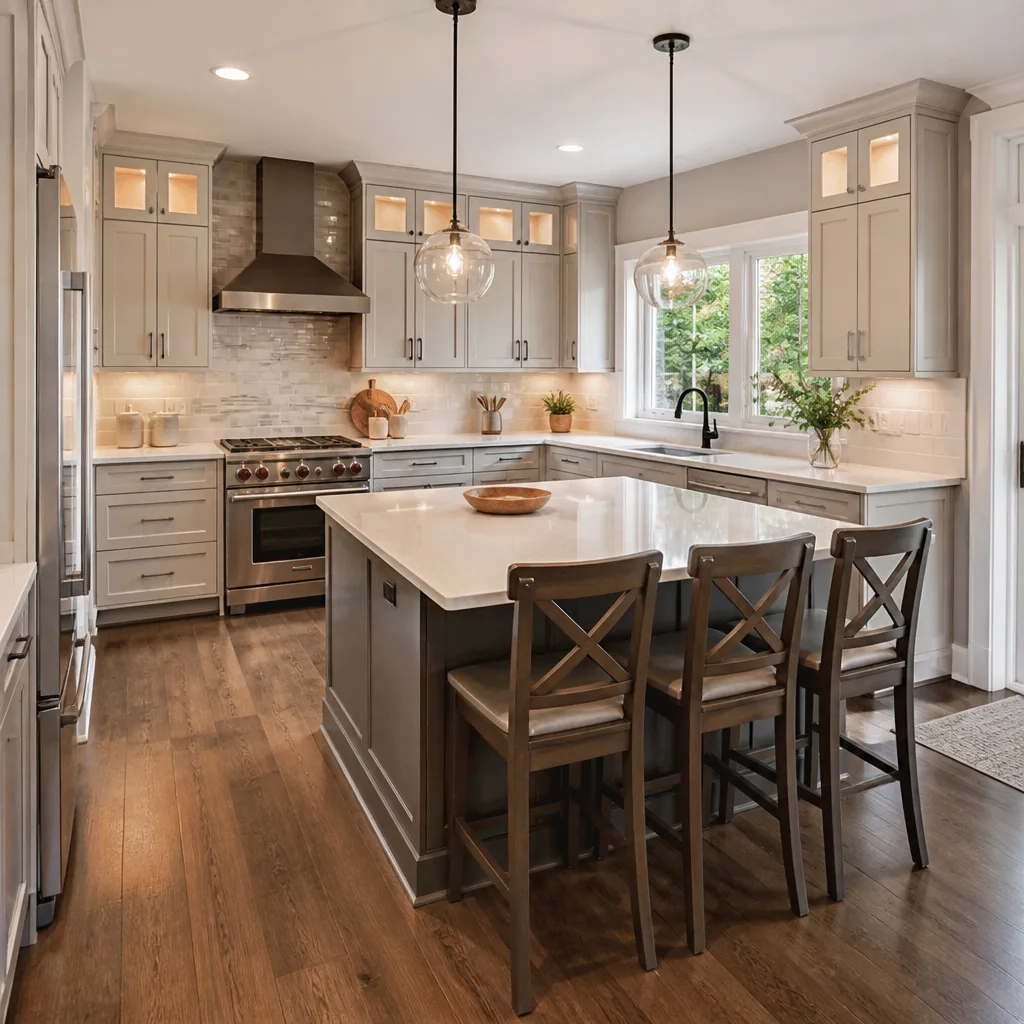
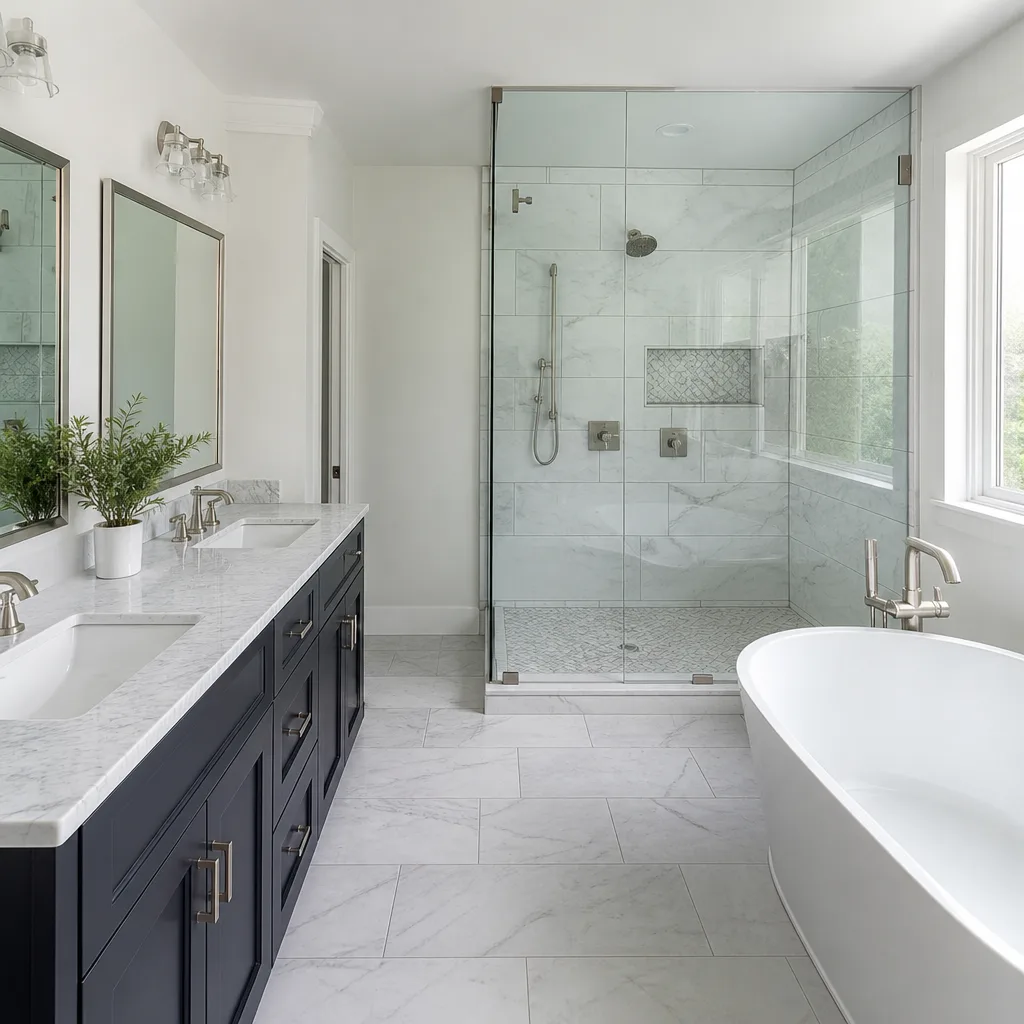
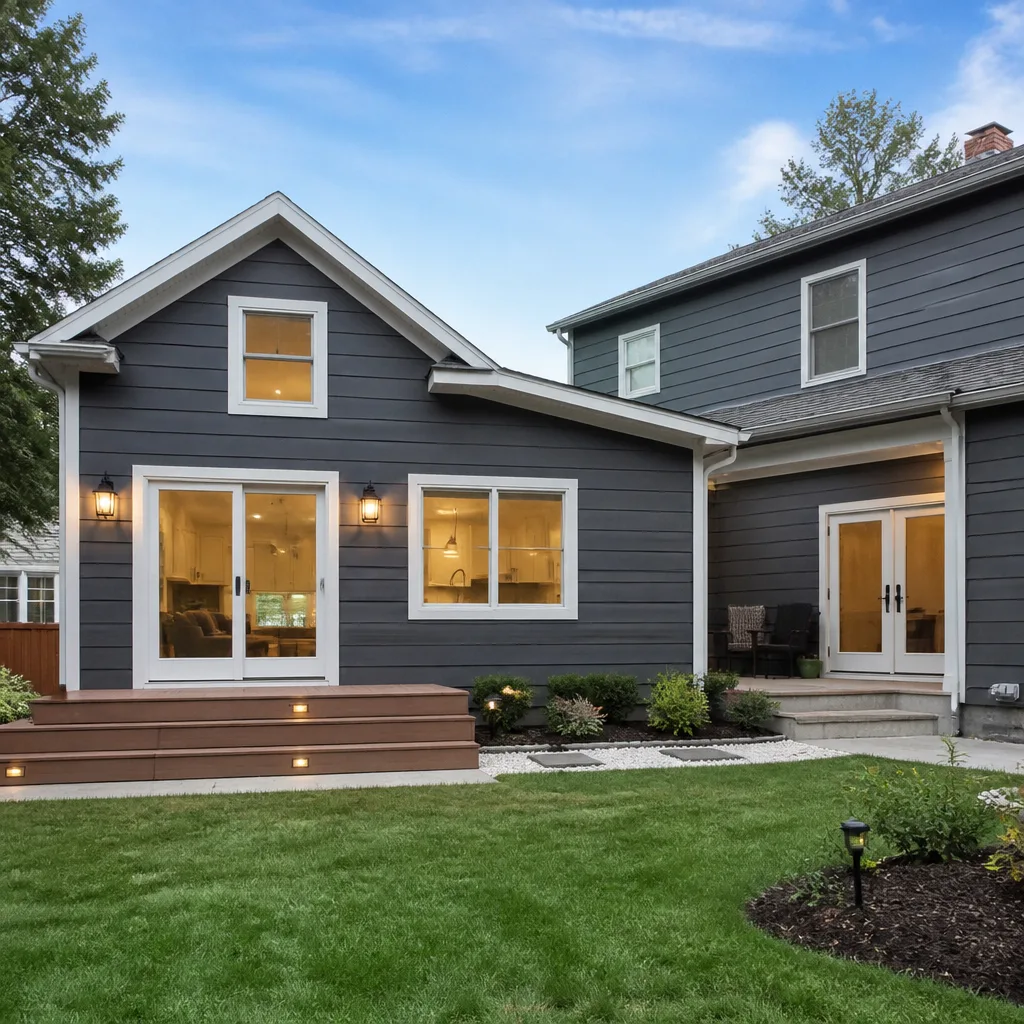
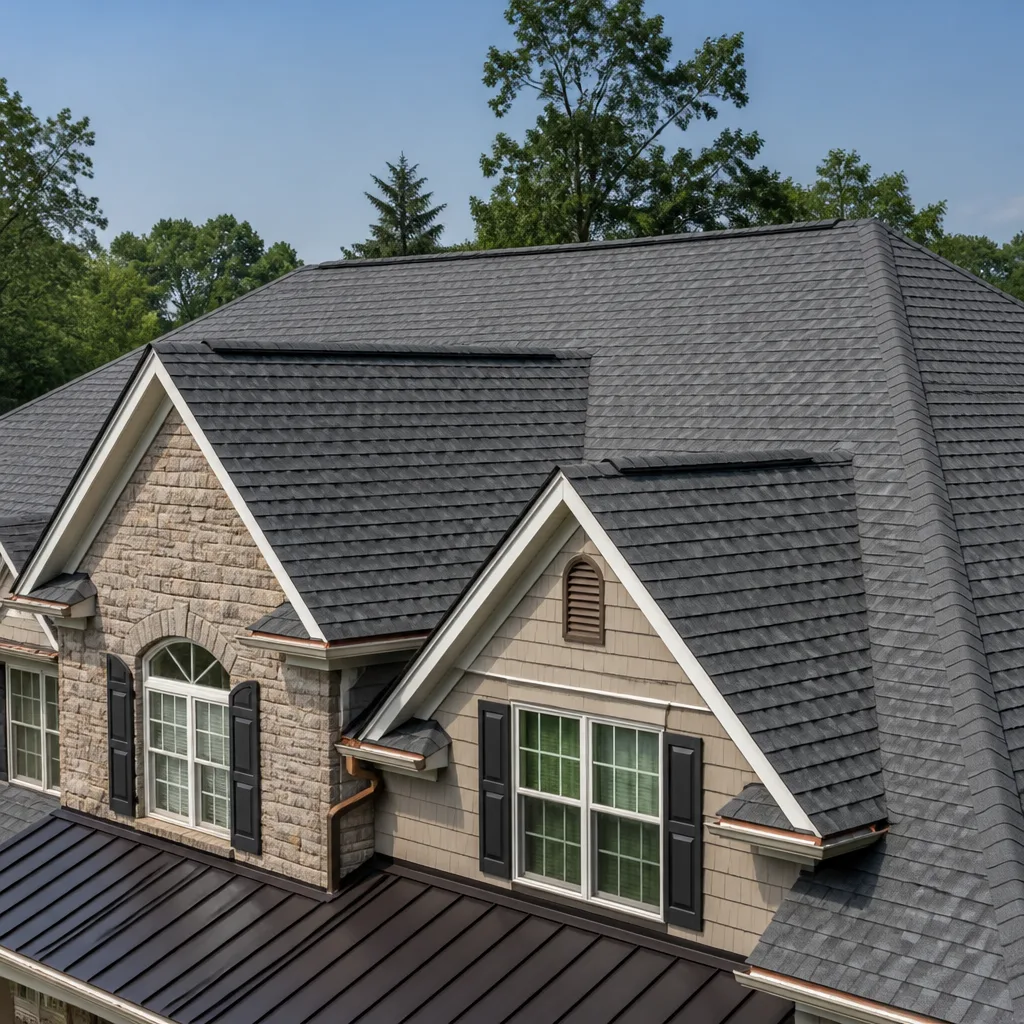
 Before
 After
After Before
 After
After Before
 After
AfterCambridge Pavers Roofing: The Los Angeles Owner’s Guide
If you’re holding a cracked paver, a loose ridge cap, or a roofing component that’s failed on your Cambridge Pavers install, here’s the straight answer: we stock and install Cambridge-compatible roofing components in Los Angeles, and most single-part replacements run $470 – $2,125 installed depending on what’s failed and how much tear-out is involved. The way most Los Angeles homeowners discover a problem is unglamorous: a paver has worked loose after a Santa Ana wind event, a roof edge has started spalling from years of irrigation overspray, or a valley detail is holding water and staining the fascia below. None of these are emergencies, but all of them get worse the longer they sit.
We’re an independent remodeler in Los Angeles, not a Cambridge Pavers distributor, which means we give you an honest read on whether a repair makes sense or a replacement is the smarter money. Call (936) 259-2607 and we’ll tell you over the phone what we think you’re dealing with, then send a background-checked technician to confirm it in person.
Key Takeaways
- Cambridge Pavers roofing components are stone products, not shingles; the failure mode is usually cracking, spalling, or movement, not granule loss.
- Most single-part repairs in Los Angeles land between $470 and $2,125 installed, depending on access, substrate condition, and whether we’re matching an existing pattern.
- We stock common Cambridge replacement pieces and can order series-specific items; most jobs are completed within two visits.
- Every repair gets a written price before work starts and a written 365-Day Done Right Promise after it’s finished.
Which Cambridge Pavers Models This Applies To
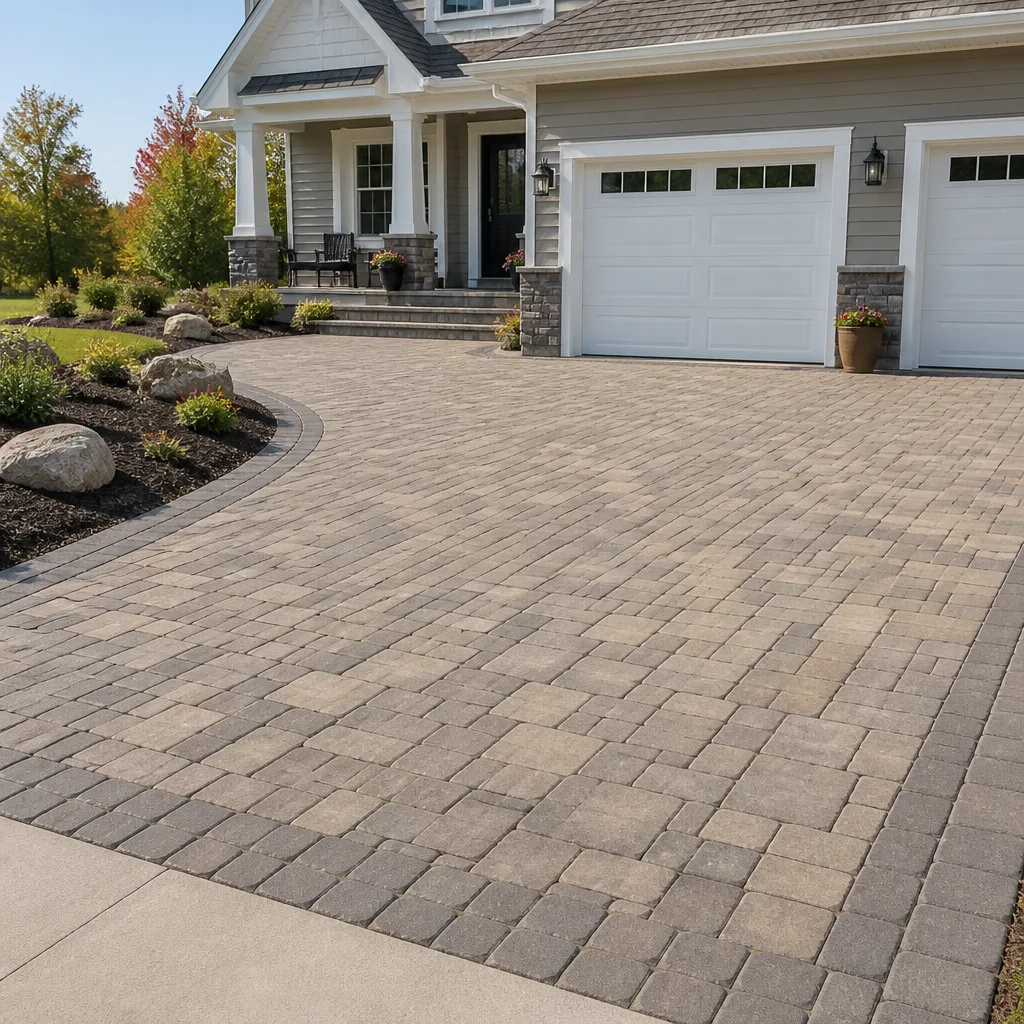
Cambridge Pavers makes a range of paver products used on Los Angeles flat roofs, parapet walls, roof decks, and perimeter caps, and the compatibility question matters more than most homeowners expect. The short version: if your roof system uses Cambridge Pavers pieces, the paver isn’t just sitting there for looks. It’s often functioning as ballast on a membrane roof, as a walking surface on a roof deck, or as a protective cap on a parapet. The part you’re replacing has to be right, because a mismatched paver changes the load distribution and can put stress on the waterproofing layer below.
Identification is usually straightforward. Look for a manufacturer mark stamped on the underside of a loose piece, often a series name or a mold number. Cambridge has run multiple lines over the years, including smooth and textured finishes in 60mm and 80mm thicknesses for vehicular or pedestrian loading. The 60mm paver belongs on pedestrian-only roof decks. The 80mm paver is rated for heavier use, and that gap matters if you’re replacing a piece on a deck that sees furniture, foot traffic, or a planter. We determine the right match by measuring the thickness, checking the joint spacing, and if possible pulling the lot code from an original paver.
On OEM versus aftermarket: for Cambridge-specific products, OEM is almost always the right call for visible areas. The color blends, the chamfer profile, and the surface texture are hard to replicate well enough that the repair doesn’t announce itself from across the roof. For hidden or functional pieces like pedestal supports, shims, and drainage mats under a raised roof deck system, quality aftermarket equivalents are typically fine and often save real money. We’ll show you both numbers and let you decide.
Signs Your Cambridge Pavers Roofing Is Failing
- Spalling edges or flaking surfaces. Los Angeles water chemistry plus repeated wet-dry cycles from irrigation or morning marine layer can cause the surface of a paver to flake, especially near planter edges or downspouts. Once spalling starts, the paver loses structural integrity at the corners and needs replacement before it crumbles underfoot.
- Uneven or rocking pavers. If a paver moves when you step on it, the pedestals or setting bed underneath have shifted. That’s a sign the substrate has failed, not the paver itself, and walking on it accelerates damage to the waterproofing below. We see this most often on roof decks where the original setting bed was compacted over a flexible membrane.
- Widening joint lines. Pavers that have migrated leave gaps that grow over time. The gaps invite water straight through to the membrane, and on a Los Angeles roof deck, ponding water is the enemy. Joint movement also signals that edge restraints have loosened, which lets the entire field drift.
- Cracking through the body of the paver. A hairline crack that runs through the thickness rather than across the surface usually means point loading: a heavy planter, a grill, or a furniture leg concentrating weight on one spot. The paver has lost its capacity and should come out before the crack propagates to neighbors.
- Efflorescence or salt staining. A white, chalky film on the surface looks cosmetic, but persistent efflorescence on a roof paver often means moisture is moving through the piece from below, which points to drainage problems under the paver field rather than a surface issue. Fix the drainage first, then replace the stained pieces.
Replacement Cost & What’s Included
For Cambridge Pavers roofing repairs in Los Angeles, most jobs fall between $470 and $2,125. The low end covers a small repair like replacing two or three spalled pavers with matching pieces, resetting a loose edge paver, or swapping a cracked corner unit. Mid-range work, roughly $800 to $1,500, typically includes pulling a section of the paver field, correcting the setting bed or pedestals underneath, reinstalling the pavers, and re-sanding or re-gasketing the joints. The upper end reflects larger sections like re-capping a parapet wall or replacing a roof deck area where we have to remove and reset a full row of edge restraint.
What moves the price is access, the condition of what’s under the paver, and whether the paver series is still in production. Roof work in Los Angeles often means ladder access, material hoisting, and careful staging, all of which show up in the labor line. We write the number before any work starts, line by line: material, labor, disposal, and the written 365-Day Done Right Promise. If the repair fails inside a year, we come back and fix it at no charge, and we don’t charge a re-inspection fee to look at it. That’s how we’ve run every job since 2004 under The Kingswell Way: say the price before the work, show up in the window we gave, leave the place cleaner than we found it.
DIY or Call Us?
If you want to save money, there are a few things you can safely do before anyone picks up a tool. Clear debris from the paver field, check that drains and scuppers aren’t blocked, and take photos of any cracked or shifted pieces from straight overhead so we can see the pattern. If a paver is loose, you can lift it out carefully and set it aside, but don’t remove more than one or two, and don’t walk on the exposed area underneath. Under the paver is waterproofing that’s easy to damage, and once that layer is compromised, a $600 repair turns into a several-thousand-dollar membrane patch.
What we don’t recommend is re-setting pavers yourself, especially on a roof deck. Roof pavers sit on pedestals or a compacted setting bed over a membrane, and getting the elevation right without creating a low spot that ponds water takes experience and a level. Trevor Nash has spent two decades on exactly these kinds of residential projects, and he’ll tell you the same thing: give me the whole picture first, then we pick up the tools. Call (936) 259-2607 and we’ll come look before you spend money on materials that might not match.
FAQs
In the Los Angeles climate, most Cambridge Pavers roofing products last 25 to 40 years before surface spalling or structural wear becomes a real issue, though roof deck pavers over membrane systems often get replaced sooner because the system below them reaches the end of its service life first. The biggest accelerant in this market is water exposure from irrigation and coastal marine layer, which erodes surface finishes faster than the sun alone. Call (936) 259-2607 for an honest read on whether your pavers still have useful life in them.
In almost all cases, a cracked Cambridge paver should be replaced, not repaired; a crack through the body of the paver means the structural capacity is gone and any cosmetic fix will fail within the first year. The exception is a surface-level hairline that hasn’t penetrated the thickness, which is purely cosmetic and can often be left alone. Walk us through what you’re seeing at (936) 259-2607 and we’ll tell you if replacement is actually necessary.
For a repair that doesn’t involve ordering a hard-to-match series, most Cambridge Pavers roofing part replacements in Los Angeles take one to two visits, typically a day or less on site once the part is in hand. If we have to order OEM pieces from the manufacturer, expect a week or so for delivery before we schedule the install. We’ll give you a timeline in writing before work begins.
We stock common Cambridge replacement units, edge restraints, pedestals and shims, joint sand, and drainage components on our service vehicles, but series-specific colors and textures often have to be ordered to match your existing installation. We source OEM parts for visible areas and offer quality aftermarket options for functional pieces below the surface, with both prices shown before we start. Call (936) 259-2607 and tell us what you have; we’ll check stock before we roll the truck.
Written by Trevor Nash, Owner, Penhallow Remodeling at Penhallow Remodeling, serving Los Angeles and nearby areas.