
Free written scope consultation - allowances, timeline, and change-order rules on paper before a single trade is scheduled
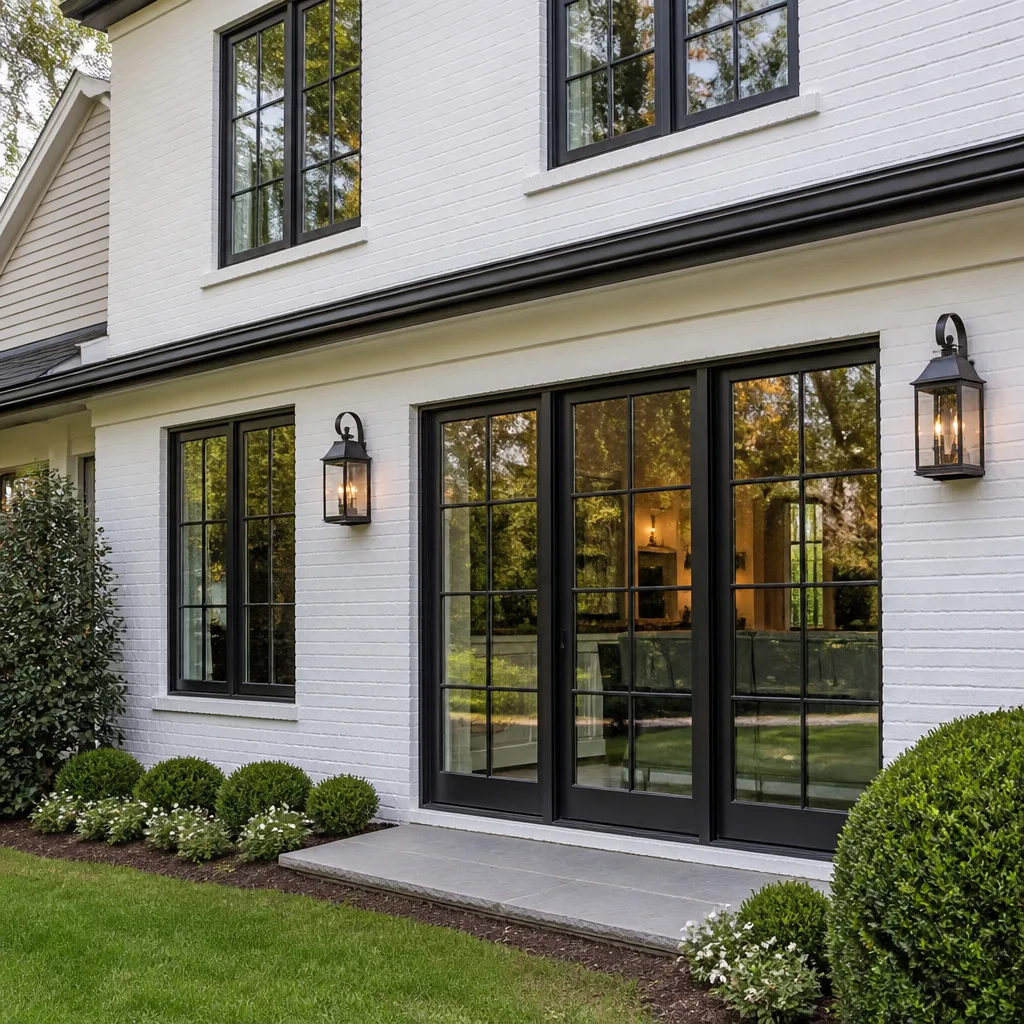
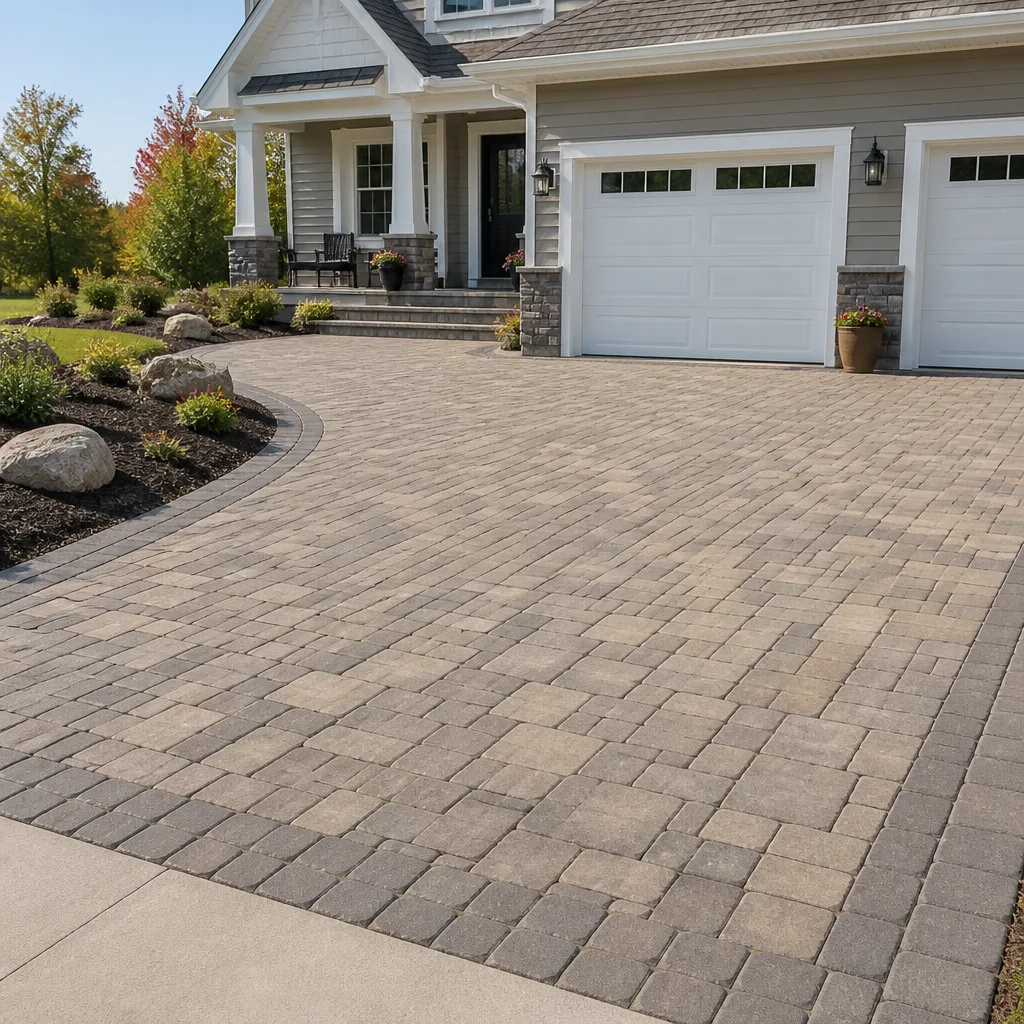
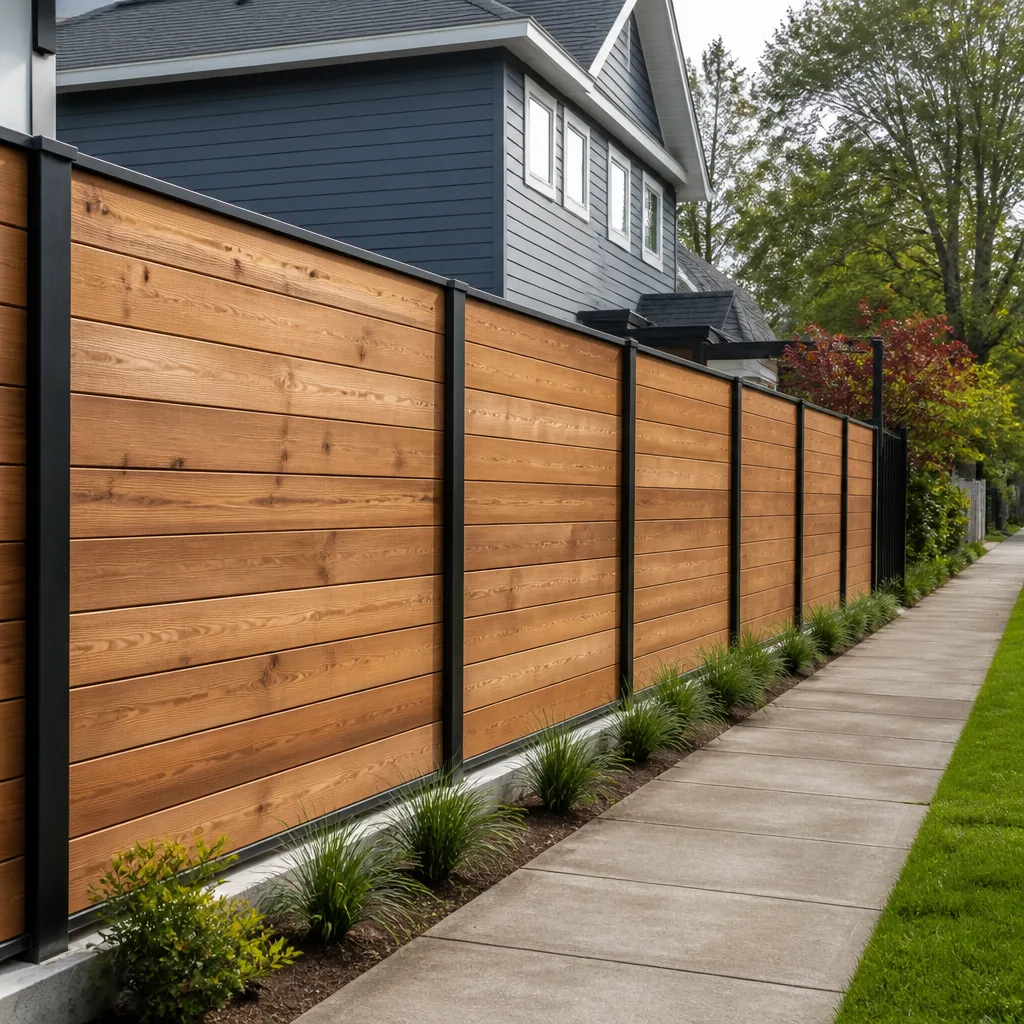
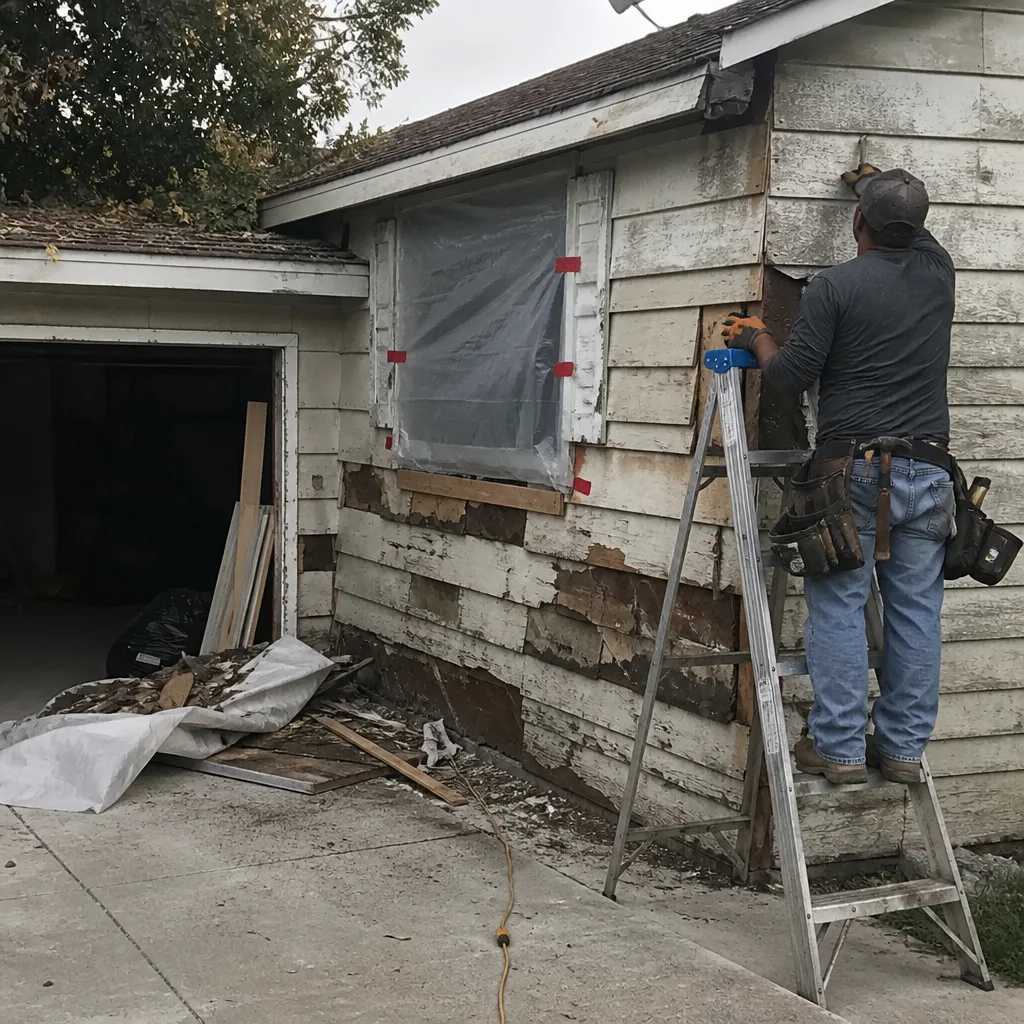 Before
 After
After Before
 After
After Before
 After
AfterJames Hardie Home Additions & ADU: The Los Angeles Owner’s Guide
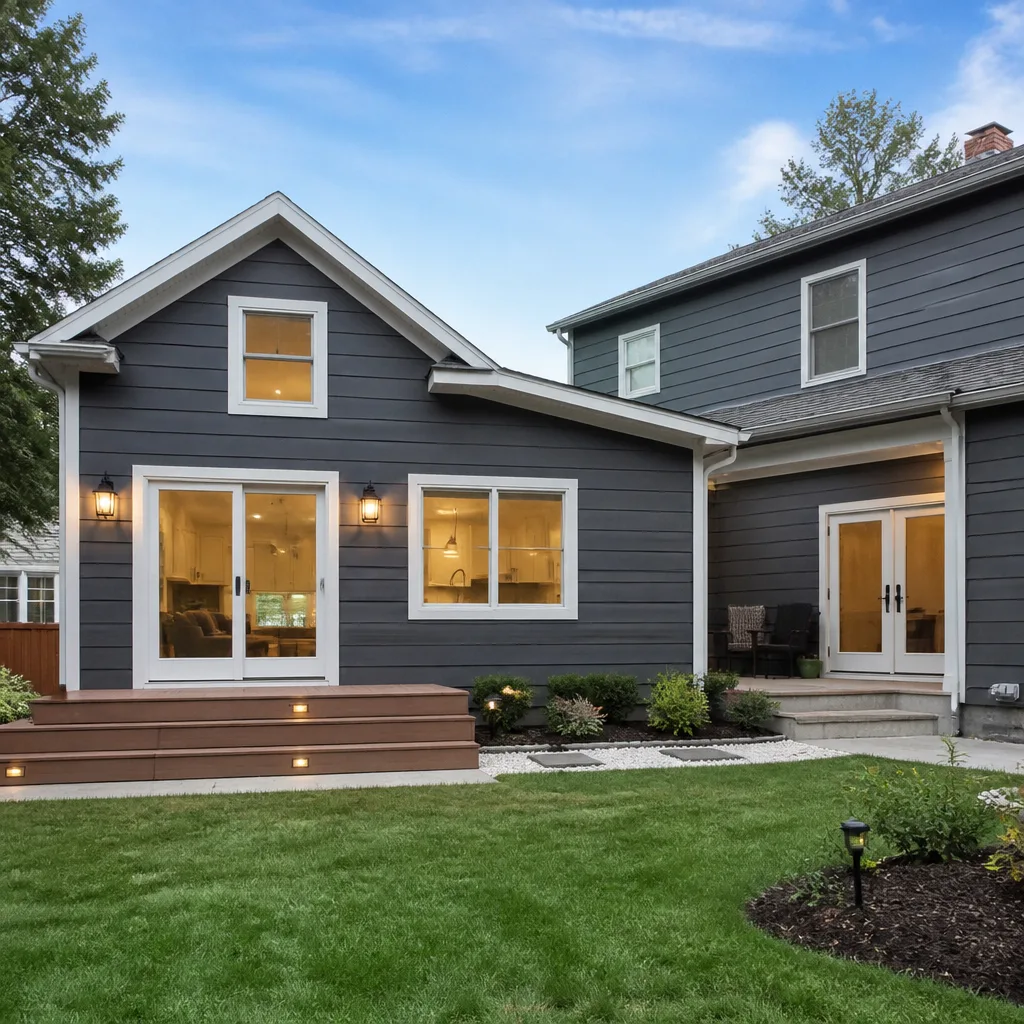
James Hardie home additions and ADU construction in Los Angeles typically runs $53,100 – $153,400 for a full project, depending on square footage, foundation work, and the Hardie product line you’re matching. We install James Hardie siding, trim, and panel systems on additions and detached ADUs throughout the LA area, with the written price set before we pull a single permit. Most owners reach out because an existing addition is showing Hardie siding failure (warping, moisture intrusion, cracked boards) or they’re planning an ADU and need a contractor who actually knows how Hardie products perform in our coastal and valley microclimates.
Here’s the thing: a James Hardie addition or ADU is not a generic framing job with siding slapped on. HardiePlank lap siding, HardiePanel vertical siding, and HardieTrim boards each require specific clearances, flashing details, and fastener schedules. When those get ignored, the failure shows up within two to five years, not twenty. We’ve rebuilt enough poorly flashed Hardie additions in neighborhoods from Reseda to Sherman Oaks to know exactly where corners get cut. Trevor Nash grew up in Reseda watching his uncle gut ranch houses in the Valley, and the lesson stuck: the product is only as good as the install behind it. Penhallow Remodeling is an independent contractor, not affiliated with James Hardie, but we install their products to the manufacturer’s published specs every time.
Which James Hardie Models This Applies To
James Hardie makes several product lines, and matching the right material to your addition or ADU matters more than most homeowners expect. The main lines in Los Angeles projects are:
- HardiePlank Lap Siding – the horizontal lap boards you see on most Hardie-clad homes. Available in 4×8, 6.25″, 8.25″, and 12″ exposures. If your existing home has HardiePlank, an addition needs the same exposure and texture or the transition will look wrong from the street.
- HardiePanel Vertical Siding – 4×8, 4×9, and 4×10 sheets, often used on ADUs for a more modern, vertical-panel aesthetic. Stucco-textured or smooth. This is the product most commonly mis-flashed at the base edge.
- HardieTrim Boards – the trim boards around windows, corners, and rooflines. They come in 4/4 and 5/4 thicknesses and multiple widths. Cut edges must be primed before installation, and unpainted field cuts are the single most common cause of trim swelling and rot-like deterioration in LA’s winter rains.
- HardieSoffit – pre-notched vented or smooth soffit panels for eaves and porch ceilings. Vented soffit is code-required in most LA attic and roof assemblies for airflow.
- HardieBacker Board – used as tile substrate in kitchens and bathrooms, which comes up on additions that include a kitchenette or full bath in an ADU.
The identification question is almost always about compatibility: you cannot mix Hardie products with generic fiber cement and expect the paint to match, the thicknesses to align, or the warranty to hold. If your original installer used a thin 5/16″ generic lap board and your existing home has 5/16″ HardiePlank, you’re already in mismatch territory. We check the back-code stamp on existing boards (Hardie prints product codes on the back of every board) and the nail pattern before we quote anything. OEM James Hardie products carry their own manufacturer warranty, but only when installed to their published specs, which is why we document every flashing and clearance detail in our photos before closing up a wall.
Signs Your James Hardie Home Additions & ADU Is Failing
- Swollen or crumbling board edges near the bottom – This is almost always missing or incorrect clearance above grade. Hardie requires a minimum of 2 inches of clearance off grass, 1 inch off hardscape, and 6 inches off roofs. When installers bury the bottom course or drop it too low, water wicks up and the board edge delaminates within a few LA winter rain cycles.
- Paint peeling in isolated patches, not evenly – If the siding paint is failing in one area while the rest of the house looks fine, suspect a flashing failure behind the wall, not a paint failure. Water is getting behind the board and pushing through from the inside. Repainting without fixing the flashing means repainting again in eighteen months.
- Visible cracks at window and door corners – HardieTrim boards are rigid, and if the framing behind them moves or expands and contracts at a different rate, stress cracks appear at the miters. In Los Angeles, the temperature swing between a South Bay afternoon and a cold February night is enough to open up miter joints if the installer didn’t leave the required 1/8″ gap and caulk it properly.
- Gaps where boards meet at outside corners – Hardie corner trim must be installed with flashing behind the joint and a sealed seam. If you can see daylight or feel a draft, the corner flashing was skipped or nailed wrong. This lets water and insects in, and on an ADU it often shows up first at the corners facing the prevailing west wind.
- Wavy or rippled siding when viewed at a shallow angle – This isn’t a product defect; it’s an installation error. HardiePlank is installed with the butt joints gapped 1/8″ and flashed, never butted tight. When boards are nailed too tightly, too loose, or over uneven framing, the wall reads wavy. On a new addition, this is a rework item, not a touch-up item.
Replacement Cost & What’s Included
James Hardie home addition and ADU projects in Los Angeles run $53,100 – $153,400 as a complete scope. That covers design, permits, foundation, framing, the Hardie siding and trim package, paint, and interior finish on a typical 400 – 800 square foot addition or detached ADU. The number moves based on:
- Square footage and whether the addition is attached or detached – detached ADUs carry more foundation, utility, and site-work cost per square foot.
- Your existing Hardie product line – matching HardiePanel vertical with architectural reveals costs more in labor than standard HardiePlank lap; a stucco-textured finish also changes the prep and paint labor.
- Condition of the existing structure – if we’re adding onto a 1950s Valley ranch, expect some framing correction, termite repair, or shear-wall retrofitting before new walls go up. Los Angeles seismic and Title 24 energy requirements add real line items.
- Interior scope – an ADU with a kitchen and full bathroom runs at the higher end of that range; a simple bedroom addition with no plumbing runs lower.
Every Penhallow project gets a written line-item price before work starts, the 365-Day Done Right Promise in writing, and materials from recognized brands. If a Hardie board, seam, or flashing detail fails within the guarantee period, we come back and fix it at no charge, including a free second visit if a repair fails. No change orders on our own estimating errors, ever.
DIY or Call Us?
Siding looks approachable until you’re on a ladder with a 12-foot HardiePlank board in one hand and a nail gun in the other. The honest split is this: you can inspect your existing siding safely from the ground. Look for the clearance violations I listed above, check your corner seams, and look at the bottom course after a rain. What you should not do is start pulling boards. Hardie siding on an addition is part of a water-management system, and when a homeowner removes boards without understanding the flashing sequence behind them, the wall gets wetter, not drier. We’ve walked into homes where a weekend repair turned a $400 flashing fix into an $8,000 wall rebuild. If the sight of a gap or a cracked board is keeping you up, call us at (936) 259-2607 and we’ll come look. Trevor’s rule is the same on every project: give me the whole picture first, then we pick up the tools.
How Much Does a James Hardie Addition or ADU Cost in Los Angeles?
The complete installed cost is $53,100 – $153,400. That’s a wide range because the difference between a simple 400-square-foot bedroom bump-out and a fully plumbed 800-square-foot ADU is enormous in this city. Call (936) 259-2607 for a written estimate, and you’ll get a line item for every dollar of that number.
How Long Does James Hardie Siding Last in Southern California?
James Hardie fiber cement siding carries a 30-year non-prorated limited warranty in most residential applications, and with proper installation and paint maintenance it will last 40 to 50 years in Los Angeles. The failure we see is almost never the board itself; it’s the flashing and clearance work behind it. That’s the part the warranty doesn’t cover if the original installer cut a corner, so the real lifespan in LA comes down to who installed it and whether they followed Hardie’s published specs.
Can You Repair a Failing James Hardie Section Instead of Replacing It?
Yes, if the failure is isolated. A single cracked board, one failed miter joint, or a small flashing issue at one window can often be repaired without re-siding the whole wall. We remove the damaged board, inspect the flashing and moisture barrier behind it, replace what’s failed, and reinstall to spec. We’ll walk you through what’s repairable and what isn’t before we quote anything.
How Long Does a Home Addition or ADU Take in Los Angeles?
A typical addition or ADU takes four to nine months from permit submission to final inspection, and the single biggest variable is the LA Department of Building and Safety plan-check timeline, not the construction itself. We carry the permit process on our side, pull all permits, and pass all inspections. Your written estimate includes a realistic timeline so you know what to expect before we start.
Do You Stock James Hardie Materials for Additions and ADUs?
We source HardiePlank, HardiePanel, HardieTrim, and HardieSoffit directly through our supply chain for every project, and we also work with KraftMaid cabinetry, Cambria and Silestone countertops, and Kohler and Moen fixtures inside the ADU or addition. That means the siding on the outside and the kitchen inside come from recognized brands with their own warranties layered on top of ours.
If you’re planning a James Hardie addition or ADU in Los Angeles, or if your existing Hardie siding is showing signs of water damage, call us at (936) 259-2607. We’ll set up a time to walk the project with you, put the price in writing before anything starts, and back the work with the 365-Day Done Right Promise. A live person answers the phone every time.
Written by Trevor Nash, Owner, Penhallow Remodeling at Penhallow Remodeling, serving Los Angeles and nearby areas.