
Mighty Buildings General Contractor in Los Angeles: A Homeowner’s Guide
Mighty Buildings are 3D-printed panel homes gaining real traction in Los Angeles, mostly for backyard ADUs. The catch: their composite material doesn’t behave like wood framing or poured concrete during finish work, which means a general contractor who hasn’t installed them before can quote the job wrong from day one. Here’s what to ask before you sign anything.
If you’d rather skip the research and talk to a contractor who works through the manufacturer’s install specs line by line, call (936) 259-2607 for a free estimate. Otherwise, keep reading.
What Mighty Buildings Actually Are (and Why They’re Popular in Los Angeles)
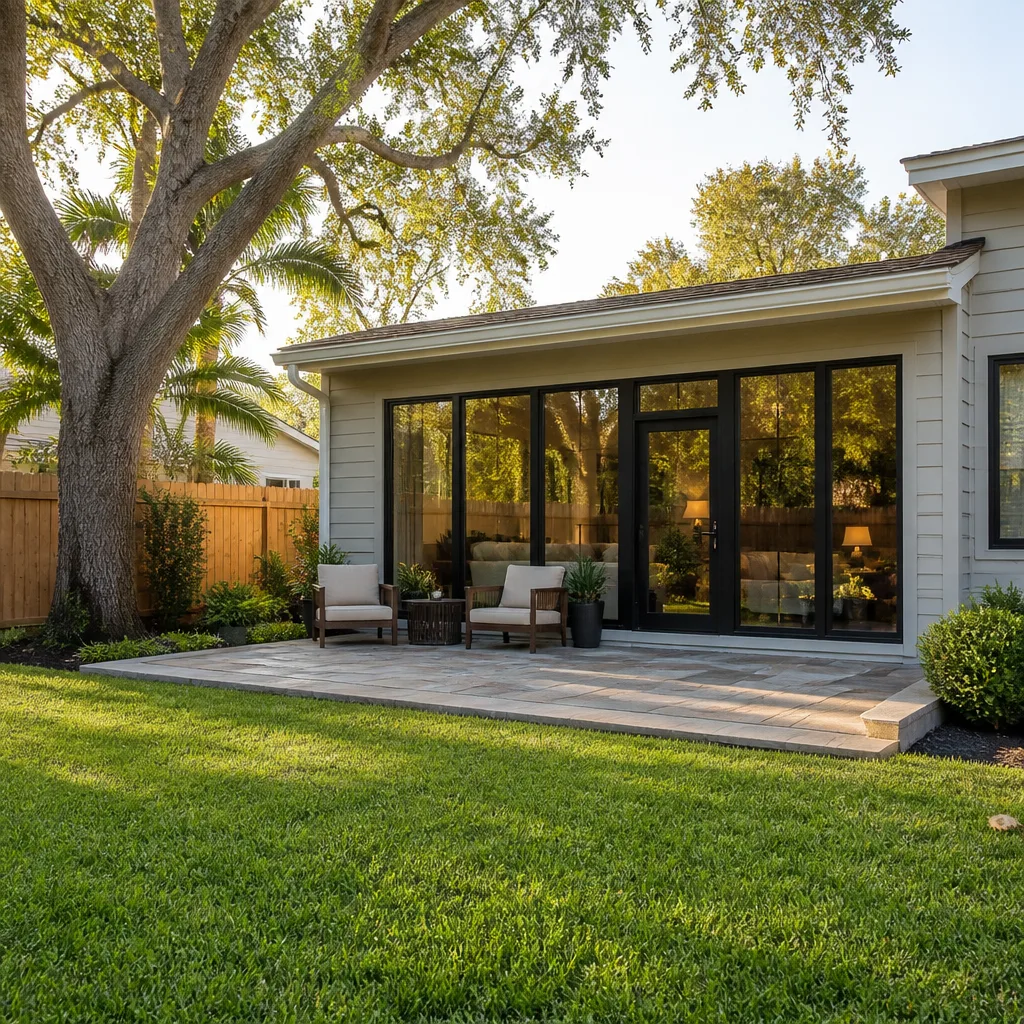
Mighty Buildings manufactures 3D-printed composite panels in a factory, then ships them to your site for assembly. The panels are made from a stone-like polymer material that cures under UV light during printing. In Los Angeles, these units have become particularly popular for backyard ADUs because the panels arrive pre-insulated, pre-finished with integrated utilities, and assemble weeks faster than a stick-built addition.
That speed matters in LA. A traditional ADU can take 8 to 14 months from permit to move-in. Mighty Buildings advertises factory-to-installation timelines that cut that substantially. Homeowners in neighborhoods like Mar Vista, Westchester, and Eagle Rock are using these units to add rental income or a home office without the dust-and-demolition marathon of conventional construction.
But here’s what most homeowners don’t realize until they’re mid-project: the panels arrive as a manufactured building system, not raw lumber. Your general contractor in Los Angeles needs to treat them more like a car than a house shell. The attachment points, cut locations, and moisture details are factory-specified. A GC who assumes these panels accept screws like studs or cut like drywall is going to make expensive mistakes in front of you, not in front of the factory floor.
The Composite Material: What Your GC Needs to Know Before They Quote
This is the section competitors skip, and it’s the one that determines whether your project goes smoothly or becomes a finger-pointing mess.
Mighty Buildings panels are not gypsum board. They’re not cement board. They’re a proprietary composite formulated to be light, insulative, and structurally self-supporting once assembled. In our experience quoting work in Los Angeles, the fastest way to spot an inexperienced bid is to ask one question: “How do you attach finish materials to these panels?”
If the contractor pauses too long, keep looking. Here’s what the right answer should cover:
- Fasteners: The panels accept specific mechanical fasteners rated by the manufacturer. You don’t grab a drywall screw gun and start hanging cabinets. The attachment specifications depend on the load, the panel thickness, and the location. A GC who knows the system will tell you which fasteners are factory-approved and which will crack the panel face.
- Cutting: Field-cutting is possible but not unlimited. The factory marks cut zones for precise openings. Cut outside those zones and you can compromise the panel’s structural rating. This matters when you’re running electrical, plumbing, or adding a window after delivery.
- Curing and temperature: The material cures rapidly during printing, but site conditions still matter for any field-applied sealants or bonding agents. Los Angeles heat waves in the San Fernando Valley can push surface temperatures high enough that adhesives set faster than expected. A good GC adjusts the install schedule around this.
- Finish compatibility: Interior finishes often include direct-applied coating systems rather than traditional tape-and-texture on drywall. If you want wainscoting, tile, or a custom backsplash, the prep method differs from a wood-framed wall.
None of this is a reason to avoid the product. It’s a reason to hire a contractor who reads the manufacturer’s installation manual the way a mechanic reads the service bulletin. At Penhallow Remodeling, we write that requirement into our fixed price: the quote assumes we follow Mighty Buildings’ specs to the letter, not that we improvise on site.
Los Angeles ADUs, Site Constraints, and the Paperwork Trail
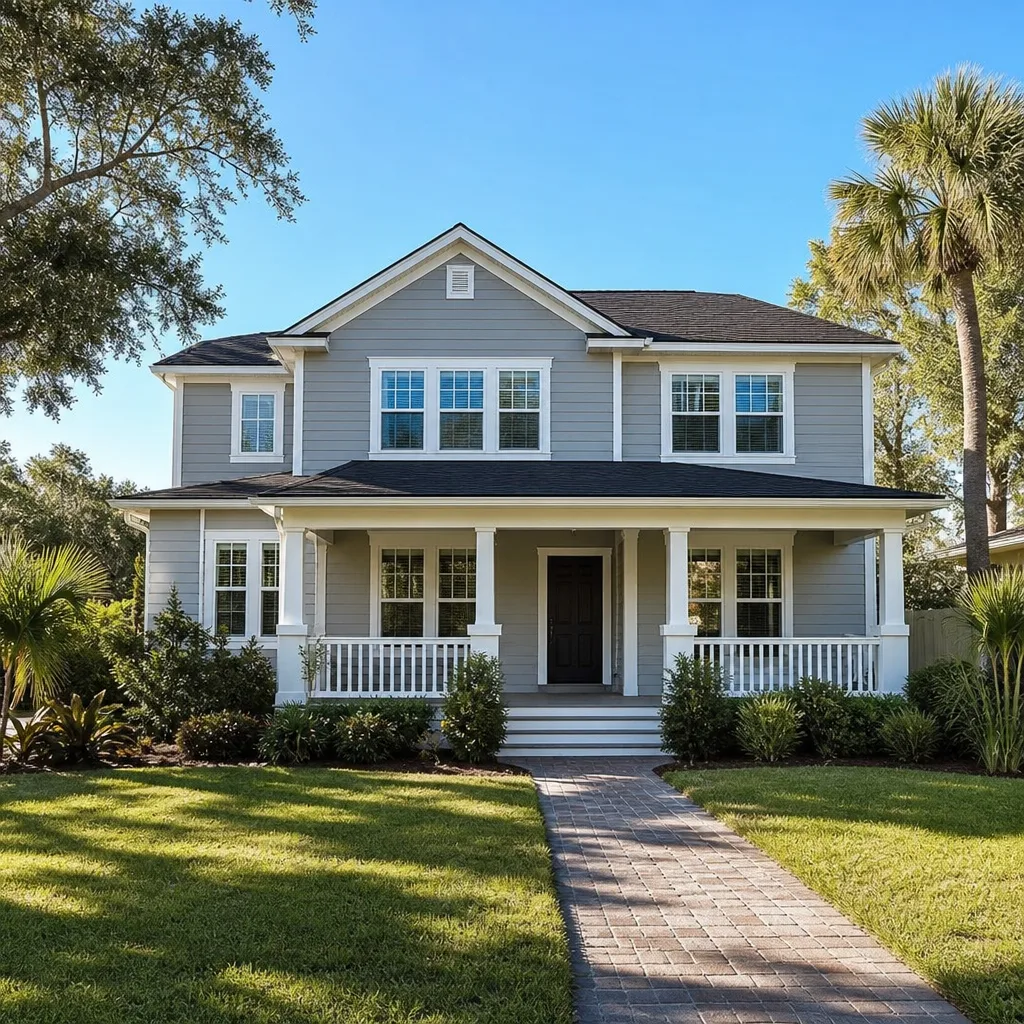
If you’re adding a Mighty Buildings unit in Los Angeles, you’re probably building an ADU under California’s statewide ADU laws, which have made backyard units significantly easier to permit since 2020. Los Angeles building departments process hundreds of ADU applications, and Mighty Buildings is a recognized prefab system that planners see regularly. That recognition helps, but it doesn’t remove the site-specific variables.
The constraints that matter most in Los Angeles:
- Access and delivery: The panels arrive on a truck. If your backyard sits behind a narrow gate in Highland Park or a steep hillside driveway in Silver Lake, the delivery route needs to be planned before panels are ordered, not after the technician arrives.
- Foundations and site prep: The GC still pours a concrete slab or foundation system specified by the project’s engineer. Mighty Buildings panels create the envelope, but the grade work, drainage, and compaction under the slab are all site conditions handled by your contractor.
- Utility connections: Panels arrive with chases and rough-ins, but your GC still connects water, sewer, power, and gas (if applicable) from the house to the new unit. In Los Angeles, that can mean trenching across a backyard, upgrading an existing panel, or coordinating with LADWP for a new service drop.
- Tree and grading restrictions: Mature protected trees in LA neighborhoods can shift the entire unit footprint. A GC who checks protected tree zones and hillside grading rules before you buy the unit is worth more than one who “figures it out” after delivery.
Our advice: treat the Mighty Buildings shell as one line item and the site work as another. The clearest contracts we’ve seen list the factory components, the foundation, the utility hookups, and the interior finishes as four separate scopes. That way you know exactly who is responsible for what, and the price doesn’t blur the lines.
Permits and Inspections: What’s Still Evolving for 3D-Printed Construction in LA
Los Angeles has beenfriendlier to 3D-printed construction than most cities, largely because the state’s factory-built housing rules create a pathway for manufactured units like Mighty Buildings. These units often go through a state-approved process for the factory portion, while the city reviews the site work: foundation, utilities, accessibility, fire separation, and zoning.
But don’t assume every plan checker in every LA district has handled one of these before. What’s still evolving:
- Local interpretation: The same product can get slightly different treatment depending on the building office. Some inspectors in Los Angeles have walked units before; others haven’t. Your GC should be prepared to walk the plans and the product data sheet through the review process with patience.
- Fire and structural acceptance: Mighty Buildings products carry engineering reports and testing documentation. The city reviews those documents, but if an inspector asks for additional detail, your contractor needs to know who to call at the manufacturer and how to route the request.
- Final inspection timing: Since much of the unit arrives pre-finished, the inspection cadence shifts. Some inspections that normally happen during framing happen in the factory and are documented. Others still happen on site when the unit is set. A GC who understands which visits are needed avoids scheduling delays.
We pulled one of these through planning over in Van Nuys last year, and the inspector’s first comment was about the panel joint details. Turns out the factory documentation covered it fully, but the inspector hadn’t seen that page yet. The project moved forward the same day because we had the full data package organized before the inspection, not buried in a file folder back at the office.
How to Vet a General Contractor for a Mighty Buildings Project in Los Angeles
Most general contractors in Los Angeles have never touched a 3D-printed panel. That’s not a dealbreaker by itself. It becomes a dealbreaker when the contractor refuses to acknowledge the learning curve and writes a low quote to win the job, then figures out the details after you’ve paid a deposit.
Here are the questions to ask before you sign:
- “Have you reviewed the manufacturer’s installation manual and specs for this system?” If they can’t answer within ten seconds, or if they wave the question off, you’re hiring someone to learn on your project.
- “How do you handle finish attachment on these panels?” The answer should reference specific fasteners, manufacturer guidance, or a plan to obtain both. Vague answers like “we’ll figure it out” are red flags.
- “Will your quote separate the factory components from your site work?” You want a contract that clearly divides what comes from Mighty Buildings and what your GC builds on site. This keeps warranty issues clear and prevents change-order disputes later.
- “Have you pulled permits for this product type in Los Angeles before?” Prior experience with the specific product helps. Experience with ADUs in general helps too, but a GC who has done both is the safest choice.
- “What happens if a panel is damaged on delivery?” Freight damage happens. The GC should have a written plan: who inspects panels on arrival, who documents damage, and how the replacement process works.
We’ll be honest: we haven’t installed thousands of these. No Los Angeles contractor has. The technology is too new. What we do is read the factory specifications, follow them, and price the project with enough margin to do the work right the first time. The written quote we give you reflects that. The Done Right Promise backs it.
Related Services in Los Angeles
If you’re considering a Mighty Buildings ADU, you may also need foundation work, utility trenching, kitchen finishing inside the unit, or a connected remodel in the main house. Take a look at our General Contractor in Los Angeles page for scope details, or visit our Kitchen Remodeling in Los Angeles and Bathroom Remodeling in Los Angeles pages if the inside of the unit needs finish work beyond the factory package.
What happens when you call
- 1
A real person answersNo phone trees - you reach a local pro.
- 2
You get an upfront price rangeHonest numbers before anyone is dispatched.
- 3
A background-checked tech heads outLicensed & insured, dispatched right away.
- 4
You approve before work beginsNothing starts until you say go.
When to Call a Pro
If any of the vetting questions above make a contractor squirm, or if you’ve got site conditions in Los Angeles that complicate delivery and utility work, call before you buy the unit. The cheapest way through this is often the phone call that happens before the purchase order, not the one after the wrong contractor has already cut a panel in the wrong place. Panel replacement costs real money, and the manufacturer warranty won’t cover field mistakes.
The Bottom Line
Mighty Buildings units are genuinely interesting for Los Angeles homeowners who want an ADU with less on-site construction time. But the technology shifts the risk profile toward site planning and GC expertise. The panels are finished differently than drywall, attached differently than framing, and specified more tightly than a conventional shell.
The right general contractor reads the factory docs before quoting, separates the scopes clearly in writing, and stands behind the site work with a real guarantee. That’s how we work. Every Penhallow Remodeling project starts with a written price and ends with a Done Right Promise, and the number on your quote is the number on your invoice.
If you’re in Los Angeles and want to talk through a Mighty Buildings project call (936) 259-2607 for a free estimate. We’ll tell you what’s realistic, what the city will want to see, and what the job should cost before you commit to anything.
Frequently Asked Questions
Total project costs in Los Angeles typically land between $180,000 and $350,000, depending on the unit size, foundation work, utility runs, and finish level. The factory shell is one cost; your GC’s site work, permits, and connections are another. A written quote should separate those cleanly. Call (936) 259-2607 for an exact number on your specific site.
Technically yes, but the contractor should follow the manufacturer’s installation specifications, not standard framing practices. The composite panels require specific fasteners and cutting zones, and failure to follow them can void the factory warranty. Ask for proof of spec review before signing.
Yes. The factory-built portion may move through state-approved channels, but the foundation slab, utility connections, and site work still require Los Angeles city permits and inspections. Your GC should handle this process and be prepared to present manufacturer engineering documentation to plan checkers.
Not if your contract is written properly. The biggest risk for cost increases on these projects is site discovery: unexpected soil conditions, utility rerouting, or delivery constraints. A written price that clearly defines both scopes and identifies known variables protects you from surprise change orders. That’s how we structure every quote.
Written by the team at Penhallow Remodeling.
Need Construction Help?
Call Penhallow Remodeling - licensed & insured, here with fast after-hours help in Los Angeles.
(936) 259-2607