
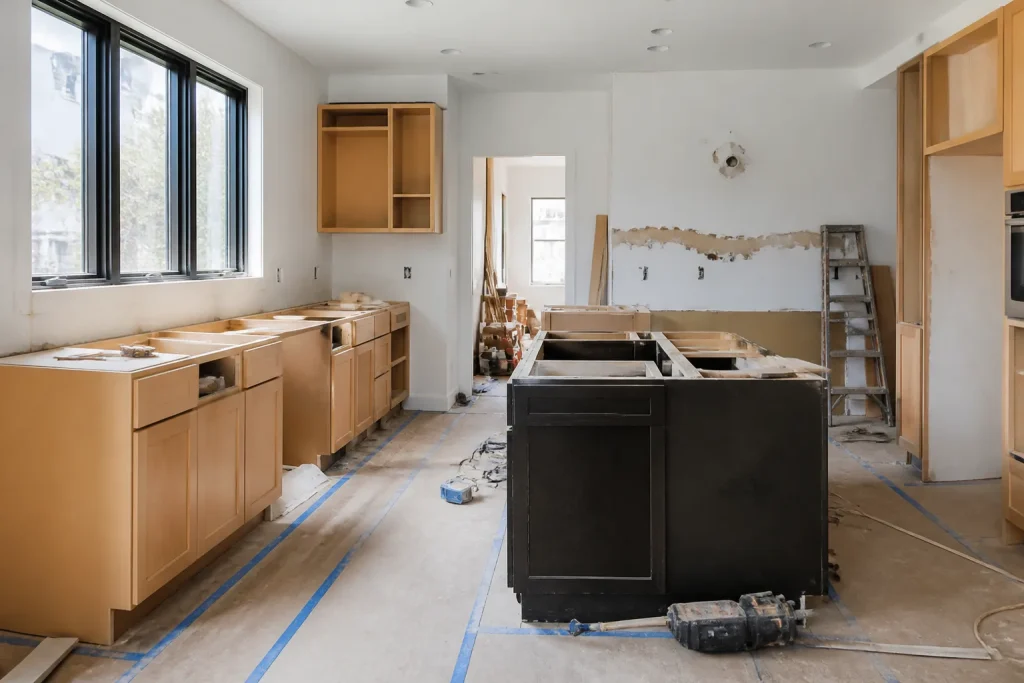
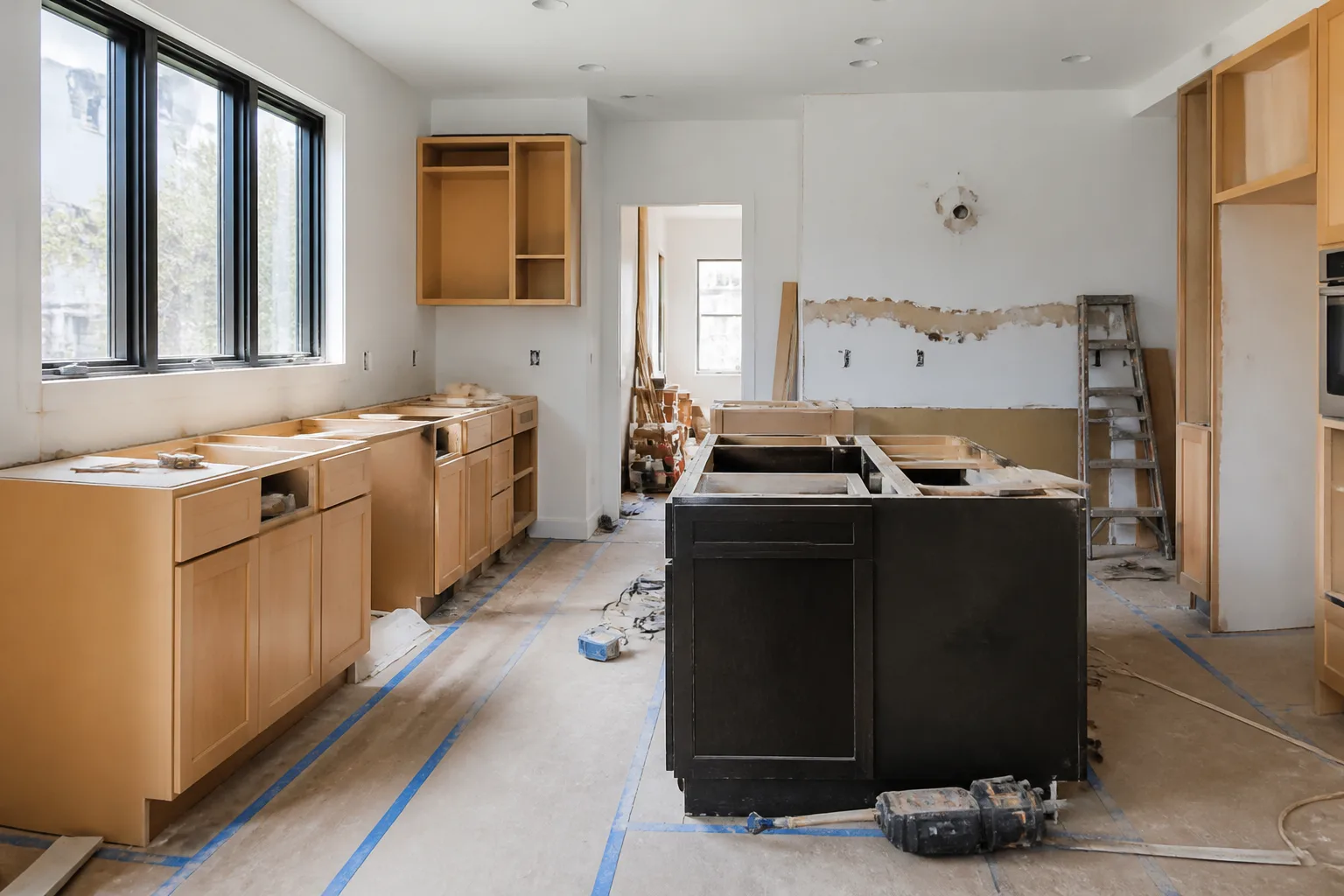
5 Mistakes to Avoid With Kitchen Remodeling
The five costliest kitchen remodeling mistakes in Los Angeles are: skipping a written itemized contract, ordering cabinets before permit approval, letting “while you’re in there” requests pile up without change orders, cutting corners on electrical and venting rough-ins, and hiring a contractor who won’t put a completion window in writing. Each one can add $10,000 to $25,000 to your final bill, often months after you thought the job was done. If you’d rather not learn these lessons the hard way, call (936) 259-2607 and we’ll walk you through what a properly papered remodel looks like.
Most people assume kitchen remodels go wrong because someone picked the wrong backsplash or the island ended up too small. In fifteen years of running Penhallow Remodeling home projects across Los Angeles, we’ve found the opposite: the expensive failures happen before demo day, in the contract and the permit sequencing. The design mistakes are fixable. The paperwork mistakes are financially brutal.
Key Takeaways
- A verbal estimate is not a contract. In California, you need a written, itemized scope of work with material allowances, labor, and a payment schedule.
- Never order custom cabinetry before your permit is approved. Los Angeles permitting timelines routinely run 6 to 12 weeks, and boxes sitting in a garage don’t speed that up.
- Every mid-job addition needs a written change order with its own price. “Small tweaks” are how $40,000 remodels become $70,000 remodels.
- Electrical and ventilation rough-ins are the cheapest mistakes to avoid and the most expensive to fix after drywall goes up.
- A start date without a completion window is just a promise to begin. You need both, in writing, with defined milestones.
Mistake #1: Signing Anything That Isn’t a Written, Itemized Contract
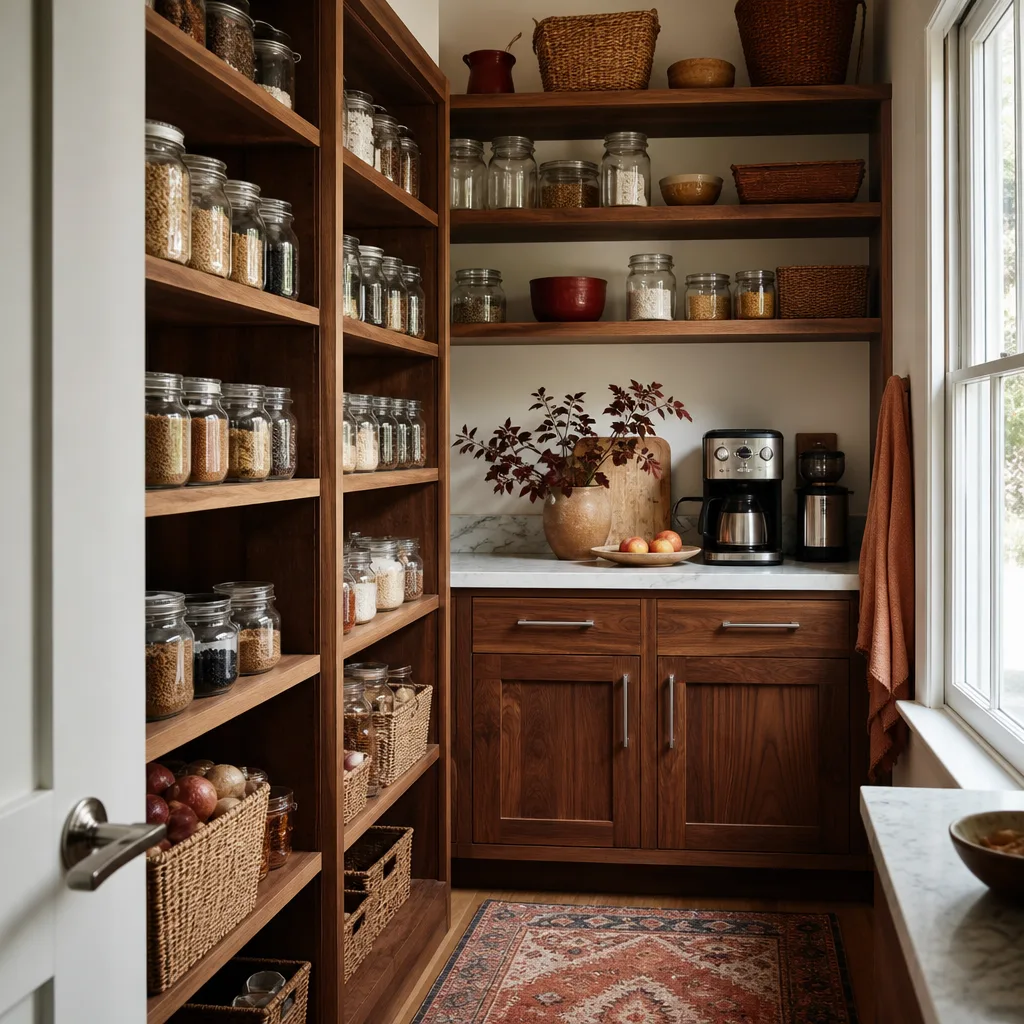
A kitchen remodel in Los Angeles typically runs $18,000 to $55,000 depending on layout changes, cabinet line, and countertop material. Custom work with structural changes can push past $70,000. That’s real money, and it’s why the single highest-risk move you can make is accepting a verbal estimate or a one-page “proposal” that just lists a final number.
Here’s what we see when walls come open: the contractor finds galvanized plumbing that needs replacing, the subfloor is water-damaged around the old sink, or the electrical panel doesn’t have capacity for the double oven you ordered. If your contract doesn’t spell out how those discoveries get priced, you’re now negotiating from the weakest possible position with your kitchen already demolished.
In California, a legally enforceable home improvement contract should include, at minimum:
- A detailed scope of work describing each phase: demolition, plumbing, electrical, drywall, flooring, cabinetry, countertops, tile, paint.
- Material allowances with specific dollar amounts, so you know exactly how much is budgeted for cabinets, counters, and fixtures before you start picking upgrades.
- A payment schedule tied to completed milestones, not dates. Never pay for work that hasn’t happened yet.
- Allowance for change orders: a written process for adding or subtracting scope, with pricing attached to each change.
- A completion window, not just a start date. More on that below.
At Penhallow Remodeling, every project gets a written price before any work starts. The number on day one is the number on the invoice, because the contract spells out exactly which discoveries are included and how uncommon ones get priced. That’s the Kingswell standard, the set of operating rules our company has followed: say the price before the work, show up in the window we gave, and leave the place cleaner than we found it.
Mistake #2: Ordering Custom Cabinetry Before the Permit Is Approved
This sequencing mistake is uniquely brutal in Los Angeles, where the Department of Building and Safety routinely takes 6 to 12 weeks to issue kitchen remodel permits. Homeowners get told “cabinets take eight weeks to build, so let’s order them now to save time.” It sounds prudent. It’s not.
Here’s why: if you order custom cabinets before the permit is approved, and the city comes back with a change, like a required egress adjustment, a structural upgrade, or a load-bearing wall that wasn’t properly documented, your cabinet footprint might need to change. Now you have $12,000 to $18,000 in custom cabinetry that doesn’t fit the approved plan. The cabinet manufacturer won’t take it back. It’s yours.
We’ve seen this exact scenario play out in neighborhoods from Silver Lake to Sherman Oaks. A homeowner gets a verbal “we’ll start in two weeks” from a contractor, orders cabinets to match that timeline, and then the permit takes another month. The cabinets sit in a garage collecting dust, the homeowner has paid a deposit, and the contractor has moved on to another job.
The correct sequence is: permit approved first, then cabinets ordered, then demo scheduled. A good contractor accounts for the Los Angeles permit timeline up front and builds it into the schedule honestly. If someone pressures you to order materials before permits clear, that’s not efficiency. That’s risk transfer, and it all lands on you.
Mistake #3: Letting “While You’re in There” Turn Into Budget Doubling
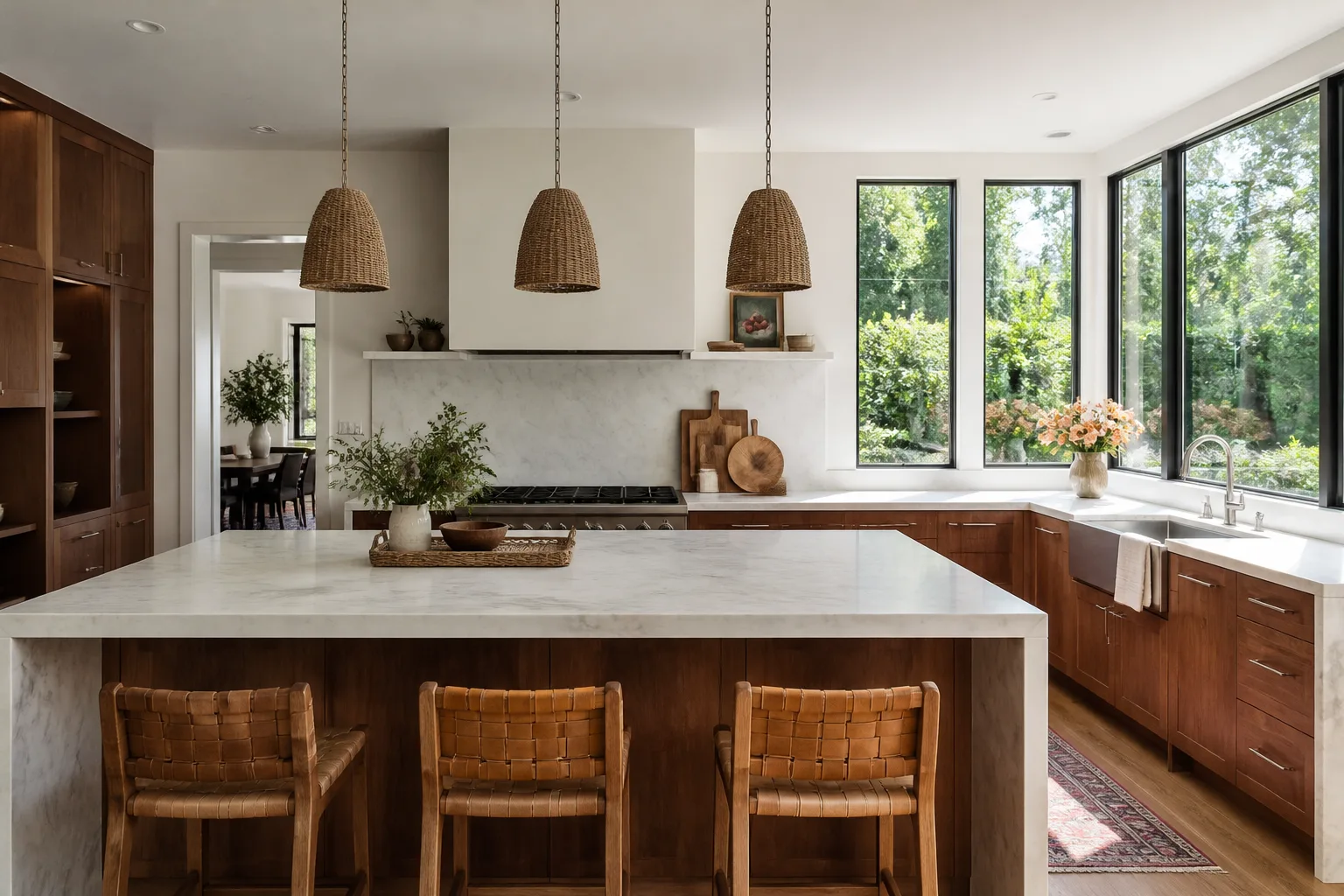
This is the most common way kitchen remodel budgets double in Los Angeles, and it’s human nature. The walls are open, the electrician is standing right there, and you think, “Well, since you’re in there, can you also add under-cabinet lighting in the dining room?” Then it’s “Can you run a new circuit for the espresso machine?” Then “Should we just replace the floor in the adjacent hallway while the tile guy is here?”
Each request sounds small. That’s the trap. An extra outlet is maybe $250 in parts and labor. Under-cabinet lighting can be $80 per linear foot. Moving a plumbing line because you decided to relocate the sink after demo is $1,500 to $3,000. None of these are unreasonable upgrades. They’re just being priced verbally, mid-stream, with no paperwork, and they accumulate fast.
The right way to handle additions is simple: every change gets a written change order with its own price before the work is done. That’s not bureaucracy. It’s protection for both parties. You get to see the number and say yes or no with full information. The contractor gets paid for the additional work they actually did. Nobody is surprised at the end.
At Kitchen Remodeling in Los Angeles projects, we require written change orders for any scope adjustment, no matter how small. It’s one of the practices that keeps our written price on day one matching the invoice on day ninety.
Mistake #4: Skipping the Electrical and Ventilation Rough-Ins
The cheapest money you can spend on a kitchen remodel is usually in the rough-in phase, before the drywall goes up. The most expensive money is spent opening finished walls after closing day. And yet, homeowners regularly try to save $500 to $1,500 in the rough-in stage only to pay $4,000 to $8,000 later to fix what they skipped.
Two specific items matter most in Los Angeles kitchens:
- Dedicated circuits for major appliances. A standard Los Angeles kitchen needs at least two 20-amp small-appliance circuits, plus a dedicated 40-amp double-pole circuit for an electric range, or a dedicated circuit for a microwave and one for a dishwasher. Older homes, especially pre-1980 builds common across the San Fernando Valley and Mid-City, frequently have a single 15-amp circuit feeding the entire kitchen. Add an air fryer to that circuit and you’re tripping breakers weekly. Running new circuits is a one-day job during rough-in. After drywall, it’s a multi-day repair with patching, texture-matching, and repainting.
- Proper range hood venting. A recirculating hood that filters through charcoal is better than nothing, if barely. If you’re cooking regularly, especially with gas, you want a hood vented to the exterior with properly sized ductwork, typically 6 to 8 inches in diameter depending on CFM. Too many kitchens in Los Angeles have a decorative hood that blows into the ceiling cavity or vents into the attic, which is a moisture and grease problem that grows for years. If you install a Kohler or Moen kitchen faucet and a quality Delta or Blanco sink, you’re already investing in fixtures built to last twenty years. Your ventilation should match that lifespan, not be an afterthought.
One more rough-in item people skip: cement board substrate (the moisture-resistant layer behind your tile) instead of standard drywall in wet zones. It’s a $200 difference during rough-in and a multi-thousand-dollar water damage repair if drywall behind tile fails.
Mistake #5: Accepting a Start Date Without a Written Completion Window
“We’ll start in three weeks” is a sentence that tells you almost nothing. The question that matters is: when will the kitchen be done? Without a written completion window, “three weeks” can mean “we’ll show up in three weeks, demo in two days, and then work around other jobs for the next four months.”
Los Angeles is a dense, busy market. Contractors juggle multiple projects. That’s normal and not inherently bad. What’s bad is a contractor who won’t commit to milestones: demo complete by this date, rough-in inspection passed by this date, cabinets installed by this date, countertops templated and installed by this date, final inspection passed by this date.
A reasonable written schedule for a mid-size Los Angeles kitchen remodel, let’s say a 200-square-foot kitchen with new cabinets, counters, flooring, lighting, and appliances, looks like:
- Weeks 1 – 2: Permits finalized, demo, framing adjustments, plumbing and electrical rough-in.
- Week 3: Rough-in inspection with the city.
- Weeks 4 – 5: Drywall, paint, flooring installation.
- Week 6: Cabinet installation.
- Week 7: Countertop templating and fabrication (this stage always takes at least one week after cabinets are set).
- Week 8: Countertop installation, plumbing and electrical trim-out, appliance hookups, backsplash.
- Week 9: Punch list, final inspection, deep clean.
That’s about a 9-week timeline for a typical Los Angeles kitchen. Larger jobs with structural work run 12 to 16 weeks. A contractor who can’t give you a schedule like this, in writing, is telling you something important about how they run jobs.
At Penhallow Remodeling, the written completion window is part of every contract because it’s part of The Kingswell Way: show up in the window we gave. You won’t be without a kitchen for seven months wondering where the tile guy went. The schedule is on paper, and if we miss a milestone, you’ll know why before you have to ask.
When to Call a Pro
If you’re reading this and realizing you already have cabinets ordered without a permit, or a verbal estimate that’s starting to feel thin, you’re not alone. We pulled one out of a garage over in Eagle Rock last month where the homeowner had $14,000 in custom cabinetry sitting in boxes for nine weeks because the permit hadn’t cleared and the contractor had ghosted. We got the permit sorted, the schedule rebuilt, and the cabinets installed. The job finished three weeks later.
Not every situation is recoverable, but most are if you act before demo starts. If you’re in Los Angeles and want a second set of eyes on your contract, your permit status, or your scope of work, call (936) 259-2607. We’ll give you an honest read. If it’s a job we’d handle well, we’ll put our written price in your hand. If it’s not the right fit, we’ll tell you that too.
Related services: General Contractor in Los Angeles | Bathroom Remodeling in Los Angeles
The Bottom Line
The five mistakes that sink Los Angeles kitchen remodels are all preventable, and none of them require you to become a construction expert. Get a written itemized contract with material allowances and a payment schedule tied to milestones. Never order custom materials before permits clear. Demand a written change order for every mid-job addition. Spend the money on proper electrical and ventilation rough-ins before the walls close. And insist on a written completion window with defined milestones, not just a start date.
If you’re planning a kitchen remodel in Los Angeles and want a contractor who will put all of that in writing before a single cabinet is touched, Penhallow Remodeling offers free estimates. Call (936) 259-2607 and talk to a real person. No voicemail maze, no callback window. We’ll walk you through the process, answer your questions, and give you a written price you can hold us to.
Frequently Asked Questions
A mid-range kitchen remodel in Los Angeles typically runs $18,000 to $55,000, with higher-end custom work from $55,000 to $90,000 or more. The biggest cost drivers are cabinet line (stock vs. custom), countertop material (laminate vs. quartz vs. natural stone), structural changes, and whether you’re moving plumbing or electrical. For an exact number on your project, call (936) 259-2607 for a free written estimate.
It shouldn’t, if your contract is written properly. Changes happen when you add or modify scope after signing, and those should always go through a written change order with its own price attached. Discoveries like water damage or substandard wiring are common in older Los Angeles homes, so make sure your contract spells out how those situations get priced before demo begins. Call (936) 259-2607 if you want us to review what you’ve been given.
Yes. Any work that involves moving plumbing, changing electrical, or altering walls requires a permit from the Los Angeles Department of Building and Safety. Skipping it can create problems when you sell the house, and unpermitted work can complicate insurance claims if something fails. A licensed contractor handles the permit process as part of the job, and it should be in the contract.
A standard kitchen remodel with new cabinets, counters, flooring, and appliances takes about 8 to 10 weeks in Los Angeles, assuming permits are already approved. Larger projects with structural work run 12 to 16 weeks. The biggest variable is the permit timeline, which can take 6 to 12 weeks before construction even starts. Ask any contractor you interview for a written schedule with milestones before you sign. For an honest timeline on your specific project, call (936) 259-2607.
Written by the team at Penhallow Remodeling.
Need Construction Help?
Call Penhallow Remodeling - licensed & insured, here with fast after-hours help in Los Angeles.
(936) 259-2607