
Free written scope consultation - allowances, timeline, and change-order rules on paper before a single trade is scheduled
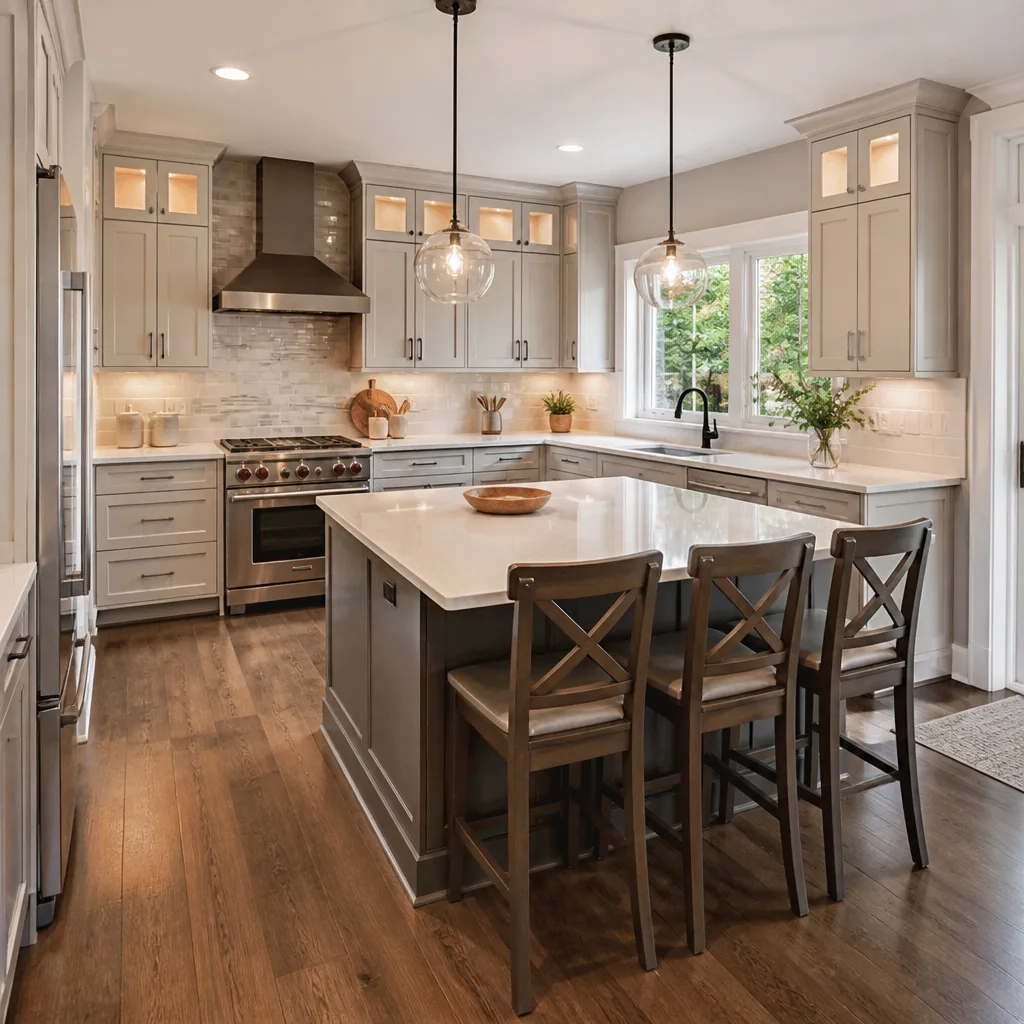
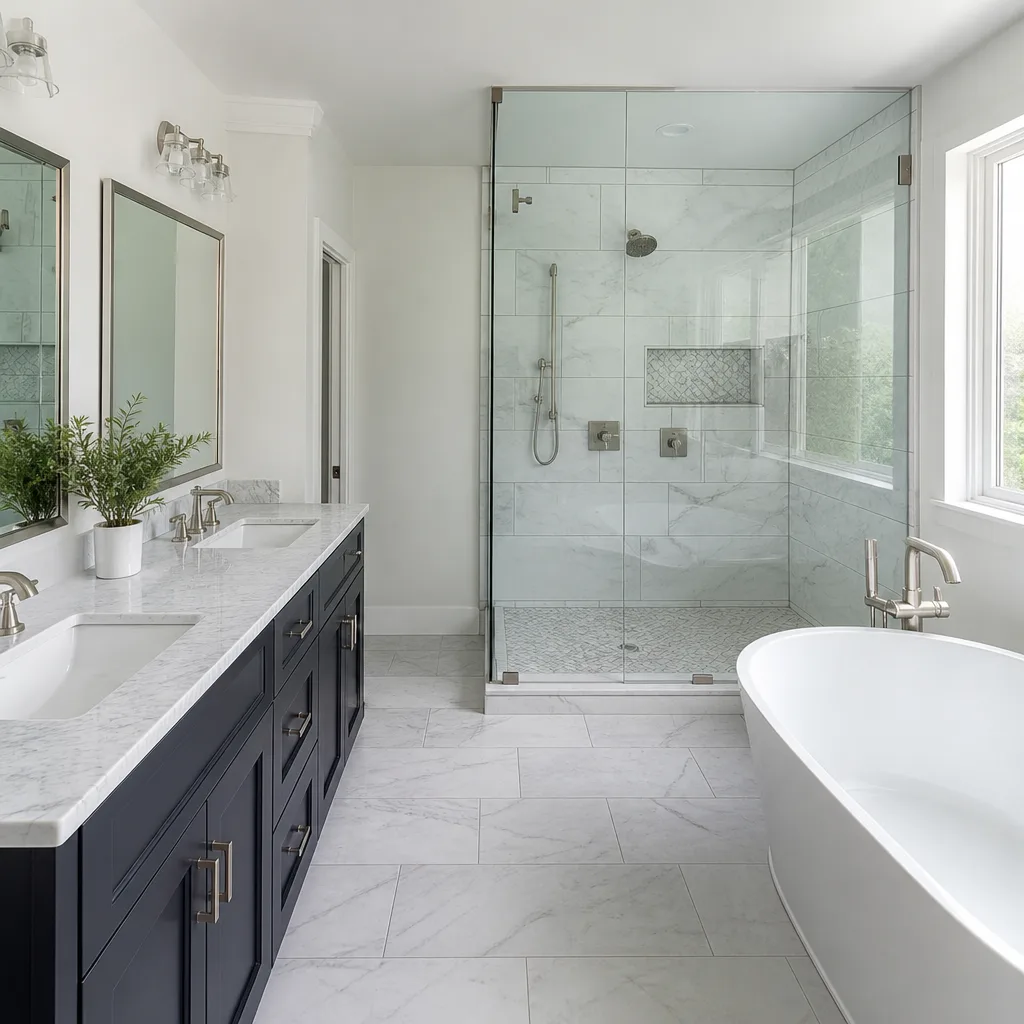
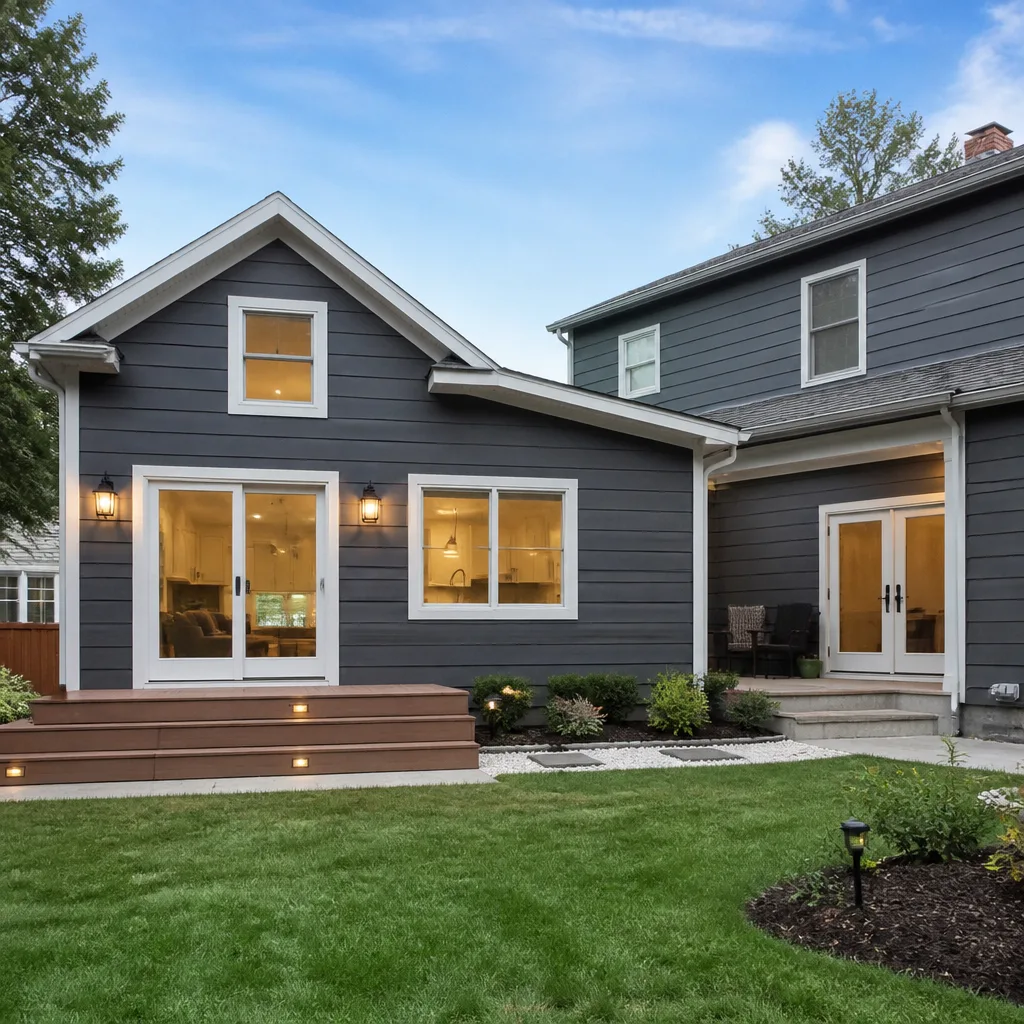
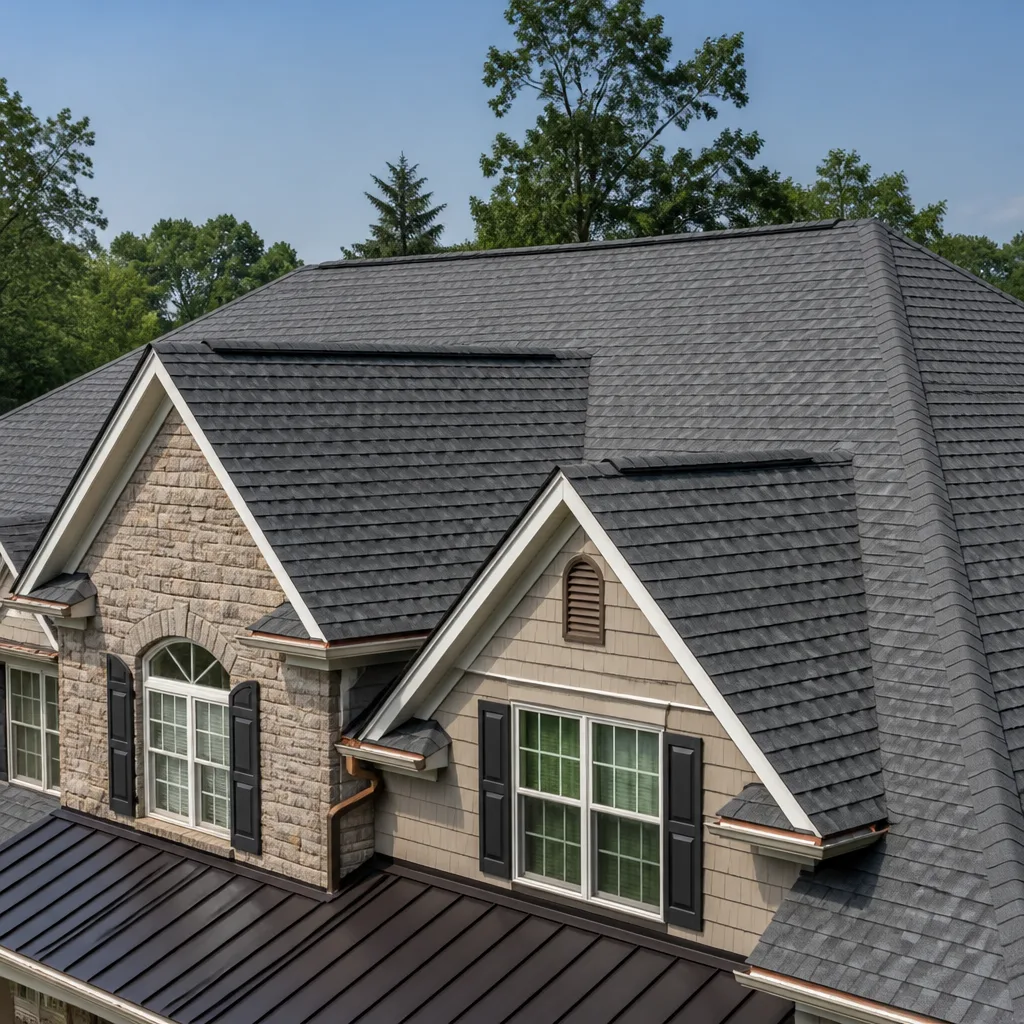
 Before
 After
After Before
 After
After Before
 After
AfterBoxabl Home Additions & ADU: The Los Angeles Owner’s Guide
Boxabl home additions and ADU expansion work in Los Angeles typically runs $53,100 – $153,400 installed, depending on whether you’re adding a single module, tying into existing plumbing and electrical, or building out a full accessory dwelling unit with kitchen and bath. Most Boxabl owners call us after they’ve lived in the unit for a season or two and discover the original layout no longer fits how they actually use the space. We’re an independent remodeling contractor, not affiliated with Boxabl, but we’ve worked on enough of these steel-framed, panelized structures to know exactly what holds up and what needs attention first.
What owners usually notice: a wall that feels colder than it should in winter, a roofline seam that’s showing wear after a wet El Niño season, or the realization that a studio Boxabl works fine until a second person moves in. The good news is most Boxabl expansion work is very doable here, because the modular design means we can plan around the existing steel frame instead of fighting it.
Key Takeaways
- Installed range in LA: $53,100 – $153,400 depending on scope, finishes, and site conditions.
- What drives cost: foundation work, utility runs, kitchen/bath additions, and any hillside or seismic retrofit requirements.
- We write the price before work starts. The number on day one is the number on the invoice, backed by the 365-Day Done Right Promise.
- Boxabl-specific knowledge matters. These are metal-framed modular units, not stick-built additions, and the tie-in details are different.
- Call (936) 259-2607 for a free, no-hassle written estimate. A live person answers, any hour.
Which Boxabl Models This Applies To
Boxabl’s Casita line started at 375 square feet and has grown from there, and the expandability claim is real. The steel frame is engineered to accept additional modules side by side or in an L configuration, and the roof system is designed so panels can be joined without a major structural tear-out. That said, the compatibility story gets tricky once the unit has been on site for a while. We see a lot of owners who bought a Casita, parked it on a lot in the San Fernando Valley or the Antelope Valley, and now want to double the footprint or add a full bath. The frame will take it. The question is what the original installer did underneath.
The plate that connects Boxabl modules to the foundation is the single most important compatibility point. If the original pad was poured without the right anchor points or with a slope that’s drifted over a few wet winters, the addition has to start with correcting that before we tie anything new in. On the aftermarket side, you’ll find third-party expansion panels and “universal” ADU kits marketed to Boxabl owners. Some are fine. Many don’t match the Boxabl steel gauge, and that creates a weak seam at the roofline that will telegraph leaks within the first rainy season. We specify materials that match or exceed the original steel spec, not whatever’s cheapest at the supply yard.
One other thing worth knowing: Boxabl units shipped to Los Angeles after 2022 typically use a newer corner-post profile than the early production runs. We check the serial plate and measure the post spacing before ordering anything. That thirty seconds of verification saves thousands of dollars in rework.
Signs Your Boxabl Home Additions & ADU Is Failing
- Roofline seam separation. You can see daylight or feel a draft where the original module meets the roof panel. The expansion joint sealant has dried out. Left alone in Los Angeles sun, the UV degradation accelerates and water gets into the wall cavity, usually behind the kitchen side first.
- Door or window bind at the module joint. The frame has shifted slightly on its foundation. This shows up most often after a wet year, because even a quarter-inch of soil movement translates to a binding door when the frame is rigid. The fix is usually a re-level and re-anchor, not a new door.
- Cold spots on the wall panel facing west or south. The original insulation in early Boxabl units was adequate for desert climates but borderline for Los Angeles’s temperature swings. You feel it in the late afternoon when the sun has been beating on the panel all day and the inside face is still cold. The panel’s thermal bridge is working against you.
- Plumbing chase leaks at the addition tie-in. Water puddling under the unit after a heavy rain, with no obvious roof leak. The chase where PEX and drain lines run between modules is a common entry point. In Palmdale and Lancaster, wind-driven rain makes this worse.
- Electrical flicker when both modules are under load. The original panel was sized for a single module. Add a second module with a kitchenette or bath, and you get brownout flicker. The fix is a subpanel or upgraded service, not a new breaker – but it has to be done before the drywall goes up on the addition.
Replacement Cost & What’s Included
In Los Angeles, a full Boxabl addition adding 250 to 400 square feet with a basic kitchenette and half bath lands between $53,100 and $95,000. A complete ADU build-out with full kitchen, full bath, separate entrance, and upgraded finishes runs $106,200 to $153,400. Garage conversion work adjacent to a Boxabl unit, which we do often in neighborhoods like Van Nuys or Reseda, falls in the $35,400 – $94,400 range depending on whether the garage already has plumbing stubbed in.
| Scope | Los Angeles Installed Range |
|---|---|
| Single-module addition, basic finish | $53,100 – $95,000 |
| Full ADU with kitchen, bath, separate entrance | $106,200 – $153,400 |
| Garage conversion tied to existing Boxabl | $35,400 – $94,400 |
| Foundation correction and re-anchor before addition | $5,900 – $16,520 |
Every quote includes the written price up front, the line-item breakdown, the materials list, and the 365-Day Done Right Promise in writing. If a seam opens, a panel shifts, or a finish fails inside the guarantee period, we come back and fix it at no charge. No service call fee, no re-inspection fee, no back-and-forth. That’s The Kingswell Way, and it’s been the standard since 2004.
DIY or Call Us?
Here’s the honest split. You can inspect seam sealant, look for daylight at module joints, check for water staining around the plumbing chase, and flag anything that looks wrong. That’s useful, and we’ll ask you what you found when we come out. What you should not do is attempt to re-level the steel frame, cut into a structural panel, or tie into the electrical panel yourself. The steel frame is under load. The panel cuts affect the shear integrity of the wall. The electrical panel on a Boxabl is compact, and adding circuits is work for a licensed electrician, not a weekend project.
“Give me the whole picture first, then we pick up the tools.” That’s how Trevor Nash runs every job. We’ll walk the property, look at the serial plate, check the foundation, and give you a written number before any tool comes off the truck. Call (936) 259-2607 and we’ll set it up. A live person answers, not a voicemail tree.
FAQs
A properly anchored and sealed Boxabl addition should last 30 to 50 years as a structure, but the expansion joints and seam sealants need reapplication every 5 to 7 years in LA’s UV-heavy sun. Call (936) 259-2607 and we’ll inspect yours for free.
Yes, in most cases the seam can be cleaned, re-flashed, and re-sealed without replacing any structural panels, as long as water hasn’t gotten into the wall cavity and started rusting the steel frame. The repair typically costs far less than panel replacement, and we’ll tell you if you’re past that point.
Most single-module additions take 6 to 10 weeks from permit to final inspection in Los Angeles, with the bulk of that time being city permitting and utility hookups. The on-site construction portion is usually 3 to 4 weeks.
We don’t warehouse Boxabl OEM parts, but we source and spec compatible structural connectors, sealants, and finishing materials from trade suppliers we trust, including brands like James Hardie for siding and Kohler and Moen for plumbing fixtures. Every material goes on the written quote before work starts.
Call (936) 259-2607 to schedule your free estimate. We’ll give you the written price, the written guarantee, and a real arrival window. That’s how Penhallow Remodeling works, on every job, every time.
Written by Trevor Nash, Owner, Penhallow Remodeling at Penhallow Remodeling, serving Los Angeles and nearby areas.