
Free written scope consultation - allowances, timeline, and change-order rules on paper before a single trade is scheduled
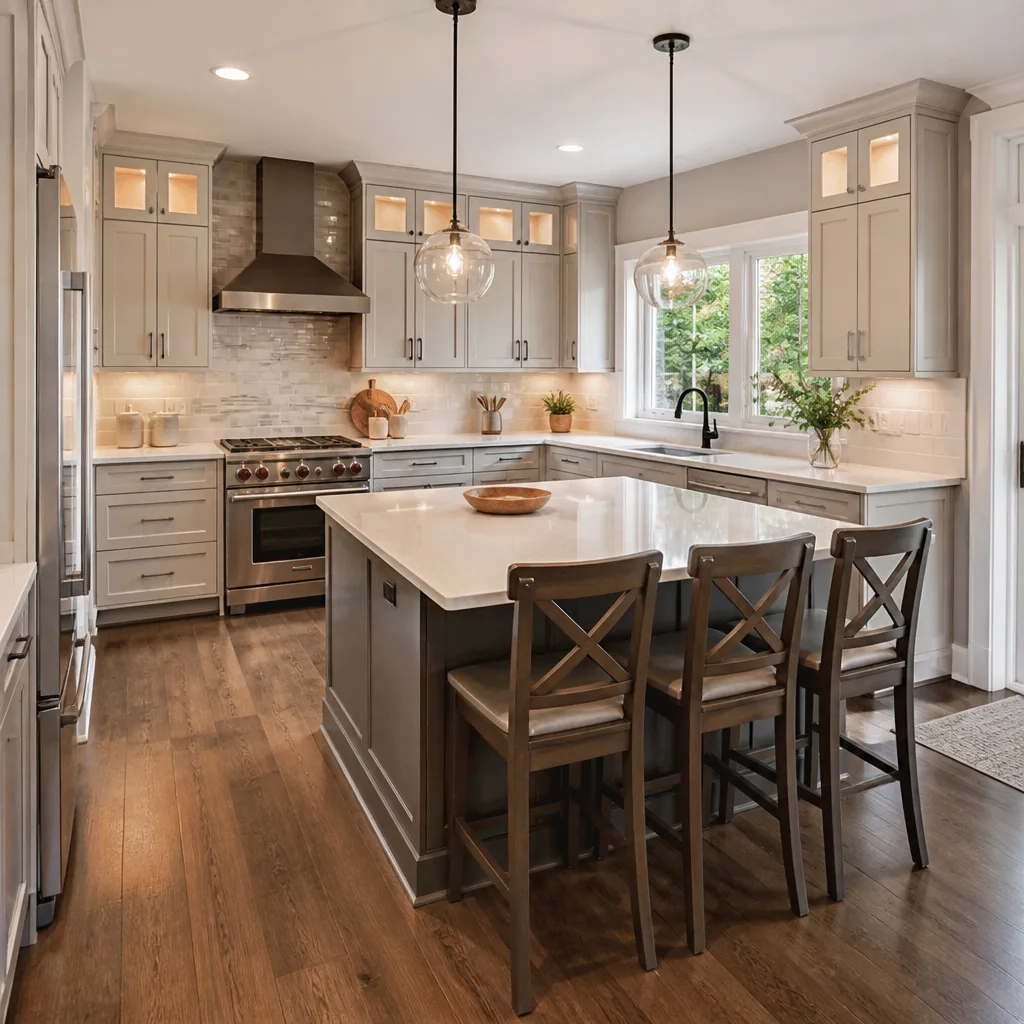
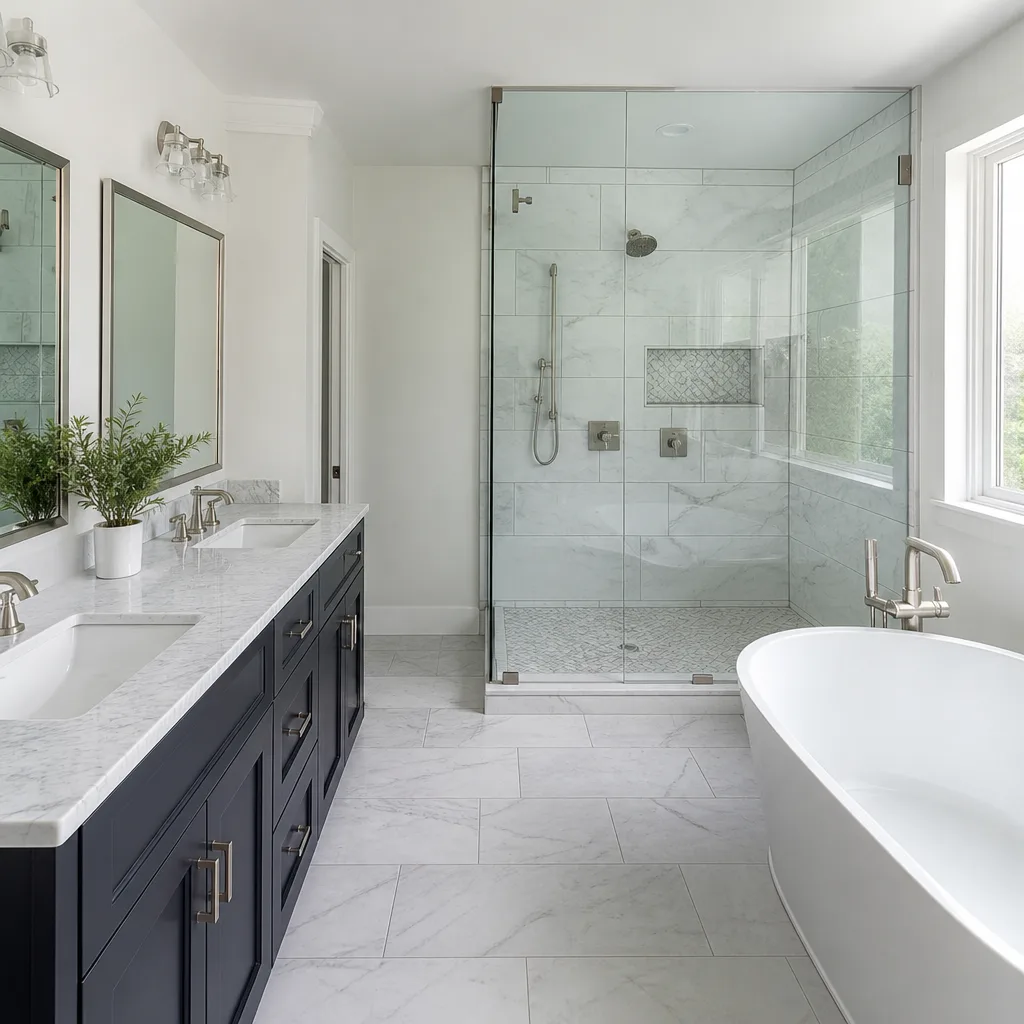
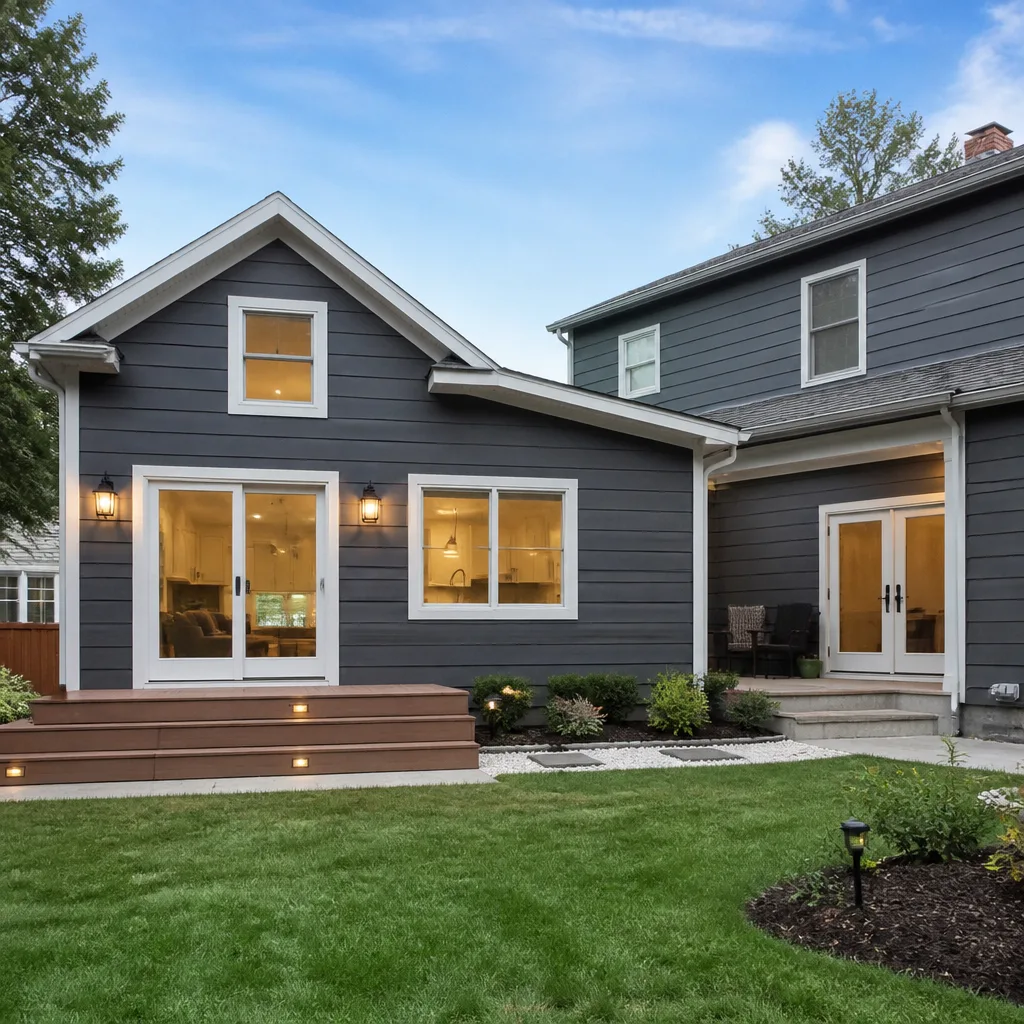
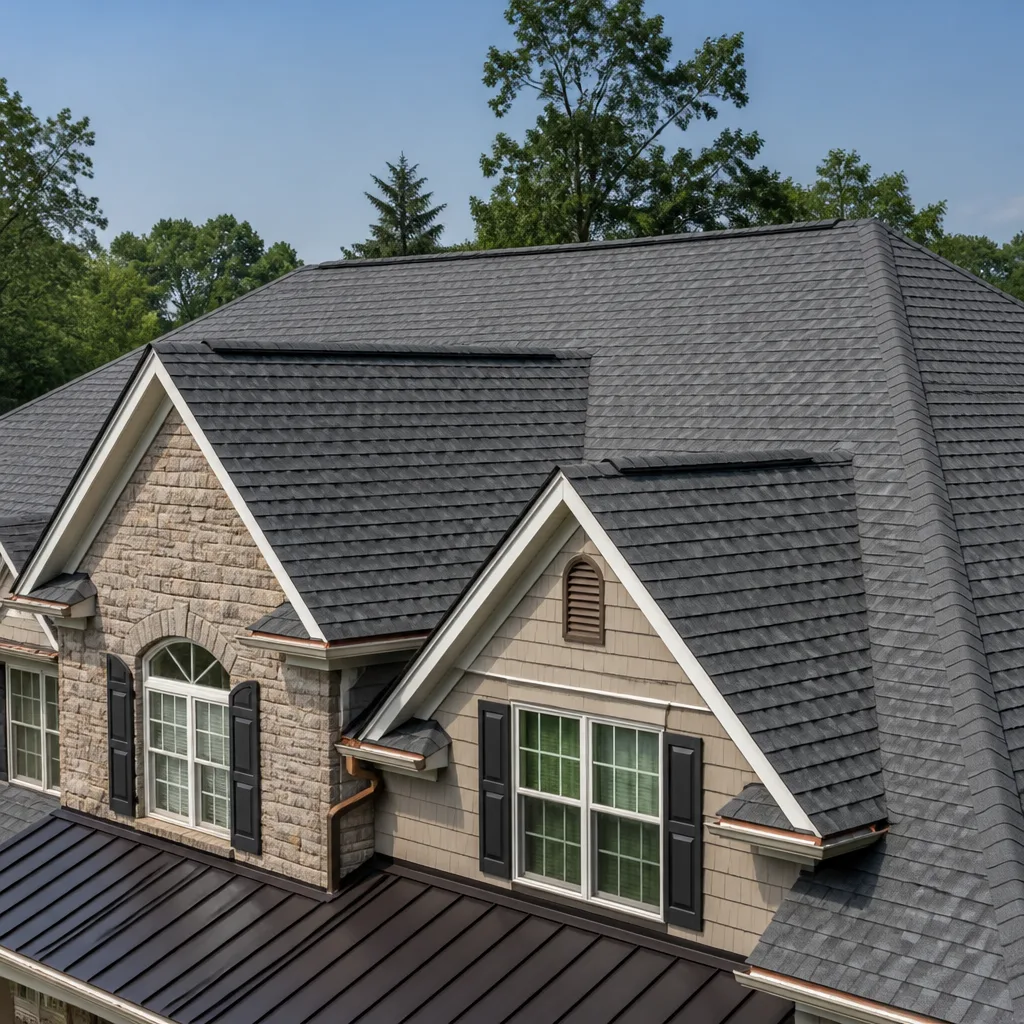
 Before
 After
After Before
 After
After Before
 After
AfterCertainTeed Home Additions & ADU: The Los Angeles Owner's Guide
A home addition or ADU built with CertainTeed materials – drywall, insulation, roofing, siding – isn't a single part that fails like a garage-door spring. It's a system, and when one layer of that system starts to go, the signs show up slowly: hairline cracks at the drywall seams, a room that won't hold temperature, moisture staining at the roofline. In Los Angeles, full-scale additions run $53,100 – $153,400 and ADU construction typically lands between $106,200 – $259,600, depending on square footage, foundation conditions, and how much of the existing structure can be reused.
Most owners call us after they've already patched something twice. The drywall crack came back. The corner of the addition feels damp every February. The ADU over the garage gets punishingly hot by 2 p.m. from late spring through October because the insulation was under-specified for a San Fernando Valley summer. These are material-and-installation failures working together, and they follow a pattern we've seen across Los Angeles neighborhoods from Reseda to Eagle Rock. The good news is that most of them can be corrected without tearing the whole addition down to studs.
Which CertainTeed Models This Applies To
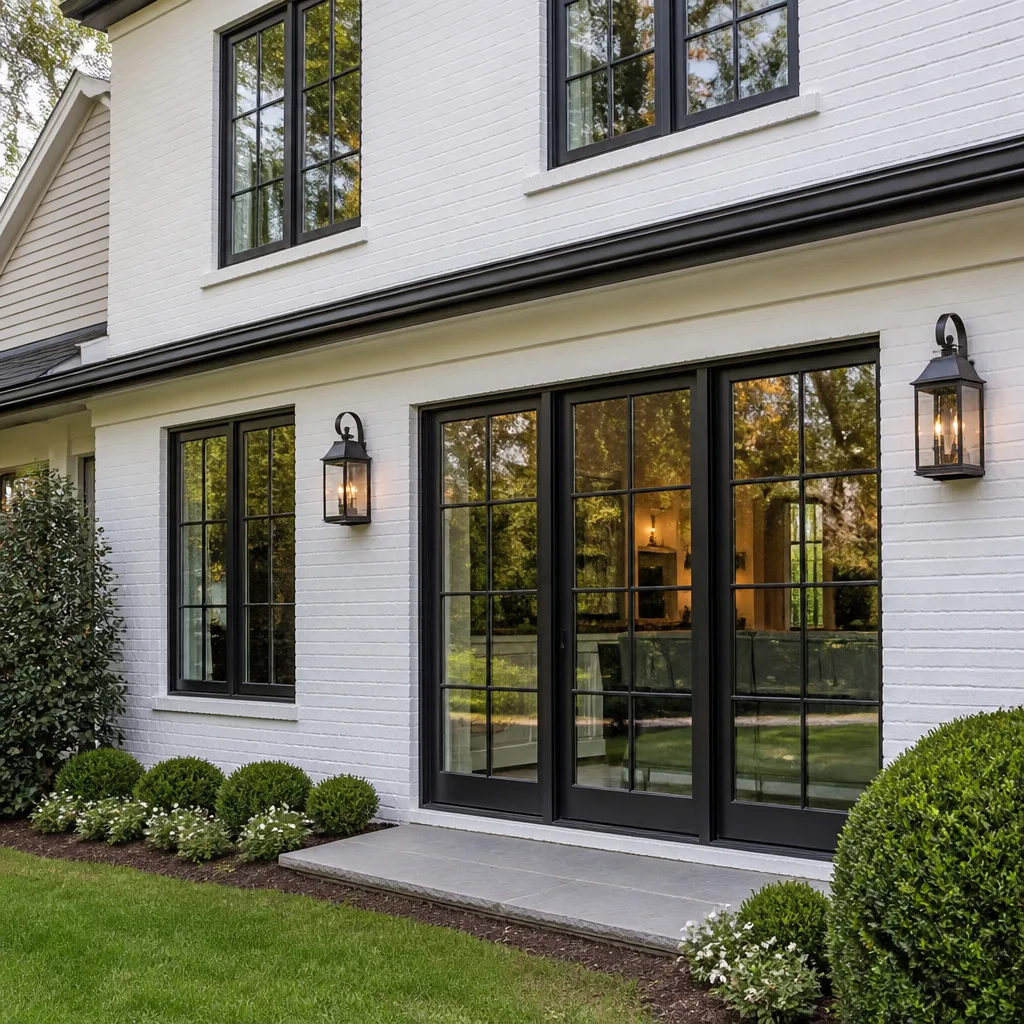
CertainTeed doesn't make “home additions” as a product line, but their material systems show up in nearly every residential addition and ADU built in Los Angeles over the last fifteen years. We routinely work with CertainTeed Type X fire-rated drywall in attached ADUs, CertainTeed Sustainable Insulation batts and blown-in products in exterior walls and attics, CertainTeed Landmark and Presidential shingles on sloped addition roofs, and CertainTeed Cedar Impressions or Monogram vinyl siding on exterior bump-outs.
The compatibility gotcha owners hit most often is this: CertainTeed Type X drywall is 5/8 inch thick, not 1/2 inch. If a previous contractor patched a fire-rated wall with standard 1/2-inch board, the seam will eventually telegraph through paint no matter how many times you re-tape it. Same story with insulation: CertainTeed R-19 batts are designed for 2×6 walls, not 2×4, and squeezing them into the wrong cavity crushes the fiberglass and kills the R-value. Before we price any repair, we check what was actually installed against what the wall or roof assembly was built to hold. On the aftermarket side, we stock OEM-equivalent products from Georgia-Pacific and CertainTeed's own AirRenew line where it makes sense, but we won't substitute a 1/2-inch board into a fire-rated assembly. It's against code here, and more to the point, it's wrong.
Signs Your CertainTeed Home Addition or ADU Is Failing
- Recurring drywall cracks at seams and corners. This is almost always a framing movement issue or a mismatched drywall thickness. If the crack comes back within six months of patching, the problem is underneath the tape, not the paint.
- Rooms that won't hold temperature. In Los Angeles, an under-insulated addition swings 20 degrees between noon and midnight. You feel it most in converted garages and second-story ADUs where the original insulation was skipped or compressed.
- Staining or soft drywall at the roofline or window corners. That's a flashing failure or a shingle problem on a CertainTeed roof. Left alone, it rots the sheathing and the framing behind it within a couple of rainy seasons.
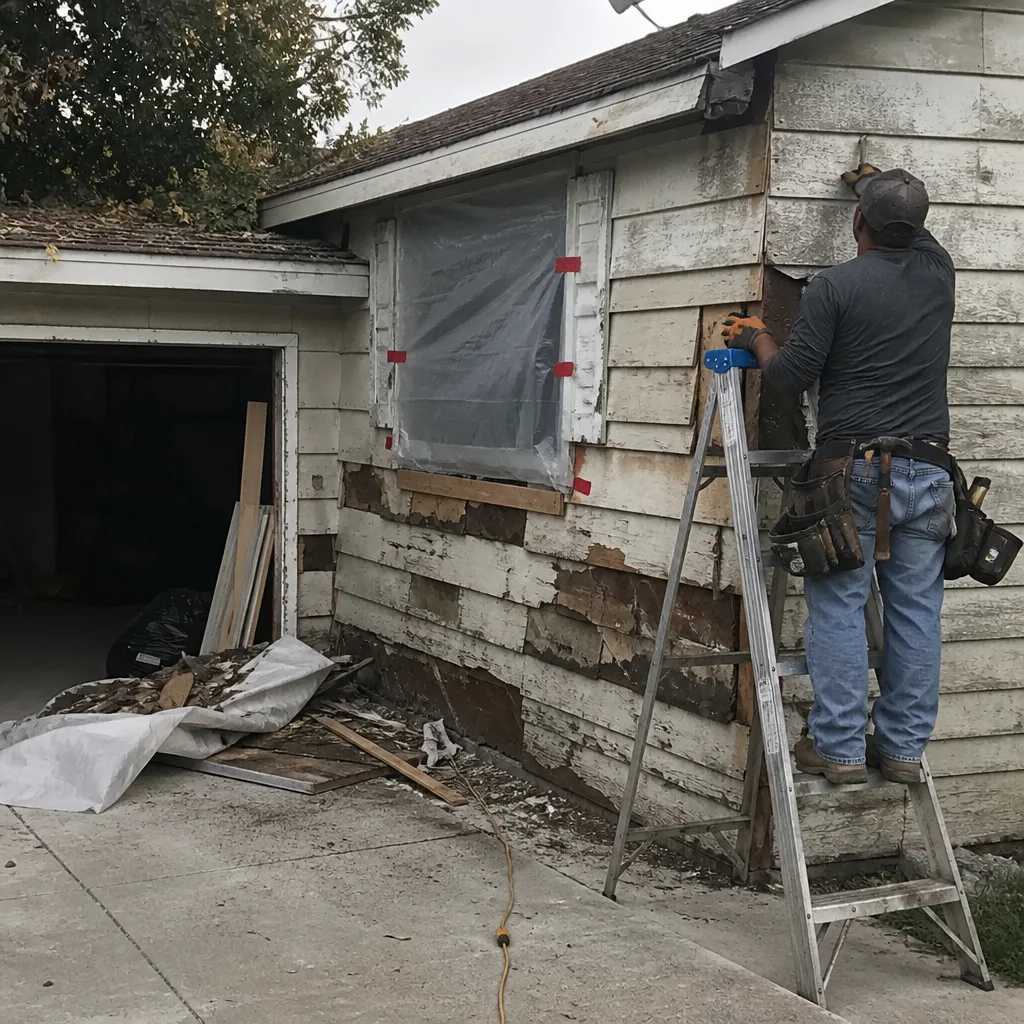
- Sagging or buckled siding on the addition exterior. CertainTeed vinyl and fiber-cement siding expands and contracts with heat. If it was nailed tight instead of hung loose, you'll see waves and buckles after a few Los Angeles summers.
- Musty odor inside the ADU when the windows are closed. That's trapped moisture, usually from a missing vapor barrier or a bathroom fan that vents into the wall cavity instead of outside. We find this constantly in unpermitted garage conversions.
Replacement Cost & What's Included
In Los Angeles, the cost to correct a failing CertainTeed-material addition or ADU breaks down by scope. A targeted fix – re-taping seams with the correct 5/8-inch Type X board, pulling and replacing compressed insulation in one wall, flashing a window properly – runs $945 – $4,720 depending on how much has to come apart. Re-siding an addition exterior runs $4,130 – $10,620. A full ADU re-build with new CertainTeed systems, properly specified and installed, falls into that $106,200 – $259,600 range.
What drives the number up or down: square footage, foundation access on hillside lots, whether the existing framing is sound or needs sistering, and whether the original work was permitted. An unpermitted ADU in Los Angeles carries real risk – if the electrical or structural work wasn't inspected, we have to open walls to verify what's behind them before any remodel work can legally proceed. Every quote we write covers parts, labor, demolition, debris disposal, and the permit where one's required. The number we hand you in writing is the number on the invoice. No change orders because we “discovered” something – we do the discovery before we price the job.
DIY or Call Us?
You can safely check a few things yourself: look at the drywall thickness on any exposed edge (like inside a light-switch box cutout), check whether insulation fills the wall cavity fully or sits compressed, and look for daylight coming through gaps where the addition roof meets the original house. Those observations help us price the job faster on the phone.
What you shouldn't do is cut into walls, pull down drywall, or open up roof assemblies. CertainTeed Type X drywall in attached structures exists because Los Angeles fire code requires a one-hour fire rating between an ADU and the main house. Cut through it improperly and you've compromised a life-safety system. Roof work means working at height with nail guns and removing possibly damaged sheathing. Water damage behind a wall often contains mold, and opening it without containment spreads spores through the house. If you've got failing materials in an addition or ADU, call us at (936) 259-2607. We'll come out, look at what's actually in your walls, and tell you straight what it costs to make it right.
FAQs
CertainTeed Type X drywall, properly installed, lasts the life of the structure. CertainTeed Landmark asphalt shingles typically deliver 20 – 30 years in Los Angeles, though sun exposure on a south-facing unshaded roof can cut that toward the lower end. Insulation loses effectiveness if it gets wet or compressed – that's an installation failure, not a material failure. If you're seeing failures within five years of construction, it was almost certainly installed wrong. Call (936) 259-2607 and we'll assess what failed and why.
Most of what we see is repairable. Re-taping drywall seams, replacing compressed insulation, flashing windows correctly, re-siding exterior walls – these are targeted fixes. A full rebuild is only necessary when the framing itself has rotted or the structure was never built to code. We'll tell you which one you're looking at, with a written price either way.
A single-room seam repair and re-insulation job typically takes two to four working days. Re-siding an addition exterior runs one to two weeks. A full ADU rebuild runs three to six months, most of that tied up in Los Angeles plan-check and inspection cycles. We give you a written timeline when we price the work, and we honor it.
We keep 5/8-inch Type X drywall, standard insulation batts in R-13 and R-19, common flashing profiles, and siding starter strips on hand for repair jobs. Full ADU and addition builds use materials ordered to the project spec, since sizing varies by wall depth and roofline. We don't substitute products without telling you first, and we don't surprise you at the invoice.
Written by Trevor Nash, Owner, Penhallow Remodeling at Penhallow Remodeling, serving Los Angeles and nearby areas.