
Free written scope consultation - allowances, timeline, and change-order rules on paper before a single trade is scheduled
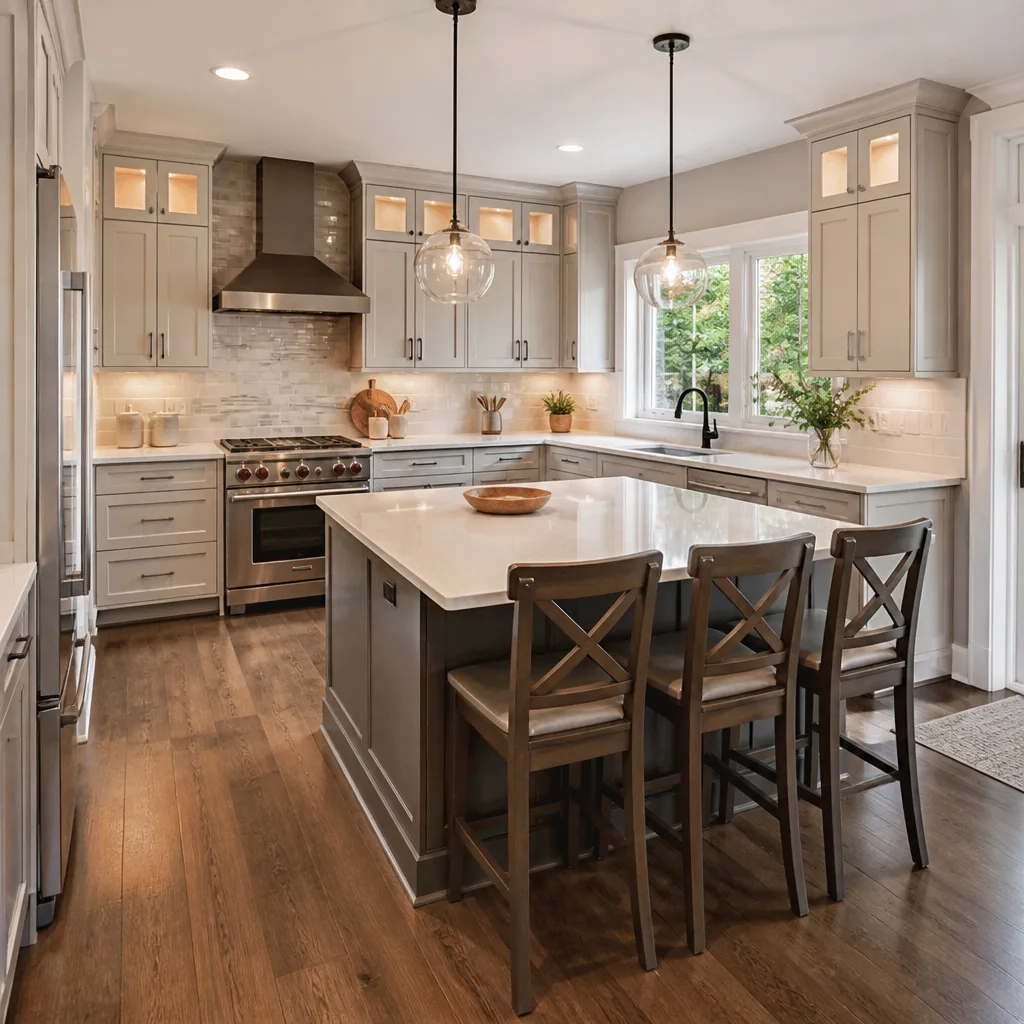
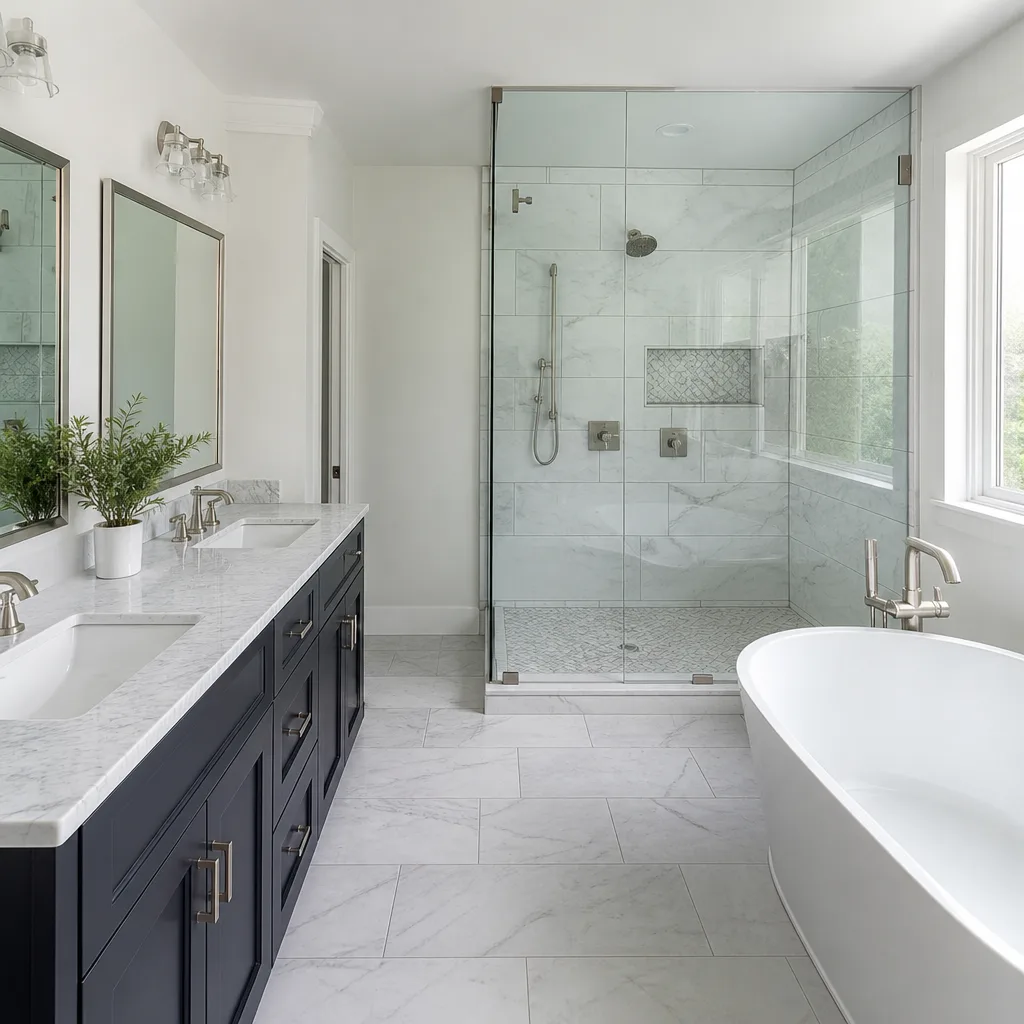
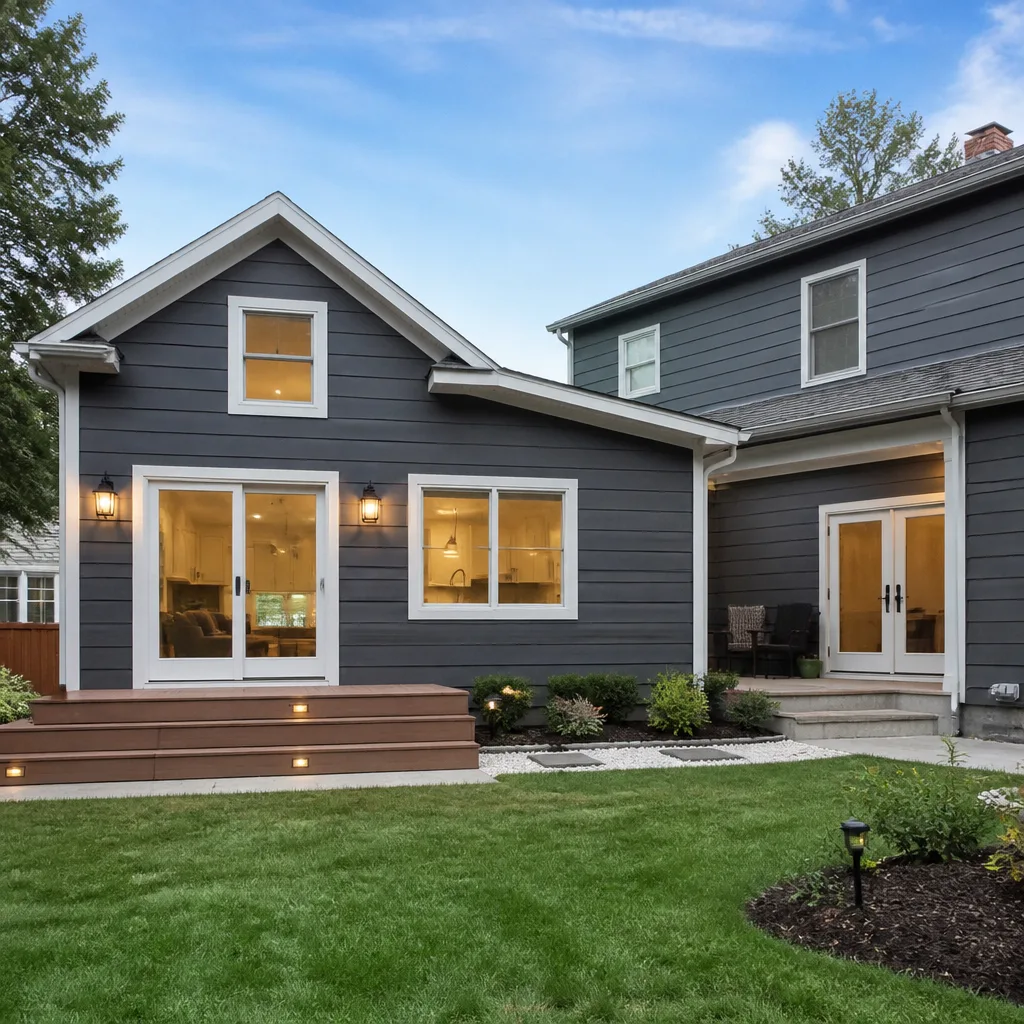
 Before
 After
After Before
 After
After Before
 After
AfterCover Home Additions & ADU: The Los Angeles Owner’s Guide
Cover home additions and ADU construction in Los Angeles typically runs $53,100 – $153,400 for a full addition, while a detached ADU lands between $106,200 and $259,600. We stock Cover-compatible structural components, framing hardware, and finish materials for most Cover floor plans, and we can usually match your existing Cover model’s specs within one business day of an on-site measurement visit. Homeowners usually discover they need this level of work when their Cover home has outgrown the original footprint, a rental unit stopped penciling out on paper, or an aging addition developed structural movement that a simple repair won’t fix.
If you’re reading this because an existing addition is pulling away from the main structure, showing drywall cracks that keep coming back, or a permitted ADU conversion was done poorly years ago, the first thing to know is this: we write the price down before any work starts, and that number doesn’t change unless you change the scope. That’s the Kingswell way, and it’s been the standard since 2004.
Which Cover Models This Applies To
Cover is not a product line with model numbers the way KraftMaid cabinets or Cambria countertops have series names. Cover is a company that designs and permits modular and panelized home additions, and the “part” that fails or needs matching is usually the connection point between the existing structure and the added volume. What we match is the structural system: Cover additions built in the last decade in Los Angeles commonly use 2×6 exterior wall framing at 16 inches on center, engineered I-joists or open-web floor trusses, and a specific roof tie-in detail that varies by whether the original house is a stucco box from the 1950s or a newer tract build from the 2000s.
Here’s the compatibility gotcha most homeowners don’t know: Cover additions built before roughly 2018 often used a specific Simpson Strong-Tie holdown pattern at the shear wall connections. Newer Cover plans switched to a different strap detail to meet updated California seismic codes after the 2019 code cycle. A panelized addition that meets current code cannot always be bolted to an older Cover foundation detail without an engineered retrofit. We verify this on-site before quoting, because guessing at the connection hardware is how you end up with an addition that moves independently from the house in an earthquake, which is exactly what the code is written to prevent. Penhallow Remodeling is an independent remodeling contractor; we’re not a Cover company, but we’ve worked on enough Cover additions across Los Angeles to know what holds and what doesn’t.
Signs Your Cover Home Additions & ADU Is Failing
- Drywall cracks at the ceiling line where the addition meets the original house. This usually means differential settlement or an undersized beam at the transition. In Los Angeles clay soil, the addition’s footing may be moving at a different rate than the main foundation, especially after wet winters.
- Doors inside the addition that stick in summer and swing free in winter. Seasonal movement is normal to a point, but if a door jamb moves more than 1/8 inch between seasons, the addition’s foundation is not isolated properly from expansive soil, and the problem compounds every year.
- A visible gap at the exterior joint where stucco or siding meets the new wall line. Water gets behind that joint and rots the framing behind the shear panel. By the time the gap is visible from the curb, you’re usually looking at framing repair, not just recaulking.
- Sloped floors in the addition, or a bounce when you walk across the room. This points to failed floor joist connections at the ledger board or an undersized beam. Los Angeles has specific floor deflection limits for habitable space, and a floor that feels “springy” is often past them.
- Cracks running diagonally from window corners in the ADU. That’s shear stress, not cosmetic settling. The wall panel may be doing its job in an earthquake, but the finish is telling you the holdown hardware or the panel nailing pattern wasn’t installed to spec.
Replacement Cost & What’s Included
A full home addition in Los Angeles runs $53,100 – $153,400. An attached ADU conversion typically $106,200 – $259,600, depending on whether you’re converting a garage or building new. There’s a $354,000 price difference between a two-room bump-out and a full permitted second unit with a kitchen and bath, and what drives that spread is not the square footage alone. It’s the foundation work (a hillside lot in Silver Lake needs more engineering than a flat lot in the Valley), the plumbing rough-in distance to the main line, whether you need a new electrical subpanel, and what the city’s plan check process requires for your specific zone. A garage conversion in Reseda, for example, often triggers less seismic retrofit than the same conversion in an older hillside neighborhood because the underlying structure is simpler.
When we quote a Cover-compatible addition or ADU repair on a failing connection, the written price includes demolition of the failed section, new framing and hardware matched to your existing Cover system, shear wall assembly to current code, drywall, finish, and paint. We also include the permit and inspection coordination, because in Los Angeles, an unpermitted addition is a liability when you sell and a red flag when you insure. Every job carries the 365-Day Done Right Promise: if the work fails inside a year, we come back and fix it at no charge, in writing, on every project. The number on day one is the number on the invoice, period.
If the repair is smaller, say a door header that needs replacing or a shear panel that wasn’t nailed off correctly, the cost drops into the $1,800 – $6,500 range depending on how much of the wall we have to open and whether finished materials underneath need matching. We’ll tell you which end of the range you’re on before we touch anything.
DIY or Call Us?
If you’re looking at a crack in the drywall and wondering whether to patch it yourself: you can absolutely patch it, but you’re treating the symptom. Give me the whole picture first, then we pick up the tools. The connection between an addition and the main structure in Los Angeles is a seismic load path. If the hardware is undersized, the strapping is missing, or the foundation is moving independently, no amount of drywall patching changes that. What you can safely check yourself is whether the gap at the exterior joint is open enough to see framing, whether doors are binding seasonally, and whether you hear any creaking that correlates with wind. What you should not do is open up a wall that contains the shear panel and start cutting into structural members without knowing which ones are carrying load.
This is not a scare tactic, it’s just how buildings work in earthquake country. A failed connection doesn’t announce itself; it waits for lateral movement and then does its damage. If you’re seeing any of the signs above, or you’re planning a new addition or ADU on your Cover lot and want a written price before you commit, call us at (936) 259-2607. We’ll come out, measure, check the connection points, and give you a number in writing.
FAQs
A properly built home addition or ADU should last 50 – 80 years structurally, and the finish systems (roofing, stucco, windows) typically need replacement every 20 – 30 years. The weak point in Los Angeles is almost always the foundation connection, not the framing itself; expansive clay soil and seismic movement concentrate stress at the joint. Annual visual inspection of that joint takes ten minutes and catches most failures early.
Yes, in most cases. If the framing is sound and the issue is failed connection hardware, undersized straps, or a foundation that can be stabilized with helical piers, a surgical repair is far less expensive than full replacement, often 10 – 20 percent the cost of tearing down and rebuilding. We’ll tell you straight if the repair isn’t worth doing, and we’ll write the price either way. Call (936) 259-2607 for an exact assessment.
A connection repair or shear wall correction on an existing Cover addition typically takes 3 – 7 working days from start to finished paint. A full new addition runs 3 – 6 months, and a new detached ADU is usually 5 – 8 months once permits are in hand. Los Angeles plan check times vary by district, and we include that wait in the timeline we give you up front.
We stock common Simpson Strong-Tie holdowns, straps, and anchor hardware on our trucks, along with framing lumber and panel products that match Cover’s typical wall and roof assemblies, so most connection repairs start the day we arrive. Specialty engineered components like custom holdown plates that match older Cover patterns may need 1 – 2 days from local Los Angeles suppliers. We also carry KraftMaid, Cambria, and Silestone materials in our project catalog when an addition or ADU includes kitchen or bath finishes.
If your Cover addition is showing movement, cracks, or you’re ready to add square footage and want a written number, call (936) 259-2607 today. A live person answers, we’ll schedule a visit, and you’ll have a written estimate you can hold us to.
Written by Trevor Nash, Owner, Penhallow Remodeling at Penhallow Remodeling, serving Los Angeles and nearby areas.