
Free written scope consultation - allowances, timeline, and change-order rules on paper before a single trade is scheduled
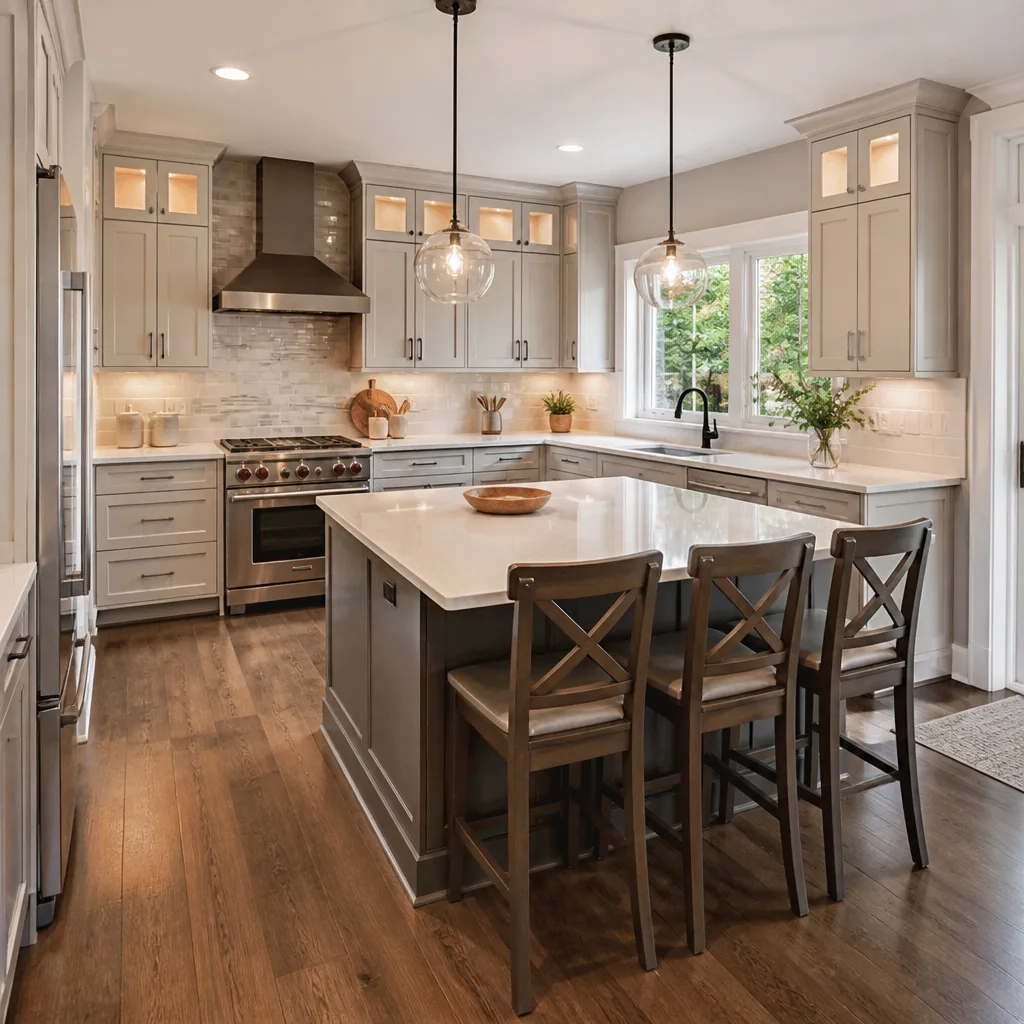
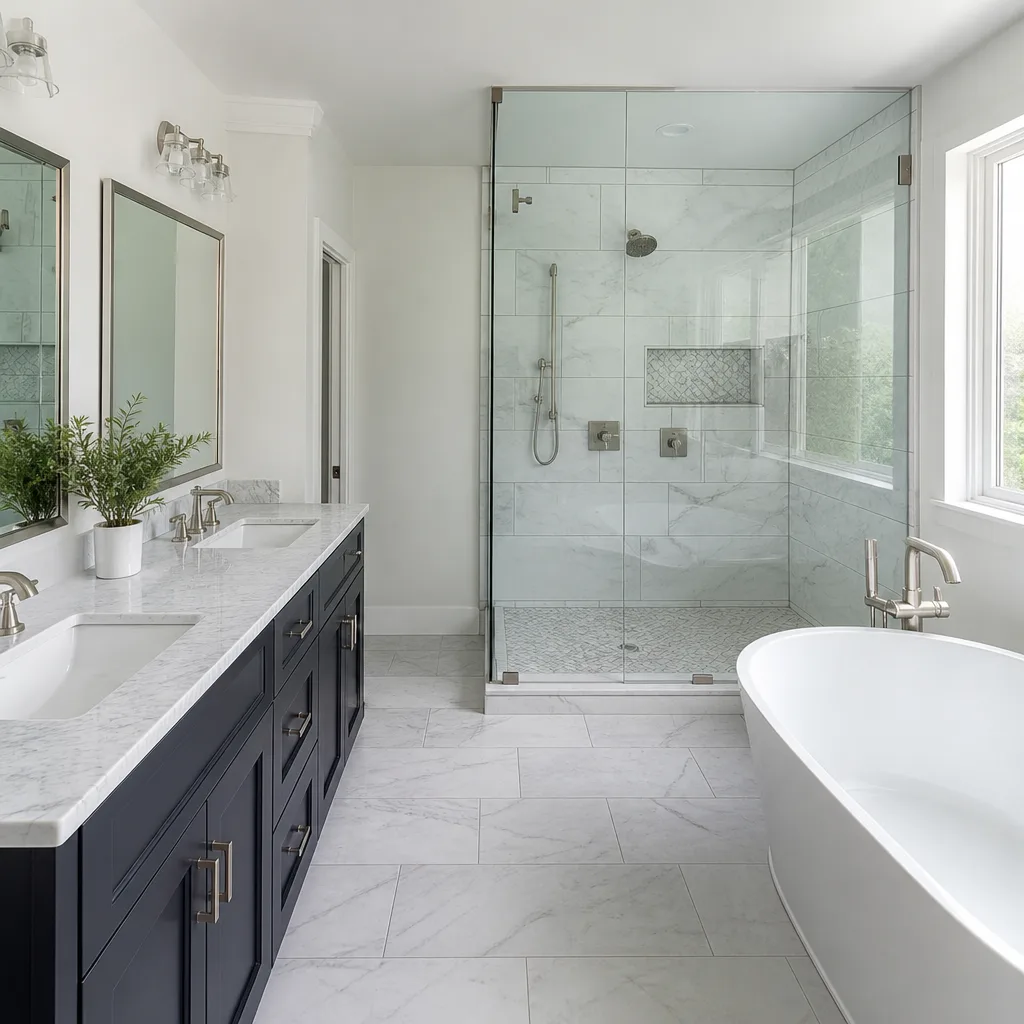
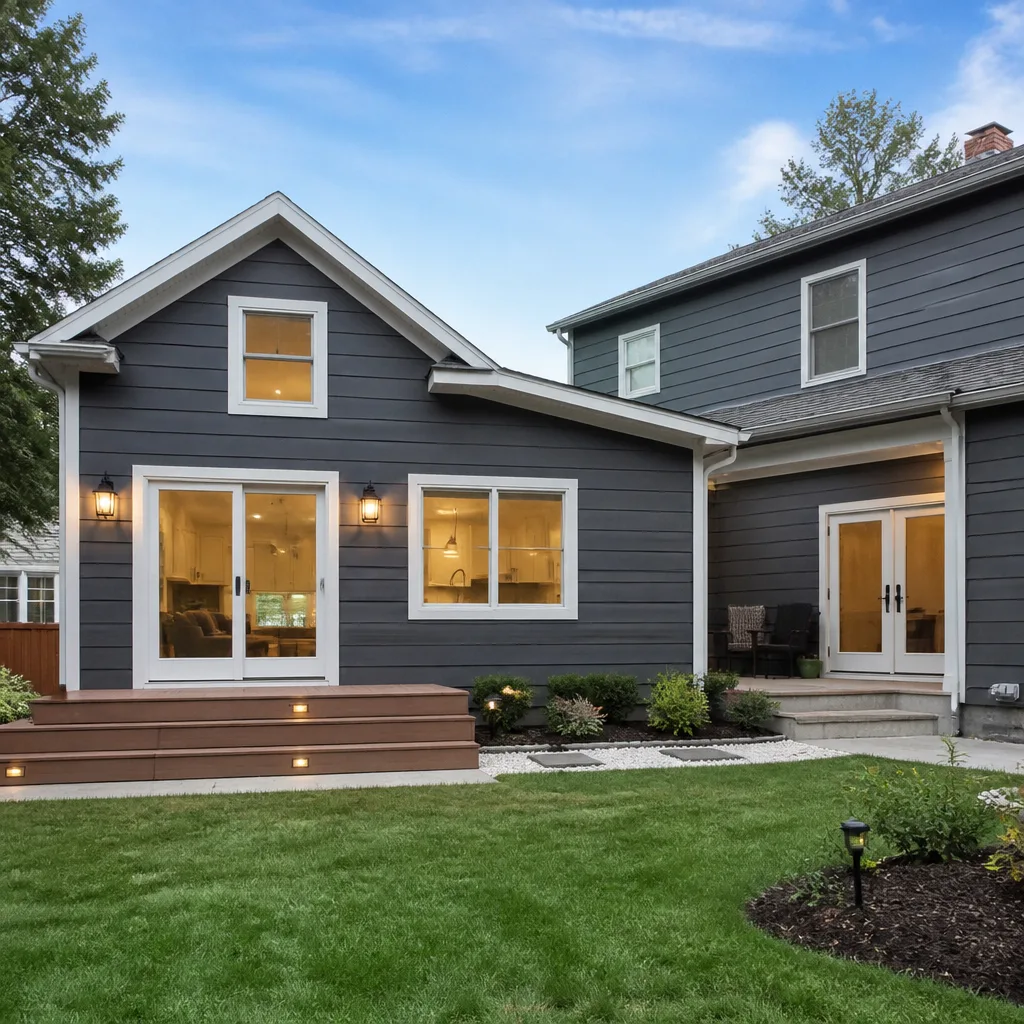
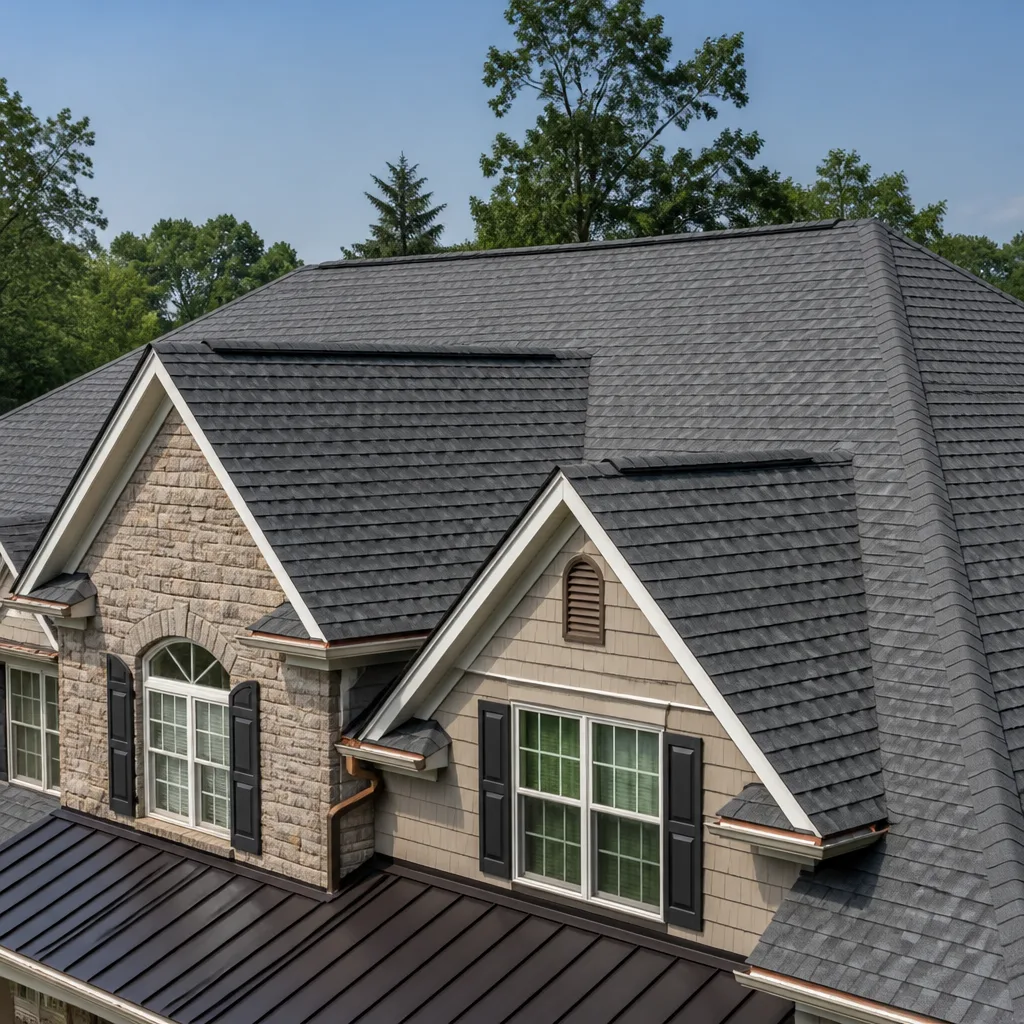
 Before
 After
After Before
 After
After Before
 After
AfterDvele Home Additions & ADU: The Los Angeles Owner’s Guide
Dvele home additions and ADU construction in Los Angeles typically runs $53,100 – $153,400 installed, depending on square footage, foundation requirements, and whether you’re attaching to the existing structure or building a standalone unit. Most Dvele owners discover they need this work when their prefabricated panel system shows signs of seam stress, or when their original addition was never properly flashed against Southern California’s winter rain patterns. We stock Dvele-compatible structural components and can usually begin site assessment within a few days of your call.
If you own a Dvele home and you’re noticing gaps at panel joints, water staining at the roofline, or doors that suddenly won’t latch, this page tells you what’s actually going on, what a fix costs in Los Angeles, and whether it’s something you can address yourself or should hand to someone who does this every week.
Which Dvele Models This Applies To
Penhallow Remodeling works on Dvele’s current home platforms and the earlier prefabricated panel designs that predate the brand’s wider California rollout. The compatibility question usually comes down to panel generation: first-generation Dvele homes used a lighter-gauge steel connector system at the panel intersections, while current production runs a heavier structural spline that changes the flashing detail at every corner.
Before any addition or ADU work starts, we verify the panel labels on your existing structure. Dvele stamps each panel with a production code that tells us the manufacturing year, panel thickness, and which connector spec your home was built to. If you don’t have access to those labels, we measure the exposed panel edge at an outlet cutout or mechanical chase. The panel thickness is usually the fastest way to identify what we’re matching. For OEM versus aftermarket on Dvele specifically: we prefer OEM structural panels when the addition ties into the existing envelope, because the thermal break (the separation between inside and outside framing that controls condensation) has to match or you’ll get moisture accumulation inside the wall cavity. For non-structural finishes like interior partition walls, quality aftermarket materials are often the smarter spend.
Signs Your Dvele Home Additions & ADU Is Failing
- Visible gaps at panel seams inside the house. This usually means the original panel connection has loosened or the sill plate (the horizontal member sitting on the foundation) has settled. In Los Angeles, we see this most in hillside neighborhoods like Mount Washington and Baldwin Hills where soil movement is a constant, slow pressure on the structure.
- Water staining at the roofline or around window openings. Failed flashing is the culprit more often than a bad panel. Dvele’s panel system depends on a continuous drainage plane, and if one piece of flashing was installed out of sequence, water finds its way in. Over time that water degrades the panel edge and the structural screws holding it.
- Doors and windows that suddenly stick or won’t latch. This is a sign the wall assembly is shifting. It may be the panel connections or it may be a foundation issue under the addition, but it’s not something to ignore. A stuck door on a Dvele is a structural symptom, not a hinge adjustment.
- Condensation between the wall panels and your interior finish. The thermal break has been compromised or was never continuous in the original build. You’ll often see a faint waterline along the baseboard or feel cold spots on the wall in winter.
- Pest intrusion at panel joints or the sill. Los Angeles termite pressure is real, and any gap at a panel seam is an open door. We have opened walls in Sherman Oaks and Encino where a half-inch seam gap had become a highway for subterranean termites.
Replacement Cost & What’s Included
A full Dvele home addition in Los Angeles runs $53,100 – $153,400. An attached bump-out on the lower end of that range assumes a simple rectangular addition on flat ground with straightforward panel integration. A standalone ADU pushes toward the higher end because you’re adding a foundation, utilities, and often a separate electrical service. ADU construction specifically starts around $106,200 and can run to $259,600 depending on size and site conditions.
What drives the number: foundation type (slab-on-grade is less expensive than a raised foundation with seismic upgrades), panel matching, utility runs, and whether your Los Angeles lot requires a soils report or hillside grading plan. Every quote we write includes parts, labor, debris removal, and the permit paperwork handled on our end. And every job carries our 365-Day Done Right Promise in writing: if something fails in the first year, we come back and make it right at no charge. That’s not a verbal commitment. It’s in the document you sign.
DIY or Call Us?
What an owner can safely check: visual inspection of panel seams for gaps or staining, looking for pest activity at the sill, and checking that your roofline flashing hasn’t lifted. These are diagnostic steps, not repairs, and they help you describe the problem accurately when you call.
What you should not attempt yourself: any structural panel work, flashing repair at heights, or anything involving the panel connectors. Dvele panels are heavy, and the connection system is under load. A panel that shifts during a DIY repair can cause serious injury. Trevor Nash grew up in Reseda watching his uncle rebuild Valley ranch houses, and the first thing he learned was that structural work is not the place to save money. Call (936) 259-2607 and we’ll set up a free estimate. Give me the whole picture first, then we pick up the tools.
FAQs
A properly installed Dvele addition should last as long as the main structure, typically 60 – 80 years, but the panel connections and flashing details are the weak points. In Los Angeles, the combination of UV exposure, seasonal rain, and hillside soil movement means the flashing at panel intersections commonly needs attention at the 10 – 15 year mark, even on well-built homes. If you’re seeing early seam gaps, it’s usually an install issue, not a product failure. Call (936) 259-2607 and we’ll tell you what’s actually going on.
Most Dvele panel failures can be repaired without replacing the entire addition. A failed connector can be re-fastened and re-flashed, a compromised panel edge can often be salvaged with a structural spline, and water intrusion that’s caught early rarely requires full panel removal. We replace panels when the structural integrity has been compromised by prolonged moisture or termite damage. If you’re unsure which camp your project falls into, we’ll tell you plainly after an inspection, and we won’t sell you a replacement you don’t need.
A small attached addition typically takes 6 – 10 weeks from the first day of demolition to final inspection. A standalone ADU runs 12 – 20 weeks, with the biggest variables being foundation work, utility connections, and how quickly the City of Los Angeles processes your permit set. We give you a real arrival window and a written schedule before work starts, and we put the timeline in writing alongside the price. Call (936) 259-2607 and we’ll walk you through what your specific project would look like.
We keep common structural connectors, flashing profiles, and panel fasteners on the truck for the panel generations most common in Los Angeles, and we can source OEM Dvele panels quickly when a project calls for them. For finish materials like cabinetry, countertops, and fixtures, we pull from recognized trade brands including KraftMaid, Cambria, and Silestone, which lets us offer the same quality standard across every project without waiting on exotic lead times. If you’re not sure whether your part is something we stock, call (936) 259-2607 and ask. A live person answers, and we’ll give you an honest answer either way.
Written by Trevor Nash, Owner, Penhallow Remodeling at Penhallow Remodeling, serving Los Angeles and nearby areas.