
Free written scope consultation - allowances, timeline, and change-order rules on paper before a single trade is scheduled
 Before
 After
After Before
 After
After Before
 After
AfterJames Hardie Driveway & Pavers: The Los Angeles Owner’s Guide
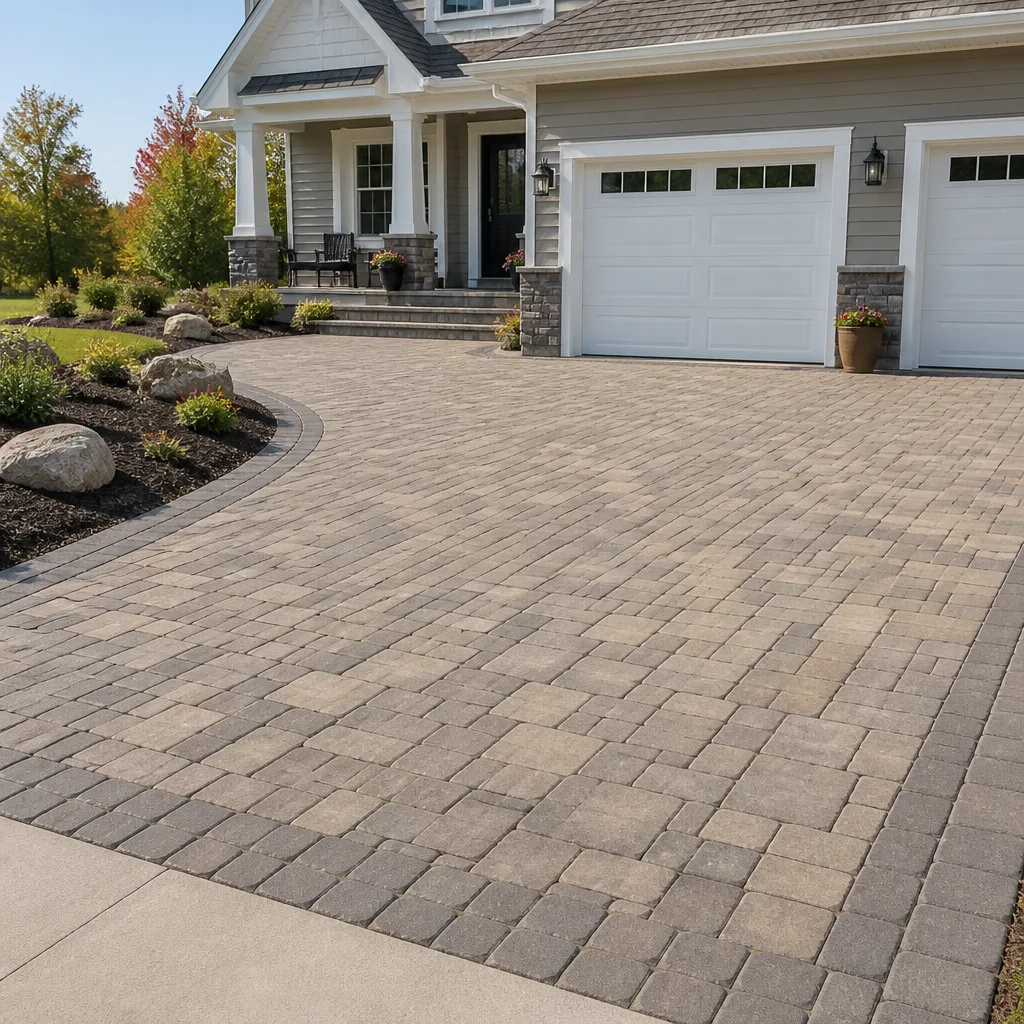
If you’re searching for James Hardie driveway and pavers in Los Angeles, the honest answer is this: James Hardie doesn’t manufacture driveway pavers or paving stones. They make fiber cement siding, trim, and backer board. What you’re likely dealing with is a driveway or paver project where HardieBacker or HardiePanel was used as a substrate layer beneath a paver system, or where the Hardie product butts up against a paved surface and has failed at the transition point. At Penhallow Remodeling, we fix that junction properly. Installed paver driveway work around Los Angeles typically runs $8,260 to $21,240 depending on square footage, base condition, and paver type, and we’ll give you a written price before we lift a single stone.
Most homeowners discover the problem after a winter rain. There’s a lip forming where the pavers meet the house, or the HardieBacker edge along a paver walkway has started to crumble from wicking moisture. In the Valley, in neighborhoods like Reseda, Encino, and Sherman Oaks, we see this constantly: the base settles a half inch, water pools against the Hardie edge, and within two seasons the board is soft at the bottom and the pavers have shifted. Trevor Nash has been looking at exactly this failure mode since his uncle first showed him how water moves through a poorly flashed transition on those old Reseda ranch houses.
Key Takeaways:
- James Hardie doesn’t make pavers, but Hardie board failure at paver transitions is a real Los Angeles problem we fix regularly.
- Installed paver driveway work in LA runs $8,260 to $21,240; transition repairs around Hardie edges run far less.
- We work on paver and Hardie substrate repairs as part of larger exterior remodel scopes, with written pricing before work starts.
- Call (936) 259-2607 and a live person answers, 24/7.
Which James Hardie Models This Applies To
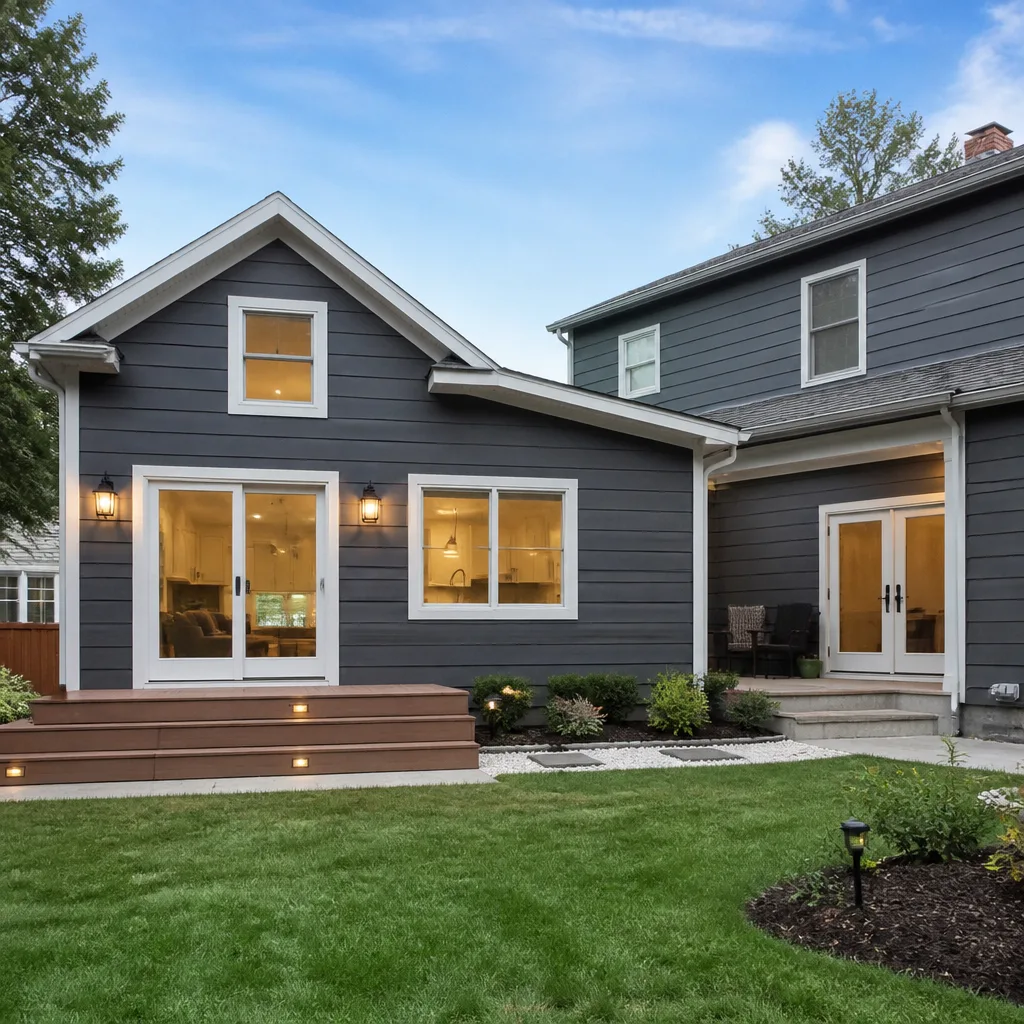
When we’re talking about James Hardie product meeting a paver or driveway surface, there are two common scenarios. The first is HardieBacker cement board, either the 1/4-inch or 1/2-inch sheet, used as a tile substrate on an exterior patio or walkway where pavers were later installed adjacent to it. The second is HardiePanel vertical siding, usually 4×8 or 4×10 sheets in a smooth or Sierra 8 texture, running down to meet a paver walkway or driveway apron. Each has a different failure signature, and each needs a different fix.
The compatibility gotcha most people miss: HardieBacker is not rated for ground contact or continuous moisture exposure. Put it at grade against a paver driveway, and it will wick water from the paver base and delaminate at the edges. HardiePanel, on the other hand, is rated for exterior exposure, but it still requires a minimum 6-inch clearance above finished grade in most Los Angeles building department interpretations. Code inspectors here look for that clearance, and for good reason. If your Hardie panel is buried to within an inch or two of the paver line, it’s been pulling moisture every time you wash the car or the sprinklers run. Penhallow Remodeling is an independent contractor and not affiliated with James Hardie, by the way. We just see the results of improper installation week in and week out.
For aftermarket versus OEM on the repair side: HardieBacker and HardiePanel don’t have meaningful aftermarket equivalents that carry the same warranty. We use genuine James Hardie sheet for any replacement. The pavers themselves, whether Belgard or Unilock, are a different story. Those we source from the same trade brands we’ve used for years because the color consistency and crush strength are predictable. When you’re re-setting a 400-square-foot driveway apron, the last thing you want is a pallet of pavers with a half-shade color drift between skids.
Signs Your James Hardie Driveway & Pavers Is Failing
- Efflorescence, or white chalk, creeping up the Hardie board edge. That’s mineral salts being pulled out of the cement board by water that’s wicking up from the paver base. By the time you see it, the board edge has already been drinking for months.
- The paver row nearest the Hardie transition has tilted or sunk a half inch or more. The base material under that edge row has eroded downward toward the structure, and the pavers followed. This is almost never a paver problem; it’s a drainage and base-compaction problem.
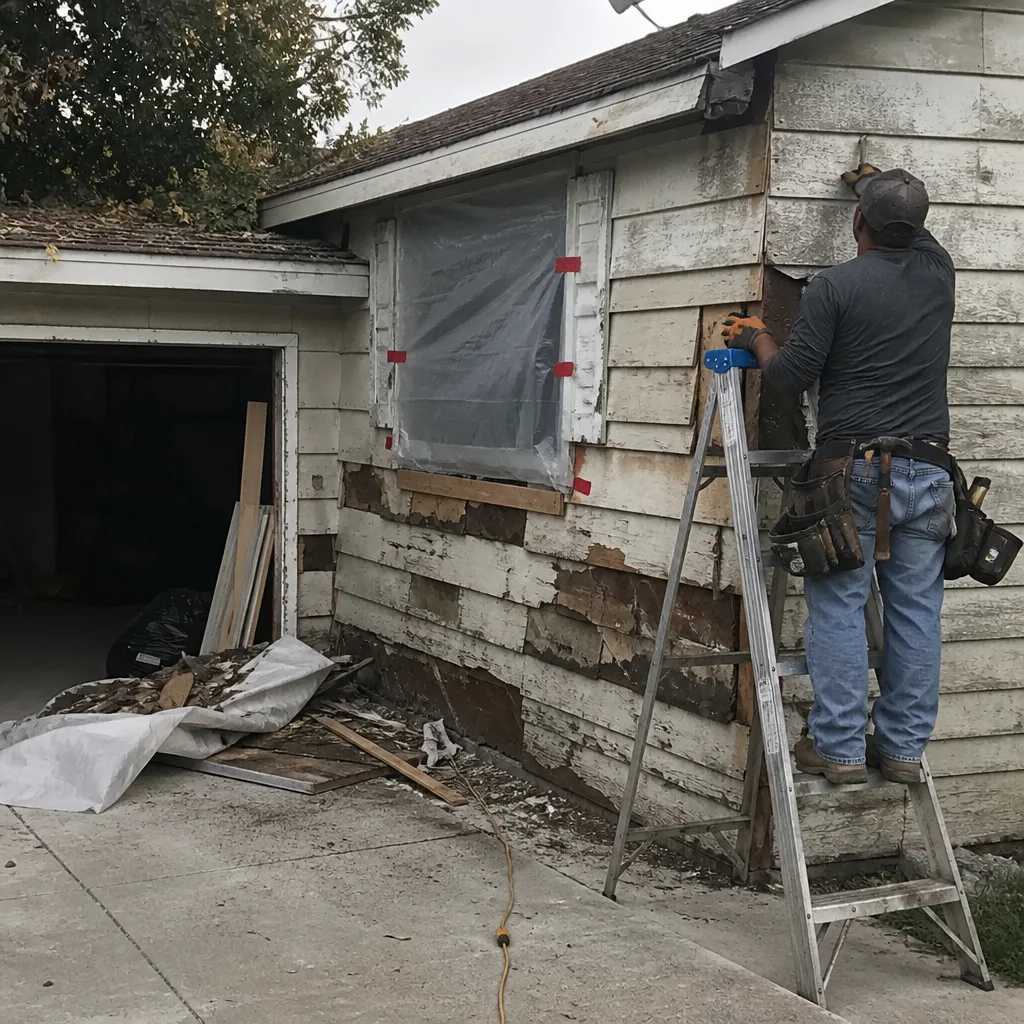
- Soft, crumbly HardieBacker at the bottom 2 to 3 inches, especially near a hose bib or planter. Constant splash plus direct contact with wet base soil will destroy even cement board over time. In Los Angeles, this is the most reliable sign of a missing or failed moisture break.
- The Hardie panel has begun to swell, bubble, or delaminate at the bottom corner nearest a downspout or paver plane. When a HardiePanel sits too close to grade and the adjacent paver surface directs water toward the house, the panel’s lower edge will eventually separate. The fiber structure stays intact but the surface finish fails first.
- Weeds or grass pushing up between pavers right at the Hardie edge. That means soil is moving through the base layers toward daylight, and every root is channeling moisture directly at the board. It also means the edge restraint, if one was ever installed, has failed.
Replacement Cost & What’s Included
In Los Angeles, paver driveway installation runs $8,260 to $21,240, and that range is driven almost entirely by three things: total square footage, whether the existing base can be re-compacted or has to be removed and rebuilt, and which paver product you select. If we’re replacing a failed Hardie edge and re-setting the first two or three paver rows at the same time, that’s a smaller scope, typically $1,000 to $3,500 depending on length of the transition and whether we’re also adding an edge restraint and proper moisture barrier.
Here’s what the number includes, always in writing before work starts:
- Demolition and haul-away of the failed board and any pavers we’re re-setting
- Base material, compaction, and grading so water runs away from the structure
- New James Hardie sheet or panel, flashed and gapped to LA code minimums
- Paver re-installation with edge restraint, plus polymeric sand in the joints
- Our 365-Day Done Right Promise: if something fails inside a year, we come back and fix it at no charge, in writing
We don’t hand you a verbal estimate that changes at the door. We hand you a written price, and that’s the invoice number unless we both agree in writing to change something. That’s the Kingswell standard, and it’s been the way we work since 2004.
DIY or Call Us?
There’s one thing you can safely check yourself: look at whether water from a downspout, planter, or sloped paver surface is running toward the Hardie board. If you can redirect a gutter extension or adjust a paver’s slope so water moves away, you’ll slow the damage. That’s a weekend task with no safety risk.
What you should not do is pry off failed HardieBacker or HardiePanel at the ground line and try to patch it. The boards are heavy, the edges are sharp when they delaminate, and if you get the flashing detail wrong, you’ve just built a moisture trap that will fail again in a year. Same goes for re-setting pavers: without compacting the base and installing a proper edge restraint, those pavers will move again after the first good rain. Trevor Nash says it this way: “Give me the whole picture first, then we pick up the tools.” There’s no charge for looking at the whole picture. Call (936) 259-2607 and a live person answers, day or night.
FAQs
HardiePanel installed with proper clearance above grade and correct flashing will last 30 years or more, but HardieBacker in ground contact or at a saturated paver edge can fail in 5 to 10 years. The failure is almost always a moisture management issue, not a product defect. Call (936) 259-2607 and we’ll tell you exactly what’s going on before you spend a dollar.
Yes, and that’s how we handle most of these jobs. We pull the affected Hardie section, install proper flashing and a moisture break, add an edge restraint, and re-set only the paver rows we had to lift. You keep your existing driveway; we fix the junction. Free estimates at (936) 259-2607.
Most Hardie-and-paver transition repairs in Los Angeles take one to two days, depending on length of the failed area and whether we’re re-compacting a section of base. A full paver driveway installation runs four to seven working days. We’ll give you a written schedule with a defined arrival window before we start.
Our crews carry 1/4-inch and 1/2-inch HardieBacker and commonly used HardiePanel profiles on service calls, along with edge restraint and flashing material. If your repair needs a specialty paver match or a textured Hardie panel, we order it before we arrive so there’s no second trip. Call (936) 259-2607 and ask for a free estimate. We also stock and work with KraftMaid, Cambria, and Silestone products on our kitchen and bath projects, so the trade brands behind our work are the ones you already know by name.
Ready to get the price in writing? Call Penhallow Remodeling at (936) 259-2607. A real person answers, 24/7. You’ll get a written estimate before any work starts, a defined arrival window, a clean job site, and the 365-Day Done Right Promise on every repair we do. This is how we’ve operated under The Kingswell Way since 2004.
Written by Trevor Nash, Owner, Penhallow Remodeling at Penhallow Remodeling, serving Los Angeles and nearby areas.