
Free written scope consultation - allowances, timeline, and change-order rules on paper before a single trade is scheduled
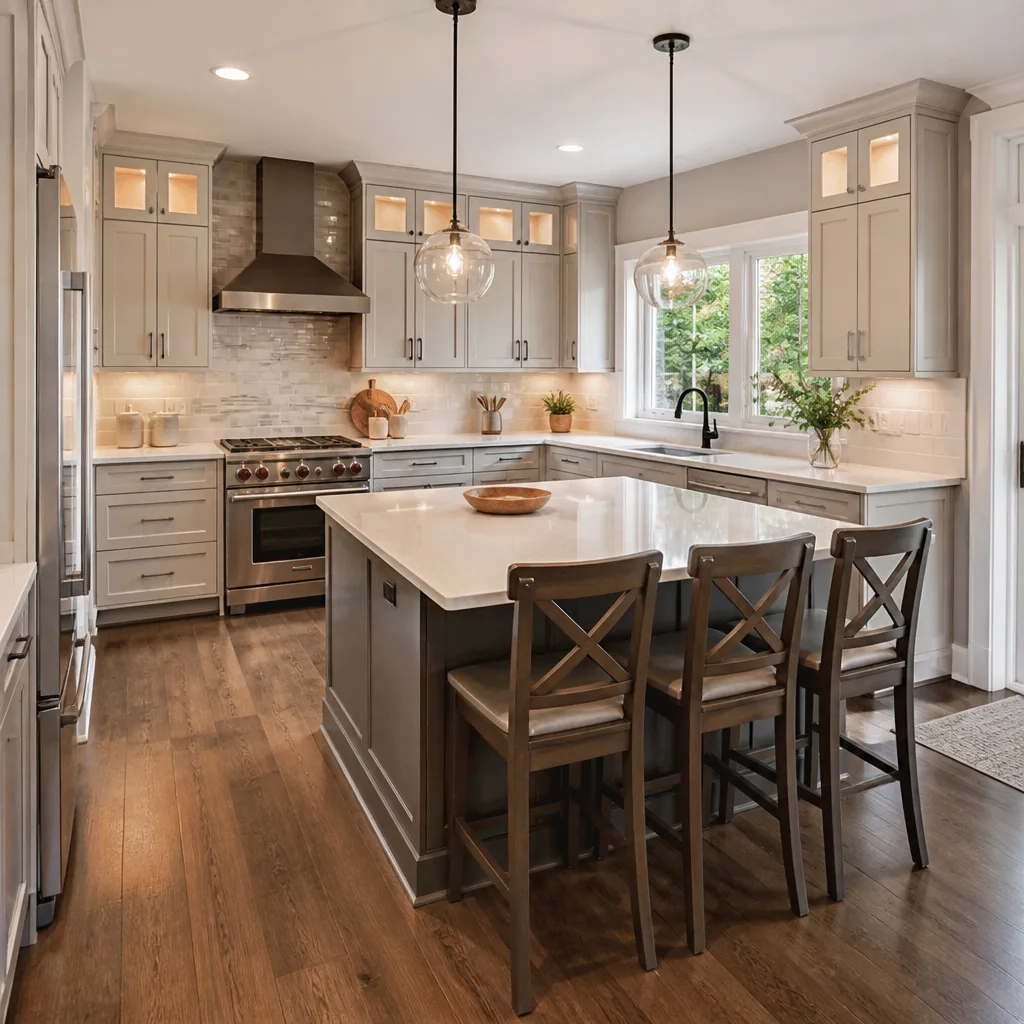
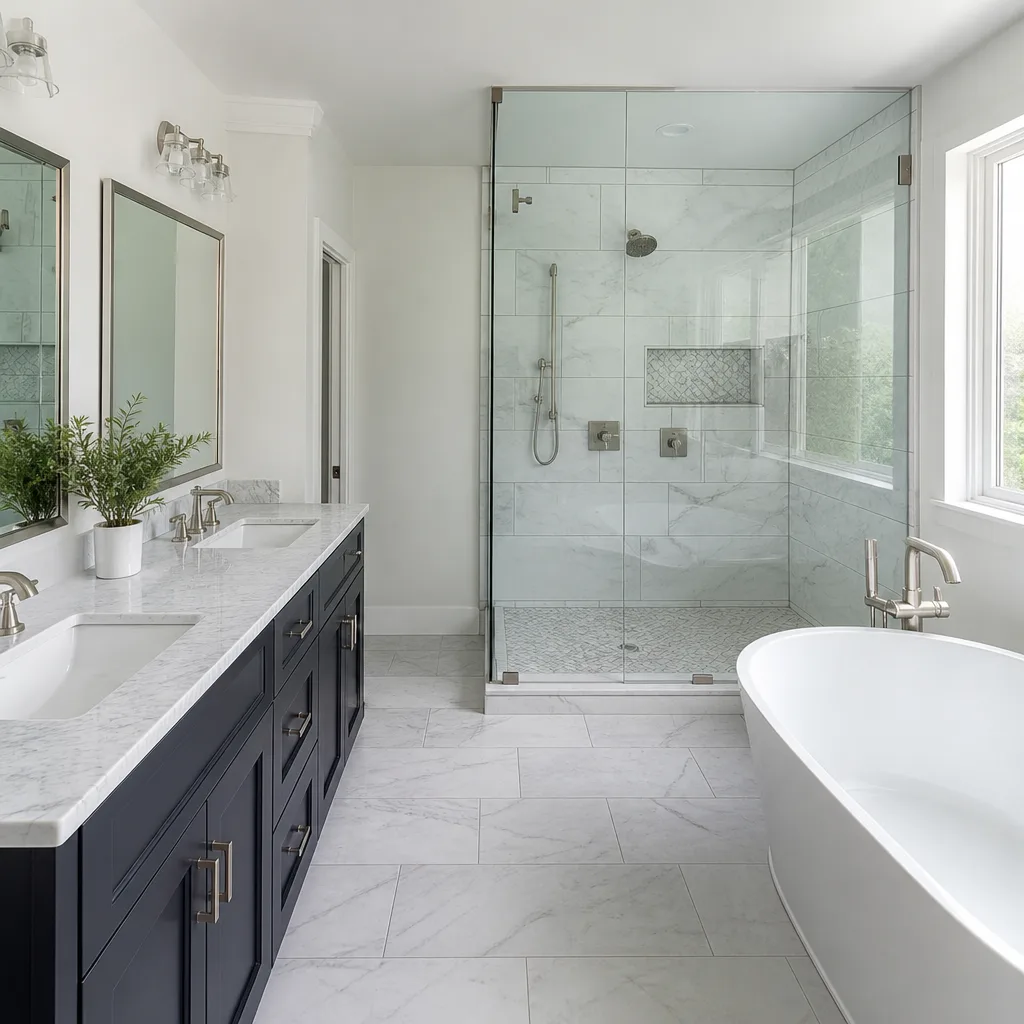
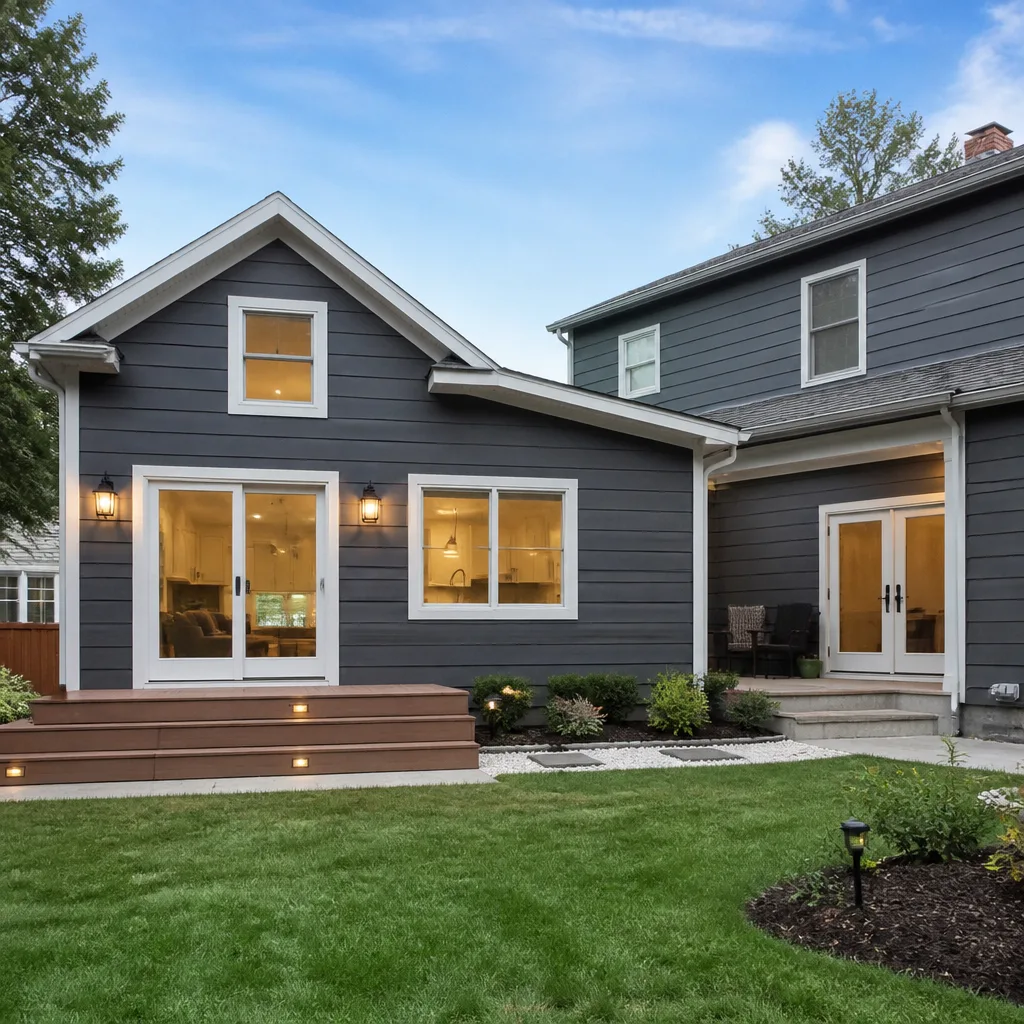
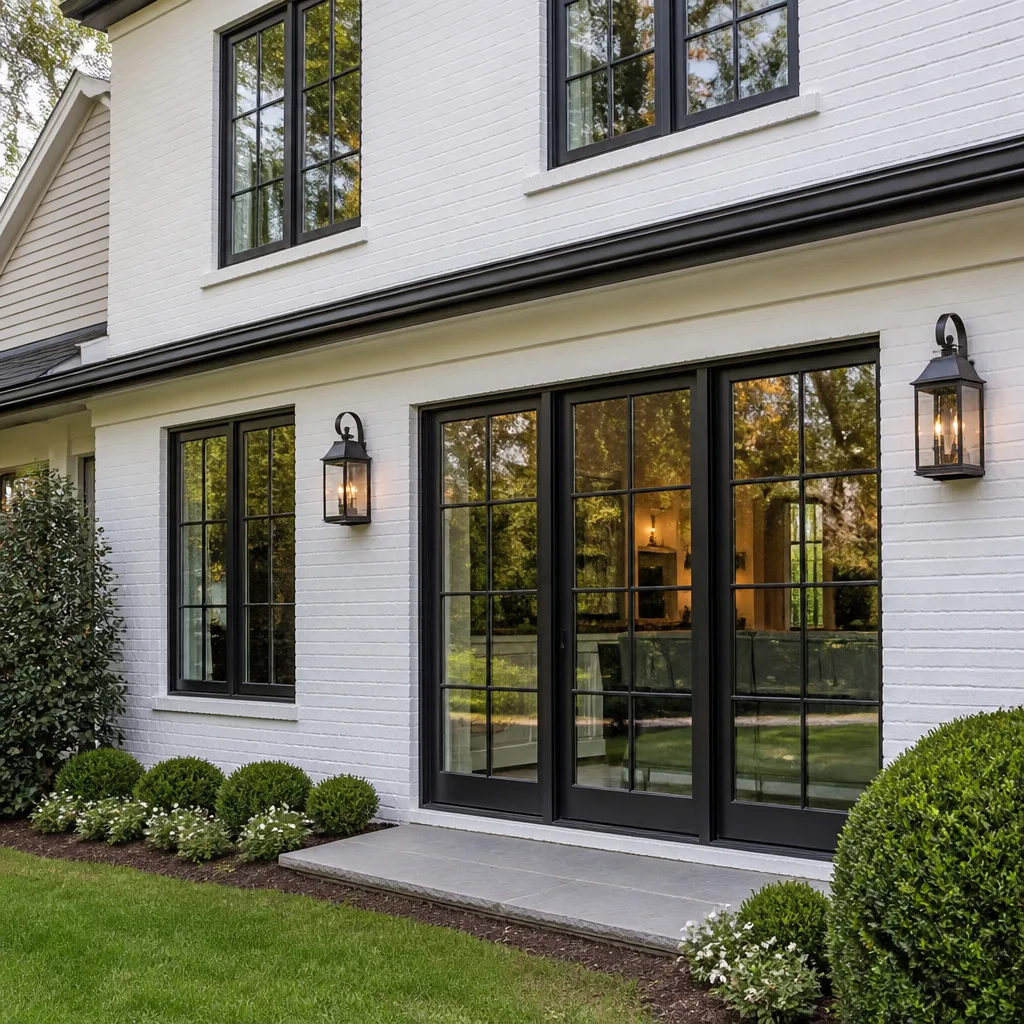
 Before
 After
After Before
 After
After Before
 After
AfterJames Hardie Roofing: The Los Angeles Owner’s Guide
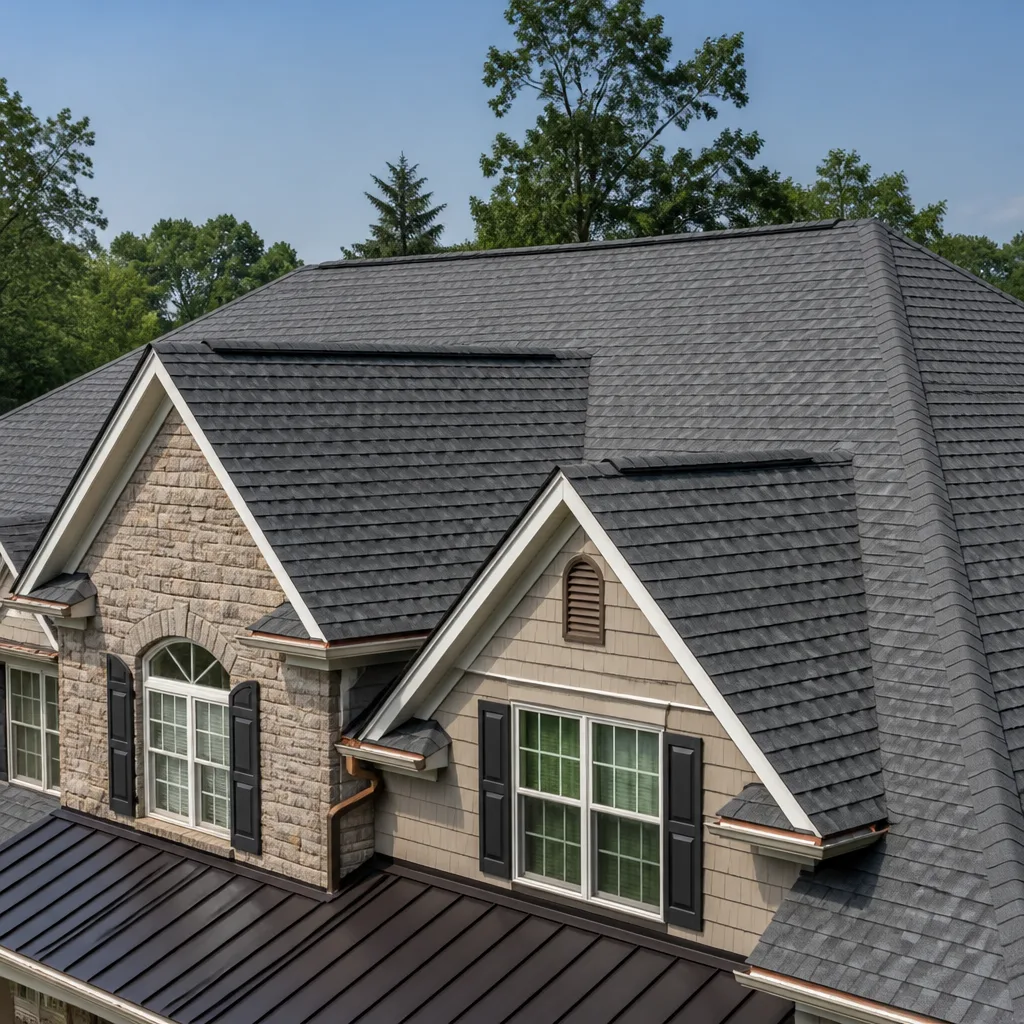
We stock and install James Hardie roofing components across Los Angeles, with most fiber cement siding and trim repairs running between $470 and $2,950 including labor and materials. If you’ve spotted a cracked board, a soft spot near the roofline, or water staining on an exterior wall, the failed part is usually a piece of James Hardie siding, trim, or the flashing behind it. You’ll typically know something’s wrong within one rainy season: the board swells, the paint blisters, or you see daylight where you shouldn’t.
Los Angeles homes take a beating from sun exposure and the occasional hard rain, which means James Hardie products that looked perfect at installation can fail at the edges first: corners, window trim, and the transition where siding meets roofline. We’ve replaced enough of these to know that catching a failing board before it compromises the sheathing underneath is the difference between a $500 repair and a $4,000 one.
Which James Hardie Models This Applies To
James Hardie manufactures fiber cement siding, trim, soffit, and backer board in several product lines, and the compatibility details matter more than most homeowners expect. The main lines you’ll see on Los Angeles homes are HardiePlank lap siding, HardiePanel vertical siding, HardieTrim boards (including the common 5/4 and 4/4 profiles), HardieSoffit panels, and HardieBacker cement board used as tile underlayment. Each has its own thickness, profile, and fastening pattern.
The compatibility gotcha we run into constantly: HardiePlank from a 2015 install is not dimensionally identical to what’s currently on the shelf. James Hardie changed the plank thickness from 7/16 inch to 5/16 inch around 2017, which means a patch on an older home needs to be milled down or built out to sit flush. If someone slaps a new 5/16-inch board next to your existing 7/16-inch boards without shimming, you’ll see the step for the rest of the home’s life. The same applies to HardieSoffit: vented and non-vented panels are not interchangeable, and using the wrong one changes your attic ventilation, which is a bigger deal in Los Angeles attics than most people realize until August.
For aftermarket equivalents, we generally recommend staying with genuine James Hardie boards for any visible exterior application. The color, texture, and thickness tolerances on generic fiber cement don’t match, and on a sunny Los Angeles wall, you’ll see the patch from the curb. For hidden applications like tile backer, a quality aftermarket cement board works fine, which is why we also stock parts for KraftMaid, Cambria, and Silestone installations where the substrate matters behind the finish.
Signs Your James Hardie Roofing Is Failing
- Peeling or bubbling paint at board edges. This is the earliest warning sign we see in Los Angeles. Fiber cement absorbs moisture at cut edges if they weren’t sealed properly, and that trapped moisture pushes paint off from underneath. The board may still be structurally sound, but the clock is running.
- Visible cracking or splitting, especially near corners. James Hardie boards will crack when they’re fastened too close to an edge or when the framing behind them shifts. Once a crack opens, water gets inside the board and freezes in the rare Los Angeles cold snap, widening the split.
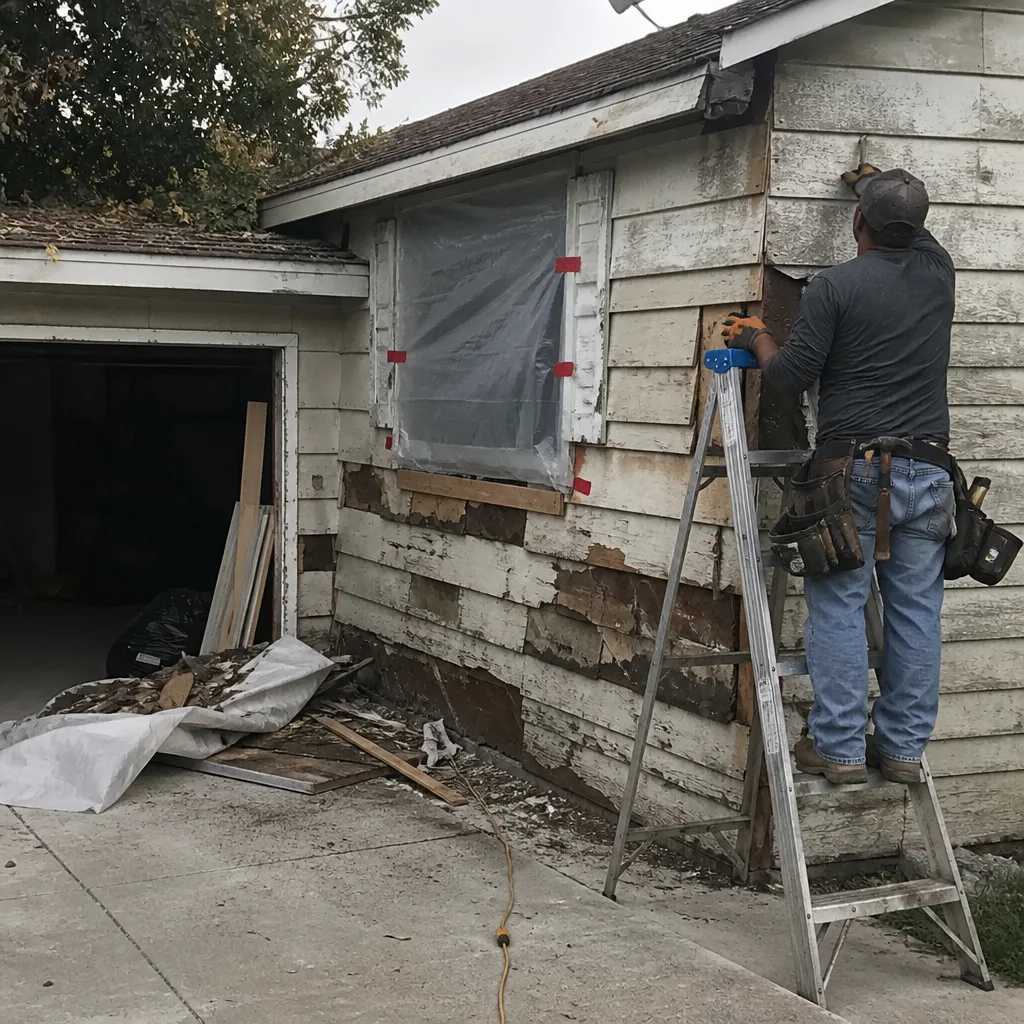
- Soft or swollen areas you can feel with finger pressure. Healthy fiber cement is rock solid. If a spot feels spongy or looks thicker than surrounding boards, water has saturated the material from behind. By this point, you’re not repairing the siding; you’re replacing it and checking what’s behind it.
- Water staining on interior walls or ceilings near the roofline. This often means the failure isn’t the siding itself but the flashing where the roof meets the wall, or a soffit panel that’s allowed water to travel into the wall cavity. In Los Angeles hillside homes, we see this commonly around chimneys and roof intersections.
- Gaps opening at butt joints or trim transitions. James Hardie products expand and contract with temperature swings, and Los Angeles gets enough of a daily range that improperly gapped boards will close up and buckle. If you can fit a quarter into a joint that was once tight, the installation was wrong, and the fix involves reworking that section rather than caulking over it.
Replacement Cost & What’s Included
For James Hardie siding and trim replacement around roofing transitions in Los Angeles, expect to pay $470 to $2,950 depending on how many boards are involved, whether we need to remove and replace flashing, and whether the underlying sheathing is still sound. A single cracked trim board at a roofline junction typically runs $470 to $800. Replacing a section of lap siding with flashing work lands between $900 and $2,125. Full soffit replacement around a roof perimeter can reach $2,950.
| Scope of Work | Typical Los Angeles Range |
|---|---|
| Single trim board or small patch (with flashing) | $470 – $800 |
| Multi-board siding section replacement | $900 – $2,125 |
| Soffit or roofline trim replacement with flashing | $1,200 – $2,950 |
Every quote is written before work starts, and it stays written. The number on day one is the number on the invoice. That’s the Kingswell standard, and it applies whether we’re replacing one board or re-siding half the house. The work itself carries the 365-Day Done Right Promise: if the repair fails inside a year, we come back and fix it at no charge, and there’s no service call fee on that return visit.
One thing that drives cost in Los Angeles specifically: hillside access. If our crew is working off scaffolding on a slope instead of a ladder on flat ground, labor goes up. We’ll tell you that during the estimate, not after the job starts.
DIY or Call Us?
What you can safely check yourself: visible cracks, paint failure, gaps at joints, and staining on interior walls near the roofline. A flashlight inspection after a heavy rain will tell you a lot. What gets dangerous is removing siding near a roof edge on a Los Angeles hillside or a two-story home where ladder access is already tricky. Fiber cement is heavy, it produces silica dust when cut, and a board that slips on a roof edge becomes a projectile.
If the failed part is trim at a roofline, the flashing behind it is almost always compromised too, which means the job isn’t just swapping a board; it’s getting the water management right so you’re not back here in six months. That’s work we do every week. Give me the whole picture first, then we pick up the tools. Call (936) 259-2607 and we’ll walk you through what you’re looking at.
FAQs
James Hardie fiber cement products generally carry a 30-year non-prorated warranty and routinely last 40 to 50 years in Los Angeles when installed correctly. The failure points are almost always installation errors: improper fastening, unsealed cut edges, or missing flashing at roof transitions. The material itself rarely fails first.
Small surface cracks can sometimes be patched with a fiber cement compound, but any crack that penetrates the board or sits near a roofline transition should be replaced. The problem with patching is that the same movement that caused the crack will re-crack the patch, and water keeps getting in. Call (936) 259-2607 and we’ll tell you honestly whether a patch will hold or whether replacement is the cheaper long-term move.
Most single-board or small-section replacements take one day, including removing the old material, inspecting the sheathing behind it, installing new flashing, and matching the paint or texture. Larger soffit or multi-board jobs run two to three days. We give you a written arrival window before we show up, and we leave the job site cleaner than we found it.
We keep common HardiePlank and HardieTrim profiles in stock on the truck, including the 5/16-inch and 7/16-inch thicknesses, and standard 5/4 trim boards. Unusual colors or custom profiles may require a supplier trip or a special order, but we’ll tell you that at the estimate so the schedule is set before we start.
Written by Trevor Nash, Owner, Penhallow Remodeling at Penhallow Remodeling, serving Los Angeles and nearby areas.