
Free written scope consultation - allowances, timeline, and change-order rules on paper before a single trade is scheduled
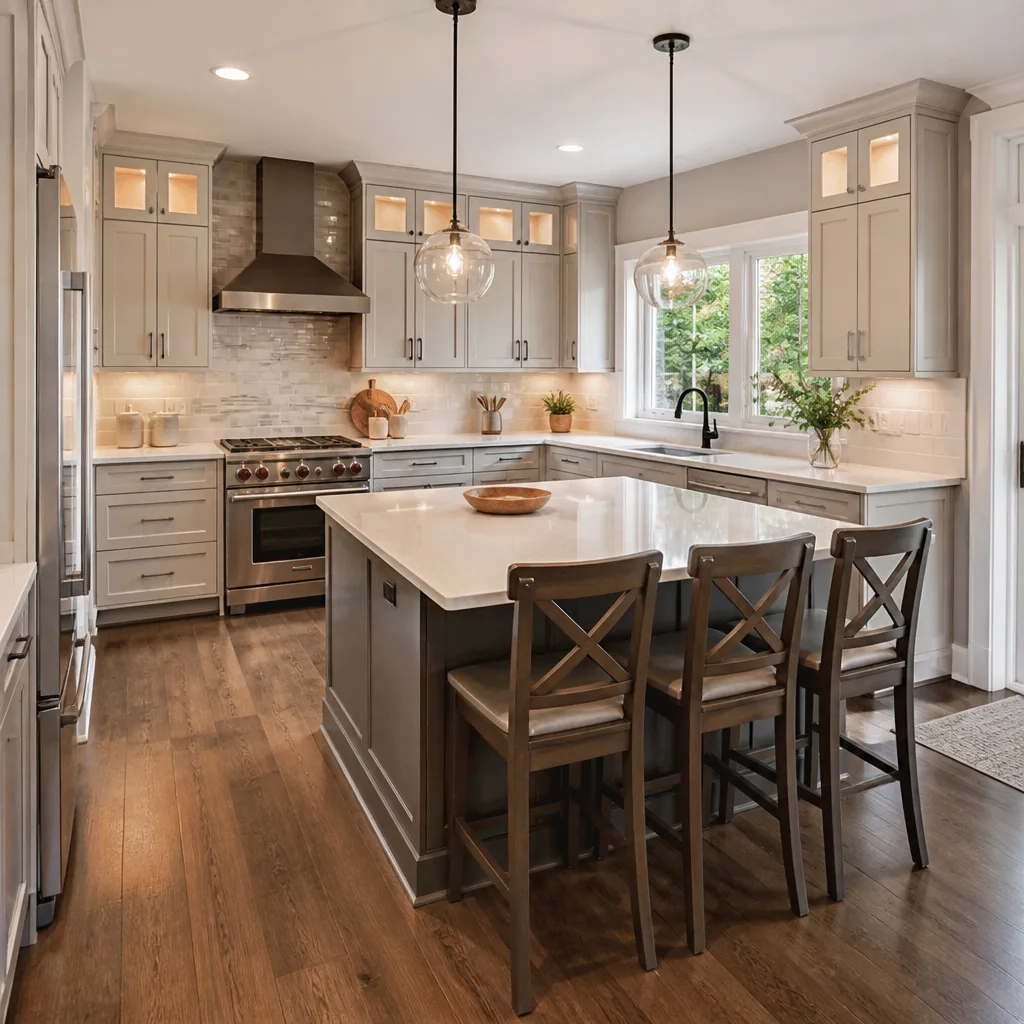
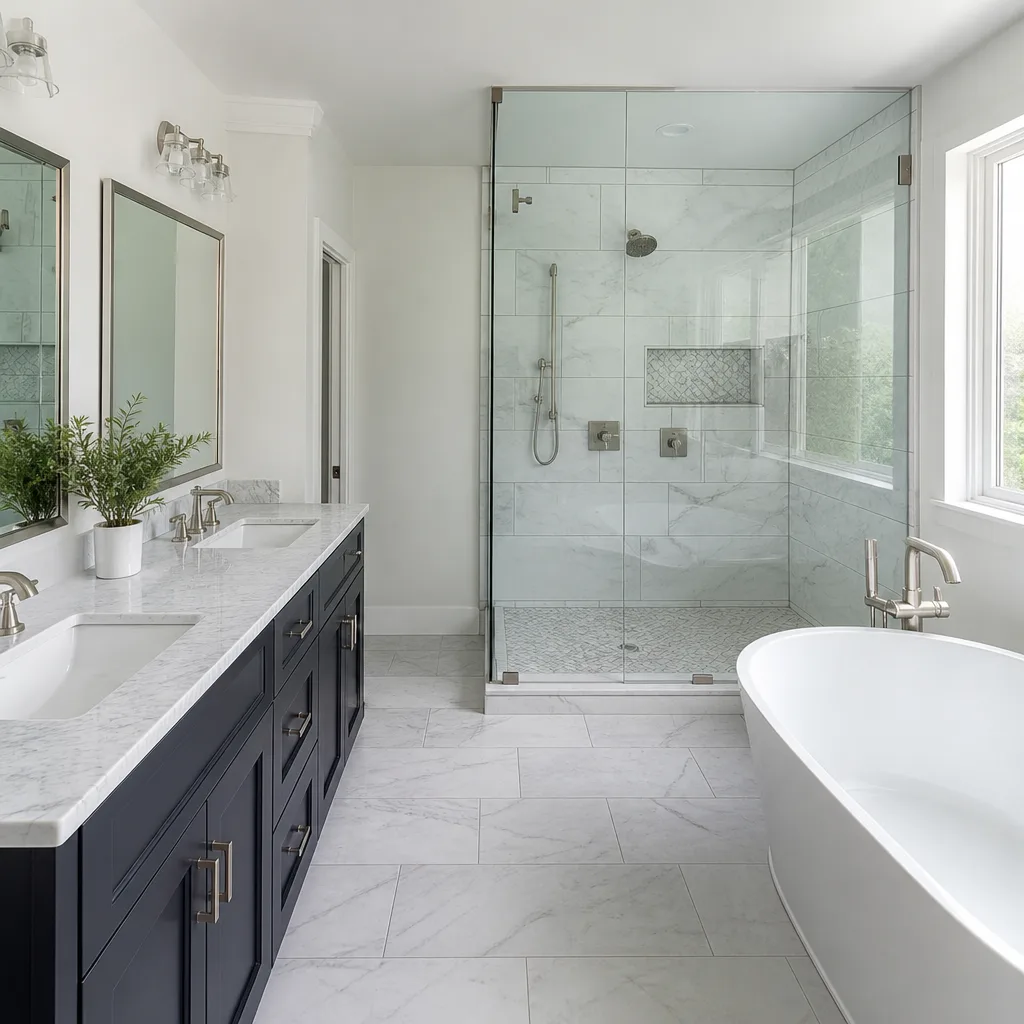
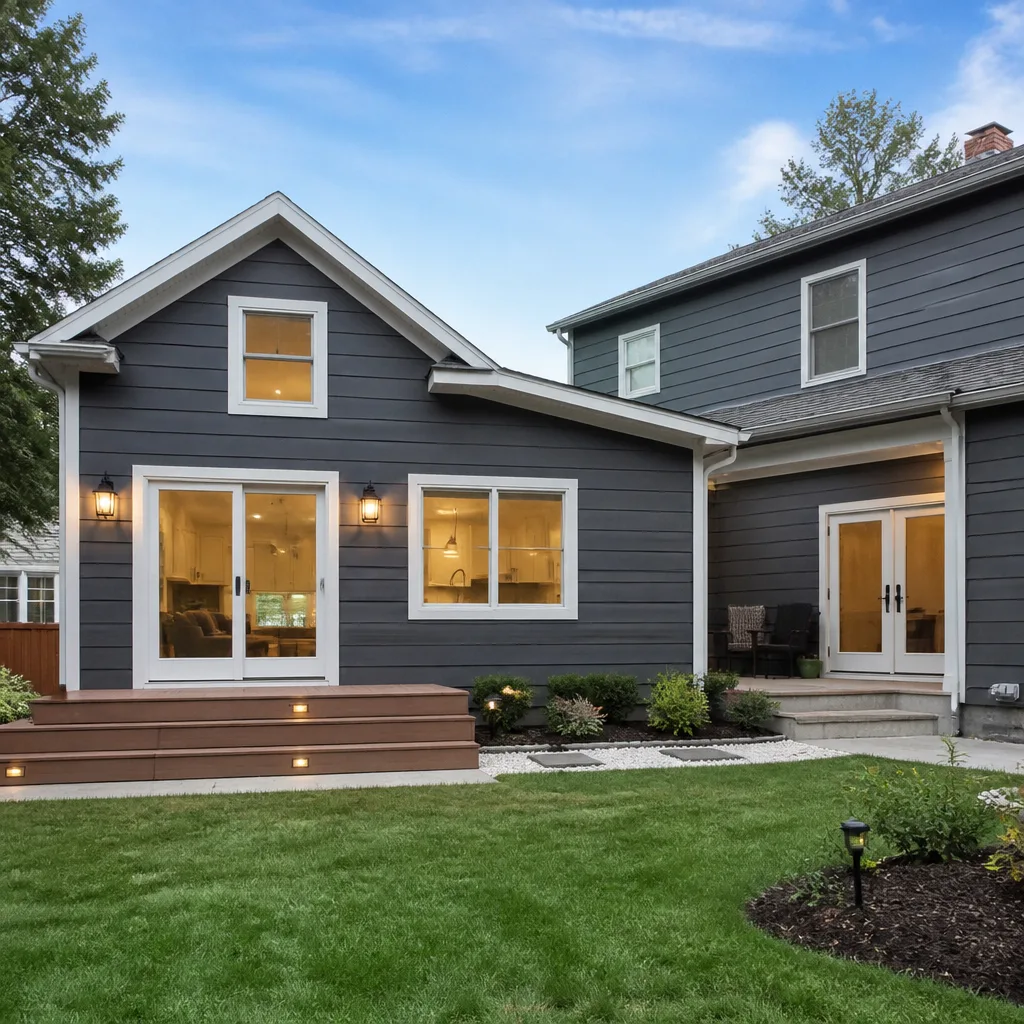
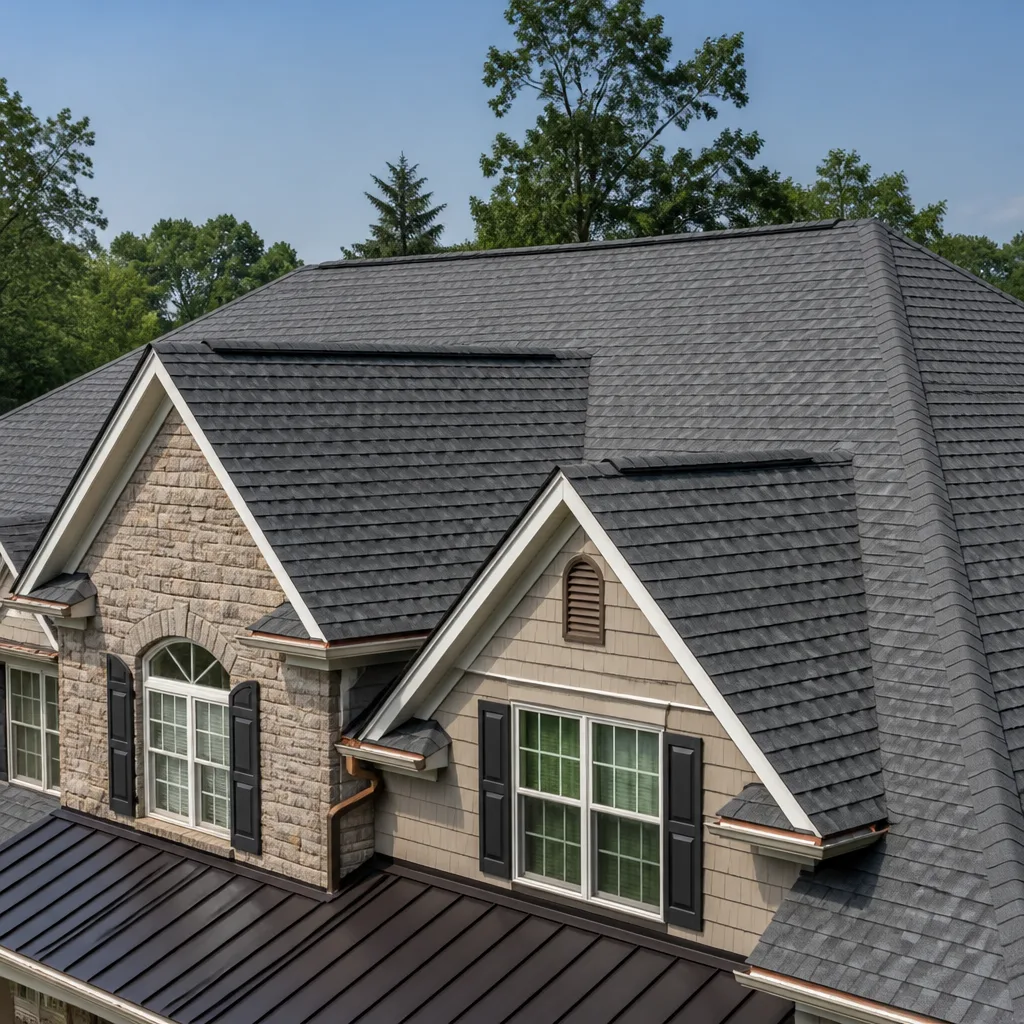
 Before
 After
After Before
 After
After Before
 After
AfterJames Hardie Windows & Doors: The Los Angeles Owner’s Guide
James Hardie-compatible windows and doors in Los Angeles typically run $5,310 to $17,700 for full replacement, and we stock common trim, flashing, and sill parts on the truck for same-week service. Most homeowners discover a problem the same way: water staining on interior drywall, a door that suddenly drags against the frame, or trim that has cracked and pulled away from the house after a hot Santa Ana season. The good news is that Hardie-related window and door failures in our area are almost always repairable without tearing out the whole opening, if you catch them before water gets behind the siding.
We’re Penhallow Remodeling. We’re an independent general contractor, not a James Hardie dealer or factory affiliate, which means we quote you a written price before any work starts and we match or upgrade the part to what the opening actually needs. Trevor Nash has been around this exact problem long enough to know something most LA homeowners learn the expensive way: the window or door itself is rarely the first thing to fail. It’s what surrounds it.
Key Takeaways
- Installed replacement ranges from $5,310 to $17,700 in Los Angeles, depending on opening size and siding condition.
- Most failures start with flashing, caulk, or Hardie trim pulling away, not the window unit itself.
- We stock common Hardie-compatible flashing, sill, and trim parts for same-week repair.
- We give a written price and a written 365-Day Done Right Promise before picking up a tool.
Which James Hardie Models This Applies To
James Hardie doesn’t manufacture windows or doors. What you’re buying when you buy a “James Hardie window” is a window or door installed into a HardieTrim, HardiePlank, or HardiePanel opening. The compatibility question is really about the window or door brand the original builder used, and how it was flashed into the Hardie siding. In Los Angeles, we see a lot of Milgard, Jeld-Wen, and Anlin units wrapped in Hardie trim, especially in track homes built between 2005 and 2015.
Here’s the gotcha most parts-supply websites won’t tell you: the part number on the window tag often references the window manufacturer, not the Hardie system around it. The trim, flashing, and sill are where the failure lives. When a homeowner calls us saying “I need a James Hardie window part,” what they usually need is a replacement HardieTrim board, a new drip cap, or fresh flashing tape and sealant. We match the trim profile by measuring the reveal (the exposed face of the board, typically 4″ or 5″ for HardieTrim) and the window flange width, then we verify the replacement against what James Hardie currently supplies for that exposure in our climate. Los Angeles gets less rain than Portland, but we get more UV, more expansion-contraction cycles, and more dry-rot at the butt joints. Cheaper aftermarket trim boards don’t hold paint or resist moisture the same way.
Signs Your James Hardie Windows & Doors Are Failing
- Interior water staining at the top corners of the window or door. This is almost always failed flashing or a missing drip cap above the opening, not a failed window. The Hardie siding channels water down the wall, and if the flashing was installed without a proper lap, water follows the path of least resistance to the inside.
- Paint peeling on the exterior window trim within 12 months of repainting. HardieTrim is dimensionally stable, but if it’s installed too close to the sill without a gap, capillary action pulls water under the paint. We see this constantly in Studio City and Sherman Oaks, where sprinklers hit the wall every morning.
- A door that suddenly sticks or drags at the top. In Los Angeles, this is often a Hardie trim board that has swelled against the door frame, or a header that’s shifted from soil movement. The door itself hasn’t changed shape; the opening around it has.
- Visible cracking or separation at trim joints. Hardie products expand and contract with temperature swings. If the original installer butted the boards tight instead of leaving a 1/8″ gap at joints, the boards crack. That crack is a water entry point, and once water gets behind Hardie siding, dry-rot under it is a matter of time.
- Soft or crumbling wood beneath the sill. By the time you can press a screwdriver into the wood under a door threshold, water has been getting in for a while. This almost always means replacing the sill pan and the bottom 12 to 18 inches of trim, not just the door.
Replacement Cost & What’s Included
For Los Angeles homeowners, James Hardie-related window and door work breaks down like this:
- Trim, flashing, or caulk repair around an existing window or door: $470 to $2,125. This is the most common job we do, and it’s the one that prevents the $10,000 replacement later.
- Full window replacement with new Hardie trim and flashing: $5,310 to $17,700, depending on the number of units, window size, and whether we’re opening up the surrounding siding.
- Door replacement with new Hardie trim, sill pan, and weather sealing: typically $5,900 to $16,520 when the rough opening needs work.
What drives the range up? The condition of the Hardie siding around the opening. If the original caulk joints failed years ago and rot has reached the sheathing, the price climbs because we’re repairing substrate, not just swapping trim. What drives it down? A single window on a first-floor wall with clean, intact siding. Every quote we write includes parts, labor, disposal, and the written 365-Day Done Right Promise. If anything fails inside twelve months, we come back and fix it at no charge. That’s in writing, on the quote, before you decide.
DIY or Call Us?
What you can do safely: look for obvious gaps in caulk, check that trim boards aren’t swelling or cracking, and note whether water stains appear right after rain. Taking photos and measuring the visible trim width gives us a head start when you call. What you shouldn’t do without experience: pulling trim boards off a stucco or Hardie wall. There are nails you can’t see, flashing that has to lap in a specific direction, and a very real chance of cracking a board that was still doing its job fine. Give me the whole picture first, then we pick up the tools. We’ll assess the opening, explain exactly what’s wrong, and hand you a written price before we touch anything. Call (936) 259-2607 and we’ll schedule a look.
FAQs
The Hardie trim and siding around the window can last 30 years or more if it was installed with proper gaps and flashing, but the caulk and sealant joints typically need attention every 5 to 8 years in our UV-heavy climate. The window or door unit itself usually gives out before the Hardie does. If you’re seeing failures in under 10 years, it’s almost always an installation problem, not a product problem. Call (936) 259-2607 and we’ll tell you what you’re actually looking at. The estimate is free.
Yes, in most cases. If the frame is sound and the water damage is limited to trim, flashing, or sealant, we can repair it for $470 to $2,125 in Los Angeles. If the window itself has lost its seal or the door frame is rotted, replacement is the honest call. We’ll explain which one applies to your situation and give you a written price either way.
Most trim and flashing repairs take one day on site, sometimes two if we’re replacing multiple openings or repairing rotted substrate. A full window or door replacement in a Hardie opening usually takes two to three days including finishing and cleanup. We’ll give you a written arrival window before we start, and we leave the job site cleaner than we found it.
We stock common flashing, drip caps, sill pans, and sealants on the truck, and we keep HardieTrim boards in the most common Los Angeles profiles at our supplier. Less common widths or pre-finished colors may take a few days to pull in. If you need the part matched exactly, call (936) 259-2607 with your trim measurements and we’ll tell you over the phone whether it’s a same-week fix.
Written by Trevor Nash, Owner, Penhallow Remodeling at Penhallow Remodeling, serving Los Angeles and nearby areas.