
Free written scope consultation - allowances, timeline, and change-order rules on paper before a single trade is scheduled







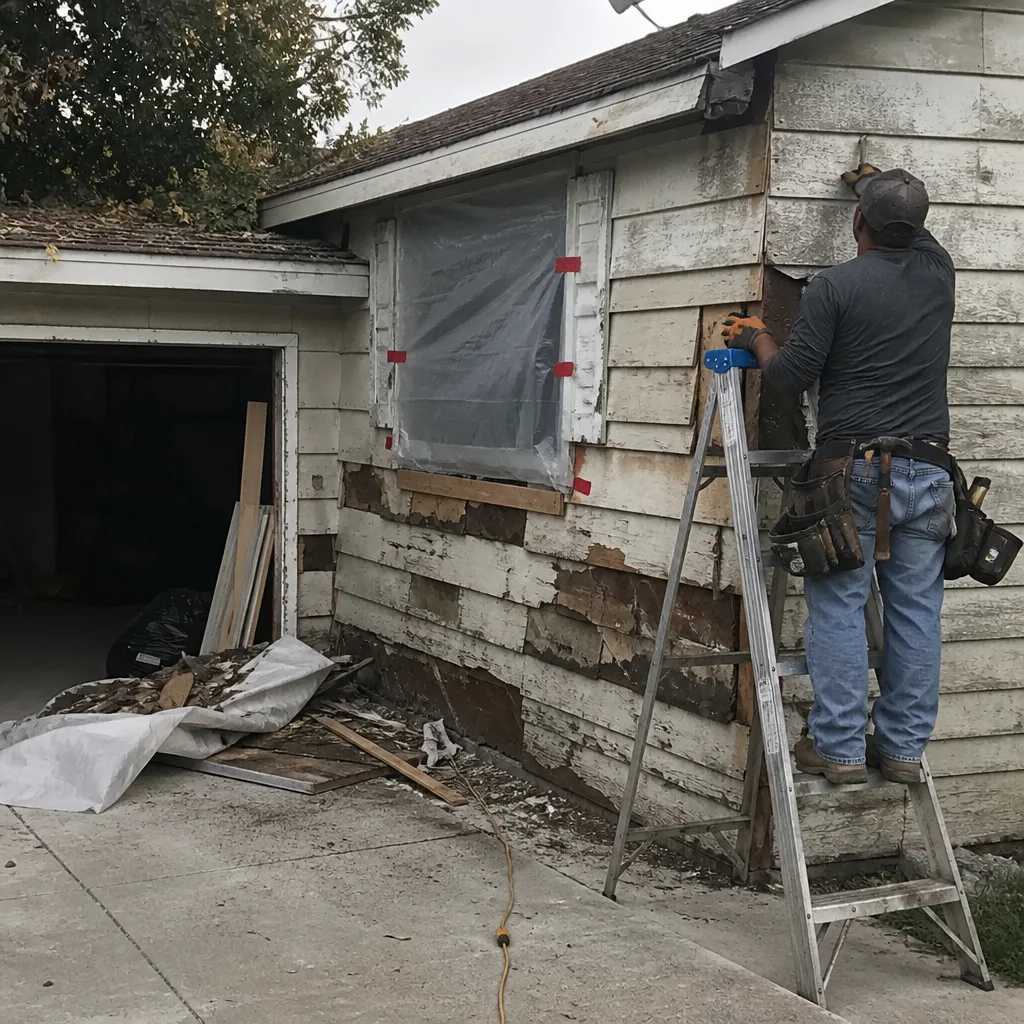 Before
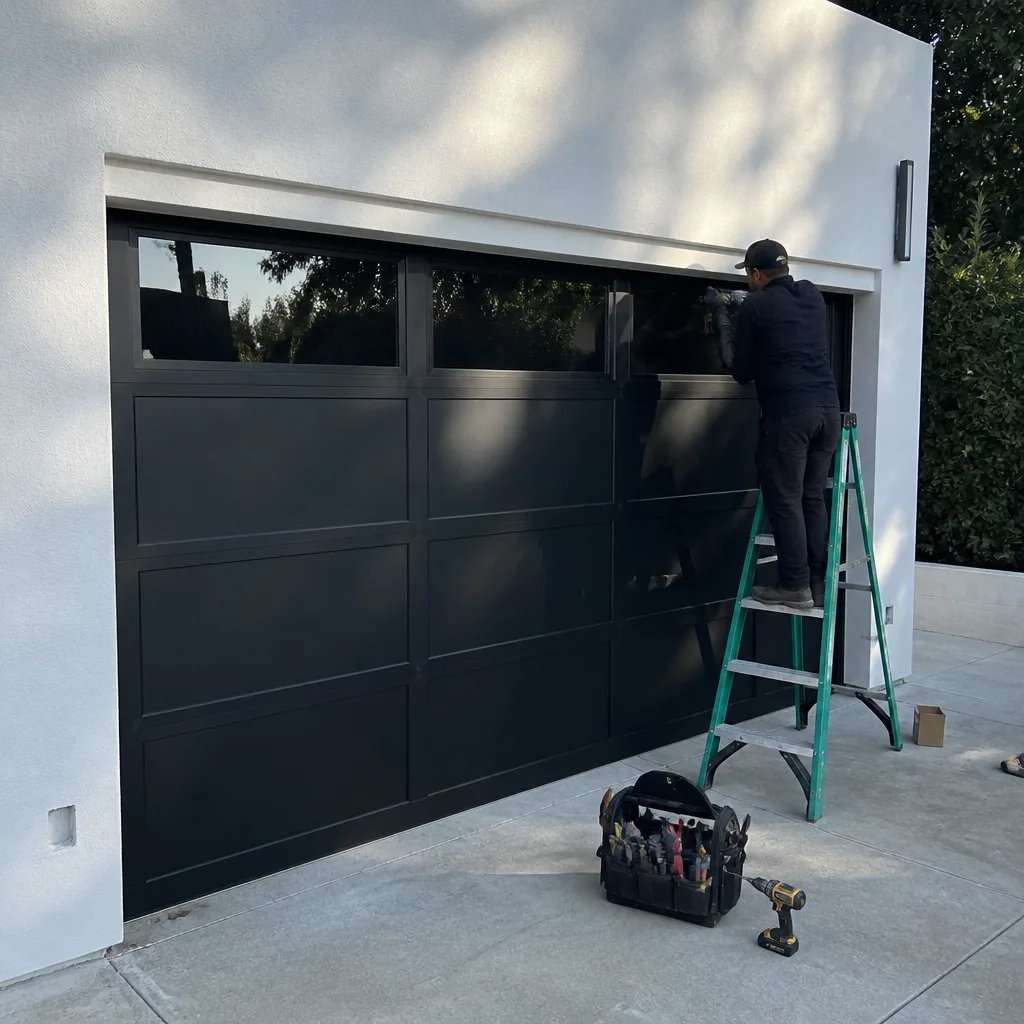 After
After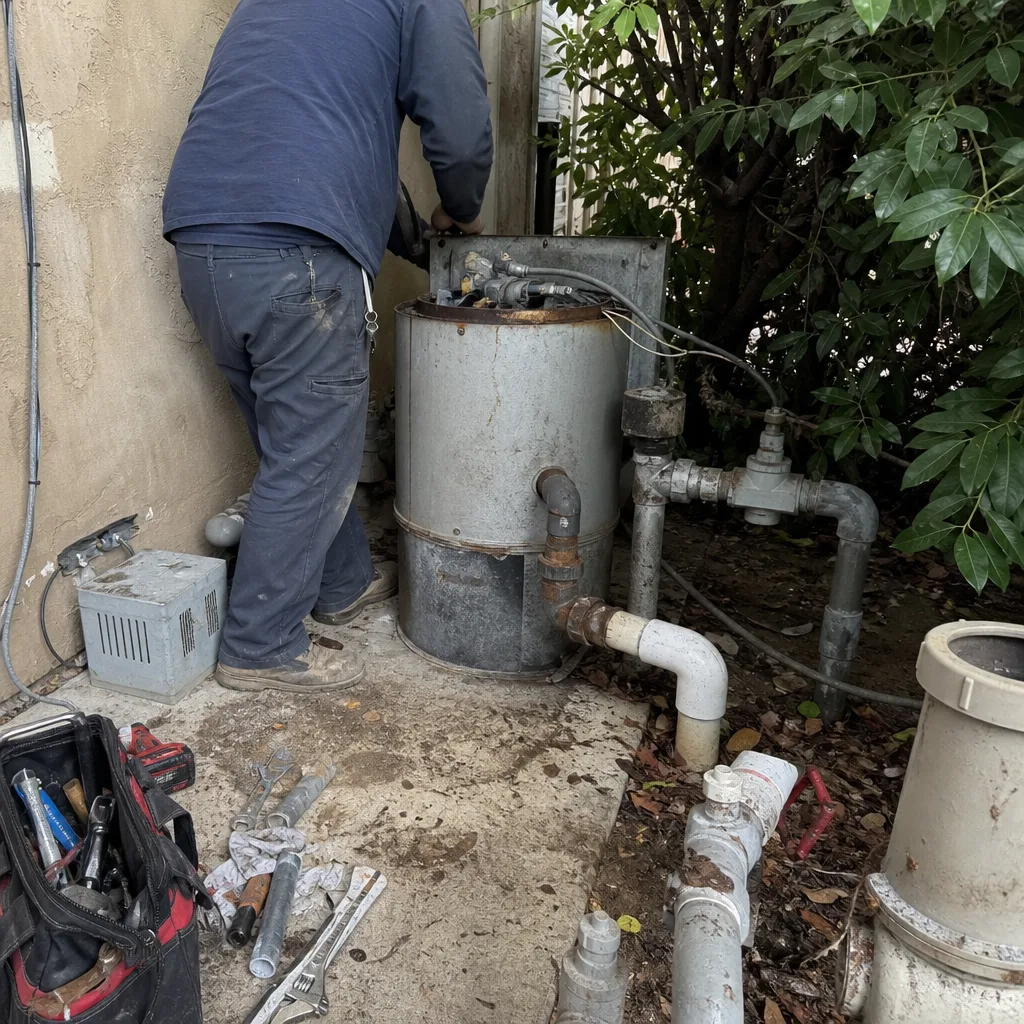 Before
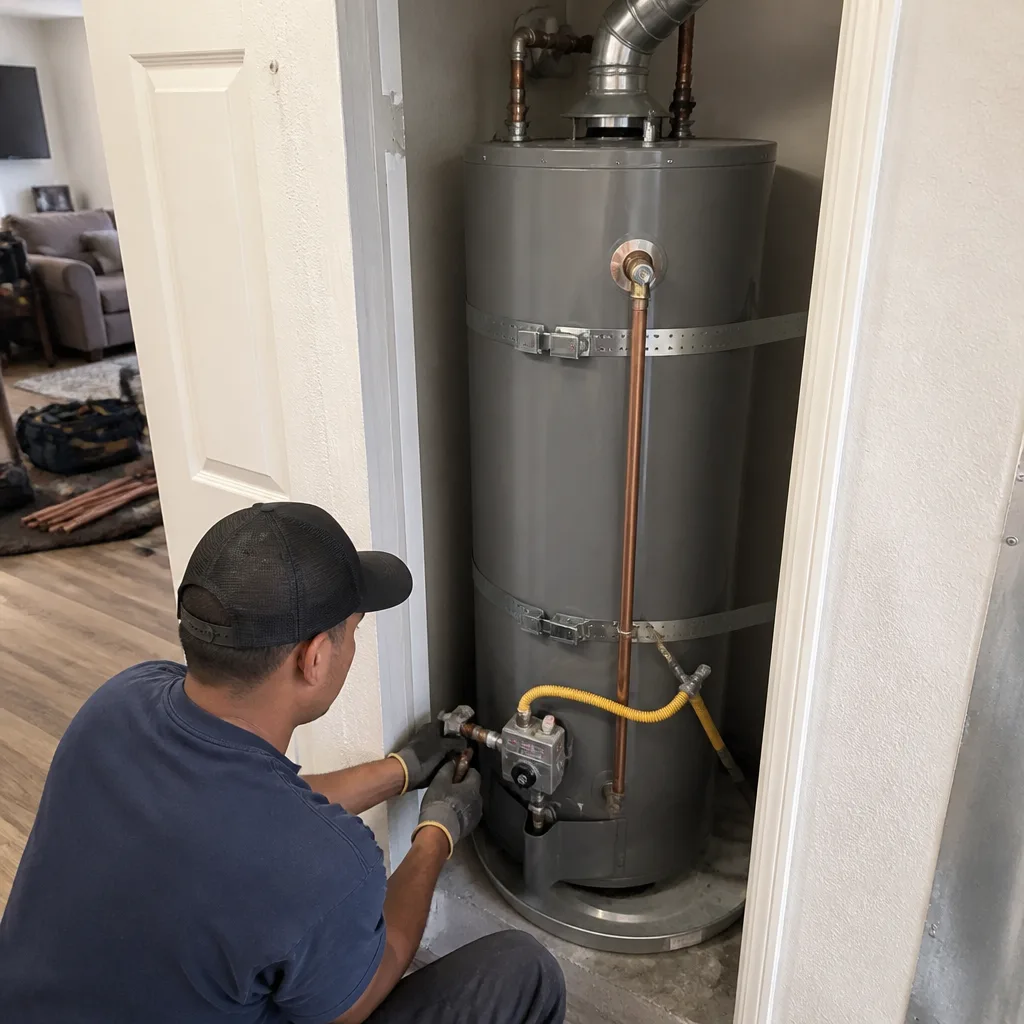 After
After Before
 After
AfterMoen Roofing: The Los Angeles Owner’s Guide
If you’re searching for Moen roofing parts in Los Angeles, the honest answer is this: Moen doesn’t manufacture roofing materials. Moen makes faucets, showerheads, and kitchen fixtures. What you’re likely dealing with is either a Moen-labeled bathroom or kitchen vent flashing on your roof, a Moen roof-mounted plumbing component, or you’ve been given a part name that doesn’t match what’s actually failing up there. We install and repair roofing components tied to Moen plumbing lines, and the typical installed repair cost for a roof penetration related to a plumbing vent runs $470 to $2,125 in Los Angeles. Most owners discover the problem the hard way: a water stain appears on the ceiling below the bathroom, and the trail leads to a cracked flange or worn seal around the vent pipe sticking through the roof.
Before you order anything, let’s pin down exactly what you’re looking at. That’s the part most online searches get wrong.
Which Moen Models This Applies To
Moen-branded roof components don’t exist as a standalone product line. What you’ll find instead are Moen plumbing fixtures that pass through your roof deck: vent stacks, plumbing drain vents, and in rare cases, decorative roof-mounted elements that tie back to Moen bathroom designs. The actual replaceable roof part is the vent flashing or pipe boot, and Moen doesn’t make those. The compatibility question isn’t about a Moen series number. It’s about matching the flashing to your pipe diameter and your roof material.
In Los Angeles, most residential plumbing vents are 1.5 to 3 inches in diameter. Measure the inside of the pipe or read the stamp on the existing boot before you buy anything. A 2-inch pipe won’t seal with a 3-inch flashing, and guessing wrong means another trip up a ladder. When you look at aftermarket parts, you’ll see the same sizing system across brands like Oatey and Sioux Chief. For Los Angeles homes with composition shingle roofs – which is most of the Valley and Westside stock built before 2010 – a standard aluminum or lead pipe boot rated for the right pipe size is the correct match. Metal roofs need a different flashing profile, and tile roofs need a custom-cut boot that sits under the tile but over the roofing felt. If you’re holding a part labeled for a Moen roof vent, stop and match it by measurement, not by brand name. That’s the compatibility gotcha most people miss.
Signs Your Moen Roofing Is Failing
- Water stains on the ceiling below a bathroom or kitchen vent. This is the classic first sign, and it usually shows up as a tan ring or brown patch that grows after rain. The root cause is almost always a cracked rubber boot or a rusted metal flange around the vent pipe on your roof.
- Daylight visible through the attic around vent pipes. If you can climb into your attic during the day and see light coming in around the pipe penetration, the flashing has separated from the roof deck. This is a gap where rain, and in Los Angeles, windblown ember from wildfire season, can get inside.
- Loose or curled shingles around the vent stack. Shingle edges near a roof penetration fail faster than the rest of the roof because water tends to pool there. When those shingles lift, the seal between the boot and the roofing surface breaks.
- A plumbing smell inside the house that comes and goes. A failed vent boot can let sewer gas escape into the attic, which then drifts into the living space on days when the house is closed up. If the smell comes from the attic access or an upstairs bathroom ceiling area, suspect the roof penetration first.
- Granules collecting in gutters below the vent area. The constant moisture cycle around a failing boot accelerates shingle breakdown. If your gutters are collecting asphalt granules near the roof vent location, the flashing has likely been leaking long enough to damage the surrounding shingles.
Replacement Cost & What’s Included
In Los Angeles, replacing a roof vent flashing or pipe boot typically runs $470 to $2,125 installed, with most single-pipe swaps landing between $470 and $900. The higher end of that range covers tile roof work or situations where the surrounding shingles or underlayment have already rotted and need repair. If your existing vent boot failed and water has been getting in for more than one rainy season, expect to replace some decking or felt, and that’s what pushes the number up.
Our price includes the parts, labor, removal of the old boot, proper installation over a clean substrate, and sealing that actually holds up to Southern California sun exposure. We use aluminum or lead flashings rated for 30-plus years because cheap plastic boots crack under UV faster than anything in Los Angeles. Every roof penetration repair comes with a written price before we start and a written guarantee when we finish. If it leaks again inside a year, we come back and fix it at no charge. That’s not a courtesy. That’s how every job leaves our bench.
DIY or Call Us?
We’re going to be direct: roof work is not a weekend project, and a failed vent boot on a two-story Los Angeles house means ladder work, pitch work, and hot-mop or shingle removal around a pipe. A homeowner can safely check the attic stain and measure the pipe diameter from inside. That’s useful information to bring us. But cutting back shingles, pulling off an old lead boot, resealing, and re-laying the patch requires care around the roof membrane, and mistakes turn a $500 replacement into a $2,500 leak repair inside the ceiling. We’d rather walk you through it on the phone first. Call us at (936) 259-2607, tell us what you’re seeing, and we’ll tell you what it likely costs before anyone climbs a ladder.
FAQs
A properly installed aluminum or lead vent boot should last 25 to 35 years on a Los Angeles roof, but rubber and plastic boots often crack in 8 to 12 years because our UV exposure degrades synthetic materials faster than the national average. If your home is over 15 years old and still has the original boot, it’s worth inspecting before the next rainy season. Call (936) 259-2607 if you want a second set of eyes on it.
In most cases, no. Once a rubber boot or metal flange cracks, sealant alone won’t hold through a Los Angeles temperature swing from 95 degrees down to 45. Proper repair means removing the failed part and installing a new one over clean substrate. We’ll tell you straight if yours can be patched for one season, but our written guarantee only applies to full replacements. Call us for an honest read.
Most single-pipe replacements take 2 to 4 hours once we’re on site, including removing the old boot, addressing any rotted felt or decking, installing the new flashing, and sealing it. Tile roof work adds time because each tile around the penetration has to be pulled and reset by hand. We’ll give you a real arrival window before we come, not a “sometime between 8 and 6.”
We stock common vent boot sizes in aluminum and lead on our service vehicles, along with sealants rated for Southern California heat. If your roof requires a specialty profile for tile or metal, we source it before the installation date and confirm the price with you in writing before ordering. You shouldn’t have to chase parts. That’s our job.
We’re a general contractor, so beyond roof penetration repairs tied to plumbing vents, we handle kitchen and bathroom remodeling projects where Moen fixtures are common. If you’re replacing a Moen shower valve while the wall is open during a bathroom remodel, that’s work we do every month in Los Angeles. We stock or source Moen, Kohler, Delta, and other trade brands. Along with Moen, we keep parts access to KraftMaid, Cambria, and Silestone for kitchen and bath scopes.
Written by Trevor Nash, Owner, Penhallow Remodeling at Penhallow Remodeling, serving Los Angeles and nearby areas.