
Free written scope consultation - allowances, timeline, and change-order rules on paper before a single trade is scheduled
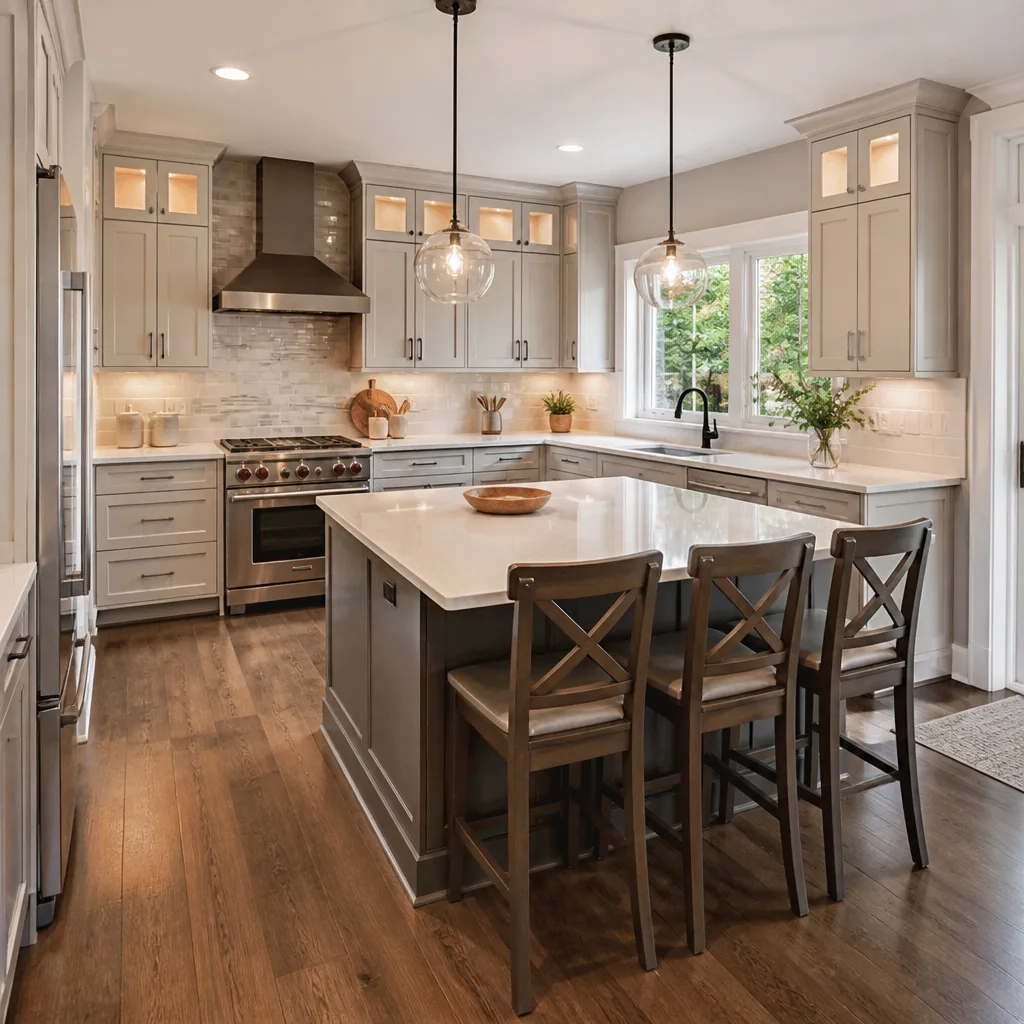
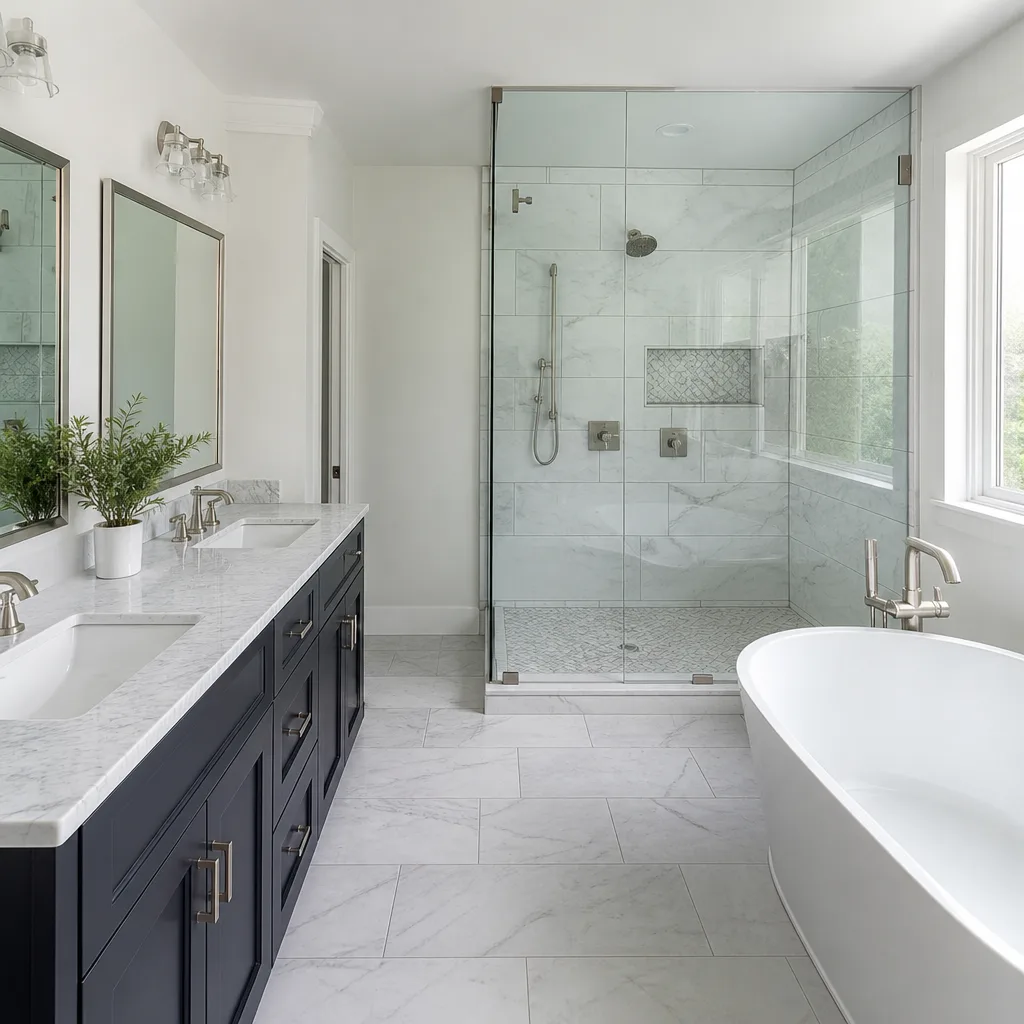
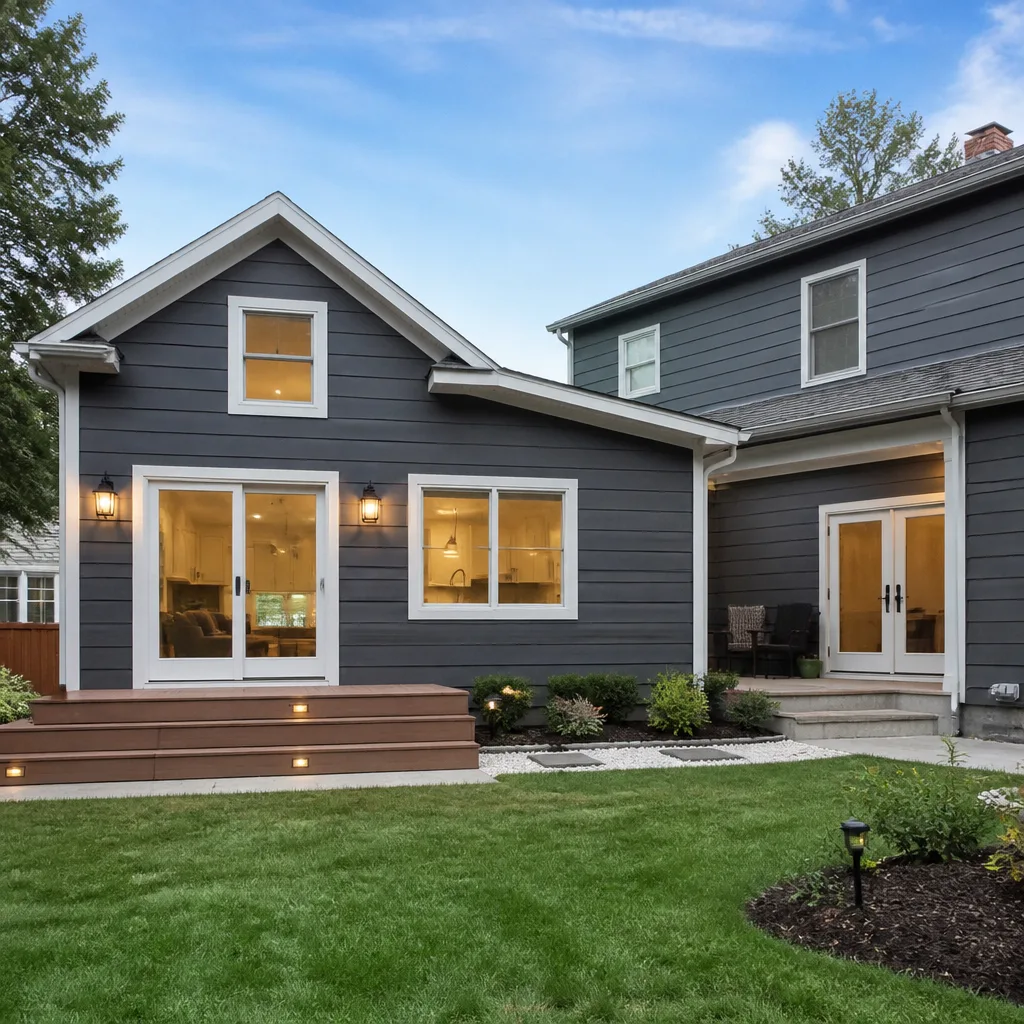
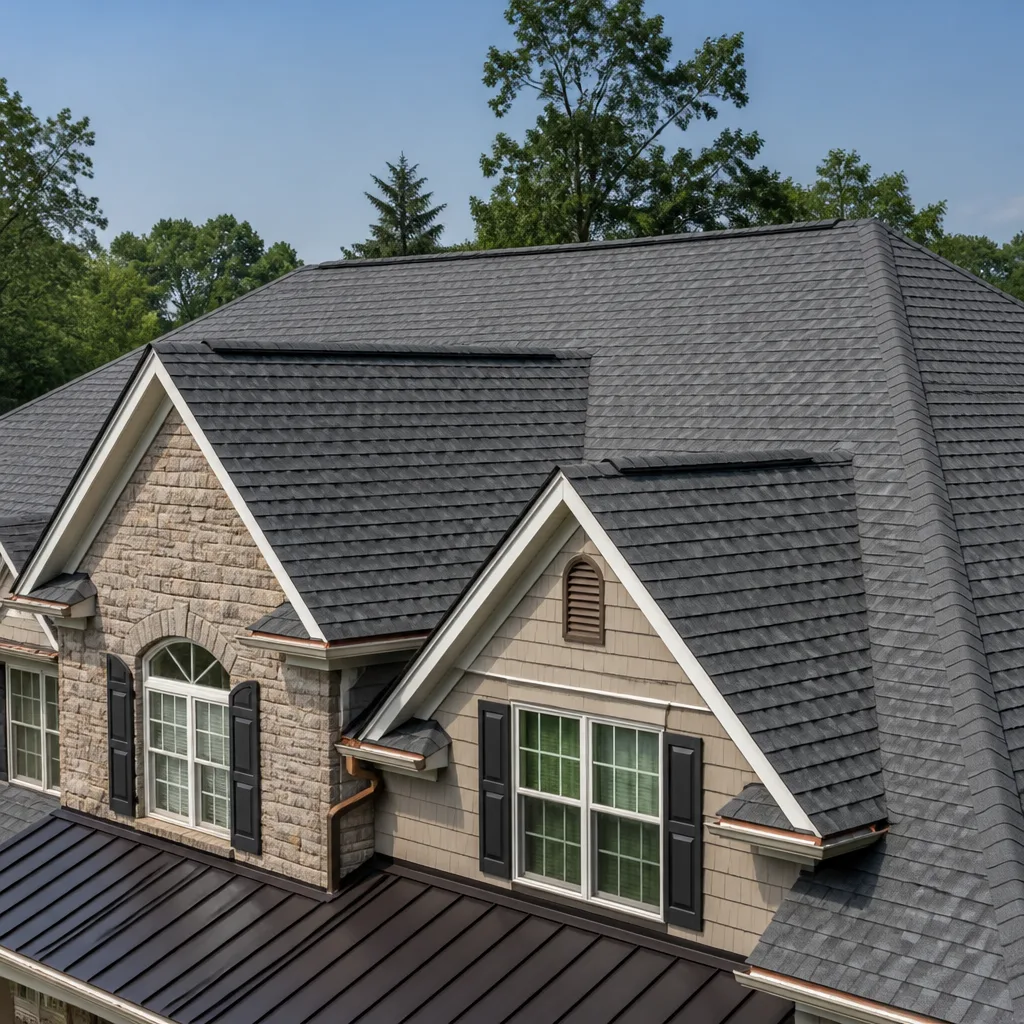
 Before
 After
After Before
 After
After Before
 After
AfterMr-Glass Roofing: The Los Angeles Owner’s Guide
If you own a Mr-Glass roofing system in Los Angeles and a panel, seal, or flashing has failed, we stock compatible replacement parts and can typically install them for $470 – $2,125 depending on what’s broken and where you live. Most Mr-Glass owners discover the problem the same way: a water stain on the ceiling after Santa Ana winds, a rattle they can hear from the bedroom during a gust, or a neighbor pointing out a lifted panel from the street. The fix is usually faster than people expect, and we’ll tell you exactly what it costs before we touch the roof.
Key takeaways:
- We carry Mr-Glass-compatible panels, sealants, and flashings on our trucks for most Los Angeles service calls.
- Installed pricing runs $470 – $2,125 for repairs and $9,440 – $23,600 for full replacements.
- Trevor Nash and the Penhallow team give you a written price before any work starts. That’s the Kingswell standard.
- Every repair carries our 365-Day Done Right Promise in writing. If it fails inside a year, we come back free.
Which Mr-Glass Models This Applies To
Mr-Glass has produced several roofing product lines over the years, and the part you need depends on which one sits on your house. The most common systems we see across Los Angeles are the original glass-fiber reinforced panels (often called Mr-Glass Classic by owners), the newer multi-wall polycarbonate line used on patio covers and carports, and the standing-seam coated aluminum series found on many Valley and Westside homes. They are not interchangeable. A polycarbonate end cap will not seat properly on a Classic panel, and forcing it cracks the new part inside a season.
To identify what you have, look for the stamped code on the underside edge of a panel, usually near the eave. If the stamp is faded from sun, measure the panel width: Classic runs 26 inches wide with a 1.25-inch rib profile, while the multi-wall line is typically 48 inches wide with a 10mm wall thickness. When owners ask whether OEM or aftermarket parts are the better call, our honest answer is that Mr-Glass OEM parts still in production are the safest bet for structural panels, but the fasteners, neoprene washers, and closure strips are commodity items where quality aftermarket equivalents from S-5! and similar suppliers perform identically. We’ll match whatever your roof needs and tell you which is which before you spend a dollar.
One Los Angeles-specific compatibility note: homes within five miles of the coast see salt air accelerate the failure of any galvanized fastener that touches an aluminum panel. That’s a galvanic reaction, and it’s why we stock stainless fasteners on every truck we send west of the 405.
Signs Your Mr-Glass Roofing Is Failing
- Water staining on the ceiling or at a wall-roof seam. This usually means a panel-to-panel seal has dried out or a flashing pulled loose. The first rain after a dry stretch is when Los Angeles owners tend to spot it.
- A rattling or flapping sound in wind. Panels lift when neoprene washers harden and the panels are no longer held tight to the purlins. Left alone, a lifted panel becomes a cracked panel.
- Hairline cracks running along a rib, not across it. Thermal expansion over years of 100-degree afternoons followed by 55-degree nights fatigues the fiber. Once a crack starts at a fastener hole, it travels.
- Cloudy or yellowed panels that used to be clear. UV degradation is a fact of life in Los Angeles. The panel still sheds water for a while, but it’s lost structural strength and will shatter more easily under impact.
- Screws that look raised or have rust streaks below them. That’s a sign the seal has failed and water is wicking down the fastener into the framing. By the time you see the rust on the roof, the damage underneath is usually underway.
Replacement Cost & What’s Included
For Los Angeles homeowners, Mr-Glass-compatible roofing work runs two tracks. A repair, meaning a panel swap, seal replacement, or flashing fix, lands between $470 and $2,125. A full roof replacement on a typical 1,500 – 2,000 square foot home runs $9,440 – $23,600, with the spread driven by panel type, roof pitch, the amount of framing repair needed underneath, and whether we’re matching an existing system or re-sheeting the whole surface. We also handle smaller related work: tile roof repairs adjacent to a Mr-Glass patio cover start around $710.
Every estimate we write includes parts, labor, disposal, and the written number you approve before we begin. No change orders unless you ask for something different. And the work carries our 365-Day Done Right Promise: if the repair fails inside a year, we come back and fix it at no charge. Covered in writing on every job, every time.
DIY or Call Us?
Replacing a few neoprene washers and tightening fasteners is something a careful Los Angeles homeowner can handle on a single-story roof with a safe ladder and the right torque setting. Tighten until the washer is snug, not squashed; overtightening is how panels crack at the hole. What we’d urge you not to do yourself is walk a panel roof if it’s more than a 4:12 pitch, work near the ridge on a windy day, or try to patch a cracked panel with caulk and hope. Caulk buys you a month, not a season, and by the time it fails you usually have water in the decking.
If you’re not sure what you’re looking at, call us at (936) 259-2607. We’ll give you the whole picture first, then we pick up the tools. If it turns out to be a ten-dollar washer and a five-minute fix, we’ll tell you that over the phone before anyone drives out.
FAQs
The fiber-reinforced Classic panels typically give Los Angeles homeowners 20 – 30 years of service, while the multi-wall polycarbonate line tends to run 15 – 25 years before UV clouding becomes more than cosmetic. Coastal homes lose a few years on either side of those ranges. Call (936) 259-2607 if you want us to look at whether your panels are in the trouble zone.
Small cracks at a fastener hole can sometimes be stabilized with a proper oversized washer and sealant, but any crack running more than six inches means the panel’s structural integrity is gone and replacement is the honest fix. We’ll tell you which one you’re looking at and what each path costs before you decide.
A single panel swap on an accessible roof is usually a 60 – 90 minute job once we’re on site. A full re-sheet with new flashing and seals on a large patio cover typically takes one to two days depending on framing condition.
We keep the most common replacement items on our trucks: closures, neoprene washers, stainless fasteners, seam tapes, and matching sealants. For full panel replacements, we pull stock from our Los Angeles suppliers same week in most cases and confirm availability before we schedule the work.
Written by Trevor Nash, Owner, Penhallow Remodeling at Penhallow Remodeling, serving Los Angeles and nearby areas.