
Free written scope consultation - allowances, timeline, and change-order rules on paper before a single trade is scheduled
 Before
 After
After Before
 After
After Before
 After
AfterPlant Prefab Driveway & Pavers: The Los Angeles Owner’s Guide
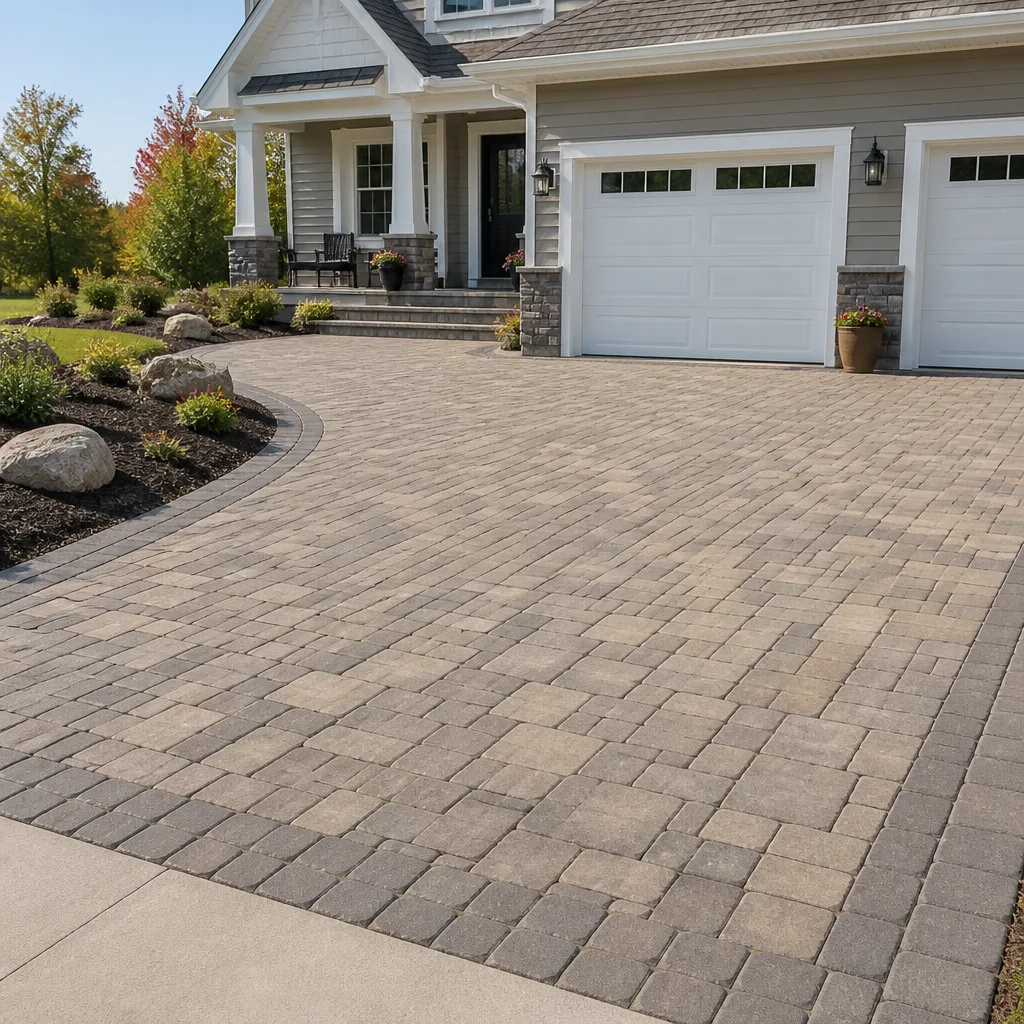
We install Plant Prefab-compatible driveway and paver systems throughout Los Angeles, with most projects running $8,260 to $21,240 installed depending on paver material, square footage, and how much of the existing base we can save. Most owners notice a problem the first time they walk the driveway after a rain and find a low spot holding water, or when a paver edge starts lifting where the car tires land every day. If you have a Plant Prefab home and the driveway or pavers are settling, cracking, or separating, we can match the existing material and get it flat again.
We’re an independent service provider, not affiliated with Plant Prefab, but we work on their homes regularly across Los Angeles. The paver systems on these builds are almost always precast concrete units, typically 60mm or 80mm thick, laid over a compacted aggregate base. That spec matters when it’s time to replace pieces, because a mismatched thickness creates a lip that catches toes, tires, and water. Trevor Nash started Penhallow Remodeling because he got tired of watching homeowners accept vague answers about why a surface failed and what it would cost to fix. You deserve the whole picture first, so here it is.
Which Plant Prefab Models This Applies To
Plant Prefab homes in Los Angeles run on a few distinct exterior systems, and the paver package depends on which series the homeowner selected at build time. The most common we see are the Passive House and LivingHome series, both of which typically pair the structure with modular concrete pavers or interlocking units sourced from major California paver manufacturers. The driveway itself is usually not built inside the factory. It’s site work, poured or paved after the modules are set, which means the local installer had latitude on material selection and base preparation. That’s where things get interesting.
The compatibility gotcha for Plant Prefab owners is this: the pavers on your driveway may not match the pavers on your walkway or patio. Different trades, different material runs. If you’re replacing a section, we need to identify the exact paver brand and color. Flip over any loose paver. Manufacturers stamp the underside with a code, and color names like “Sierra Granite” or “Chestnut Brown” are almost always printed on the paper tag on the pallet. If you didn’t keep the pallet tag (most people don’t), we match by measuring the unit dimensions and taking a clean sample to our paver yard in Los Angeles. OEM from the original manufacturer is our default, but when the original line has been discontinued, a quality aftermarket equivalent from Belgard or Unilock will hold up just as well visually and structurally. We carry Belgard and Unilock product lines for this reason, alongside KraftMaid cabinetry, Cambria and Silestone countertops for the interior work we do on these same homes.
Signs Your Plant Prefab Driveway & Pavers Are Failing
- Water pooling in the same spot after every rain. This means the base underneath has settled or washed out, and the pavers are no longer graded to drain. In Los Angeles, the freeze-thaw cycle is rare, but heavy rain seasons saturate the base and expose compaction failures fast.
- Edge pavers lifting or rocking where tires roll. Vehicle weight concentrates at the driveway edges, and if the edge restraint (the plastic or concrete strip holding the border in place) has shifted, the pavers start moving. A rocking paver is the first sign the edge system failed.
- Visible gaps opening between pavers that used to be tight. When sand between units erodes, the pavers lose lateral support and begin drifting. Left alone, the gaps widen and weeds take root, which accelerates the problem.
- A sunken or low section near the garage apron. This is the highest-traffic zone on any driveway, and the place where the heaviest vehicle load meets the base. If the base was thin or the soil underneath wasn’t compacted in lifts, this is where it shows first.
- White mineral haze on the paver surface. Efflorescence, the chalky white deposit, is common on concrete pavers in Southern California when moisture moves through the unit and evaporates. It’s cosmetic, not structural, but it tells us water is moving through the paver in ways the original sealant wasn’t designed to handle.
Replacement Cost & What’s Included
In Los Angeles, we price paver driveway work honestly: $8,260 to $21,240 for a full replacement, and smaller repairs like resetting a section or replacing a handful of broken pavers usually run $1,500 to $4,500 depending on access and how much base we have to rebuild. The bigger cost drivers are paver material, square footage, and base condition. If the original base is intact, we can save the demolition cost and put that money back into new sand and sealing. If the base is shot, we rebuild it from the ground up, and that’s the difference between the low and high end of the range.
Every quote includes the full line item breakdown: paver units, base material, labor, haul-away, and compaction. You get the written number before we pick up a tool, and that number is the number on the invoice. No change orders because we discovered something we should have seen in the walkthrough. Every job also carries our 365-Day Done Right Promise in writing: if the pavers settle, shift, or fail within the guarantee period, we come back and make it right at no charge.
DIY or Call Us?
What you can safely do is observe. Watch where the water goes, feel for rocking pavers, and take photos from a few angles before you call. That record helps us give a tighter phone estimate. What we don’t recommend is pulling up pavers to inspect the base yourself. You’ll likely damage the edge restraint, and you won’t be able to recompact the base properly without a plate compactor and the right aggregate. Improper reinstallation creates a trip hazard and accelerates the original failure. Give me the whole picture first, then we pick up the tools.
If the problem is a few cracked pavers and the base is solid, that’s a half-day fix. If the whole system has shifted, we need to plan for a proper rebuild. Either way, call (936) 259-2607 and we’ll schedule the walkthrough. The estimate is free, and the advice is straight.
FAQs
A properly installed concrete paver driveway in Los Angeles should last 30 to 50 years, with the paver units themselves often outlasting the base beneath them. The pavers rarely fail; the base fails, and the pavers follow it down. If your driveway failed in under 15 years, the issue is almost always base preparation or drainage, not the paver product. Call (936) 259-2607 and we’ll tell you which one you’re dealing with.
Yes, in most cases we can repair the failed section as long as we can match the paver units. We’ll pull the affected area, rebuild the base, relay the pavers, and re-sand the joints. If the original paver line is discontinued, we’ll bring samples from Belgard or Unilock that visually match, so your driveway doesn’t look like a patch job. Call us for a section-by-section assessment.
A standard single-car driveway replacement is usually four to six working days in Los Angeles, assuming we don’t hit unusual access issues. A full front driveway with walkway and steps runs seven to ten days. Weather delays are rare here, but we do build in a day buffer for the compaction and sanding stages. You’ll get the schedule in writing when you get your price.
We stock matching sand, edge restraints, and the most common 60mm and 80mm paver profiles on our trucks, but paver colors and styles are too varied to warehouse every option. We pull units same-day from our Los Angeles paver yards once we’ve confirmed the match, which keeps most repair jobs moving without a second trip. Call (936) 259-2607 and we’ll verify what we need before we roll out.
Written by Trevor Nash, Owner, Penhallow Remodeling at Penhallow Remodeling, serving Los Angeles and nearby areas.