
Free written scope consultation - allowances, timeline, and change-order rules on paper before a single trade is scheduled

 Before
 After
After Before
 After
After Before
 After
AfterQuikrete Fence Installation: The Los Angeles Owner’s Guide
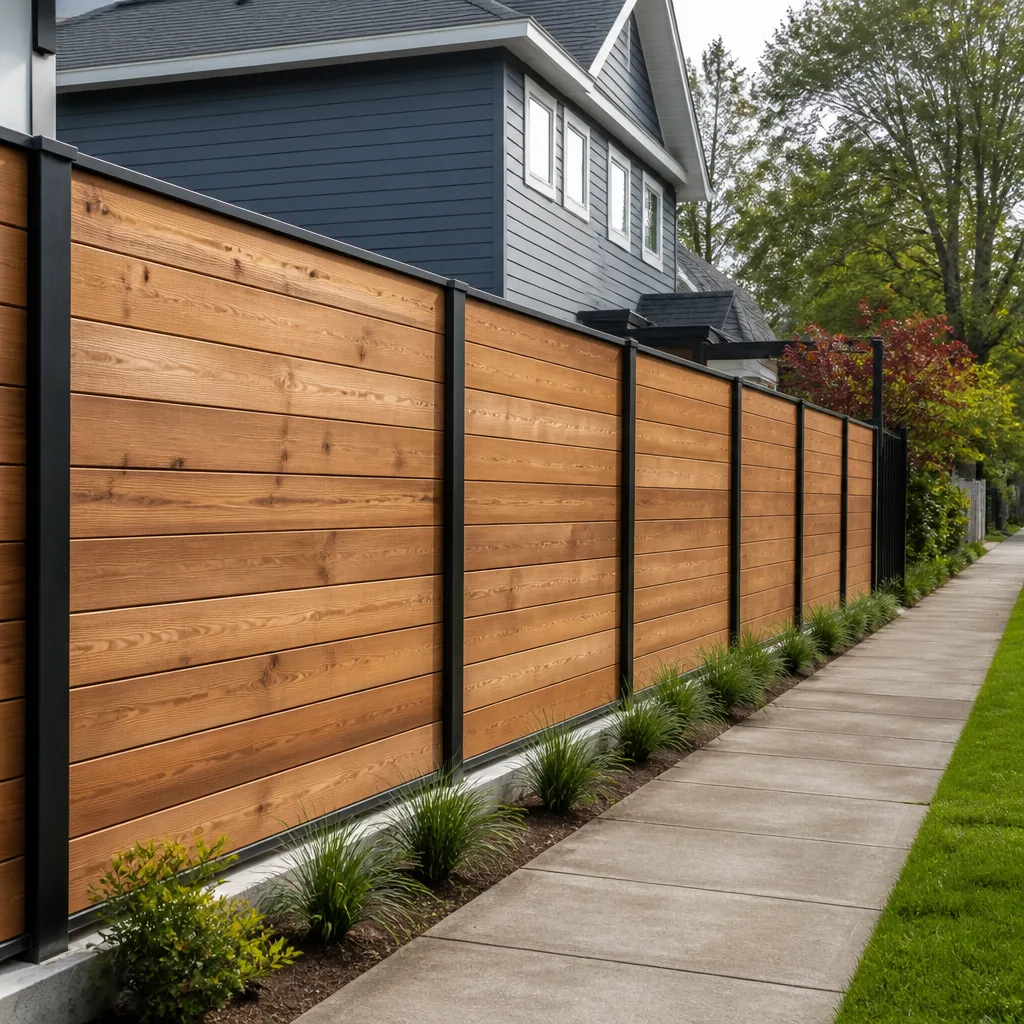
Quikrete fence installation in Los Angeles typically runs $4,130 to $10,620, depending on the fence length, post depth, soil conditions, and whether we’re setting new posts, replacing failed ones, or rebuilding a wind-damaged run. Most owners discover the problem the way you probably did: a post is leaning after heavy rain, the gate drags against concrete that’s heaved, or a section of fence wobbles because the post base never cured right the first time. The concrete around your posts isn’t just a weight holding things down. It’s the anchor that keeps your fence straight when Santa Ana winds hit and when winter rains soften the ground. The good news is that a failed Quikrete post base is one of the most straightforward fence problems to fix, and we stock the materials to do it right, usually in a single visit.
Which Quikrete Products This Applies To
When we say “Quikrete fence installation,” we’re talking about three main product lines homeowners use for fence post setting. The core product is Quikrete Fast-Setting Concrete Mix, which is the one formulated to hold a post in place without bracing while it cures. You can set a 4×4 post in about 20 to 40 minutes with it, which is why it’s the go-to for fence runs where you don’t want to wait overnight. There’s also standard Quikrete Concrete Mix (the 5000 PSI and 4000 PSI bags), which takes longer to set but works fine for heavier posts, gate posts, and sections where the fence carries extra wind load. Finally, there’s Quikrete Vinyl Concrete Patcher and Quikrete FastSet Repair Mortar, which people use for spot repairs around an existing post, though those are temporary fixes at best. The real compatibility issue with Quikrete fence work isn’t the product line. It’s the hole dimensions and how deep you dig. In Los Angeles, where soil types shift from hardpan to sandy loam within the same block, a post hole that’s too narrow for the mix’s aggregate size won’t fill evenly, and the post ends up with voids around the base. You’ll see the post lean inside three months. The label on the bag gives you the water ratio, but what it doesn’t tell you is that a 4×4 post should sit in a hole at least 10 to 12 inches in diameter for the aggregate to surround it properly, and the hole should extend six inches deeper than the frost-worry line (which in LA is negligible, but the standard still applies for stability).
Signs Your Quikrete Fence Installation Is Failing
- Post lean of more than a few degrees. The concrete collar around the post has cracked or pulled away from the wood or metal post. Usually the hole was too small or the concrete was mixed too wet, so it shrank as it cured and left a gap. Once water gets in that gap, the lean accelerates.
- Concrete collar cracked at ground level. This happens when the post moves in high wind and torques against the concrete. Quikrete is strong in compression but weaker in tension, so a wobbly post will crack the base in one or two heavy wind seasons. In Los Angeles, that’s usually one Santa Ana season, not years.
- Gate post drifting toward the gate weight. Gate posts carry more load than line posts, and a 60-pound gate hanging on a post set in a 20-minute fast-setting mix will slowly pull the post out of vertical. The standard fix is a deeper hole, a wider collar, and a slower-curing mix with higher compressive strength.
- Water pooling around the post base. If the concrete was finished with a concave top (which traps water) instead of a slight crown (which sheds it), every rain event pools water against the wood. That’s how rot starts even with pressure-treated posts. In damp canyon areas like Laurel Canyon or Coldwater, we see this every winter.
- Fence section lifting out of a ground-level post connector. The post itself is solid, but the hardware that holds the panel to the post corroded or pulled loose because the post was never set perfectly plumb in the first place. The section shifts, then the hardware fails. The concrete is fine; the installation geometry wasn’t.
Replacement Cost & What’s Included
In Los Angeles, replacing a failed Quikrete fence post base costs between $450 and $900 per post if the post is still sound and we’re just removing the old concrete collar, enlarging the hole, and re-setting it correctly. A full Quikrete fence installation, where we’re setting every post in a new run and hanging new panels, runs $4,130 to $10,620 for the complete job, with material choices and fence length being the two biggest drivers. A six-foot redwood dog-eared fence with cedar posts will land differently than a vinyl privacy fence with galvanized steel posts, even though the Quikrete work underneath is nearly identical. Every quote includes the concrete (Quikrete or a spec-equivalent mix), post installation, panel hang, hardware, hauling away old material, and a written price you can hold us to before a single hole gets dug. That price and our 365-Day Done Right Promise go in writing before the job starts. If a post shifts inside the first year, we come back and fix it at no charge. No service call fee, no inspection fee, no re-bid.
DIY or Call Us?
You can absolutely inspect your fence posts yourself, and you should. Walk the run, push on each post with both hands at chest height, look for cracks in the concrete collar, and check for pooling water at the base. What you’re looking for is movement, and that’s a safe, useful check. The fixing part is where DIY gets expensive. Digging through Los Angeles soil around an existing post is miserable work, and getting the old concrete collar out without damaging the post or your underground lines takes a digging bar, a post-hole digger, and more upper-body time than most people want to spend on a weekend. You’re not going to hit a gas line at post depth (about 24 to 30 inches), but every Los Angeles homeowner should call 811 before digging anyway – it’s free, and it flags any wires you don’t know about. If the post is rotted at the base, you’re not re-setting it. You’re replacing it, and that’s where the cost of a wrong move (a twisted post, an unlevel panel line, a gate that never closes again) stacks up fast. Trevor’s rule is the same one he uses on remodels: “Give me the whole picture first, then we pick up the tools.” Call (936) 259-2607, tell us what you’re seeing, and we’ll give you a straight answer on whether you need a repair or a reset, and what each one costs.
FAQs
A properly set Quikrete fence post base should last 20 to 30 years in Los Angeles, which means a hole at least 10 to 12 inches in diameter, a post seated 24 to 30 inches deep, and a concrete crown that sheds water away from the post. Posts that fail in under five years almost always have one of three problems: the hole was too narrow, the concrete was mixed too wet, or water was allowed to pool at the base. The climate here doesn’t freeze, so we don’t have frost heave, but the wet-dry cycle from winter rains to summer drought causes soil to expand and contract enough to test any post that wasn’t set correctly from day one. If the base was done right, the post under your fence will outlast the panels by a decade or more.
Sometimes, yes. If the concrete collar is cracked but the post itself is sound and still plumb, we can excavate around the collar, remove the cracked concrete, and re-set the post with fresh Quikrete. That repair runs $450 to $900 per post depending on access and how much old material needs to come out. If the post is rotted, bent, or has shifted more than a few degrees, repair becomes a gamble. You’re pouring new concrete around a post that’s already compromised, and it’ll lean again. In that case we recommend replacing the post, which usually adds $150 to $400 per post for the material. The concrete work is the same either way, so getting the post decision right matters more than the concrete decision.
Most single-run Quikrete fence installations in Los Angeles take one to two days, depending on fence length and whether we’re pulling old posts. Fast-setting concrete lets you hang panels the same day, but heavier gate posts and any post that holds extra wind load should cure overnight before we attach the weight. If we’re re-setting failed posts in an existing fence, that’s a one-day job in most cases – we arrive with the concrete, removal tools, and new post material ready, and the fence is back to functional before evening. A full backyard perimeter of 150 linear feet or more might run into a second day for demo and haul-away.
We keep Quikrete Fast-Setting Concrete Mix and standard Quikrete Concrete Mix on the truck for fence work, along with post-hole concrete tubes, gravel for drainage at the post base, and replacement posts in cedar, redwood, and pressure-treated pine. We’re an independent Los Angeles contractor, not a Quikrete dealer or affiliate, which means we choose the right concrete for the job rather than pushing one product line. If the job calls for a slower-curing mix with higher compressive strength for a big gate post, that’s what we use. If fast-setting is the right call, we use the Quikrete.
No. That’s the whole idea. The written price we hand you before we dig is the price on the invoice when the fence is done. If we hit something unexpected underground – a thick root, an old concrete footer from a previous fence, a buried line someone didn’t mark – we stop, show you what we found, and discuss the fix before any extra money is discussed. You’ll never get a change order for something we should have seen coming. Quikrete fence work is linear: posts, holes, concrete, panels. The variables are known before we start, and if they’re not, we tell you that too. Call (936) 259-2607 for a free estimate, and we’ll put the number in writing before you decide anything.
Written by Trevor Nash, Owner, Penhallow Remodeling at Penhallow Remodeling, serving Los Angeles and nearby areas.