
Free written scope consultation - allowances, timeline, and change-order rules on paper before a single trade is scheduled
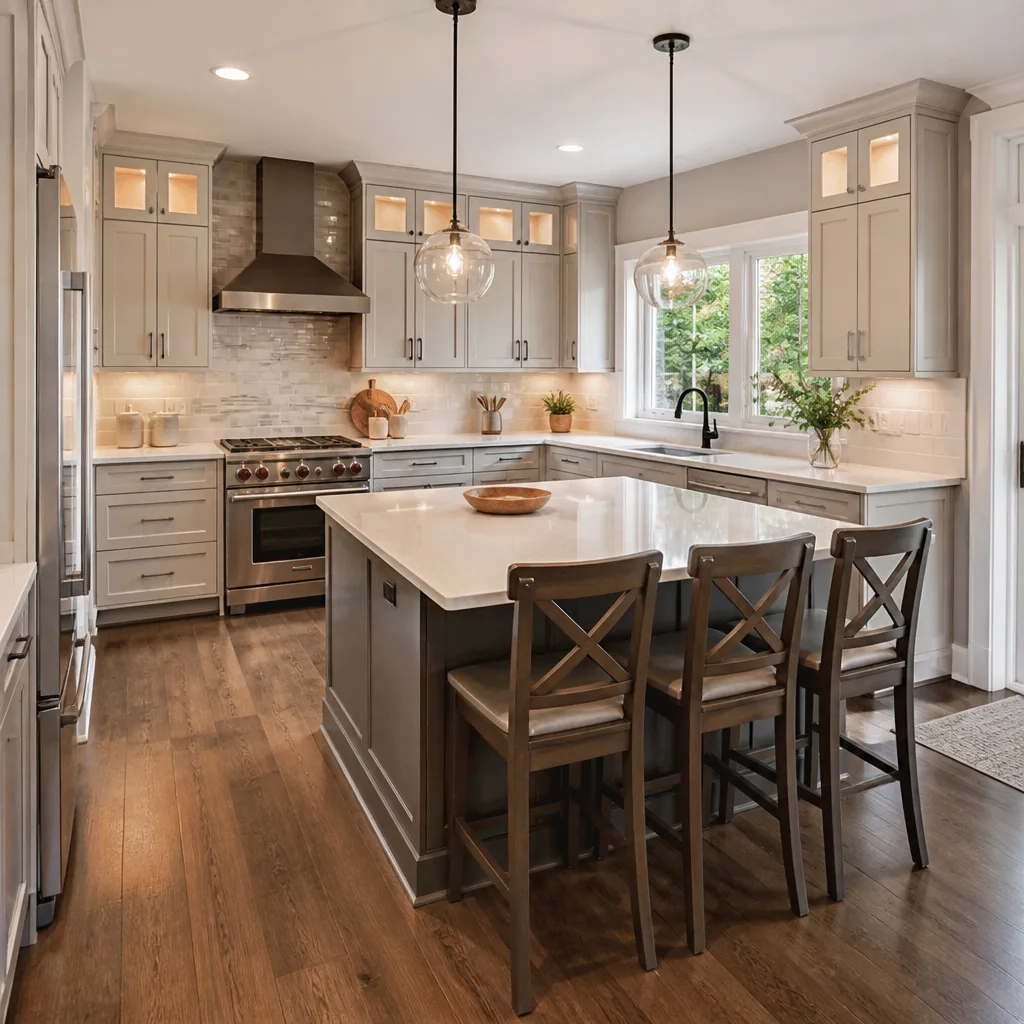
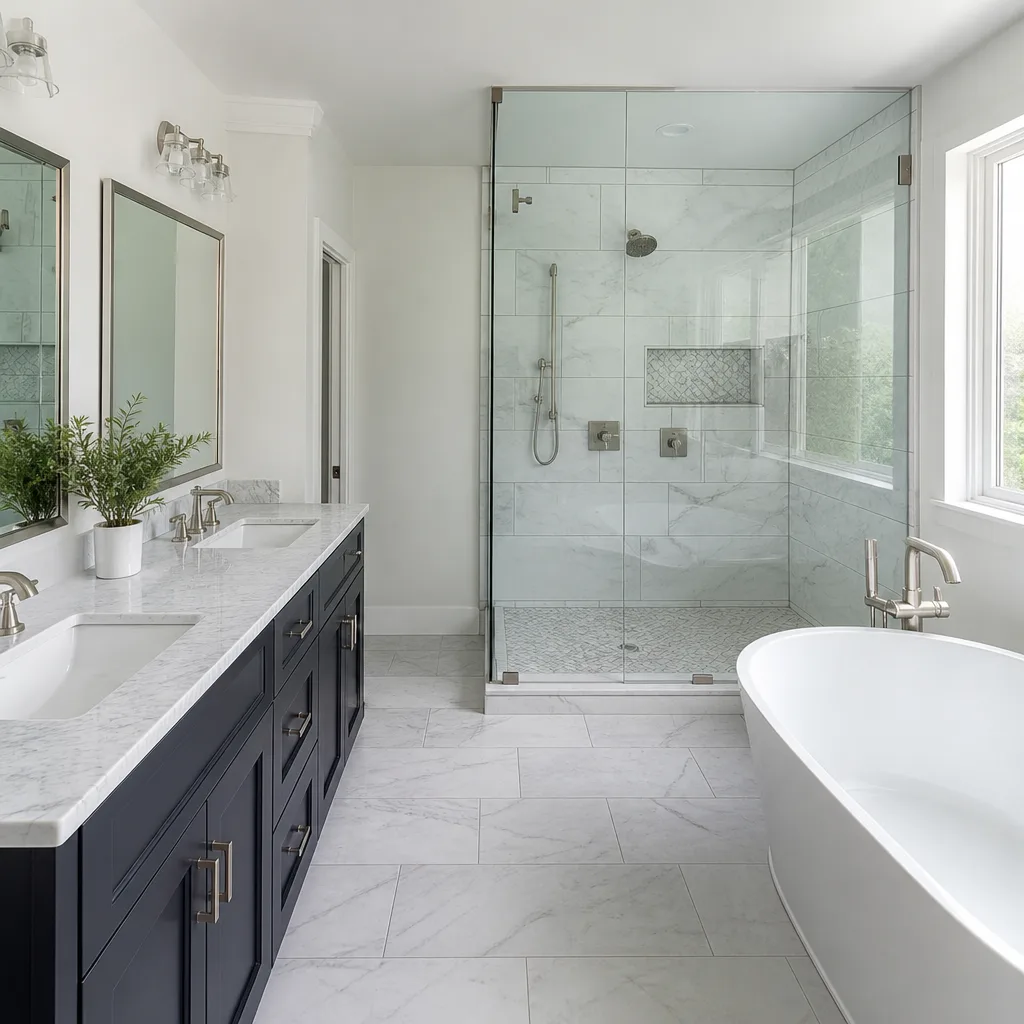

 Before
 After
After Before
 After
After Before
 After
AfterSakrete Bathroom Remodeling: The Los Angeles Owner’s Guide
If you’re holding a Sakrete product and need a bathroom remodel built around it or repaired because of it, here’s the straight answer: we install and replace Sakrete-compatible bathroom systems throughout Los Angeles, with full bathroom remodels typically running $10,620 – $33,040 depending on scope, tile selection, and what’s behind the walls. Most owners call us when they notice cracking grout, damp drywall near the shower pan, or a shower base that’s shifted or settled. Sakrete products are cement-based, which means they’re durable but unforgiving when the substrate underneath fails or water gets where it shouldn’t. We stock common Sakrete repair materials on our trucks and can usually diagnose the problem in a single visit.
What we see most often in Los Angeles bathrooms is a tile shower built over a Sakrete mortar bed that’s cracked because the subfloor flexed, or a Sakrete floor leveler that wasn’t mixed to the right consistency before tile went down. The product isn’t usually the villain. The installation prep usually is.
Which Sakrete Models This Applies To
Sakrete makes a family of cement-based products used throughout bathroom construction, and the fix always starts with knowing exactly which one you’re dealing with. The main lines we work with in Los Angeles bathrooms are the Sand Mix (used for shower pan mortar beds), Floor Leveler (self-leveling underlayment poured before tile), Concrete Mix (structural patches under tubs and thresholds), and the Top’n Bond line (thin-leveling patches for uneven subfloors). Each has a different cure time, compressive strength, and thickness tolerance, which matters when you’re deciding whether to patch or redo.
The compatibility gotcha most owners miss: Sakrete Floor Leveler and Sand Mix are not interchangeable. Sand Mix is meant to be packed and sloped at 1/4 inch per foot for shower drainage. Floor Leveler is meant to flow flat and self-smooth over large areas. If someone used the wrong bag in your shower pan, the water won’t drain properly and no amount of sealer will fix it. The only correction is tear-out and repour.
On the OEM-versus-aftermarket question: for Sakrete mortar beds and leveler pours, there isn’t a traditional “part” to swap like a faucet cartridge. The product is mixed on site. So the real decision is whether your installer knows how to mix and place it to spec. We do. And if you’re patching instead of redoing, we use the same Sakrete line rather than substituting a cheaper bag mix from a different manufacturer, because matching the original product’s cure profile prevents bond failures between old and new cement.
Signs Your Sakrete Bathroom Remodeling Is Failing
Here’s what failing Sakrete installations actually look like in Los Angeles homes, and what’s usually happening underneath:
- Hollow-sounding tile in the shower pan or floor. Tile that rings hollow when tapped usually means the mortar bed underneath has debonded from the subfloor or cracked into pieces. Water seeps into those voids, and the clock starts on mold and rot. This doesn’t heal on its own.
- Grout that crumbles within weeks or months of installation. Fresh grout shouldn’t powder out. When it does, the cement bed beneath is usually moving (flexing subfloor) or was over-wet during mixing, which weakens the whole layer. Re-grouting fixes the surface, not the movement.
- Water stains on the drywall or baseboard below a second-floor bathroom. This tells you the shower pan or leveler layer is letting water through. In Los Angeles hillside and canyon homes with older framing, we see this more often because seasonal moisture swings make floor joists move slightly more than in newer construction.
- A shower floor that pools water in the corners instead of draining. That’s a slope problem in the mortar bed. It means the Sand Mix was floated without the correct grade, and now standing water sits against the grout every day. The fix is repacking the bed, not re-caulking.
- Cracks radiating across floor tile in straight lines. Straight-line cracking almost always traces back to a seam in the underlayment below the Sakrete layer. The leveler or concrete bridge cracked along that seam, and tile has no choice but to follow it.
Replacement Cost & What’s Included
For Los Angeles homeowners, a full bathroom remodel involving Sakrete substrate rework runs $10,620 – $33,040. On the smaller side, you’re looking at a tub-to-shower conversion or a shower pan replacement with basic tile, which lands around $5,900 – $14,160. The biggest cost drivers are whether we’re repouring a shower pan ($1,500 – $3,500 of the total, including tile removal and re-sloping), the square footage of tile being replaced, and whether water damage behind the walls requires framing or drywall repair before we rebuild.
Every Penhallow job includes a written line-item price before we start. That number is the number on your invoice, not a starting point. We don’t hit you with a “discovered condition” add-on three days in without talking through the numbers first and getting a sign-off. Every job also carries our 365-Day Done Right Promise: if the cement work fails, the tile cracks, or the drain doesn’t drain inside that year, we return and fix it at no charge. That’s in writing, on every project.
DIY or Call Us?
Here’s the honest split. You can safely check a few things yourself: look for visible mold around the shower base, tap tile to hear hollow spots, and check whether water beads on the grout instead of soaking in. Those observations help us diagnose faster.
What you should not do is chisel out the old mortar bed or try to repour a shower pan yourself. Cement work is heavy, dust-intensive, and unforgiving about mixing ratios and cure times. A shower pan that’s off by a quarter inch holds water against your framing for years. A leveler pour that wasn’t primed properly will crack and need full removal. If the section involves plumbing drains, electrical for heated floors, or a second-story shower, the risk of a small mistake turning into thousands in water damage is real. Call (936) 259-2607 and we’ll walk the problem with you before anyone picks up a trowel.
FAQs
How long should a Sakrete shower pan or leveler last in Los Angeles?
A properly mixed and installed Sakrete mortar bed or leveler layer should last 20 to 30 years in Los Angeles conditions, provided the substrate was prepared correctly and water never penetrates the tile layer above. Failures we see within 5 to 10 years are almost always installation issues, not product defects. Call (936) 259-2607 if you suspect your installation wasn’t done to spec.
Can a cracked Sakrete mortar bed be repaired instead of replaced?
Small, stable cracks in a dry area can sometimes be patched with a compatible cement product, but structural cracking in a shower pan or under moving tile usually means full removal and repour. Patching a cracked pan without fixing the flex behind it just moves the crack somewhere else. We’ll tell you honestly which one you’re facing, and the estimate is free either way.
How long does a Sakrete bathroom remodel take in Los Angeles?
A shower pan replacement with tile typically takes 3 to 5 working days, including demo, cure time, waterproofing, and tile. A full bathroom remodel with new substrate, tile, fixtures, and cabinetry runs 2 to 4 weeks depending on scope. We give you a written schedule before work starts, with a real arrival window for every day of the job.
Do you stock Sakrete products on your trucks?
Yes. Our Los Angeles crews keep Sakrete Sand Mix, Floor Leveler, Concrete Mix, and Top’n Bond on the trucks, along with the primers and reinforcing materials required for a proper pour. That means we can usually diagnose and start the repair without a supply-house run that wastes your afternoon.
Written by Trevor Nash, Owner, Penhallow Remodeling at Penhallow Remodeling, serving Los Angeles and nearby areas.