
Free written scope consultation - allowances, timeline, and change-order rules on paper before a single trade is scheduled
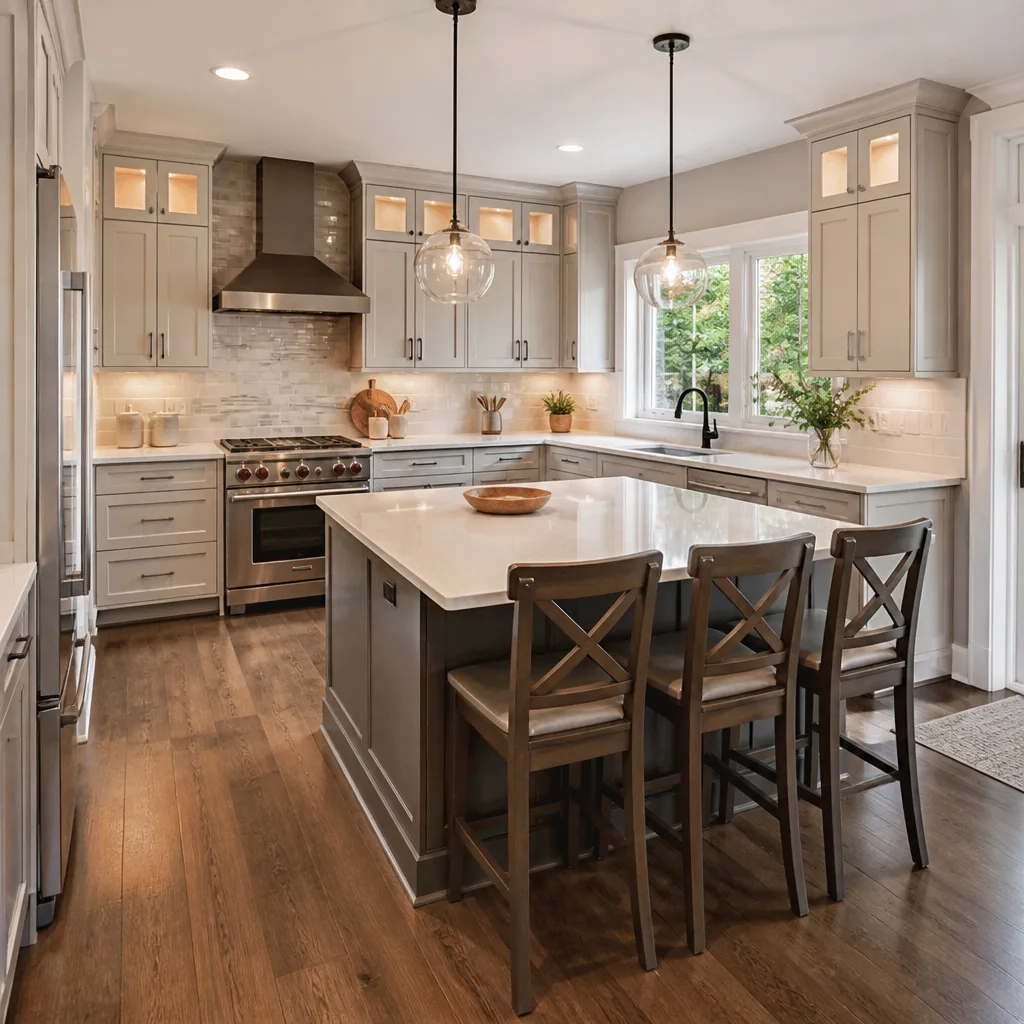
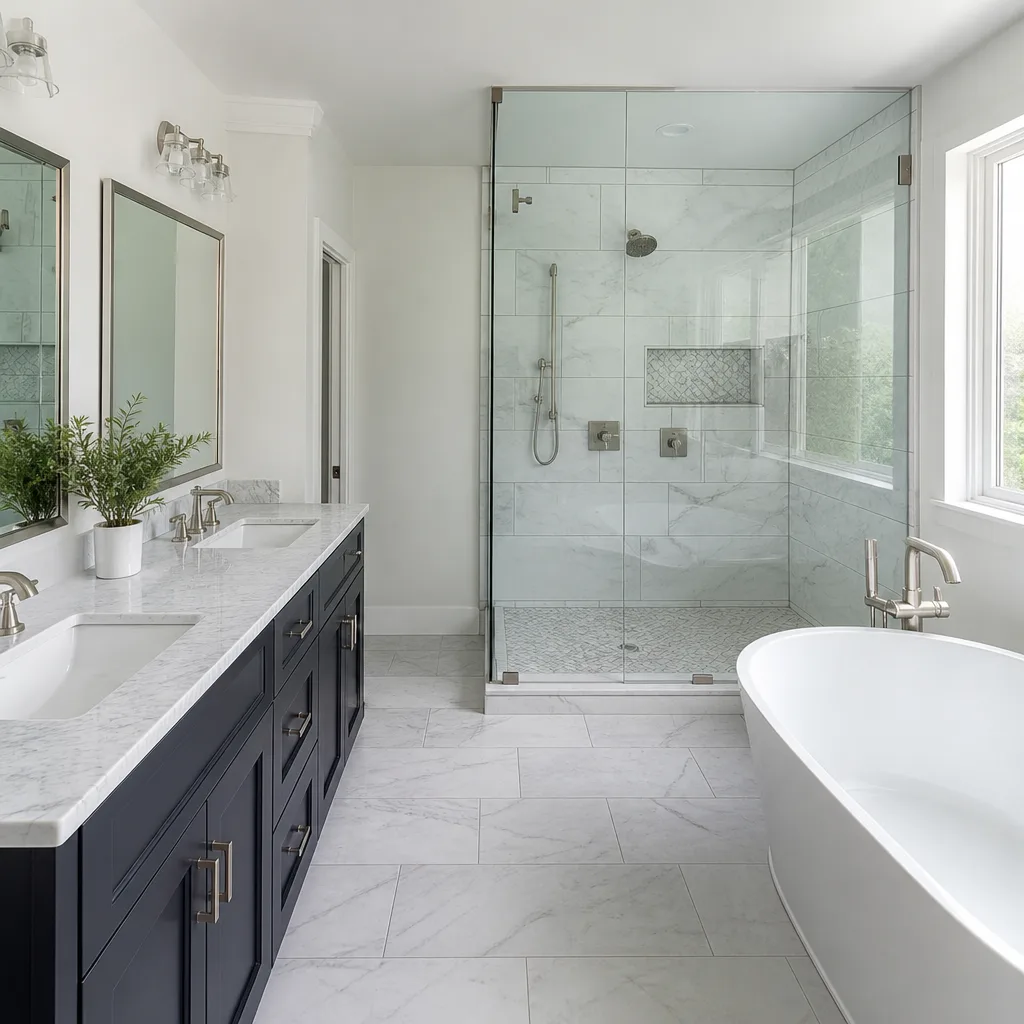
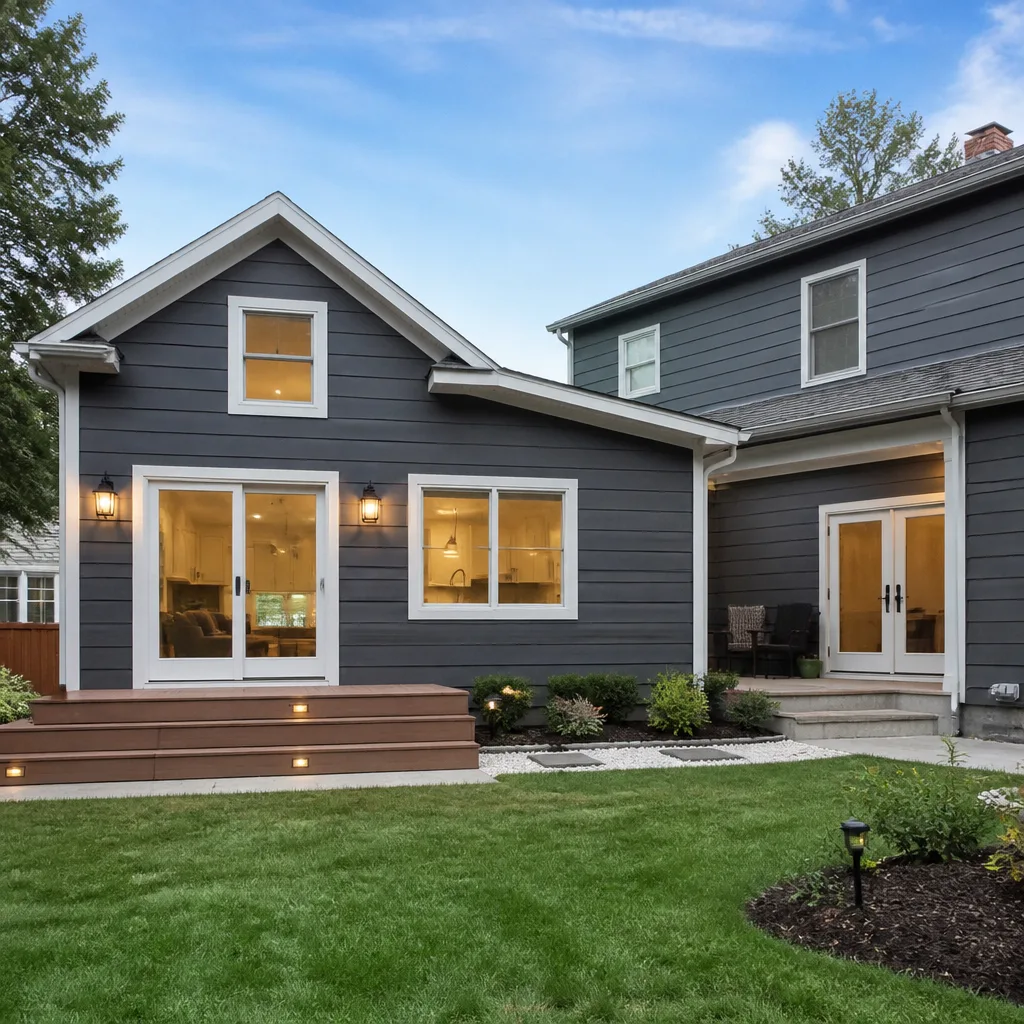
 Before
 After
After Before
 After
After Before
 After
AfterUnilock Kitchen Remodeling: The Los Angeles Owner’s Guide
If you have Unilock pavers or a Unilock retaining wall that’s now part of a kitchen remodel, the typical installed range in Los Angeles runs $16,520 – $53,100, depending on layout, cabinet line, and countertop material. We stock Unilock-compatible edge restraints, jointing sand, and base materials on our trucks so most Unilock-related kitchen remodel work can start within days of your written estimate. Most Los Angeles homeowners discover their Unilock component needs attention when an outdoor kitchen island or paver step starts shifting, or when the edge restraint that bordered the old kitchen patio buckles after demo.
Which Unilock Models This Applies To
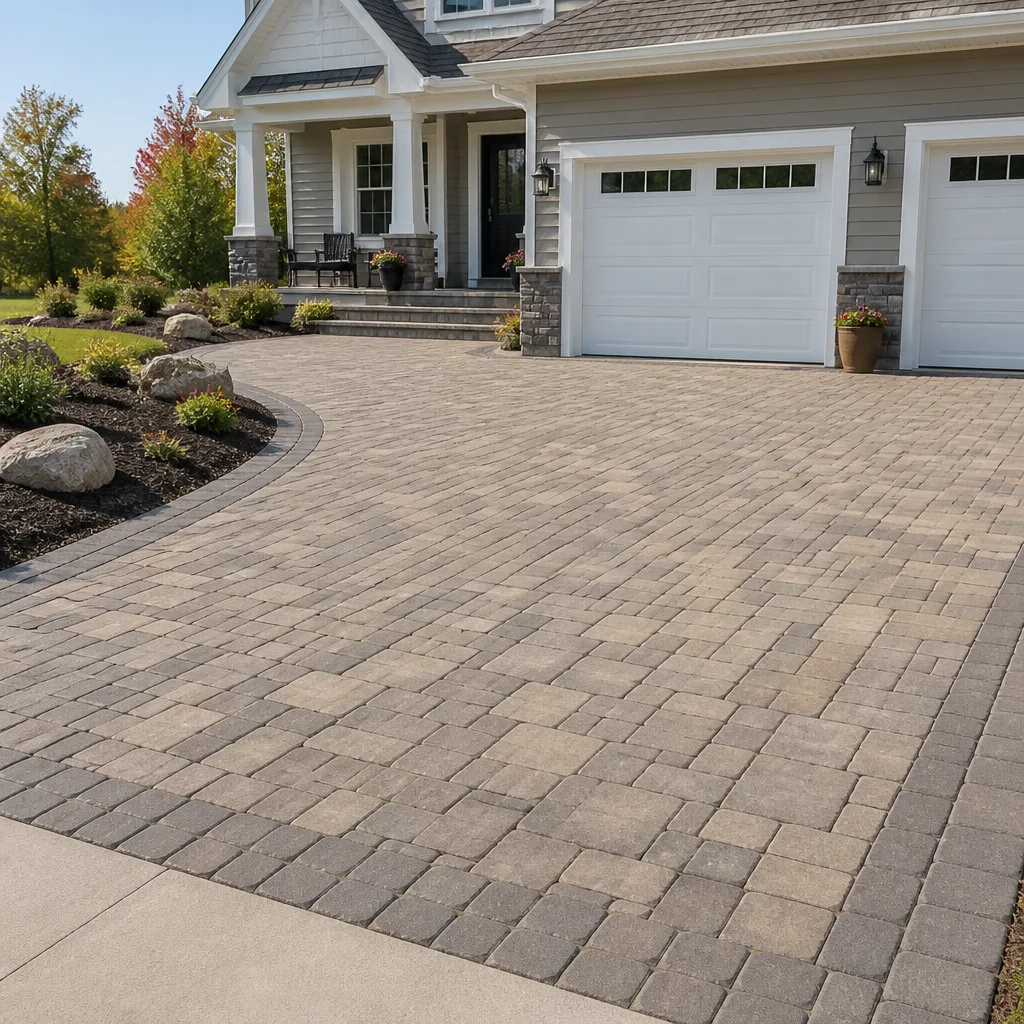
The Unilock products we most often touch during kitchen remodels in Los Angeles are the pavers and wall units that form outdoor kitchen patios, walkways to the back door, or raised islands integrated into a larger remodel. Unilock pavers come in three broad families that matter here: Elegance (reclaimed-look, tumbled edges), Umbriano (granite-textured, non-tumbled), and Mattoni (classic brick-format, smaller units). Each family has different joint widths and edge chamfer profiles, so a Mattoni edge restraint will not seat properly against an Umbriano paver without the right transition piece. We always check the paver stamp on the underside or the original install paperwork, because Unilock drops and renames color blends every few years and the closest current blend is never an exact visual match for a ten-year-old patio.
OEM vs aftermarket: For Unilock-specific edge restraints and polymer jointing sand, OEM is the right call because the restraint profiles are cut to match Unilock’s chamfer geometry and the polymer sand is blended for their specific joint widths. For the concrete base and sub-base beneath a paver kitchen patio, any Caltrans-grade aggregate works just as well and costs less, so that’s where we save you money. For wall cap units on an outdoor kitchen island, we always try to match the original Unilock cap first; if it’s discontinued, we can source a close dimensional match from the same color family and flash the seam with a matching edge treatment.
Signs Your Unilock Kitchen Remodeling Is Failing
- Paver corners lifting near the kitchen threshold. This is usually a failing edge restraint that let the border paver drift outward, loosening the whole field. The restraint is buried under the soil line, so the homeowner only sees the corner lift.
- Joint sand washing out after each rain. If you see sand pooling on the patio surface after a Los Angeles downpour, the original installer either used regular sand instead of polymer sand or the polymer was installed over damp pavers, which kills its bond before it cures.
- A paver step or island cap that rocks under foot. Rocking caps on outdoor kitchen islands are almost always a broken or missing concrete adhesive bond, not a cracked paver. Unilock caps are dense; they don’t flex, they just break the adhesive and shift.
- Gaps opening at the paver-to-house connection. The gap between the house slab and an adjoining paver patio grows when the base under the pavers settles. In Los Angeles, this typically traces to a sub-base that was never compacted in lifts or a drainage detail that lets water pool at the seam.
- Fading or white efflorescence on the paver surface. Efflorescence is natural for concrete pavers and fades over time, but if it keeps coming back season after season, water is wicking through the base and carrying mineral salts up. That points to a drainage problem under the pavers, not a surface stain.
Replacement Cost & What’s Included
A full kitchen remodel in Los Angeles that includes a Unilock paver component typically lands between $16,520 and $53,100. The large spread is driven by the kitchen’s square footage, whether you’re doing a full gut or a face-lift, and the countertop material: a Cambria quartz island with a full waterfall edge moves the number higher than a simple butcher block top. If the Unilock work is a standalone paver repair around an existing outdoor kitchen, that’s a smaller job and we’ll write it as its own line item when possible.
Every quote we write lists parts and labor separately. You’ll see the paver or wall unit count, the type of jointing sand, the edge restraint length, and the base material in cubic yards. The price we give you is the price on the invoice; we do not change the number once demo starts. The whole job carries our 365-Day Done Right Promise: if anything we installed fails because of our workmanship inside a year, we come back and fix it at no charge, in writing on the estimate before you sign.
DIY or Call Us?
A homeowner can safely pull the paperwork, locate the paver color stamp, and confirm the edge restraint isn’t visibly broken at the patio border. That inspection costs nothing and helps us quote faster. What we wouldn’t DIY is resetting paver base material or replacing edge restraints under a load-bearing paver step or outdoor kitchen island. The base material is under hundreds of pounds of compacted aggregate and pavers, and the correct lift depth and compaction sequence is the difference between a repair that lasts ten years and one that settles again in six months. Also, the dust from cutting concrete pavers and the silica exposure risk is real, and a proper saw with water suppression is standard gear for us, not something most garages have.
One honest note from Trevor Nash, Owner at Penhallow Remodeling: “Give me the whole picture first, then we pick up the tools.” If you’re seeing any of the failure signs above, call (936) 259-2607 and tell us what you’re seeing. We’ll tell you what it likely costs and whether it’s a Saturday morning job or part of the bigger kitchen remodel.
FAQs
Unilock pavers in a properly installed Los Angeles patio or kitchen surround last 20 – 30 years with basic re-sanding every 3 – 5 years, because the pavers themselves are extremely dense. The base and edge restraint usually fail long before the paver does, so the lifespan problem is almost never the Unilock product, it’s what was under it. Call (936) 259-2607 if you want us to check the base before committing to a paver reset.
Yes, most shifting Unilock pavers can be lifted, re-compacted, and re-set without buying new material. The exception is a cracked paver, which is cheaper to replace than to repair, especially if the color is discontinued and we need to pull matching pieces from a less visible part of the patio.
A typical edge restraint and re-sanding repair around an outdoor kitchen takes one to two days, including base compaction and a final polymer sand sweep. If we’re rebuilding the base under a larger paver field, plan for three to four days to allow for compaction and settling checks. We’ll give you the exact window in writing before we start.
We keep standard Unilock edge restraints, two blends of polymer jointing sand, and base aggregate on our trucks for most Los Angeles jobs. Unilock color-matched pavers and wall caps are ordered per project from the local distributor, which usually adds three to five business days. We’ll tell you the material lead time before you sign the estimate. Call (936) 259-2607 for a free written estimate.
Written by Trevor Nash, Owner, Penhallow Remodeling at Penhallow Remodeling, serving Los Angeles and nearby areas.