
Last updated October 8, 2026
Free written scope consultation - allowances, timeline, and change-order rules on paper before a single trade is scheduled

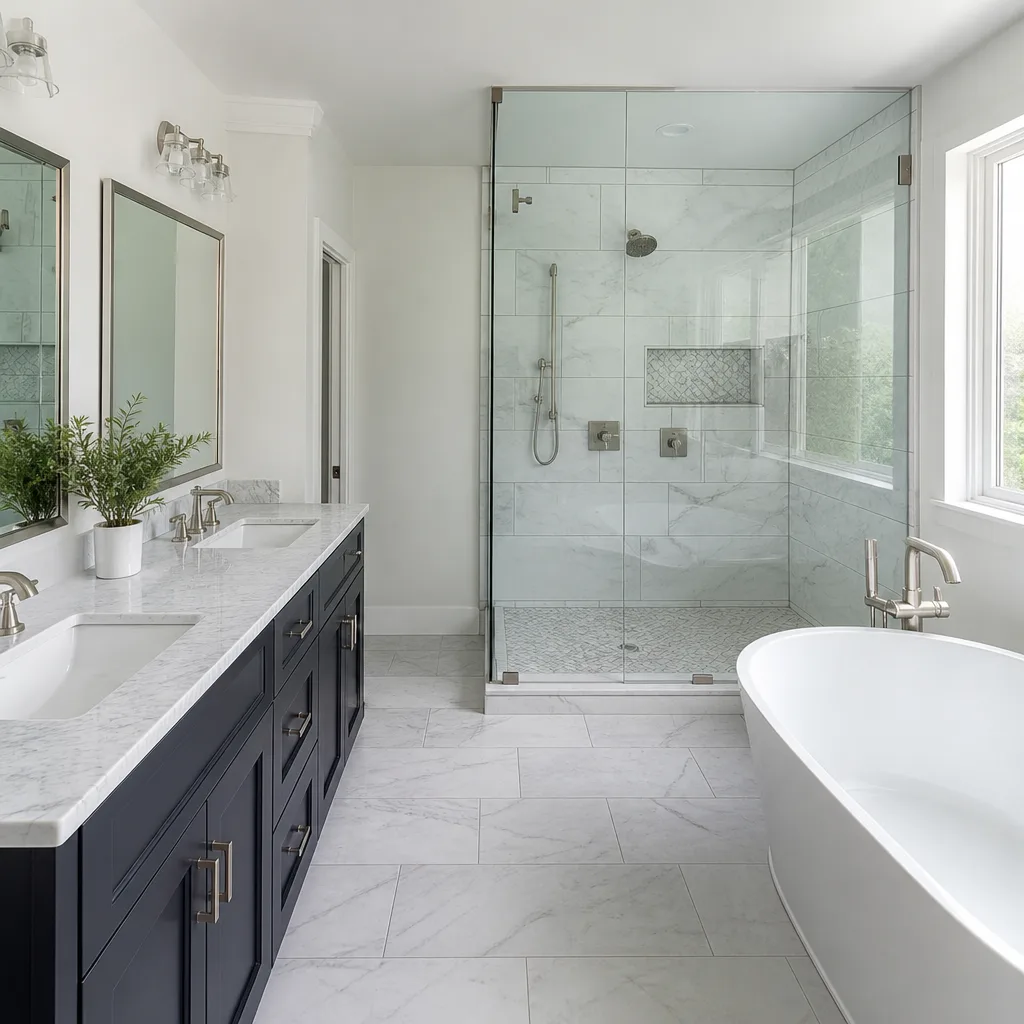





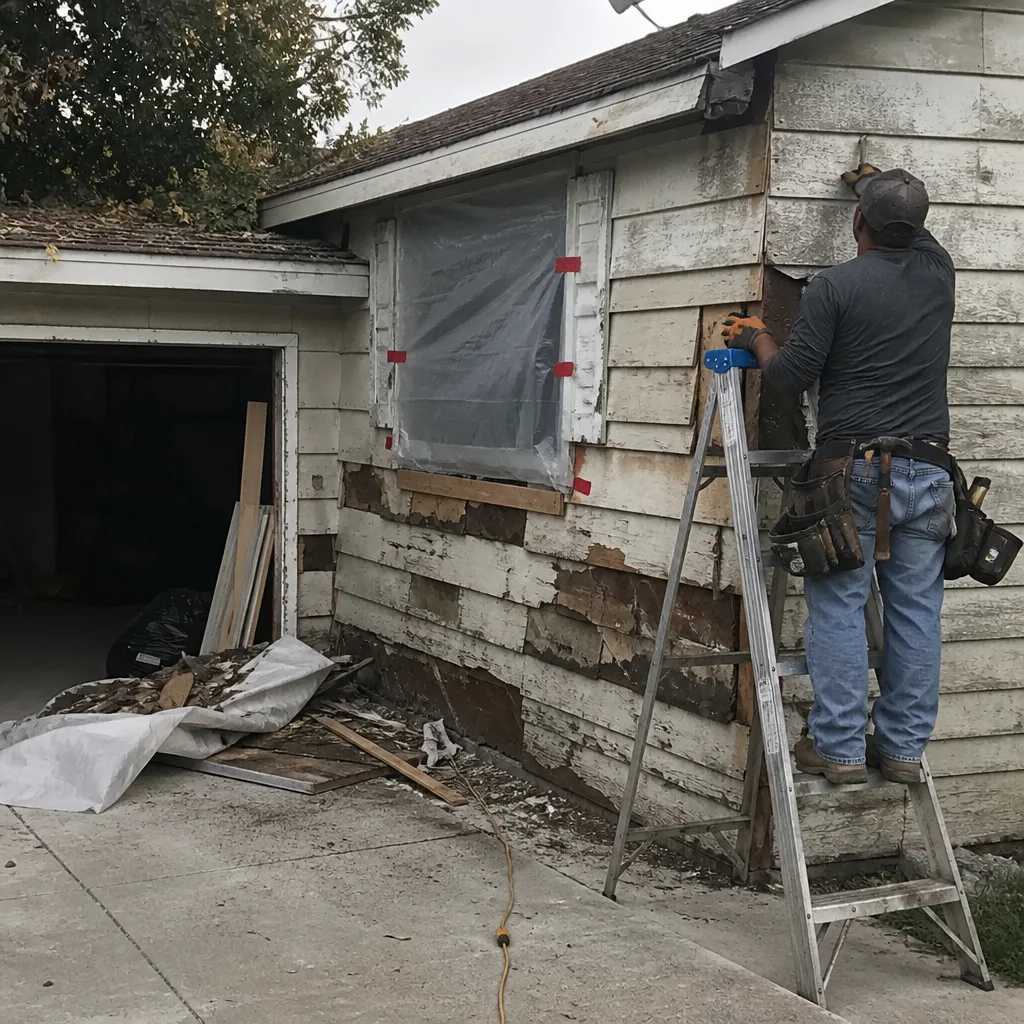 Before
 After
After Before
 After
After Before
 After
AfterBathroom Remodeling Troubleshooting: Common Problems and How to Fix Them
Water intrusion behind tile is the single most common post-bathroom-remodel complaint filed with California contractors, and it almost always traces back to a waterproofing step that happened before any tile was set. That means the problem was invisible at your final walkthrough. You looked at grout lines and fixtures, not the membrane hidden behind them. This guide walks through the most common bathroom remodel failures in Los Angeles, organized by the phase where they originate: demo, rough-in, or after completion. For more on spotting trouble early, read our Bathroom Remodeling Warning Signs Every Homeowner Should Know. Knowing which phase your problem lives in tells you who should fix it and who should pay for it.
Quick Answer
Most bathroom remodel problems fall into three phases: surprise conditions found during demolition (subfloor rot, mold, galvanized pipe), inspection failures during rough-in (improper venting, missing waterproofing), and water intrusion after completion. The fix depends on root cause: grout failure is homeowner maintenance, waterproofing failure is a contractor warranty issue, and plumbing connection failure belongs to a licensed plumber. Document everything, know your rights under California SB 800, and get any change order in writing before work continues.
Table of Contents
- Phase One: Surprise Conditions During Demo
- Phase Two: Rough-In Problems and Inspection Failures
- Diagnosing Post-Remodel Water Damage: Grout, Waterproofing, or Plumbing?
- California SB 800 and Your Right to Repair
- How to Document a Post-Remodel Defect Claim
- What Bathroom Remodel Fixes Cost in Los Angeles
- Permits, Inspections, and Verifying Your Contractor Actually Called for Them
- Preventing Problems Before They Start
Phase One: Surprise Conditions During Demo
Every bathroom remodel starts with the same sentence: “We won’t know what’s behind the walls until we open them up.” That’s true. But “we didn’t know” should never become “so you’ll pay whatever it takes.” In our experience doing bathroom remodeling in Los Angeles, the homes that hide the worst surprises are the ones built between 1920 and 1965: cast iron drain lines that have rusted through, subfloors that have been soaking up shower overspray for forty years, and walls where the original plaster was never properly sealed.
Here’s what typically gets uncovered during a Los Angeles bathroom demo, and what each condition should trigger:
- Subfloor rot: Soft spots around the toilet flange or along the tub edge. This requires a written change order to replace the affected plywood or OSB before any tile or flooring is installed. The cost runs $8 to $15 per square foot for replacement in LA, including disposal.
- Mold behind walls: Black or green growth on studs or drywall. California law requires containment and remediation if the affected area exceeds 10 square feet. Your contractor should stop work, document the condition, and bring in a licensed remediation specialist. Do not let anyone “just bleach it and move on.”
- Galvanized steel supply lines: Common in Los Angeles homes built before 1970. If the bathroom is being repiped, this is the time to address it. Leaving old galvanized in place while replacing everything around it means future leaks inside your new walls.
- Cast iron drain lines: Found during shower pan replacement or toilet flange work. A cracked cast iron stack can pass a visual check and fail a pressure test. Your contractor should scope the line with a camera before closing walls.
- Improper prior work: A previous remodel that didn’t pull permits, used drywall instead of cement board, or buried junction boxes. This is the “surprise” that should have been caught, but wasn’t.
The rule that protects you: no contractor works blind past demo without a written change order. If the scope changes, the price changes, and both changes happen on paper before the next tool comes out. That’s the standard we hold ourselves to on every job, and it’s what you should hold any contractor to when a surprise condition makes a five-thousand-dollar bathroom a seven-thousand-dollar bathroom.
Phase Two: Rough-In Problems and Inspection Failures
Rough-in is the unglamorous middle of our Bathroom Remodeling services: the plumbing lines are run, the valve bodies are set, the waterproofing membrane is applied, and the walls are still open. This is the phase where code compliance happens. It’s also the phase where corners get cut by contractors who know the tile will cover their mistakes.
In Los Angeles, bathroom remodels that relocate fixtures or alter plumbing lines require a building permit from the Los Angeles Department of Building and Safety (LADBS). That permit triggers inspections. Here’s the uncomfortable truth we’ve seen too many times: the homeowner assumes the inspection happened because the contractor said it did. Sometimes it didn’t.
How to Verify Your Rough-In Inspection Actually Happened
- Ask for the permit number during the first week. Every permitted job gets one. You can verify it online through the LADBS public portal.
- Ask which inspections are scheduled. A typical bathroom remodel in Los Angeles needs a rough plumbing inspection, a shower pan inspection (if applicable), and a final inspection. Some jobs also need a rough electrical inspection.
- Request a photo or a signed inspection card. LADBS inspectors leave a signed card or a digital record. If your contractor can’t produce either, there’s a problem.
- Check before walls close. Once drywall or cement board goes up, the rough-in is hidden. You want verification that the inspection was called for, completed, and passed before a single sheet of wallboard is hung.
Common rough-in failures in Los Angeles bathrooms include improper venting (a toilet that gurgles when the sink drains), shower pan liners that weren’t flood-tested, and waterproofing membranes that stop six inches short of the required height. Each of these failures gets covered by tile and shows up months later as something worse.
Diagnosing Post-Remodel Water Damage: Grout, Waterproofing, or Plumbing?
Water showing up where it shouldn’t is the most common post-remodel bathroom complaint in Los Angeles, and the diagnosis changes who’s responsible. Here’s how to tell the three causes apart.
Grout Failure: Your Maintenance, Your Fix
If water is seeping through grout lines or the grout is cracking and crumbling, that’s typically a maintenance issue. Grout is not waterproof on its own; it’s the waterproofing layer behind it that stops water. But damaged grout lets water reach that layer faster than it should. You’ll see cracked or missing grout, crumbling joints, and water staining that follows the tile pattern. The fix: remove and replace the damaged grout, and reseal if it’s cement-based grout. Cost in Los Angeles runs $4 to $8 per square foot for professional regrouting.
Waterproofing Failure: The Contractor’s Warranty
Water staining on the ceiling below a second-story bathroom, or water pooling around the base of the shower, often points to a waterproofing failure. The membrane behind the tile and under the shower pan was either not installed, not sealed at the seams, or not extended far enough. This is a structural defect, not a wear-and-tear issue, and it falls under the contractor’s workmanship warranty. California SB 800 provides a right to repair for these defects, which we’ll cover below.
Plumbing Connection Failure: A Licensed Plumber’s Job
A drip that appears only when the shower is running, a wet spot that appears on a wall away from the shower, or water that pools under the vanity points to a supply line or drain connection problem. This is plumbing, not waterproofing, and it’s a licensed plumber’s scope. In Los Angeles, plumbing work on a remodel should always be performed by a C-36 licensed plumber, not a general laborer.
The fastest way to narrow it down: stop using the shower for 48 hours. If the wet area dries, it’s a shower pan or drain connection issue. If it stays wet, it’s a supply line leak. If water stains worsen after a rain, it’s not your bathroom at all, it’s roofing or exterior waterproofing.
California SB 800 and Your Right to Repair
California’s Right to Repair Act, Senate Bill 800, provides specific performance standards for residential construction. If a defect violates a standard, the homeowner has a statutory right to have it fixed. Bathroom remodels in Los Angeles fall under this law, and it matters more than most people realize.
Under SB 800, the homeowner must give the original contractor written notice of the defect and a reasonable opportunity to inspect and repair it before hiring someone else. The letter should describe the problem, specify where it is, and include photographs or video. The contractor has 14 days to acknowledge receipt, and the law sets timelines for inspection and repair. If the contractor fails to respond or fails to fix the defect, the homeowner may then hire another licensed contractor and pursue the original contractor for the cost.
The reason this matters: if you hire someone else to fix a defective bathroom remodel without giving the original contractor written notice and a chance to repair, you may lose your right to recover that cost. The law rewards documentation. Send the notice by certified mail. Keep a copy. Timestamp everything.
SB 800 also establishes that certain defects are actionable for up to ten years, depending on the component. Plumbing systems and waterproofing fall under the longer windows. The workmanship guarantee that covers finish work (tile installation, grout, caulking) is typically one year, which is why a contractor’s written workmanship guarantee matters so much in the first 365 days.
How to Document a Post-Remodel Defect Claim
If something in your remodeled bathroom has failed, the strength of your claim depends on how you document it. Here’s the step-by-step process we’ve seen work in Los Angeles.
- Photograph everything immediately. Wide shots showing the location, close-ups showing the damage, and a photo of the date (a newspaper or phone screen works).
- Video the progression. Water damage changes day to day. A short video once a day for a week shows whether the leak is active or static.
- Write down the timeline. When did you first notice it? When did it get worse? When did the remodel complete? And the contractor’s name, license number, and permit number.
- Check your contract and guarantee. The Penhallow Remodeling home standard is a written price and a written guarantee. If your contractor gave you one, read it. Know what it covers and for how long.
- Send the written notice. Certified mail, return receipt requested. Describe the defect, attach photos, state the date of the original work, and request inspection and repair under SB 800.
- Keep a log of every contact. Date, time, who you spoke with, what was said. Phone calls followed by a confirming email are better than phone calls alone.
One more detail: get a second opinion before the original contractor arrives. A licensed building inspector or another contractor can identify the root cause without a financial stake in the answer. That outside opinion becomes your reference point when the original contractor offers to “just caulk it.”
What Bathroom Remodel Fixes Cost in Los Angeles
When a bathroom remodel fails, the repair cost depends on how deep the problem goes. Here are realistic ranges for the Los Angeles market in 2025, based on what we see across the city.
| Repair Type | Typical Cost Range | Who Pays |
|---|---|---|
| Grout crack repair and reseal | $150 – $400 | Homeowner (maintenance) |
| Single tile replacement | $75 – $150 per tile | Homeowner or contractor, depending on cause |
| Caulk joint replacement around tub/shower | $100 – $250 | Homeowner (maintenance) |
| Shower pan liner replacement | $1,500 – $3,500 | Contractor if defective installation |
| Waterproofing membrane repair (partial re-tile) | $2,000 – $6,000 | Contractor if defective installation |
| Full shower tear-out and rebuild | $7,000 – $15,000 | Contractor or homeowner, depending on warranty status |
| Subfloor replacement from water damage | $600 – $1,800 | Varies by root cause |
| Plumbing supply line repair in wall | $400 – $1,200 | Plumber or contractor, depending on warranty |
These numbers move based on the size of the shower, the tile you’re matching, and whether the underlying framing is sound. A small crack in grout is a Saturday fix. A failed waterproofing membrane is a gut job. The difference between those two outcomes is exactly why the waterproofing step matters so much during rough-in.
Permits, Inspections, and Verifying Your Contractor Actually Called for Them
Los Angeles requires permits for bathroom remodels that change the footprint, move plumbing, alter the electrical layout, or replace the shower pan. A cosmetic refresh (new vanity, new paint, same plumbing locations) typically doesn’t require one. But if your contractor tells you a shower replacement doesn’t need a permit in Los Angeles, they’re wrong. The shower pan replacement and the waterproofing behind it both require inspection under LADBS code.
Here’s the problem we see at least once a month in this city: a homeowner discovers a leak, calls the original contractor, and the contractor says “we didn’t pull a permit for that.” That sentence means the work was done outside LADBS inspection, and the homeowner has fewer legal protections. It also means the defect may not have been caught at the stage when catching it was cheap.
Verifying an inspection is not complicated. Call LADBS or check the online portal with your address and ask for the permit history. Every permit and every inspection is public record. If your remodel happened and there’s no permit on file, that’s a red flag the size of the San Fernando Valley.
Our approach to general contracting in Los Angeles is straightforward: permits get pulled, inspections get scheduled, and the inspection record is available to the homeowner at any point. That’s not a courtesy. It’s the minimum standard that protects the guarantee on the work.
Preventing Problems Before They Start
Most bathroom remodel failures are preventable at three specific decision points. If you’re planning a remodel, here’s what to insist on before the first tool comes out.
- Written waterproofing plan. Ask what membrane system will be used, how high it will extend on the walls, and how the seams will be sealed. If the contractor can’t answer those three questions in one sentence, they don’t have a waterproofing plan.
- Flood test before tile. The shower pan should be filled with water and left for 24 hours before any tile is set. The water level should not drop. This catches pan leaks when the fix costs hundreds, not thousands.
- Pre-drywall walkthrough. You should be invited to see the wall cavities before they close. Take photos of every wall in the bathroom at this stage. Those photos become your reference if a leak appears later.
- Permit verification in week one. Ask for the permit number and check it. Don’t wait until the job is done.
- Written warranty before final payment. The warranty should be a physical document, not a verbal statement. It should say what’s covered, for how long, and what happens if it fails.
We’ve seen homeowners save themselves twenty thousand dollars by asking those five questions at the right time. We’ve also seen homeowners lose that money because they trusted a verbal promise and a cheap bid.
Common Mistakes to Avoid
- Paying the full balance before the final inspection passes. In Los Angeles, final payment should happen after the final LADBS inspection is signed off, not after the contractor says “we’re done.” Retain leverage until the paper says it’s done.
- Hiring a contractor who says a permit isn’t needed for a shower pan replacement or plumbing relocation. In Los Angeles, it almost always is. No permit means no inspection, and no inspection means problems hide until the warranty has run out.
- Accepting verbal changes to scope. If the price changes, the change order goes on paper. A verbal “we’ll settle it at the end” usually means the number is larger than you think. We’ve never seen one settle in the homeowner’s favor.
- Choosing the lowest bid without comparing scope. Two bids that are $8,000 apart are usually not bidding the same job. One is bidding waterproofing, permits, and inspections. The other is bidding tile and paint. Ask for line-item detail.
- Ignoring small leaks. A drip behind a wall never gets smaller. It grows mold, rots subfloor, and doubles in repair cost every few months. The day you see water, document it and make the call.
- Fixing a leak before documenting it. If you dig into the wall to find a leak before your contractor sees it, you’ve destroyed the evidence your claim depends on. Photograph first, then fix.
- Believing “all tile is waterproof.” Tile is not waterproof. Grout is not waterproof. The waterproofing membrane behind them is the only thing standing between your shower and the drywall below it. This single misconception accounts for more failed remodels in Los Angeles than any other.
When to Call a Professional
Some bathroom problems are DIY, but the line is clearer than most people think. Call a professional if you see water staining on a ceiling below the bathroom, if water is pooling around the base of the shower, if you hear dripping inside a wall, if the shower floor feels spongy or moves underfoot, or if the grout is cracking in a newly remodeled shower. These are not maintenance issues; they are structural warning signs. Penhallow Remodeling offers free estimates in Los Angeles, and our kitchen remodeling in Los Angeles work follows the same standard we apply to bathrooms: written price before we start, inspection records you can see, and a guarantee in writing. Call (936) 259-2607 to schedule a free estimate.
Frequently Asked Questions
Water intrusion behind tile is the most common post-remodel problem in Los Angeles, and it almost always comes from a waterproofing failure during rough-in, not from the tile or grout itself. The waterproofing membrane was either missing, not sealed at the seams, or not extended high enough on the walls. The problem is invisible at the final walkthrough because tile covers it, and it typically shows up six to eighteen months later as water staining on the ceiling below or a musty odor that won’t go away. If you’re seeing water where it shouldn’t be after a remodel, the first step is documenting it and contacting the original contractor under SB 800. Call (936) 259-2607 if you need a second opinion on the root cause.
Grout failure shows up as cracked, crumbling, or missing grout lines, and the water stains typically follow the tile pattern. Waterproofing failure shows up as water staining outside the shower footprint: on the ceiling below, on the wall behind the shower, or pooling at the base where the floor meets the tub. The test is simple: if regrouting and resealing doesn’t stop the water after two weeks of normal use, the problem is behind the tile, not in front of it. That means the shower needs to come apart far enough to inspect and repair the membrane, which is a contractor’s warranty issue if the remodel is recent. Estimates for diagnosis are free at Penhallow Remodeling: call (936) 259-2607.
Yes, and it happens more often than contractors like to admit. The final inspection in Los Angeles covers the finished work: fixture connections, GFCI outlets, ventilation, and visible code compliance. But the critical inspections happen before tile, during rough-in, and those cannot be re-done after walls are closed. If your contractor skipped the rough-in inspection, the only way to catch what was missed is to open the wall, which is expensive. That’s why verifying inspection records during the first week of the project is the single most important thing a Los Angeles homeowner can do. Ask for the permit number and check it online at LADBS.
Under California SB 800, a contractor is responsible for waterproofing and plumbing defects for up to ten years, depending on the specific performance standard and when the defect is discovered. Finish work like tile installation, grout, and caulking is covered by the workmanship standard, which is one year. That’s why the 365-Day Done Right Promise matters: if a finish defect shows up inside year one, Penhallow Remodeling comes back and fixes it at no charge, with the promise in writing from the start. A defect found in year eight on the waterproofing membrane is a different legal claim, but it still exists. Document everything and send written notice.
The first step is a written notice sent by certified mail, describing the defect, attaching photos, and referencing California SB 800. The contractor has 14 days to acknowledge and a reasonable time to inspect and repair. If they don’t respond, you may hire another licensed contractor and pursue the original for the cost, but only after you’ve given proper written notice and opportunity to repair. Courts and the Contractors State License Board both favor homeowners who documented the problem. If you’re in this position in Los Angeles and need an inspection of the failed work, call (936) 259-2607 for a free estimate on the repair.
If the remodel changes the footprint, moves plumbing, alters electrical, or replaces the shower pan, yes, a permit from LADBS is required. A cosmetic refresh (new vanity, new paint, same fixture locations) does not require one. The permit exists to trigger inspections, and the inspections exist to catch the waterproofing and plumbing failures that are invisible after tile is set. A contractor who says the permit is unnecessary for a shower replacement is cutting a corner that protects them, not you. The permit record is public; verify it.
The Bottom Line
Bathroom remodel problems are predictable once you know where they come from. Demo reveals what the house was hiding. Rough-in determines whether the shower will leak in six months or in thirty years. After completion, the problem is almost always water, and the diagnosis is almost always grout, waterproofing, or plumbing. The homeowners who fare best in Los Angeles are the ones who asked for the waterproofing plan, verified the permit, documented every surprise, and held final payment until the inspection passed. See our more guides & resources for deeper dives on each phase. The cheapest bid was never the answer. A written price, a written guarantee, and a contractor who answers the phone are the whole game.
Written by Trevor Nash, Owner at Penhallow Remodeling, serving Los Angeles since 2004.