
Last updated October 8, 2026
Free written scope consultation - allowances, timeline, and change-order rules on paper before a single trade is scheduled
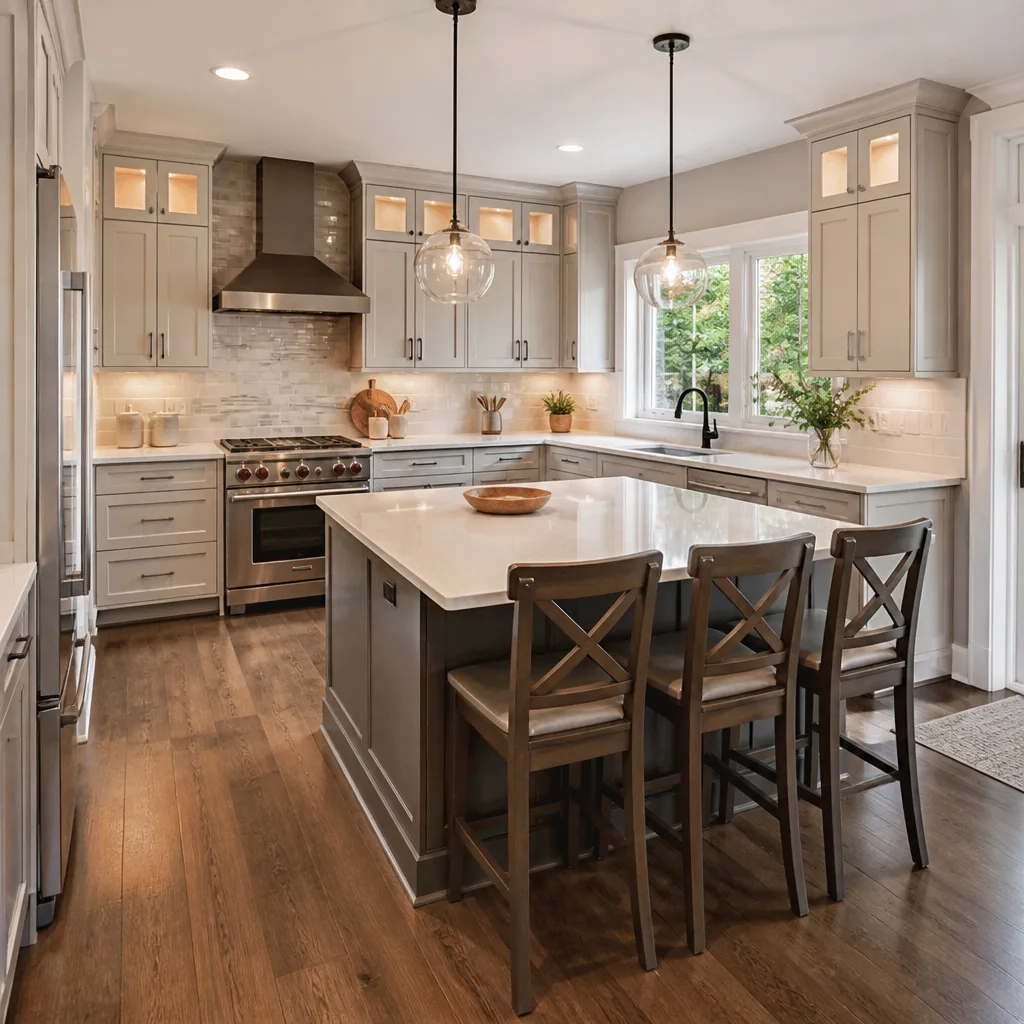
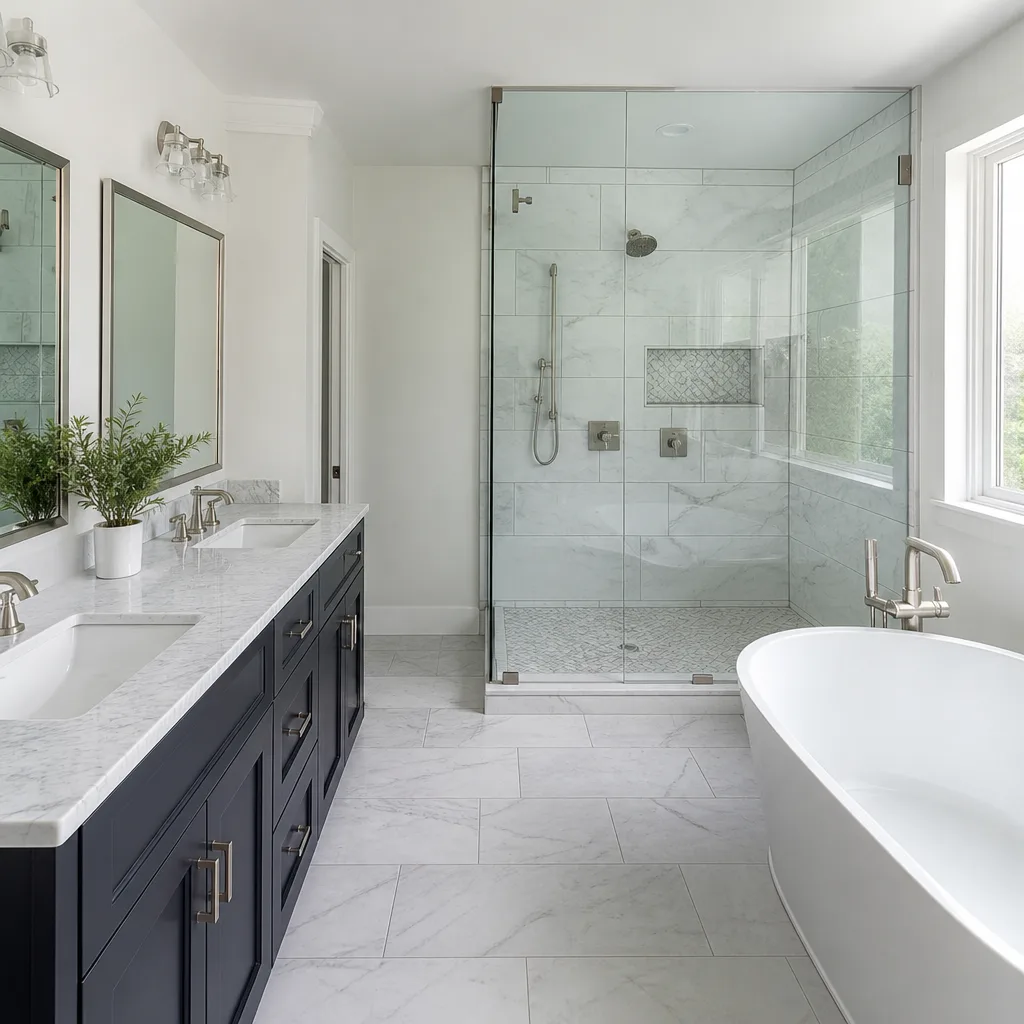
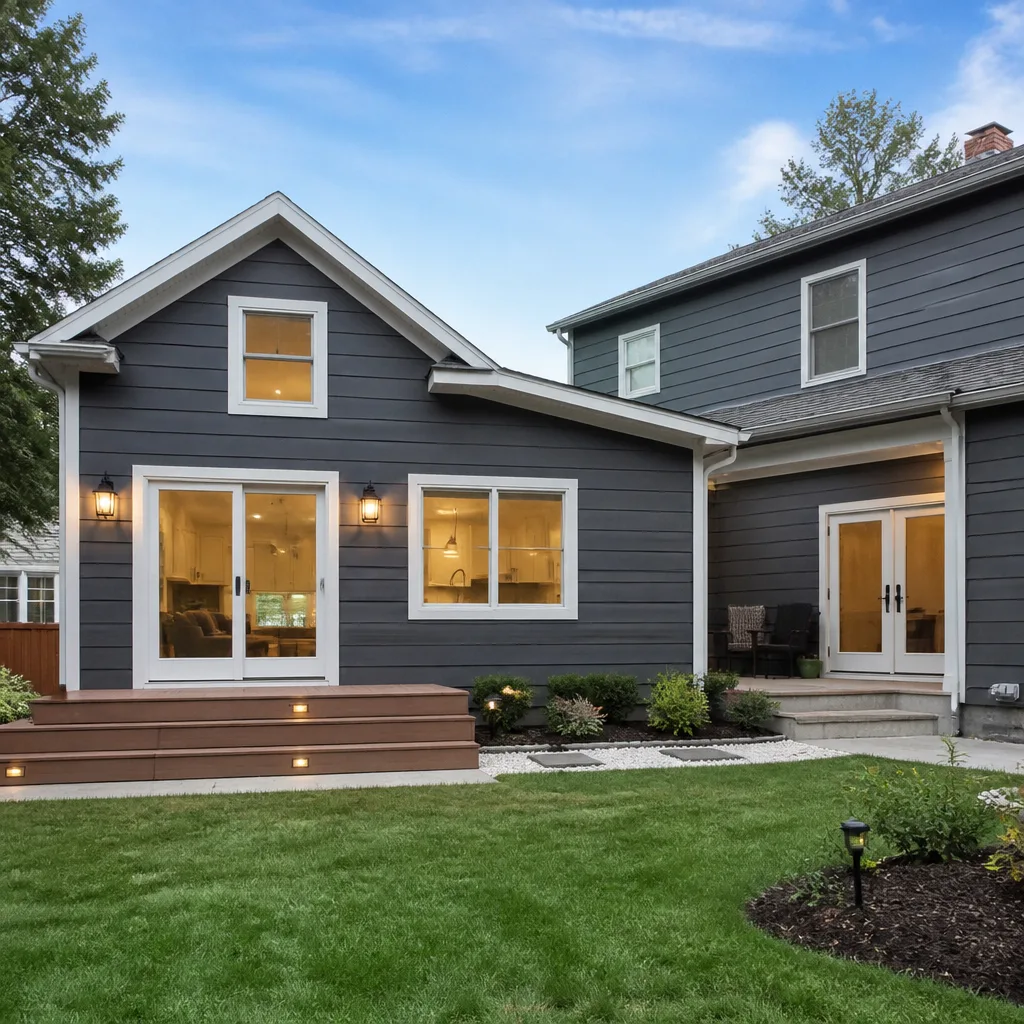

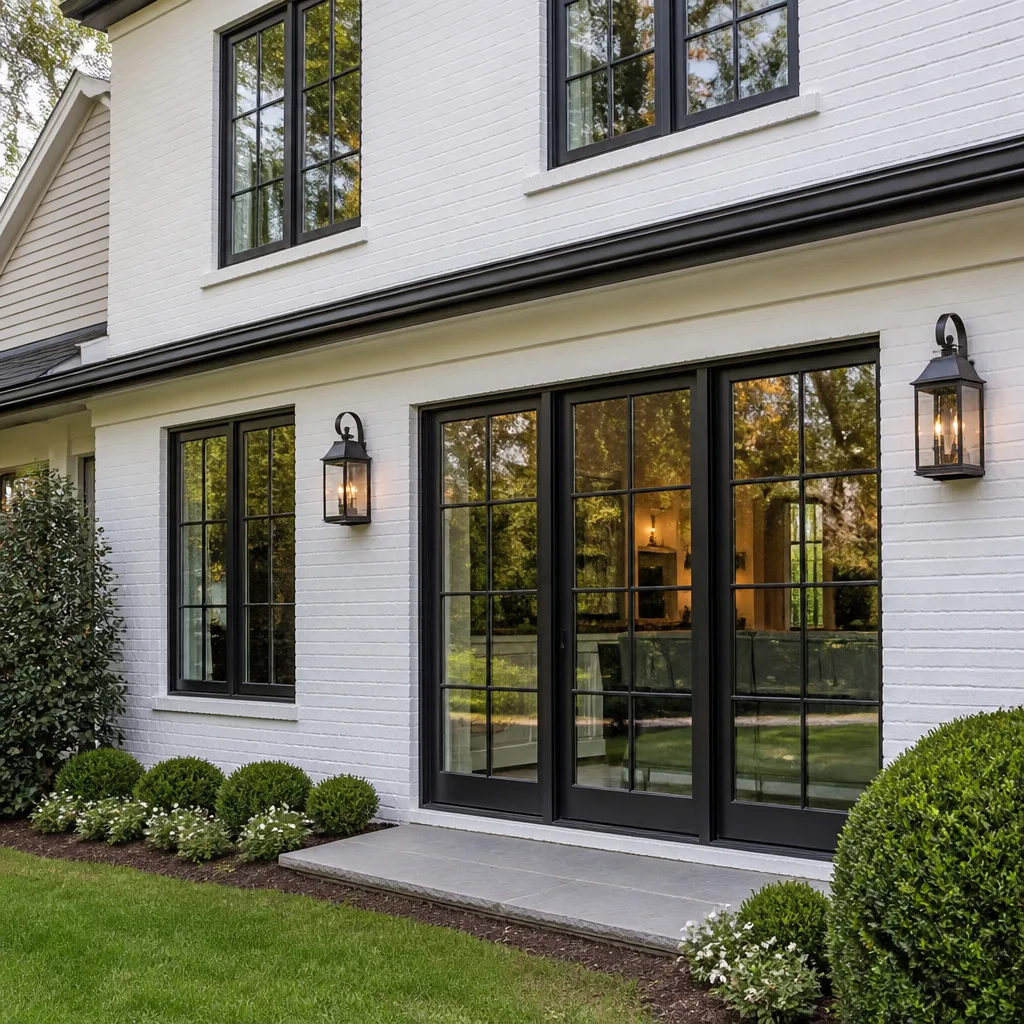
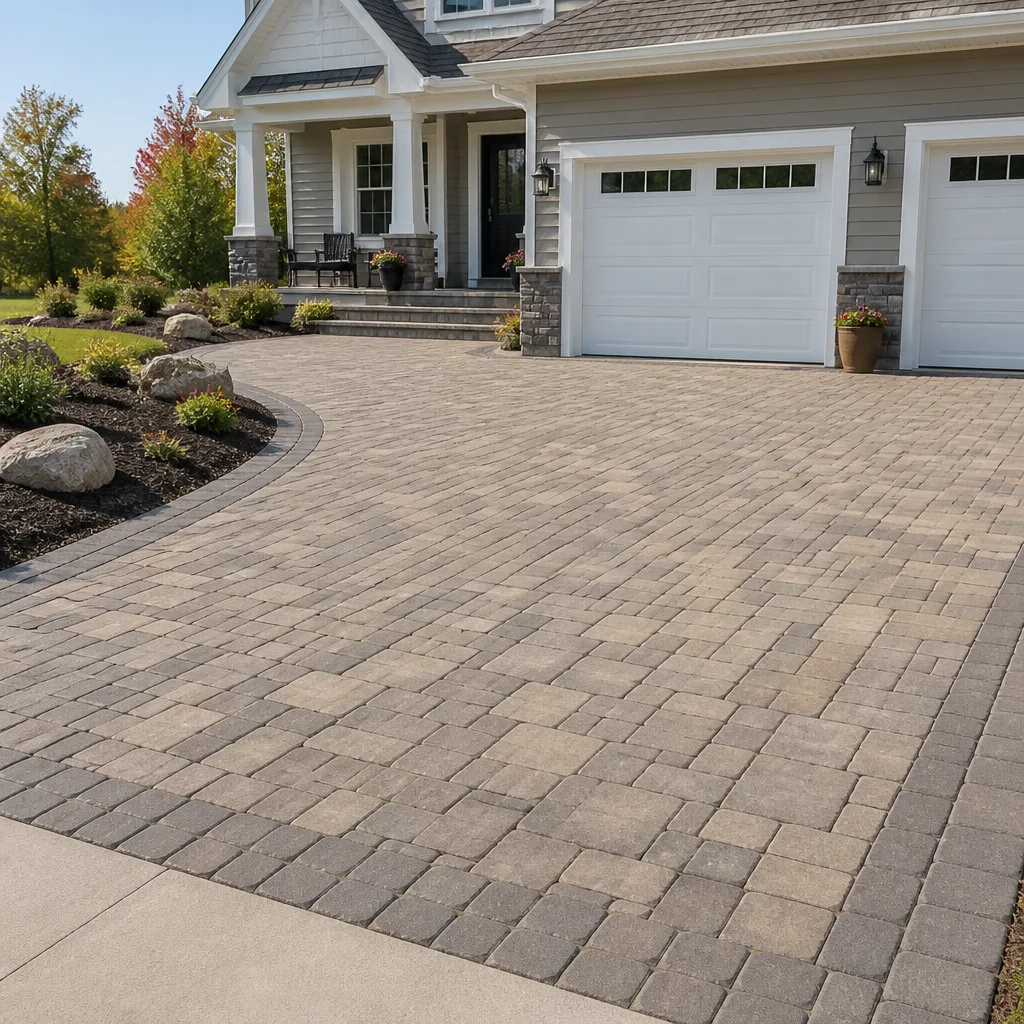
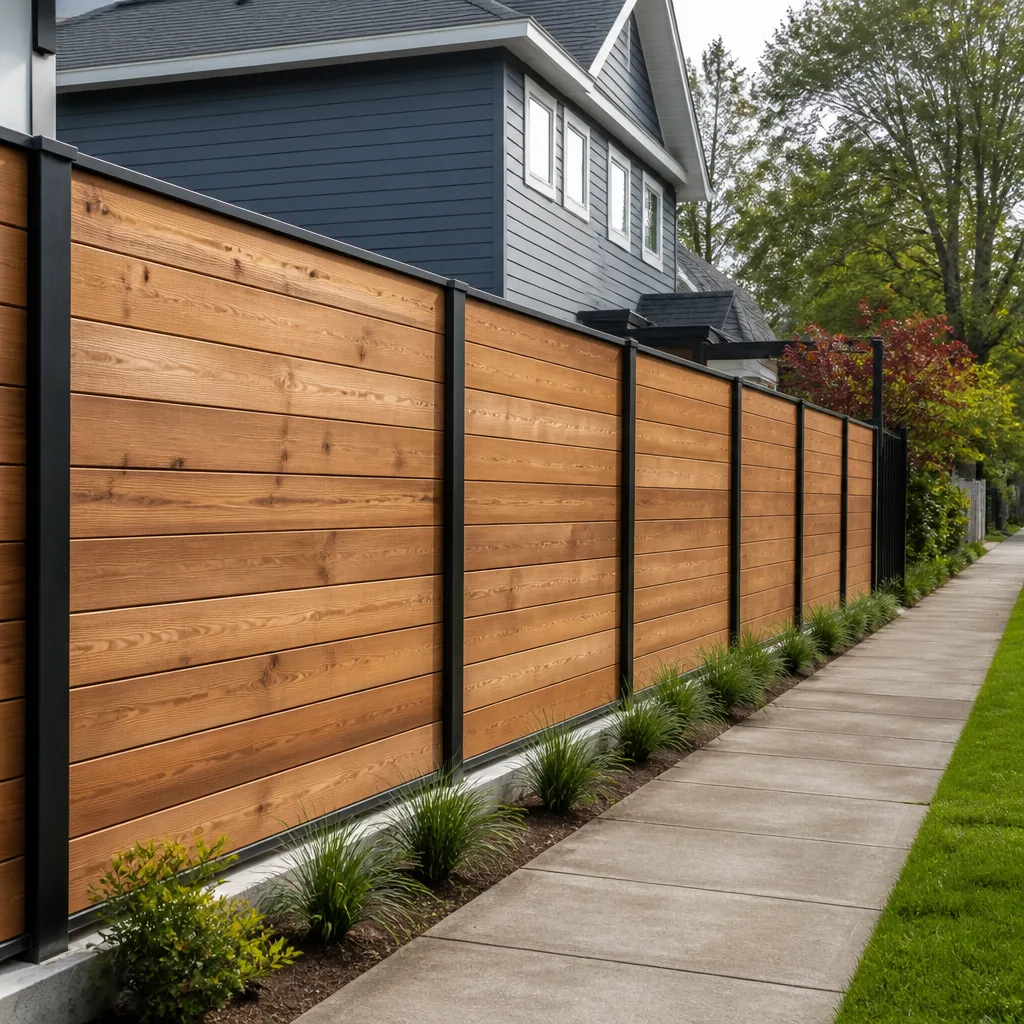
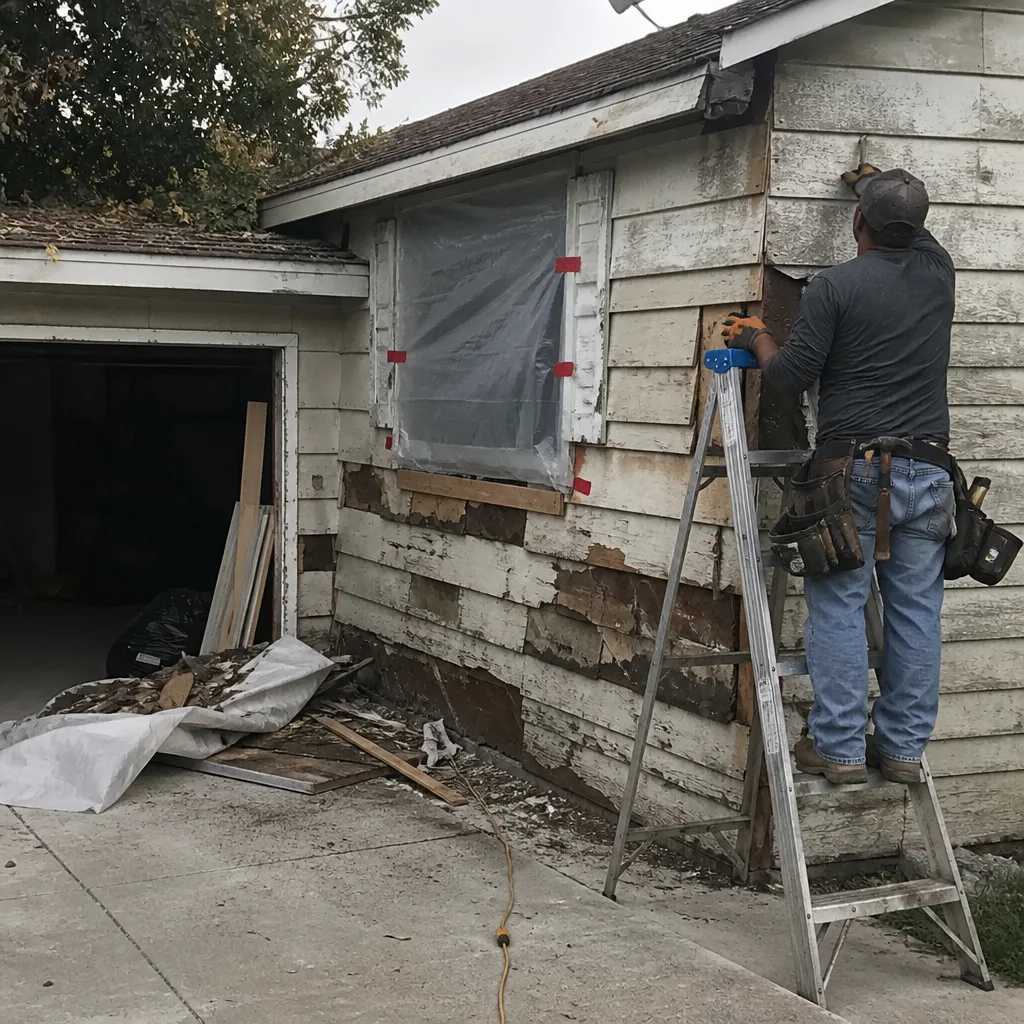 Before
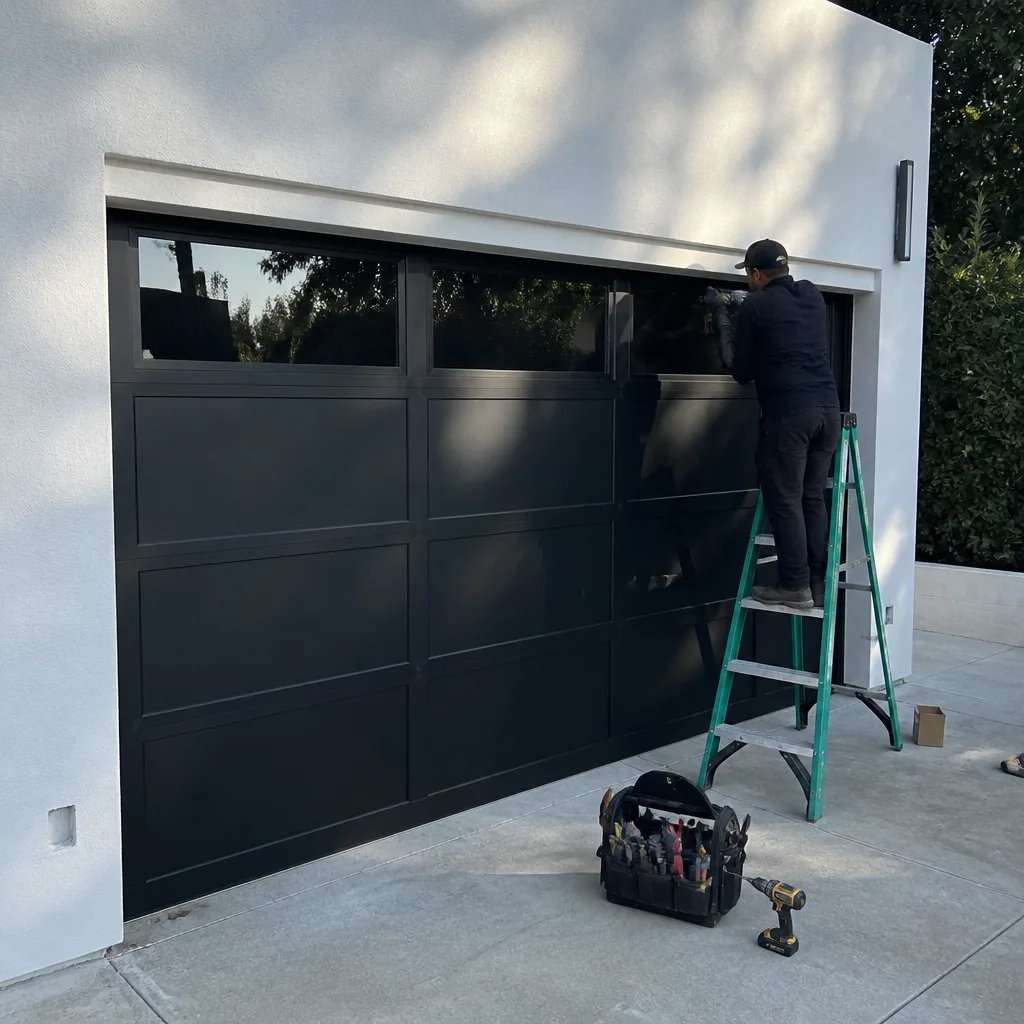 After
After Before
 After
After Before
 After
AfterChoosing the Right Construction Brand: A Buyer’s Guide for Los Angeles
Here’s the thing nobody tells you at the tile showroom: a $45-per-square-foot porcelain tile means nothing if the substrate underneath isn’t flat to 1/8 inch over 10 feet. Most Los Angeles homeowners pick the glossy surface first, then discover the substrate problem six months later when grout lines crack and tiles pop loose. This guide walks through what actually matters when choosing construction materials in Los Angeles: climate compatibility, seismic requirements, warranty structure, and installer familiarity. For a deeper dive, see The Complete Guide to Construction in Los Angeles. You’ll learn how to evaluate brands the way a working contractor does, not the way a catalog presents them.
Quick Answer
Choosing the right construction brand in Los Angeles means matching the material’s performance specifications to local conditions (UV, seismic movement, coastal salt air) and verifying that your installer has completed multiple projects with that exact product. For broader guidance on hiring and working with contractors, see The Complete General Contractor Guide for Los Angeles Homeowners. A mid-grade material installed by a contractor who knows its quirks will outperform a premium brand installed by someone learning on your job. Always confirm the manufacturer’s warranty is backed by a written installation warranty from the contractor.
Table of Contents
- Why Los Angeles Conditions Should Drive Your Brand Choice
- Manufacturer Warranty vs. Installation Warranty: The Gap Nobody Explains
- What “Brand Certified” Actually Means (and What It Doesn’t)
- The Available-Locally Test: Why Supply Chains Matter in LA
- Installer Familiarity: The Single Most Overlooked Factor
- A Practical Framework for Evaluating Construction Brands
- Common Mistakes to Avoid
- When to Call a Professional
- Frequently Asked Questions
Why Los Angeles Conditions Should Drive Your Brand Choice
Los Angeles doesn’t have one climate. It has at least four, and they pull materials in different directions. A homeowner in Westchester deals with marine layer moisture and salt air that corrodes metal fixtures within a few years. A homeowner in Woodland Hills bakes under summer sun that fades cabinet finishes and warps wood doors. A homeowner in Silver Lake lives on a hillside where seismic movement is felt through every wall and tile plane.
This matters because brand marketing is national. A cabinet line photographed in a New England showroom wasn’t tested against months of direct Southern California UV exposure. A steel railing system that holds up fine in Phoenix dry heat behaves differently in Venice, where salt fog accelerates oxidation at connection points. When we evaluate materials for Los Angeles projects, we look at three local stressors first:
- UV exposure: Los Angeles averages roughly 284 sunny days per year. Engineered materials like PVC trim and certain composites handle this well; solid wood doors without proper UV-resistant finishes will not. Ask whether the product you’re considering carries an AAMA 2604 or 2605 rating for color retention.
- Seismic flex: Los Angeles building codes require tile installations to accommodate lateral movement. That means an uncoupling membrane over the substrate, flexible grout in change-of-plane corners, and caulk joints at transitions. The brand of tile matters less than whether the assembly behind it flexes without cracking.
- Coastal salt air: Within roughly three miles of the Pacific, metal components (hinges, railings, light fixtures, cabinet pulls) need corrosion-resistant coatings. Marine-grade stainless steel (316) is the standard; 304 stainless will pit in salt air. Powder-coated aluminum generally outperforms painted steel.
The takeaway: start with the environmental conditions your specific Los Angeles neighborhood imposes, then narrow brand options to products engineered for those conditions. A brand that doesn’t publish technical specs for the stressor you face is a brand worth skipping, regardless of its reputation elsewhere.
Manufacturer Warranty vs. Installation Warranty: The Gap Nobody Explains
Here’s how a typical premium product failure plays out: a homeowner buys a name-brand quartz countertop with a “lifetime warranty.” Eighteen months later, a seam separates. The homeowner calls the manufacturer. The manufacturer sends an inspector who determines the seam failed because the cabinet base shifted, or the slab support brackets were spaced too far apart. That’s an installation issue, not a manufacturing defect. The manufacturer walks away. The homeowner discovers the “lifetime warranty” covered the material, not the work done with it.
A manufacturer warranty covers defects in the product itself: a finish that delaminates, a factory seam that separates, a dimensional inconsistency. It almost never covers failures caused by how the product was stored, cut, fastened, sealed, or supported. Those are installation failures, and they’re covered only by an installation warranty from your contractor.
In Los Angeles, this distinction matters more than in other markets because seismic movement and thermal expansion are constant. Even a flawless product moves. The assembly around it either accommodates that movement or fails. Without a written installation warranty, you carry the entire risk of that assembly.
Before committing to any brand, get answers to these three questions in writing:
- What exactly does the manufacturer’s warranty cover, and for how long? Ask for the warranty document, not a salesperson’s summary. Look for exclusions around installation, environment, and transferability.
- What does the contractor warrant, in writing, and for how long? This should cover the installation labor and the assembly: substrate prep, fastening, sealing, waterproofing, and any adaptation needed for LA conditions.
- What happens if the product fails because of installation, not manufacturing? This is the one that separates serious contractors from the rest. If the answer is anything other than “we fix it at no charge within our warranty period,” keep looking.
At Penhallow Remodeling, every project includes a written 365-Day Done Right Promise. If something fails because we installed it, or because the installation wasn’t right for Los Angeles conditions, we return and fix it. That promise is in writing, alongside the written price, before work starts.
What “Brand Certified” Actually Means (and What It Doesn’t)
Walk through any Los Angeles kitchen and bath showroom and you’ll see badges: “Certified Installer,” “Preferred Contractor,” “Factory Trained.” These labels imply rigor. The reality varies widely, and homeowners rarely ask the follow-up questions that reveal the difference.
Some brand certifications require genuine training: a multi-day course at a manufacturer facility, a written exam, periodic re-certification, and a minimum number of annual installations with audited results. James Hardie, for example, requires contractors who install its siding to complete specific training and adhere to published installation standards, because Hardie products fail predictably when fastening patterns or clearances are wrong.
Other brand “preferred” programs are essentially marketing arrangements. A contractor buys a certain volume of product and gets listed on the manufacturer’s website. There may be no training involved. The badge means the contractor purchases the product, not that they install it correctly.
How to tell the difference without becoming a forensic researcher:
- Ask what the certification required. A real answer sounds like: “three-day training at their facility in Texas, written test, 20 installed projects before certification.” A fuzzy answer sounds like: “we’re approved to sell their line.”
- Ask how many times they’ve installed that specific product in the last 12 months. A contractor with recent, repeated experience will answer with a number. Anything vague (“we do these all the time”) is a yellow flag.
- Ask whether the manufacturer has ever honored a warranty claim on their behalf. Contractors who’ve worked through the warranty process understand its mechanics. Contractors who’ve never filed a claim may not know what the warranty actually covers.
- Ask to see the certification, not just the badge. Real certifications have dates, levels, and names. Marketing badges have logos.
In Los Angeles specifically, there’s a second layer: local permitting and inspection. A contractor can be brand-certified and still fail a Los Angeles Department of Building and Safety inspection if the installation doesn’t meet local amendments. When we install products like manufactured stone veneer or exterior cladding, the brand’s installation manual and the LA code requirements have to work together. A contractor who knows both is worth more than one who only knows the brand’s marketing materials.
The Available-Locally Test: Why Supply Chains Matter in LA
Los Angeles has a construction materials supply chain that most of the country doesn’t. We’re a major port city with massive distribution infrastructure. Tile from Italy, quartz from Israeli manufacturers, cabinetry from Indiana, and hardwood from the Pacific Northwest all flow through Southern California warehouses. In theory, almost anything is “available” here.
In practice, availability varies enormously, and specifying a material without verifying local stock is how projects stall for six weeks while a homeowner lives in a torn-apart kitchen.
Here’s a common scenario we see in Los Angeles: a homeowner falls in love with a specific cabinet line from a boutique manufacturer in the Midwest. The order gets placed. Eight weeks later, the cabinets arrive via LTL freight, and two door fronts are cracked. The replacement order takes another four weeks. The kitchen is usable. The homeowner isn’t happy.
Compare that to a line like KraftMaid or Wellborn, both of which maintain substantial distribution into the Southern California market. If a door arrives damaged, the replacement is often available within a week from a regional warehouse, not a factory in another state.
The available-locally test has three parts:
- Is this product stocked in a Southern California warehouse, or is it built-to-order from out of state? Stocked means days. Built-to-order means weeks or months. Both are legitimate, but you need to know which you’re committing to before demo day.
- If a component arrives damaged or missing, what’s the realistic replacement timeline? Ask your contractor to articulate this in writing. If they can’t answer, they haven’t thought about it, which tells you something.
- Does your contractor have a relationship with the local distributor? A contractor who buys regularly from a Los Angeles distributor gets priority service when something goes wrong. A contractor who special-orders everything is at the mercy of the freight schedule.
One more Los Angeles-specific wrinkle: some neighborhoods have narrow streets, tight driveways, and limited staging areas. A product delivered on a full-size semi trailer may require a smaller last-mile transfer. Contractors who work regularly in the Hollywood Hills, Echo Park, or Beachwood Canyon already plan for this. Contractors who don’t will figure it out on your job, and you’ll watch the delivery window slip.
Installer Familiarity: The Single Most Overlooked Factor
Here’s a thesis worth repeating: a premium brand installed by a contractor who has never worked with it performs worse than a mid-grade brand installed by a contractor who knows the product inside and out.
Every material has a learning curve. Large-format porcelain tile (think 24″ x 48″ or larger) requires a different substrate flatness tolerance than 12″ x 12″ tile. If the floor isn’t flattened to 1/8 inch over 10 feet, the tile will crack, regardless of whether it cost $4 or $14 per square foot. Cambria quartz, although engineered for consistency, still requires specific seam layout, support bracketing, and adhesive systems that differ from other quartz brands. A crew that’s been installing Silestone for a decade will adapt to Cambria, but there’s a learning curve, and you don’t want to be the project where they learn.
In Los Angeles, this matters even more because of the range of housing stock. A contractor working in a 1920s Spanish Revival in Los Feliz deals with walls that haven’t been plumb since the Coolidge administration. A contractor working in a 2005 tract home in Porter Ranch deals with walls that are mostly straight but built to minimum code. The same brand of cabinetry requires different shimming, scribing, and fill strategies in those two houses. Contractors who’ve installed a product across enough LA homes know which tricks work in which conditions.
Questions to ask a contractor about familiarity with a specific brand:
- “How many of these have you installed in the last two years?” You’re looking for a number, not an adjective. “We’ve done about twenty Cambria kitchens in the last year” is meaningful. “We work with all the top quartz brands” is not.
- “What’s the most common installation mistake people make with this product?” A contractor who knows the product can answer instantly: “people space the seams too tight and they bridge under thermal expansion” or “people forget the uncoupling membrane on concrete slabs and then blame the tile.” A contractor who doesn’t know will stall or give a generic answer.
- “Have you ever had to call the manufacturer with a technical question, and how did that go?” This reveals whether the contractor has gone deep enough with the product to encounter real problems and solve them.
- “Would you install this brand in your own home?” The answer, delivered honestly, tells you more than a showroom pitch ever will.
We’ve seen the difference firsthand. A homeowner once insisted on a specific European plumbing fixture line with a 12-week lead time and no local service rep. When a valve cartridge failed six months in, the replacement part took three weeks and required a specialist. Compare that to Kohler or Moen, both of which maintain service presence and parts availability in Southern California. The fixture brand mattered less than what happened when the fixture needed service.
A Practical Framework for Evaluating Construction Brands
Forget brand tiers for a moment. Premium, mid-grade, value: these are marketing categories, not performance guarantees. A better framework for Los Angeles homeowners evaluates five specific characteristics, in order.
1. Performance Under Los Angeles Conditions
Does the product publish technical data relevant to UV, thermal cycling, seismic movement, or coastal corrosion? A brand that doesn’t publish specifications is asking you to trust the logo. For exterior products, look for ASTM testing standards: ASTM G154 for UV weathering, ASTM B117 for salt spray (relevant if you’re near the coast), and ASTM E330 for wind load on cladding. For tile installations, look for TCNA (Tile Council of North America) compliance, and specifically whether the contractor uses TCNA detail EJ171 for movement joints.
2. Parts and Service Availability in Southern California
Plumbing fixtures fail first and most visibly. Brands like Kohler, Moen, Delta, Toto, and Grohe all maintain service infrastructure in Southern California. A boutique European brand may offer beautiful design but a 4-week parts lead time when the cartridge fails. Consider whether the brand has a local rep, local parts stock, or at minimum a responsive national service line that won’t put you through a phone tree.
3. Manufacturer’s Written Warranty (Read It, Don’t Browse It)
A lifetime warranty means different things in different industries. In countertops, it often means limited to the original owner and void if the countertop is removed and reinstalled. In cabinetry, it typically covers drawer glides and hinges for the life of the product but finish fading for five years. In siding, lifetime coverage often means 50 years, pro-rated after year 10. Read the warranty document before you commit. Ask for a copy. If the contractor can’t produce one, ask why.
4. Installer Depth of Experience with the Product
Already covered at length above, but it bears repeating: this matters more than the brand name. A contractor who has installed 50 KraftMaid kitchens will deliver better results than a contractor who has installed 3 custom European kitchens, even if the European line costs twice as much.
5. Total Installed Cost, Not Material Cost
A $5-per-square-foot tile that requires a perfectly flat substrate, special setting materials, and three times the cutting time may cost more installed than a $9-per-square-foot tile that installs faster and more forgivingly. Ask about installed cost, not material cost. Ask about the substrate preparation cost upfront, because that’s where surprise expenses appear.
This framework works whether you’re choosing paint, flooring, cabinetry, countertops, fixtures, or siding. The specifics change; the logic doesn’t.
Common Mistakes to Avoid
- Choosing a brand before choosing a contractor. The sequence matters. A contractor with deep experience in a particular brand will get better results with that brand than a contractor you hire to install a brand you already picked. Interview contractors first, discuss materials second.
- Assuming “brand certified” means “installation guaranteed.” As covered above, certification and installation competence are different things. Ask what the certification required, and confirm the installation warranty is in writing.
- Trusting the lifetime warranty without reading the exclusions. Every warranty has exclusions. In Los Angeles, pay special attention to exclusions around seismic movement, thermal expansion, and coastal environment. If the warranty doesn’t cover the failure mode most likely in your neighborhood, it’s less valuable than it appears.
- Specifying materials without checking local availability and lead times. The most beautiful material in the world doesn’t help if it shows up 14 weeks after demo day. Verify availability before you commit, and ask your contractor what the replacement timeline looks like if something arrives damaged.
- Comparing brands by material cost per square foot instead of total installed cost. Material price differences shrink or grow once installation labor, substrate prep, waste factor, and service availability are factored in. Get the total number, not the shelf price.
- Picking the glossy surface and ignoring what’s underneath it. The tile doesn’t hold itself up. The cabinet doors aren’t the boxes. The faucet finish isn’t the valve cartridge. Ask about what’s behind what you see.
- Assuming a premium brand compensates for an average installation. It doesn’t. A $4,000 slab of quartz on a wobbly cabinet base cracks at the seam the same way a $2,000 slab does. The assembly matters more than the material.
When to Call a Professional
Some brand and material decisions are worth making with expert guidance. If you’re planning a whole-home remodel in Los Angeles, if your project requires permits and inspections (most kitchen and bathroom remodels in LA do), or if you’re uncertain whether a material will perform under your specific neighborhood’s conditions, call a contractor before you buy anything. A knowledgeable contractor saves you from the most expensive mistake in remodeling: paying for a premium product that gets installed incorrectly, then paying again to remove and replace it. Penhallow Remodeling offers free estimates in Los Angeles. Call (936) 259-2607 to talk through your project and get a written price for the work you’re planning.
Frequently Asked Questions
Kitchen remodels in Los Angeles typically run $18,000 – $55,000, depending on cabinet line, countertop material, and whether the layout changes. For bathroom-specific guidance, see The Complete Bathroom Remodeling Guide for Los Angeles Homeowners. A basic refresh with stock cabinets and laminate counters costs less; a full reconfiguration with custom or semi-custom cabinetry, Cambria or Silestone quartz, and new electrical and plumbing runs costs more. The biggest variables are cabinets (20-35% of the total), countertops (10-20%), and whether you’re moving walls. Call (936) 259-2607 for an exact quote on your specific project and a written price before anything gets started.
A manufacturer warranty covers defects in the product itself, like a finish that fails or a factory seam that separates. A contractor warranty covers the installation: how the product was fastened, sealed, supported, and integrated with the rest of the assembly. Most premium product failures in Los Angeles are installation failures, not manufacturing defects, which means they’re only covered if your contractor provides a written installation warranty. That’s why we include the 365-Day Done Right Promise in writing on every job.
Brand certification is useful evidence of experience, but only if the certification required genuine training and ongoing standards. Ask what the certification involved: a multi-day training with testing is meaningful; a volume-purchase arrangement is not. Then ask how many times the contractor has installed that specific product recently, and whether they’ve worked through a warranty claim for it. Those answers reveal more than a badge.
A typical bathroom remodel in Los Angeles runs three to six weeks, depending on the scope, material lead times, and the Los Angeles Department of Building and Safety inspection schedule. For more guides & resources on planning your project, explore our blog. Stuff that adds time: moving plumbing, waiting on materials built to order, and permit approval cycles. We give you a written arrival window and a written schedule before work starts, and a live person at (936) 259-2607 can walk you through a realistic timeline for your project.
Not automatically. A premium brand lasts longer only if it’s specified for the right conditions and installed by someone who knows the product. Salt air near the coast corrodes some finishes regardless of brand. UV exposure fades wood doors no matter the manufacturer. Seismic movement cracks tile unless the substrate and movement joints are done right. The brand matters, but the specification and the installation matter more.
Because the price on the shelf isn’t the price installed. Differences come from the substrate preparation work, the quality of the setting or fastening materials, the waste factor, the cost of permits and disposal, and the contractor’s overhead. A lower quote on the same brand usually means less preparation work, fewer labor hours, or thinner margins, not a better deal. Get a written line-item quote and ask what the substrate prep includes before you compare numbers. Reach our general contractor team at (936) 259-2607 for a written estimate that breaks it all down.
The Bottom Line
Brand choice matters, but it matters less than most Los Angeles homeowners assume. The real decision is about the full assembly: material, substrate, installation, warranty, and service. Pick products engineered for the specific conditions of your neighborhood. Hire a contractor who has installed them many times. Get both the manufacturer warranty and the installation warranty in writing. Verify local availability before committing. And if you’re ready to talk specifics, bathroom remodeling and kitchen remodeling are what we do every day. Call (936) 259-2607 for a free estimate in Los Angeles.
Written by Trevor Nash, Owner at Penhallow Remodeling, serving Los Angeles since 2004.