
Last updated October 8, 2026
Free written scope consultation - allowances, timeline, and change-order rules on paper before a single trade is scheduled
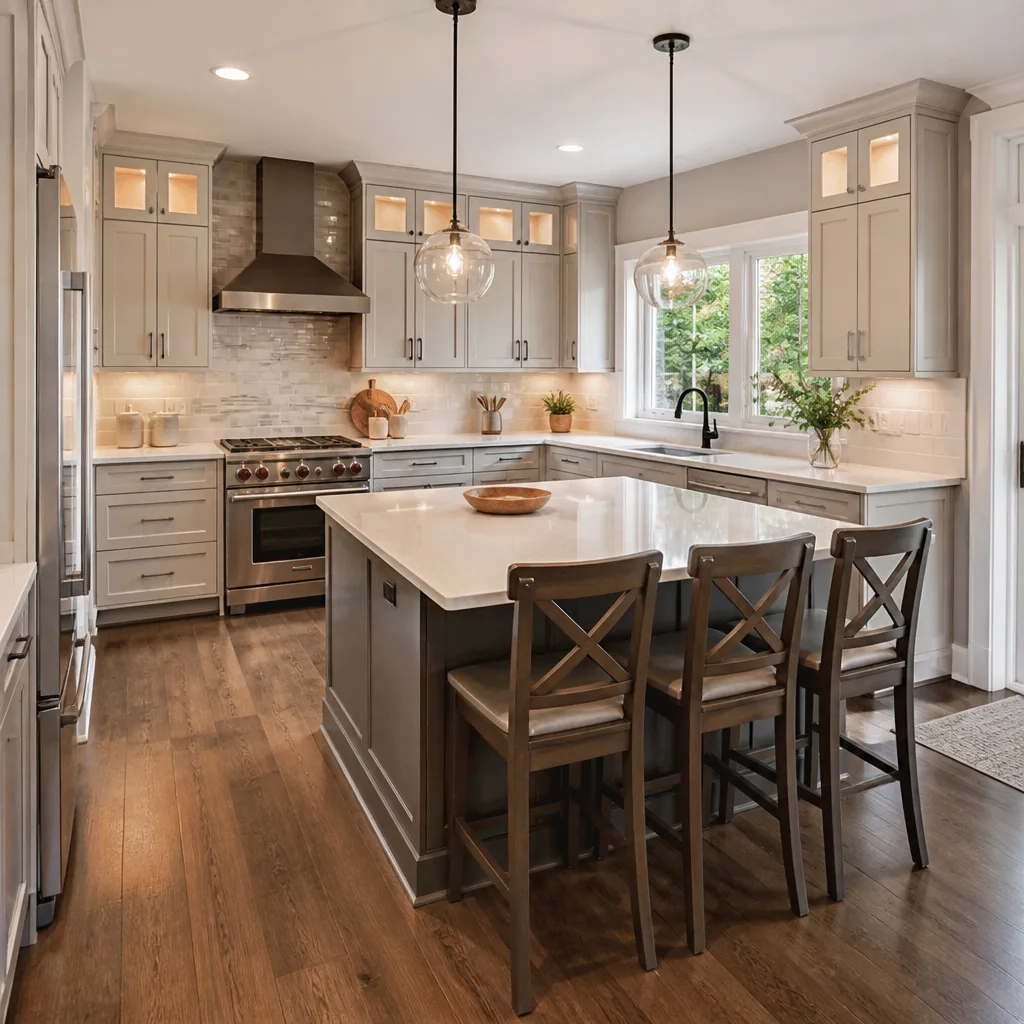
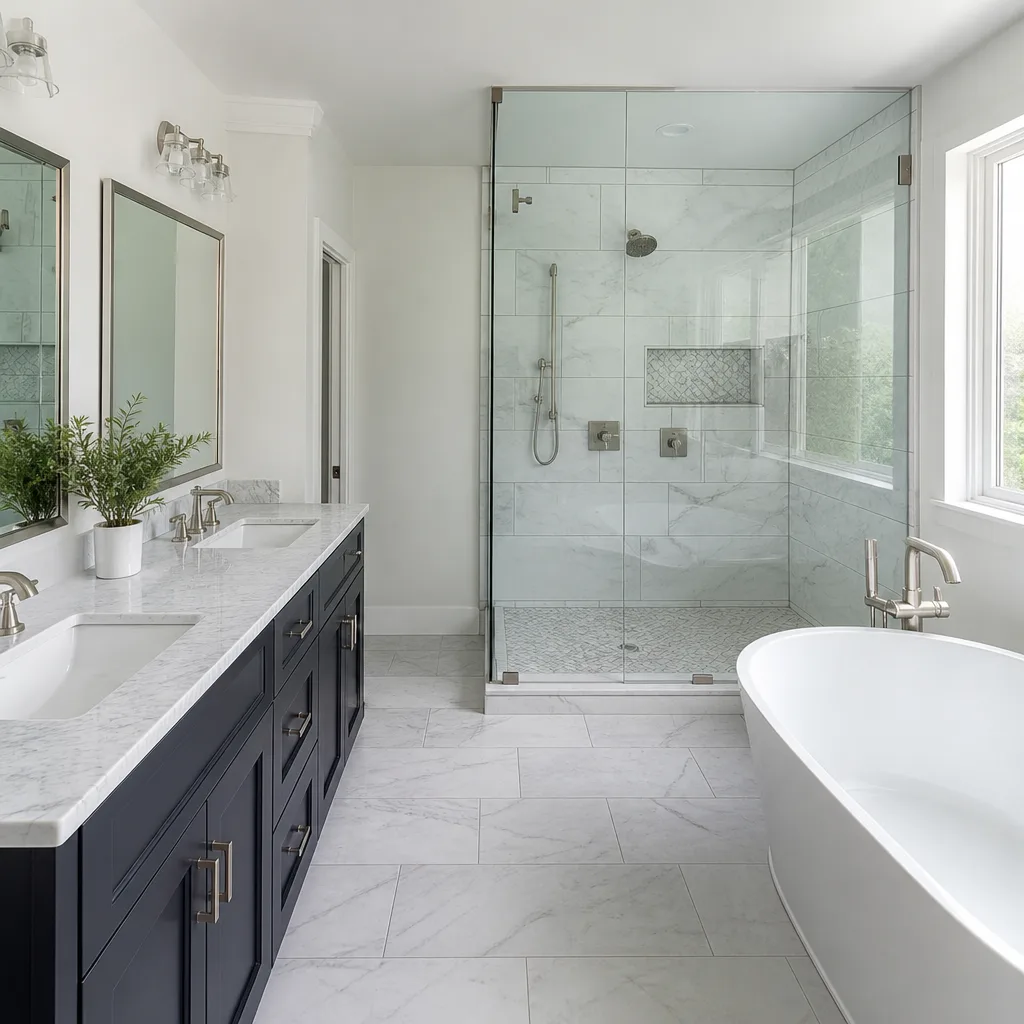
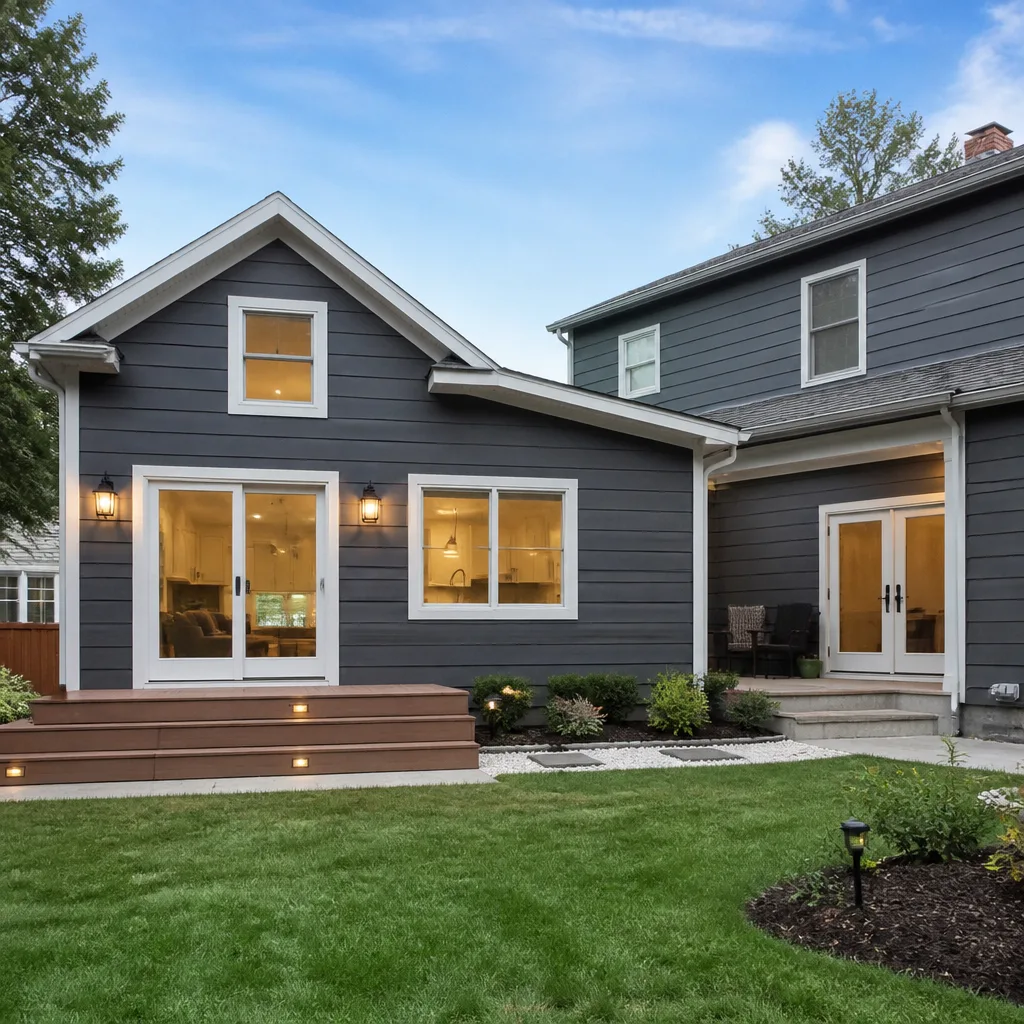

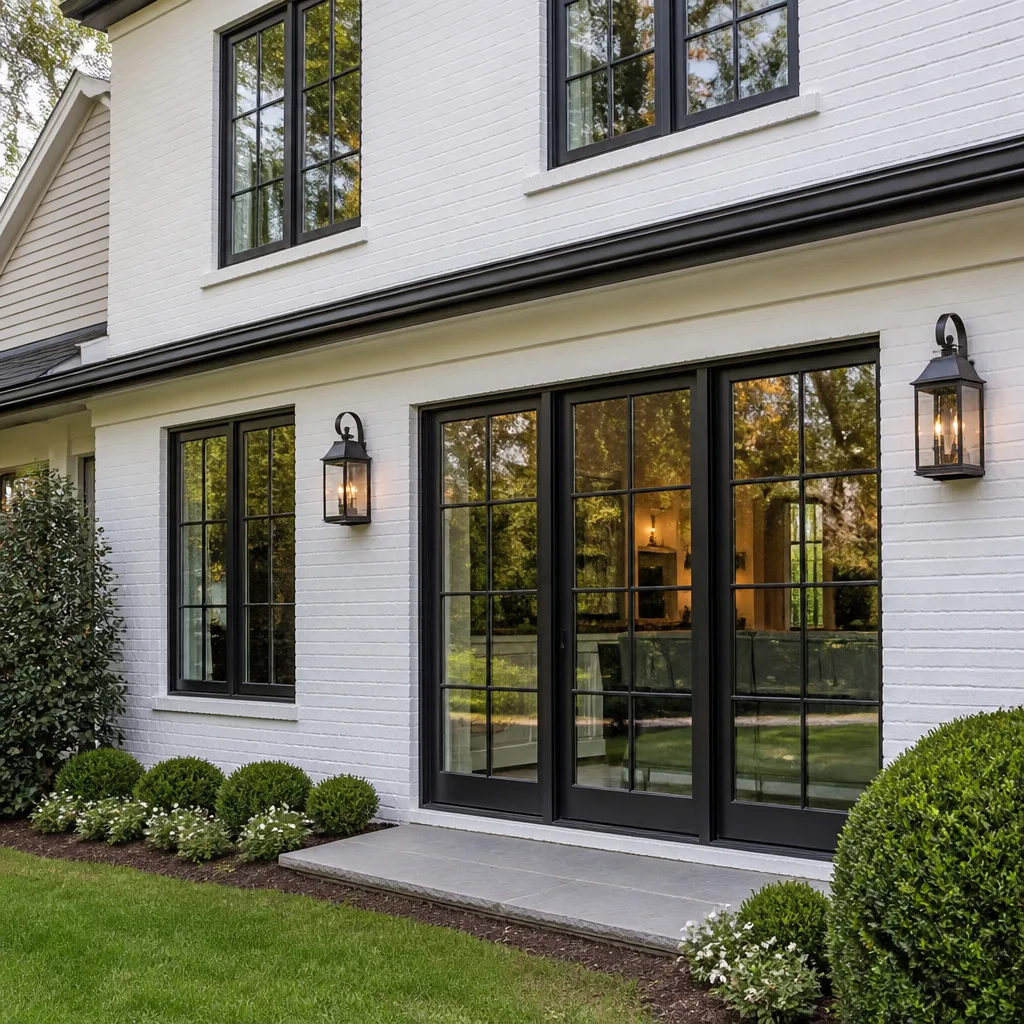
 Before
 After
After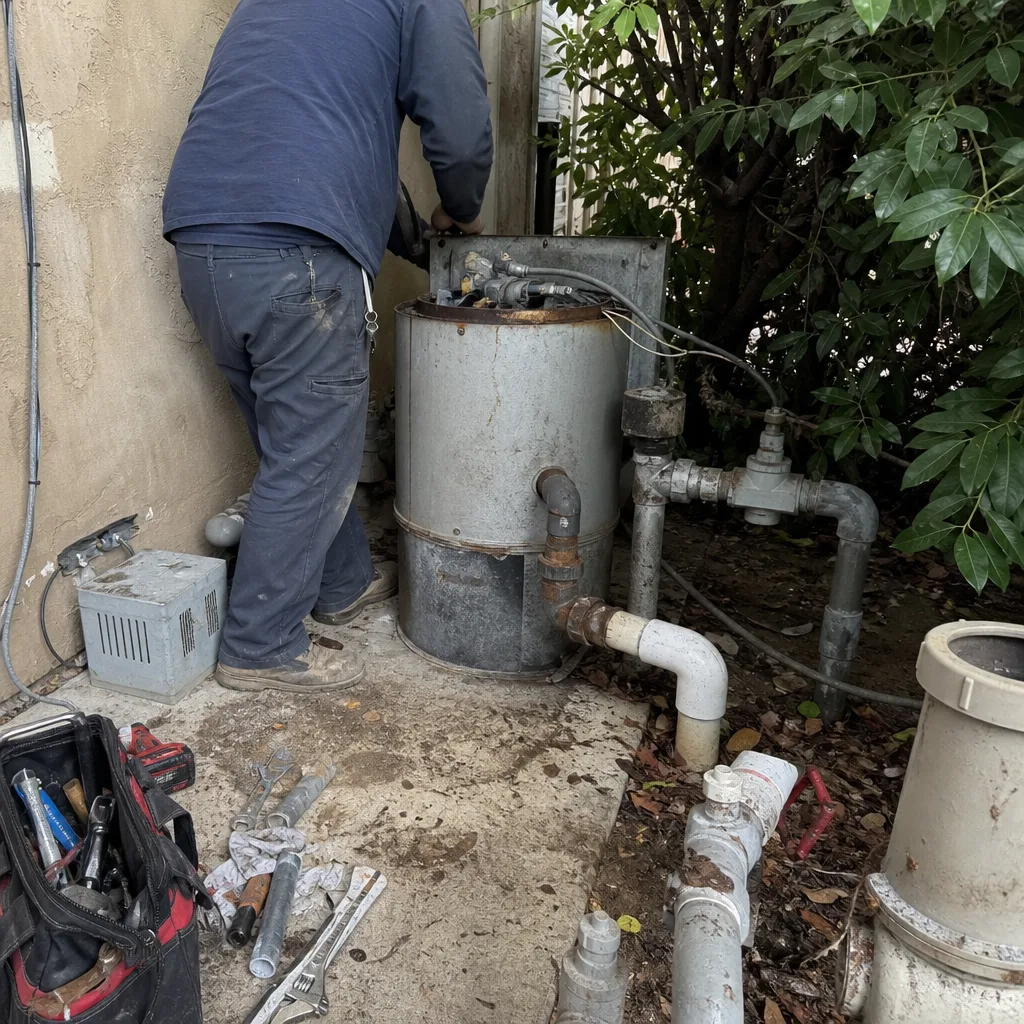 Before
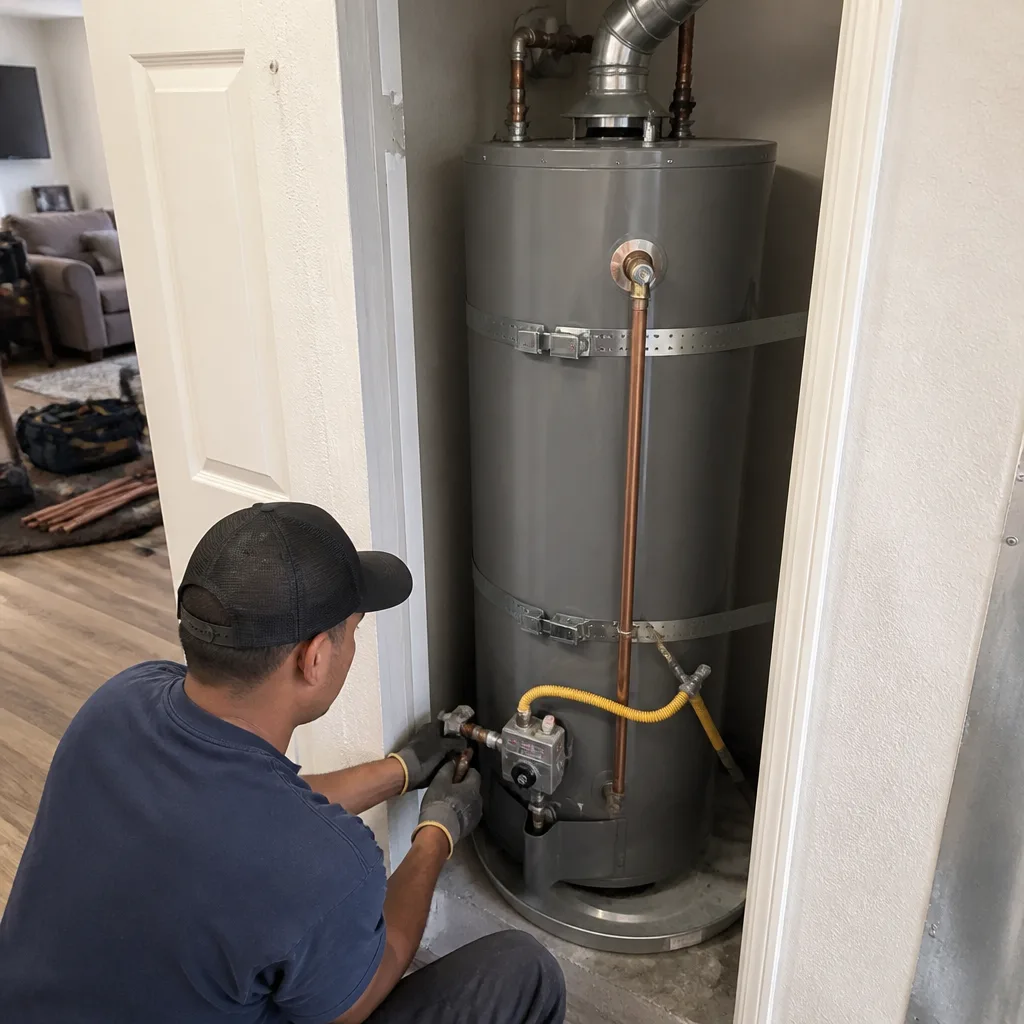 After
After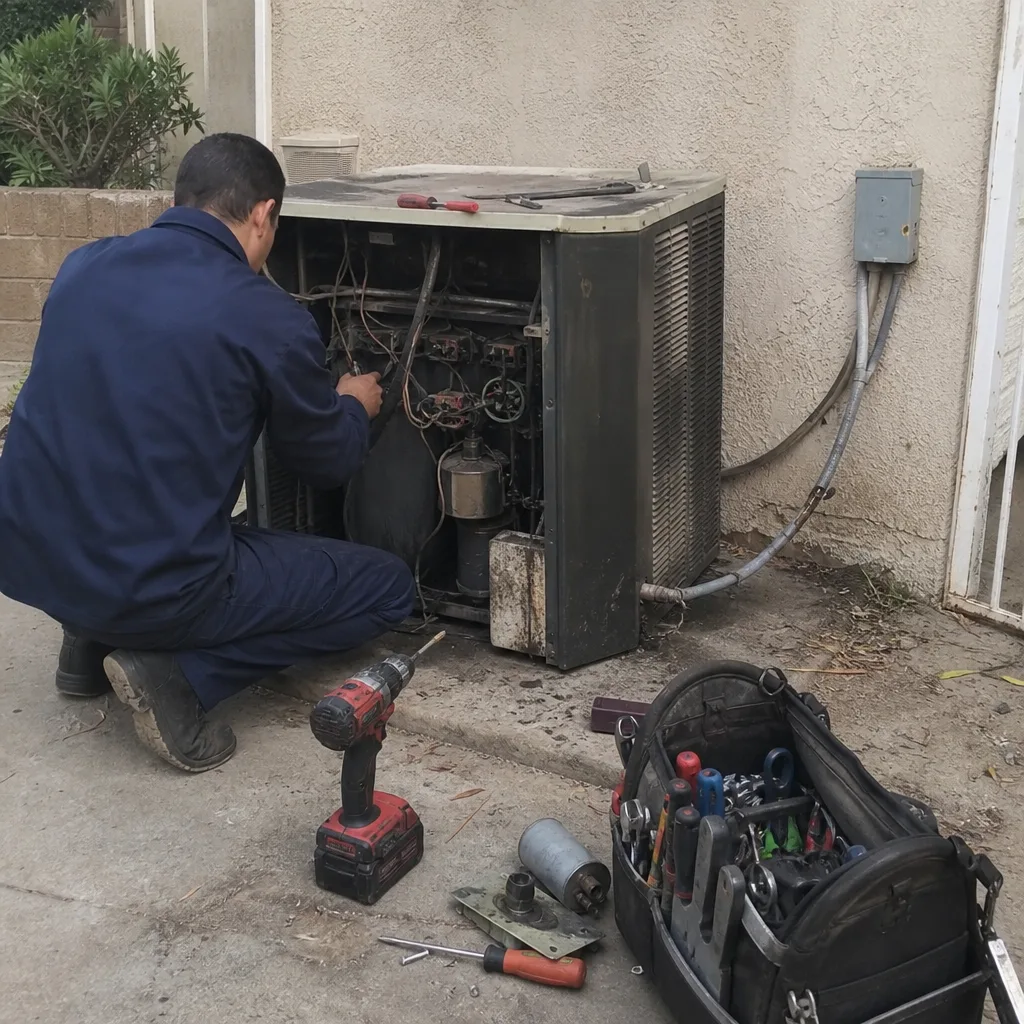 Before
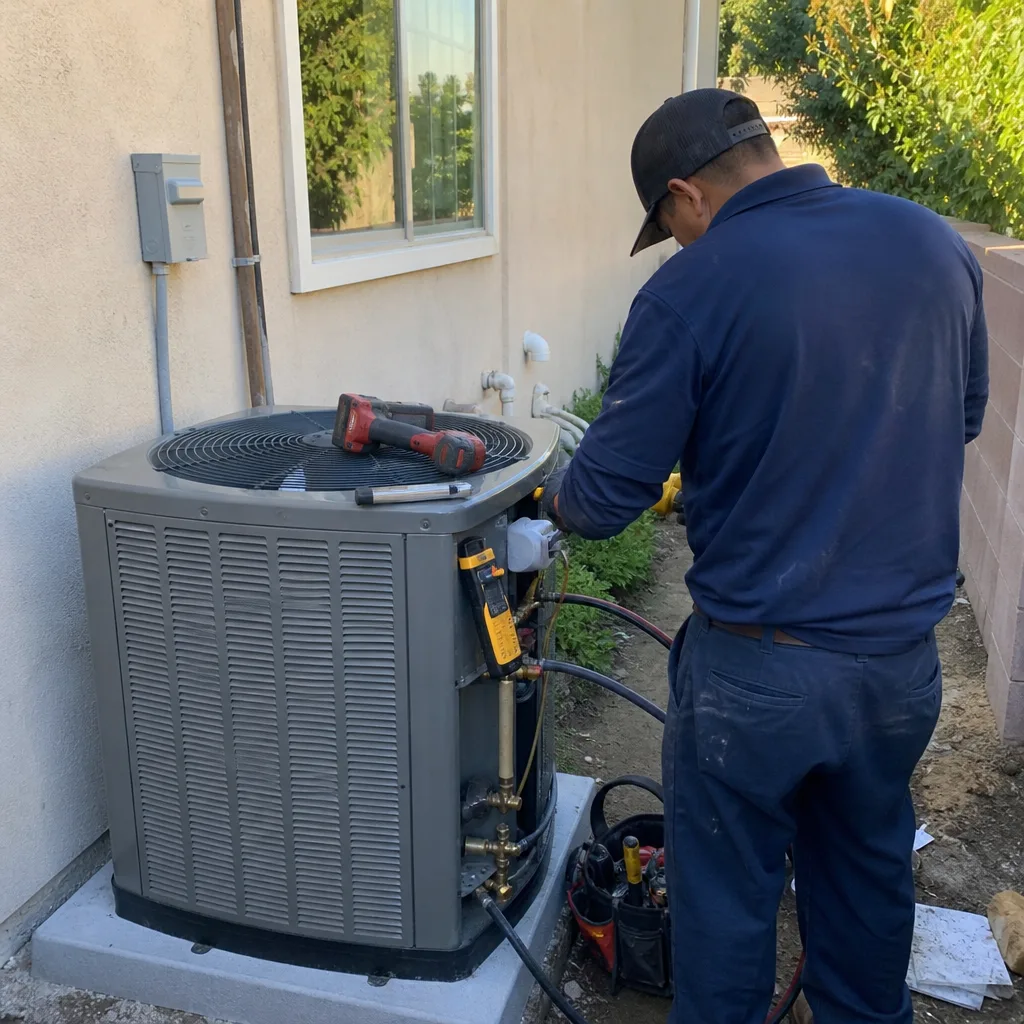 After
AfterThe Complete Guide to Construction in Los Angeles
Most Los Angeles remodels go over budget not because the contractor lied, but because the homeowner made a tile decision after the plumber had already roughed in the drain location. That’s a sequence problem, and it costs real money. In a city where a kitchen remodel runs $35,000 to $90,000 and a bathroom $18,000 to $45,000, the order in which you make decisions matters more than the decisions themselves. This guide maps the construction sequence Los Angeles homeowners actually need: what to decide first, what locks in next, and where the city’s own rules, soil, and inspection backlog will slow you down whether you planned for it or not. For a deeper dive, see our Complete Home Remodeling Guide for Los Angeles Homeowners.
Quick Answer
Construction in Los Angeles is a sequenced set of decisions where finishes lock in framing, framing locks in permits, and permits lock in your timeline. Homeowners who choose tile, fixtures, and cabinet lines before the walls open avoid the cost overruns that come from changing a drain location after the plumber is done. Plan for LA’s expansive clay soil, its over-the-counter permit tiers, and its inspection backlog, and get every price in writing before the first tool comes off the truck.
Table of Contents
- The Decision Sequence: Why Order Beats Effort in LA Remodels
- LA Soil and Foundations: What Expansive Clay Means for Your Scope
- Permits in Los Angeles: LADBS, Over-the-Counter, and What Actually Gets Flagged
- Why Written Pricing Matters More in LA Than Almost Anywhere Else
- Reading an LA Construction Timeline Honestly: Inspection Backlogs and Dry Days
- Finishes First: The Tile, Fixture, and Cabinet Decisions That Lock Everything Else
- How to Vett a Contractor in Los Angeles Before You Sign
- Warranties and Guarantees: What Actually Protects You After the Crew Leaves
The Decision Sequence: Why Order Beats Effort in LA Remodels
Every remodel has a hidden order of operations. When you follow it, the job moves fast and the price holds. When you skip it, you end up paying for work twice. Here’s the sequence we walk our clients through on every general contractor in Los Angeles project:
- Choose your finish materials first. Tile, countertop, cabinet line, fixtures. These decisions set rough-in locations for plumbing and electrical. If you choose a freestanding tub after the drain is roughed into the slab, moving it costs $800 to $2,500 depending on the slab thickness and rebar placement.
- Lock the layout. Once finishes are chosen, the layout is fixed. Moving a wall after framing starts is a change order. Moving it after the electrical rough-in is a change order plus a re-inspection.
- Pull permits based on the locked layout. Los Angeles Department of Building and Safety (LADBS) reviews plans against current code, not your future preferences. Amendments mid-job mean re-review and more time on the clock.
- Demolition, then rough-in. Framing, plumbing, electrical, HVAC. This is where the job either hums or stalls. If the finishes are locked, the rough-in goes in once and stays.
- Inspection, then close-up. Drywall and cement board substrate (the moisture-resistant layer behind your tile) go up only after the inspector signs off on what’s hidden inside the wall.
- Finishes, then punch list. Tile, cabinets, counters, paint. The punch list at the end is for small corrections, not major design changes.
We’ve seen a Silver Lake kitchen remodel hold its $42,000 written price-guided by our Complete Kitchen Remodeling Guide for Los Angeles Homeowners-because the homeowner picked her Cambria quartz and Wellborn cabinet line before demo day. We’ve also seen a Sherman Oaks bathroom blow past its budget by $6,800 because the homeowner fell in love with a wall-mount faucet after the plumber had already run the lines for a deck-mount. Same tile, same vanity. Different sequence. Different price.
LA Soil and Foundations: What Expansive Clay Means for Your Scope
If you’re doing a whole-home remodel in Los Angeles, or adding square footage, your foundation conversations will touch something most national guides never mention: expansive clay soil. Much of the LA basin sits on clay that swells when wet and shrinks when dry. That movement cracks slabs, shifts footings, and turns a simple addition into a structural project.
Here’s what that means in practice:
- Soil reports are common. LADBS may require a soils report for additions and foundation work in areas with known expansive soils. A report costs $2,000 to $5,000 and tells your engineer how deep the footings need to go and whether you need post-tension slabs or conventional reinforced concrete.
- Liquefaction zones matter. Parts of Los Angeles, including stretches of the San Fernando Valley and areas near the LA River, sit in liquefaction zones. In a major earthquake, water-saturated soil loses strength and behaves like liquid. Building in these zones triggers additional geotechnical review and sometimes deeper foundations or ground improvement.
- Existing slab cracks are not automatically deal-breakers. We see hairline cracks in aging slabs all over Los Angeles. Many are cosmetic. But if you’re putting down large-format tile, a structural crack becomes a cracked tile. That’s when you bring in a structural engineer, not a tile guy.
- Drainage is a foundation issue. LA’s clay expands when water sits against the foundation. Downspouts that dump at the base of the wall, planter beds built against the stem wall, irrigation overspray: these all add moisture to clay that was compacted dry. We routinely recommend fixing drainage before or during a remodel, not after the new stucco goes up.
If you’re planning a kitchen remodel in Los Angeles that stays within the existing footprint, you likely won’t touch the foundation. But if walls are moving or square footage is being added, talk to your contractor about soil conditions before you commit to a finish schedule. The cheaper quote that skips the soils report is the one that finds a $14,000 footing problem after demo.
Permits in Los Angeles: LADBS, Over-the-Counter, and What Actually Gets Flagged
Los Angeles issues building permits through LADBS, and the city splits permits into tiers. Knowing which tier your project falls into changes your timeline, your budget, and the number of inspections you’ll sit through.
Over-the-counter permits are issued same-day for simple projects: re-roofing, water heater replacements, some window replacements, and minor electrical or plumbing repairs. These don’t require plan review. Your contractor walks into an LADBS office or submits online, pays the fee, and walks out with a permit.
Plan-check permits apply to most remodels you’re thinking about: kitchen layouts that move plumbing, bathroom remodels that relocate drains, room additions, structural work, and anything touching load-bearing walls. These require drawings, and LADBS plan review in Los Angeles currently runs three to eight weeks depending on the project’s complexity and which district office is handling the file.
Here’s a practical breakdown:
- Cosmetic work (paint, flooring, cabinet refacing, countertop swaps, fixture-for-fixture replacements): typically no permit required, or an over-the-counter electrical/plumbing permit if fixtures move.
- Kitchen remodel with layout changes: plan-check permit. Expect drawings, plan review, and at least three inspections: rough-in, insulation, and final.
- Bathroom remodel moving the toilet or shower drain: plan-check permit. Moving a drain line in a slab-on-grade foundation is structural plumbing work, and LA inspectors will want to see it before concrete goes back down.
- Room addition or ADU: full plan check, soils report likely, school district fees, sewer capacity review, and a longer inspection schedule. Budget six to ten months end to end in Los Angeles, not three to four.
We’ve had homeowners in Echo Park and Mar Vista tell us their previous contractor said permits weren’t needed for a full kitchen gut. That’s simply not true in Los Angeles. Unpermitted work catches up at resale, during insurance claims, and when the neighbor calls code enforcement about a porta-potty in the driveway for six weeks. A bathroom remodeling in Los Angeles project that moves a drain needs a permit. Full stop.
Why Written Pricing Matters More in LA Than Almost Anywhere Else
Los Angeles construction runs on subcontractors. A single kitchen remodel can involve a demo crew, a framing carpenter, a plumber, an electrician, a drywaller, a tile setter, a cabinet installer, a countertop fabricator, and a painter. That’s nine different companies, nine different schedules, and nine different invoices flowing through your project.
When a contractor gives you a verbal estimate and then “sees what happens,” what happens is that any one of those nine subs hits a snag, and the cost moves. Sometimes legitimately, sometimes not. You never know which because there’s no written baseline.
That’s why we put the price in writing before any work starts. The Kingswell Way, which has governed how we operate since 2004, is simple: say the price before the work, show up in the window we gave, leave the place cleaner than we found it. A written price doesn’t eliminate every possible surprise, but it means the number on day one is the number on the invoice unless you change the scope.
Here’s what a written agreement should include in Los Angeles:
- A line-item price for every phase, from demo to final paint. Not a lump sum with no breakdown.
- Material allowances that are specific. “Tile allowance: $8/sq ft” is not the same as “tile included.”
- A payment schedule tied to milestones, not calendar dates. You pay when the rough-in inspection passes, not when the contractor says it’s been two weeks.
- A written change-order process. Any change to scope gets priced in writing and signed before the work happens.
- A start window and a completion window, with the understanding that LA inspections can shift both.
We have seen too many LA homeowners with a text message as their only contract. A text message won’t hold up when the sub files a lien. A written agreement will.
Reading an LA Construction Timeline Honestly: Inspection Backlogs and Dry Days
A kitchen remodel in Los Angeles that looks like six weeks on paper will likely run eight to ten. That’s not contractor laziness. It’s the city.
LADBS inspection scheduling in Los Angeles runs days, sometimes a week or more, behind request. Rough-in inspection doesn’t pass for a week? Drywall waits. Final inspection doesn’t get scheduled for five days? Move-in waits. Add in the occasional rainy-day slowdown during Los Angeles’s winter months, when exterior work and some deliveries pause, and the timeline stretches in ways that have nothing to do with the crew on site.
Here’s a realistic view of how long things take in Los Angeles, from our experience:
- Plan check for a kitchen or bath remodel: 3 to 8 weeks, depending on LADBS district and current backlog.
- Demo and rough-in: 1 to 2 weeks for a kitchen; 1 week for a bathroom.
- Inspection windows: 2 to 10 days per inspection, depending on the trade and the inspector’s route.
- Cabinet and countertop fabrication: 4 to 8 weeks after template. Many LA homeowners don’t realize countertops are measured after cabinets are installed, not before.
- Finish work (tile, paint, trim, punch list): 1 to 3 weeks for a kitchen; 1 week for a bathroom.
The right way to read a timeline is in phases, not in one number. Ask your contractor to break the job into segments: plan check, demo, rough-in, inspection, close-up, finishes, punch list. Then ask which of those segments depend on LADBS scheduling and which depend on material lead times. The honest answer is that most jobs have two or three external dependencies beyond the contractor’s control. The dishonest answer is “six weeks, easy.”
Finishes First: The Tile, Fixture, and Cabinet Decisions That Lock Everything Else
The single highest-leverage decision you’ll make in a Los Angeles remodel is choosing your finishes before framing is finalized. This feels backwards to most homeowners. They want to pick paint colors at the end. But paint is cosmetic. The decisions that matter structurally are the ones inside the wall and under the floor.
Here’s the order we recommend:
- Cabinet line and layout. This fixes sink location, appliance placement, and electrical outlet positions. We install KraftMaid and Wellborn cabinetry, and both have lead times that vary by line. Ordering early keeps the job moving.
- Countertop material. Cambria, Silestone, and Caesarstone quartz each have different slab sizes and fabrication requirements. The countertop decision affects cabinet reinforcement and seam placement, not just color.
- Plumbing fixtures. Kohler, Moen, Delta, and Toto fixtures come in different rough-in configurations. A wall-mount faucet needs a different rough-in valve than a deck-mount. Freestanding tubs need floor drains positioned exactly right. Choose these before the plumber opens the wall.
- Tile and tile layout. Large-format tile (12×24 or bigger) needs a flatter wall than subway tile. The substrate prep changes. Niche placement, shower pan slope, and drain style all get set before the cement board goes up.
- Lighting plan. Sconce placement, under-cabinet lighting, and recessed can locations all get wired during rough-in. Moving a junction box after drywall means patching, texture matching, and repainting.
Here’s the thing. You don’t have to know every finish on day one. But you do have to know enough to lock the rough-in: cabinet footprint, sink and appliance locations, shower valve type, tub style, and tile size. The paint color can wait. The wall-mount faucet cannot.
How to Vett a Contractor in Los Angeles Before You Sign
Los Angeles has thousands of licensed contractors and thousands more working without a license. The gap between a great crew and a weak one doesn’t show up in the bid. It shows up in the details before you sign.
Here’s what we tell homeowners to check:
- License status. California’s Contractors State License Board (CSLB) keeps a public database. Verify the license is active, not suspended, and matches the name on the contract.
- Workers’ compensation insurance. In California, if an uninsured worker gets hurt on your property, you can be liable. Ask for the certificate. A contractor who hesitates is telling you something.
- Written price before work starts. This is the Penhallow standard, and it should be yours regardless of who you hire. If the contractor won’t put a number in writing before demo, walk away.
- Background-checked, uniformed technicians. You should know exactly who is walking into your home. Our technicians are background-checked and arrive in uniform on every job. Ask any contractor who will be on site and how they’re vetted.
- A written guarantee. Not a verbal promise. A written guarantee that says what’s covered, for how long, and exactly what happens if something fails. Our 365-Day Done Right Promise says it plainly: if the work fails inside the guarantee period, we come back and fix it at no charge. And if a repair fails, the second visit is free. No service call, no re-inspection fee.
Trevor Nash, the owner at Penhallow Remodeling, has been working to this standard since 2004. We’d rather tell you a hard truth before you sign than a soft apology after the work is done. The homeowners who call us are usually the ones who already learned that lesson the expensive way.
Warranties and Guarantees: What Actually Protects You After the Crew Leaves
A construction warranty is only as good as the company standing behind it. In Los Angeles, where contractors come and go, a written guarantee from a company that answers its phone is worth more than a ten-year “warranty” from a company that changed its name twice since last spring.
Here’s what to look for:
- Duration and coverage in writing. Our 365-Day Done Right Promise covers every project for a full year. If it’s not done right, we make it right. No cost. No argument.
- What happens on the day something fails. You should know the exact process: call, schedule, show up, fix. A live person answers our phone 24/7. No voicemail maze, no callback window.
- Manufacturer warranties on materials. We install Cambria quartz, which carries its own lifetime warranty alongside ours. KraftMaid and Wellborn cabinetry have their own coverage. Kohler and Moen fixtures do too. The material warranty protects the product; our warranty protects the installation. Both matter.
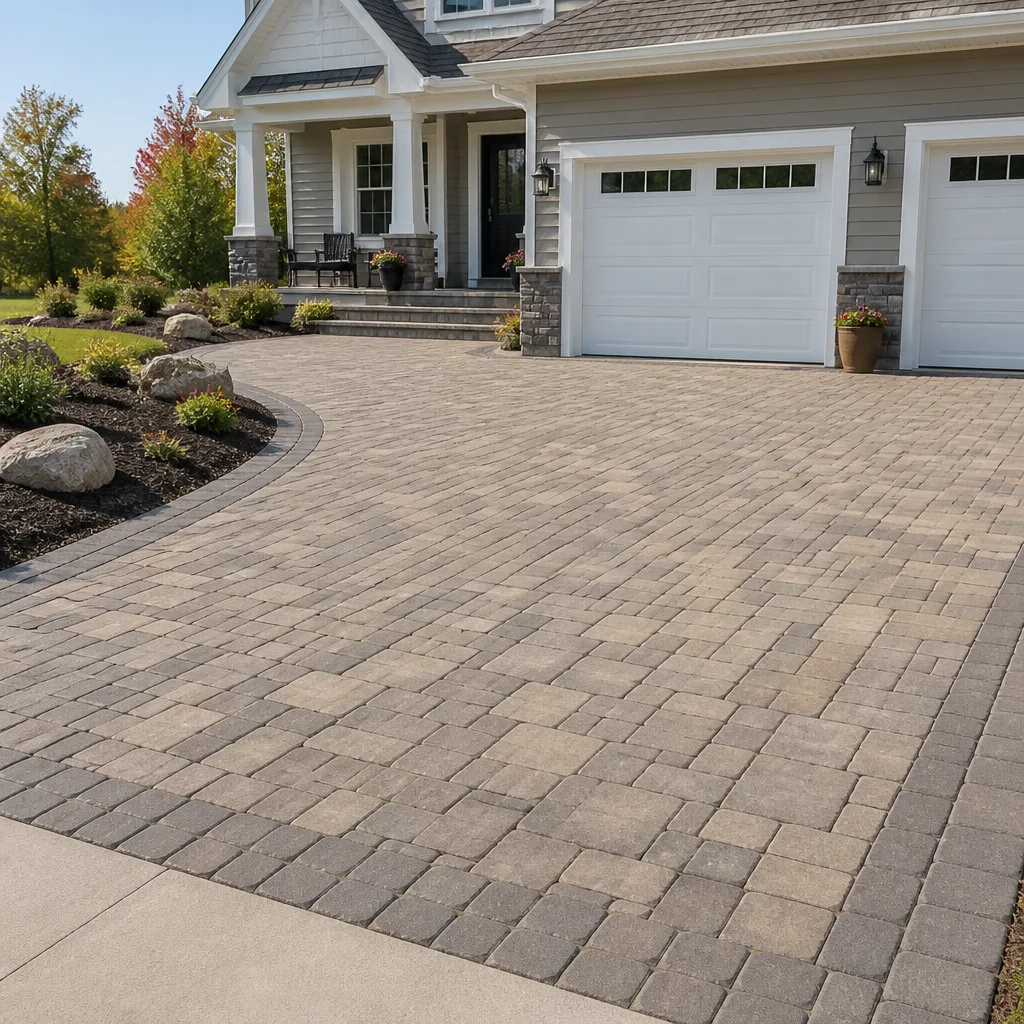
- Outdoor material coverage where relevant. For exterior hardscaping, brands like Belgard and Unilock carry structural warranties on pavers and retaining wall systems. Ask which brand is going in and what the manufacturer covers.
A warranty that’s written down and backed by a company that answers its phone is the difference between a year of confidence and a year of wondering. In Los Angeles, where the same city inspection backlog that slowed your job also slows your neighbor’s, the right contractor is the one who still picks up when you call at month eleven.
Common Mistakes to Avoid
- Choosing tile after the rough-in. Drain locations, valve placements, and substrate prep all depend on tile size and layout. Change it late and you’re paying for the same plumbing twice.
- Skipping the permit on a drain move. In Los Angeles, moving a shower drain in a slab foundation without a permit is not a shortcut. It’s a liability that follows the house to resale.
- Ignoring soil conditions on an addition. Expansive clay in the San Fernando Valley and liquefaction zones near the LA River change foundation design. A contractor who skips the soils report is saving you money at the wrong end of the project.
- Accepting a verbal estimate as a price. A verbal number is a guess. A written line-item price is a commitment. The difference shows up the first time the sub’s invoice doesn’t match the conversation.
- Planning a timeline without the LADBS backlog. Plan check and inspections in Los Angeles run on city time, not contractor time. Budget for it and the job feels on schedule. Ignore it and every week feels like a delay.
- Hiring the lowest bid without checking insurance. In California, an uninsured worker injured on your property can become your liability. The cheapest bid can turn into the most expensive claim.
- Waiting until after drywall to choose lighting. Junction boxes, sconce placements, and switch locations go in during rough-in. Moving them later means patching, texturing, and repainting.
When to Call a Professional
Some projects you can do yourself: painting a bedroom, swapping a faucet cartridge, changing cabinet hardware. But the moment you’re moving plumbing, opening walls, touching structure, or pulling a permit in Los Angeles, you want a licensed contractor who has navigated LADBS before. If your project involves moving a drain, removing a load-bearing wall, adding square footage, or replacing a panel, the risk of doing it wrong is structural, not cosmetic. Penhallow Remodeling offers free estimates in Los Angeles. Call (936) 259-2607 and we’ll walk through your project, your timeline, and a written price before anything gets opened up.
Frequently Asked Questions
A kitchen remodel in Los Angeles typically runs $35,000 to $90,000 depending on layout, cabinet line, and countertop material, while a bathroom remodel runs $18,000 to $45,000. Call (936) 259-2607 for an exact quote on your project, estimates are free.
You need a permit in Los Angeles if your kitchen remodel changes the layout, moves plumbing or electrical, or touches load-bearing structure. Cosmetic updates like painting, cabinet refacing, and countertop swaps usually don’t require one. Call (936) 259-2607 and we’ll tell you which category your project falls into.
A kitchen remodel in Los Angeles takes eight to ten weeks end to end, including LADBS inspection windows and material lead times. Plan check, if required, adds three to eight weeks before demo starts. Call (936) 259-2607 for a timeline based on your specific scope.
Los Angeles construction costs run higher because of LADBS permit fees, seismic and soil requirements, high subcontractor rates, and the time lost to inspection backlogs. See our Construction Cost Breakdown: The Los Angeles Homeowner’s Reference for 2026 for line-item detail. The materials cost the same as anywhere; the labor and the process cost more. Call (936) 259-2607 for a written price that breaks all of this down line by line.
Expansive clay soil swells when wet and shrinks when dry, which can crack slabs and shift footings. In Los Angeles, this affects foundation scope for additions and structural work, and it’s why soil reports are common on bigger projects. Call (936) 259-2607 if you’re adding square footage and want to know whether a soils report applies.
A construction contract in Los Angeles should include a line-item price for every phase, specific material allowances, a milestone-based payment schedule, a written change-order process, and a written guarantee covering workmanship. Call (936) 259-2607 for a free estimate, and you’ll see all of it in writing before you sign.
The Bottom Line
Construction in Los Angeles rewards the homeowner who sequences decisions correctly. Pick your finishes before framing. Understand that LA’s clay soil and liquefaction zones shape your foundation scope. Know which permits apply and budget for LADBS inspection windows. Get every price in writing, and hold out for a written guarantee. For more guides & resources, visit our blog. The contractors who resist written pricing are the ones counting on the vagueness. The ones who offer it without being asked are the ones you want in your house. At Penhallow Remodeling, we’ve been operating to The Kingswell Way since 2004, and the rule holds: say the price before the work, show up in the window we gave, and leave the place cleaner than we found it. Call (936) 259-2607 to schedule your free estimate.
Written by Trevor Nash, Owner at Penhallow Remodeling, serving Los Angeles since 2004.