
Last updated October 8, 2026
Free written scope consultation - allowances, timeline, and change-order rules on paper before a single trade is scheduled
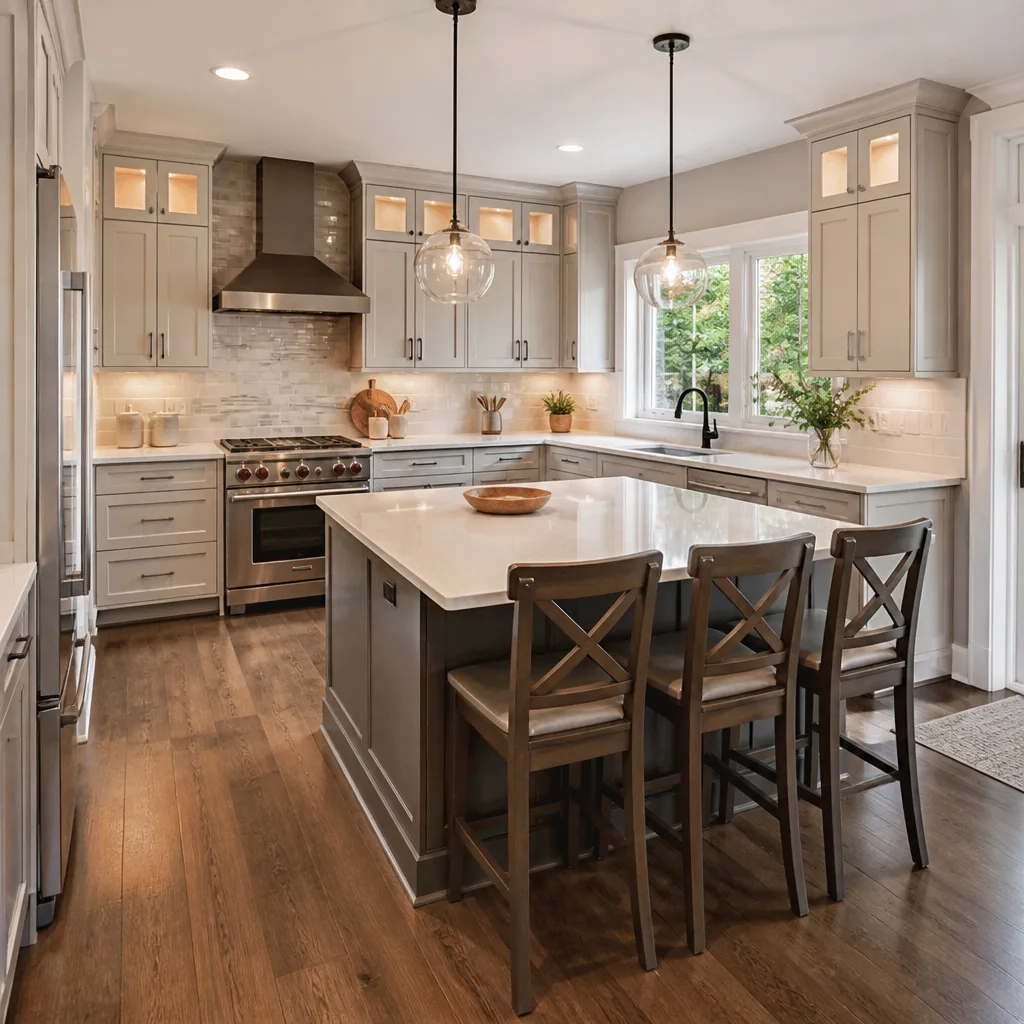
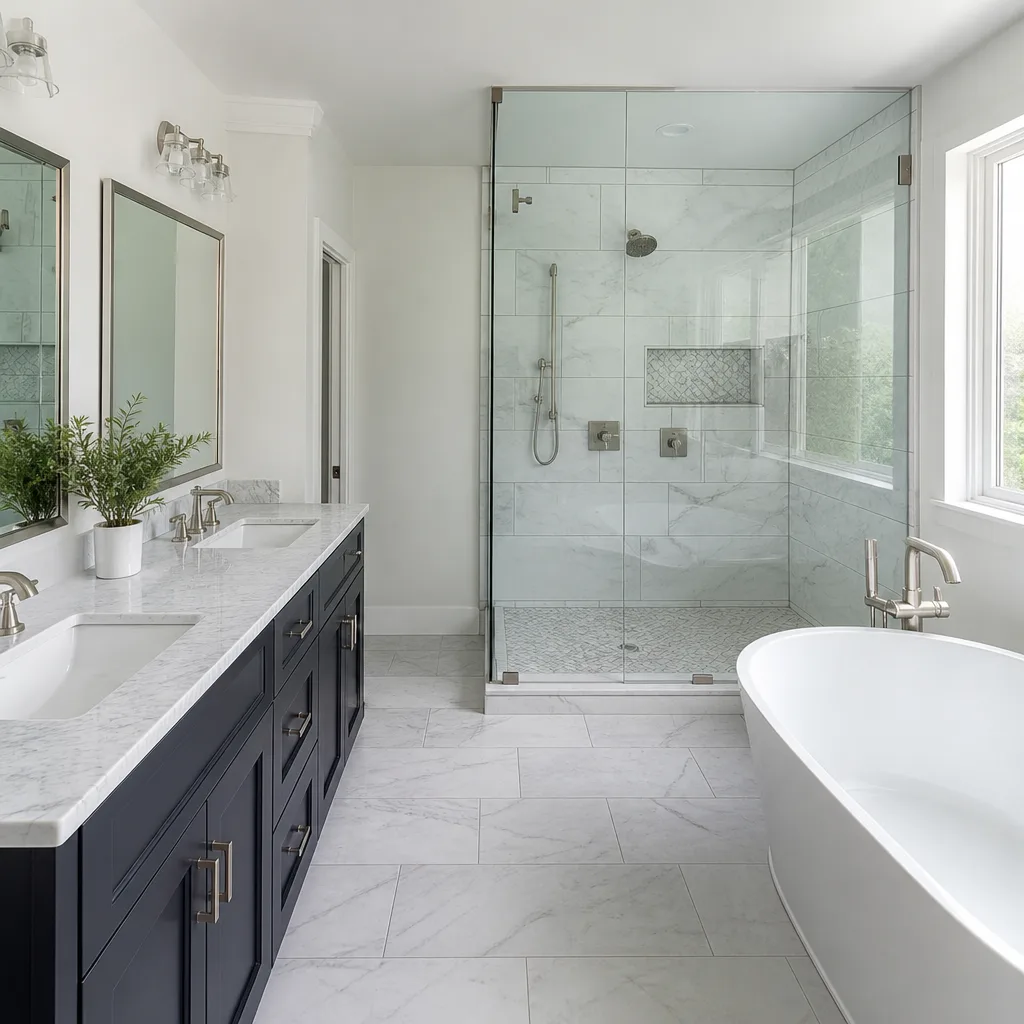
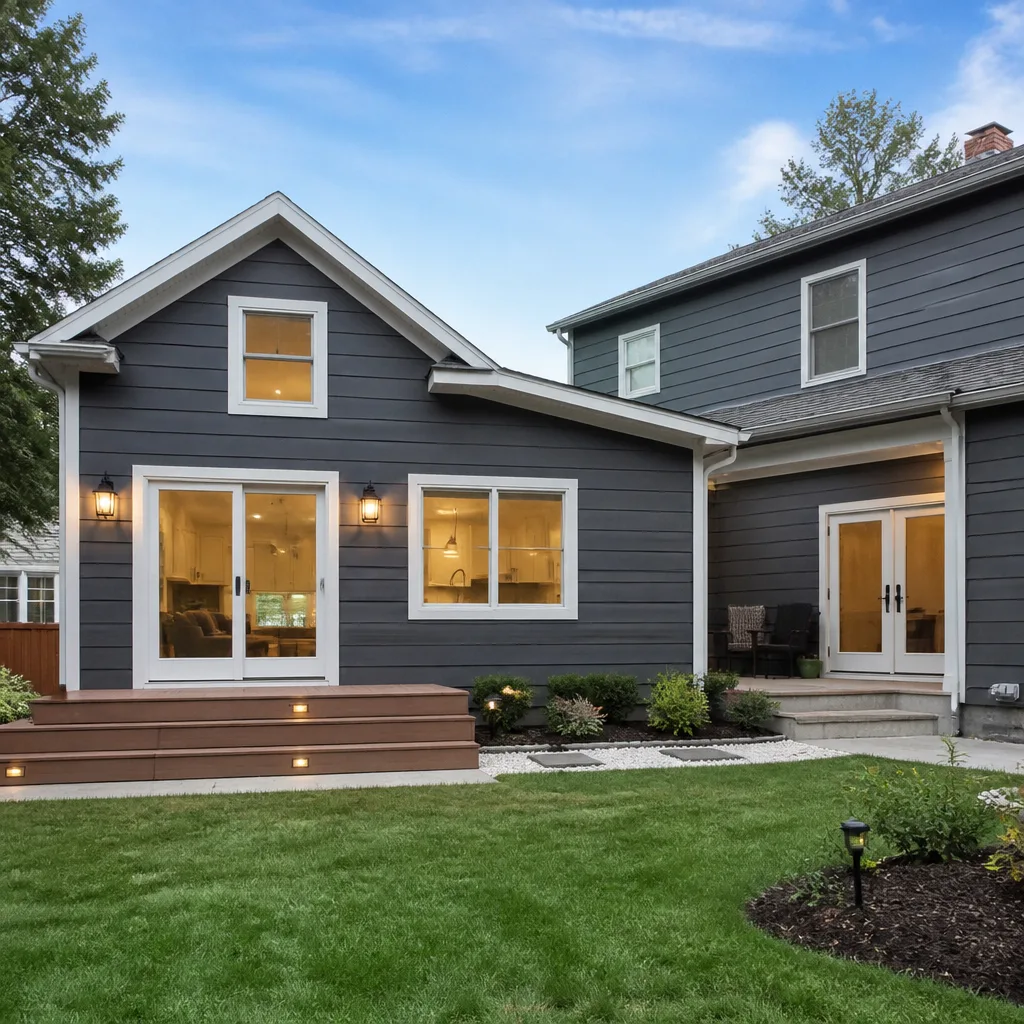
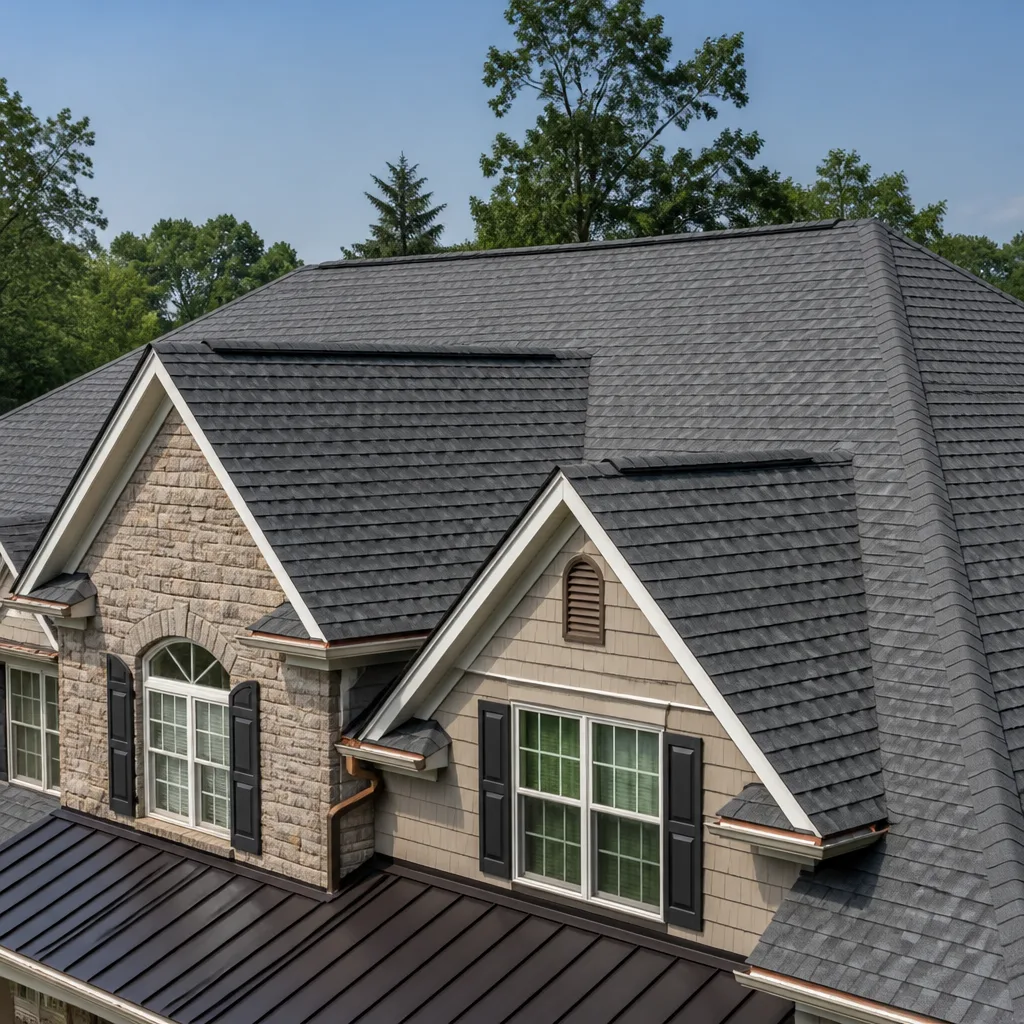
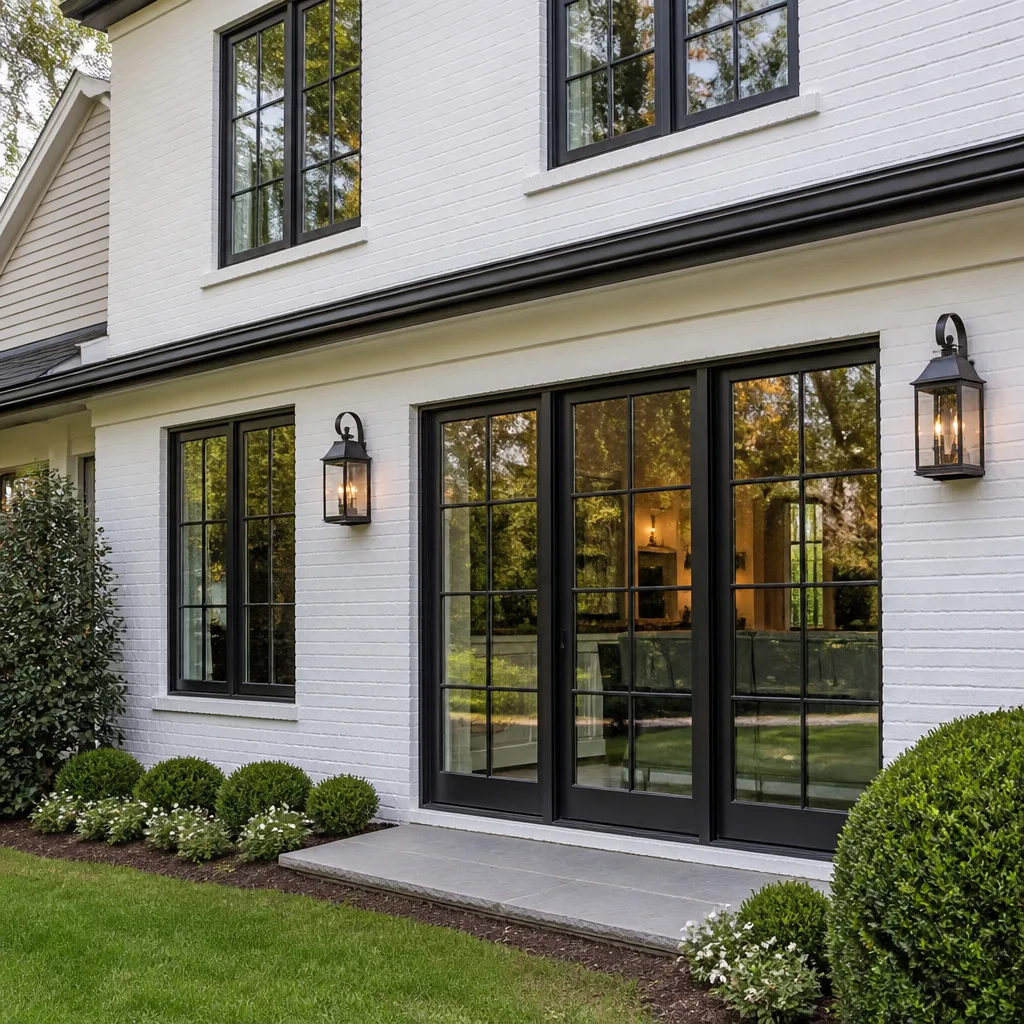
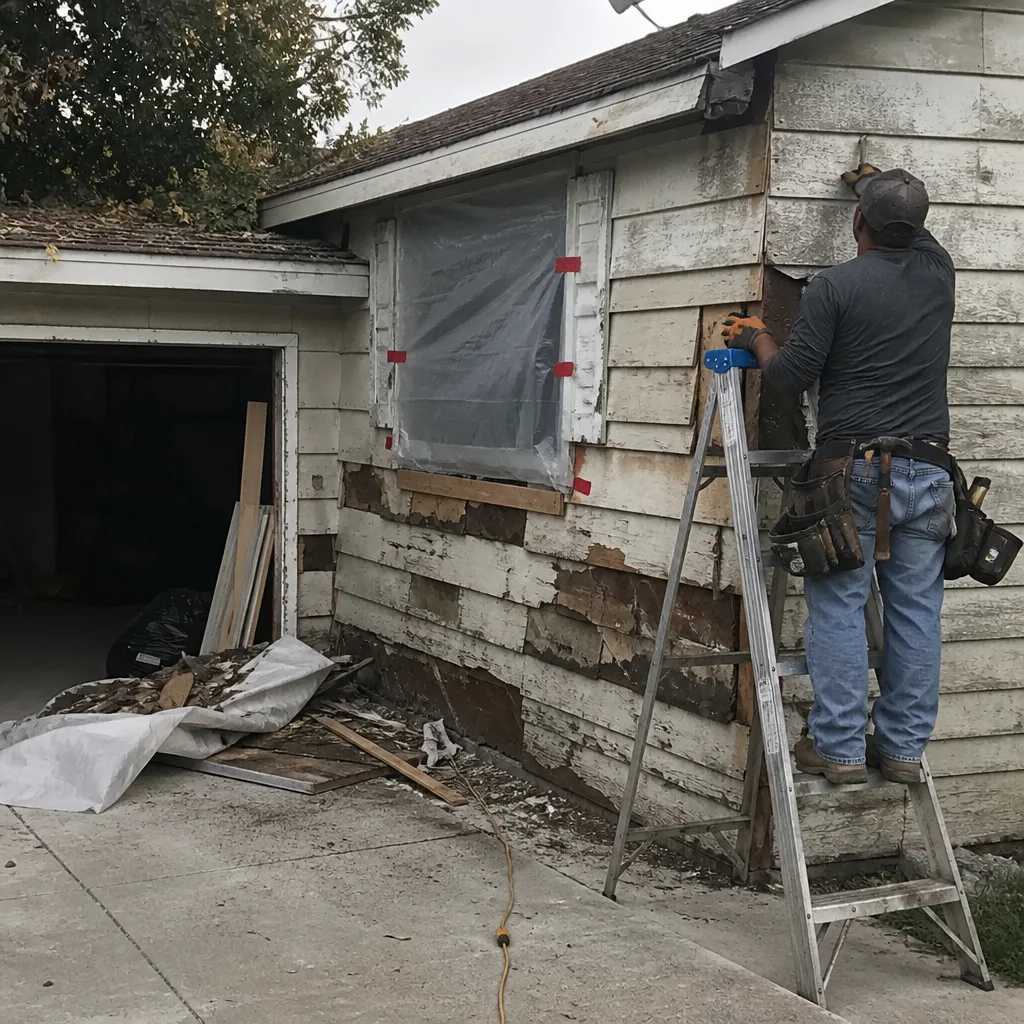 Before
 After
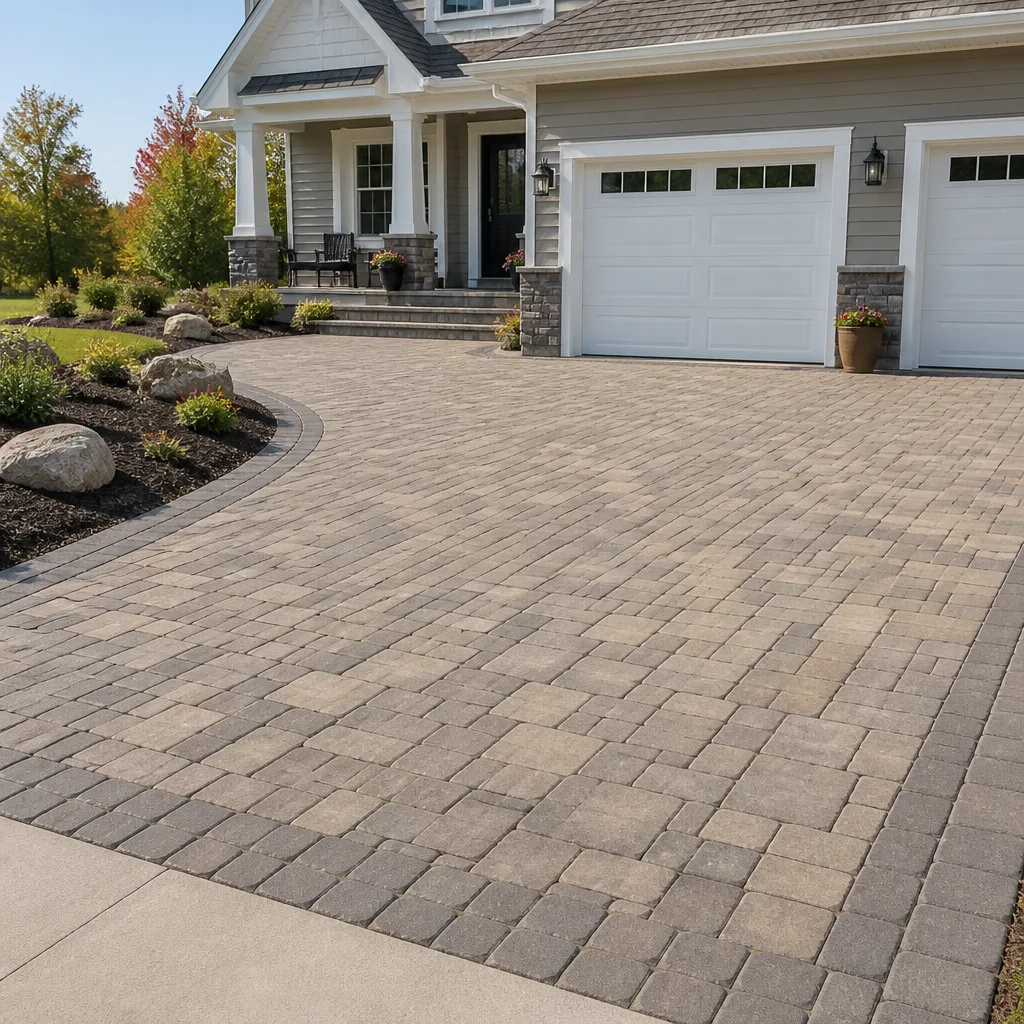
After Before
 After
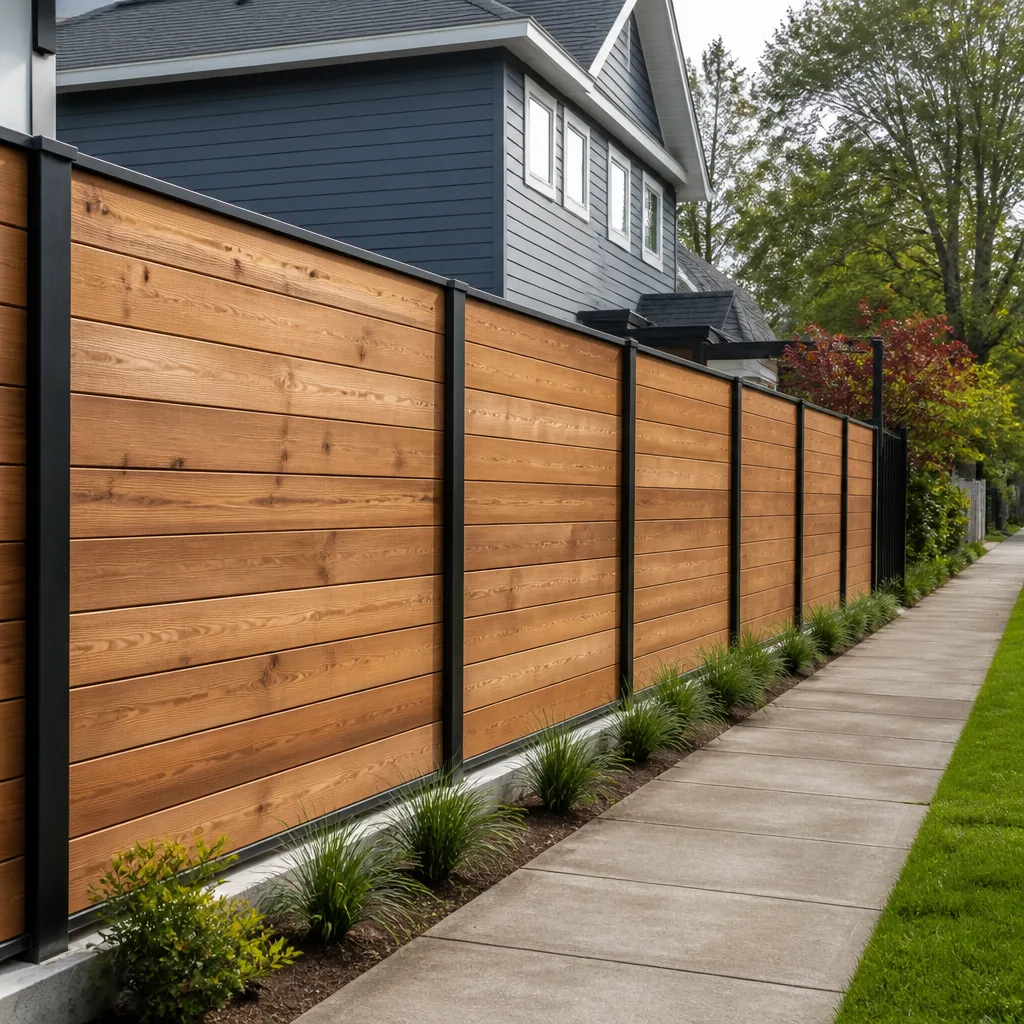
After Before
 After
AfterThe Complete Home Remodeling Guide for Los Angeles Homeowners
Most Los Angeles homes built before 1980 will surface at least one of three issues during a whole-home remodel: asbestos-containing materials, knob-and-tube wiring, or galvanized plumbing. Knowing which one you’re dealing with before you sign a contract changes your budget by tens of thousands of dollars, not hundreds. This guide walks through the sequencing, permitting, and pricing decisions that determine whether a Los Angeles remodel finishes in six months or drags into year two.
Quick Answer
Whole-home remodeling in Los Angeles typically costs $150,000 to $450,000 depending on square footage, structural work, and finish level, with kitchens running $18,000 to $55,000 and bathrooms $12,000 to $35,000 as component scopes. Smart sequencing and bundled LADBS permitting can cut 8 to 14 weeks off a multi-room project. The single most important document is a written scope of work that specifies materials by brand and model, because that’s what makes your price enforceable.
Table of Contents
- How to Sequence a Whole-Home Remodel in Los Angeles
- LA Pre-Construction Due Diligence: Asbestos, Soft-Story, and ADU Issues
- Bundling Permits at LADBS: What Actually Saves Money
- The Written Scope of Work: What Keeps Your Price Enforceable
- What a Whole-Home Remodel Costs in Los Angeles Right Now
- How a 365-Day Guarantee Works Across Multiple Trades
- Common Mistakes to Avoid
- When to Call a Professional
- Frequently Asked Questions
How to Sequence a Whole-Home Remodel in Los Angeles
Sequencing is not a matter of preference. It’s a matter of physics: drywall cannot go up before rough electrical is inspected, cabinets cannot be set before the subfloor is level, and paint cannot cure in a room where tile is still being cut. In Los Angeles, where many homes are occupied during remodel work, the sequence also determines whether you can keep living in the house or need to move out for two months.
The order that works in most LA homes, from our experience running whole-home projects, is this:
- Demolition and structural work first. This includes any foundation repair, shear wall installation, soft-story retrofit, or header replacement. Do this before anything else because every subsequent trade depends on the framing being true and the building being stable.
- Rough plumbing and rough electrical second. This is where pre-1980 Los Angeles homes slow down. If you have galvanized pipes or knob-and-tube wiring, this phase takes longer and costs more than the permit line items suggest. Both trades need the walls open, which is why they run together before insulation.
- Insulation and drywall third. City of Los Angeles energy code (Title 24) requires specific insulation values by climate zone. LA is mostly zone 6, which means R-13 to R-21 in exterior walls. Drywall goes up only after rough inspections pass.
- Tile, flooring, and cabinetry fourth. Tile before cabinetry in bathrooms so the tile runs under the vanity edge. Flooring before cabinetry in kitchens so appliances sit on finished floor, not subfloor.
- Fixtures, paint, and finish work fifth. Kohler and Moen fixtures, Cambria or Silestone counters, and paint go in last so they don’t get damaged by earlier trades.
The reason this sequence cuts total project time in Los Angeles specifically is that LADBS rough inspections for plumbing and electrical must be scheduled separately, and if the wall cavities are not open when the inspector arrives, you fail and wait two more weeks for a re-inspection. Sequencing the rough trades together means one wall opening, two inspections in the same week, and no wasted cycle time. Our team follows this order on every Kitchen Remodeling in Los Angeles and Bathroom Remodeling in Los Angeles project because it’s the difference between a six-month remodel and a nine-month one.
LA Pre-Construction Due Diligence: Asbestos, Soft-Story, and ADU Issues
Before you sign a contract, three Los Angeles-specific conditions need to be identified. None of them are visible in a walkthrough, and all of them change your budget.
Asbestos-containing materials. Homes built before 1980 in Los Angeles often contain asbestos in popcorn ceilings, vinyl floor tile, pipe insulation, or drywall joint compound. California law requires asbestos testing before renovation in most cases, and if you disturb asbestos without a certified abatement, the fines start around $25,000. Abatement for a typical 1,400-square-foot LA home with popcorn ceilings runs $3,500 to $8,000. Testing itself is $250 to $800. Do not skip this. A contractor who tells you “we’ll just demo it” is putting your health and your legal exposure on the line.
Soft-story retrofit status. Los Angeles passed its mandatory soft-story retrofit ordinance in 2015, covering buildings with weak first floors and tuck-under parking. If your home falls under the ordinance and you’re already doing structural work, bundling the retrofit into your remodel avoids a second round of permits and a second round of demolition later. It’s not optional forever: the city has been sending compliance orders in phases. If your home was built before 1978 and has living space over a garage, check your status before planning a kitchen or bathroom remodel upstairs.
ADU adjacency. Los Angeles has some of the most permissive ADU rules in the country, and if you’re doing a whole-home remodel, adding an ADU at the same time can make financial sense: shared permits, shared site costs, shared foundation and utility work. But the adjacency matters. An ADU attached to the main house shares one electrical service and one sewer line, which changes how you size both. A detached ADU needs separate utility runs and a separate water meter in some LA neighborhoods, which adds $8,000 to $15,000. Decide early whether you’re doing one, because retrofitting later means redoing work you already paid for.
Pre-construction due diligence in Los Angeles also includes checking the hillside ordinance if you’re in Mount Washington, Echo Park, or Silver Lake, and checking historical status if you’re in Hancock Park, Windsor Square, or parts of West Adams. Hillside and historical overlay districts add review layers that slow permits by weeks. A General Contractor in Los Angeles who has pulled permits in your specific neighborhood will already know which overlays apply.
Bundling Permits at LADBS: What Actually Saves Money
LADBS charges permit fees based on valuation of the work, and they charge separate fees for building, plumbing, electrical, and mechanical permits. Bundling does not mean one permit for everything. It means submitting them together so that plan review happens once, inspections get scheduled in the same visit, and you don’t pay multiple plan-check fees for overlapping scope.
Here’s the practical version:
- Submit all trade permits at the same time as the building permit. The building permit triggers plan check. If you file the plumbing and electrical separately, each triggers its own plan check cycle and its own inspection schedule. Filing together means one plan review cycle, which in Los Angeles is often 4 to 8 weeks faster than sequential filings.
- Bundle like-for-like demolition. If you’re taking down interior walls in a kitchen and bathroom at the same time, one demolition permit covers both. If the scopes are separated by months, you pay twice.
- Use the express permit system where it applies. LADBS offers express permits for simple work with no plan check: water heater replacements, repiping, minor electrical. Not everything qualifies, but when it does, you pay the fee and walk out with the permit the same day. For a whole-home remodel, express permits typically cover the repipe portion and save $800 to $1,500 in plan review fees.
- Time inspections to trade completion, not calendar dates. LADBS inspectors in Los Angeles are assigned by district. If your plumbing and electrical rough finishes in the same week, you can often get both inspections on the same morning. That saves you a full inspection cycle, and in a city where re-inspection waits run 2 to 3 weeks, that’s real time off your schedule.
The Kingswell Way has been built on a simple standard since 2004: say the price before the work, show up in the window we gave, leave the place cleaner than we found it. Bundling permits is part of that discipline. It’s not glamorous, but it’s where the schedule and the budget get protected. If you want to understand what full permit bundling looks like for your specific home, the place to start is a written scope of work and a licensed General Contractor in Los Angeles who knows the LADBS district for your zip code.
The Written Scope of Work: What Keeps Your Price Enforceable
A verbal estimate is not a contract. A one-page “remodel kitchen, $40,000” is barely more than a receipt for a dispute. In California, an enforceable construction contract includes a written scope of work that specifies what is being done, what materials are being used, and what happens if something changes.
The sections most contracts leave blank are the ones that matter most:
- Materials by brand and model, not category. “Kitchen cabinets” is not a scope. “Wellborn cabinet line, Maple, Shaker door style, soft-close hinges, full-extension drawers” is a scope. The difference is about $7,000 on a typical LA kitchen. If the contract doesn’t name the cabinet line, the contractor can deliver the cheapest box store cabinet and still technically meet “cabinets.”
- Surfaces with edge detail and finish specification. “Quartz countertop” leaves room for a 2cm slab with a standard edge and no backsplash. “Cambria quartz, 3cm, mitered edge, 4-inch matching backsplash, installed over 3/4-inch plywood substrate” closes that gap. We use Cambria, Silestone, and Caesarstone because those brands carry their own warranties alongside ours.
- Permit and inspection responsibility. Who pulls the permit? Who is the permit named to? Who calls for inspection and who is on site when the inspector arrives? If these are blank, the answer is “somebody else” when something fails.
- Change order process. What triggers one, how it’s priced, and what happens if you and the contractor disagree. A written change order process means the price on day one is the price on invoice day, unless you changes the scope in writing.
- Exclusions. What is specifically not in the price: painting, appliances, window coverings, structural engineer fees, asbestos abatement if discovered. A good contractor lists exclusions. A contractor who hides them is planning to bill you for them later.
The number on day one is the number on the invoice. That’s the standard Trevor Nash set when he founded Penhallow Remodeling, and it’s the reason every project starts with a written price, not an estimate range, not a verbal ballpark. You can hold us to it.
What a Whole-Home Remodel Costs in Los Angeles Right Now
Los Angeles construction costs run 15 to 25 percent higher than the national average because of labor rates, LADBS fees, and California material requirements like Title 24 compliance, low-VOC finishes, and seismic hardware. Here’s what we see across the city in 2025:
- Whole-home remodel, cosmetic (no structural): $150,000 to $250,000 on a 1,400 to 1,800 square foot home. Includes kitchen, two baths, flooring, paint, lighting. Does not include structural work.
- Whole-home remodel with structural work: $250,000 to $450,000. Includes foundation repair, shear wall or soft-story retrofit, roof work, window replacement with James Hardie siding where applicable.
- Kitchen component: $18,000 to $55,000 depending on layout, cabinet line (KraftMaid versus Wellborn), countertop material (Caesarstone versus Silestone versus Cambria), and whether you move plumbing or electrical.
- Bathroom component: $12,000 to $35,000 per bathroom depending on tile scope, waterproofing method, and whether you convert a tub to a walk-in shower.
- Permit and design fees: $4,000 to $12,000 for a whole-home scope in Los Angeles. Plan check, inspection, and school district fees are separate line items, not part of the construction price.
What drives the number up or down in Los Angeles specifically: whether your home has galvanized plumbing (repipe adds $8,000 to $15,000), whether it has knob-and-tube wiring (rewire adds $12,000 to $25,000), whether it’s in a hillside zone (foundation and grading work adds $30,000 to $80,000), and whether you’re in a neighborhood with historical review (West Adams, Hancock Park, and portions of Los Feliz add 6 to 10 weeks of review time and associated carrying costs).
The cost guide matters, but the written quote matters more. When you schedule a Kitchen Remodeling in Los Angeles estimate with us, you get a written line-item price, not a range. That’s the point of the whole exercise.
How a 365-Day Guarantee Works Across Multiple Trades
A whole-home remodel involves four to eight trades: framing, plumbing, electrical, drywall, tile, cabinetry, paint, and finish work. What happens when the tile cracks and the tile contractor says it was the drywall movement, and the drywall contractor says it was the tile setting?
That’s the interaction problem, and it’s the actual test of a warranty. Here’s how the 365-Day Done Right Promise handles it at Penhallow Remodeling: the guarantee covers the project as a whole, not trade by trade. If the work fails inside the guarantee period, we come back and fix it at no charge. We don’t adjudicate blame between the tile setter and the drywall crew. We fix the defect and figure out causation on our own time, not yours.
The promise is backed in writing on every project. It’s not a verbal assurance. It’s a written guarantee included with every job, and it covers workmanship across all trade scopes for 365 days from project completion. If a repair fails, the second visit is free: no service call, no re-inspection fee.
What the guarantee does not cover: damage from homeowner modification, normal wear, and products that carry their own manufacturer warranty. Cambria quartz carries a lifetime warranty that transfers to a second owner. James Hardie siding carries a 30-year non-prorated product warranty. Kohler and Moen fixtures carry limited lifetime warranties on finish and function. Those layer on top of our promise, which is about workmanship: the install, the waterproofing, the carpentry, the fit and finish.
If two trades interact to cause a defect, and the defect shows up in month eight, you call us. We come back. That’s the guarantee, and it’s a different conversation than the one you’d have with a contractor who hands you a verbal promise and a bill for the change order. We’ve been operating to The Kingswell Way since 2004, and the guarantee has been the same backstop since day one.
Common Mistakes to Avoid
- Signing a contract without a written material specification. “Cabinet line: TBD” is an open checkbook. When the line item is blank, the cheapest product is what arrives. Name the brand, the line, and the finish in writing before you sign.
- Demolishing before asbestos testing. In Los Angeles, this is not a budgeting shortcut. It’s a health and legal violation, and it can cost more in fines than the remodel itself. Test first, always.
- Sequencing cosmetic work before structural work. Painting a room, then opening the wall for a repipe, means painting that room twice. In our experience, homeowners who skip the sequence step pay about 8% more in rework.
- Pulling permits separately for each room. LADBS plan check runs 4 to 8 weeks per cycle. Filing kitchen and bath scopes separately doubles that time. Bundle the permit submittal even if the construction phasing is staggered.
- Ignoring soft-story retrofit status. If your home falls under the LA ordinance and you defer the retrofit, you’ll pay permit fees twice and carry compliance risk in between. If you’re already doing structural work, do the retrofit in the same scope.
- Choosing a contractor on price alone. The lowest bid in Los Angeles is often low because it excludes permits, excludes asbestos testing, and excludes the written guarantee. A low price with no written scope is a high price waiting to happen.
- Not checking the guarantee interaction clause. Most warranty language covers each trade separately, which means the contractor can blame the other trade when two scopes interact. Ask what happens in the interaction case before you sign.
When to Call a Professional
Structural modification, knob-and-tube rewiring, galvanized repiping, asbestos abatement, and anything involving LADBS plan check are not DIY projects. In Los Angeles, unpermitted structural work can trigger a stop-work order, a fine, and in some cases a notice of violation that has to be disclosed when you sell. If your remodel involves moving a load-bearing wall, changing the roofline, or touching the foundation, you need a licensed contractor who pulls permits and passes inspections. Penhallow Remodeling offers free estimates in Los Angeles, call (936) 259-2607 to talk through your project scope. You’ll get a written price before any work starts, and a real person will answer the phone.
Frequently Asked Questions
A whole-home remodel in Los Angeles typically costs $150,000 to $450,000 depending on square footage, structural work, and finish level. The lower end covers cosmetic remodels with no structural changes and builder-grade finishes. The upper end includes structural retrofit, repiping, rewiring, and premium materials like Cambria quartz and custom cabinetry. Call (936) 259-2607 for an exact quote, estimates are free.
Plan on 5 to 9 months for a whole-home remodel in Los Angeles, with 4 to 8 weeks of that being LADBS permit review before construction starts. Projects with structural work, hillside considerations, or historical overlay review run longer. Proper sequencing of rough trades cuts 8 to 14 weeks off the construction timeline.
Yes, if your home was built before 1980, California law requires asbestos testing before renovation work that disturbs more than 100 square feet of material. Testing costs $250 to $800. Abatement, if required, costs $3,500 to $8,000 for a typical LA home. Skipping testing is a legal and health risk, not a cost savings.
A whole-home remodel in Los Angeles requires a building permit plus separate plumbing, electrical, and mechanical permits, all filed through LADBS. Structural work requires plan check. Bundling the permit submittal into one package reduces total review time and inspection scheduling conflicts. Call (936) 259-2607 to discuss what your specific scope requires.
Not if the contract has a written scope of work with materials specified by brand and model, plus a defined change order process. Price changes happen when the scope is vague, when materials are unspecified, or when hidden conditions like galvanized plumbing are discovered. The Penhallow standard is a written price before any work starts, with the number on day one being the number on the invoice, unless you change the scope in writing.
Yes. The 365-Day Done Right Promise covers the project as a whole, not trade by trade. If any workmanship inside the guarantee period fails, we come back and fix it at no charge, regardless of which trade caused the defect. If a repair fails, the second visit is free: no service call, no re-inspection fee.
The Bottom Line
A whole-home remodel in Los Angeles is a sequencing problem as much as a construction problem. Test for asbestos, check your soft-story status, decide on ADU adjacency, then sequence structural, rough, and finish work in that order. Bundle your permits at LADBS, and get a written scope of work that names materials by brand and model. The price and the guarantee should both be in writing before a single cabinet is pulled. That’s the standard at Penhallow Remodeling home, and it’s the reason Los Angeles homeowners who’ve been burned once call us the second time.
Written by Trevor Nash, Owner at Penhallow Remodeling, serving Los Angeles since 2004.