
Last updated October 8, 2026
Free written scope consultation - allowances, timeline, and change-order rules on paper before a single trade is scheduled







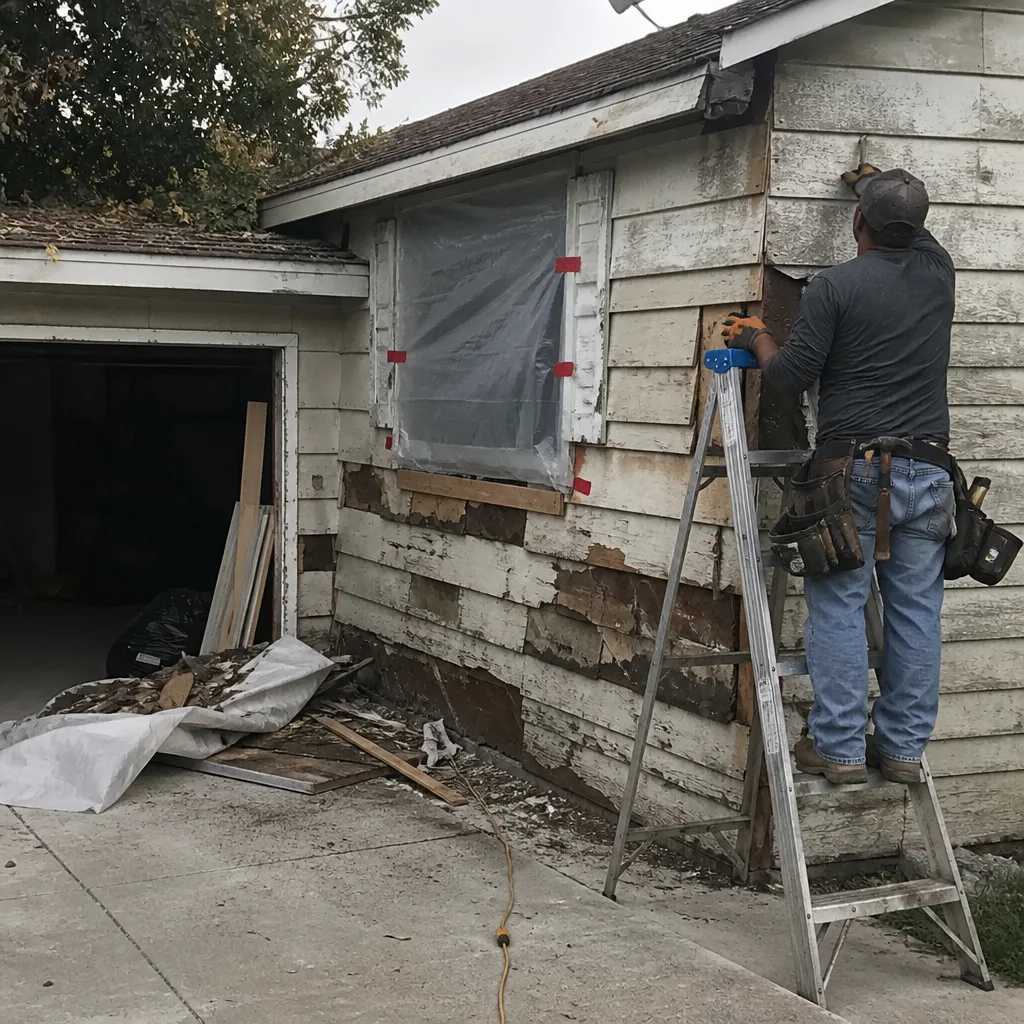 Before
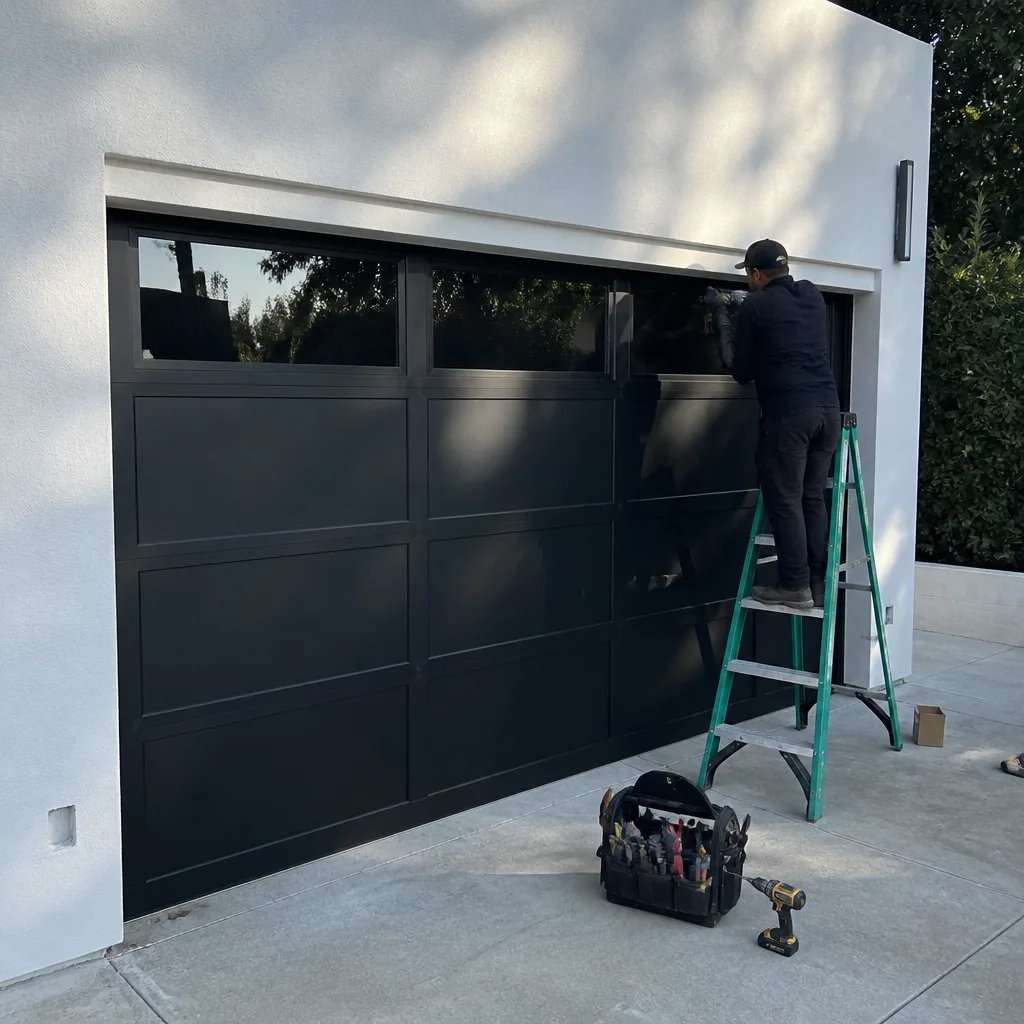 After
After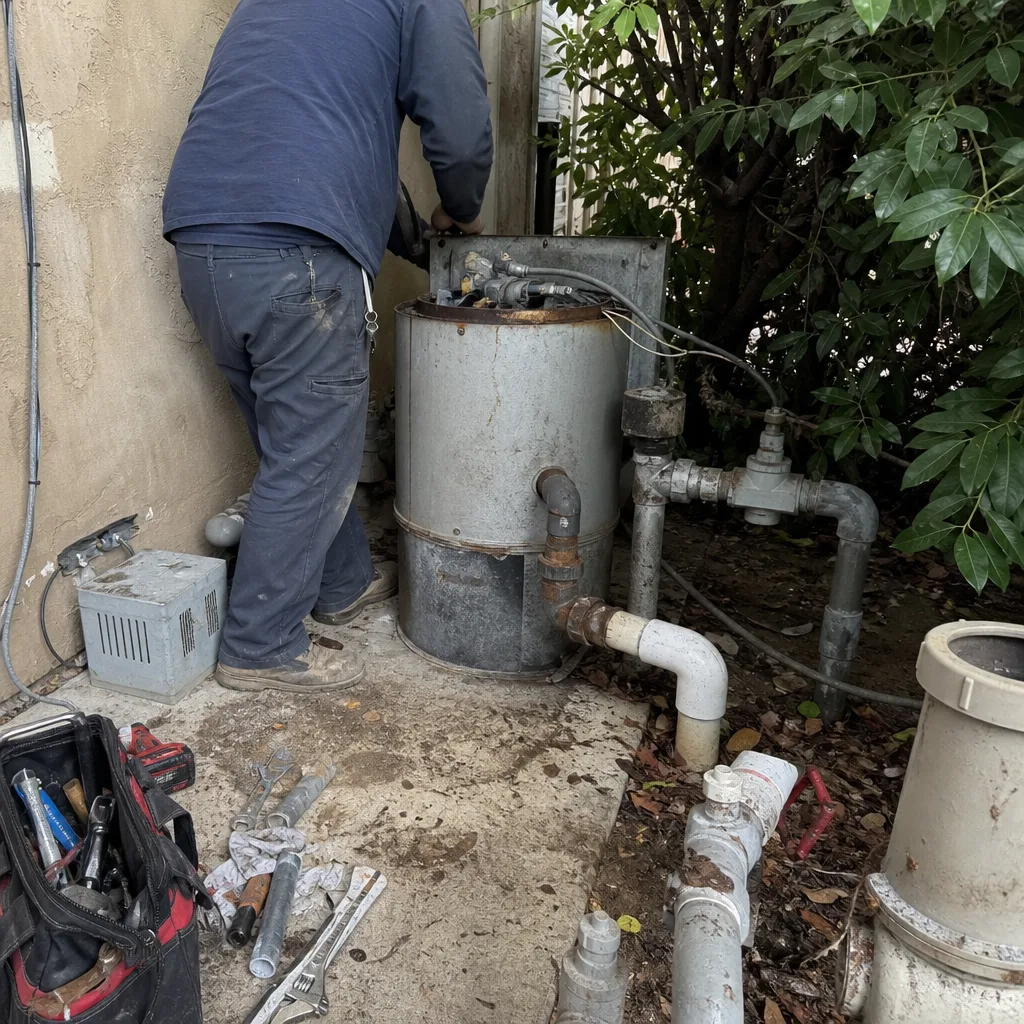 Before
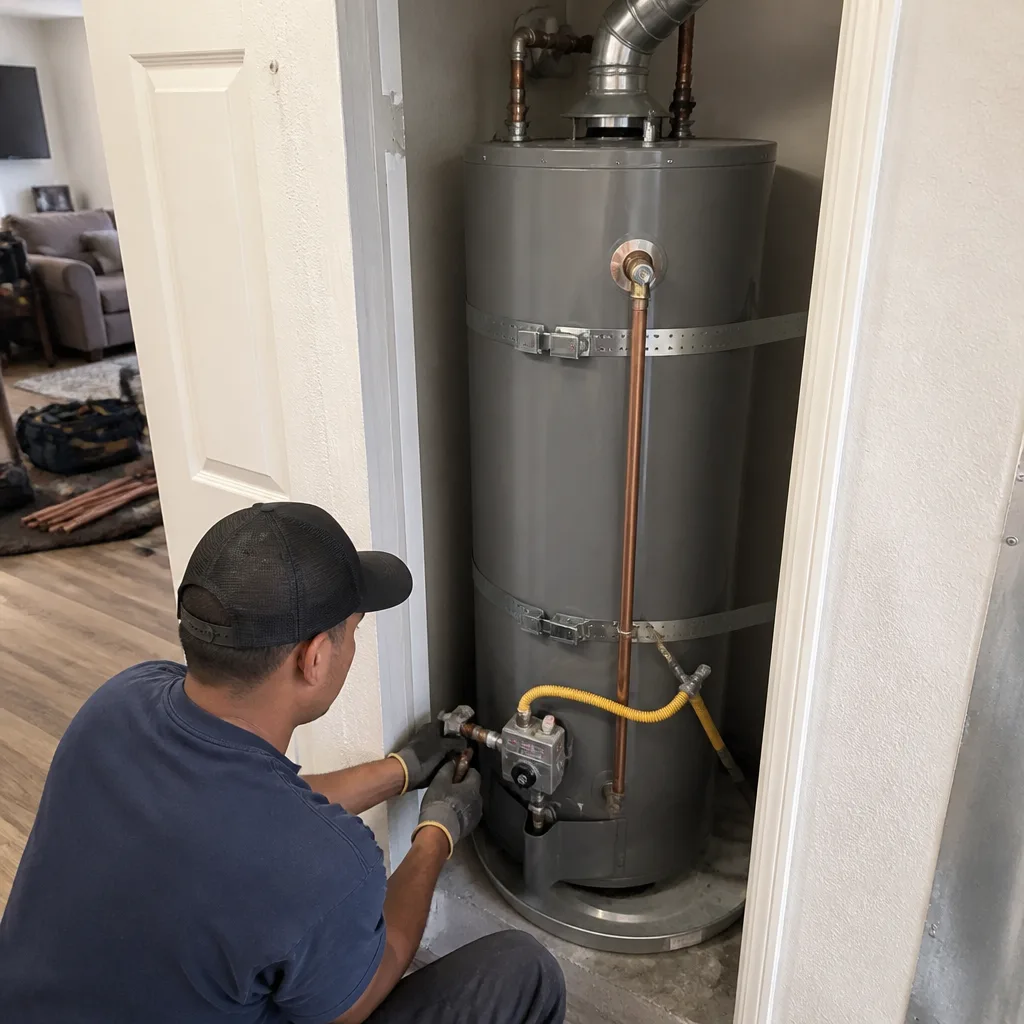 After
After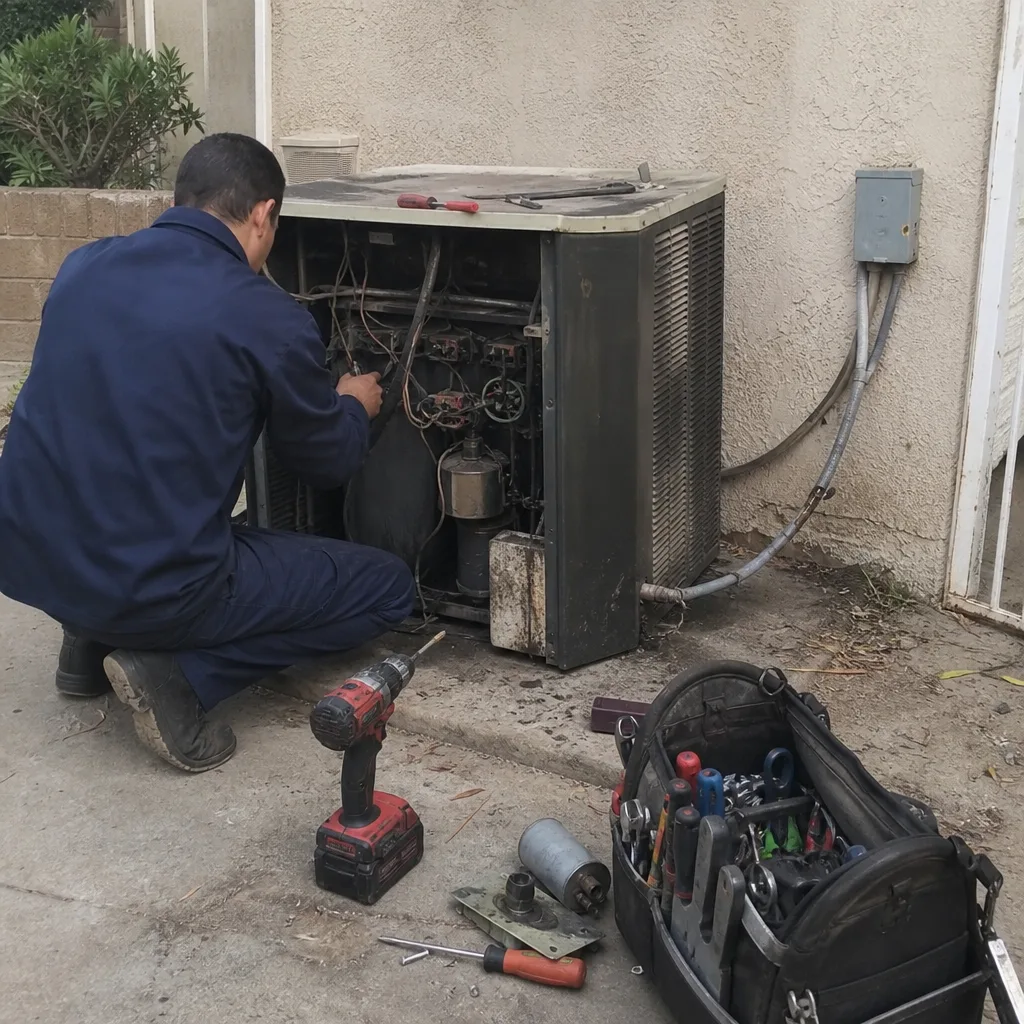 Before
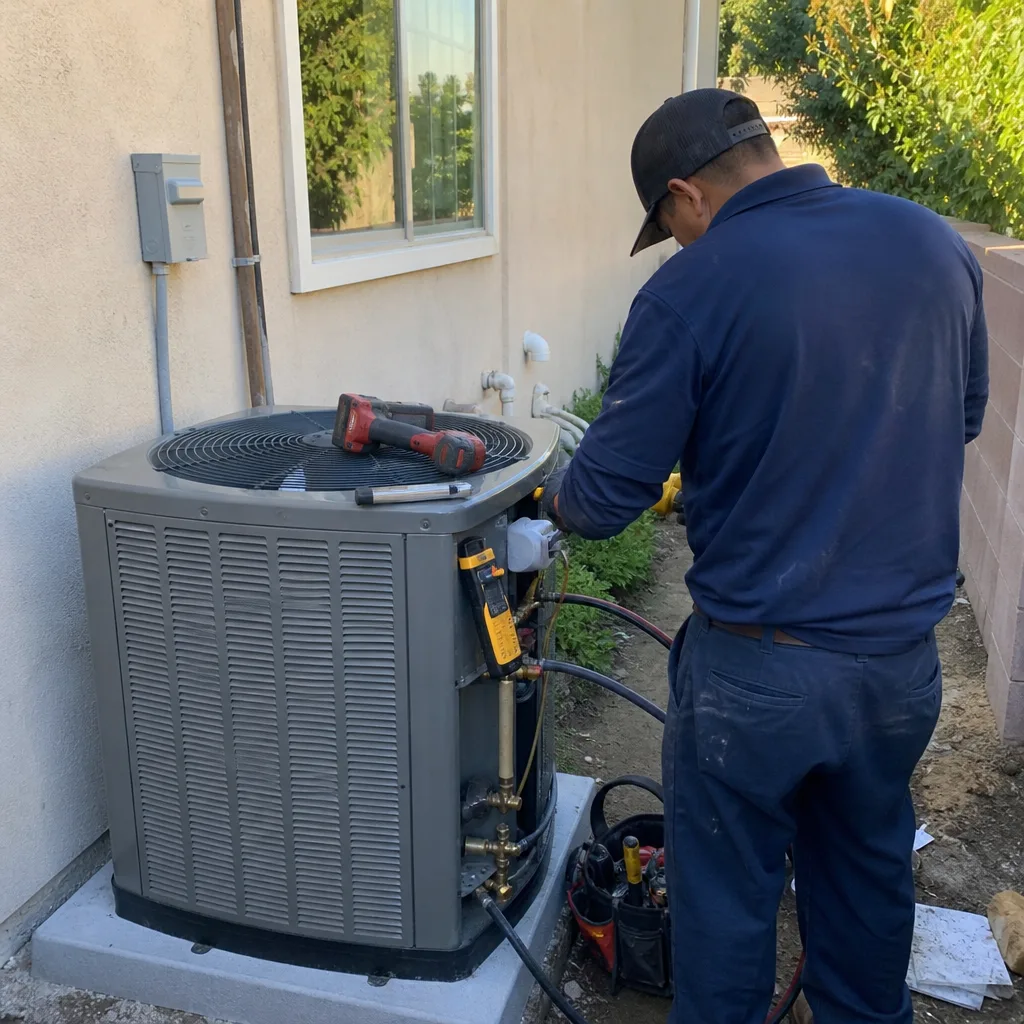 After
AfterConstruction Emergency Preparedness Guide for Los Angeles Homes
After the Northridge earthquake, thousands of Los Angeles homeowners lived in structurally compromised houses for months because they didn’t know how to read a placard. The green tag on the door didn’t mean the house was safe. It meant the city hadn’t condemned it yet. This guide covers what most emergency checklists skip: how to read LA’s post-disaster building placard system, what to inspect in the first 24 hours after a seismic event, which water intrusion failures hit LA construction types hardest, and why the contractor you find at 10pm after a storm failure is rarely the one you want doing the repair. For more guides & resources, see our blog.
Quick Answer
A construction emergency in Los Angeles comes down to one question: is the structure safe to occupy? If you see a red placard, evacuate immediately and contact a licensed structural engineer. For anything short of that, document the damage, shut off utilities only if you can do so safely, and call a contractor who has already given you a written price and a written guarantee before the emergency ever happened.
Table of Contents
- How to Read LA’s Post-Disaster Building Placard System
- The First 24 Hours After a Seismic Event
- Water Intrusion Emergencies Specific to LA Construction Types
- Why the 10pm Contractor Is Rarely the Right Choice
- Building a Pre-Emergency File: What to Have Ready Before Anything Happens
- Utility Shutoff Locations and When to Use Them
- Common Mistakes to Avoid
- When to Call a Professional
- Frequently Asked Questions
- The Bottom Line
How to Read LA’s Post-Disaster Building Placard System
After a major earthquake, Los Angeles building inspectors fan out across the city and post colored placards on structures. These placards are not a rating of how safe your house feels. They are a legal classification that determines whether you can enter, occupy, or repair the building. Trevor Nash has walked homeowners through this system after enough seismic events to know one thing: most people misread the green tag.
Here is what each color actually means in Los Angeles:
- Green placard (INSPECTED): The structure has been inspected and no obvious hazard was found. You can enter and occupy. But this does not mean the house is damage-free. Hairline cracks in stucco, popped drywall screws, and doors that suddenly stick are all possible with a green tag. Document everything and consider a follow-up inspection by a licensed structural engineer if you see anything that concerns you.
- Yellow placard (RESTRICTED USE): The structure has damage but is not an immediate collapse risk. You may be allowed to enter for short periods to retrieve belongings, but you cannot sleep there or store valuables. The placard will list the specific restrictions. Repairs must be completed and the building re-inspected before the restrictions are lifted.
- Red placard (UNSAFE): The structure is unsafe to enter for any reason. Do not go inside. Do not send a contractor inside without city approval. The building may require structural shoring, partial demolition, or a full engineering assessment before anyone is allowed back in. A red tag is not a permanent condemnation in most cases, but it is a hard stop until the city signs off on a repair plan.
If you are unsure which placard applies or whether your house has been inspected at all, call the Los Angeles Department of Building and Safety. They keep records of inspections and can tell you the status of your address.
The First 24 Hours After a Seismic Event
The first day after an earthquake in Los Angeles is when homeowners make the most expensive mistakes. You are tired, the aftershocks are still coming, and you want answers. Here is a step-by-step sequence for what to do, what to inspect yourself, and what requires a licensed engineer.
- Check the placard first. If there is no placard, treat the structure as yellow until you know more.
- Shut off utilities only if you smell gas, see sparking, or hear running water inside walls. Do not shut off gas preemptively. Turning it back on requires a utility technician, and after a major event, that can take weeks.
- Inspect from the outside. Walk the perimeter and look for cracks in the foundation, shifted sill plates, or walls leaning out of plumb. Photograph everything.
- Go inside only if the structure is green-tagged or unmarked and feels stable. Look for new cracks in drywall at door and window corners, doors that no longer latch, and ceilings that appear to sag.
- Document before you move anything. Photographs and video from the first hours matter for insurance and repair records.
- Call a structural engineer if you see: horizontal cracks in the foundation, stair-step cracks in brick or CMU walls, a chimney separated from the roofline, or floors that feel springy underfoot.
Interior signs that indicate immediate evacuation include a sudden smell of gas that persists after shutting off the appliance, the sound of running water inside a wall, or any ceiling that is visibly bowing. These are not things to monitor. Get out and call the appropriate utility or a professional.
Water Intrusion Emergencies Specific to LA Construction Types
Los Angeles does not get rain like Seattle, but when it rains, it often comes in short, intense bursts that expose weaknesses in three common building systems: stucco exteriors, flat and low-slope roofs, and hillside drainage. We’ve seen all three fail within hours of a storm, and the order in which you call trades matters.
Stucco cracking after heavy rain. Hairline stucco cracks are normal in LA, especially on older homes that have been through a few seismic events. But if water gets behind stucco through a crack, it soaks the paper and framing beneath. You will see bubbling paint, efflorescence (white mineral staining), or damp drywall on the interior. The fix requires removing the damaged stucco, replacing the moisture barrier, and re-flashing any penetrations. Call a general contractor first, not a painter. Paint hides the symptom but not the leak. See our guide on Construction Warning Signs: A Los Angeles Homeowner’s Reference Guide for other red flags.
Flat-roof ponding. Many Los Angeles homes built from the 1950s through the 1980s have flat or low-slope roofs. After a heavy storm, water can pond and find its way through worn roofing layers. The first sign is often a water stain on the ceiling in an interior room, not necessarily where the ponding is visible. A roofing contractor should assess the roof, but the interior drywall and insulation replacement falls under a general contractor’s scope. Our team at Penhallow Remodeling home regularly coordinates these repairs for LA homeowners so the roof fix and the interior fix happen in the right sequence.
Hillside drainage failure. Homes built into LA hillsides rely on swales, drains, and retaining walls to move water away from foundations. When a drain clogs with debris during a storm, water backs up against the foundation or pours over a retaining wall. Look for soil erosion, silt deposits against the house, or water seeping through basement or crawlspace walls. Call a drainage specialist or landscape contractor for the drainage fix, then a general contractor for any structural or interior damage.
The sequence matters because if you repair interior damage before the exterior water source is fixed, you will be repairing it again next season.
Why the 10pm Contractor Is Rarely the Right Choice
When a storm blows a section of roof off or a pipe bursts inside a wall at 10pm, the first instinct is to call whoever answers the phone. That instinct is expensive. The contractors who market specifically to midnight emergencies in Los Angeles often charge a premium for the urgency, and many are not the ones you want performing a permanent repair.
Here is what changes when you already have a written relationship with a contractor before anything goes wrong:
- You get a real line-item price, not a panic number. When we work with a homeowner who is already a client, we can quote the repair the same way we quote a kitchen remodeling project in Los Angeles: a written number before work starts.
- You know who is walking into your house. Emergency calls sometimes bring whoever is available. Our technicians are background-checked and arrive in uniform, and that standard does not change at midnight.
- You have a guarantee in writing. The Kingswell Guarantee, established in 2004, requires a written price before any work starts, a defined arrival window, and a written guarantee on every project. If the repair fails within the 365-day promise period, we come back and fix it at no charge.
If you do not have a contractor relationship yet, the next best thing is to call a general contractor in Los Angeles during the day, before you need them, and ask for a written price on the work you already know you need. That way, when the emergency hits, you are not negotiating with a stranger at midnight.
Building a Pre-Emergency File: What to Have Ready Before Anything Happens
The most valuable hour you can spend on construction emergency preparedness is not buying supplies. It is building a file. Here is what belongs in it, and why each item matters when an inspector, an engineer, or a contractor asks for it.
- Permit history. Pull the permit record for your house from the Los Angeles Department of Building and Safety. If the previous owner added a room or removed a wall without a permit, you want to know that before an emergency reveals it. Unpermitted work often fails first in an earthquake because it was never inspected.
- As-built drawings. If your house has original plans or a remodel plan set, keep a digital and physical copy. A structural engineer assessing post-earthquake damage can compare what exists to what was drawn and spot unauthorized modifications faster.
- Utility shutoff locations. Photograph and label the main gas shutoff, electrical panel, and main water valve. In an emergency, you will not have time to search. Post the photos in your file and on the wall next to each shutoff.
- Contractor contact with a written guarantee already in place. If you have a contractor who has already given you a written price on a past project, their contact information, the scope of that work, and the guarantee terms should be in this file. That is the person you call first when something fails.
- Insurance policy documents. Keep the declaration page, policy number, and claims phone number in the file. Note your deductible and any earthquake or flood exclusions.
- Photographs of your house in good condition. Walk the exterior and interior once a year and photograph everything in daylight. When you file a claim after a disaster, the adjuster will ask for pre-damage photos. Having them ready saves weeks.
This file takes an afternoon to assemble and it changes what you can ask for when you need help. Instead of explaining your house from scratch, you hand someone a record.
Utility Shutoff Locations and When to Use Them
Every Los Angeles homeowner should know where the gas, water, and electrical shutoffs are, and just as importantly, when not to touch them.
Gas. The main gas shutoff is usually at the meter, on the exterior of the house. The valve needs a quarter turn with a wrench to close. Turn it off only if you smell gas, hear hissing, or the gas company or fire department instructs you to. A false shutoff means waiting days or weeks for the utility to restore service after a major event, because they must send a technician to relight every pilot.
Water. The main water shutoff is typically inside a covered box near the street, or on the exterior wall where the water line enters the house. Shut it off if a pipe has burst and water is flowing inside the structure. In Los Angeles, hillside homes sometimes have additional shutoff valves at retaining walls or terraces; know if yours does.
Electrical. The main breaker is inside the electrical panel. Shut off individual circuits first, then the main, if you see sparking at an outlet or switch, or if water has reached the panel. Do not enter floodwater that has contact with energized electrical systems.
Common Mistakes to Avoid
- Reading a green tag as a clean bill of health. A green placard means no immediate hazard, not no damage. Many structural issues show up weeks or months after an earthquake as the soil settles and the building adjusts.
- Calling the emergency contractor at 10pm without checking anything else. The urgency surcharge is real, and the contractor who answers at midnight may not be the one you want doing permanent work. If you have a pre-existing relationship with a contractor, call that number first, even if it goes to voicemail.
- Shutting off gas preemptively. The most common avoidable mistake after an LA earthquake. If there is no smell and no hissing, leave the gas on.
- Fixing interior damage before exterior damage. Repairing drywall and paint before fixing the stucco crack or roof leak is money spent twice.
- Trusting a verbal estimate during an emergency. A verbal number can change on day two. A written price, like the one we provide at Penhallow Remodeling, does not.
- Ignoring unpermitted work until after it fails. If the previous owner removed a wall without permits, that wall may be the first thing to crack in an earthquake. Pull your permit history before the event, not after.
- Waiving a structural engineer’s assessment because the builder says it is fine. Builders are not structural engineers. If you see horizontal foundation cracks or a leaning wall, get the engineer’s letter before accepting any repair scope.
When to Call a Professional
Call a structural engineer if you see horizontal cracks in the foundation, a chimney separating from the roofline, or floors that feel springy after a seismic event. Call a general contractor if water has intruded through stucco, a roof, or a hillside drain and the damage affects interior finishes or framing. Call a licensed electrician quickly if the panel has been wet or you smell burning plastic. And if you need a written price and a written guarantee on any repair, our Los Angeles bathroom remodeling team handles more than remodels, so call us. Penhallow Remodeling offers free estimates in Los Angeles. Call (936) 259-2607.
Frequently Asked Questions
Earthquake damage repair in Los Angeles typically starts around $5,000 for minor cosmetic fixes like drywall cracks and stucco patching, and can exceed $100,000 for foundation work, shear wall installation, or full structural retrofitting. The biggest cost drivers are whether unpermitted work from a previous owner is involved, whether the foundation needs seismic anchoring or bolting, and whether the damage requires an engineer’s stamped plan before repairs can begin. Call (936) 259-2607 for a written quote on your specific scope, because earthquake repair costs are impossible to generalize beyond these ranges.
Structural repairs are never same-day work. A structural engineer must assess the damage, the city may need to approve the repair plan, and the work itself is measured in days or weeks, not hours. What you can do same-day is document the damage, secure the area, and get a written price from a contractor so the repair clock starts immediately after the engineer signs off.
Not if the price is in writing. At Penhallow Remodeling, the written price before work starts is the number on the invoice. If the scope changes because hidden damage is discovered, that change is written, priced, and agreed to before any additional work proceeds. No verbal surprise pricing, no change orders snuck in at the end. Call (936) 259-2607 if you want to see what a written guarantee looks like before you need it.
Most structural repairs, foundation work, and additions require a permit from the Los Angeles Department of Building and Safety, even in an emergency. Cosmetic fixes like drywall repair and paint typically do not. If the repair involves shear walls, hold-downs, foundation bolting, or any modification to the structural frame, assume a permit and an engineer’s letter are required. We handle the permit paperwork as part of the project scope. Read Construction Permits, Codes & Inspections in CA: What You Need to Know for deeper context.
A red placard means you cannot enter the building until a licensed structural engineer assesses it and the city approves a repair plan. Start by contacting the Los Angeles Department of Building and Safety for the specific restrictions on your address. Then hire a structural engineer to write a repair scope, and a licensed contractor to price that scope. The process can take weeks or months depending on damage and city workload, so start immediately.
A straightforward foundation bolting or shear wall installation in Los Angeles can take two to four weeks once permits are approved. More extensive work involving foundation replacement, chimney rebuilds, or hillside stabilization can run two to six months. The engineering assessment and city review add time on the front end. A contractor who gives you a written timeline up front is a good sign. Call (936) 259-2607 to get a realistic schedule for your specific repair.
The Bottom Line
The difference between a construction emergency that is manageable and one that spirals is preparation that happened before the event. Know how to read a placard. Know where your shutoffs are and when to use them. Keep a file with permit history, as-built drawings, and a written contractor relationship already in place. And when the damage is beyond your training, call a professional who will put the price and the guarantee in writing before any work starts. In Los Angeles, where the next earthquake is not a matter of if but when, that preparation is not optional.
Written by Trevor Nash, Owner at Penhallow Remodeling, serving Los Angeles since 2004.