
Last updated October 8, 2026
Free written scope consultation - allowances, timeline, and change-order rules on paper before a single trade is scheduled
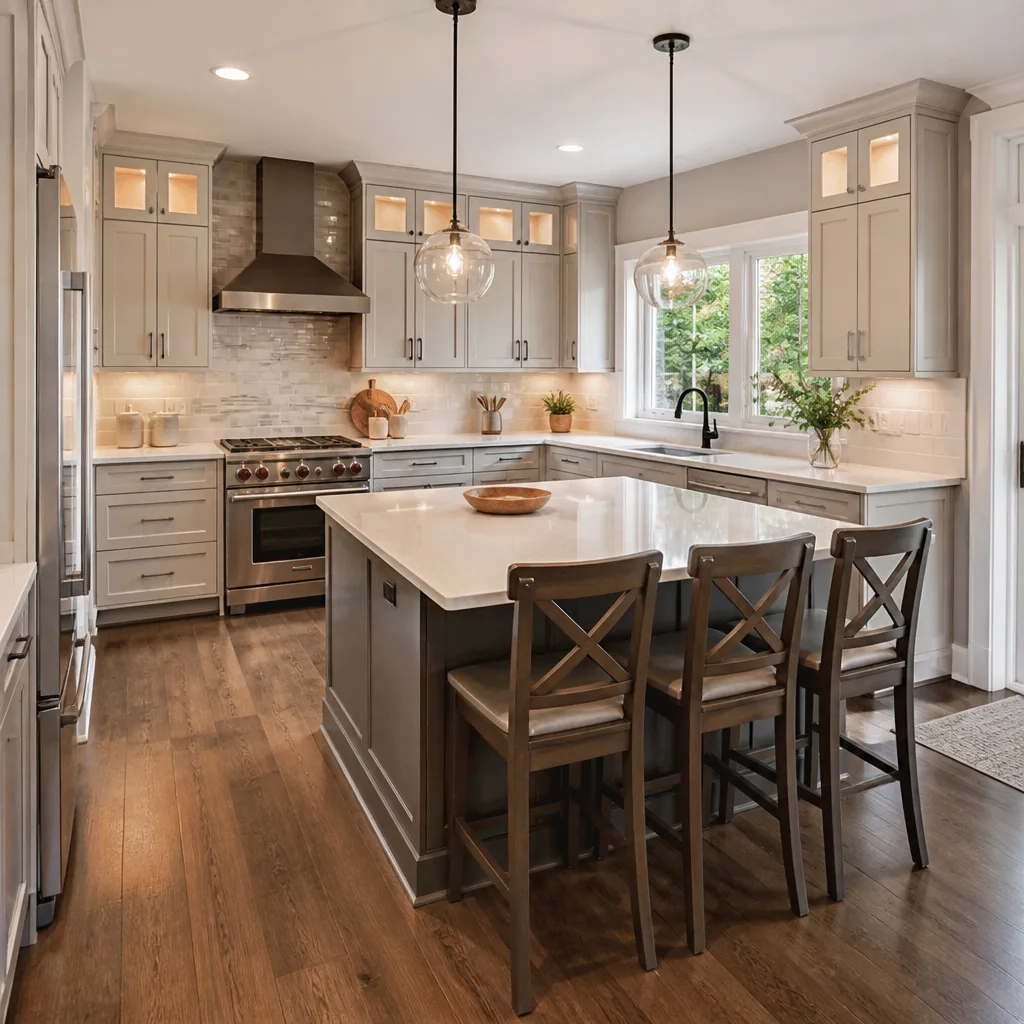
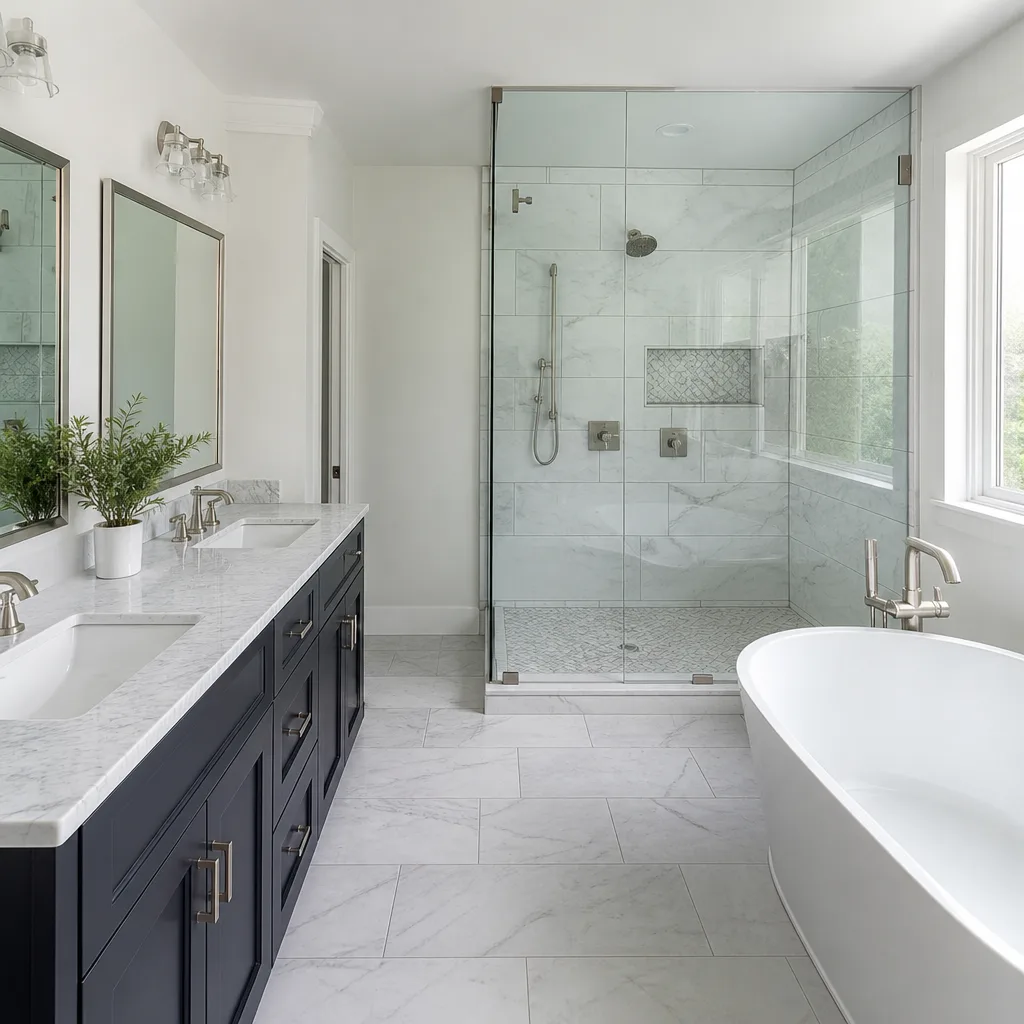





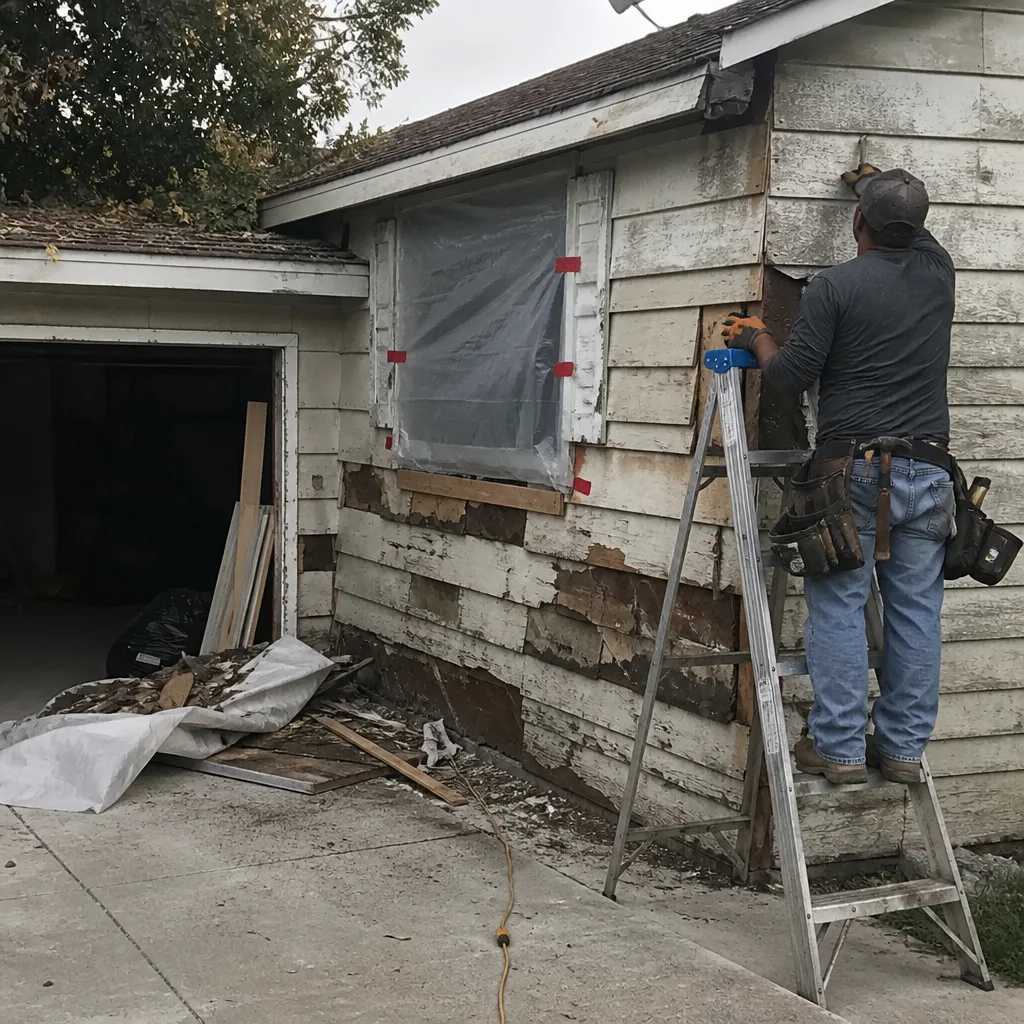 Before
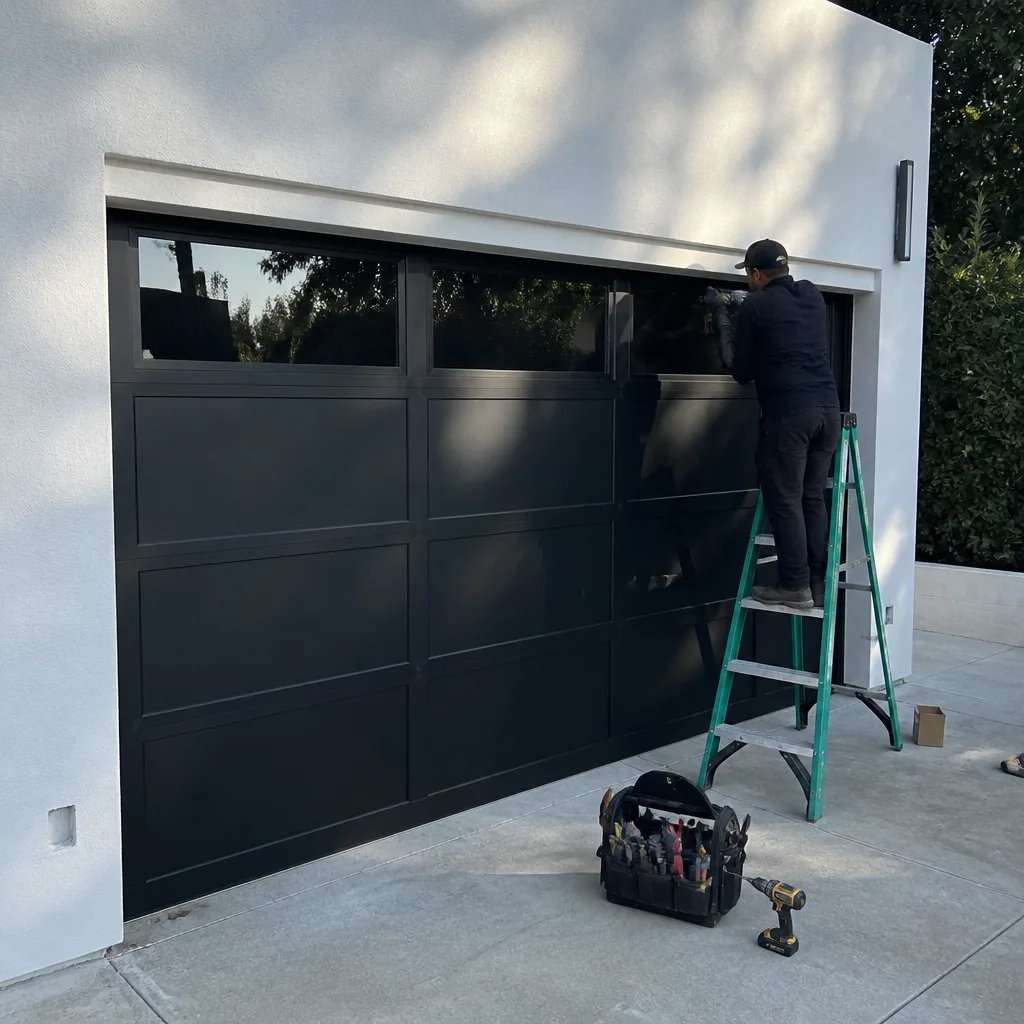 After
After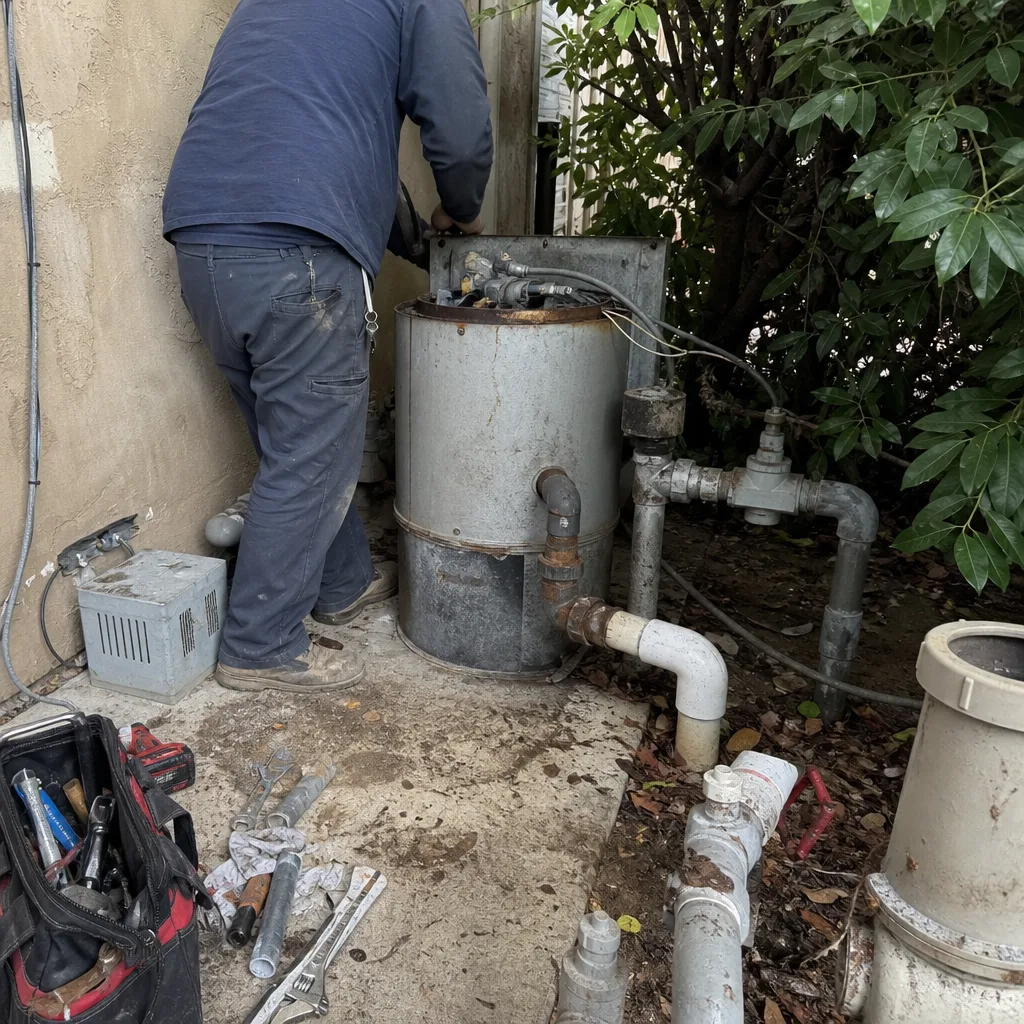 Before
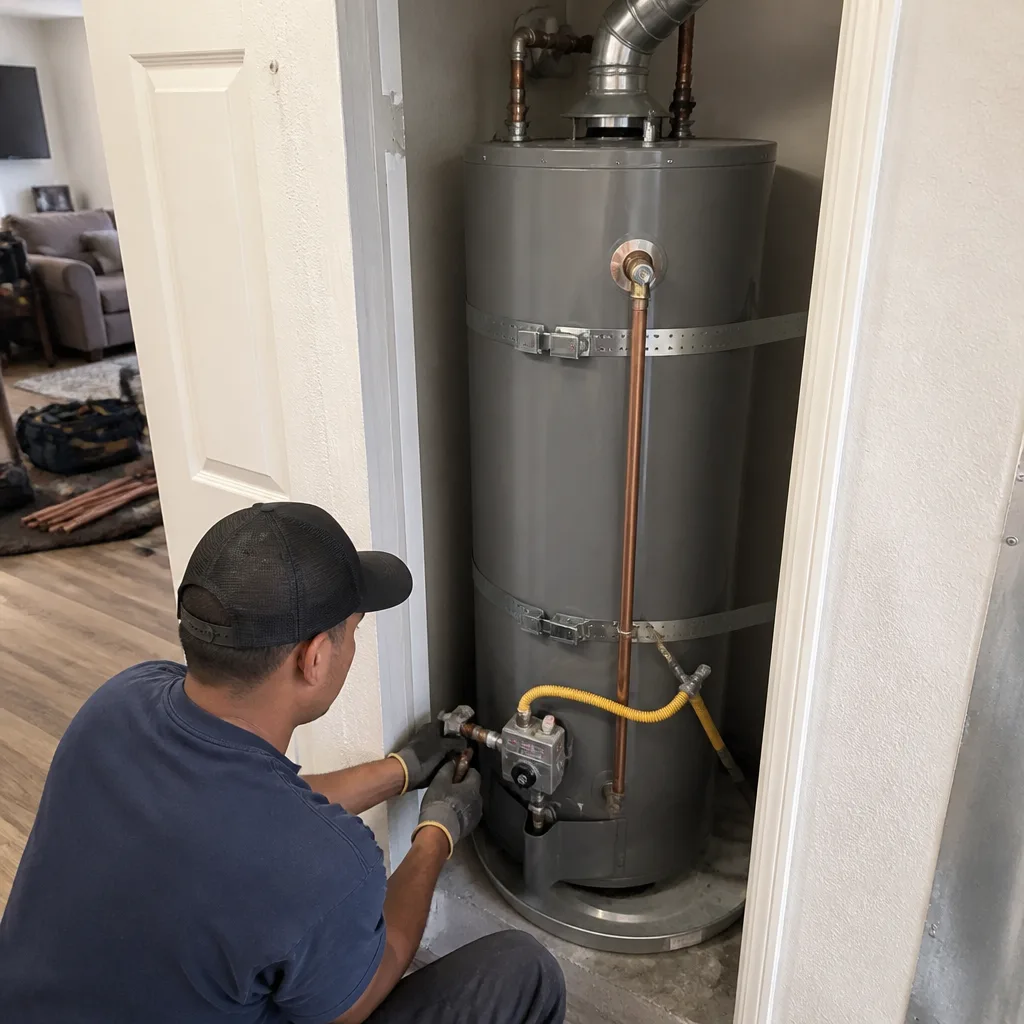 After
After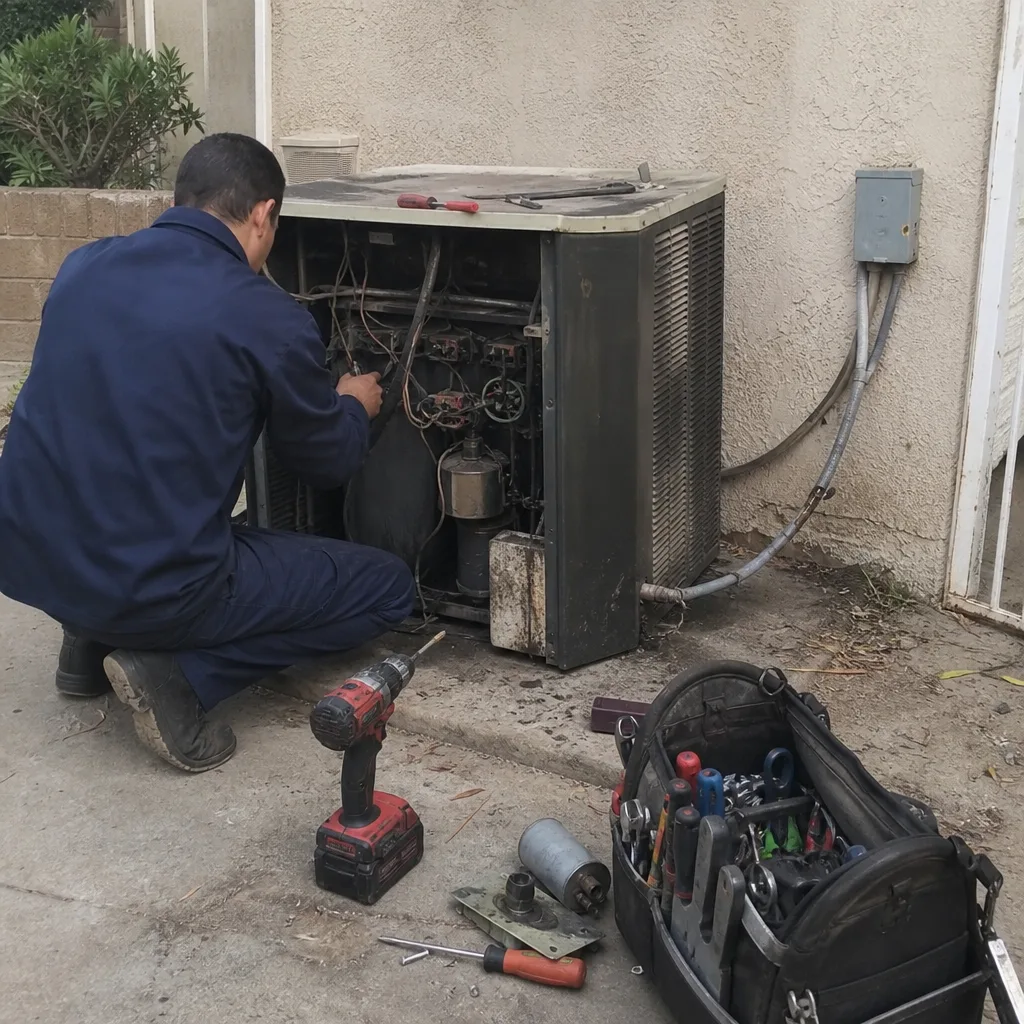 Before
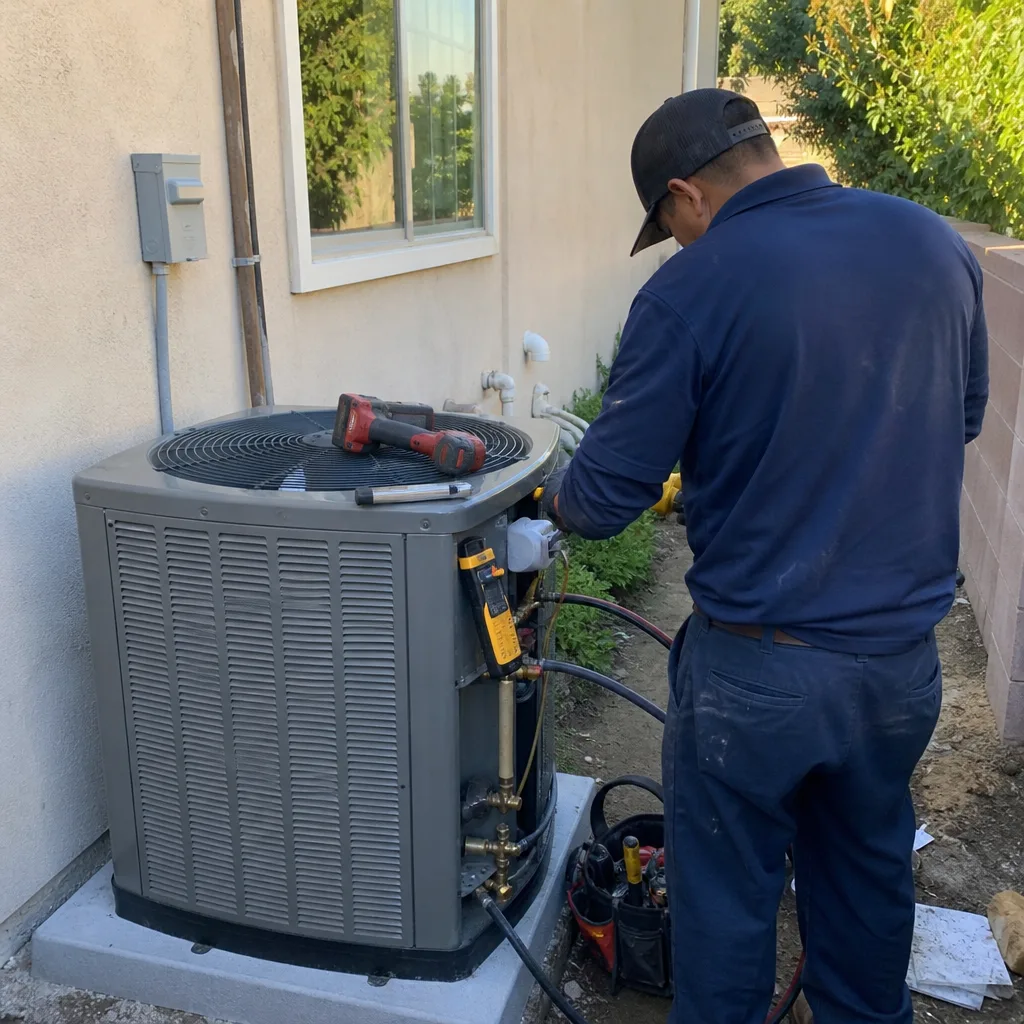 After
AfterDIY vs Professional Bathroom Remodeling: What’s Safe to Do Yourself
Most homeowners assume a bathroom remodel is one big decision: do it yourself or hire a contractor. That framing leads people toward two equally bad outcomes. Either they take on a shower waterproofing job they shouldn’t touch, or they pay a licensed crew $90 an hour to paint a wall. The homeowners who actually save money in Los Angeles are the ones who treat the remodel as a series of task-level decisions and know their own cutoff line. This guide breaks down which bathroom jobs are genuinely DIY-friendly, which ones carry hidden permit and insurance risks, and where the line sits-complementing our DIY vs Professional Construction: The Los Angeles Homeowner’s Decision Guide.
Quick Answer
The short version: cosmetic updates like painting, swapping faucets, replacing a vanity, and installing accessories are safe DIY work if you’re handy and careful. Anything involving shower waterproofing, moving plumbing drains, altering electrical, or relocating a toilet is not DIY work. Those tasks require permits, licensed trades, and in most Los Angeles jurisdictions, a contractor. The line is concrete: if the job changes where water flows or where electricity runs, hire it out.
Table of Contents
- Task-by-Task Breakdown: What’s Actually DIY in a Bathroom
- Permit Risk: The Line Between Cosmetic and Structural
- Why Shower Waterproofing Is the Highest-Consequence DIY Mistake
- How DIY Work Affects Your Homeowners Insurance
- Owner-Supplied Materials and Your Contractor’s Warranty
- The Hybrid Approach: Where DIY Savings Actually Come From
- Common Mistakes to Avoid
- When to Call a Professional
- Frequently Asked Questions
- The Bottom Line
Task-by-Task Breakdown: What’s Actually DIY in a Bathroom
We’ve walked through hundreds of Los Angeles bathrooms where a homeowner started strong and then hit a wall about four hours in. The pattern is consistent: painting goes fine, the vanity swap goes fine, and then the shower floor becomes the problem. Here’s how common bathroom tasks break down by skill requirement, permit risk, and what happens when things go sideways.
Genuinely Safe DIY Tasks
- Painting walls and ceilings. Low skill, low consequence. Use a bathroom-rated paint with a satin or semi-gloss finish to resist moisture. In Los Angeles, where homes range from 1920s Spanish-style to 1980s tract builds, wall prep changes depending on whether you’re dealing with plaster or drywall, but the task stays within reach.
- Replacing a faucet. If you’re swapping like for like, this is a one-wrench job. Turn off the supply valves under the sink, follow the manufacturer’s instructions, and test for leaks. Moen and Kohler faucets come with clear install guides and lifetime warranties that make the swap straightforward.
- Swapping a vanity. A freestanding vanity that uses the same footprint as the old one is manageable. You’ll disconnect the supply lines and P-trap, pull the old cabinet, set the new one, and reconnect. The key is keeping the existing plumbing positions untouched.
- Installing towel bars, grab bars, and accessories. Drilling into tile requires a carbide bit and patience, but the consequence of a mis-drilled hole is cosmetic, not structural.
- Replacing a showerhead. Thread the old one off, thread the new one on, wrap the threads with plumber’s tape. Done.
- Caulking and re-grouting (non-wet zone). Fresh silicone around a tub base or a vanity backsplash is a weekend task. Just don’t confuse cosmetic re-grouting with waterproofing repairs.
Borderline: Proceed with Caution
- Replacing a toilet. This is genuinely DIY-friendly if you’re replacing like for like. A standard 12-inch rough-in toilet swaps out in an afternoon. The moment you change the rough-in distance or relocate the supply line, you’ve crossed into permitted plumbing work that requires a licensed contractor in most LA jurisdictions.
- Tiling a backsplash or non-wet wall. Decorative wall tile that never sees standing water is achievable for a careful amateur. Use the right thinset, a level, and tile spacers, and take your time.
- Replacing a bathroom exhaust fan. If you’re swapping an existing fan for a new unit in the same housing, that’s a simple electrical fixture swap. If you need new ducting or wiring, that’s a licensed electrician’s job.
Not DIY: Hire a Licensed Professional
- Any shower or tub surround waterproofing. This is the single highest-consequence failure point in a bathroom. More on this below.
- Moving a drain, toilet, or supply line. Plumbing rough-in work requires a permit in Los Angeles and must be done by a licensed plumber. DIY drain relocation that fails means cutting through your subfloor to fix it.
- Any electrical work beyond swapping a fixture. New circuits, moving outlets, adding a dedicated line for a heated floor or a steam shower: all require an electrical permit and a licensed electrician.
- Structural changes. Removing a load-bearing wall, widening a doorway, or relocating a bathroom within the floor plan is licensed general contractor territory. Period.
Permit Risk: The Line Between Cosmetic and Structural
Los Angeles County and the City of Los Angeles share one clear principle: if the work changes plumbing, electrical, or structural systems, it triggers a permit. Painting, caulking, swapping fixtures, and replacing a vanity in the same footprint don’t. The confusion comes in the gray zone, and it’s expensive confusion.
Here’s the practical framework we use at Penhallow Remodeling when we walk a Bathroom Remodeling services job:
- Ask what happens if this fails. A failed faucet swap means a small leak you’ll catch early. A failed shower pan means water running into the subfloor for months before you see a stain. Consequence drives the decision.
- Check whether the work changes a system. Moving a drain, relocating an outlet, or cutting into a wall that contains plumbing or wiring is a system change. System changes need permits.
- Know that Los Angeles building departments enforce. When you go to sell, unpermitted work gets flagged. Buyers in Los Angeles are increasingly asking for permit history, especially on bathroom remodels with visible layout changes. Unpermitted bathroom work can stall a sale or force a price concession.
A toilet swap is a useful case study. Replacing an old toilet with a new one at the same rough-in distance? No permit needed. Changing from a 12-inch rough-in to a 10-inch rough-in because you found a deal on a toilet? Now you’re moving the flange, which technically triggers plumbing permit review in many LA jurisdictions. The cost difference between that and hiring a licensed plumber for the rough-in is often less than the headache it prevents.
Why Shower Waterproofing Is the Single Highest-Consequence DIY Mistake
In our experience across Los Angeles, we’ve seen more failed DIY showers than any other single project type. The reason is simple: waterproofing is invisible when it’s done right and catastrophic when it’s done wrong. A shower that leaks behind the tile doesn’t show itself for six months to two years. By the time the homeowner sees the water stain on the ceiling below, the damage extends well past the shower pan.
Professional waterproofing is a system, not a product. It starts with a properly sloped and sealed shower pan or a pre-formed pan installed on a level substrate. The cement board substrate (the moisture-resistant layer behind your tile) gets taped and sealed at every seam and corner. Then a full waterproofing membrane, either sheet-applied or liquid, goes over the entire wet area before a single tile is set. Grout and tile are not waterproof. The membrane underneath is what keeps water out of your framing.
The cost comparison tells the story:
- Professional waterproofing inspection and repair in Los Angeles: $800 to $2,500 depending on access and extent of the failure.
- DIY waterproofing materials: $150 to $400 for membrane, tape, corners, and sealant.
- Cost of a failed DIY shower discovered two years later: $8,000 to $25,000 for a full tear-out, subfloor repair, possible joist sistering, mold remediation if it’s spread, and a professional rebuild.
The math isn’t close. If you’re going to DIY anything in a bathroom remodel, leave the wet zone alone. Have a professional handle the shower waterproofing and tile, and paint the walls yourself while they work. You’ll save the labor on the paint and avoid the $20,000 liability on the shower.
How DIY Work Affects Your Homeowners Insurance
Homeowners policies in California generally cover sudden and accidental water damage. What they don’t generally cover is damage caused by work that was done without required permits or by an unlicensed contractor. Here’s what that means in practical terms for a bathroom remodel:
- If you move a drain line yourself without a permit and it leaks, your insurer can deny the claim. The policy language typically excludes loss “arising out of” unpermitted or illegal work.
- If you hire an unlicensed handyman to waterproof a shower and it fails, you may have no recourse against anyone. California’s Contractors State License Board can’t help you with unlicensed work, and your insurer may deny the resulting damage claim.
- If you hire a licensed contractor who pulls permits and the work still fails, you have the contractor’s license, bond, and warranty behind you. You also have a documented permit path that keeps your insurer in the loop. At Penhallow Remodeling, we back every project with our 365-Day Done Right Promise: if the work fails inside the guarantee period, we come back and fix it at no charge. That promise is in writing on every project.
The insurance angle is one reason the hybrid approach below matters. DIY work you do on the cosmetic side won’t trigger an insurance exclusion. DIY work on plumbing or electrical systems might, and that’s the part where the savings disappear in a single claim.
Owner-Supplied Materials and Your Contractor’s Warranty
Plenty of Los Angeles homeowners want to buy their own fixtures. It makes sense, you want the Kohler tub you found on sale or the Moen valve with the exact finish your partner picked out. But there’s a right way and a wrong way to bring owner-supplied materials into a contractor’s job.
The main issue is warranty layering. A contractor’s workmanship warranty covers the installation labor. A manufacturer’s warranty covers the product itself. If you supply the product and the installation fails, you could be standing in a gap: the contractor says the product was defective, the manufacturer says the installation was wrong, and you’re in the middle.
How to handle it cleanly before signing anything:
- Agree in writing which fixtures and materials are owner-supplied. List them by brand, model, and quantity in the contract.
- Confirm the contractor will install owner-supplied materials. Some won’t, and that’s their right. Penhallow Remodeling does, as long as the materials are new, in the original packaging, and from a recognized manufacturer like Kohler, Moen, Silestone, or Caesarstone. This keeps the warranty conversation straightforward: the product warranty lives with the manufacturer, and our workmanship warranty lives with our installation.
- Understand what the installation warranty covers. If a Moen faucet fails internally, that’s a Moen warranty claim. If the connection leaks because it wasn’t tightened properly, that’s a workmanship issue. Have this spelled out.
- Don’t buy used fixtures or open-box valves. The $200 you save on a used thermostatic valve evaporates the first time it fails and nobody covers it.
We see this going well often: a homeowner picks a Caesarstone quartz top for their vanity and a Kohler undermount sink, we supply the cabinet and handle the install, and the warranties stack cleanly. What goes poorly is when materials arrive without packaging, missing parts, or as “refurbished” from an unverified seller. Buy new, buy recognized brands, and keep the paperwork.
The Hybrid Approach: Where DIY Savings Actually Come From
The hybrid model isn’t about doing everything yourself. It’s about doing the work that saves you real labor dollars without adding risk. Here’s what that looks like in a typical Los Angeles bathroom remodel:
- You handle a light demolition. Pulling out an old vanity, removing towel bars, and taking down a medicine cabinet saves a few hundred dollars in labor and doesn’t touch anything structural. Skip the demolition on the shower, floor, or any wall that contains plumbing. Let the licensed team do that.
- You paint. Bathroom painting typically accounts for $600 to $1,200 in labor on a professional job. A homeowner can do it for $100 to $200 in materials over a weekend. This is the single highest-value DIY task in a bathroom remodel.
- You install accessories. Towel bars, toilet paper holders, robe hooks, shower curtain rods. Straightforward drill-and-anchor work that saves $150 to $400.
- The licensed trades handle waterproofing, plumbing, electrical, and tile. These are the tasks where a mistake costs thousands and compromises insurance coverage.
The savings from this split are real but not dramatic, and that’s honest. A full bathroom remodel in the Los Angeles market typically runs $18,000 to $45,000 depending on finish level, layout changes, and fixtures. The DIY portions of the hybrid approach might save $2,000 to $4,500. What it’s not saving you is the $20,000 failed-shower scenario. The homeowners who come out ahead aren’t the ones who do the most themselves. They’re the ones who pick the right portions.
If you’re weighing what to take on, our Bathroom Remodeling in Los Angeles page walks through what a full professional scope includes. And if you’re in the middle of a larger project, our General Contractor in Los Angeles page covers how we sequence multi-room work.
Common Mistakes to Avoid
- Treating tile and grout as waterproofing. Grout is porous. Tile is not a waterproof barrier. Waterproofing lives behind the tile, and if you skip it or do it wrong, the tile looks fine for two years while the framing rots behind it.
- Using drywall in a wet zone. Standard drywall behind a tile shower is a guaranteed failure. You need cement board or a foam backer board rated for wet areas, plus a waterproofing membrane. Los Angeles humidity levels are lower than the Gulf Coast, but a daily shower still generates enough moisture to destroy drywall in months.
- Moving a toilet flange as a DIY project. We covered this above, but it bears repeating: once you cut into a drain line in Los Angeles, you’re in permitted plumbing territory. The DIY savings disappear the first time a licensed plumber has to rip open what you built just to fix it.
- Skipping the permit because “nobody checks.” Los Angeles building departments do check when you sell, when you refinance, or when a neighbor calls about construction. Unpermitted bathroom work becomes a negotiating point against you in any future transaction.
- Buying fixtures before the plumbing rough-in is confirmed. That clearance Kohler tub with the non-standard drain position might not fit the plumbing you have. Confirm rough-in dimensions before you spend money on fixtures, or buy from a retailer with an easy return policy.
- Not testing for leaks behind the wall. After any DIY fixture swap, run the water for a full cycle and check the connections. Leave a paper towel under the shutoff valves overnight. A small leak you catch in hour one costs nothing. A small leak you catch at month three costs real money.
When to Call a Professional
Call a licensed contractor when the project touches any of these: shower or tub waterproofing, drain relocation, toilet rough-in changes, electrical wiring beyond a fixture swap, or structural wall work. These tasks carry permit requirements, insurance implications, and failure costs that dwarf the price of a professional install. Penhallow Remodeling offers free estimates in Los Angeles, walk the project with you, and gives you a written price before any work starts, so the number on day one is the number on the invoice. Call (936) 259-2607 to schedule yours.
Frequently Asked Questions
Yes for the cosmetic tasks no for the wet zone work. Painting, fixture swaps, vanity replacement in the same footprint, and accessory installation are genuinely DIY-friendly. Shower waterproofing, drain relocation, electrical work, and structural changes require permits and licensed professionals in most Los Angeles jurisdictions.
Full bathroom remodels in Los Angeles typically run $18,000 to $45,000 depending on the size, finish level, whether you’re moving plumbing, and the fixtures you choose. Projects that keep the existing layout and update finishes land on the lower end. Call (936) 259-2607 for a written estimate on your specific scope.
On paper yes in the sense that you’re not paying labor. In practice it’s often not cheaper at all. A failed DIY shower waterproofing job costs $8,000 to $25,000 to rebuild, which wipes out years of savings. The hybrid approach, DIY painting and accessories with professional wet zone work, is where real savings live.
It depends entirely on the scope. Cosmetic work like painting and fixture swaps generally doesn’t require a permit. Moving drains, relocating toilets, adding circuits, or changing plumbing or electrical systems does. When in doubt, call the local building department or a licensed contractor who will handle the permit path for you.
Often not. Most California homeowners policies exclude damage arising from unpermitted work or work done by unlicensed individuals. If you build a shower yourself without permits and it leaks into the framing, your insurer can deny the claim. This is one of the strongest arguments for hiring licensed professionals on any work holding water.
By far, it’s treating tile and grout as waterproof. Grout is porous and tile is a decorative surface, not a moisture barrier. Every shower needs a proper waterproofing membrane underneath. The second most common mistake is moving plumbing without a permit and discovering the consequences at resale.
The Bottom Line
The bathroom remodel question has a better answer than “hire a pro for everything” or “do it all yourself.” The smart path breaks down the work task by task. Paint, swap fixtures, install accessories. Hand off the waterproofing, plumbing moves, electrical, and structural work to licensed professionals who pull permits and stand behind the work. The savings are real, the risks are managed, and the finished bathroom lasts. If you’re not sure where a specific task lands, call Penhallow Remodeling at (936) 259-2607. We’ll walk the project with you, tell you straight what’s DIY-safe and what’s not, and give you a written price for the portions you want us to handle. See Penhallow Remodeling home for more on how we work, or Kitchen Remodeling in Los Angeles if a kitchen is next on your list.
Written by Trevor Nash, Owner at Penhallow Remodeling, serving Los Angeles since 2004. For more guides & resources, visit our blog.