
Last updated October 8, 2026
Free written scope consultation - allowances, timeline, and change-order rules on paper before a single trade is scheduled
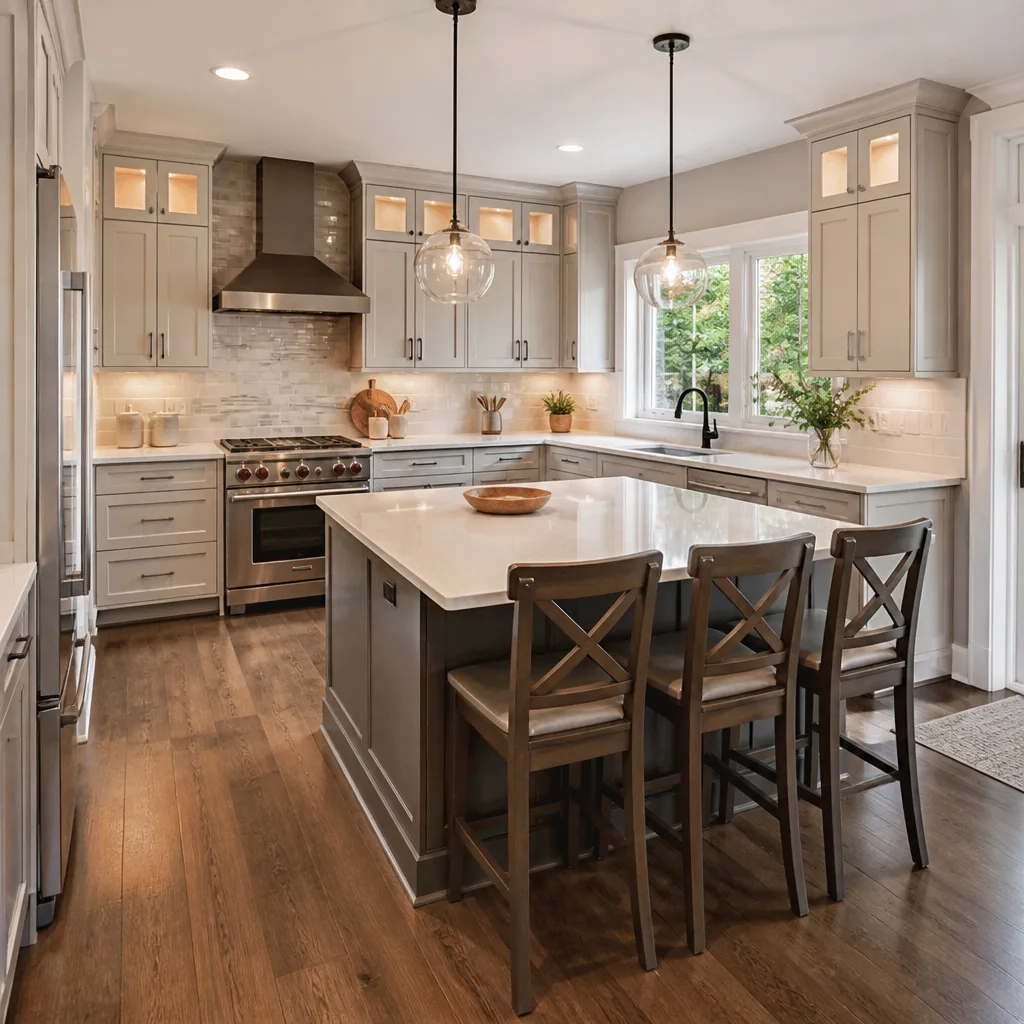


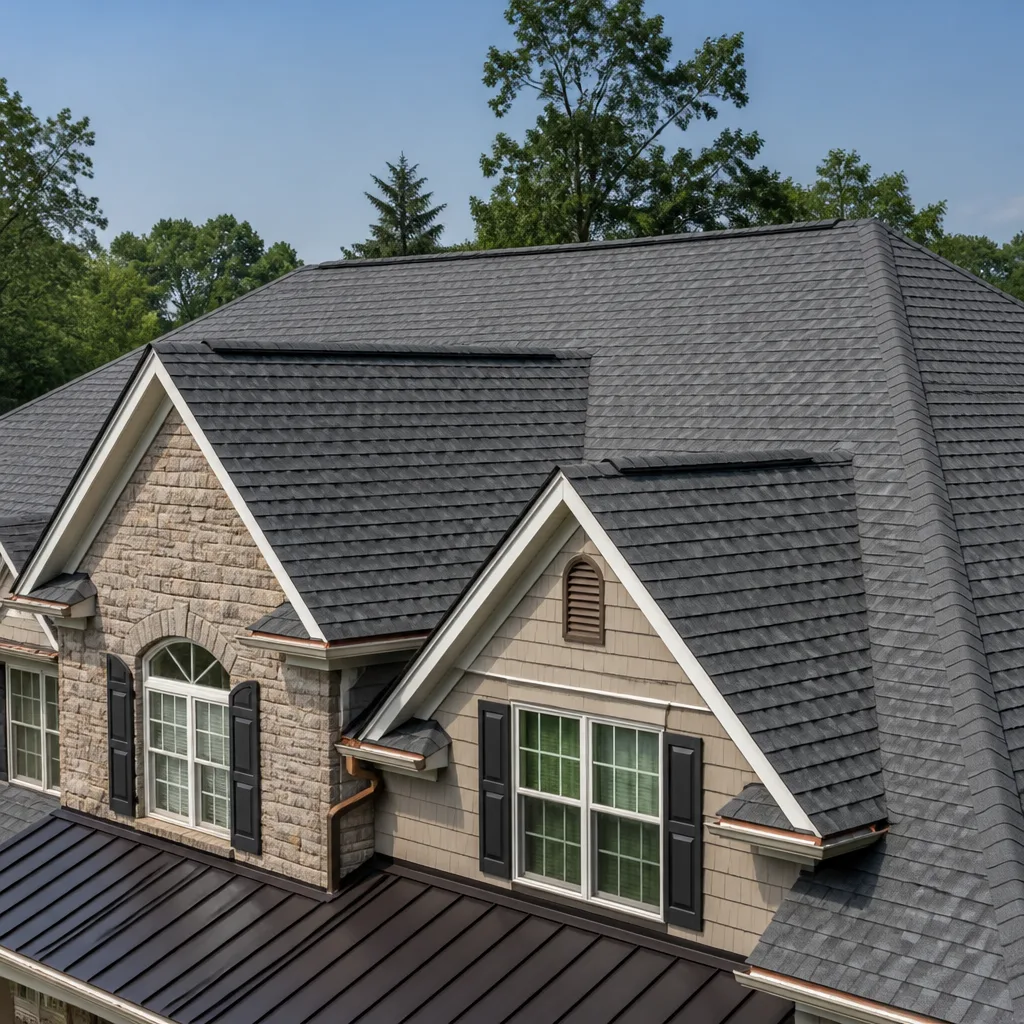
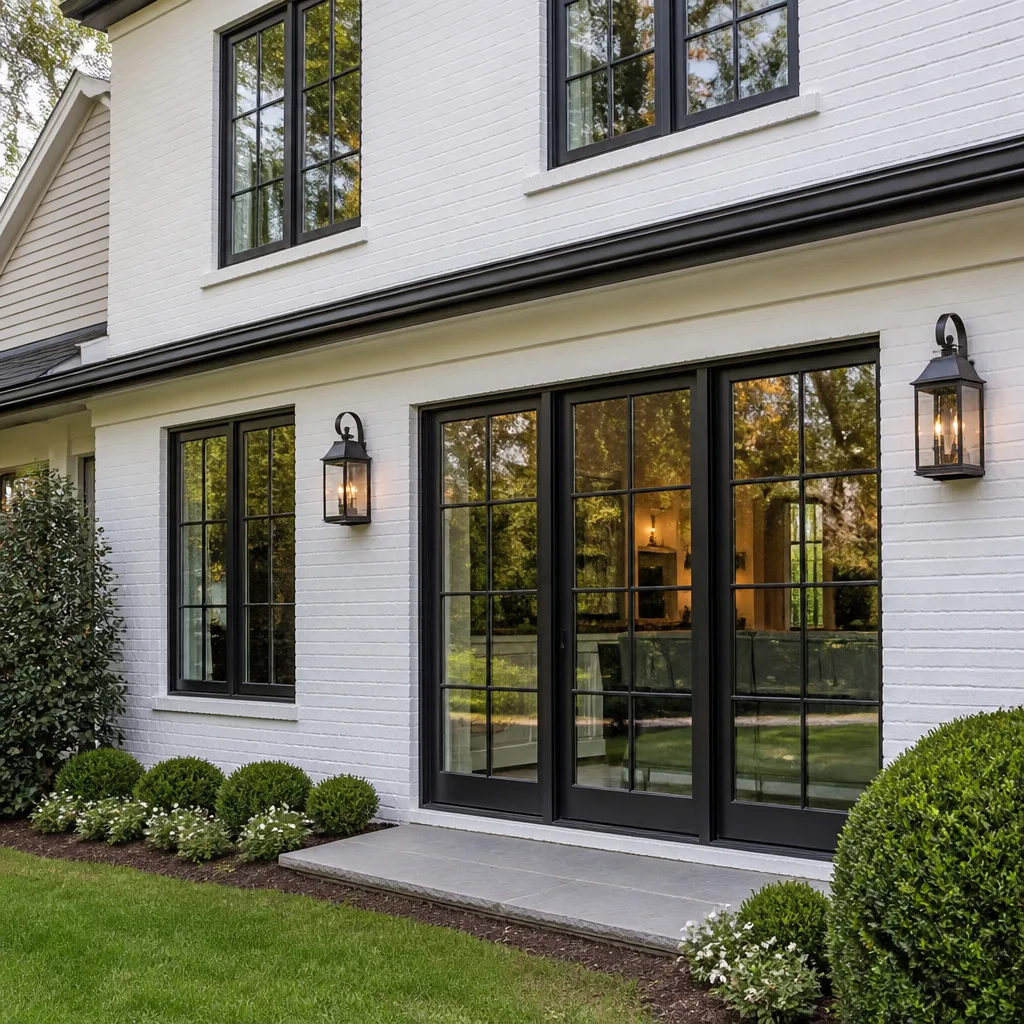
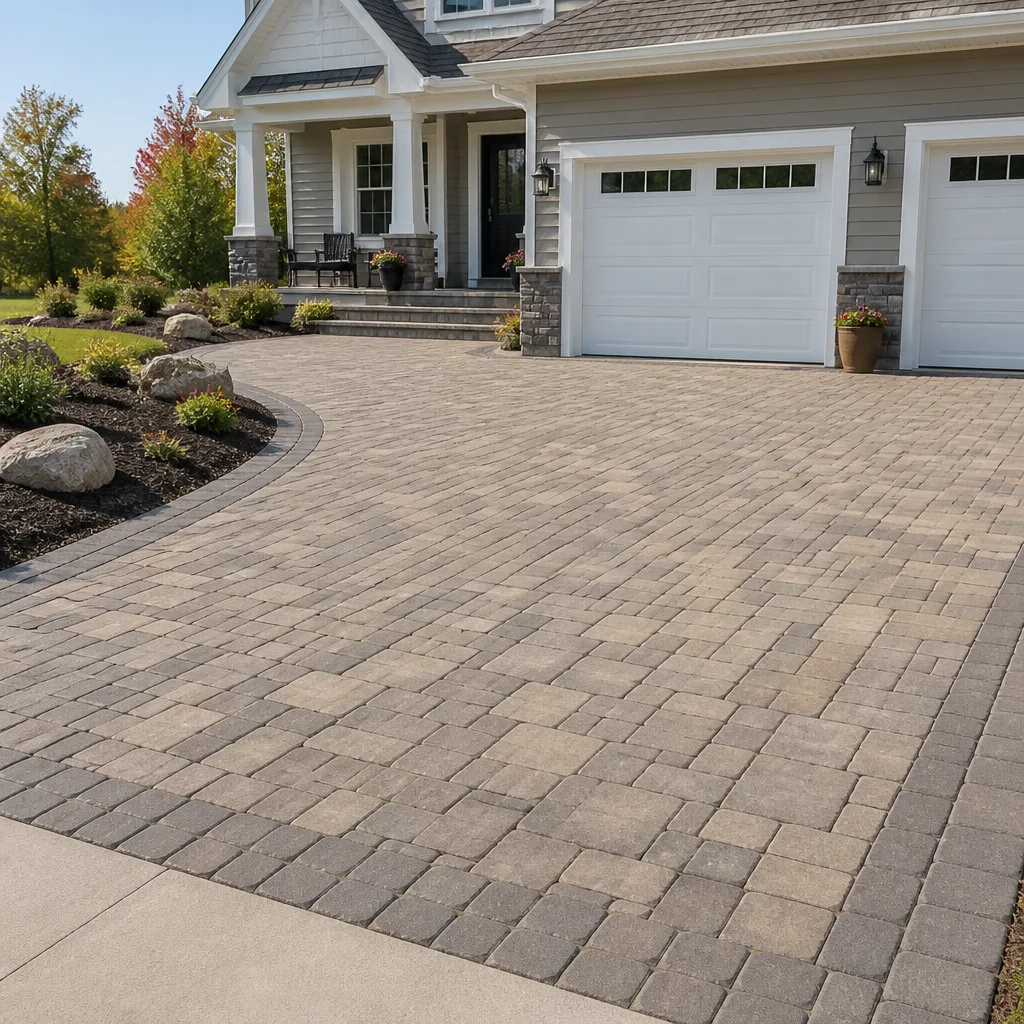
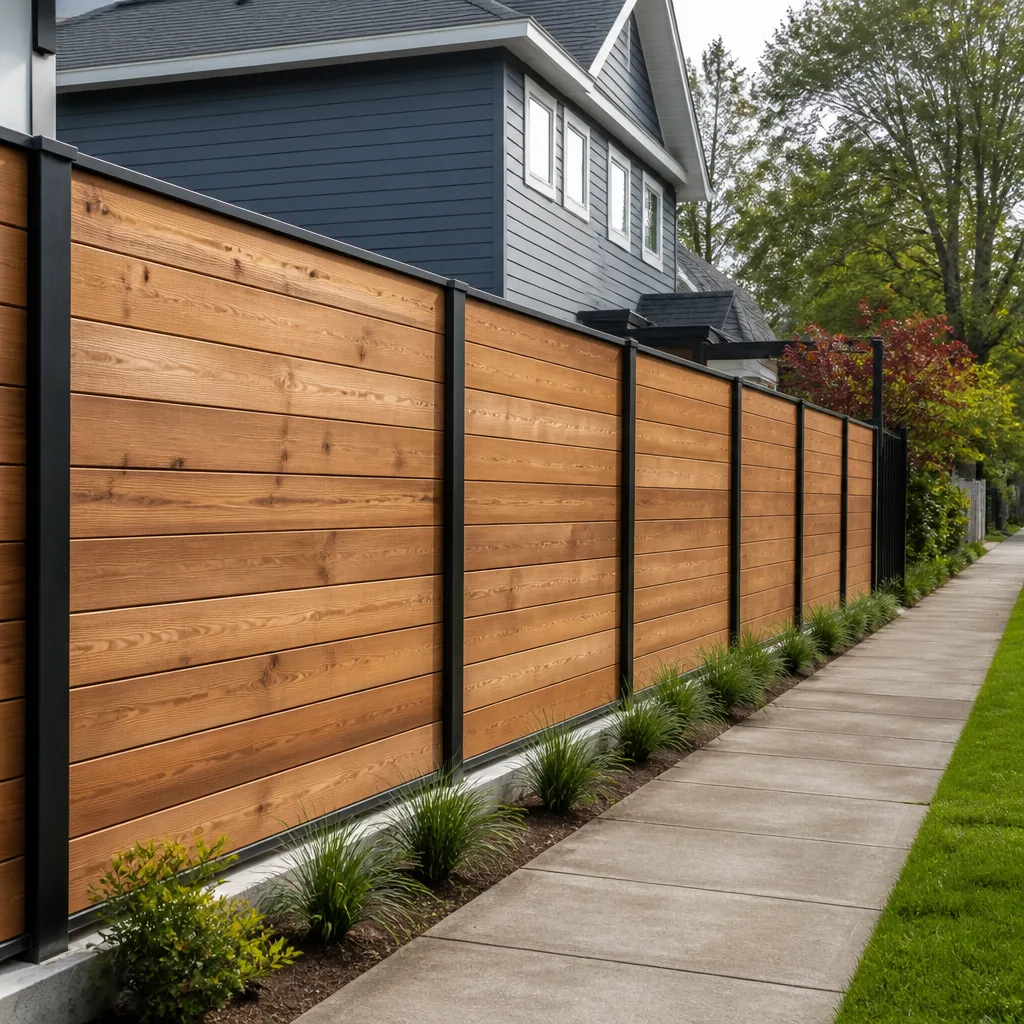
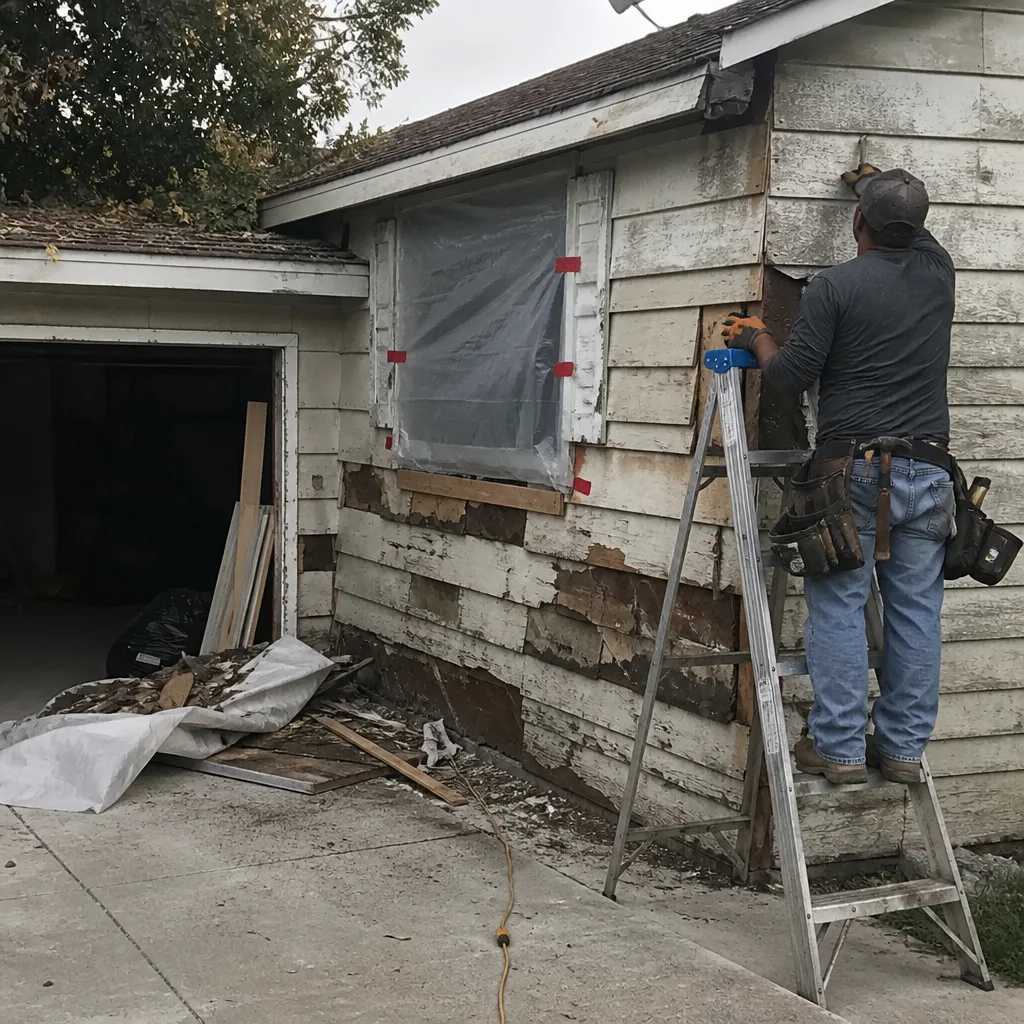 Before
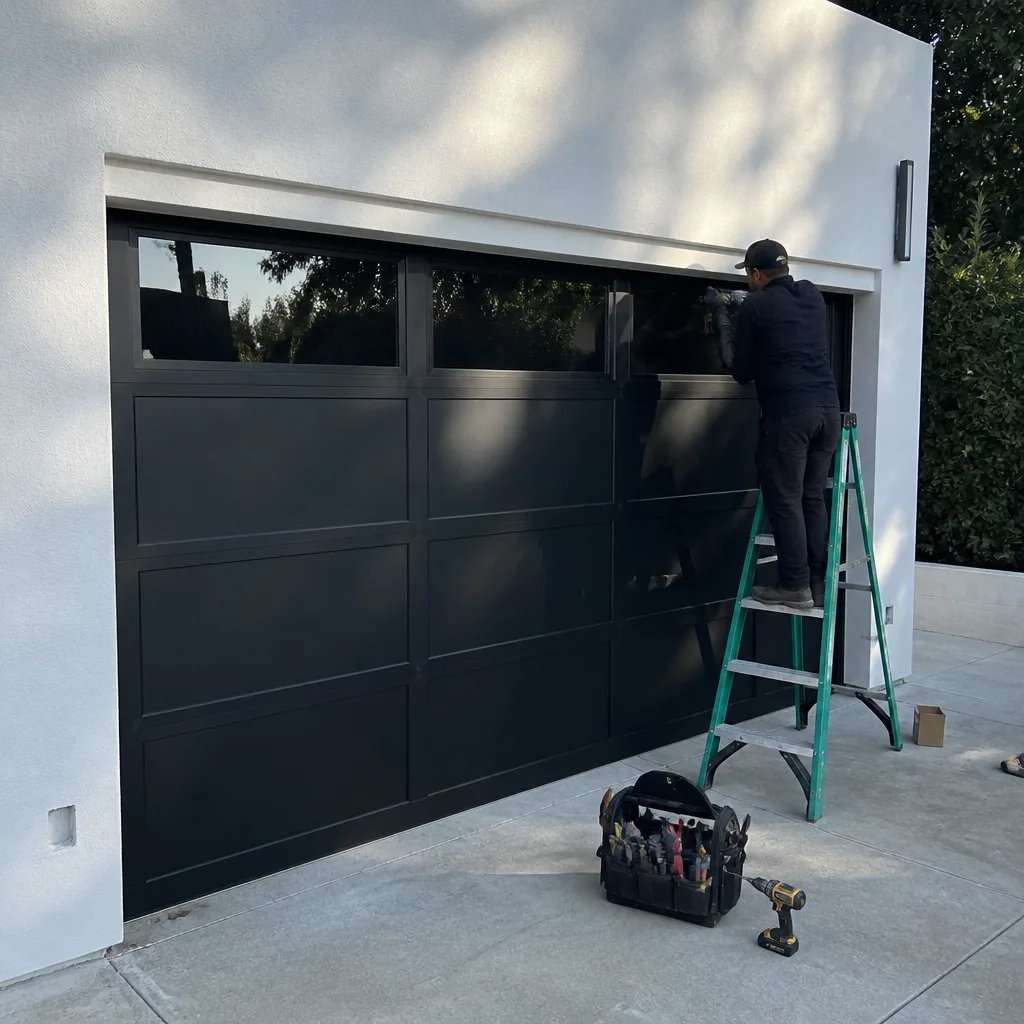 After
After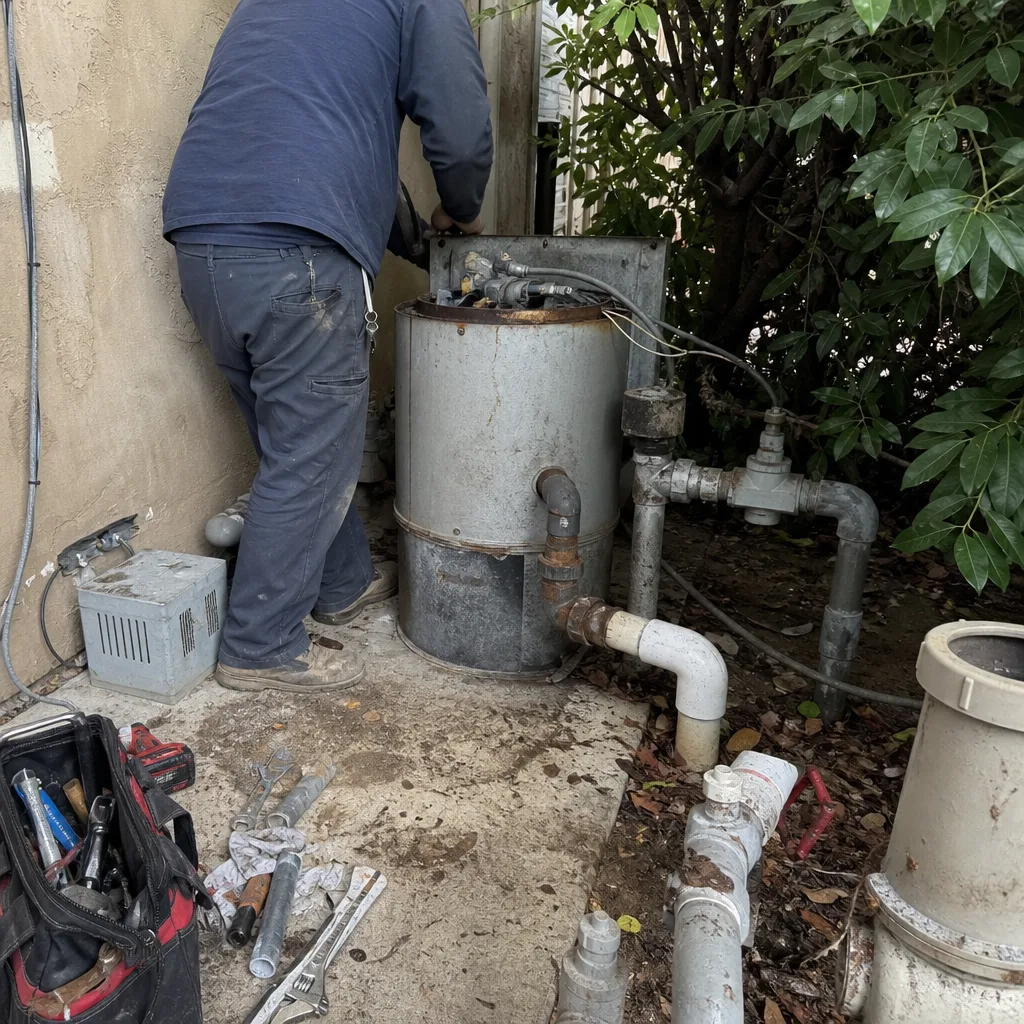 Before
 After
After Before
 After
AfterGeneral Contractor Maintenance Checklist for Los Angeles Homeowners
A house in Cleveland gets inspected every spring because the freeze-thaw cycle forces obvious damage. A house in Brentwood gets nothing, and that’s exactly why soft-story failures and dry-rot surprises catch Los Angeles homeowners off guard. The truth is that LA’s climate is not gentle on houses. It is quietly aggressive, working through seismic shifts, salt-laced marine air, and a dry season that bakes exterior caulking until it pulls away from stucco. This guide gives you a realistic maintenance checklist built for how Los Angeles actually behaves.
Quick Answer
A practical General Contractor Maintenance Schedule: What to Do and When for Los Angeles means checking seismic bracing and anchor bolts every year, inspecting stucco and caulking before and after the dry season, treating marine-layer corrosion in coastal ZIP codes, and separating monthly homeowner checks from annual contractor inspections. Skipping these items does not just shorten the life of your house. It can void portions of a contractor’s warranty and turn a $400 caulking job into a $14,000 water intrusion repair.
Table of Contents
- Why LA Homes Fail Differently Than Everywhere Else
- The Seismic-Specific Checklist: What to Check Without an Engineer
- Marine Layer Corrosion: The Coastal LA Problem Inland Guides Ignore
- Thermal Cycling and Stucco: LA’s Hot-Dry Season Damage Path
- Monthly vs. Annual Tasks: A Realistic Split
- How Skipped Maintenance Affects Your Contractor’s Warranty
- What Deferred Maintenance Actually Costs in Los Angeles
Why LA Homes Fail Differently Than Everywhere Else
Most maintenance checklists online were written for houses that freeze, thaw, and get soaked by summer thunderstorms. Los Angeles has none of that, so homeowners assume the house is fine. But LA has three forces that most national guides never address: seismic drift, marine air, and extreme thermal swings between the cool coast and the hot valley floors. These three forces work slowly and leave no dramatic evidence until a stucco crack becomes a water channel or a corroded strap lets a cripple wall shift.
In our work across Los Angeles, we see a consistent pattern. Homes in Sherman Oaks, Studio City, and Encino show dry-season stucco cracking around window corners and door heads. Homes west of the 405 in Mar Vista, Palms, and Culver City show fastener corrosion and flashing deterioration from marine air that inland guides do not mention. And older hillside homes in Silver Lake, Echo Park, and Mount Washington show soft-story indicators that a homeowner could spot in ten minutes if someone told them what to look for. That is what this guide does.
Our maintenance work flows through Penhallow Remodeling home services, but this checklist stands on its own. Use it whether you hire us or not.
The Seismic-Specific Checklist: What to Check Without an Engineer
You do not need a structural engineer to spot the early warning signs that a Los Angeles home is under-braced for seismic movement, though a General Contractor can help assess what you find. You need to know where to look and what normal looks like. Here is the checklist we walk through when a homeowner asks us to assess a house before a remodel.
- Find your anchor bolts. Go into the crawl space or the garage and look where the wood sill plate sits on the concrete foundation. You should see large bolts, roughly every 4 to 6 feet, with square washers holding the sill down. If you see no bolts, or the bolts are rusted to half their diameter, the house is not properly tied to its foundation. In Los Angeles, pre-1980 homes commonly lack these.
- Look at the cripple walls. The cripple wall is the short wood-framed wall between the foundation and the first floor, visible in the crawl space. If you see bare studs with no plywood or diagonal bracing, that wall can fold sideways in a quake. Properly braced cripple walls have plywood panels nailed across the studs.
- Check for soft-story indicators. A soft-story building is one where a ground floor with large openings (garage doors, big windows) supports heavier floors above. If you live in a building where the parking level under the living units has tall open walls, look for steel moment frames or plywood shear panels around the garage openings. No bracing means the building is a soft-story risk. In Los Angeles, the city has mandated retrofits for many of these, but enforcement varies by ZIP code.
- Inspect the chimney. Brick chimneys built before 1980 often have no internal reinforcing. Look for hairline cracks running through the mortar joints, especially near the roof line. A cracked chimney in a quake becomes a falling brick hazard.
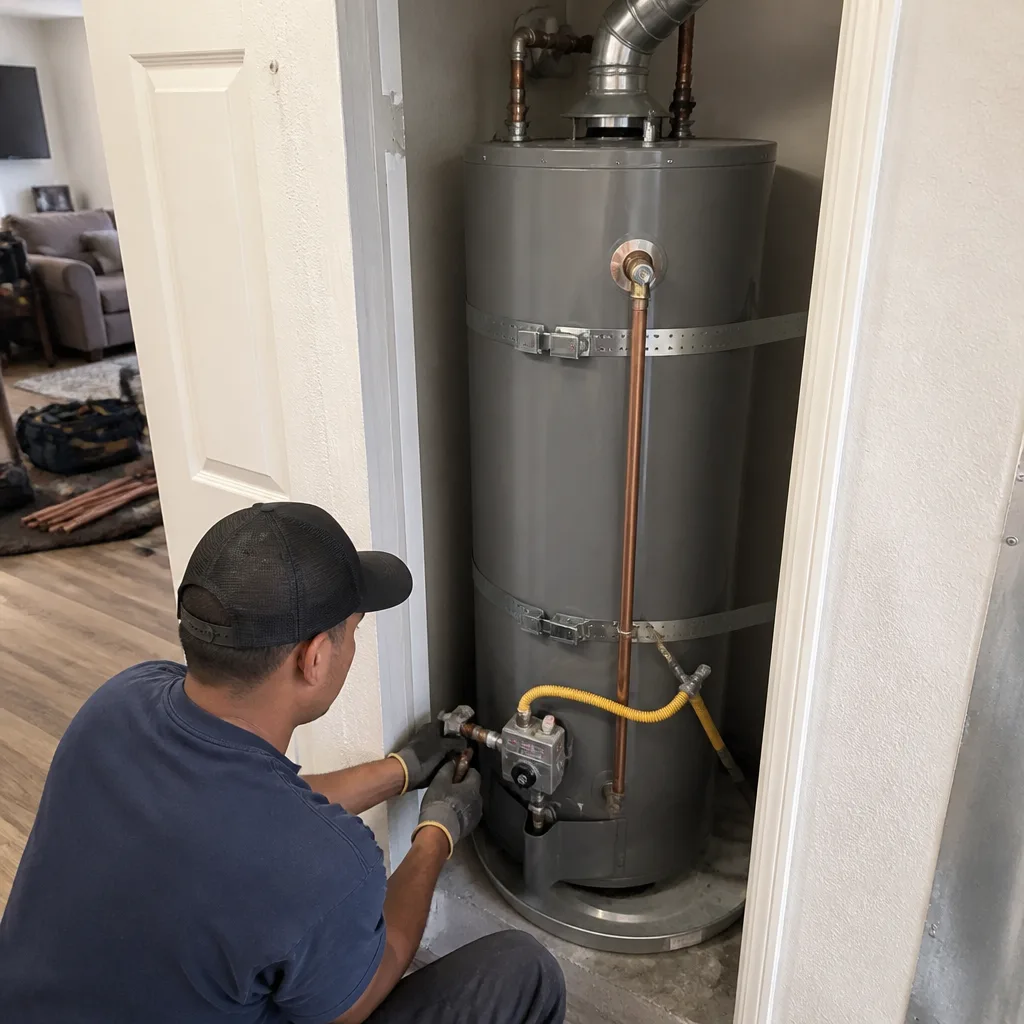
- Test the water heater strapping. California code requires water heaters to be strapped to the wall with heavy-gauge metal straps at the top and bottom third. If your water heater just stands there, it is a code violation and a hazard.
None of these checks require tools beyond a flashlight. If any item looks wrong, that is a signal to bring in a General Contractor in Los Angeles for a closer look before you spend money on a remodel that assumes the structure beneath is sound. A kitchen remodel does not fix a cripple wall. The cripple wall has to be fixed first, and a good contractor will tell you that before you sign anything.
Marine Layer Corrosion: The Coastal LA Problem Inland Guides Ignore
If you live west of the 405, the ocean is slowly eating your house. The marine layer that rolls in most nights between May and October carries salt and moisture. That combination settles on metal flashings, fasteners, electrical connections, and any exposed steel. Over five to ten years, the corrosion quietly compromises components that inland homeowners never think about.
What to Check Annually in Coastal Los Angeles ZIP Codes
- Roof flashings and vent caps. Galvanized flashing around chimneys, skylights, and roof penetrations rusts from the outside in. Look for rust staining running down the roof from any metal piece.
- Deck fasteners and railings. If your deck fasteners are not stainless steel or coated for marine exposure, they will rust and loosen. A railing that wobbles slightly today is a fall hazard in two more seasons.
- Exterior light fixtures and outlet boxes. Coastal air corrodes the wire terminations inside exterior junction boxes. The fixture may work fine while the wire connections behind it crumble.
- Stucco weep screeds. The metal strip at the bottom of a stucco wall is called a weep screed. It lets moisture drain out of the wall cavity. In coastal areas, this metal corrodes and cracks, which blocks drainage and traps water inside your walls.
- Window and door thresholds. Aluminum thresholds corrode where they meet the slab, creating a capillary path for water to wick inside.
For homeowners in Santa Monica, Venice, Playa del Rey, Marina del Rey, and El Segundo, this is an annual checklist item. For homeowners in Pasadena or North Hollywood, it is not. That ZIP code distinction is exactly what generic maintenance guides miss. In our experience, the homes we see with the worst hidden fastener damage are not the old beach bungalows. They are the 1990s and 2000s builds where the original builder used standard galvanized hardware because it saved a few hundred dollars on a million-dollar house.
Thermal Cycling and Stucco: LA’s Hot-Dry Season Damage Path
Los Angeles stucco endures a specific abuse cycle. During the day, direct sun heats the stucco surface to 140°F or more. At night, especially in the foothills and valleys, the temperature drops 40 or 50 degrees. The stucco expands and contracts with every cycle. Over a single Los Angeles summer, a stucco wall goes through hundreds of these cycles. The material itself handles this. What fails is the caulking and sealant joints around every penetration.
The caulking along window frames, door frames, hose bibs, and electrical penetrations is the only barrier between the outside and the wood framing inside your walls. When that caulking dries and pulls away from the stucco, which it does every few years in LA’s dry heat, it creates a direct water intrusion path. A single crack that stays open through one good December rainstorm can start dry rot in the wall sheathing. Six months later, you have a soft spot behind the stucco that costs thousands to open and repair.
What to Look For Each Year, Before and After Dry Season
- Walk the perimeter with your eyes at caulk level. Look for caulking that has pulled away from the stucco or the frame, leaving a visible gap. Run a fingernail along the bead. If it crumbles or separates, it needs replacement.
- Check the top edges of window and door trim. The top joints get the most sun and fail first.
- Inspect stucco for hairline cracking. Fine cracks under 1/16 inch are normal settling. Cracks wider than 1/8 inch, or cracks that run diagonally from a window corner, deserve a professional look.
- Test the hose bib seals. The caulking around exterior faucets shrinks faster than anywhere else because the pipe conducts heat into the wall.
- Look for staining below any crack. Brown or rust-colored staining below a stucco crack means water has already entered and is oxidizing the fasteners or wiring inside.
Re-caulking a house in Los Angeles typically costs $400 to $1,200 depending on the number of windows, doors, and penetrations. Replacing the framing and sheathing behind a water-damaged stucco wall costs $8,000 to $20,000. The math is not complicated.
Monthly vs. Annual Tasks: A Realistic Split
Most maintenance lists dump fifty tasks on you with no priority. You end up doing none of them. Here is a split that matches how Los Angeles houses actually degrade and how much time a working homeowner can realistically spend.
Monthly: Fifteen Minutes, Homeowner-Level
- Walk the exterior and look for new cracks. Use your phone camera. Photograph any crack you see. Comparing photos month to month tells you which cracks are moving and which are static.
- Clear roof drains and scuppers. Los Angeles flat roofs drain through scuppers and downspouts. One clogged scupper in a December storm puts a pond on your roof. Check after any wind event, because LA’s Santa Ana winds fill drains with leaves and debris overnight.
- Check under the sinks. A slow drip under a kitchen or bathroom sink is the most common source of cabinet and floor damage we see. Ten seconds, once a month, catches it.
- Inspect the water heater area. Look for rust flakes, moisture, or a pilot light that keeps going out. If you see any, call a professional before it becomes a flooded garage.
Annual: Half a Day, with a Contractor for Part of It
- Seismic checks. The full list above. If you can see your crawl space, you can do this yourself. Most homeowners cannot or should not go into a crawl space, and that alone is a reason to have a pro do it.
- Caulking and sealant inspection. You can spot-check the obvious joints. A contractor checks the joints you cannot reach safely.
- Roof inspection. Missing tiles, lifted flashing, deteriorated mastic around vents. A roofer or general contractor does this properly.
- Termite inspection. Los Angeles has drywood and subterranean termites year-round. An annual inspection catches activity before the damage is structural.
- Drainage check. Run water through every downspout and surface drain. Confirm it flows away from the foundation. In hillside Los Angeles, drainage failure is one of the most expensive problems we see.
The split is simple: you do the things you can see from standing height, monthly. A contractor does the things that require a ladder, a crawl space, or a trained eye, annually. That keeps the workload realistic and the coverage comprehensive.
How Skipped Maintenance Affects Your Contractor’s Warranty
Here is a conversation we have with homeowners in Los Angeles more often than we would like. A homeowner hires a contractor for a Bathroom Remodeling in Los Angeles project. Six months after completion, a leak appears under the new tub. The homeowner assumes it is covered. The contractor opens the wall and finds that the leak came from a bathroom window caulking failure that was there before the remodel started, feeding water down into the new work. The warranty does not cover that.
Every written guarantee that matters contains language about pre-existing conditions and maintenance obligations, as covered in our General Contractor Troubleshooting: Common Problems and How to Fix Them. Here is what to look for and what to ask before you sign.
- Ask what the written guarantee says about pre-existing conditions. A clear guarantee states that the contractor’s work is covered, but conditions that existed before the work and were not part of the scope are the homeowner’s responsibility. That is fair. What is not fair is a verbal guarantee that disappears the first time a problem appears.
- Ask how the contractor documents pre-existing conditions. A good contractor photographs everything before work starts. Those photos protect both sides. If a contractor does not document, walk away.
- Ask what maintenance the contractor requires for the warranty to stay valid. Some manufacturer warranties, especially on roofing and waterproofing products, are voided if the homeowner fails to perform basic maintenance like keeping drains clear. The contractor should tell you what your obligations are. If they never mention maintenance, that is a warning sign.
- Get the 365-day promise in writing. Our standard is that if work fails within the first year, we return and make it right at no charge. That promise appears in writing on every project, not as a verbal assurance. Every homeowner should expect the same from any contractor they hire in Los Angeles.
The broader point is this: the condition of the house around the remodeled area affects whether the new work performs. A Kitchen Remodeling in Los Angeles project that ignores a leaking window above the new cabinets is a remodel waiting to fail. Maintenance and remodeling are not separate topics. They are two halves of the same house.
What Deferred Maintenance Actually Costs in Los Angeles
Homeowners often ask us what things cost, so let us put real numbers on the most common deferred maintenance scenarios we see across Los Angeles.
| Deferred Item | Cost to Fix Early | Cost to Fix After Failure |
|---|---|---|
| Caulking and sealant replacement | $400 to $1,200 | $8,000 to $20,000 (dry rot repair, stucco opening, repaint) |
| Cripple wall bracing | $1,500 to $4,000 | $30,000 to $100,000+ (foundation repair, structural rebuild after quake) |
| Deck fastener and railing corrosion | $300 to $800 (replace hardware) | $6,000 to $15,000 (railing collapse, code retrofit, liability exposure) |
| Flat roof drain clearing | $0 to $150 (self-clear or pro visit) | $5,000 to $25,000 (roof membrane replacement, interior water damage) |
| Termite prevention and annual inspection | $150 to $400 per year | $3,000 to $12,000 (localized treatment and structural repair) |
| Water heater strapping | $150 to $400 | $2,000 to $8,000 (mid-quake failure, flooding, replacement) |
These numbers reflect the Los Angeles market specifically. Labor rates here run higher than the national average, and hillside or dense-urban access can push the higher end of any range. The pattern is consistent: the early fix is a minor expense. The failure fix is a remodel-sized expense.
Common Mistakes to Avoid
- Assuming no snow means no maintenance. Los Angeles weather creates a different failure pattern, not a gentler one. Thermal cycling, marine air, and seismic drift all work on houses every day, whether you see the damage or not.
- Ignoring hairline stucco cracks for years. A hairline crack is not just a cosmetic issue. It is a water path waiting for the next rain. Once water enters, the real damage begins inside the wall and you will not see it until the repair is expensive.
- Treating all ZIP codes the same. A maintenance plan for a house in Sherman Oaks is not the same as one for a house in Venice. Coastal homes need marine corrosion checks. Valley homes need thermal expansion checks. Applying an inland guide to a coastal house means missing the exact problem that is most likely to bite you.
- Skipping the crawl space because it is unpleasant. The crawl space is where the structural truth of the house lives. Anchor bolts, cripple wall bracing, and soft-story indicators are all visible from down there. If you cannot go in, hire someone who will.
- Assuming a remodeled house is a maintained house. A kitchen remodel does nothing to address the roof, the drainage, the foundation, or the termite situation. A homeowner can write a $50,000 check for new cabinets while the cripple wall underneath the house is unbraced. We have seen it.
- Not reading the warranty terms until something fails. A written guarantee should state clearly what it covers, how long it lasts, and what the homeowner must do to keep it valid. If a contractor cannot show you that document before you sign, you do not have a guarantee. You have a conversation.
When to Call a Professional
Call a professional when you see diagonal cracks wider than 1/8 inch, when you see rust staining below any stucco crack or flashing, when you find water or mold under a sink more than once, when your crawl space shows unbraced cripple walls or no anchor bolts, or when any deck railing moves under hand pressure. These are not items to watch and wait on. They are signals that the structure has already started to move past the point where a simple fix suffices. Penhallow Remodeling offers free estimates in Los Angeles. Call (936) 259-2607 and Trevor Nash or a member of the team will assess the condition and give you a written price before any work starts, no matter how small the job turns out to be.
Frequently Asked Questions
Walk the exterior monthly and do a full structural and water intrusion inspection annually. The monthly check catches fast-moving problems like drain clogs and new cracks. The annual check covers seismic bracing, caulking, roof conditions, and termite activity that a monthly glance cannot catch. Call (936) 259-2607 for a free estimate on any professional inspection items.
A soft-story building has a ground floor with large openings, like a garage or tuck-under parking, that is weaker than the floors above it. Look for whether those ground-floor openings have visible steel frames or plywood shear panels around them. No bracing means the building is a soft-story risk. The City of Los Angeles has mandatory retrofit programs for many of these buildings, and a general contractor can tell you whether yours qualifies.
A visual maintenance inspection in Los Angeles typically runs $200 to $500 if billed as a standalone service, but many contractors will apply that fee toward any repair work that follows. Penhallow Remodeling offers free estimates, which means the assessment costs nothing and the homeowner gets a written price for any work needed before making a decision.
Yes, possibly. Most pre-1980 Los Angeles homes lack the anchor bolts and cripple wall bracing that current code requires, and those deficiencies are invisible until the ground moves. You cannot judge seismic readiness by looking at stucco. A crawl space inspection tells you the real answer.
A written warranty covers the specific work the contractor performed, for a defined period, with a clear process for making a claim. It should not cover pre-existing conditions that were not part of the scope. The best warranties, including the Kingswell guarantee we operate under, state plainly that if our work fails within 365 days, we return and fix it at no charge. If a contractor will not put the guarantee in writing, you do not have one.
The marine layer reaches farther east than most people think. On a typical May or June night, the marine influence extends to Culver City, West LA, and parts of the 405 corridor. Homes in these areas get enough salt and moisture exposure to corrode fasteners and flashings over time, just more slowly than beachfront homes. Annual fastener and flashing checks are worth doing anywhere west of roughly La Cienega Boulevard, and farther east in years with heavy June gloom.
The Bottom Line
Los Angeles houses do not fail loudly. They fail quietly, through cracks that open in the dry season, corrosion that accumulates in the marine layer, and structural deficiencies that wait for the next seismic event. A realistic maintenance routine means monthly exterior walks, annual professional inspections, and the discipline to fix small problems before they become remodels. The cheapest contractor in Los Angeles is the one who catches a caulking failure before it becomes a wall replacement. The most expensive thing you can do is assume a house with no freeze-thaw cycle has no problems. It has different problems, and now you know how to find them.
Written by Trevor Nash, Owner at Penhallow Remodeling, serving Los Angeles since 2004.