
Last updated October 8, 2026
Free written scope consultation - allowances, timeline, and change-order rules on paper before a single trade is scheduled







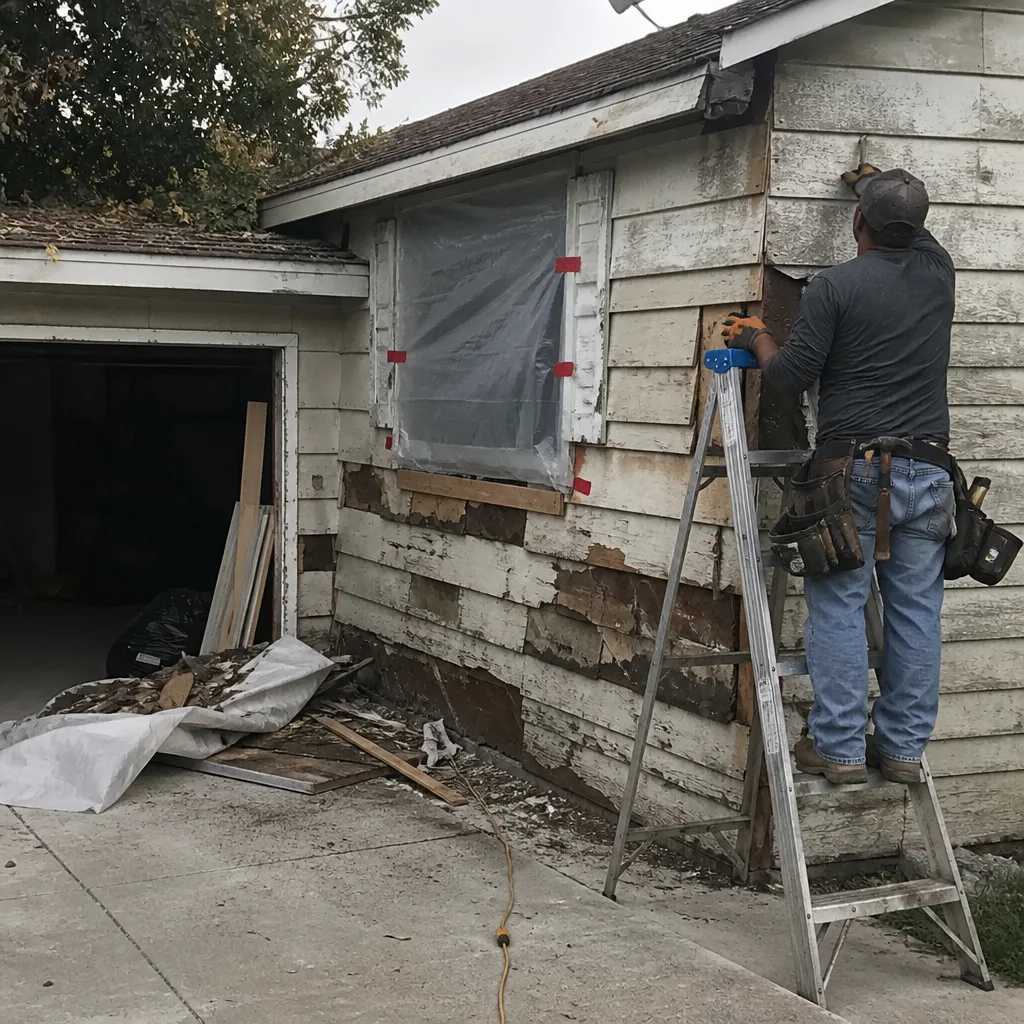 Before
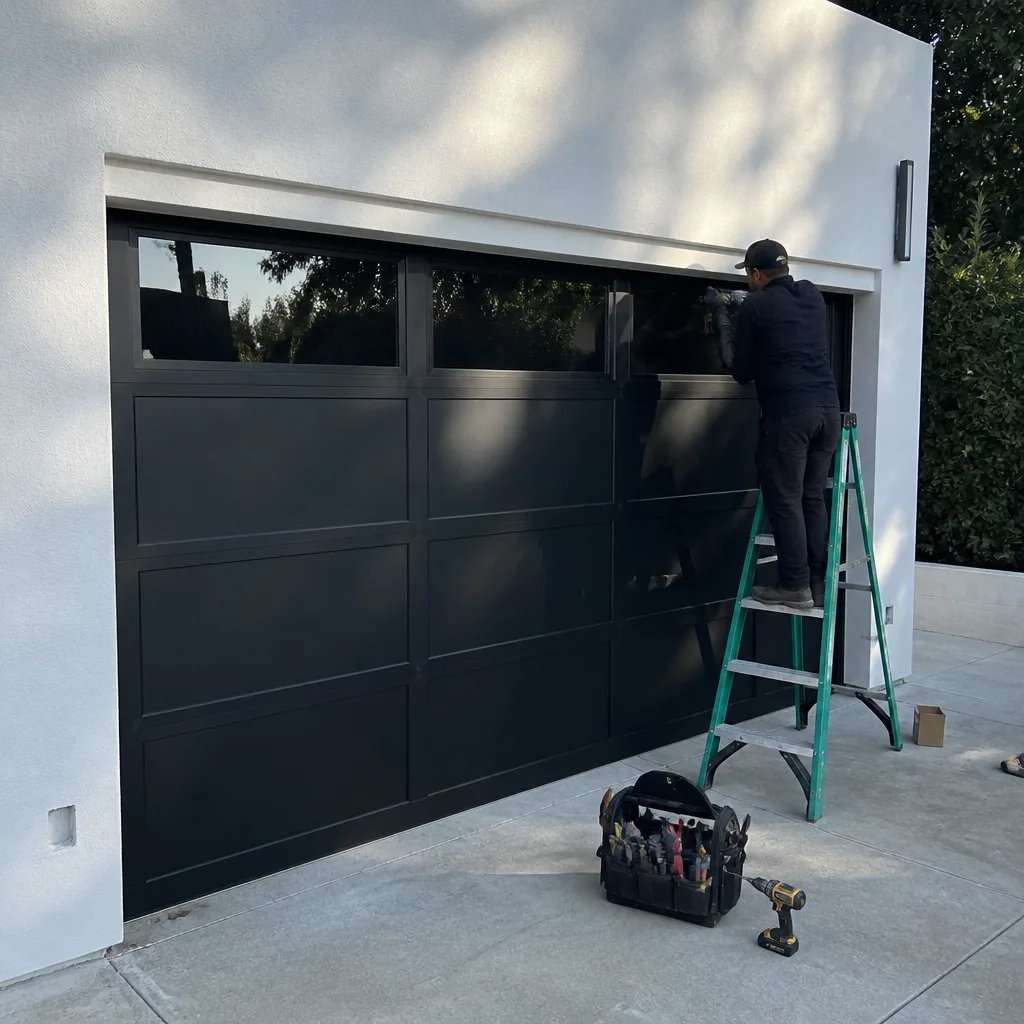 After
After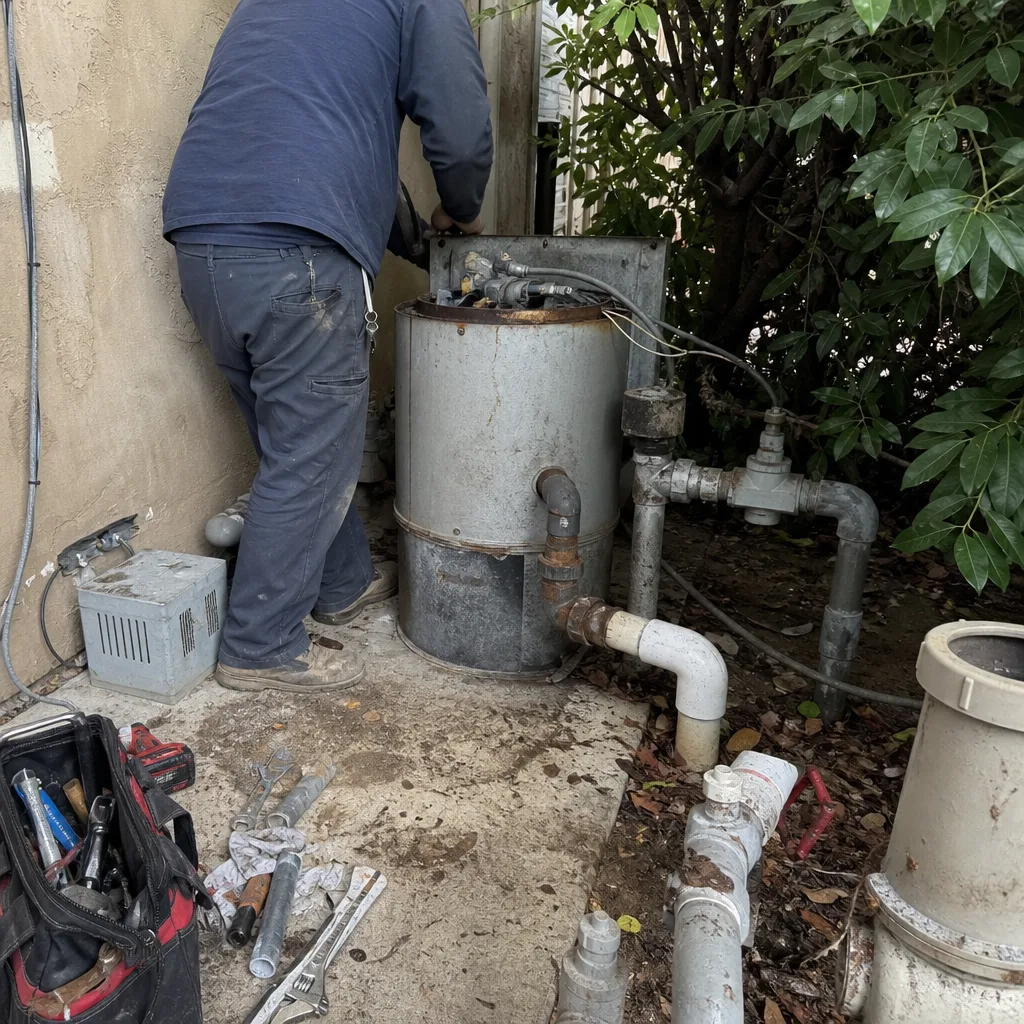 Before
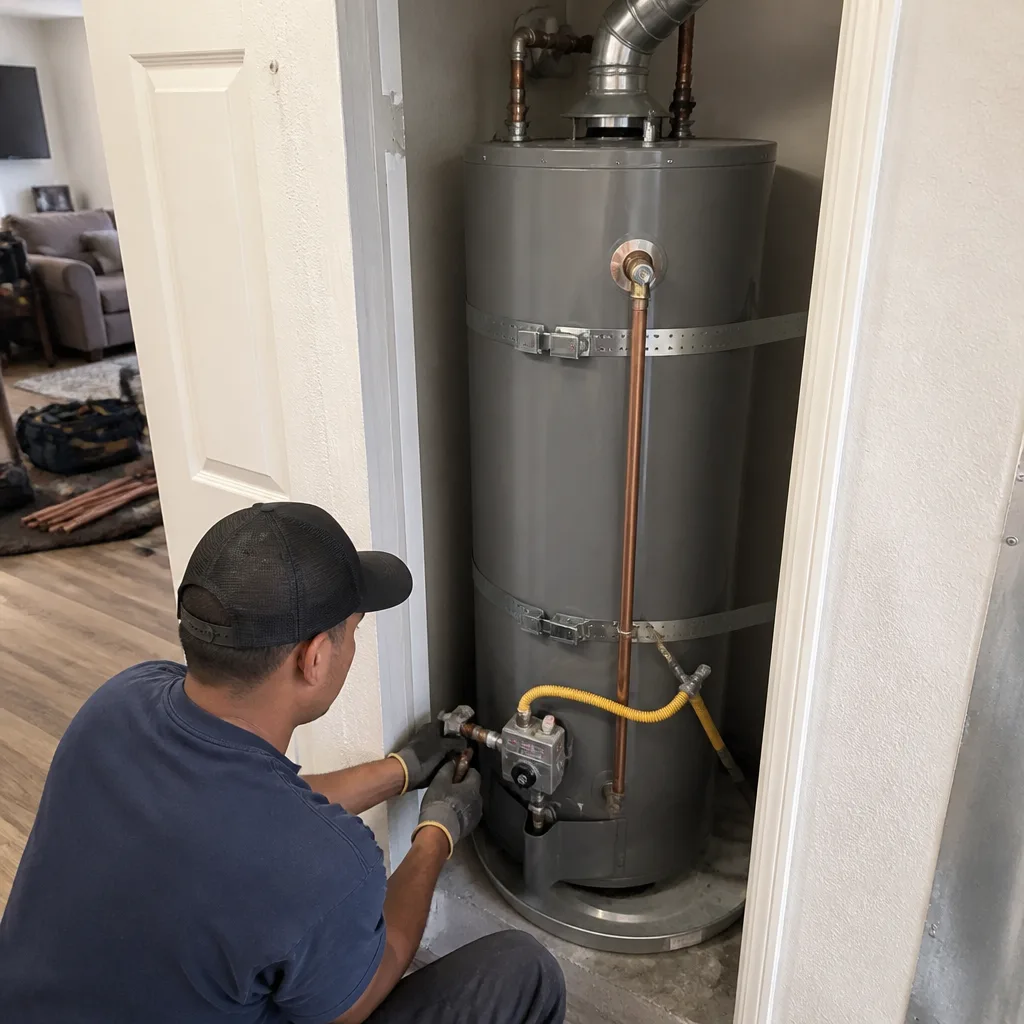 After
After Before
 After
AfterGeneral Contractor Troubleshooting: Common Problems and How to Fix Them
Most homeowners assume a remodeling dispute means bad workmanship. That assumption is usually wrong. The single most common complaint filed with the California Contractors State License Board isn’t shoddy tile or bad wiring – it’s abandoned jobs and contract disputes, which are almost always rooted in paperwork, not skill. Here’s what that means for you in Los Angeles: before you can fix a contractor problem, you have to correctly identify what kind of problem it is. This guide walks you through that diagnosis, step by step, so you know whether you’re dealing with a workmanship defect, a scope dispute, or a communication breakdown – and exactly what to do about each one. For more guides & resources, visit our blog.
Quick Answer
Most general contractor problems fall into one of three categories: workmanship defects (the work was done wrong), scope disputes (you thought “X” was included, the contractor says it was “Y”), or communication breakdowns (the contractor stopped returning calls). The fix is different for each. Document everything in writing with time-stamped photos, send a formal written cure notice, and only escalate to the CSLB or small claims court after you’ve built a paper trail the contractor can’t dispute.
Table of Contents
- Workmanship Defect vs. Scope Dispute vs. Communication Breakdown
- The Paper Trail You Need Before You Escalate
- What California’s Contractor Bond Actually Covers
- How to Send a Written Cure Notice That Works
- When to Bring in a Third-Party Inspector
- Filing a CSLB Complaint in Los Angeles: What Actually Happens
- Small Claims Court for Contractor Disputes: Is It Worth It?
- How to Prevent Contractor Problems Before They Start
Workmanship Defect vs. Scope Dispute vs. Communication Breakdown
The first thing to understand is that these three categories – workmanship, scope, communication – have completely different legal remedies and completely different practical fixes. If you misdiagnose the problem, you’ll spend months fighting the wrong battle.
1. Workmanship Defect
A workmanship defect means the work was done, but done incorrectly. Tile cracks within six weeks. The cabinet door binds every time you close it. A newly installed window leaks during the first rain. In Los Angeles, where seasonal temperature swings stress building materials differently than in, say, a coastal climate with stable humidity, you’ll see certain defects more often: stucco cracking at corners, caulk failing around exterior penetrations, and floor tile tenting when the installer didn’t leave proper expansion gaps.
How to identify it: The work was completed and paid for, but it’s failing. The contractor may or may not be responsive.
Your leverage: California has a 10-year statute of limitations for latent construction defects (defects not reasonably discoverable at the time of completion), and a 4-year statute for patent defects (those you could see immediately). Plus, CSLB-licensed contractors in California are required to provide a one-year warranty on workmanship. That warranty exists whether or not the contractor put it in writing.
The fix: Document the defect with dated photos. Send a written notice describing the specific failure and referencing the one-year workmanship warranty. Give a reasonable deadline to respond – 14 days is defensible in most Los Angeles disputes.
2. Scope Dispute
A scope dispute isn’t about quality. It’s about quantity. You thought the “bathroom remodel” included moving the drain for the new shower location. The contractor says that was never in the bid, and it’s a $2,400 change order. Neither of you is necessarily lying – but one of you has a stronger written record.
How to identify it: The contractor is still working. The disagreement is about what was included in the original price. Nobody is claiming the existing work is defective.
Your leverage: California Business and Professions Code requires home improvement contracts over $500 to include a detailed description of the work, the total price, and a schedule of payments. If the written contract is vague, that’s a problem – but not necessarily one the contractor loses. Vague contracts often favor the contractor because the homeowner bears the burden of proving what was promised verbally. This is why Penhallow Remodeling puts a written price and written scope before any work starts – the number on day one is the number on the invoice.
The fix: Pull out the written contract. Look for the exact scope language. If the disputed item is genuinely not listed, you have a negotiation, not a legal claim. If it is listed and the contractor is trying to charge extra, put that in writing: “Item 4 of our contract dated March 3 states that drain relocation is included. Please advise in writing why this is being billed as a change order.”
3. Communication Breakdown
This is the abandoned-job category. The contractor stopped showing up, stopped answering texts, and your half-finished kitchen sits under a layer of LA dust. In our experience serving Los Angeles homeowners, abandonment rarely starts with a dramatic fight. It starts with a slow fade: a skipped day turns into a skipped week, an unanswered text turns into a blocked number.
How to identify it: Work has stopped. The contractor is unresponsive. You haven’t received a formal termination or a refusal to complete the job.
Your leverage: Abandonment is a specific violation under California contractor law. A licensed contractor who abandons a project without lawful excuse faces CSLB discipline, including license suspension or revocation. That’s a serious hammer.
The fix: Send a written cure notice (covered in detail below). Document every attempt to reach the contractor – date, time, method, and response (or lack of one).
The Paper Trail You Need Before You Escalate
Here’s the uncomfortable truth about contractor disputes in Los Angeles: without a paper trail, your dispute doesn’t exist. The CSLB won’t act on a phone call. Small claims judges won’t hear “he said, she said” arguments with much sympathy. You need documentation that a neutral third party can read and understand – documentation that tells a story without you standing there to explain it.
- Time-stamped photos of everything. Take photos at the start of the project, at every major milestone, and immediately when you notice a problem. Photos taken on a smartphone include metadata with date and time, which is what makes them useful. Take wide shots that show the whole area, then close-ups of the specific defect. In Los Angeles, where construction activity is constant and materials are exposed to sun and wind, take photos weekly even if everything looks fine.
- Move communication to writing. If the contractor calls you, follow up with a text or email that says: “Confirming our phone conversation today: you said the tile would be installed by March 15 and that the change order for the drain relocation would be $2,400.” This creates a written record the contractor either corrects or implicitly accepts.
- Keep a dated log. A simple notebook entry – “February 12: crew didn’t show. Texted at 9:14 a.m., no response.” – is admissible and persuasive. Do not rely on memory. Months later, every date looks the same.
- Save every receipt, invoice, and change order. Scan them. Back them up. A photo of a receipt is better than a lost receipt, but a scanned document is better than a photo.
- Get the contract reviewed before you sign. This is a paper-trail step that happens before the problem exists. A contractor who hands you a two-sentence contract is a red flag, not a convenience.
The goal of the paper trail isn’t to win an argument. It’s to make the argument unnecessary. When we at Penhallow Remodeling put the Kingswell Guarantee in writing – written price before any work starts, defined arrival window, written guarantee on every project – we’re not being bureaucratic. We’re making sure both sides have exactly the same document to point to. That’s The Kingswell Way, and it’s why we treat it as a non-negotiable operating standard, not a marketing slogan.
What California’s Contractor Bond Actually Covers
Most Los Angeles homeowners hear “licensed and bonded” and assume it means their project is protected against everything. That assumption is wrong in a way that hurts people at the worst possible moment.
A contractor’s bond in California is a $25,000 surety bond required for most CSLB licenses (the amount is $15,000 for some specialty licenses, but the general standard for a general building contractor is $25,000). That bond is not a warranty. It doesn’t cover defective workmanship directly. What it covers is violations of the contractors license law: abandonment, failure to pay subcontractors, failure to complete a project per contract terms, and certain code violations.
The dollar cap that surprises most homeowners: $25,000 is the maximum the bond pays out total, not per claim. If five homeowners file claims against the same contractor’s bond in the same year, they’re splitting $25,000. In Los Angeles, where a kitchen remodel can run $30,000 to $60,000, a bond claim rarely makes you whole. It’s a partial recovery, not a replacement for the contract.
Here’s what to understand about the process:
- You file a claim against the bond, not against the contractor. You’re telling the surety company that their bonded contractor violated the law.
- The surety investigates. If they agree, they pay out – but the contractor ultimately reimburses the surety, which is why bonded contractors care about bond claims.
- You can file a bond claim while also pursuing other remedies. A bond claim doesn’t prevent a CSLB complaint or a small claims suit.
- Paperwork wins bond claims. The surety company is a business. They pay claims backed by documentation, not claims backed by anger.
The real value of “licensed and bonded” isn’t the bond payout. It’s that you’re dealing with a contractor who has skin in the game – a bond, a license, a reason to show up and finish the job. That’s not a guarantee of perfection, but it’s a structural reason for reliability that unlicensed contractors simply don’t have.
How to Send a Written Cure Notice That Works
A cure notice is a formal letter that says: “Here’s the specific problem. Here’s what the contract says. Here’s the deadline to fix it.” It’s not a threat. It’s a record. It creates a paper trail that any judge, CSLB investigator, or bond surety can follow.
Here’s the step-by-step format we recommend to Los Angeles homeowners who call us asking for advice on a stalled project:
- State the facts with dates and specifics. “On March 3, 2025, we signed a contract for a kitchen remodel at 4500 Wilshire Blvd, Los Angeles. The contract specifies completion by May 15, 2025, and payment of $48,000 in three draws. We have paid $32,000, which is two-thirds of the contract price.”
- State the specific problem. “On April 28, your crew stopped work. The cabinet installation was incomplete and the countertop template has not been measured. We have made six attempts to reach you by phone and text between April 28 and May 12 without a response.”
- Reference the contract language. “Section 7 of our contract states that you will complete all work in a timely and workmanlike manner and maintain communication with the homeowner throughout the project.”
- Give a specific, reasonable deadline. “Please provide written notice no later than May 26, 2025, of: (a) when you will resume work, and (b) a revised completion date. If we do not receive a written response by that date, we will consider the contract breached and will pursue all available remedies, including a complaint with the Contractors State License Board and a claim against your contractor’s bond.”
- Send it in a way you can prove. Certified mail with return receipt requested is the gold standard. Email it too. Keep a copy of everything.
A cure notice does two things. First, it demonstrates to the contractor that you’re organized and serious – which is often enough to restart a project that stalled from disorganization rather than malice. Second, if the contractor doesn’t respond, your cure notice becomes Exhibit A in every subsequent venue, from CSLB mediation to small claims court.
When to Bring in a Third-Party Inspector
There’s a point in many Los Angeles remodeling disputes where the homeowner and the contractor both believe they’re right, both have photos, and both have plausible arguments. That’s when a third-party construction inspector becomes worth the cost.
Bring in an inspector when:
- The defect is structural or water-related. Foundation cracks, framing concerns, roof leaks, waterproofing failures – these are not cosmetic disagreements. An inspector can identify whether the work meets code and industry standards.
- The contractor is denying a defect exists. An independent written report from a licensed inspector is significantly more persuasive than your opinion or your neighbor’s.
- You’re considering litigation. Small claims judges and CSLB investigators see a pattern in successful complaints: documentation, cure notice, independent inspection, then legal action – in that order.
- The dispute involves multiple systems. If plumbing, electrical, and structural issues are all in play, a general inspection gives you a complete picture instead of piecemeal opinions.
In Los Angeles, third-party home inspectors typically charge $300 to $800 for a focused inspection, and $500 to $1,200 for a comprehensive post-remodel inspection. That’s real money, but it’s often the difference between a claim that gets dismissed and a claim that gets paid.
When you don’t need an inspector: if the problem is purely cosmetic (paint color, minor drywall blemishes, caulk lines) and the contractor is responsive, an inspector is overkill. Save the money and negotiate directly.
Filing a CSLB Complaint in Los Angeles: What Actually Happens
The Contractors State License Board is the regulatory agency that licenses and disciplines contractors in California. Filing a complaint with the CSLB is free, and it’s the single most effective tool Los Angeles homeowners have for contractor disputes that can’t be resolved directly.
Here’s what actually happens after you file:
- You submit the complaint form with all your documentation: contract, payment records, photos, cure notice, dated log. The more complete your file, the faster it moves.
- The CSLB reviews the complaint and assigns an investigator. This can take weeks to months depending on caseload. Los Angeles is the busiest CSLB jurisdiction in the state.
- The investigator contacts both parties. They’ll ask the contractor for their side and request documentation. A surprising number of complaints resolve at this stage, because contractors don’t want the CSLB digging into their records.
- The CSLB may refer the case to mandatory arbitration if the contract includes an arbitration clause. Many Los Angeles home improvement contracts do.
- If the CSLB finds a violation, they can cite the contractor, suspend or revoke the license, and order restitution. Restitution through the CSLB is real, but it’s not automatic and it’s not fast.
One thing to understand clearly: the CSLB is not a court. They can’t order a contractor to pay you in every case. Their primary power is over the license, which is significant – a contractor with a suspended license can’t legally work in California. That’s meaningful leverage.
Small Claims Court for Contractor Disputes: Is It Worth It?
Small claims court in Los Angeles handles disputes up to $12,500 for individuals (the limit was $10,000 before 2024, and was raised to $12,500). For most remodeling disputes under that amount, small claims is the right venue: it’s cheap to file (typically $30 to $100 depending on the claim amount), it doesn’t require a lawyer, and it moves fast.
Here’s what we tell Los Angeles homeowners who ask whether small claims is worth pursuing:
- Small claims is worth it if you have documentation. Your cure notice, your photos, your dated log – these are your case. Without them, you’re asking a judge to guess.
- Small claims is worth it if the contractor is still working in Los Angeles. If they’ve left the state or gone underground, a judgment is a piece of paper with no enforcement. You can’t collect from someone you can’t find.
- Small claims is worth it for abandoned jobs and partial refunds. If you paid $8,000 for work that was never completed, that’s a clean small claims case.
- Small claims is not the right venue for complex construction defect litigation. If you’re fighting over a $60,000 structural failure, you need a construction defect attorney, not small claims.
One Los Angeles-specific note: small claims courts in LA County are busy. Expect your hearing date to be 60 to 90 days out. That’s normal. It’s not a reason to skip the process.
How to Prevent Contractor Problems Before They Start
We’ve spent this entire guide explaining how to fix problems after they happen. But the most valuable thing we can share – as a Los Angeles remodeling company that sees the aftermath of contractor disputes every week – is how to prevent 90% of them before the first tool comes out of the truck.
1. Get a written price before any work starts.
Not an estimate range. Not a verbal ballpark. A written number you can hold someone to. At Penhallow Remodeling, this is non-negotiable: every homeowner receives a written price before any work starts, so the number on day one is the number on the invoice. If a contractor won’t put the price in writing, you’re not getting a discount – you’re getting a verbal promise that will be renegotiated later.
2. Get the scope in writing, not just the price.
The price protects you from overbilling. The scope protects you from “that was never included.” A written scope of work should list every material, every fixture, every phase of the job, and every exclusion. If it’s not in the scope, it’s not in the price, and that should be stated explicitly.
3. Ask for a written guarantee.
Every repair and every remodel should come with a written guarantee that says: here’s what we covered, here’s how long the coverage lasts, here’s exactly what happens if something fails. Our Home Remodeling Maintenance Schedule: What to Do and When can help you stay on top of upkeep. Penhallow’s 365-Day Done Right Promise is written into every project: if the work fails inside the guarantee period, we come back and fix it at no charge. That’s a promise we can make because we use materials from recognized brands – KraftMaid and Wellborn cabinetry, Cambria and Caesarstone countertops, Kohler and Moen fixtures, James Hardie siding. The products behind the guarantee are as solid as the promise itself.
4. Check the license before you sign.
The CSLB website lets you verify any contractor’s license in California in under two minutes. Check it. A suspended license, a revoked license, or no license at all means the “contractor” can’t legally work in Los Angeles, and your legal protections are dramatically reduced. You can verify a license at cslb.ca.gov.
5. Know who’s walking into your home.
Ask whether technicians are background-checked. Ask whether they arrive in uniform. Ask how you’ll know who belongs in your house. At Penhallow Remodeling, every technician is background-checked and uniformed on every job – a standard operating practice, not a special request.
These five steps won’t eliminate every possible problem, but they eliminate the ones that fill CSLB complaint files in Los Angeles: scope disputes from vague contracts, abandonment from verbal-only agreements, and workmanship disputes from contractors who never intended to stand behind the work.
Common Mistakes to Avoid
- Firing the contractor in a text message. A heated text that says “don’t come back” gives the contractor an argument that you terminated the contract, which complicates abandonment claims. Always send a written cure notice first, even if you’re furious.
- Withholding payment as leverage without documentation. California law gives contractors lien rights. If you withhold payment without a documented, good-faith dispute, the contractor can file a mechanic’s lien against your Los Angeles property. Document the defect, send the cure notice, then discuss money.
- Relying on the contractor’s verbal promises. “I’ll take care of that later” is not a warranty. “That’s included, don’t worry” is not a scope of work. If it matters, get it in writing.
- Waiting too long to document. Every week that passes makes your case weaker. Photos taken the day you notice a crack are worth ten times more than photos taken six months later.
- Hiring an unlicensed contractor to save money. In Los Angeles, unlicensed contractors are common in the cash economy. The savings disappear the moment a dispute arises, because you have no bond to claim against, no CSLB complaint to file, and no regulatory hammer to swing.
- Ignoring the contract’s dispute resolution clause. Many Los Angeles remodeling contracts include mediation or arbitration requirements. If you skip straight to court, you may be violating your own contract. Read the fine print.
- Assuming “licensed and bonded” means “everything is covered.” As covered above, the bond has limits, and it’s not a warranty. Know what you’re actually buying.
When to Call a Professional
Some contractor problems you can solve yourself with documentation and a cure notice. Others need a professional. Call a third-party inspector if you’re dealing with structural questions, water intrusion, or a contractor who denies an obvious defect exists. Call a construction attorney if the dispute involves more than $12,500, or if you’ve received a mechanic’s lien notice, or if the contractor has filed a lawsuit against you. And if you’re in Los Angeles and you’re looking at a problem a contractor left behind – or you want to make sure your next project doesn’t create one – Penhallow Remodeling offers free estimates in Los Angeles. Call (936) 259-2607 to schedule a free estimate with a written price and a written guarantee, before any work starts.
Frequently Asked Questions
The most common problems are abandoned jobs, scope disputes, and workmanship defects – in that order, according to California CSLB complaint data. Abandoned jobs typically start with poor communication and escalate slowly; scope disputes usually come from vague contracts; workmanship defects are failures in the completed work itself. Each has a different legal remedy, which is why diagnosis matters before action.
File a complaint with the California Contractors State License Board online or by mail. Include your contract, payment records, time-stamped photos, a dated communication log, and a copy of any written cure notice you sent. The CSLB investigates and can cite the contractor, suspend or revoke the license, and order restitution. The process is free but can take months.
A cure notice is a written letter that states the specific problem, references the contract language, and gives the contractor a deadline to fix the issue. You need one because it creates a paper trail that proves you gave the contractor a reasonable opportunity to perform before escalating to the CSLB, a bond claim, or small claims court. Send it certified mail and keep a copy.
Construction attorneys in Los Angeles typically charge $300 to $600 per hour, with flat-fee demand letters often running $500 to $1,500. For disputes under $12,500, small claims court is usually more cost-effective than a lawyer. For disputes over $12,500, or if you receive a mechanic’s lien, a construction attorney is worth the cost.
A contractor’s bond in California – typically $25,000 for a general building contractor – covers violations of contractor license law, including abandonment, failure to complete a project per contract, and failure to pay subcontractors. It is not a warranty and doesn’t directly cover workmanship defects. The $25,000 is a total cap per contractor, not per claim, which surprises most Los Angeles homeowners.
Go to cslb.ca.gov and use the license lookup tool. Enter the contractor’s name or license number to check license status, active discipline, and bond information. Do this before you sign a contract and again before you make the final payment. A contractor whose license is suspended during your project has no legal right to continue work in Los Angeles. If you have questions about a contractor you’re considering, call (936) 259-2607 for guidance – estimates are free.
The Bottom Line
Contractor problems in Los Angeles are rarely about bad workmanship alone. They’re about the paper trail – or the absence of one. A written scope, a written price, and a written guarantee prevent most disputes before they start. When a problem does arise, diagnose it correctly: workmanship, scope, or communication. Document everything with dates and photos. Send a written cure notice. Escalate to the CSLB, the bond, or small claims only after you’ve built a file that tells the story without you. And for your next project, choose a General Contractor in Los Angeles who puts every promise in writing. If you’re planning a Kitchen Remodeling in Los Angeles or a Bathroom Remodeling in Los Angeles, Penhallow Remodeling brings the Kingswell standard to every job: written price before work starts, a defined arrival window, and the 365-Day Done Right Promise in writing. Call (936) 259-2607 for a free estimate. You can also learn more by visiting the Penhallow Remodeling home page.
Written by Trevor Nash, Owner at Penhallow Remodeling, serving Los Angeles since 2004.