
Last updated October 8, 2026
Free written scope consultation - allowances, timeline, and change-order rules on paper before a single trade is scheduled







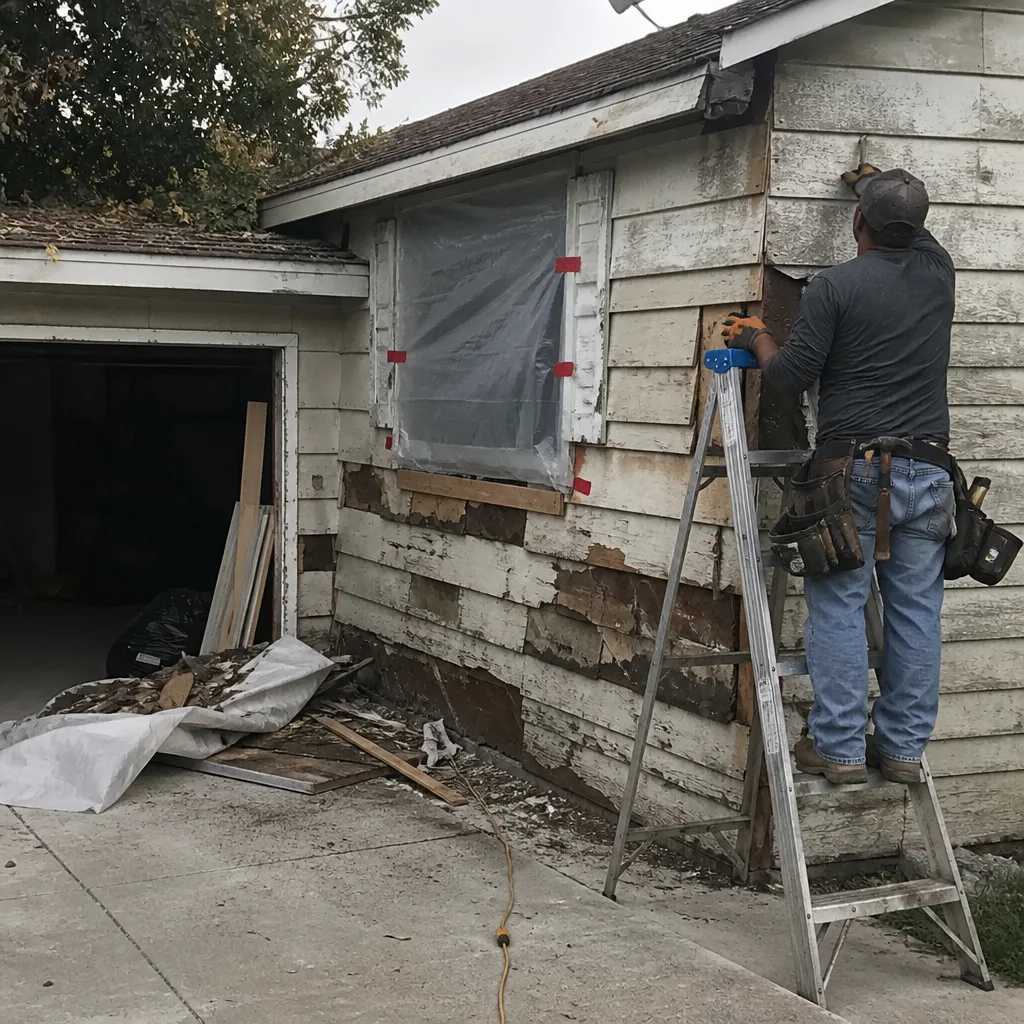 Before
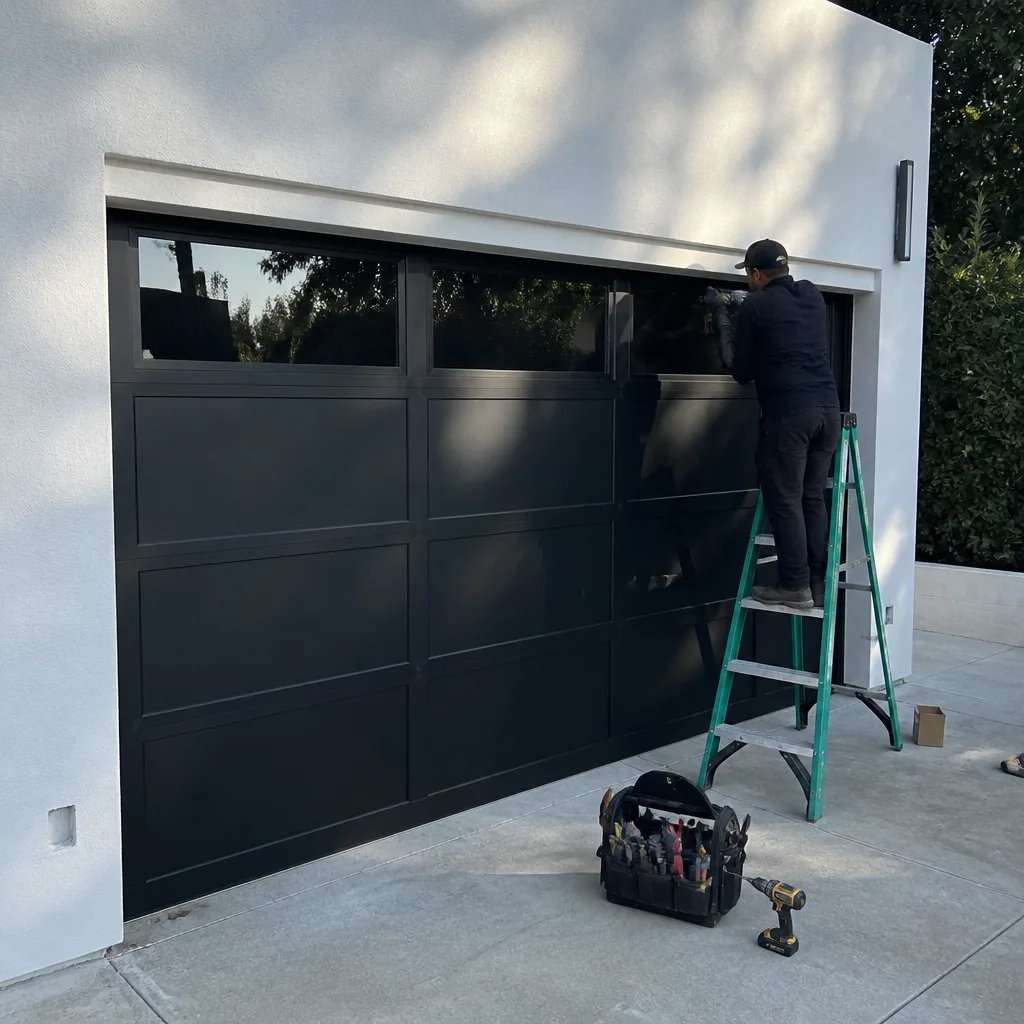 After
After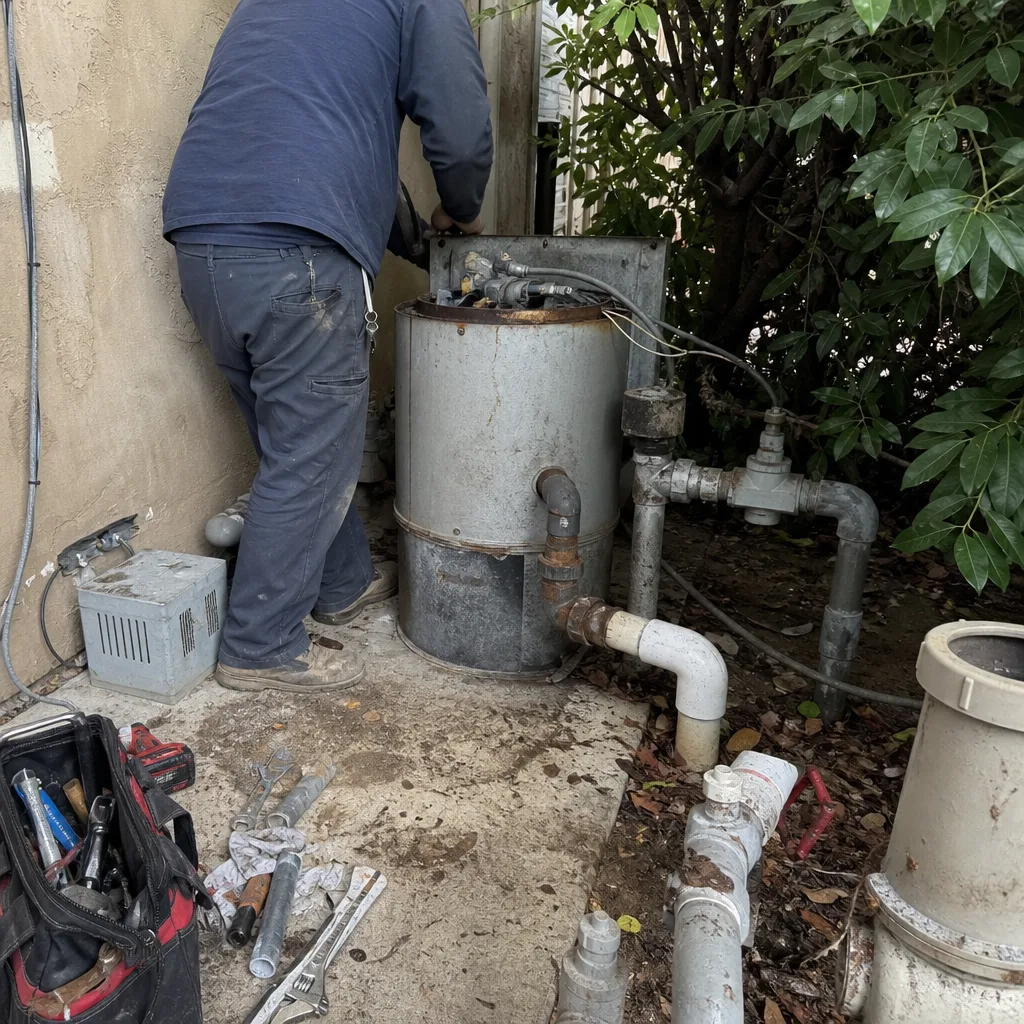 Before
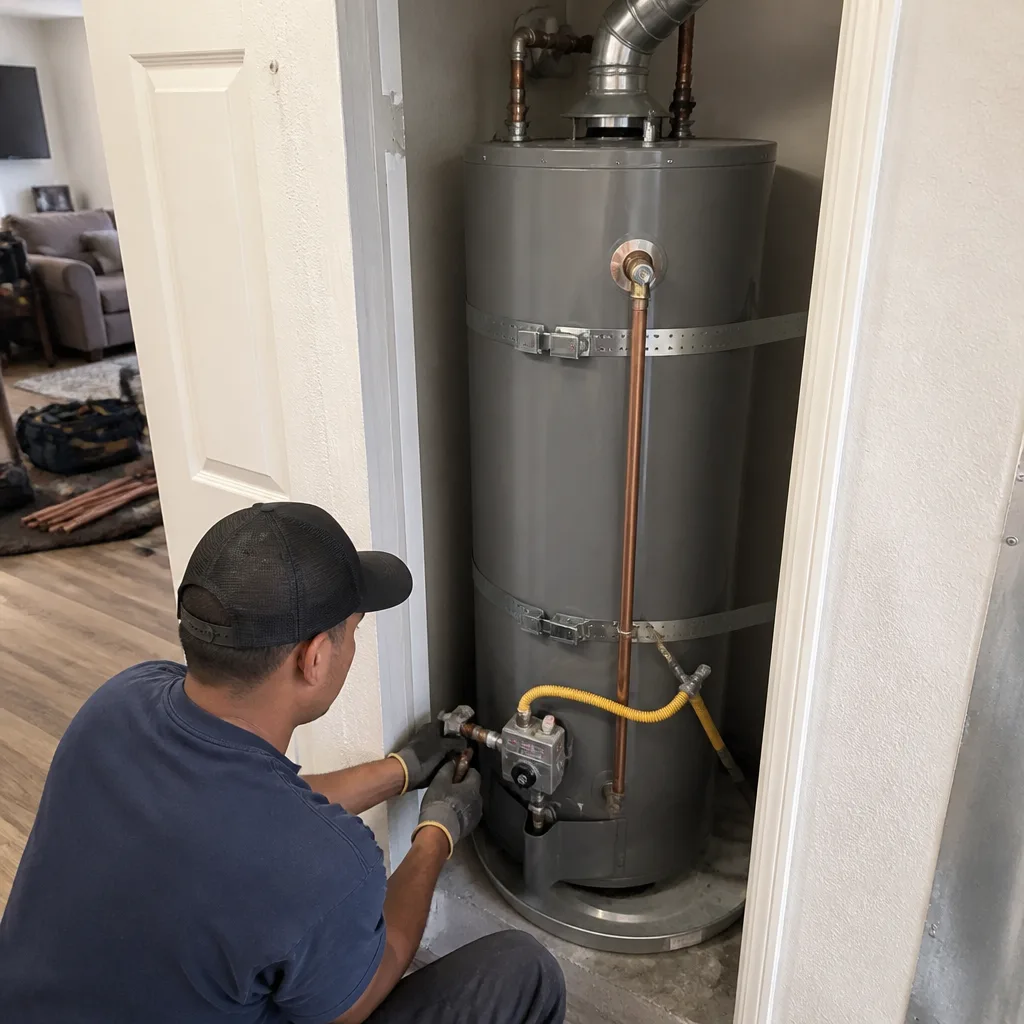 After
After Before
 After
AfterHome Remodeling Troubleshooting: Common Problems and How to Fix Them
Most homeowners in Los Angeles don’t get burned because they hired a bad contractor. They get burned because they couldn’t tell the difference between a cosmetic flaw and a structural failure, between a touch-up and a tear-out, between a contractor’s obligation and their own. The result is the same: money spent twice for work that should have been done once. This guide draws the line. You’ll learn which failures are your contractor’s responsibility to fix at no charge, how California law backs you up even when the written guarantee is vague, and how to document problems so your complaint has standing the day you make it, not six months later when nobody answers the phone.
Quick Answer
Most Home Remodeling services failures fall into two buckets: workmanship defects your contractor must fix for free under California’s implied warranty, and wear-and-tear or maintenance issues that are yours to own. The fix for both starts the same way: document everything in writing, know which law applies, and never pay for a repair you can prove was done wrong the first time. A written guarantee that names the exact remedy and the exact deadline beats a verbal promise every single time.
Table of Contents
- California’s Implied Warranty: What the Law Already Gives You
- How to Document a Problem So Your Complaint Has Standing
- Tile and Grout Failures: Cracking, Popping, and Hollow Spots
- Paint Bubbling and Drywall Cracks: Cosmetic or Structural?
- Cabinet Doors Settling and Misaligning After Install
- Flooring Problems: Uneven Planks, Gaps, and Squeaks
- When to Escalate: CSLB, Small Claims, and Attorneys
- What a Real 365-Day Workmanship Guarantee Should Say
California’s Implied Warranty: What the Law Already Gives You
Here’s the part most contractors hope you never learn: in California, you don’t need a written warranty to have warranty rights. The law implies one. Under the state’s implied warranty of workmanship, any contractor you hire to remodel your Los Angeles home is automatically obligated to perform the work in a competent, workmanlike manner that meets the standards of the trade. That obligation exists even if the contract says nothing about a guarantee. It exists even if the contractor never mentions the word “warranty.” It is baked into every residential construction contract in the state.
What does that mean in practical terms? If your tile contractor sets a shower pan incorrectly and the floor leaks six months later, that’s a workmanship failure. The mold growing behind the wall is a direct consequence of work that wasn’t done to trade standard. You can demand a fix, and the contractor can’t wave a one-year contract clause at you and walk away. The implied warranty extends for a reasonable period based on the nature of the defect and the expected lifespan of the work. A tile installation that fails in month eight is very different from one that fails in year eight.
But there’s an important limit. The implied warranty covers defects caused by poor workmanship, not damage caused by you. If you never caulk the tub and water seeps behind the tile for three years, that’s a maintenance failure. If a tree root grows through your new patio, that’s not the paver installer’s problem. The line is root cause. We tell every homeowner we work with in Los Angeles the same thing: before you call anyone, figure out whether the problem came from how the work was done or how the home was used. For Home Remodeling Warning Signs Every Homeowner Should Know, check our guide.
How to Document a Problem So Your Complaint Has Standing
The moment you notice something wrong with a recent remodel, stop and document it before you touch anything. The paperwork you create in the first 72 hours determines whether you have a case or just a story. Here’s the exact process we recommend, and it’s the same one we’d walk our own clients through if something failed on a Penhallow Remodeling job.
- Photograph everything on day one. Wide shots that show the whole room, medium shots that show the surrounding area, close-ups that show the defect. Use a tape measure or a quarter in the frame for scale. Date-stamp them.
- Write a factual description, not an emotional one. “Tile grout cracking along the tub line, approximately 14 inches, first noticed March 12” is useful. “Shoddy work falling apart” is not.
- Send written notice to the contractor the same day. Email counts as written notice in California. Text messages count. Send both if you can. State the problem, the date you noticed it, and that you’re requesting a remedy under both the written warranty and California’s implied warranty of workmanship.
- Keep a timeline. Every phone call, every text, every visit, every promise, every no-show. Write down who said what and when. Memory fades. A log doesn’t.
- Do not attempt repairs yourself. If you modify the defective work, you risk giving the contractor an argument that you caused or worsened the problem. Document first, act second, and only after written acknowledgment from the contractor.
In our experience across Los Angeles, from Sherman Oaks condos to Pasadena bungalows, the homeowners who document early and consistently are the ones who get resolutions. The ones who wait until month six, when the contractor has stopped returning calls, are fighting uphill. Your written notice doesn’t have to be aggressive. It just has to exist. It’s the difference between “I told you about this” and “I can prove I told you about this.”
Tile and Grout Failures: Cracking, Popping, and Hollow Spots
Tile problems are the most common post-remodel complaint in Los Angeles, and the root cause is rarely what homeowners assume. Grout doesn’t crack because it’s old. It cracks because the substrate (the moisture-resistant layer behind your tile) wasn’t prepared correctly, the thinset wasn’t applied with full coverage, or the framing behind it all moves more than it should. Here’s how to tell what you’re looking at.
Hairline cracks along a straight line in the grout usually point to movement in the substrate or joists. If the crack follows a seam in the cement board or a stud bay, the installer likely didn’t tape or fasten the backer board properly. That’s a workmanship defect. The fix is a redo of that section, not a regrout. If a contractor offers to regrout over a structural crack, the crack will return in weeks.
Grout that’s powdery or falling out in chunks is often a mixing problem: too much water, too little mixing time, or grout applied over thinset that hadn’t cured. This can be dug out and replaced properly, and it’s generally a straightforward warranty claim. In a bathroom remodel in Los Angeles, where humidity swings between the June gloom and the dry Santa Ana season, grout needs to be mixed and cured to spec or it fails fast.
Hollow-sounding tiles are the most serious sign. Tap a tile with a screwdriver handle. A solid, sharp sound is good. A dull, hollow thud means the tile isn’t bonded. Industry standard allows for a small percentage of thinset coverage variation, but a whole area of hollow tile means the installer didn’t achieve proper coverage. Left alone, those tiles will crack under foot traffic. The repair is removal and reset. If you hear hollow spots in a walk-in shower floor, get it addressed immediately; water will find those voids and cause damage you can’t see until the ceiling below stains.
The fix for most tile failures is not a cosmetic patch. It’s identification of the root cause, then a proper repair. A real workmanship warranty covers exactly that. If your Bathroom Remodeling in Los Angeles contractor tries to tell you cracked grout is normal settling, ask them to put that in writing. They usually won’t, because the California Contractors State License Board doesn’t accept “it happens” as a defense for work that fails in the first year.
Paint Bubbling and Drywall Cracks: Cosmetic or Structural?
Paint failure is the most misdiagnosed problem in a remodel. Homeowners see a bubble and assume the painter used cheap paint. Sometimes that’s true. More often, the paint is just revealing a problem that started behind it. In Los Angeles, which sees dramatic temperature swings between coastal fog and inland heat, paint has to perform across a wide range of conditions, and failures show up in patterns.
Paint bubbling in small, concentrated areas usually means the surface wasn’t clean or primed. Grease on a kitchen wall, dust on fresh drywall, or latex paint applied over oil-based paint without a primer will cause bubbling within weeks to months. This is a preparation failure and a legitimate warranty claim. The fix is scraping, priming, and repainting the affected area.
Paint bubbling in a pattern that follows a wall or ceiling seam is a moisture issue. Water is getting into the wall cavity from a roof leak, a plumbing leak, or improper bathroom ventilation. Repainting without fixing the moisture source is throwing money away. If you see bubbling along the ceiling line of an upstairs bathroom, check the shower valve and the drain pan first. In our Los Angeles work, we see ventilation failures all the time: bathroom fans vented into the attic instead of outside, pushing moist air into framing where it condenses and ruins paint from behind.
Drywall cracks fall into two categories. Hairline cracks at the corners of doorways and windows, running at a 45-degree angle, are often framing movement and can be stitched and patched. Cracks that run straight along a drywall seam from corner to corner, or that reappear within months of patching, are usually a sign the drywall wasn’t fastened correctly or the framing behind it is compromised. In Los Angeles, homes built on expansive adobe clay soil can shift seasonally with rain and drought cycles. A single crack might be cosmetic. A crack that grows, reopens after repair, or is wide enough to fit a coin edge needs an engineer or a seasoned general contractor to evaluate.
Cabinet Doors Settling and Misaligning After Install
Cabinet doors that looked perfect at the final walkthrough and now sit crooked at month four are a classic source of homeowner frustration. The instinct is to blame the cabinetmaker or the installer. Sometimes that’s right. But cabinets are one of the few remodel components that are legitimately adjustable. Let’s sort the failures from the fine-tuning.
Hinges that have loosened are not a defect. Wood expands and contracts with Los Angeles humidity changes, and hinge screws work themselves loose over the first months after install. The fix is a Phillips screwdriver, two minutes per door, and maybe a drop of thread locker. This is homeowner maintenance, not a warranty claim.
Doors that were never aligned in the first place are a finish flaw. If the gaps between doors are uneven on day one and the contractor says “they’ll settle,” that’s not a thing. Hinges on quality cabinetry like KraftMaid and Wellborn have adjustment screws that let an installer align doors precisely. A sloppy reveal at install is a workmanship issue. It should be corrected at the punch list walkthrough, and if it isn’t, it’s covered under workmanship warranty.
Cabinet boxes pulling away from the wall are the serious problem. A gap opening at the top of an upper cabinet means the installer didn’t hit studs with enough fasteners, or used the wrong hardware for the wall condition. In older Los Angeles homes we’ve remodeled, walls are often lath and plaster over framing that isn’t perfectly plumb. Installing cabinets on that surface requires shimming and careful fastener placement. A cabinet that separates from the wall is a safety issue as much as a cosmetic one, and it’s the installer’s responsibility to fix. Full stop.
Drawer slides that bind or stick after a few months can mean debris in the track, or it can mean the cabinet box was installed out of square. If cleaning the track doesn’t fix it, the box likely needs realignment. Quality slides from manufacturers like Blum should operate smoothly for years. A drawer that fights you every time is a warranty item, not a personality quirk.
If you’re planning a Kitchen Remodeling in Los Angeles, ask the contractor how they’ll handle post-install adjustment. A good contractor schedules a follow-up at 30 to 60 days to re-torque hinges, check reveals, and adjust anything that’s shifted. If the answer is “call us if something looks wrong,” the burden of expertise just fell on you. We’d rather set the appointment before the job starts. It’s part of what we mean when we say the price and the guarantee are in writing before work begins.
Flooring Problems: Uneven Planks, Gaps, and Squeaks
Flooring failures are frustrating because they’re underfoot every day. You can ignore a crooked cabinet door for a while. You can’t ignore a floor that feels wrong. In our Los Angeles work, we see three flooring complaints repeat most: planks that separate at the ends, floors that bounce when walked on, and squeaks that appear within months of a remodel. Each has a different root cause and a different remedy.
Luxury vinyl plank and laminate gapping at the ends is usually an acclimation failure. These products expand and contract with temperature and humidity, and manufacturers require the material to sit in the space for 48 to 72 hours before installation. If a contractor races from delivery truck to install, the planks will shift when they adjust to the room. In Los Angeles, where nights can drop 30 degrees below daytime highs in spring, that shift is real. Gaps at plank ends are an installation defect if they appear within the first year. The repair is disassembly back to the gap and re-clicking the rows, not filling the gap with caulk. Be wary of any contractor who reaches for a caulk gun to fix a plank separation.
A floor that flexes or bounces underfoot is a subfloor problem. If the contractor laid new flooring over old, damaged subfloor without replacing or reinforcing it, the new floor will telegraph that weakness. Tile is especially unforgiving: it needs a stiff substrate with minimal deflection, and if the joists flex too much, the tile will crack. In older Los Angeles homes, especially raised foundations with 2×6 or 2×8 joists at wide spacing, this is a common hidden issue. A thorough contractor checks subfloor stiffness before the first tile is set. If yours didn’t, and the floor fails a year later, the root cause is the missed inspection, not the tile.
Squeaks in a newly remodeled floor usually mean the subfloor wasn’t screwed down before finish flooring went in. A squeak is two surfaces rubbing: subfloor against joist, or subfloor against underlayment. The fix sometimes requires pulling sections of finish flooring to fasten the subfloor properly. If the squeak is in a new addition or a re-floored room and it appears within the first year, that’s a workmanship issue. The repair is on the contractor. A tube of powdered graphite or a squeak-relief kit from the hardware store is a band-aid, not a fix.
When to Escalate: CSLB, Small Claims, and Attorneys
Sometimes the contractor disappears. Sometimes they argue. Sometimes they show up, do a patch job, and the problem returns. When your written notices go unanswered or the remedy offered won’t actually fix the problem, you need to know your escalation ladder in California. Here’s the order, from cheapest to most expensive.
- Demand letter. A clear, dated letter stating the problem, the remedy you want, and a deadline. Send it certified mail. Many contractors settle here, because the alternative is more expensive for everyone.
- CSLB complaint. The California Contractors State License Board accepts consumer complaints against licensed contractors. Their mediation and investigation process is free to you, and a CSLB complaint often gets a contractor’s attention faster than any demand letter will. The CSLB can discipline a license, order corrections, and in some cases require restitution. You can file online at the CSLB website from anywhere in Los Angeles County.
- Small claims court. In California, individuals can sue for up to $12,500 in small claims. You don’t need an attorney, the filing fee is modest, and contractors can’t bring lawyers either, though their insurance company sometimes gets involved. Bring your photos, your timeline, your written notices, and any expert assessment. A judge can award you the cost of repair, and the judgment is enforceable.
- Construction attorney. For large projects with substantial failures, an attorney experienced in California construction defect law is worth the consult fee. Construction defect cases have specific statutes of limitation and liability rules. A good attorney will tell you early whether the case is worth pursuing or whether the CSLB route is better. That honesty is worth paying for.
The key in every escalation step is the documentation you built back in the documentation section. Without it, you have a he-said-she-said. With it, you have a timeline, a paper trail, and a legible story of what failed and when. That’s the difference between a resolution and a write-off.
What a Real 365-Day Workmanship Guarantee Should Say
Not all guarantees are created equal, and in Los Angeles the difference shows up at month ten, when you discover whether your contractor’s promise was a marketing line or a contractual obligation. A real workmanship guarantee should be specific enough that there’s nothing to argue about. Here’s what to look for, and what we’ve built ours around at Penhallow Remodeling.
It names the remedy. The guarantee should say what happens when something fails: the contractor returns, assesses the problem, and repairs or replaces the defective work at no charge. Not “we’ll look at it,” not “we’ll see what we can do.” A return visit and a real fix, spelled out.
It covers the workmanship, not the products. Product warranties come from the manufacturers: Cambria quartz carries a lifetime warranty, Kohler fixtures carry their own terms, James Hardie siding carries a 30-year prorated warranty. Your contractor’s workmanship guarantee covers the installation: the cutting, the setting, the fastening, the finishing. The two layers work together, and a quality contractor will explain that clearly instead of letting you assume a faucet leak is always their problem.
It says what happens if the fix fails. This is the part most guarantees leave out. If the contractor repairs a tile crack and it cracks again in a month, what then? A real guarantee says the follow-up return is also free. At Penhallow Remodeling, our 365-Day Done Right Promise means if the work fails inside the guarantee period, we come back and fix it at no charge. If the repair fails, the return visit is free too. That’s the standard we’d hand to our own families in writing, and we put it on every project we do in this city.
Here’s how to use the guarantee when a problem appears: don’t wait. Send written notice the day you see the issue, reference the guarantee by name, and ask for the specific remedy it promises. Contractors are far more responsive to “under your 365-Day Done Right Promise, I’m requesting a repair to the cracked grout at the tub line, as covered in my written guarantee” than to a phone call that starts with “hey, I think something’s wrong.” The specific ask gets the specific response. It’s the same reason we give our General Contractor in Los Angeles clients a written price before work starts: clarity in writing prevents arguments later.
Common Mistakes to Avoid
- Paying for the repair before documenting the defect. Once you pay someone else to fix original work, you’ve complicated your warranty claim and possibly voided it entirely. Document, notify, and wait for the original contractor’s response.
- Accepting a verbal “I’ll swing by next week” as a remedy. If it’s not written, it didn’t happen in a warranty dispute. Get dates, commitments, and scope in writing, even if it’s a text message.
- Signing a final walkthrough checklist before you’ve inspected thoroughly. Bring a flashlight, look at the ceiling lines, open every drawer, run every fixture, check the grout lines at eye level. Final walkthrough is your best leverage, and in Los Angeles heat waves and winter rains, small defects fail fast.
- Assuming a one-year written warranty is all you have. California’s implied warranty of workmanship protects you beyond the written terms when the defect is clearly a workmanship failure. Know both layers of protection.
- Caulking over a structural problem. Caulk fixes gaps. It doesn’t fix a cabinet pulling off the wall, a tile that’s breaking loose, or a subfloor that’s flexing. Surface fixes on structural problems just delay the real repair and make the original contractor less responsible.
- Waiting to escalate because the contractor is “a nice guy.” The CSLB complaint clock, the small claims deadline, and your evidence all work better early. Politely persistent beats silently patient every time in Los Angeles construction disputes.
When to Call a Professional
Some problems are obvious enough to handle with a phone call to the original contractor. Others need a second set of trained eyes. Call a professional general contractor if you see: water staining that appears and grows over days, cracks wider than a quarter-inch or cracks that reopen after patch, a floor that visibly flexes under foot traffic, any cabinet or fixture that feels loose enough to fall, or any electrical or plumbing work that trips a breaker or leaks behind a wall. These are not DIY diagnostics. If you’re in Los Angeles and need someone to assess whether a prior remodel was done right, Penhallow Remodeling offers free estimates, and you’ll get a written assessment you can hold onto. Call (936) 259-2607 to schedule one.
Frequently Asked Questions
Most small warranty-eligible repairs like grout cracks or misaligned cabinet doors cost $150 to $500 if you’re paying out of pocket, but the same defects should cost you nothing if they fall under a valid workmanship guarantee. Larger failures like a shower pan rebuild or subfloor replacement in a Los Angeles bathroom typically run $2,000 to $7,000 depending on scope and access. The determining question isn’t the repair cost. It’s whether the defect traces to faulty workmanship, in which case the original contractor owes the fix. If you’re unsure where your problem falls, call (936) 259-2607 for an honest assessment. Estimates are free.
It shouldn’t, if you hired a contractor who puts the number in writing before any demolition starts. That’s the standard we operate under at Penhallow Remodeling: a written price up front, and the number you approved is the number on the invoice. If an unexpected condition appears behind a wall, a quality Los Angeles contractor will stop work, show you the problem, and present a written change order for your approval before proceeding. You should never receive a surprise bill for work you didn’t authorize in writing.
Yes. Any remodeling work in the City of Los Angeles that affects structure, plumbing, electrical, or drainage requires permits from the Los Angeles Department of Building and Safety, and the contractor should pull them. Unpermitted work isn’t just a future red flag when you sell; it’s often a sign the contractor cut corners on the work itself. A legitimate general contractor in Los Angeles will include permit costs in the written estimate and handle the inspections without you chasing paperwork.
Small fixes like cabinet door realignment or a grout repair typically take one visit, two to four hours. Moderate repairs like resetting a section of tile or replacing damaged drywall usually take one to two days, plus drying time for mortar and paint. A full shower pan replacement or subfloor repair can take three to five days because the materials need cure time between steps. Los Angeles humidity and temperature affect cure times more than most homeowners expect, and a contractor who rushes those windows is creating the next failure. See How Long Does Bathroom Remodeling Take? Timelines and What to Expect for typical schedules. Call (936) 259-2607 for a timeline specific to your problem.
We can, and it’s one of the more common calls we get in Los Angeles. The process starts with a site visit to assess the root cause, not just the symptom. We’ll document what’s there, explain what went wrong in plain language, and give you a written price for the fix before work starts. If the original contractor is still in business, we’ll also help you understand whether the work falls under their warranty or California’s implied workmanship standard, so you don’t pay for a defect someone else is legally obligated to correct.
Send one final written demand by certified mail, stating the problem, the remedy you want, and a 14-day deadline to respond. If silence follows, file a complaint with the California Contractors State License Board, which regulates contractors working in Los Angeles. Keep your documentation timeline, photos, and written notices together. If the work is substantial and the dollar amount fits, small claims court in Los Angeles County allows individual claims up to $12,500 without an attorney. The final demand letter is free and often works. Call (936) 259-2607 if you want a second opinion on the defect before escalating.
The Bottom Line
Remodeling failures are rarely about whether something went wrong. They’re about what happens next. In Los Angeles, you’re protected by California’s implied warranty of workmanship even when the written guarantee is thin, but protection only helps if you document problems early, send written notice promptly, and know the difference between a workmanship defect and normal wear. A real workmanship guarantee names the remedy and the deadline in writing. Browse our more guides & resources to protect your project. A real contractor stands behind it without being chased. When you find one that does both, the hardest part of your remodel is deciding which color to paint the walls.
Written by Trevor Nash, Owner at Penhallow Remodeling, serving Los Angeles since 2004.