
Last updated October 8, 2026
Free written scope consultation - allowances, timeline, and change-order rules on paper before a single trade is scheduled
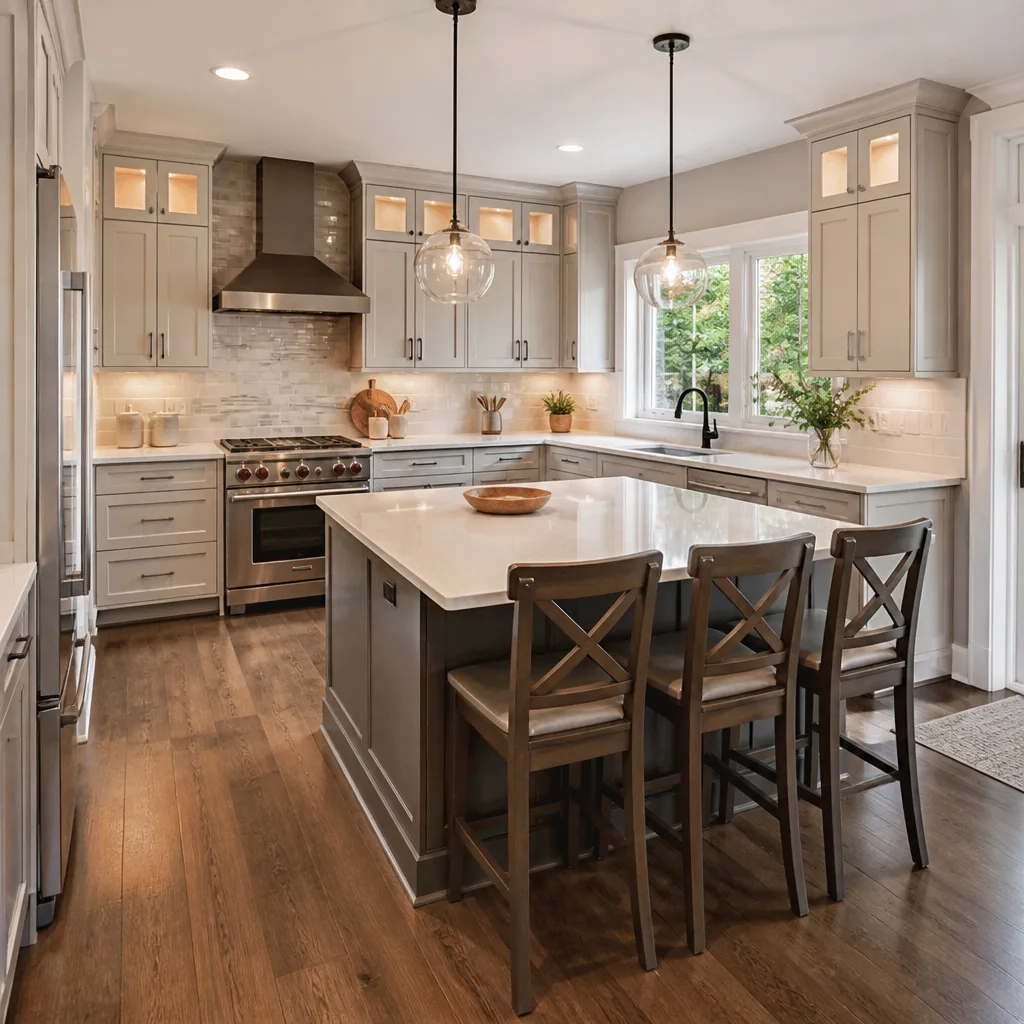
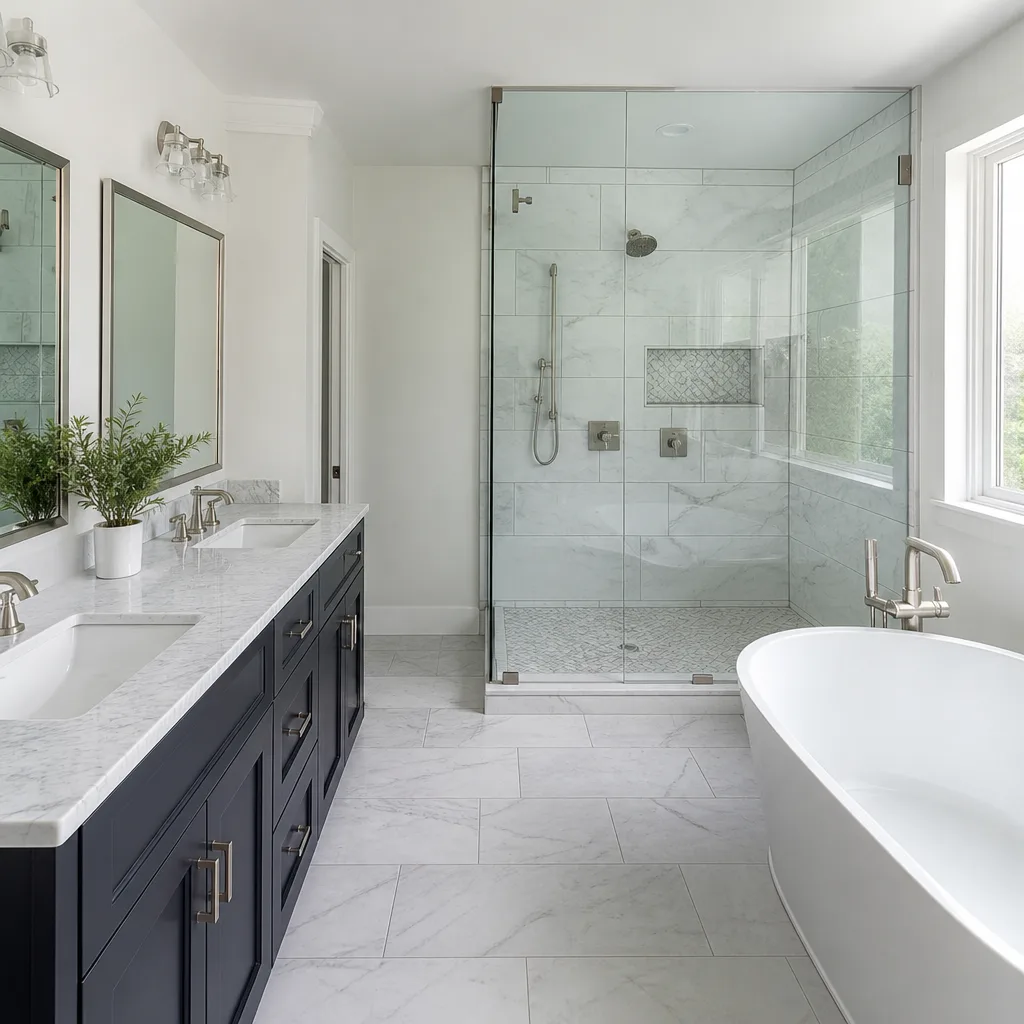
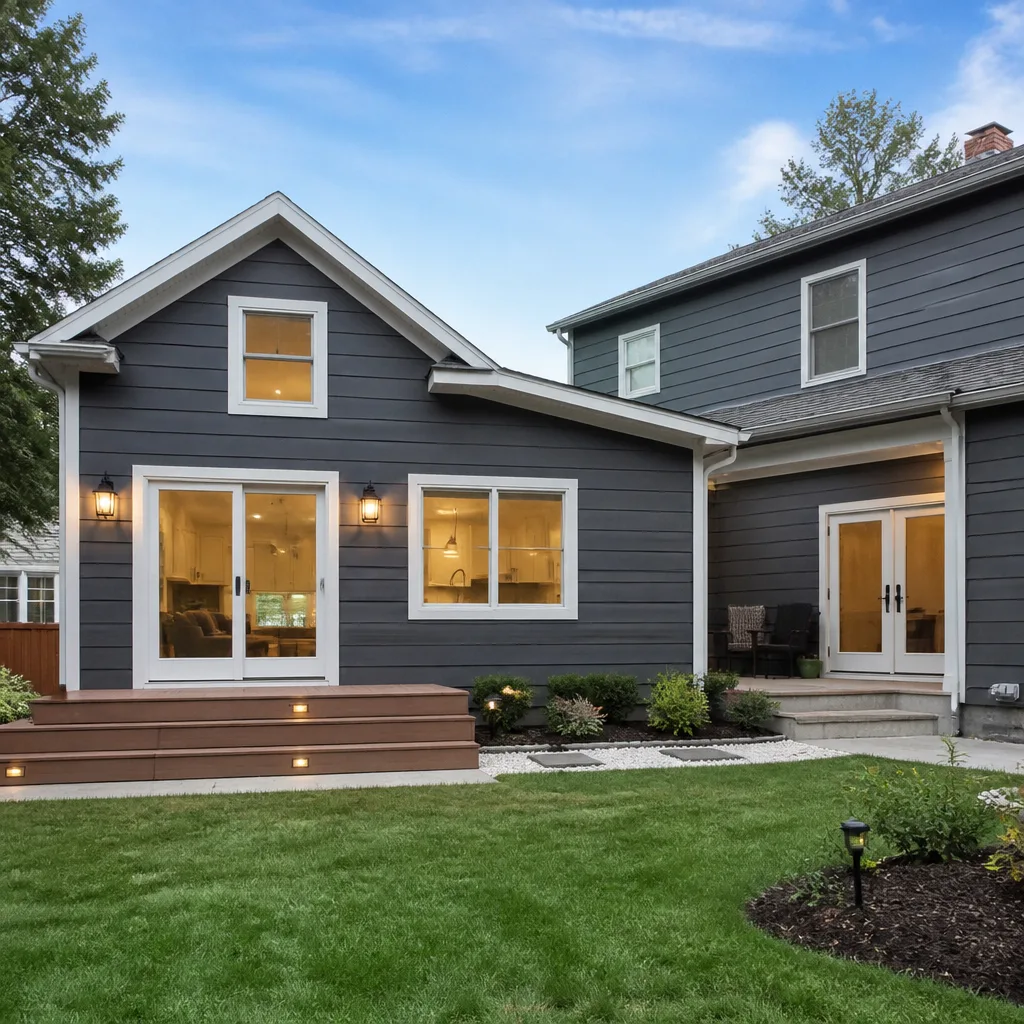

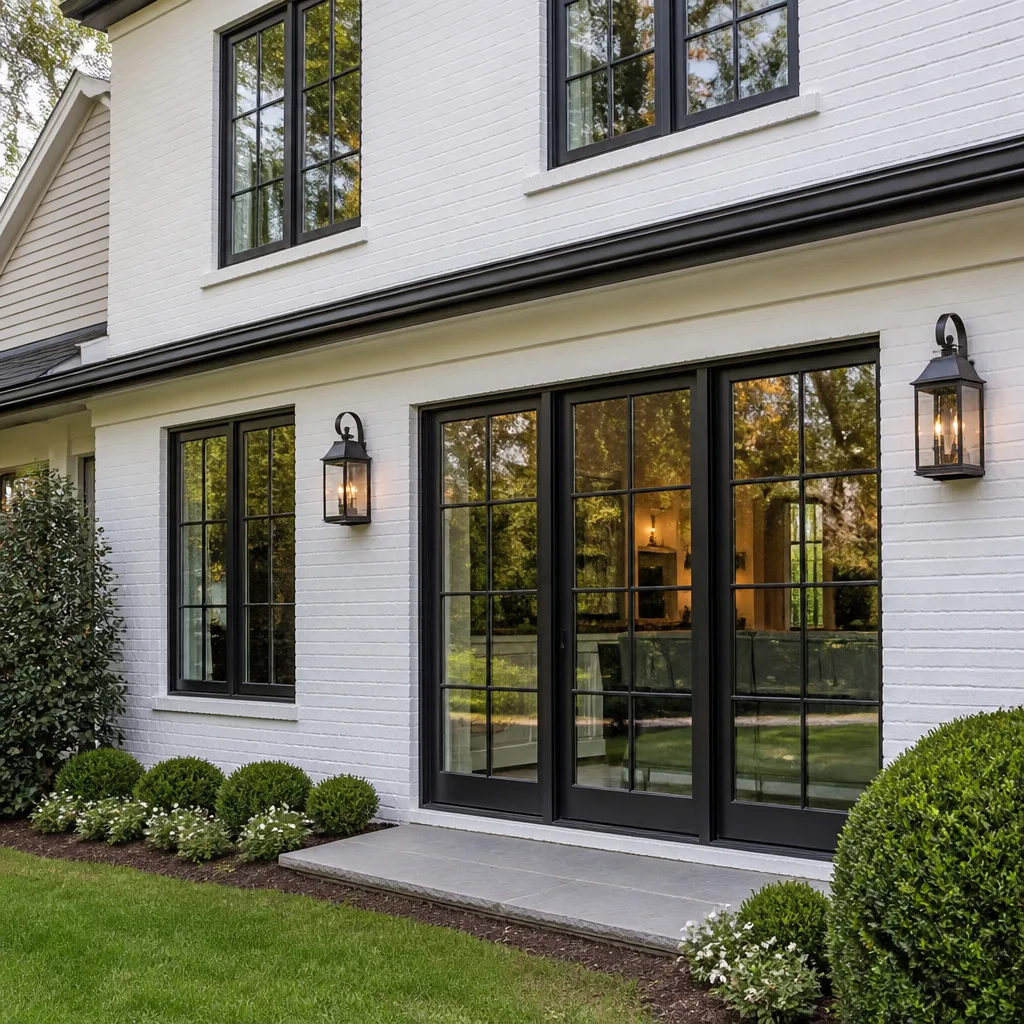
 Before
 After
After Before
 After
After Before
 After
AfterHow Long Does Bathroom Remodeling Take? Timelines and What to Expect
A “two-week bathroom remodel” that stretches to six weeks almost always slips in the first 72 hours, usually because no one confirmed whether the subfloor was solid before demo day. Los Angeles homes built before 1980 carry a hidden variable that out-of-state guides never mention: cast-iron drain lines, mud-set tile beds, and framing that hasn’t been opened since the Nixon administration. This guide walks you through our Bathroom Remodeling services timelines phase by phase, not just as a single total, so you can spot a project falling behind before it does. You’ll learn what actually drives the days on a calendar, which permits from LADBS add time, and what a written scope of work looks like versus a verbal estimate that evaporates the moment the first tile comes up.
Quick Answer
A full bathroom remodel in Los Angeles typically takes How Long Does Home Remodeling Take? Timelines and What to Expect: 4 to 8 weeks from demo day to final punch list. A cosmetic update (new vanity, faucet, toilet, paint, mirror) can run 1 to 2 weeks, while a gut renovation that moves plumbing or reconfigures the footprint runs 6 to 10 weeks. The single biggest variable is whether the subfloor and wall framing are sound once the old tile comes up, and the second biggest is how quickly Los Angeles Department of Building and Safety (LADBS) approves your permits.
Table of Contents
- The Realistic Timeline: What Each Phase Actually Takes
- The Permit Reality: How LADBS Adds Days to Your Calendar
- The Inspection Window Everyone Skips: Subfloor and Wall Moisture
- Written Scope of Work vs. Verbal Estimate: Why the Paper Protects Your Timeline
- Phase-by-Phase Breakdown with Day Counts
- Red Flags That a Project Is Already Behind
- Common Mistakes to Avoid
- When to Call a Professional
The Realistic Timeline: What Each Phase Actually Takes
Contractors who quote a “two-week bathroom remodel” are almost always quoting labor days, not calendar days. Labor days assume the crew is there every single day, materials are on site, permits are already approved, and nothing unexpected happens. That last assumption is the one that fails most often. In our experience remodeling bathrooms across Los Angeles, from Burbank to Torrance, the calendar stretches when demo reveals something the original quote never accounted for, which is why we recommend reading How Long Does General Contractor Take? Timelines and What to Expect.
A realistic calendar for a standard 5×8 hall bath remodel, without moving plumbing, looks like this:
- Weeks 1-2: Permitting in progress, materials ordered, demolition completed
- Weeks 2-3: Rough-in plumbing and electrical, framing repairs, subfloor replacement if needed
- Weeks 3-4: Inspections at rough-in stage, any corrections
- Weeks 4-5: Tile work, waterproofing, shower pan installation
- Weeks 5-6: Cabinetry, countertop template and fabrication, fixtures
- Weeks 6-7: Glass shower door, final electrical trim, paint touch-ups
- Week 7-8: Final inspection, punch list, deep clean
If you are gutting the room and moving the toilet or the shower drain, add two to three weeks for additional plumbing work and the extra permit review time that comes with it. A master bathroom with a separate tub and shower, heated flooring, or custom cabinetry routinely runs 8 to 12 weeks in Los Angeles. The timeline your contractor quotes at the start is only as reliable as the scope document behind it, and most homeowners never see one.
The Permit Reality: How LADBS Adds Days to Your Calendar
National remodeling guides rarely mention permits, but in Los Angeles, LADBS approval is a line item on your calendar whether you planned for it or not. Any bathroom remodel that changes plumbing lines, moves electrical, adds circuits, or alters framing requires a permit. A straight fixture swap with no wall openings generally does not, but the minute a wall comes open to reveal plumbing, the question is settled.
Here is what the LADBS process actually looks like in 2025 and 2026:
- Plan submission and review: For a simple bathroom remodel with no plumbing relocation, over-the-counter plan review can clear in a few days to two weeks. For a project that moves a toilet or shower drain, plan check typically runs 2 to 4 weeks.
- Permit issuance: Once the plans are approved, the permit is issued quickly, often within a day or two. You will pay a fee based on the project valuation.
- Scheduled inspections: A typical bathroom remodel requires two inspections: a rough-in inspection after plumbing and electrical are in the walls but before they are covered, and a final inspection when everything is finished. Each inspection requires a scheduled window, and scheduling delays are common during peak remodeling season.
What surprises most homeowners is not the existence of permits. It is the gap between phases. You cannot schedule the rough-in inspection until the work is ready, and you cannot close the walls or set tile over the shower pan until that inspection passes. If the inspector finds one item to correct, the correction is quick, but the re-inspection adds three to five days. A written scope from Bathroom Remodeling in Los Angeles accounts for these gaps. A verbal estimate simply hopes they do not happen.
The Inspection Window Everyone Skips: Subfloor and Wall Moisture
Here is the phase that separates a calm remodel from a disaster: the moment after demo, when the old tile, old mortar, and old drywall are gone, and you are staring at the framing and subfloor underneath. Most timeline discussions skip this entirely. That is a mistake, because this is where hidden days are born.
In Los Angeles homes built in the 1950s through the 1970s, two things happen with regularity. First, the subfloor around the toilet has water damage from a wax ring that failed years ago and slowly soaked the plywood. Second, the wall behind the original tile has no moisture barrier at all, because builders relied on thick mud-set tile to do the waterproofing, and once that tile comes off, the studs are exposed to decades of ambient steam and condensation.
The inspection itself takes an hour. Here is what our crews check before anything goes back together:
- Subfloor deflection: The floor should not bounce. If it does, the tile will crack within a year. We check the joist spacing and the subfloor thickness and replace or reinforce as needed.
- Subfloor moisture content: A moisture meter reading above 12 percent means the plywood needs to come out. Installing a cement board substrate (the moisture-resistant layer behind your tile) over wet wood locks the moisture in and guarantees failure.
- Wall stud condition: Any soft wood from a hidden leak gets sistered or replaced. This is structural work, and it is not optional.
- Drain line condition: Cast-iron drain lines from mid-century homes rot from the inside. If we see scaling or rust, that section of pipe gets replaced before the wall closes.
Each of these findings adds a day or two to the calendar, but skipping the inspection adds weeks on the back end when the tile cracks, the grout fails, or the wall begins to smell of mildew. We use Schluter waterproofing systems for shower walls and thresholds, which gives us a uniform membrane behind the tile, but no membrane fixes a bad substrate. The substrate has to be right first.
Written Scope of Work vs. Verbal Estimate: Why the Paper Protects Your Timeline
A verbal estimate is a number someone said. A written scope of work is a document that lists every phase, every material, every permit, and every deliverable, with prices attached to each line. The difference between the two is the difference between a date on a calendar and a guess.
Here is what a written scope of work for a Los Angeles bathroom remodel includes:
- Demolition line item: What gets removed, where debris goes, and who is responsible for hauling. In LA, many buildings require a debris box permit from the city if the dumpster sits on the street.
- Plumbing line item: Exact drain locations, fixture list, whether the shower valve gets replaced, and what brand. If the scope says “new shower valve” instead of “new Grohe thermostatic valve,” the contractor can price the cheap one and install it without lying.
- Electrical line item: New GFCI circuits, exhaust fan with ducting to exterior, lighting plan. A fan that vents into the attic is illegal and dangerous, but it happens constantly.
- Tile and waterproofing line item: Square footage, tile allowance in dollars, substrate type. A scope that says “tile shower” without specifying the waterproofing method is incomplete.
- Cabinetry and countertop line item: Cabinet line, door style, finish, countertop material and brand. A Kitchen Remodeling in Los Angeles may use the same approach, but a bathroom vanity scope needs the same specificity.
- Permit line item: Who pulls the permit, what it covers, and who is responsible for inspection scheduling and corrections.
- Allowance clause: A defined dollar figure for items like fixtures and tile. If the allowance is too low, you pay the difference. If it is reasonable, there is no surprise.
At Penhallow Remodeling, we write the scope before we write the price. The number you agree to is the number on the invoice, and the 365-Day Done Right Promise covers the work in writing. That promise exists because we have seen too many homeowners in Los Angeles accept a verbal number and get a different invoice at the end. The paper is not a formality. It is the tool that keeps a six-week project from becoming a twelve-week project.
Phase-by-Phase Breakdown with Day Counts
Here is a deeper look at each phase, with realistic day counts for a standard Los Angeles bathroom remodel. These are working days, not calendar days.
Phase 1: Demolition (2 to 3 days)
Crews remove the old tile, vanity, toilet, shower pan, and drywall. Debris gets hauled out. In condos and older buildings, access matters: service elevators, narrow hallways, and HOA restrictions can add a day. The real work of this phase is what happens after the room is empty, which is the subfloor and framing inspection described above.
Phase 2: Rough-In Plumbing and Electrical (2 to 4 days)
Plumbing lines get set for the new fixture locations. The shower valve goes in. Electrical gets roughed in for new lighting, the exhaust fan, and GFCI outlets. If you are moving the toilet or drain, this is where the additional days land. The rough-in inspection happens after this phase.
Phase 3: Framing, Subfloor, and Shower Pan (2 to 4 days)
Replacement subfloor goes down, cement board goes in, and the shower pan or Schluter system gets installed. This phase cannot be rushed. Waterproofing must cure properly before tile work begins, or the membrane will fail.
Phase 4: Tile and Wall Finishing (4 to 6 days)
Tile goes in on the floor, shower walls, and backsplash if you have one. Grout needs cure time. In Los Angeles humidity, grout typically takes 24 to 48 hours before sealing. A trained tile setter can lay a small bathroom floor in a day, but a full shower with niche and bench work takes three to four days by itself.
Phase 5: Cabinetry, Countertop, and Fixtures (2 to 3 days)
The vanity gets installed. If you chose a stone countertop, the fabricator templates after the vanity is in, then fabricates and installs a week later. Fixtures go in: toilet, sink, faucets, shower trim. A Sterling shower base or bathtub goes in during this window, and the glass shower enclosure typically takes another 7 to 10 days because it is measured after tile and fabricated off-site.
Phase 6: Final Electrical, Paint, and Punch List (2 to 3 days)
Light fixtures, exhaust fan trim, mirrors, towel bars, and paint touch-ups happen now. The final inspection happens after this phase. Any corrections go on the punch list, and the crew resolves them before the final walkthrough.
Red Flags That a Project Is Already Behind
For more guides & resources, know that most delayed remodels do not suddenly fall behind in week five. They quietly slip in week one, and the signs are visible if you know what to look for. Here is what we tell homeowners in Los Angeles to watch:
- No delivery confirmations: If the vanity is not confirmed for delivery by the end of demo week, it will not be there when the crew needs it. A contractor who cannot tell you the delivery date has not ordered it.
- Unscheduled crew gaps: If the crew is missing days without explanation, the contractor is juggling too many jobs. One gap can be explained. Two is a pattern.
- No daily end-of-day summary: You should know, every evening, what happened and what happens tomorrow. A contractor who cannot tell you what the crew did that day is not managing the job.
- Permit not pulled by demo day: If the walls come down before the permit is active, the project is already in trouble. Stop work and wait for the permit.
- Inspection not scheduled: Once rough-in work is done, the inspection should be scheduled promptly. Waiting around for an inspector because the contractor failed to call is a self-inflicted delay.
These are not nitpicks. They are the early indicators of a job that is about to drift. A written scope of work with dates attached to phases gives you a baseline to compare against. Without one, you are left guessing whether the project is on track.
Common Mistakes to Avoid
- Accepting a verbal estimate with no written scope: The number means nothing if the phases are not defined. Get the scope in writing before you sign anything, and make sure it lists material brands, not just material categories.
- Choosing the cheapest bid without comparing scopes: A low number almost always means something is missing from the scope: no waterproofing, no permit, no debris hauling, no subfloor inspection. Compare line items, not totals.
- Buying your own materials to save money: When a fixture arrives late or damaged, the schedule is now your problem and the contractor’s crew still charges for the day. Let the contractor source and coordinate materials under the written price.
- Skipping the permit to save time: This works until you sell the house and the unpermitted bathroom shows up on the disclosure. It also voids insurance coverage if the work fails. In Los Angeles, unpermitted bathroom work is caught during resale inspections with regularity.
- Changing the layout after demo: Moving a toilet or drain after the walls are open means new plans, a permit revision, and weeks of added time. Lock the layout before the first hammer swings.
- Rushing the waterproofing cure time: Shower pans and membranes need time to cure. A contractor who tiles over uncured waterproofing is guaranteeing a failure. Ask about the cure schedule.
- Ignoring the HOA or building rules: Many Los Angeles condos and co-ops require a notice of work, specific work hours, and approved contractors. Failing to file the paperwork can stop a project mid-phase.
When to Call a Professional
If the bathroom is the only one in the house, you need a plan that keeps it usable as long as possible and a contractor who respects that. If the project involves moving plumbing, opening walls, or replacing a shower pan, the work is structural and should not be a DIY project. If you have already been burned once, the thing you are paying for now is not just labor. It is the paper: the written price, the written scope, the written guarantee. Penhallow Remodeling offers free estimates in Los Angeles, call (936) 259-2607. General Contractor in Los Angeles services are what we do, and the estimate comes with the scope in writing, not a number on the back of a business card.
Frequently Asked Questions
A small hall bathroom remodel without plumbing changes typically takes 4 to 6 weeks in Los Angeles. The range accounts for LADBS permit scheduling, material lead times, and the subfloor inspection after demo. Call (936) 259-2607 for a written timeline based on your specific project.
Los Angeles adds time through LADBS permit requirements, inspection scheduling windows, and the age of the housing stock in neighborhoods like North Hollywood, Westchester, and the San Fernando Valley, where mid-century homes frequently need subfloor and drain line replacement once the walls are open. Older homes carry older surprises.
No, not legally, if the work changes plumbing, electrical, or framing. A same-location fixture replacement with no wall openings does not require a permit, but opening walls to replace a shower valve or moving a drain does. Unpermitted work becomes a disclosure problem when you sell.
Replacing a shower pan, valve, and surround without changing the footprint typically takes 5 to 7 working days, but the glass enclosure adds 7 to 10 days because it is measured after tile work and fabricated off-site. A complete shower replacement in Los Angeles is usually ready for daily use in 2 to 3 weeks.
It can if the scope was never defined in writing and demo reveals hidden damage that was never priced. At Penhallow Remodeling, the written scope identifies what is included, and the price you agree to is the number on the invoice. If the subfloor is rotted, that is discussed with you immediately with a written change order, not a surprise at the end. Call (936) 259-2607 for an exact quote, estimates are free.
Yes. Penhallow Remodeling pulls the LADBS permits, schedules the inspections, and stands by the work. The permit is part of the written scope, and the final inspection is part of the job. Penhallow Remodeling home is where you can learn more about how we work.
The Bottom Line
A bathroom remodel in Los Angeles takes 4 to 8 weeks for most jobs, longer for footprint changes. The number on the calendar is only as stable as the scope behind it, and the scope is only as good as the inspection that follows demo. Get the permit. Get the subfloor checked. Get the price in writing. The 365-Day Done Right Promise from Penhallow Remodeling means that if the work fails inside the guarantee period, we come back and fix it at no charge, covered in writing on every project. When you are ready for a real number and a real timeline, call (936) 259-2607.
Written by Trevor Nash, Owner at Penhallow Remodeling, serving Los Angeles since 2004.