
Last updated October 8, 2026
Free written scope consultation - allowances, timeline, and change-order rules on paper before a single trade is scheduled
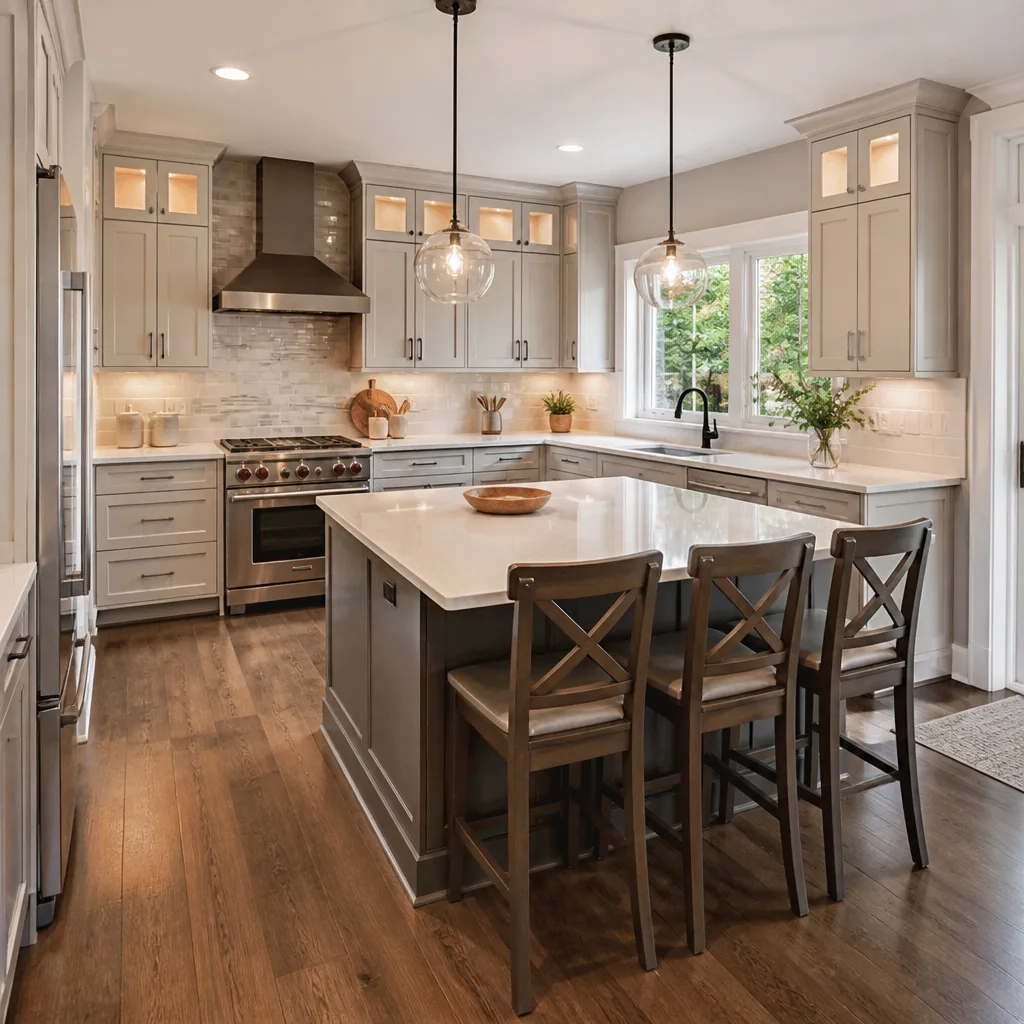

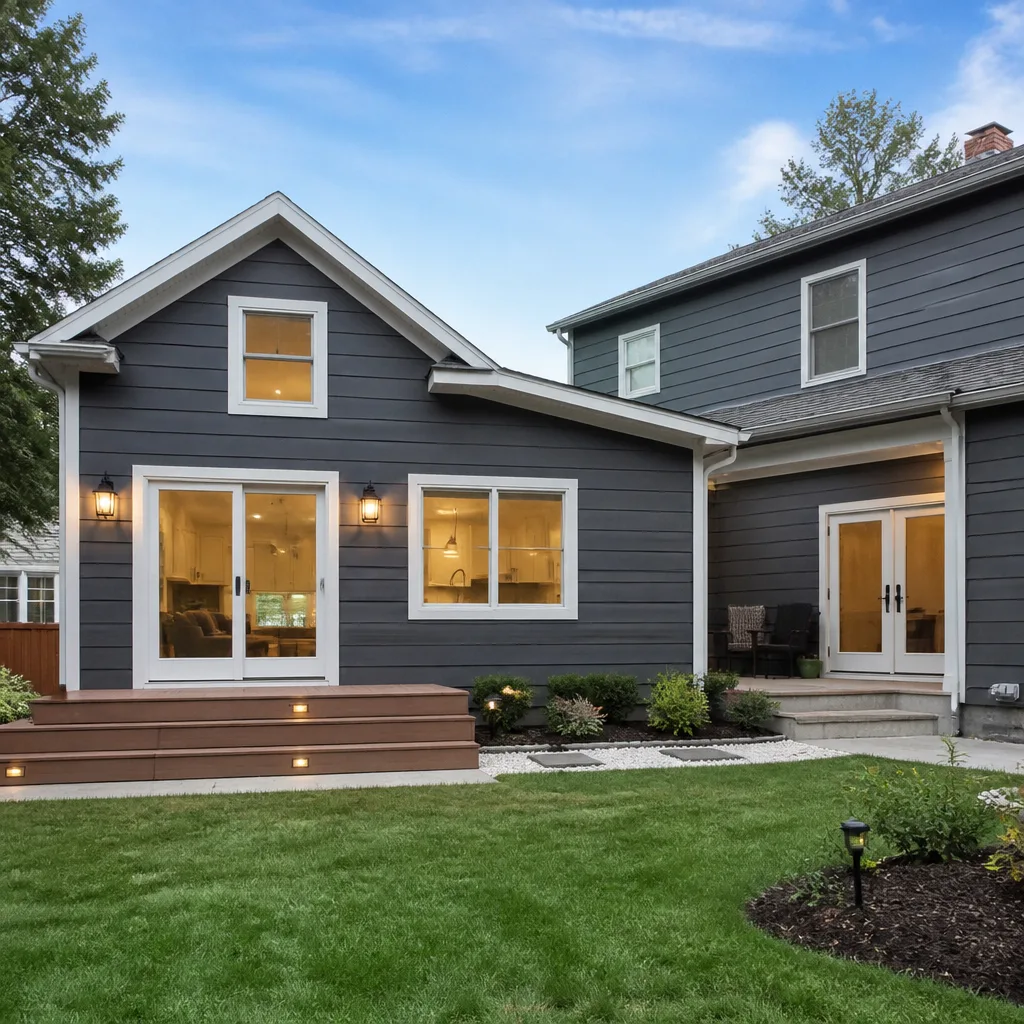

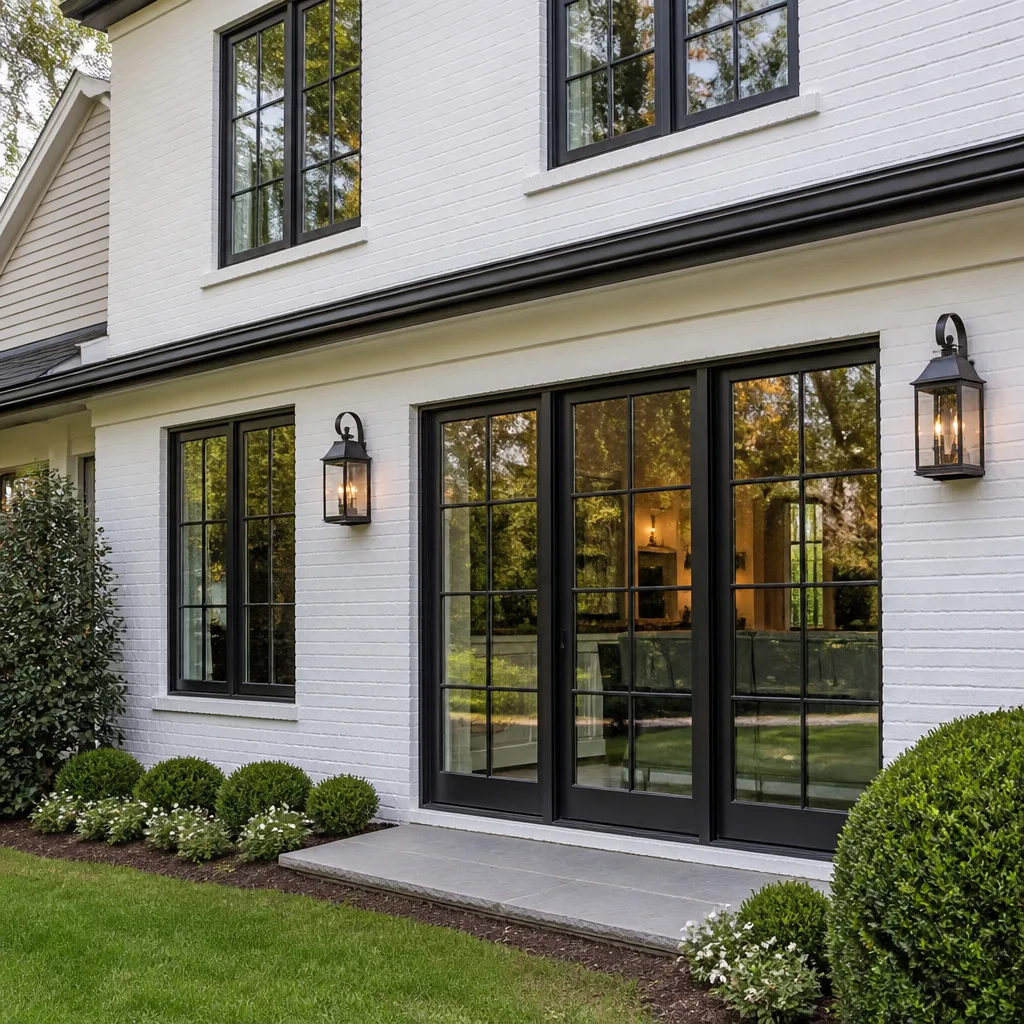
 Before
 After
After Before
 After
After Before
 After
AfterHow Long Does Home Remodeling Take? Timelines and What to Expect
The average kitchen remodel in Los Angeles takes 6 to 10 weeks, but most contractors quote 4 because that’s the number that wins the job, not the number that reflects permit lead times at LADBS. If you’ve been burned by a timeline that slipped, this guide will teach you how to read a project schedule like a contractor, spot a fantasy timeline before signing, and know exactly what questions force an honest answer. For How Long Does Kitchen Remodeling Take? Timelines and What to Expect, see our detailed breakdown. We’ll cover real durations by project type, what actually causes delays in Los Angeles, and how the written schedule separates a real plan from a sales pitch.
Quick Answer
Home remodeling timelines in Los Angeles run roughly 3 to 6 weeks for a bathroom, 6 to 10 weeks for a kitchen, and 4 to 9 months for a whole-home remodel, depending on permit hold times, material lead times, and what’s hiding behind the walls. The single biggest variable is LADBS permit wait times, which currently run 4 to 8 weeks for over-the-counter permits. A written schedule with named milestones is the only timeline worth trusting.
Table of Contents
- Realistic Timelines by Project Type in Los Angeles
- Project Duration vs. Days Workers Are On Site
- The Four Most Common Causes of Delay
- Los Angeles Permit Timelines: What LADBS Actually Requires
- How to Read a Project Schedule (and What to Do If You Don’t Get One)
- What a Real Arrival Window Looks Like
- Material Lead Times: The Timeline’s Hidden Engine
- How a Written Price Protects the Timeline
Realistic Timelines by Project Type in Los Angeles
Every remodel type has a different realistic duration. The numbers below reflect what we’ve seen across Los Angeles, including permit lead times at LADBS and current material availability from the brands we install.
- Bathroom remodel: 3 to 6 weeks. A standard 5×8 bathroom with existing layout, using cement board substrate (the moisture-resistant layer behind your tile) and a Kohler or Moen fixture package, typically lands at 4 to 5 weeks. Custom tile layouts, moving the toilet or shower drain, or adding a curbless shower pushes it higher.
- Kitchen remodel: 6 to 10 weeks. This assumes cabinet replacement, new countertops, possibly moving an appliance or two, and new flooring. Custom cabinetry from KraftMaid or Wellborn adds 2 to 4 weeks if the order isn’t placed before demo. Structural changes, like removing a load-bearing wall, add another week or two.
- Whole-home remodel: 4 to 9 months. This is the range for a full gut and rebuild of interior spaces, and it depends heavily on the square footage, whether you’re moving walls, and how many inspections LADBS requires along the way.
- Single-room refresh (no permits): 2 to 4 weeks. Paint, flooring, new vanity, new countertops. If no walls move and no plumbing or electrical changes happen, you can skip LADBS entirely.
One thing you’ll notice: none of these ranges start at “one week.” In Los Angeles, even a small bathroom remodel touches plumbing, which touches the permit office. There’s no honest shortcut around that unless the work stays entirely cosmetic.
Project Duration vs. Days Workers Are On Site
This is the gap most homeowners don’t anticipate. A kitchen remodel in Los Angeles may be quoted as “6 weeks,” but the crew might only be physically working in your home for 18 to 22 of those days. The rest is waiting: waiting for LADBS to review plans, waiting for the inspector to arrive, waiting for the slab to cure before tile goes down, waiting for cabinets to arrive from the manufacturer.
A good project schedule shows both numbers. It shows the start date, the finish date, and the days work actually happens. If a contractor can’t tell you how many days the crew will be on site, you’re looking at a guess, not a plan.
Here’s a real example from a recent Los Angeles kitchen remodel we priced:
- Week 1: Demo, rough plumbing, rough electrical. Crew on site 4 days.
- Week 2: LADBS rough inspection. Crew on site 2 days (waiting on inspection the rest).
- Week 3: Drywall, paint, flooring. Crew on site 4 days.
- Week 4: Cabinet delivery window. Crew on site 2 days (waiting on freight).
- Week 5: Cabinet install, template for countertops. Crew on site 4 days.
- Week 6: Countertop fabrication and install, final plumbing. Crew on site 3 days.
- Week 7: Punch list and final walkthrough. Crew on site 2 days.
Seven weeks total, but only about 20 days of actual work. When the schedule is written this way, nobody is surprised when the job “slips” a few days. The days are visible from the start.
The Four Most Common Causes of Delay
In our experience across Los Angeles, almost every remodel delay traces back to one of these four things:
- Permit holds. LADBS doesn’t move at anyone’s schedule. An over-the-counter permit for a simple kitchen or bath remodel typically clears in 4 to 8 weeks. A plan-check permit, required for structural changes or additions, can take 12 weeks or more. If your contractor quotes a start date before the permit clears, ask how.
- Material lead times. Custom cabinets, specialty tile, and quartz countertops have factory schedules that run weeks. Cambria quartz, for example, is fabricated to your exact template, and that fabrication window starts only after the cabinets are installed and measured. A contractor who orders materials after demo day has already added two weeks to your job.
- Hidden conditions behind walls. Los Angeles houses built in the 1950s and 1960s often hide surprises: galvanized plumbing that’s rusted through, ungrounded wiring, water damage under the subfloor. A responsible contractor writes a contingency line into the schedule for unknowns, not a blank check. “Allow 3 to 5 days for hidden conditions” is a good sign. “We’ll figure it out when we open it up” is not.
- Subcontractor scheduling. Plumbers, electricians, and tile setters don’t work for one GC. They work across multiple jobs. A written schedule that names each trade’s window, like “plumbing rough: days 3 through 5,” means the GC has actually coordinated those trades. A schedule that says “crews as available” means you’re waiting on someone else’s job.
Each of these has a written answer. If the schedule doesn’t name the permit date, the material order date, the contingency, and the trade windows, the timeline isn’t real.
Los Angeles Permit Timelines: What LADBS Actually Requires
Los Angeles is not like other markets. The Department of Building and Safety has its own process, its own queue, and its own inspection schedule. If you’ve remodeled in another city, the timeline here will feel slower.
Here’s what to expect:
- Over-the-counter permits (simple remodels with no structural change): 4 to 8 weeks from submittal to approval. This covers most kitchen and bathroom remodels where walls don’t move and the footprint doesn’t change.
- Plan-check permits (structural changes, additions, anything requiring engineering review): 8 to 12 weeks or longer, depending on current LADBS volume and how quickly the plans get through review cycles.
- Inspections: Each phase (rough plumbing, rough electrical, drywall, final) requires a separate inspection visit. Scheduling is done through LADBS and often has a 3 to 7 day queue.
A good contractor in Los Angeles files the permit before demo starts, not after. And a good written schedule shows the permit submission date, the expected approval date, and the inspection dates as named milestones. If your contractor brushes past the permit conversation, ask one question: “What happens if the inspector flags something?” The answer tells you everything.
One more thing that surprises homeowners: LADBS doesn’t allow you to live in a property during certain structural phases. If your whole-home remodel touches load-bearing walls or requires a temporary support system, you may need to relocate for part of the job. A schedule that doesn’t mention this isn’t planning for it.
How to Read a Project Schedule (and What to Do If You Don’t Get One)
A project schedule, often called a Gantt chart, is a simple visual: phases of work listed down the left, days or weeks running along the top, and bars showing when each phase starts and ends. It’s not complicated, but most contractors don’t produce one. They give you a start date and a vague finish date, and you’re left holding a verbal promise.
Here’s what a real schedule includes, and what to ask for if it’s missing:
- Named phases. “Demo,” “Rough plumbing,” “Inspection,” “Cabinet install,” “Countertop template,” “Punch list.” If the schedule says “Work phase 1” and “Work phase 2,” that’s not a schedule. That’s a placeholder.
- Dates for each phase. Every phase has a start and end date. Not “Week of July 10.” A date.
- Permit milestone. The schedule shows when the permit was submitted and when it’s expected to clear. If there’s no permit milestone on a job that requires one, the schedule starts when the permit clears, which means the start date isn’t real.
- Material order dates. Cabinets, countertops, and fixtures have lead times. The schedule shows when they’re ordered, not just when they’re installed. If the order date is after the demo date, the schedule assumes everything can wait.
- Contingency days. A few buffer days written into the schedule for hidden conditions, inspection delays, or freight hiccups. If there’s no buffer, one day of rain or one missed inspection pushes everything back.
- Named inspections. “LADBS rough inspection: Day 12.” Not “inspection when ready.”
If a contractor can’t or won’t produce a written schedule, that’s your answer. The job will run on their memory and their mood. At Penhallow Remodeling, we include a written schedule with every written price. The two go together. One without the other is a guess.
What a Real Arrival Window Looks Like
When a contractor says “we’ll be there in the morning,” that’s not a window. It’s a greeting. A real arrival window is specific: “Tuesday, between 8:00 and 9:30, text at 15 minutes out.” That’s a commitment you can hold someone to.
The Kingswell Way has a rule written into it: say the price before the work, show up in the window we gave, leave the place cleaner than we found it. That window matters because it’s the first data point about whether the rest of the schedule is real. If a company can’t hold a 90-minute arrival window, they’re not going to hold a 7-week remodel timeline.
Here’s what we see in Los Angeles all the time: homeowners schedule a week off work to be home for demo, and the crew never shows. Or shows three days late with no call. You don’t get those days back. And the contractor who does that has already told you how the rest of the project will go.
Ask any contractor: “What’s the arrival window, and what happens if you miss it?” A real answer names a specific window and a communication protocol. A dance around the question means you’re hiring a dancer, not a builder.
And one thing you should know about how we operate: a live person answers the phone at (936) 259-2607, 24 hours a day. Not an answering service. Not a voicemail maze. When you call to ask where the crew is, someone picks up and tells you. That’s part of the schedule too.
Material Lead Times: The Timeline’s Hidden Engine
The fastest way to blow a timeline in Los Angeles is to wait until demo day to order the materials. Cabinets from KraftMaid and Wellborn run 4 to 8 weeks from order to delivery, depending on the line and finish. Cambria quartz countertops are fabricated after a digital template is taken, which happens after the cabinets are installed. Kohler and Moen fixtures are usually in stock, but specific finishes or models can hit 2 to 6 week backorders without notice.
A responsible contractor orders the materials before demo starts. The schedule shows the order date and the expected delivery date. If the cabinets are supposed to arrive in week 4, they were ordered in week 1. If the countertop template happens in week 5, the slab was selected in week 2.
This is also where the brand names matter. Cambria quartz carries its own lifetime warranty alongside our 365-Day Done Right Promise. A Blanco sink, a Delta faucet, a Toto toilet: these are products with published lead times and warranty documentation. When a contractor installs whatever is cheapest at the local big-box store, you get whatever lead time the store has and whatever warranty the manufacturer honors from a receipt that doesn’t match a professional installation.
The timeline is only as good as the material pipeline behind it. Ask your contractor: “When are the cabinets ordered, and are they a stocked line or a made-to-order line?” If they can’t answer that, the schedule’s finish date is fiction.
How a Written Price Protects the Timeline
Here’s the thing most homeowners don’t connect: a written price protects the timeline. When the price is written before work starts, the scope is written. And when the scope is written, the schedule can be written.
The alternative is a verbal estimate that changes at the door. The contractor says “kitchen remodels run about $30,000.” Demo starts. Then it’s “the plumbing’s worse than I thought” and “that wall wasn’t supposed to be structural” and “the cabinet line you picked is more expensive.” Each change order extends the timeline. Each surprise adds a week. And you’re the one paying for the contractor’s failure to plan.
At Penhallow Remodeling, the process runs the other way. Before any work starts, you get a written price. Not a range. Not a ballpark. A written number you can hold us to. Kitchen remodels typically run $18,000 to $55,000 depending on layout, cabinet line, and countertop material. A bathroom remodel typically runs $12,000 to $30,000. We write the number down, we write the schedule down, and we write the guarantee down.
The guarantee is the 365-Day Done Right Promise. If the work fails inside the guarantee period, we come back and fix it at no charge. It’s in writing on every project. If a repair fails, you get a free return visit, no service call, no re-inspection fee. Those are the terms that keep the timeline honest, because they keep us honest.
You’ll also see the Kingswell Way at work on every job: say the price before the work, show up in the window we gave, leave the place cleaner than we found it. Background-checked, uniformed technicians on every job, every time. You know exactly who is walking into your home.
Common Mistakes to Avoid
- Signing a contract without a written schedule. The price and the timeline are two halves of the same document. If you have one without the other, you have nothing to hold. Ask for both.
- Believing a 4-week kitchen quote in Los Angeles. LADBS permit times alone can run 4 to 8 weeks before anyone swings a hammer. A 4-week kitchen remodel means the contractor is doing unpermitted work or lying.
- Ordering materials after demo. Cabinets and countertops have factory schedules. Waiting until the walls are open adds weeks to the job. The order date should be in the schedule, and it should be before demo day.
- Accepting “we’ll be there in the morning.” That’s not a commitment. Ask for a specific window and a text when the crew leaves the shop. If they won’t give one, the schedule is already a suggestion.
- Not asking about inspections. Rough plumbing, rough electrical, and final all require LADBS inspection visits. If the schedule doesn’t name them, the contractor isn’t planning for them. And unpassed inspections mean the job isn’t done, even if the work looks done.
- Assuming hidden conditions won’t happen. In Los Angeles, especially in homes from the 1950s and 1960s, the walls hide surprises. A schedule with no contingency for hidden conditions is a schedule written for a perfect house, and your house isn’t perfect.
- Choosing the cheapest bid without asking why it’s cheaper. A contractor who quotes 3 weeks for a bathroom remodel in Los Angeles is either skipping permits, skipping inspections, or planning to disappear after the deposit. The timeline is part of the price.
When to Call a Professional
You should call a professional remodeler when the job requires a permit, touches plumbing or electrical, changes the footprint of a room, or involves load-bearing walls. In Los Angeles, that’s most remodels. A handyman can swap a faucet. A remodeler handles the permit, the inspectors, the trade coordination, and the written schedule. If your contractor can’t produce a written schedule and a written price, call someone who will. Penhallow Remodeling offers free estimates in Los Angeles, and the estimate includes the schedule. Call (936) 259-2607 to ask about your project and get a written price before any work starts.
Frequently Asked Questions
A kitchen remodel in Los Angeles takes 6 to 10 weeks on average, including LADBS permit time, material lead times, and inspections. Cabinets from KraftMaid or Wellborn add 4 to 8 weeks if not ordered before demo, and Cambria quartz countertops are fabricated only after the cabinets are installed. Call (936) 259-2607 for a written estimate with a real schedule.
A bathroom remodel in Los Angeles takes 3 to 6 weeks, depending on whether you’re moving plumbing, changing the shower, or using custom tile. A standard 5×8 bathroom with existing layout and a Kohler or Moen fixture package typically lands at 4 to 5 weeks. Call (936) 259-2607 and we’ll give you a written number and a written schedule.
Timelines slip because the written scope and the verbal conversation the homeowner remembers are two different documents. Permit holds at LADBS, material backorders, hidden conditions behind walls, and uncoordinated subcontractors all push jobs back. A written schedule with named milestones and a contingency for unknowns prevents most slips. Explore more guides & resources on planning your project. Get it in writing before you sign.
For most kitchen and bathroom remodels in Los Angeles, yes, you can live at home while work happens, though you’ll lose access to that room for the duration. Whole-home remodels that touch load-bearing walls or require temporary support systems may require you to relocate for part of the job. Ask your contractor before signing whether the schedule includes a relocation window.
Over-the-counter permits at LADBS for simple remodels without structural changes currently run 4 to 8 weeks. Plan-check permits for structural changes or additions can take 8 to 12 weeks or longer. The permit submission date should appear in your project schedule, and it should come before demo day.
Don’t hire them. A contractor who can’t write down the phases, the dates, the permit milestones, and the material order dates is running the job on memory and mood. That’s how timelines slip and budgets balloon. At Penhallow Remodeling, the schedule comes with the written price, every time. Call (936) 259-2607 for both.
The Bottom Line
Home remodeling timelines in Los Angeles are real when they’re written. A bathroom runs 3 to 6 weeks, a kitchen runs 6 to 10 weeks, and a whole-home remodel runs 4 to 9 months, including LADBS permit times and material lead times. The schedule should name every phase, every permit, every inspection, and every material order date. If it doesn’t, it’s a guess. Look for a written price, a written schedule, and a written guarantee. That’s the difference between a contractor who wins the job with a fantasy number and one who builds the job on a real plan. General Contractor in Los Angeles work should always start with the paperwork. Bathroom Remodeling in Los Angeles and Kitchen Remodeling in Los Angeles timelines all follow the same rule: if it’s not written, it’s not real.
Written by Trevor Nash, Owner at Penhallow Remodeling, serving Los Angeles since 2004.