
Last updated October 8, 2026
Free written scope consultation - allowances, timeline, and change-order rules on paper before a single trade is scheduled
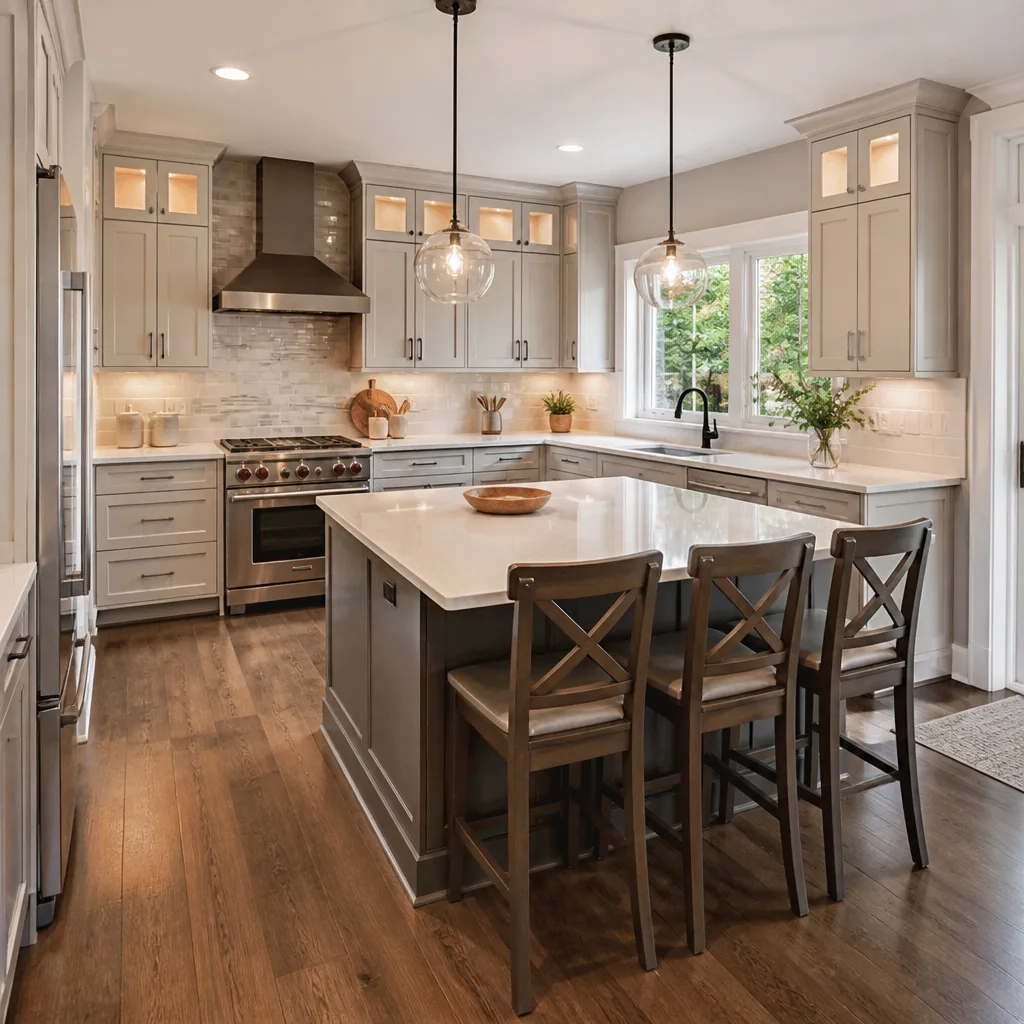






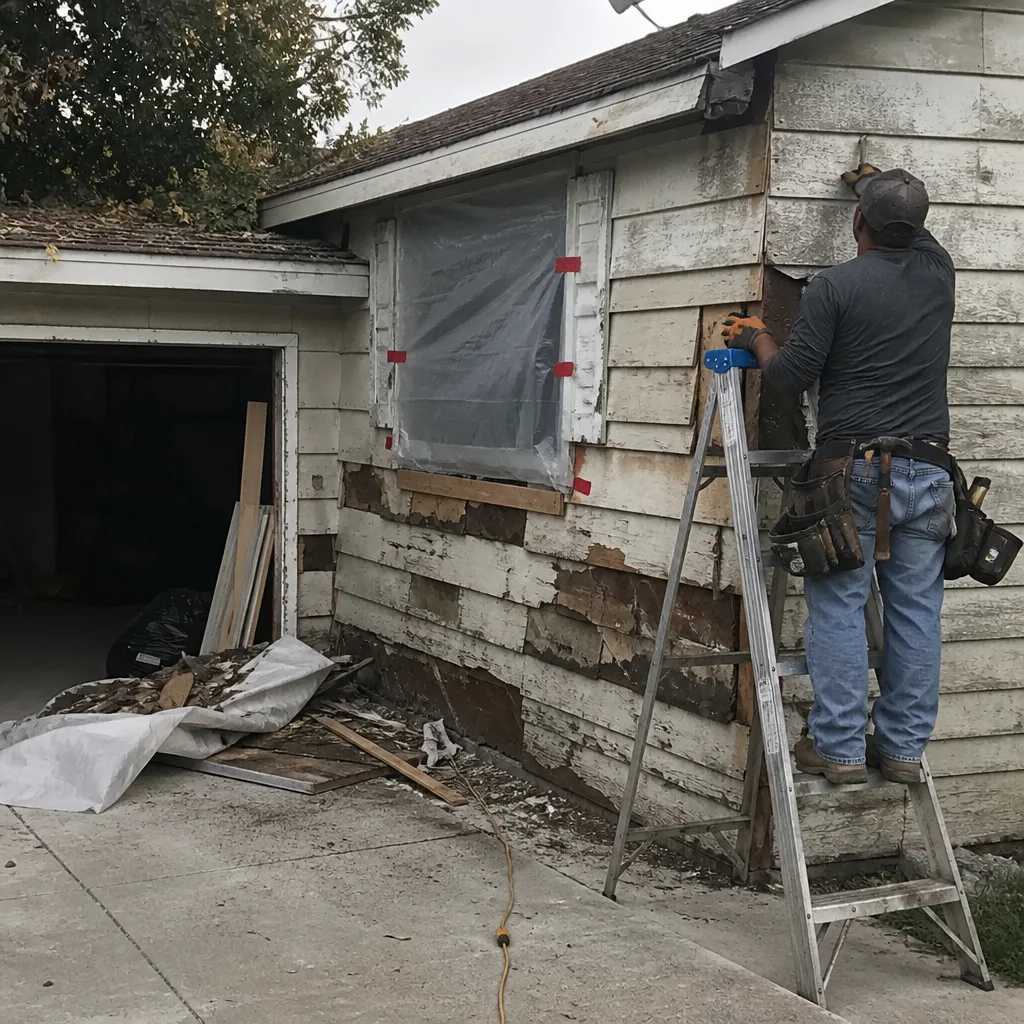 Before
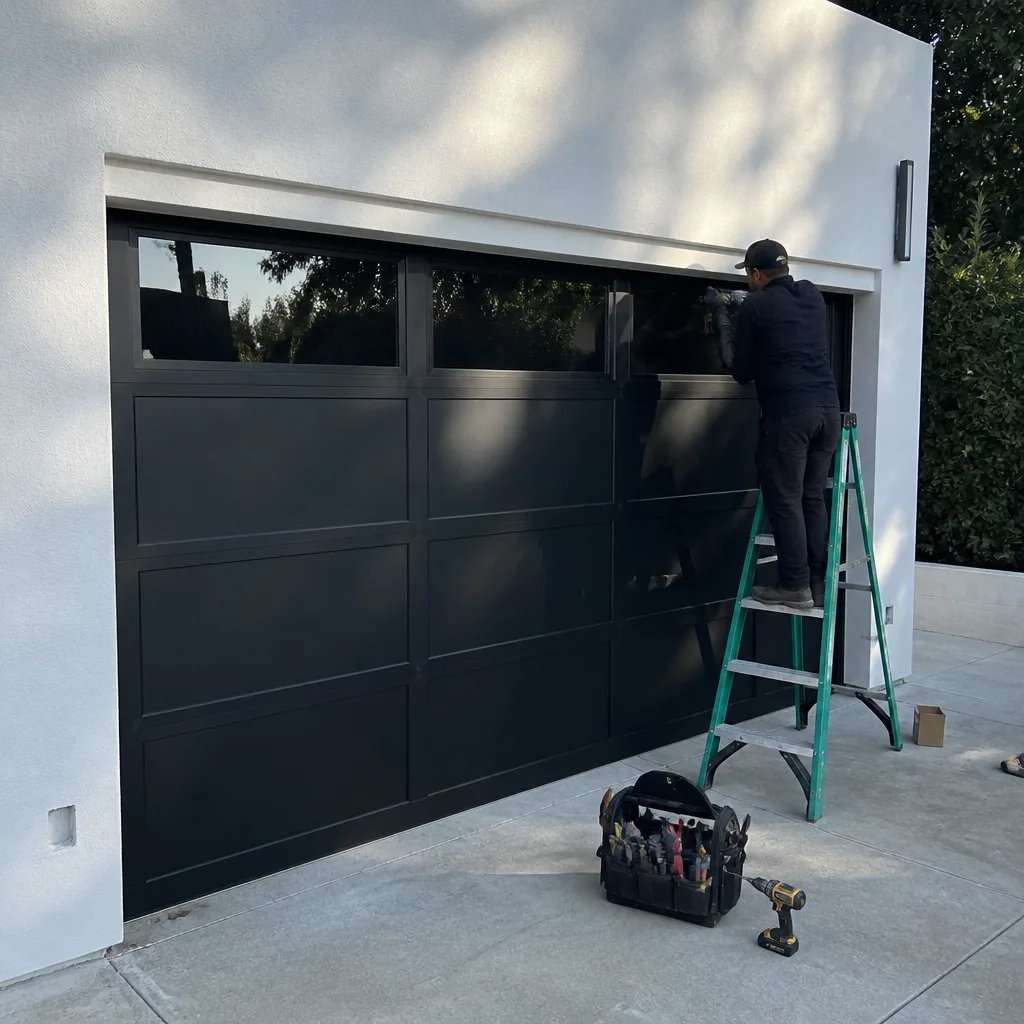 After
After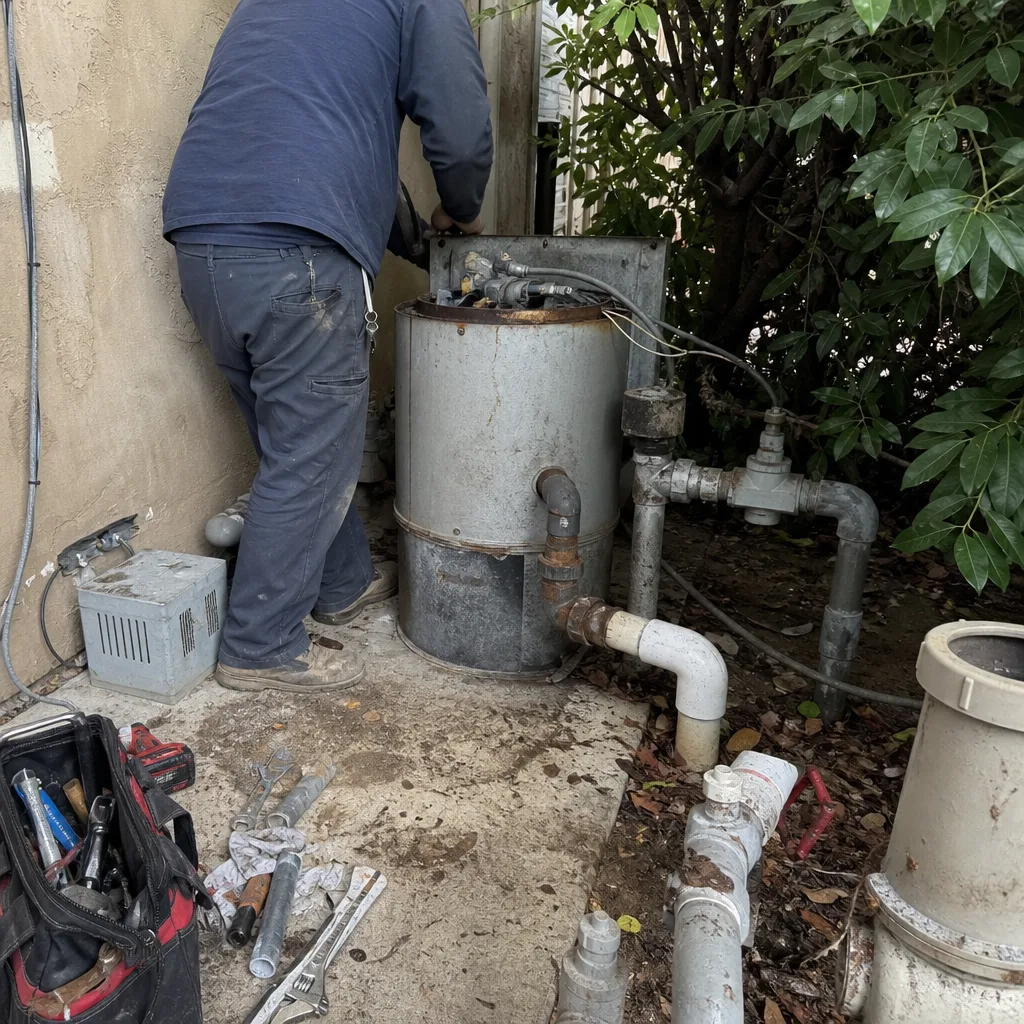 Before
 After
After Before
 After
AfterHow to Hire a Construction Contractor in Los Angeles: A Step-by-Step Guide
In Los Angeles, a contractor can hold a valid license, carry a bond, show you insurance paperwork, and still hand you a verbal estimate that grows by 40% once the demo is done. Nothing in the state licensing process requires them to put a price in writing before they start swinging hammers. That single gap is where most remodeling horror stories begin. This guide walks you through the exact steps to vet a contractor in Los Angeles, the clauses that belong in your contract, and the one behavior that predicts how the rest of the job will go better than any review site or license database. For more guides & resources, visit our blog.
Quick Answer
The best way to hire a construction contractor in Los Angeles is to verify their CSLB license and bond are active, require a written fixed-price scope of work before signing, confirm they pull permits in their own name, and only work with a contractor who puts their workmanship guarantee in writing. A contractor who refuses to put numbers or promises on paper before work starts is telling you everything you need to know.
Table of Contents
- Step 1: Verify the CSLB License and Understand What the Bond Actually Covers
- Step 2: Require a Written Price Before Work Starts (and Why Three Bids Is Outdated Advice)
- Step 3: The Contract Clauses That Protect Los Angeles Homeowners
- Step 4: Permits, Lien Releases, and Inspection Hold Points
- Step 5: How to Evaluate a Workmanship Guarantee in Writing
- Step 6: Red Flags Specific to the LA Contractor Market
- Step 7: Questions to Ask Before You Sign
Step 1: Verify the CSLB License and Understand What the Bond Actually Covers
Every general contractor in Los Angeles doing work over $500 must hold a license from the Contractors State License Board. The check itself is straightforward. Go to cslb.ca.gov, enter the contractor’s name or license number, and confirm the license status reads “Active.” Then check the issue date. A license that is less than five years old means the contractor has not gone through multiple renewal cycles, which is worth noting but not disqualifying on its own.
The part most homeowners miss is the bond. Every licensed contractor in California must carry a $25,000 contractor’s bond, but that bond does not work the way most people assume. It does not protect you against sloppy workmanship. The bond protects you against specific violations of contractor law: a contractor who abandons the job, one who fails to pay subcontractors or suppliers, or one who is found to have violated the Business and Professions Code. If your tile cracks six weeks after install, the bond will not help you. Your written guarantee will, or it will not, which is why we spend so much time on that later in this guide.
While you are on the CSLB site, click over to the bond history tab. Confirm the bond is current and has not lapsed at any point during the contractor’s active period. A gap in bond coverage while a contractor was actively doing business is a red flag. Then check for any disciplinary actions or license suspensions. The CSLB posts these publicly, and a contractor with a history of abandoned jobs or bond claims deserves a long conversation before anyone signs anything.
In our experience as a general contractor in Los Angeles, we have seen homeowners hand deposits to contractors who let their license lapse mid-project. The homeowner never checked mid-job, only to discover the problem when something went wrong. The license check is not a one-time step. Run it again the week work starts.
Step 2: Require a Written Price Before Work Starts (and Why Three Bids Is Outdated Advice)
The old advice was to get three bids and pick the middle one. That made sense in a market where every bid described the same work. In Los Angeles, it does not. One bid assumes stock cabinets from a home center. Another assumes semi-custom KraftMaid cabinetry. A third might not specify any cabinet brand at all, just a line that says “install new kitchen cabinets.” For help spotting deeper issues early, see our Kitchen Remodeling Warning Signs Every Homeowner Should Know. Comparing those three numbers is like comparing a Camry to a truck to a bicycle.
A better approach: develop one detailed written scope of work with the first contractor who impresses you, then evaluate other contractors against that same scope. If contractor number two will not put their price in writing against the exact same line items, that is your answer. The goal is not three similar numbers. The goal is one detailed, fixed, written number you can hold someone to.
Here is what a real written price should include.
- Demolition and disposal costs listed as a line item, not buried in “general labor.”
- The specific cabinet line or countertop material named, not described generically. “KraftMaid” is a number. “Quality cabinets” is a guess.
- Plumbing and electrical fixture allowances with actual dollar amounts attached, so you know whether your faucet budget is $200 or $800.
- Permit fees listed as a separate line item with the actual city fee amounts.
- Change-order policy in writing: how changes are priced, when they require your signature, and what happens if the change is unavoidable.
Penhallow Remodeling operates under the Kingswell standard, which has required a written price before any work starts since 2004. The number on day one is the number on the invoice unless you approve a written change order. No verbal ballparks, no “we will circle back on that.” If a contractor will not commit to a written number before demo day, they are telling you they expect the number to change after demo day.
Step 3: The Contract Clauses That Protect Los Angeles Homeowners
Most Los Angeles homeowners read the price on the contract and skim past the clauses. That is backward. The clauses are what determine whether the price is real.
Three clauses matter more than any others in California residential remodeling contracts.
- Change-order authorization in writing. The contract should state that no changes to scope, materials, or cost take effect without a written change order signed by both parties. In Los Angeles, verbal change orders are how a $45,000 kitchen becomes a $63,000 kitchen. If the contract does not say “in writing,” the contractor can claim you approved anything.
- Lien release requirements. California law gives subcontractors and material suppliers the right to place a mechanics lien on your home if the general contractor does not pay them. Even if you paid the general contractor in full. The contract should require the contractor to provide conditional and unconditional lien releases from every sub and supplier before each payment is released. Without this clause, you can pay your contractor and still end up with a lien from the countertop fabricator.
- Inspection hold points. The contract should identify the stages where work stops pending city or county inspection: rough framing, rough electrical, rough plumbing, insulation, and final. Holding work at these points protects the contractor and you. If a contractor floats past the rough inspection without calling it, that is a serious red flag in Los Angeles, where unpermitted work gets discovered at resale and becomes the seller’s problem.
We also recommend a clause stating the contractor will provide lien releases from every material supplier and subcontractor before final payment. It is standard in commercial work and almost never included in residential contracts in Los Angeles, yet it costs nothing to add and protects you completely.
Step 4: Permits, Lien Releases, and Inspection Hold Points
Permits are where a lot of Los Angeles homeowners get misled. The rule is simple: the contractor pulls permits in their own name, not in yours. A contractor who asks you to pull the permit as “owner-builder” is transferring legal liability to you while keeping the labor and materials revenue for themselves. If something goes wrong, you are the one who pulled the permit, which means you are the one who owns the risk.
In Los Angeles, the Department of Building and Safety requires permits for structural changes, plumbing relocations, electrical panel work, and most kitchen and bathroom remodels beyond surface finishes. Cosmetic work like painting, flooring, and replacing fixtures in the same location generally does not require permits. A reputable contractor will tell you which of your scope items require permits and will not suggest skipping them to save money.
There is a local reality we should name. In Los Angeles, some licensed contractors routinely bring unlicensed crews onto job sites. The contractor holds the license, but the people doing the actual work may be day laborers or unlicensed subcontractors. That does not automatically mean the work is bad, but it does mean you should ask directly: who is on-site, are they employed by the contractor or subcontracted, and are the subs licensed where required. Our technicians are background-checked and uniformed, which is a standard we hold on every job. Not every crew in LA can say that.
On liens: California preliminary notices are normal and not a red flag. Subs and suppliers send them to preserve lien rights. What matters is the release process. Before you make the final payment, ask for unconditional lien releases from every sub and supplier on the job. Then verify with the CSLB that the contractor’s license is still active. Then pay.
Step 5: How to Evaluate a Workmanship Guarantee in Writing
Most contractors in Los Angeles will tell you they offer a one-year workmanship warranty. That phrase sounds reassuring until you press on what it actually means in practice. When problems do surface, our Kitchen Remodeling Troubleshooting: Common Problems and How to Fix Them can help you diagnose what is going wrong. A one-year warranty is often the legal minimum implied by California law, and it frequently excludes the things most likely to fail: caulking, grout hairline cracks, cabinet door adjustment, paint touch-ups after the first six months. The warranty covers major structural failures and not much else.
What you want is a guarantee written into the contract that answers three questions.
- How long does it last? Is it 90 days, one year, or a specific promise like the 365-Day Done Right Promise Penhallow writes into every project?
- What exactly does it cover? Does it cover workmanship only, or also the materials the contractor specified? If a faucet fails, do you call the faucet manufacturer or the contractor?
- What happens when something fails? Is there a service call fee just to look at it? A re-inspection charge? Or does the contractor return, diagnose, and fix at no cost during the guarantee period?
Our 365-Day Done Right Promise is specific: if the work fails inside the guarantee period for reasons tied to our workmanship, we come back and make it right at no charge. There is no service call fee, no re-inspection fee, no argument about who caused the failure. The promise is in writing on every job. If a contractor’s guarantee is verbal, it is not a guarantee. It is a hope.
Materials carry separate warranties, and the layers matter. We install Cambria quartz, which carries its own lifetime warranty alongside our workmanship promise. Kohler and Moen fixtures come with manufacturer warranties too. A good contractor will tell you how the manufacturer warranty and the workmanship guarantee work together and will put both in writing.
Step 6: Red Flags Specific to the LA Contractor Market
Los Angeles is a big market with a long tail of contractors who operate in the gray areas. Here are the red flags we hear about most often from homeowners who call us after a bad experience.
- A contractor who asks for more than 10% or $1,000 as a deposit, whichever is less. California law caps the down payment on home improvement contracts. Anyone asking for 30% up front is either unaware of the law or ignoring it. Neither is acceptable.
- Permits pulled in the homeowner’s name. This is the owner-builder dodge, and it shifts liability to you while the contractor keeps the full contract price. We covered this above, but it bears repeating because it is the single most common permit problem in Los Angeles.
- Unlicensed crews on a licensed contractor’s job. The contractor behind the truck may hold the license, but the people holding the trowels may not. Ask who will be on-site and what their qualifications are. A contractor who cannot tell you who will be in your home does not know.
- A quote with no trade brands named. If the contract says “quartz countertops” without naming Cambria, Silestone, or Caesarstone, you have no idea what you are paying for. The same applies to cabinets, fixtures, and siding. Generic descriptions are how contractors preserve the ability to swap cheap materials in later.
- No written change-order clause. In a city of older homes like Los Angeles, surprises inside walls are common. The issue is not that surprises happen. The issue is a contract without a written change-order process. Without one, every surprise becomes a negotiation.
- Insurance that only covers the contractor’s liability, not the subs. Ask for a certificate of insurance naming you as additionally insured for the duration of the project. A contractor who hesitates is a contractor whose insurance may not be what they claim.
Step 7: Questions to Ask Before You Sign
By the time you reach this point, you have verified the license, reviewed the bond history, demanded a written price, checked the contract clauses, and read the guarantee language. These final questions close the gaps.
- Who pulls the permits, and under whose name? The answer should be “we pull them, under our license.” Anything else is the end of the conversation.
- Who will be in my home each day, and are they your employees or subcontractors? There is no wrong answer on employees versus subs, but the contractor should know the answer and say it plainly.
- What is your policy on change orders, and can you show me the form? A contractor with a written change-order process has one they can show you right then.
- What does your guarantee actually cover if the caulking fails at month eight? This question tests whether the guarantee is real or repeatable. Most contractors have never been asked it.
- Will you provide lien releases from subs and suppliers before each payment? If the contractor does not know what a lien release is, that is a large red flag. Hire someone else.
- Can I see a current certificate of insurance with me named as additionally insured? The answer should be yes, and the certificate should arrive by email within a day.
Common Mistakes to Avoid
- Paying a deposit over the legal limit in California. The state caps the down payment at 10% of the contract price or $1,000, whichever is less. Paying more is a legal violation and a signal of worse to come.
- Hiring without checking the bond history, not just the license status. The license can be active while the bond shows a lapse or a claim. Bond history reveals more than license status.
- Comparing three vague bids instead of one detailed written scope. Three vague numbers tell you nothing about what you are actually paying for. One precise scope evaluated against competing prices tells you everything.
- Pulling permits as an owner-builder because the contractor suggests it. It saves permit fees in the short term and transfers liability to you permanently. It also complicates resale.
- Accepting a verbal “one-year warranty” as if it means anything. Without written terms covering what fails, for how long, and at what cost to you, the warranty is theater.
- Paying the final invoice before receiving lien releases. You can owe twice: once to the general contractor, and once to the unpaid sub who liens your property.
When to Call a Professional
Some projects genuinely can be DIY’d: repainting a guest room, swapping a light fixture in the same location, replacing a kitchen faucet with the same configuration. The moment a project involves moving plumbing, altering walls, touching the electrical panel, relocating fixtures, or reconfiguring a floor plan, the math changes. The cost of fixing a DIY structural error in Los Angeles, where permitting delays and earthquake retrofit requirements add complexity, usually exceeds the cost of hiring the right contractor the first time. If you are planning a kitchen remodeling in Los Angeles or a bathroom remodeling in Los Angeles, professional help is not optional. Penhallow Remodeling offers free estimates in Los Angeles, call (936) 259-2607.
Frequently Asked Questions
Kitchen remodels in Los Angeles typically run $18,000 to $55,000 depending on layout, cabinet line, countertop material, and whether walls or plumbing move. To protect that investment, follow our Kitchen Remodeling Maintenance Schedule: What to Do and When. Semi-custom cabinetry from a brand like KraftMaid or Wellborn lands in the middle of that range. Custom cabinetry and slab counters push toward the top. Call (936) 259-2607 for an exact quote, estimates are free.
Search the contractor’s name or license number at cslb.ca.gov and confirm the status reads “Active.” Then check the bond history for lapses or claims, and review the disciplinary record. Run the check once before signing and once more the week work begins.
California law caps the down payment at 10% of the total contract price or $1,000, whichever is less. A contractor who asks for more than that is violating state law. Say no and keep looking.
It should not, if the contract specifies a written fixed price and a written change-order process. Hidden conditions behind walls are normal in older Los Angeles homes, but the fix should be a written change order signed by you before extra work proceeds, never a surprise line item at the end. Call (936) 259-2607 for an exact quote, estimates are free.
Yes, if the remodel moves plumbing, changes the floor plan, or relocates fixtures. Surface replacements like new tile, new vanity in the same position, and new fixtures in the same spots generally do not require permits. The contractor should tell you which items need them and pull them under their own license.
It depends entirely on what is written. A real guarantee states the term, the scope of coverage, and what happens when something fails, with no service call fee or re-inspection charge. Our 365-Day Done Right Promise is written into every project: if it is not done right, we make it right at no charge. If a guarantee is not in writing, it does not exist.
The Bottom Line
The contractors you want to hire in Los Angeles are not the ones with the shiniest bid or the fastest sales pitch. They are the ones who put the price in writing before work starts, pull permits under their own license, write the guarantee into the contract, and tell you exactly who will be in your home. Those behaviors predict how they will treat you when the unexpected happens mid-job. If you want to skip the guesswork, visit the Penhallow Remodeling home page to see how we work, then call (936) 259-2607 for a free estimate. We will give you a written price, a written guarantee, and a number you can reach a real person at, any hour you call.
Written by Trevor Nash, Owner at Penhallow Remodeling, serving Los Angeles since 2004.