
Last updated October 8, 2026
Free written scope consultation - allowances, timeline, and change-order rules on paper before a single trade is scheduled







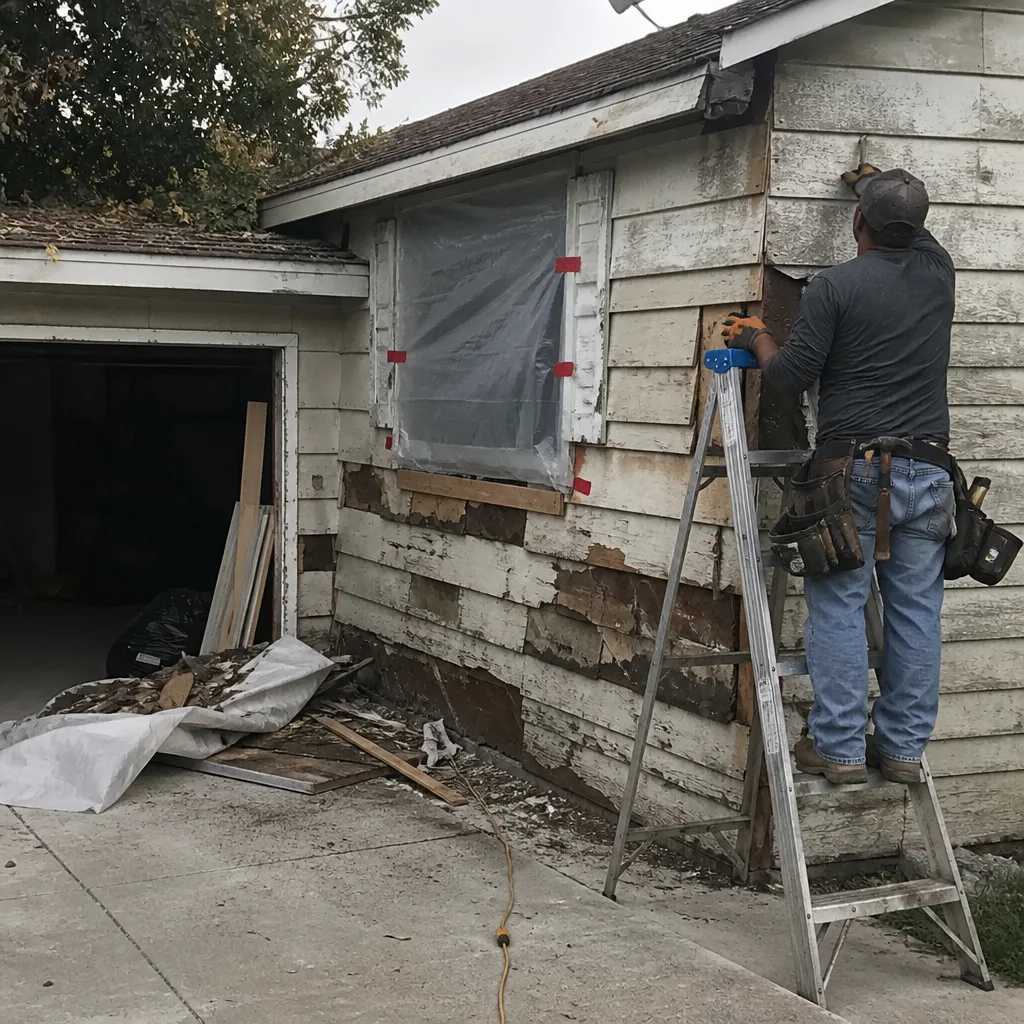 Before
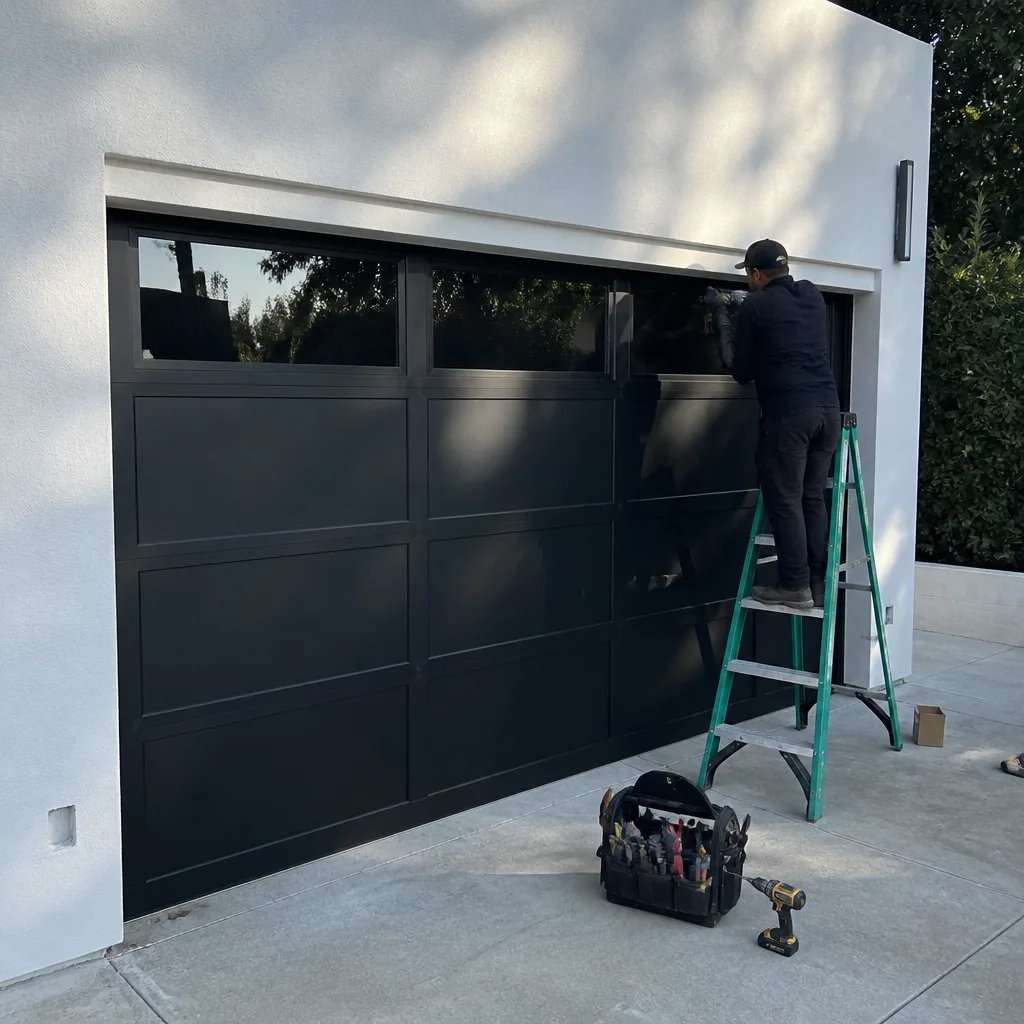 After
After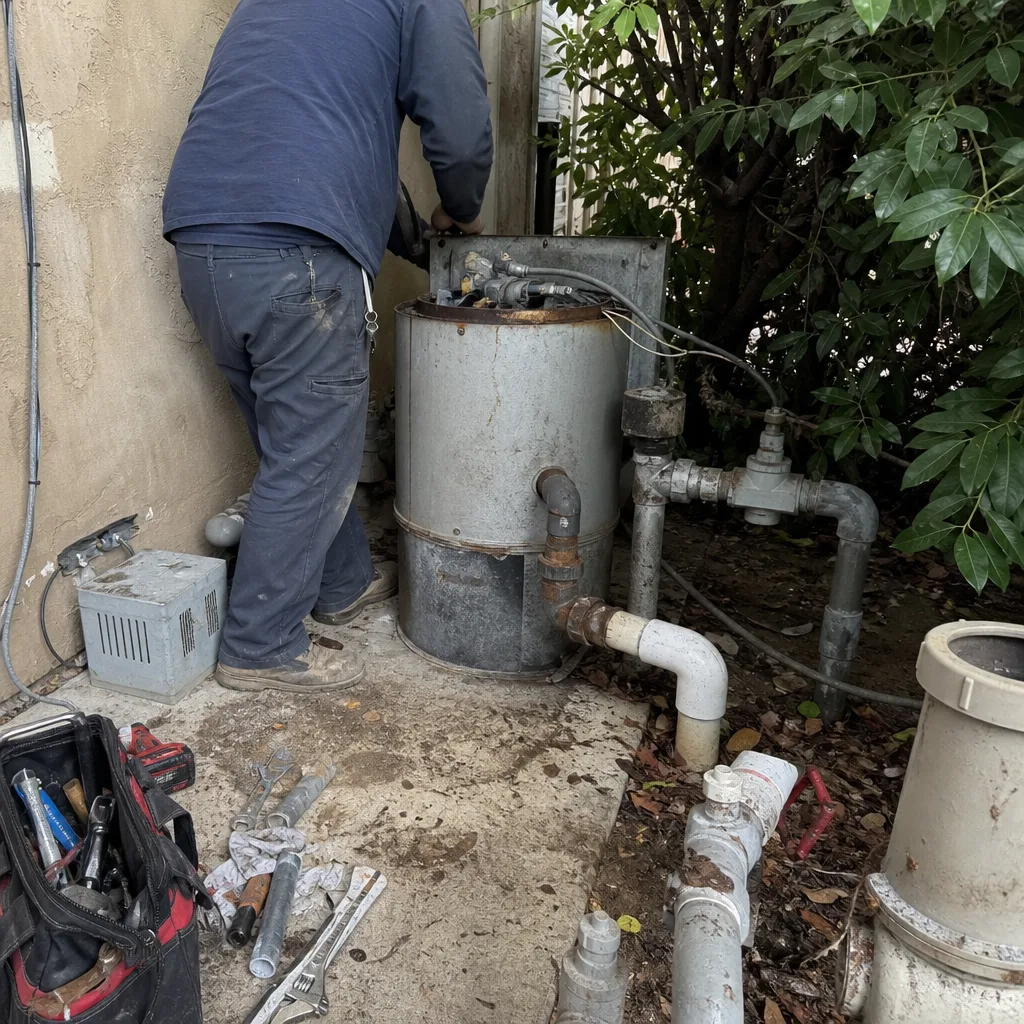 Before
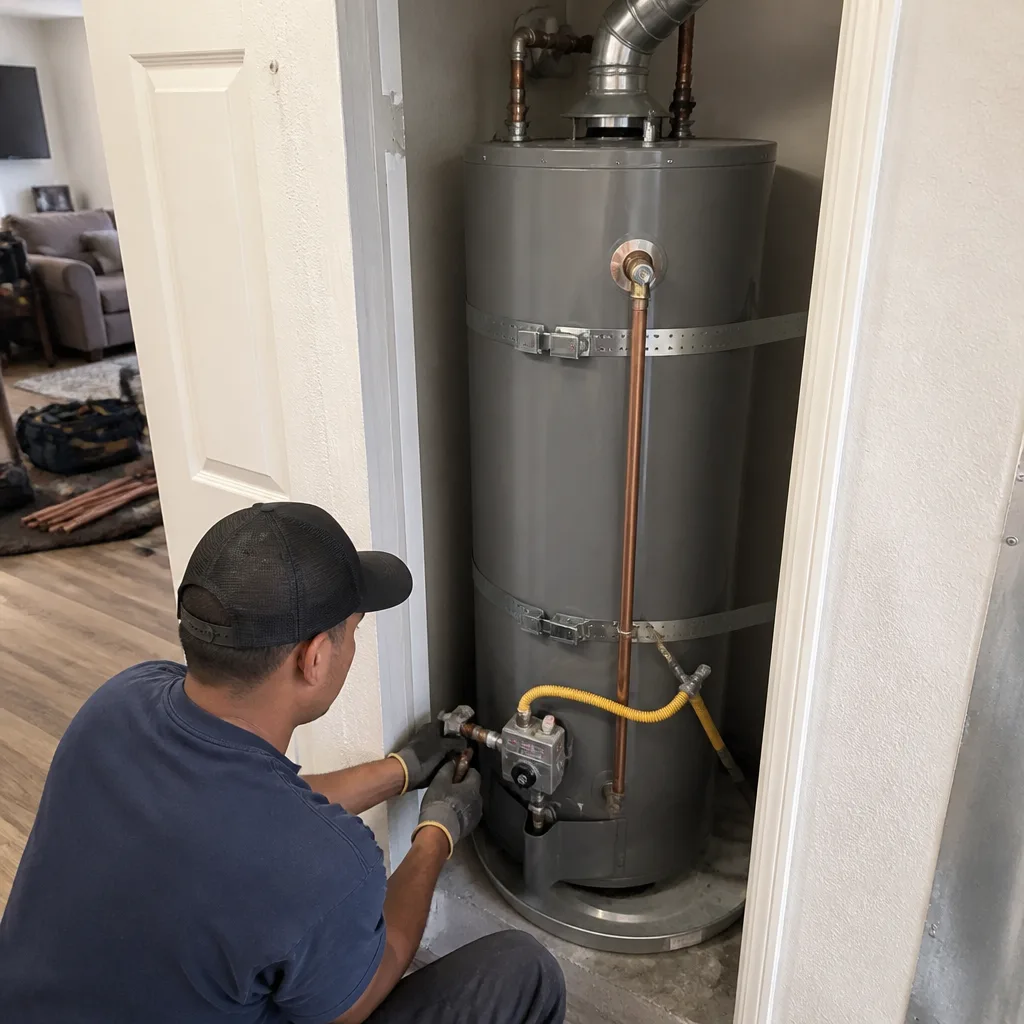 After
After Before
 After
AfterKitchen Remodeling Troubleshooting: Common Problems and How to Fix Them
Most kitchen remodeling problems that surface mid-project were visible before demo day. The homeowner just didn’t know what to look for. In Los Angeles, where housing stock ranges from 1920s Spanish bungalows to 1980s tract builds, the gap between what’s behind the wall and what’s on the permit drawing is where disputes are born. This guide will teach you how to diagnose issues the moment they appear, separate legitimate change orders from manufactured ones, and understand exactly which problems a good contractor absorbs without charging you a dime.
Quick Answer
Kitchen remodeling problems fall into three categories: pre-existing conditions hidden behind walls, contractor errors, and material or delivery failures. Most cost disputes come from the first category, which is why a written contract that specifies how unforeseen conditions are priced matters more than the initial bid number. If a problem surfaces mid-project, the fix depends on documentation: photos, written change orders, and a clear statement of who owns the mistake.
Table of Contents
- How to Tell If a Mid-Project Cost Increase Is Legitimate
- What to Do When Cabinet Delivery Is Wrong
- Plumbing Rough-In Problems in Older Los Angeles Homes
- How a 365-Day Workmanship Guarantee Changes Everything
- The Punch List Process: Why a Written Final Walkthrough Is Not Optional
- Change Order vs. Contractor-Absorbed: How the Good Ones Decide
- Uneven Floors, Out-of-Square Walls, and Other Layout Surprises
- What to Do When Demo Day Reveals Water Damage or Mold
How to Tell If a Mid-Project Cost Increase Is Legitimate
When a contractor says “we found something behind the wall” on day two, there are only two honest outcomes: they show you the problem in writing with a cost, or the original contract already covered unforeseen conditions. Anything else is the beginning of a dispute. In Los Angeles, where remodelers contend with everything from knob-and-tube wiring in Silver Lake bungalows to termite-compromised framing in the Valley, some level of mid-project discovery is nearly guaranteed.
The legitimate change order has three traits. First, it comes with photo documentation you can actually see: a cracked joist, a galvanized supply line that crumbles when touched, a drain stack that doesn’t line up with the new sink location. Second, it comes with a written price for the fix before any new work begins, not a verbal “this is going to cost more” followed by a number at the end. Third, it’s tied to something that was genuinely inaccessible during the estimate phase. A contractor who bid the job without opening one wall should have flagged that risk in the original contract.
Here’s how to evaluate a cost increase in real time:
- Ask for photos of the specific problem. If the contractor can’t produce them, you’re being asked to pay for a conversation, not a condition.
- Ask why the problem wasn’t visible during the estimate walkthrough. A good answer references something behind a finished surface. A bad answer blames circumstances.
- Ask for the written change order before approving any additional work. No paperwork, no approval, no exception.
- Ask what the original contract said about unforeseen conditions. If it says “contractor responsible for all hidden defects” and they’re now charging you, that’s a red flag.
- Ask whether the fix changes the schedule, and by how many days. A legitimate change order includes a time component, not just a price component.
In our experience across Los Angeles remodels, legitimate change orders average 8 to 15 percent of the original contract value. If you’re being asked for an additional 30 percent by week two, something wasn’t priced honestly at the start. We put our kitchen remodeling in Los Angeles estimates in writing before any work starts, and we write change orders the same way: a number, a reason, and a photo you can hold us to.
What to Do When Cabinet Delivery Is Wrong
Cabinet delivery errors are common enough that you should plan for one. Wrong finish, missing door fronts, damaged face frames, a lazy Susan that arrives without the Susan. The moment the boxes are opened matters, because the question of who owns the mistake depends on when it was discovered and who ordered it.
If your contractor ordered the cabinets, the contractor owns the resolution. That means the contractor re-orders the wrong piece, absorbs any rush shipping costs, and adjusts the project schedule without charging you for the delay. If you ordered the cabinets yourself to save money, you own the resolution, including the phone calls, the freight claims, and the schedule slip. This is one reason we specify and order all cabinetry ourselves. We install KraftMaid and Wellborn cabinetry, and when a delivery arrives wrong, we handle the replacement conversation. You don’t sit on hold with a freight dispatcher.
A realistic resolution timeline for a wrong cabinet piece is 10 to 21 days from the date the error is confirmed. Custom or semi-custom lines can run 4 to 6 weeks. A contractor who tells you “we’ll make it work with what we have” is asking you to accept a compromised kitchen permanently because they don’t want to wait. Don’t. The resolution should be: wrong piece documented with photos, replacement ordered same week, installation of correct pieces scheduled as soon as they arrive, and the original completion date revised in writing. If the delay pushes past 30 days, ask for a written updated schedule. If you’re getting silence, start documenting everything.
Plumbing Rough-In Problems in Older Los Angeles Homes
Los Angeles plumbing rough-in work carries a specific set of problems shaped by the age and construction style of the housing stock. Homes built before 1960 often have galvanized steel supply lines that have rusted from the inside out. Homes from the 1920s and 1930s in neighborhoods like Highland Park and West Adams frequently have drain locations that were set for much smaller sinks and much simpler kitchen layouts than what a modern remodel demands. When you move a sink from a window wall to an island, the drain line has to travel farther, and in a slab foundation home, that can mean opening concrete.
Here are the rough-in problems we see most often in Los Angeles kitchens, with realistic cost ranges to address them:
- Galvanized supply line replacement: $600 to $1,800 depending on accessible length. Crumbling galvanized pipe must be replaced, not patched. Patching a rusted galvanized line is like putting a bandage on a pipe that’s already failing.
- Off-center drain relocation: $400 to $1,200 when accessible from below. If the home sits on slab and the drain has to move more than a few feet, expect $1,500 to $3,500 because the concrete has to be opened and patched.
- Inadequate venting causing slow drainage: $300 to $900 to add or correct a vent. Old Los Angeles kitchens often have undersized or improperly placed vents, and a new deeper sink or a second prep sink will expose that fast.
- Cast iron drain line replacement under slab: $2,500 to $6,000. This is the expensive one, and it only gets discovered when the concrete comes up. A written contract should state how slab work is priced per linear foot.
These numbers are for Los Angeles specifically. Labor rates in the city run higher than national averages, and the age of the housing stock means contractors here price for the reality that every third job has a hidden pipe problem. The contractor who gives you a single flat bid without mentioning any of this is either new to Los Angeles or hoping you don’t ask questions. Ask.
How a 365-Day Workmanship Guarantee Changes Everything
A workmanship guarantee changes the troubleshooting calculus because it gives you a defined remedy window after the job is done. Problems that surface months later, a drawer front that warps, a tile that cracks along a seam, a cabinet door that won’t stay aligned, still have a path to resolution if the guarantee is written and specific. Without one, you’re calling a contractor who has no financial reason to come back.
Here’s how a real guarantee works. Penhallow Remodeling operates under the Kingswell standard, established in 2004, which requires a written price before any work starts, a defined arrival window, and a written guarantee on every project. Our 365-Day Done Right Promise means if the work fails inside the guarantee period, we come back and fix it at no charge. Not a re-inspection fee. Not a service call charge. We fix it. If a repair fails after we’ve been back, the return visit is free too. The promise is in writing on every project, because a verbal guarantee is the same as no guarantee.
The Kingswell Way is simple enough to fit on a single line: say the price before the work, show up in the window we gave, leave the place cleaner than we found it. When a contractor writes the guarantee down and hands it to you before you sign anything, you know what happens if a problem appears in month six, month eight, month eleven. Most homeowners never think to ask what happens after the final check clears. You should. And if the contractor can’t answer in writing, that’s your answer.
The Punch List Process: Why a Written Final Walkthrough Is Not Optional
The punch list is a written list of incomplete or imperfect items created during the final walkthrough. It’s not a formality. It’s the document that defines what “done” means. In Los Angeles, where remodels often move fast toward the end and crews are already scheduled on the next job, the temptation to skip a thorough walkthrough is real. Don’t let your contractor set that pace.
How to run a final walkthrough yourself, step by step:
- Bring a printed copy of the contract scope of work. Walk the kitchen against it line by line. The contract is the standard. The kitchen either matches it or doesn’t.
- Open every cabinet door and drawer. Close them. Open them again. Look for misalignment, rubbing, gaps, and hardware that’s loose. Open the door and let go from 12 inches; it should close softly and stay closed.
- Run every faucet, including the sprayer, on hot and cold. Check under-sink connections with a dry hand. Let the dishwasher run a full short cycle and inspect the floor beneath it for any water.
- Check the countertop seams with the flat of your hand. A seam you can feel is a seam that will collect dirt and could fail. A properly installed Cambria quartz seam is nearly flush.
- Look at tile lines in morning light, not evening light. In Los Angeles, afternoon sun through west-facing windows shows lippage (tile edges that aren’t flat) that soft evening light hides. Check tile work at the brightest hour.
- Photograph everything. Date-stamp the photos. These become your reference if something appears wrong six months later and the guarantee question comes up.
- Write the punch list together, on the spot, with a completion date for each item. A punch list with no dates is a wish list.
At Penhallow Remodeling, we walk the job with you and hand you a written punch list before we call the project complete. If anything on that list isn’t right, the 365-Day Done Right Promise means we’re the ones coming back to fix it. No phone tag, no months of follow-up.
Change Order vs. Contractor-Absorbed: How the Good Ones Decide
There’s a line in every remodel where the contractor decides whether to absorb the cost or write a change order. You should understand where that line is, because it tells you a lot about who you’re working with. The general rule: a contractor absorbs what they should have caught, and you pay for what no one could have caught.
Here’s how the split works in practice:
- Contractor absorbed: Wrong cabinet color ordered by the contractor. A measurement error that makes a countertop template not fit. A wall opened that the contractor could have inspected during the estimate. A plumbing connection that leaks because it was installed incorrectly. These are contractor errors. They don’t get passed to you.
- Legitimate change order: Termite damage discovered behind the plaster that was invisible during the estimate. A code deficiency that requires an upgraded electrical panel the city inspector flags. A drain stack location that only became visible after demo. These are genuinely unknown conditions.
- The gray zone: A contractor who bids without opening any walls and then treats every discovery as a change order is not pricing honestly. A contractor who absorbs everything is either losing money or building that cost into the next job. You want the one who walks that line with a written explanation every time.
The written change order should always state what was found, what the fix is, what it costs, and how many days it adds. If you’re handed a change order with just a number and no explanation, that’s not a change order. That’s a memo from someone who doesn’t want to be questioned.
Uneven Floors, Out-of-Square Walls, and Other Layout Surprises
Older Los Angeles homes settle. That’s not a design flaw; it’s the tail end of a century of seismic activity and coastal climate. But when you’re installing cabinets against a wall that’s out of square by three-quarters of an inch, or laying tile on a floor that slopes half an inch across eight feet, the settling becomes your remodel problem.
Uneven floors and out-of-square walls are fixable, but the fix has to be specified before material goes in. Installing shims behind cabinets so they sit level is standard practice, not a change order. But if the floor slope exceeds half an inch across an eight-foot span, the floor needs leveling before tile or hardwood goes down, and that’s a real cost: $1,200 to $3,500 depending on the area and the method. Self-leveling underlayment is common in Los Angeles slab homes; plywood shimming and subfloor correction is common in raised-foundation homes from the 1940s.
The moment to flag this is during the estimate, not after demo. A contractor who measures the floor with a laser level during the walkthrough will know before the contract is signed whether the floor needs correction. A contractor who discovers the slope once the tile boxes arrive is either careless or setting you up for a mid-project cost increase that should have been in the original number.
What to Do When Demo Day Reveals Water Damage or Mold
Water damage behind kitchen walls is common in Los Angeles, even in a climate that doesn’t see much rain. A slow leak under a 30-year-old sink, a failed supply line connection behind the dishwasher, a window that leaked for a decade, these things do damage quietly. Demo day reveals it. And the first thing you need to know is that mold and water damage are two different problems with two different fixes.
Water-stained but dry framing can typically stay. Mold is the concern, and in Los Angeles, where the coastal humidity in neighborhoods like Playa del Rey and the marine layer in Santa Monica keep interior spaces damp longer than they should, mold growth behind a kitchen wall is not uncommon. If mold is found, the correct sequence is: stop work in that area, bring in a mold remediation specialist (your contractor should be licensed or working with one), remove the affected material, treat the framing, and document everything with photos before rebuilding. A realistic cost range for mold remediation in a kitchen is $1,500 to $4,500 depending on the square footage.
Water damage remediation, if no mold is present, is less extensive: remove the damaged drywall or plaster, treat the framing, replace with new material, usually $800 to $2,200. The key is that this is discovered by demo, not created by demo. If your contractor opens the wall and shows you the problem with photos and a written cost, that’s legitimate. If they open the wall, walk away, and come back with a number without documentation, get a second opinion before you sign anything.
Common Mistakes to Avoid
- Paying the full contract upfront before work starts. A deposit is normal, but paying 100 percent before demo day leaves you with no leverage when the punch list doesn’t get finished.
- Approving a verbal change order. If it’s not written, it didn’t happen. Every cost that appears mid-project needs a written number before you approve it.
- Skipping the permit conversation. Los Angeles city permits aren’t optional for most kitchen remodels involving plumbing or electrical work. A contractor who says “we don’t need permits” is asking you to own the risk.
- Ignoring the substrate conversation. The cement board substrate (the moisture-resistant layer behind your tile) matters more than the tile itself. Ask what’s going behind the tile before you care what goes on top of it.
- Ordering materials yourself to save money. The savings evaporate when the cabinet arrives wrong and you own the two-month replacement delay.
- Accepting a verbal workmanship guarantee. “We’ll fix it if anything goes wrong” is not a guarantee. It’s a hope. The written guarantee is the only kind that means anything in Los Angeles.
- Running the final walkthrough at night. Artificial light hides tile lippage, paint flashing, and seam problems. Run your walkthrough in daylight.
When to Call a Professional
Some kitchen problems are obvious the moment you see them: a wall that’s soft to the touch after demo, a pipe that crumbles when the plumber touches it, a cabinet line that arrives with the wrong finish on three door fronts. For Kitchen Remodeling services that handle these issues properly, These need a professional who knows how to document the issue, price the fix in writing, and manage the schedule impact. If you’re in the middle of a remodel and the contractor is dodging your calls, feeding you verbal price bumps, or refusing to write down the punch list, it’s time to bring in someone who works differently. Penhallow Remodeling offers free estimates in Los Angeles. Call (936) 259-2607. You’ll get a written price before any work starts and a written guarantee on every project. If you’re already mid-project with another contractor and you’re wondering whether the cost increase you just got is legitimate, call anyway. We’ll tell you what we think, honestly, no charge for the conversation.
Frequently Asked Questions
The most common kitchen remodeling problems in Los Angeles are hidden plumbing issues in older homes, out-of-square walls and uneven floors in settled buildings, wrong or damaged cabinet deliveries, and poorly documented mid-project cost increases. Most of these are manageable if the contract addresses unforeseen conditions in writing before demo day.
A legitimate cost increase on a Los Angeles kitchen remodel typically runs 8 to 15 percent of the original contract value. If a contractor asks for an additional 30 percent or more by the second week, the original estimate probably understated what the contractor already knew. Call (936) 259-2607 for an exact assessment of your specific project; estimates are free.
It shouldn’t change beyond the written change orders you approve. At Penhallow Remodeling, every project gets a written price before any work starts, so the number on day one is the number on the invoice unless we both sign a change order in writing first. No verbal surprises, no handshake adjustments.
If the contractor ordered the cabinets, the contractor is responsible for re-ordering and replacing them at no cost to you. If you ordered the cabinets yourself, you’ll handle the replacement process. Penhallow Remodeling specifies and orders all cabinetry through recognized trade brands like KraftMaid and Wellborn, so delivery errors are our problem to solve, not yours. Call (936) 259-2607 to talk through your project.
Yes. Los Angeles permits are required for most kitchen remodels that involve plumbing, electrical, or structural changes, and we handle the full permit process, including the inspections. A contractor who suggests skipping permits is shifting legal and resale risk onto you.
If the work fails within the guarantee period, we come back and fix it at no charge. Our 365-Day Done Right Promise is written into every project, and if a repair fails after we’ve been back, the return visit is free too. That’s the Kingswell standard we’ve operated under since 2004.
The Bottom Line
Kitchen remodeling problems are rarely surprises to a contractor who looked closely enough during the estimate. For more guides & resources on navigating these challenges, The difference between a dispute and a routine fix comes down to documentation: written prices before work starts, written change orders when conditions change, written punch lists at the end, and a written guarantee that covers what happens months later. In Los Angeles, where older homes hide real conditions behind finished walls, you need a contractor who prices honestly and writes everything down. Penhallow Remodeling has been doing exactly that since 2004. A live person answers the phone 24/7 at (936) 259-2607. Call for a free estimate, a written price, and a guarantee you can hold in your hand before a single cabinet is pulled.
Written by Trevor Nash, Owner at Penhallow Remodeling, serving Los Angeles since 2004.