
Last updated October 8, 2026
Free written scope consultation - allowances, timeline, and change-order rules on paper before a single trade is scheduled
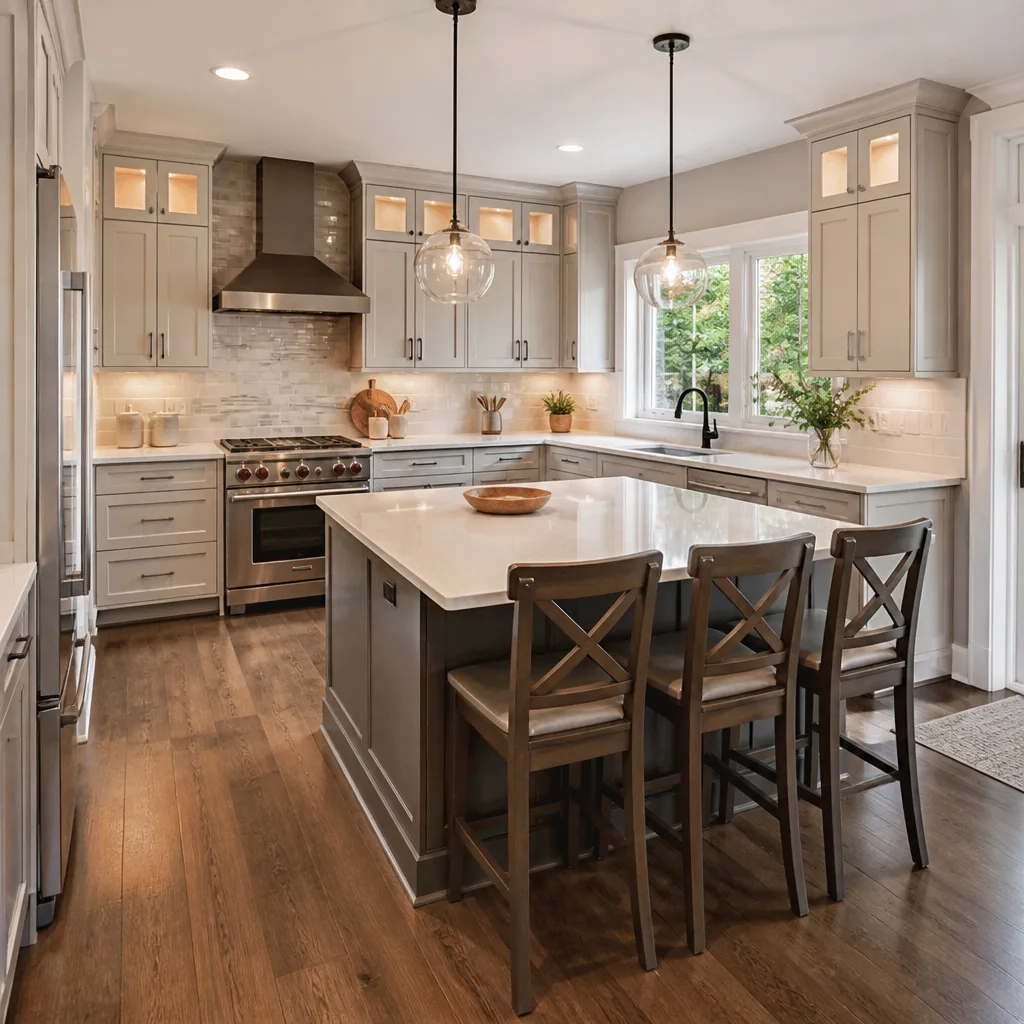



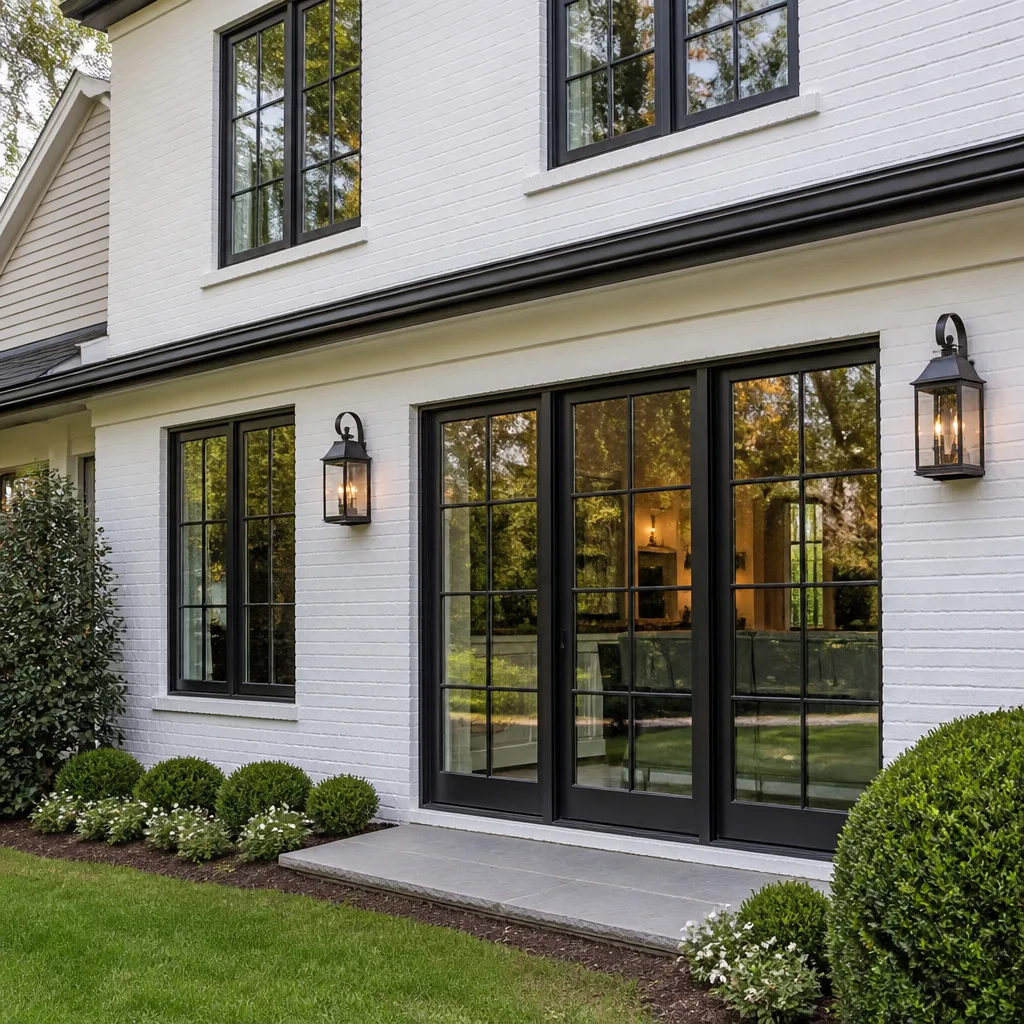


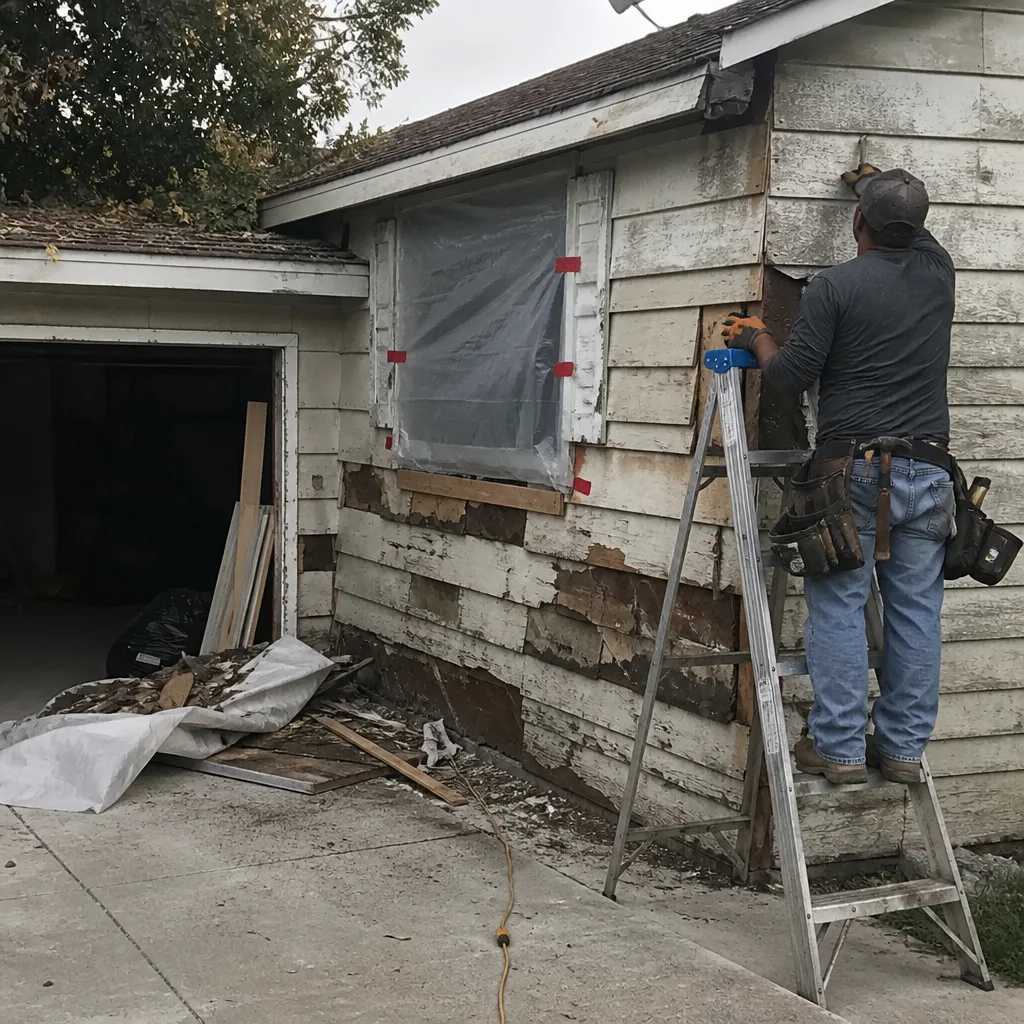 Before
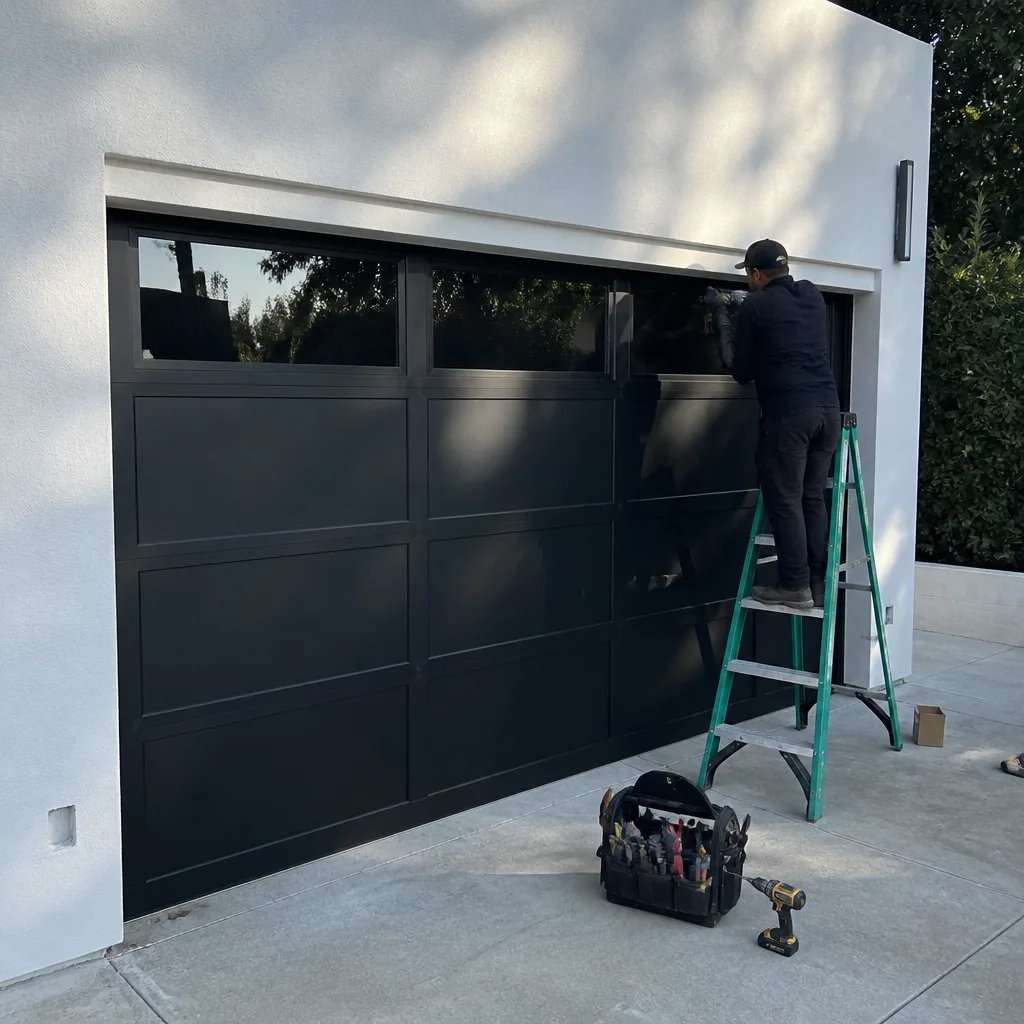 After
After Before
 After
After Before
 After
AfterConstruction Warning Signs: A Los Angeles Homeowner’s Reference Guide
Here’s a counterintuitive fact from two decades of remodeling work in Los Angeles: the jobs that go badly almost never announce themselves with a dramatic bang. They start with a contractor who is ten minutes late returning your call, a scope of work written on the back of a business card, or a deposit request that sounds just a little too eager. The homeowners who avoid disaster are rarely the ones who know the most about construction. They’re the ones who know how to read the warning signs that show up long before a single wall comes down. This guide is written for Los Angeles homeowners who want to see those signs clearly, and act on them early. For more guides & resources, visit our blog.
Quick Answer
The most reliable construction warning signs for Los Angeles homeowners appear before a contract is ever signed: verbal-only pricing, pressure to start immediately, vague arrival windows, and deposit requests above California’s 10% legal maximum for smaller contracts. A contractor who answers questions precisely before the job starts, puts prices in writing, and names a specific fix date when something goes wrong is almost always safe to hire. The warning signs are in the paperwork and the communication, not the tool belt.
Table of Contents
- Pre-Contract Red Flags: The Six Warning Signs That Matter Most
- The California Deposit Law: What It Actually Says
- Mid-Project Warning Signs: What to Watch After the Permit Is Pulled
- Structural Warning Signs in Existing Los Angeles Homes
- How a Contractor Handles a Problem Tells You Everything
- What a Written Guarantee Should Cover (And What Most Boilerplate Excludes)
- How We Evaluate a Contractor Before Signing: A 5-Step Checklist
- Common Mistakes to Avoid
- When to Call a Professional
- Frequently Asked Questions
- The Bottom Line
Pre-Contract Red Flags: The Six Warning Signs That Matter Most
The contractor who’s vague about arrival time before the job starts will be vague about everything else once the deposit clears. That’s not a personality quirk; it’s a preview of how the entire project will run. In Los Angeles, where a general contractor in Los Angeles might be juggling jobs from Santa Monica to Pasadena, precise scheduling discipline is what separates professionals from chaos. Here are the six pre-contract behaviors that should make you pause:
- Verbal-only pricing. If the contractor won’t put a number on paper, the number will change. It is that simple. A written price is the only price that exists.
- Pressure to start immediately. “I can get you on the calendar this week, but only if you sign today” is a sales technique, not a schedule. Good contractors have pipelines. They can hold a spot without holding a gun to your head.
- No written scope of work. A scope of work is the list of everything the contractor will do, the materials they’ll use, and what’s explicitly not included. No scope means no shared understanding of the job. In Los Angeles, where older homes hide surprises behind every lath-and-plaster wall, a scope of work is the difference between a known price and a blank check.
- Arrival windows that don’t exist. If the contractor can’t tell you “we arrive between 8:00 and 8:30,” they won’t arrive when they said they would. The window matters more than the promise.
- Deposit requests above California’s legal maximum. We’ll get into the specifics below, but short version: if someone asks for half down on a smaller job, they’re either unaware of the law or hoping you are.
- No physical business address. A P.O. box or a cell phone with no office is not automatically shady in Los Angeles, where many excellent contractors run lean operations. But combined with any of the above, it’s a compounding risk.
We’ve said it before and we’ll say it again: the warning sign isn’t what the contractor builds. It’s how they answer basic questions before they pick up a tool.
The California Deposit Law: What It Actually Says
California Business and Professions Code 7159 states that a contractor cannot ask for or accept a down payment larger than 10% of the total contract price, or $1,000, whichever is less, on home improvement contracts. That’s not a guideline. That’s the law. If a Los Angeles contractor quotes you a $9,000 DIY vs Professional Bathroom Remodeling: What’s Safe to Do Yourself and asks for $3,000 up front to “secure materials,” they are asking you to break the law along with them. It’s a red flag that should end the conversation.
Here’s the catch many homeowners don’t realize: the 10% cap applies to the deposit before work begins. After materials are delivered to your property or work has begun, the contractor can bill for progress payments according to the schedule in your contract. A legitimate contractor who needs money for materials will schedule the material delivery, then bill you. A contractor who needs a big deposit before they’ve ordered anything is financing their last job with your money.
We follow the Kingswell standard on every project in Los Angeles. The price goes in writing before any work starts, and the deposit stays within California’s legal limit. We name the price, then we hold ourselves to it. That standard hasn’t changed since 2004.
Mid-Project Warning Signs: What to Watch After the Permit Is Pulled
The trickiest warning signs aren’t the obvious ones before the contract. They’re the quiet ones that show up mid-project, after you’ve already invested money and trust. By then, the temptation to look the other way is strong. Don’t. Here’s what to watch for once work is underway in your Los Angeles home:
Unsigned Change Orders
A change order is a written amendment to the original contract that documents a change in scope, price, or schedule. When a contractor says “we discovered the plumbing needs to move, it’ll be about $1,800 more, we’ll just add it to the final bill,” that’s not a change order. That’s a verbal IOU you’ll be expected to honor. In Los Angeles, where older homes routinely reveal cast-iron pipe that’s been rotting since the Eisenhower administration, change orders are not a sign of a bad contractor. They’re a sign of an honest one. An unsigned change order is the warning sign. The conversation should be: “Here’s what we found, here’s what it costs, here’s the change order, sign this and we’ll proceed.” Anything less formal means you’re being asked to agree to a price without seeing it in writing.
Subcontractors Who Don’t Know the Scope
When the tile subcontractor shows up and asks you what the contractor quoted, something has broken down in the middle. A good DIY vs Professional General Contractor: What’s Safe to Do Yourself hands every sub a clear scope of work before they walk in the door. If the person holding the wet saw doesn’t know whether they’re setting tile in one bathroom or two, your general contractor hasn’t done their job. You’re now the project manager, and you didn’t sign up for that.
No Permit Number Posted On Site
In the city of Los Angeles, any job requiring a permit (structural changes, electrical, plumbing, additions) means the permit number should be posted at the job site. The Los Angeles Department of Building and Safety requires it. If you can’t find the posted permit, ask. If the answer is vague, call the department. Working without a required permit in LA isn’t a paperwork technicality; it can stop your project mid-stream, complicate a future sale of the house, and put you on the hook for unpermitted work that shows up in a title search. A contractor who skips permits is transferring legal risk onto you.
The Crew Changes Without Explanation
Some crew rotation is normal on larger jobs. But if the original carpenter who framed your addition disappears in week two and is replaced by people who don’t know the plan, that’s a staffing instability warning sign. Good Los Angeles contractors run consistent crews. The people who start your job should generally be the people who finish it.
Structural Warning Signs in Existing Los Angeles Homes
Los Angeles is earthquake country. The Northridge quake in 1994 rewrote building codes statewide, and today’s LA construction standards are among the strictest in the country for seismic safety. That’s the good news. The bad news is that many homes built or remodeled before the code updates, or flipped by contractors who cut corners during the 2000s boom, contain structural shortcuts that were never legal and are now dangerous. If you’re buying an older home in Los Angeles, or you’re opening up walls during a remodel, here’s what should make you stop and get a structural engineer involved. See also our DIY vs Professional Construction: The Los Angeles Homeowner’s Decision Guide:
- Drywall screws in load-bearing connections. Drywall screws are brittle. They snap under shear loads. In a seismic event, a load-bearing connection held together with drywall screws will fail. Structural connections require specific fasteners (like Simpson Strong-Tie screws or bolts) rated for the load they’re carrying. If you see black drywall screws anywhere near a post-to-beam connection, someone took a shortcut.
- Missing hold-downs. Hold-downs are steel brackets that anchor shear walls to the foundation. They’re a mandatory seismic feature in modern Los Angeles construction. Older homes being remodeled often reveal shear walls with no hold-downs at all, which means the wall can lift off the foundation in a quake. This is not a cosmetic issue. It’s a life-safety issue.
- Headers that don’t match span tables. A header is the beam that carries the load above a window or door opening. Span tables in the California Residential Code dictate exactly what size header is required for a given span and load. A header that’s undersized by even a half-inch will sag over time, causing cracks above the window, doors that stick, and in severe cases, structural failure. If your Los Angeles home has a suspicious crack running diagonally from a window corner, the header is a likely culprit.
- Foundation bolts missing or improperly spaced. Older LA homes were often built with foundation systems no longer code-compliant. If you’re doing a kitchen remodeling in Los Angeles project and the walls are open, have someone check the sill plate bolts. They should be spaced at specific intervals and tightened to specified torque. Missing or loose bolts are a serious seismic risk.
The takeaway here is not to become a structural engineer. It’s to know that when a contractor dismisses one of these findings as “fine, don’t worry about it,” you should get a second opinion from someone who isn’t trying to close a sale.
How a Contractor Handles a Problem Tells You Everything
No remodeling project goes perfectly. Not one. There will be a delayed cabinet delivery. A tile lot that doesn’t match. A plumbing rough-in that needs to be adjusted. The difference between a contractor you’d hire again and one you’d warn your neighbors about is not whether problems happen. It’s how they respond when they do.
Here’s the test we suggest to every Los Angeles homeowner. When something goes wrong, listen to the language the contractor uses. A reliable contractor will say something like: “The wrong size vanity was delivered. I’ve already called the distributor. The correct one will be here Thursday morning, and we’ll install it Thursday afternoon.” That’s a named date. That’s a named action.
An unreliable contractor will say: “Yeah, sorry about that. It should get sorted out soon. We’ll keep you posted.” That’s passive voice, no named date, no named action, and no accountability. The problem might still get fixed, but you’re now in the position of chasing it.
When a specific fix date is given, you can hold someone to it. When the language is vague, there’s nothing to hold. In our experience, homeowners who get a specific fix date in the first 24 hours of a problem almost never end up in a dispute. Homeowners who get “we’ll circle back” almost always do.
The same principle applies before the contract is signed. Ask the contractor: “If we discover water damage when you open the wall, what happens?” A good contractor will explain the change order process, the documentation, and the pricing approach. A weak contractor will say “we’ll figure it out.” You want the contractor who already knows the answer because they’ve handled it a hundred times.
What a Written Guarantee Should Cover (And What Most Boilerplate Excludes)
Most contractors offer some kind of warranty. The question is what the words actually mean. A boilerplate warranty paragraph often reads like it covers everything and quietly excludes almost everything. Here’s how to read one before you sign.
First, a written guarantee should name these four things explicitly:
- What’s covered. Workmanship? Materials? Fixtures? Structural components? If the language says “workmanship,” what does that mean when a tile cracks three months later? Does it cover the tile replacement, or just the labor to set a new tile you buy yourself?
- How long it lasts. Thirty days is not a warranty; it’s a cooling-off period. A one-year workmanship guarantee is a reasonable minimum for most residential remodeling in Los Angeles. Materials from manufacturers like Kohler and Moen often carry their own warranty periods, which should be separate from and in addition to the workmanship coverage.
- Exactly what happens if something fails. This is the sentence most warranties don’t include. Does the contractor come back to assess? Is there a re-inspection fee? How soon? Who pays for the replacement part?
- What’s excluded. A guarantee should tell you what it doesn’t cover: normal wear and tear, damage from misuse, cosmetic issues the homeowner approved. If there’s no exclusion list, the guarantee is probably too vague to enforce.
Here’s what we do at Penhallow Remodeling, and we’d suggest you look for similar language from any contractor you hire in Los Angeles. Every project carries our 365-Day Done Right Promise. It’s in writing on every job. If the work fails inside the guarantee period, we come back and fix it at no charge. If a repair fails, the second visit is free. No service call, no re-inspection fee, no conversation about whose fault it might be. We put that in writing because a guarantee you can’t hold in your hand is a wish, not a promise. We also install products from manufacturers like Kohler, Moen, Blanco, and Delta, which carry their own warranties, so you have layers of protection: ours on the labor, theirs on the product.
Before you sign any contract, ask the contractor to point to the exact sentence in their warranty that describes what happens on a failed repair. If they can’t, that’s a warning sign.
How We Evaluate a Contractor Before Signing: A 5-Step Checklist
This is the checklist we give our own friends and family when they’re hiring a contractor in Los Angeles. It’s not complicated, but it forces the conversation into the open where warning signs can’t hide.
- Ask for a written price. Not an estimate range. Not a verbal ballpark. A written number. The contractor who hesitates at this request is telling you something about how they run their business. At Penhallow Remodeling, every Los Angeles homeowner gets a written price before any work starts. That’s our standard, and it’s been The Kingswell Way since 2004.
- Ask for a written scope of work. What exactly is included? What’s excluded? What materials, by name and brand? If the scope says “countertop” but not “Cambria quartz in Torquay finish,” you don’t have a scope, you have a suggestion.
- Ask about the arrival window. “When will the crew arrive each morning?” If the answer is “sometime between 8 and 10,” toss a range to nine-thirty. The window matters. We give every homeowner a defined arrival window before the job starts, because “we’ll get there when we get there” is how weeks-long projects turn into months-long projects.
- Ask to see their license and insurance. In California, a contractor’s license should be easy to verify on the Contractors State License Board website. If the contractor hedges on providing their license number, end the conversation. It’s public information. There’s no legitimate reason to hide it.
- Ask what happens when something goes wrong. Not if. When. Every real contractor has a process. If the answer is “that won’t happen,” you’re talking to someone who doesn’t think problems through, and that’s exactly the person you don’t want on a $30,000 remodel.
These five steps won’t catch every bad contractor, but they’ll catch the vast majority. Warning signs show up when someone is asked a direct question and gives an indirect answer.
Common Mistakes to Avoid
- Hiring on price alone. The cheapest bid in Los Angeles is often the one missing permit costs, proper insurance, or enough labor to actually finish the job. A low price that balloons after demo is the most common horror story we hear from new clients.
- Skipping the written scope. If it’s not in the scope, it wasn’t in the price. You will pay for it later.
- Accepting verbal change orders. Insist on a written document for every change. Every one.
- Ignoring the permit question. Not every job needs a permit in Los Angeles, but if yours does and the contractor suggests skipping it, you’re buying liability.
- Trusting a warranty you haven’t read. Ask for the warranty language in writing before you sign. If it’s not provided, walk.
- Letting a vague schedule slide early. The arrival pattern in week one is the arrival pattern for the whole job.
- Paying the full balance before the punch list is done. Keep a retainage until every item on the final walkthrough list is complete.
When to Call a Professional
Nobody needs a contractor to tell them when a wall is falling down. The harder calls are the gray areas: the crack above the window you’re not sure about, the bathroom that might have water damage behind the tile, the kitchen you’ve been planning for three years and don’t know how to price. If you’re in Los Angeles and you’re spending hours staring at a problem you can’t diagnose, that’s the moment to call someone who has seen it before. Bathroom remodeling in Los Angeles often reveals water damage and structural issues that only show up when the walls come down, and knowing that before you start is worth the call. Penhallow Remodeling offers free estimates in Los Angeles. Call (936) 259-2607 and get a written price before you commit to anything. No pressure. Just answers.
Frequently Asked Questions
In California, a contractor cannot legally ask for or accept a deposit of more than 10% of the total contract price or $1,000, whichever is less, before work begins. This applies to home improvement contracts under Business and Professions Code 7159. If a contractor asks for more, that’s a violation of state law and a serious warning sign. Call (936) 259-2607 if you have questions about a quote you’ve received. We’re happy to look at it with you at no charge.
Check the Contractors State License Board website directly and search for the contractor by name or license number. Los Angeles is full of unlicensed operators who present themselves as professionals, especially after storms or during renovation booms. A licensed contractor has passed a trade exam, carries workers’ compensation insurance, and is subject to CSLB oversight. Ask for the license number and verify it.
Yes, you should. Unpermitted work can affect your homeowners insurance, complicate a future refinance or sale, and create liability for substandard construction you didn’t create. Before you buy, pull the property’s permit history from the Los Angeles Department of Building and Safety. Compare what’s on file with what’s actually in the house. If there’s a legalized addition, finished garage conversion, or bathroom that isn’t in the records, factor the cost of retroactive permits or remediation into the purchase price.
An estimate is an approximation. A written price is a commitment. In Los Angeles, the difference usually shows up after demolition starts, when hidden conditions appear and the “estimate” adjusts upward. A written price from a general contractor like Penhallow Remodeling home services means the number on day one is the number on the invoice, unless a written change order modifies it. Always choose a written price over an estimate range.
A one-year workmanship warranty is a reasonable minimum for residential remodeling in Los Angeles. Less than that is a signal the contractor doesn’t stand behind their work. Manufacturer warranties on materials like Kohler, Moen, Blanco, and Delta fixtures run separately and often extend several years to lifetime coverage. At Penhallow Remodeling, our 365-Day Done Right Promise covers workmanship for a full year in writing, and if a repair fails, the second visit is free.
First, document everything: photos, text messages, emails, copies of contracts and checks. Then file a complaint with the Contractors State License Board. If the contractor is unlicensed, you may have limited recourse, but the CSLB can still take enforcement action. If funds remain unpaid, stop all payments immediately. For practical next steps on completing the work, call (936) 259-2607 and ask us to assess what’s left. We’ll tell you straight what it takes to finish, with a written price before anything resumes.
The Bottom Line
Construction warning signs in Los Angeles are almost never dramatic. They’re quiet: a deposit request just over the legal limit, a warranty with no teeth, a change order that never got written down, a fix date that never got named. The homeowners who avoid the worst outcomes are the ones who ask direct questions early and insist on written answers. A contractor who puts the price in writing, names a specific arrival window, and backs the work with a written guarantee is worth more than a lower bid. Because the real cost of a bad contractor isn’t the invoice. It’s the months of your life spent chasing someone who already has your money. Trevor Nash and the team at Penhallow Remodeling are here when you’re ready to talk about a project. Call (936) 259-2607 for a free estimate, and get the number in writing before you decide anything.
Written by Trevor Nash, Owner at Penhallow Remodeling, serving Los Angeles since 2004.