
Last updated October 8, 2026
Free written scope consultation - allowances, timeline, and change-order rules on paper before a single trade is scheduled
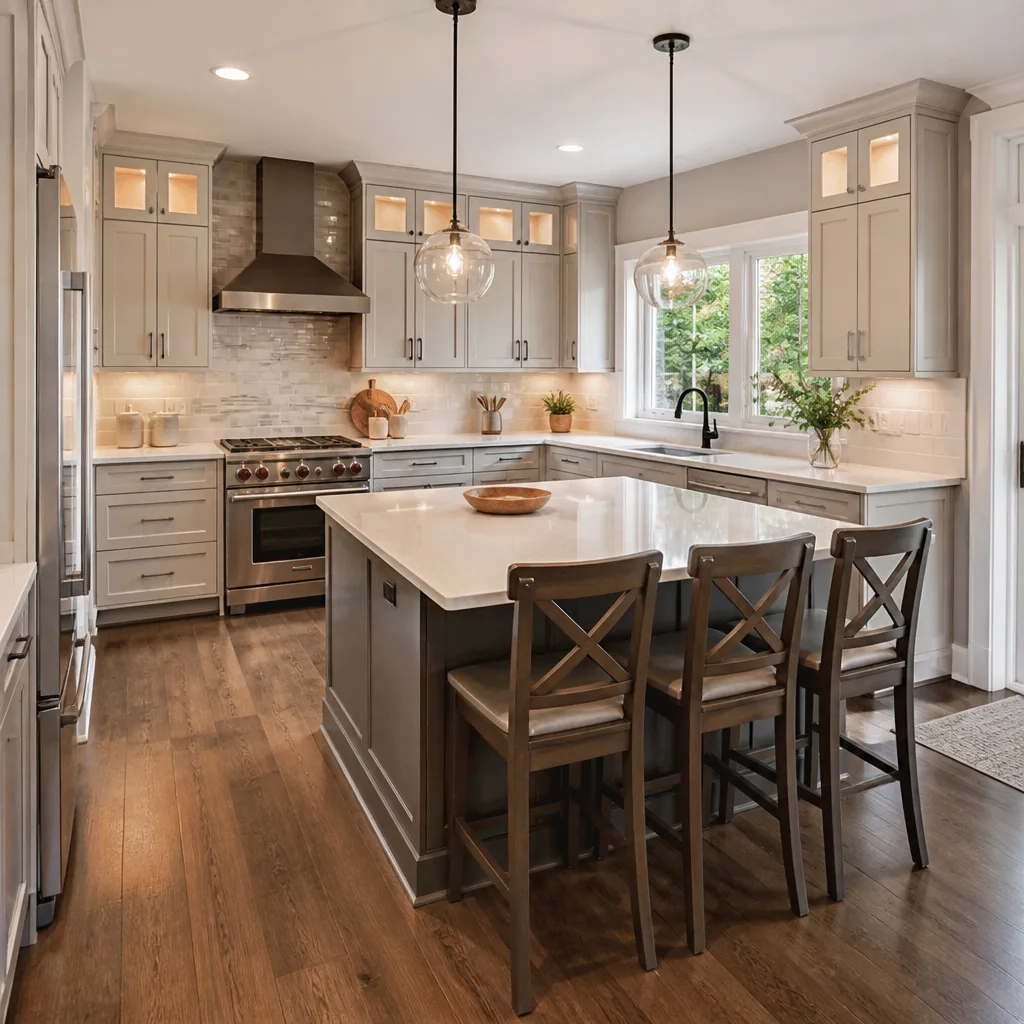
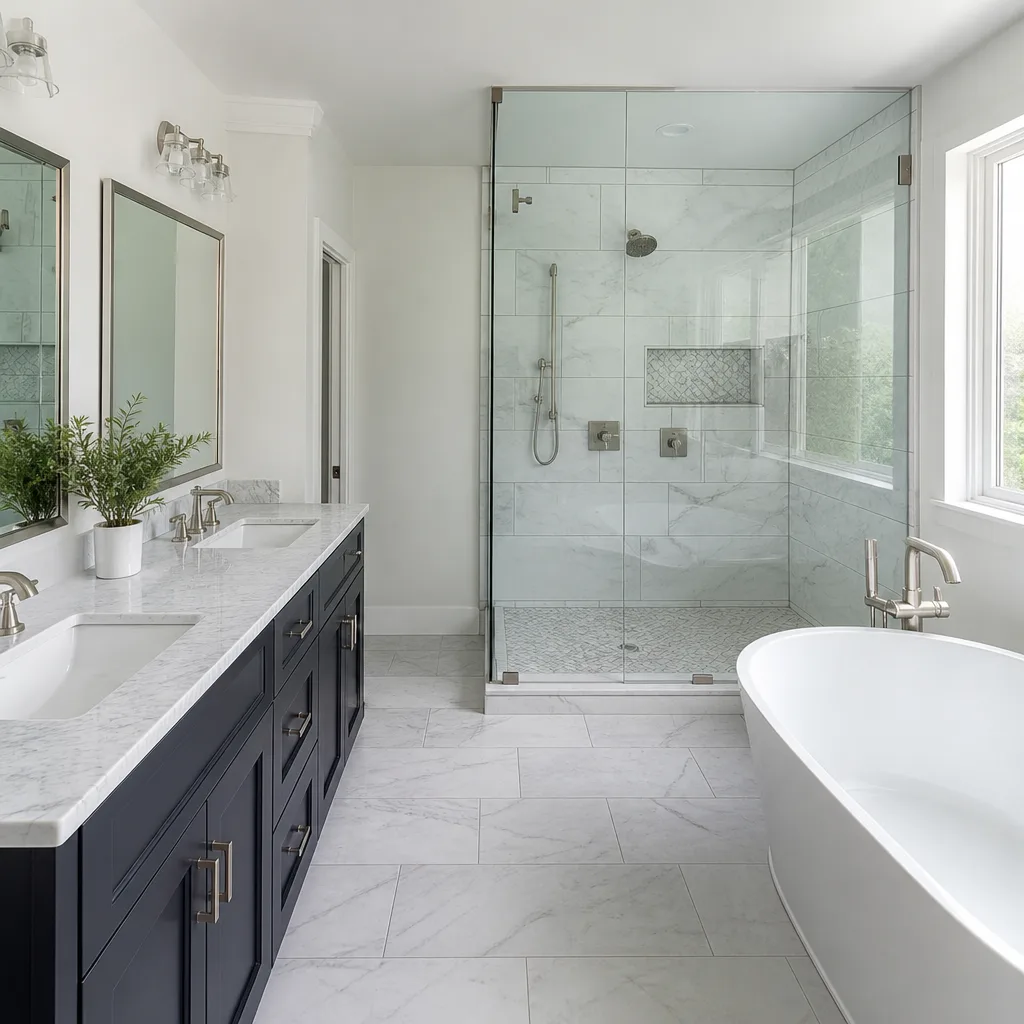
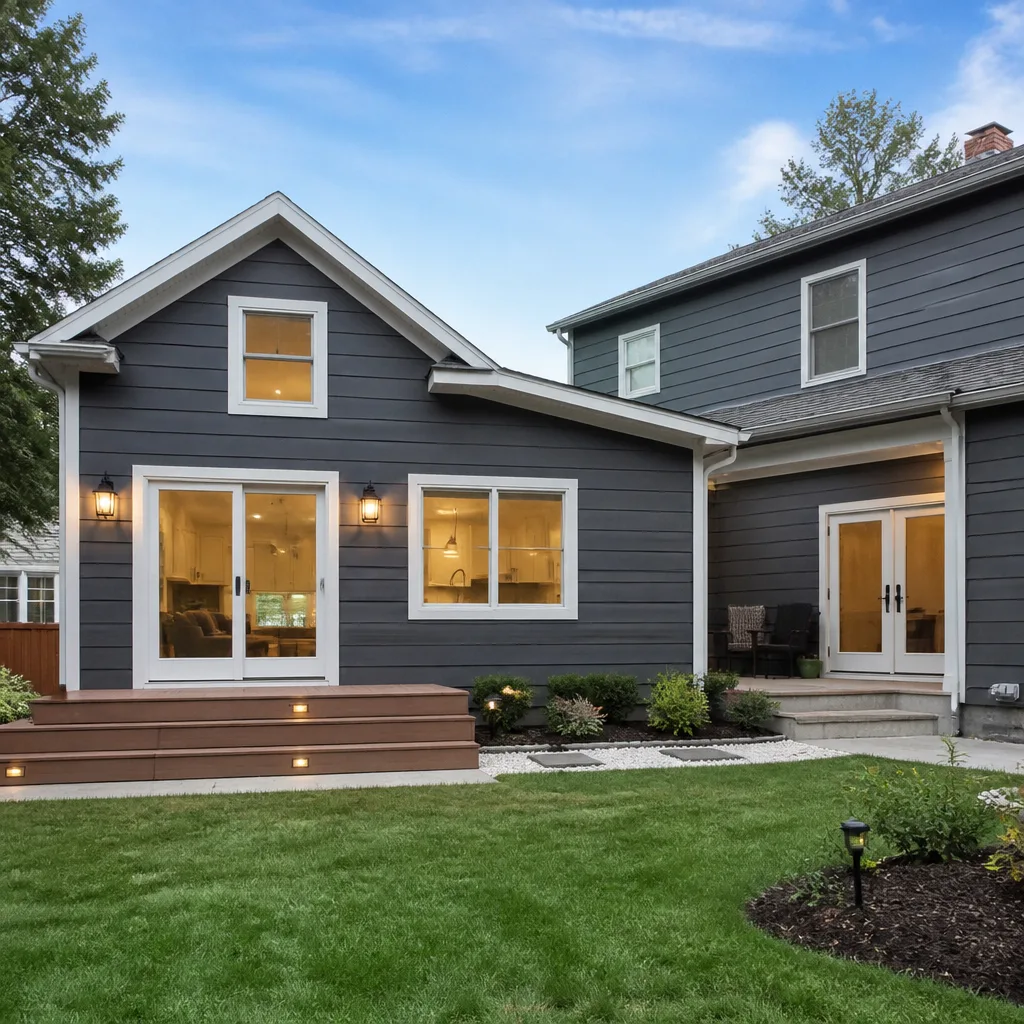

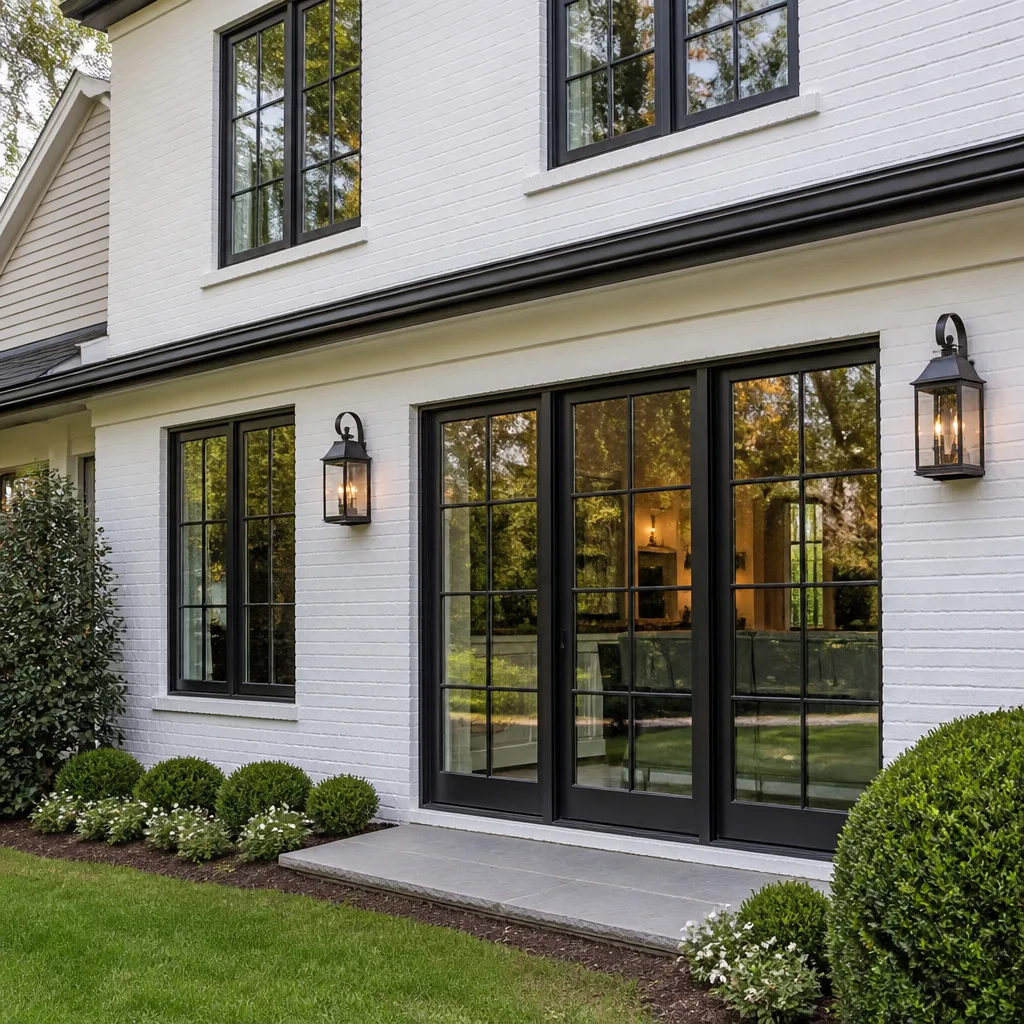
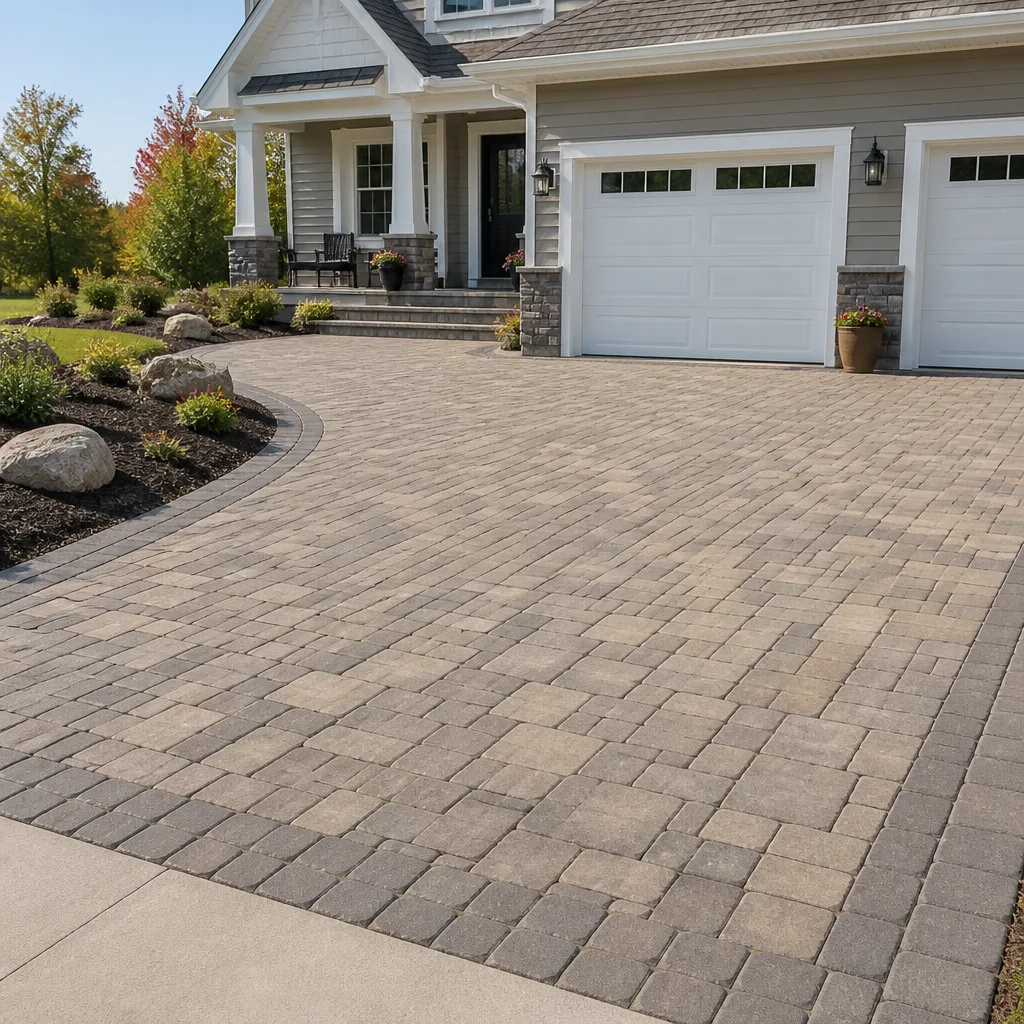
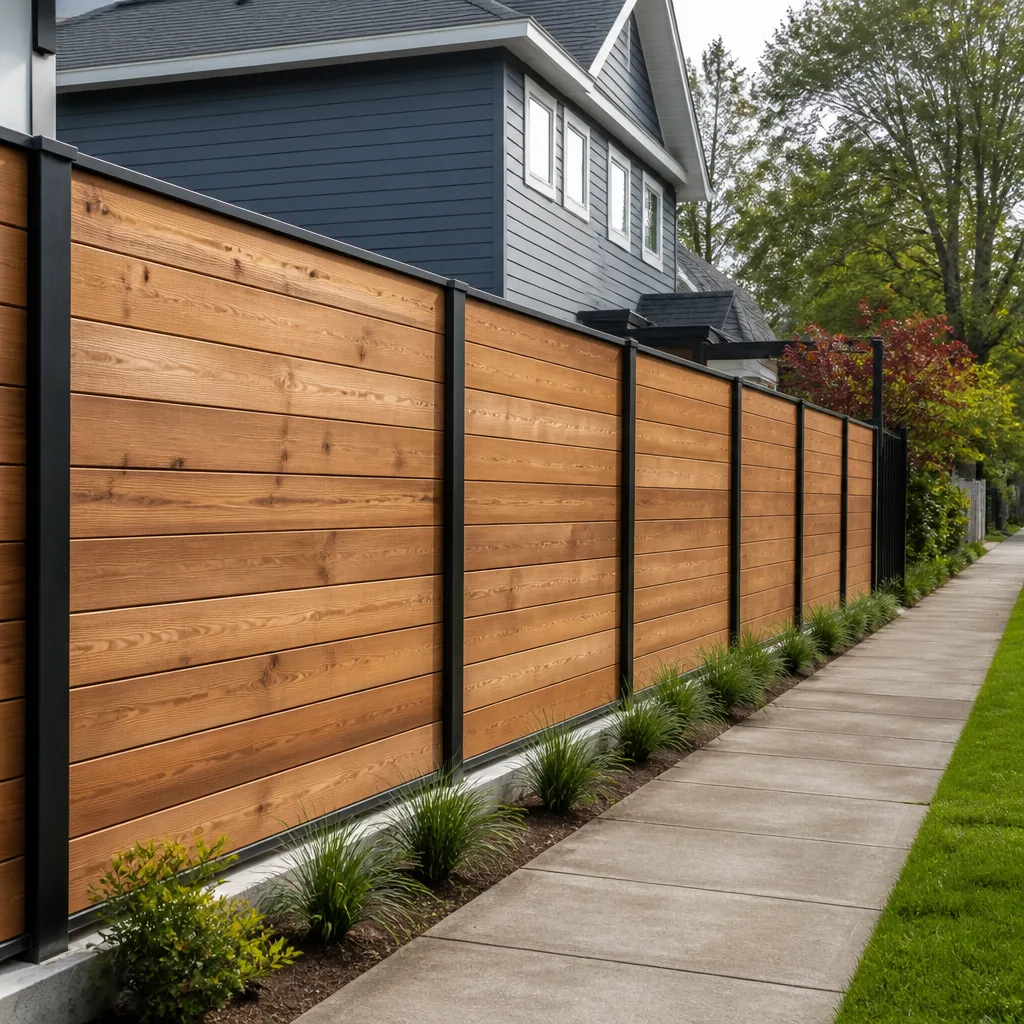
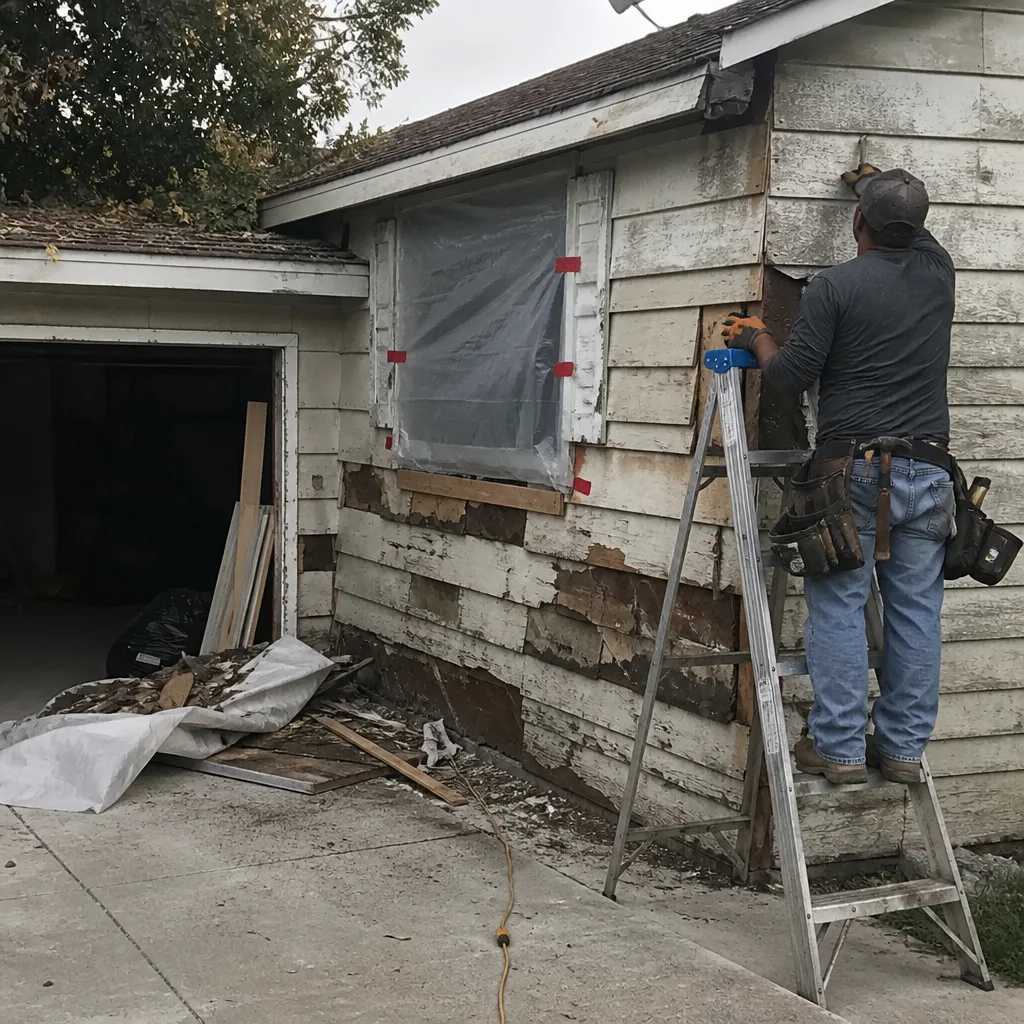 Before
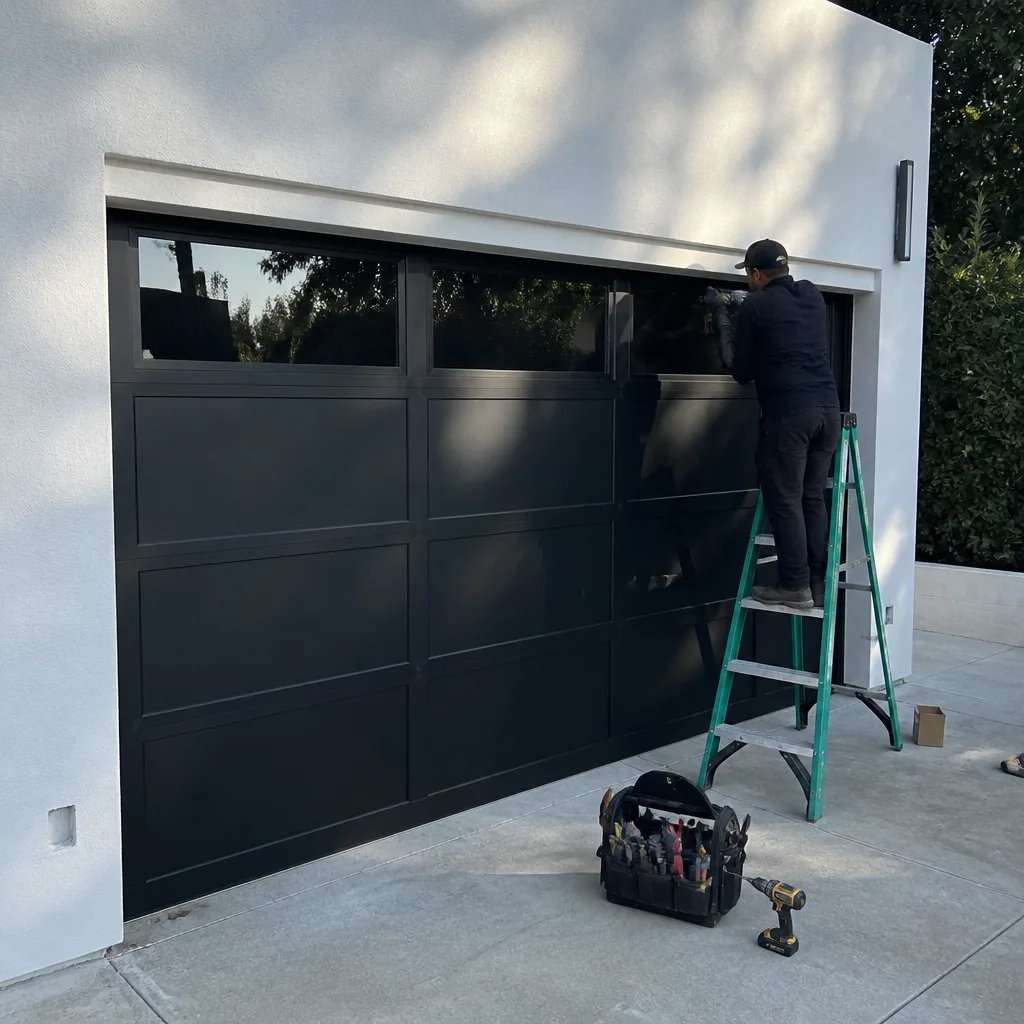 After
After Before
 After
After Before
 After
AfterConstruction Cost Breakdown: The Los Angeles Homeowner’s Reference for 2026
Ask a homeowner in Dallas what a midrange kitchen remodel runs and they’ll say $35,000. Ask the same question in Los Angeles and you’ll hear $55,000 to $70,000, often from people who paid it. The gap is not greed. It’s building code density, seismic retrofit requirements, some of the highest workers’ compensation insurance rates in the country, and a permitting queue that adds weeks of carrying costs to every job. What most estimates never show you is where the money actually goes. This guide breaks down the real line items behind a 2026 Los Angeles construction budget, so you can read a bid the way a contractor does and negotiate from facts instead of guesswork. For more guides & resources, visit our blog.
Quick Answer
Construction costs in Los Angeles in 2026 run roughly 15% to 35% above the national average depending on trade, driven by licensing requirements, permit timelines, seismic codes, and labor rates. A midrange kitchen remodel typically lands between $45,000 and $85,000; a hallway bathroom between $22,000 and $40,000; and a whole-home interior refresh between $120,000 and $250,000. The largest single cost is always labor, followed by materials, with permit fees and contractor overhead each taking 8% to 15% of the total.
Table of Contents
- Why Los Angeles Construction Costs More Than the National Average
- The Real Line-Item Breakdown: Where Every Dollar Goes
- 2026 Cost Ranges by Project Type in Los Angeles
- How to Read a Contractor Bid for Hidden Cost-Shifting
- The Real Cost of Unpermitted Work in LA
- What a Written Upfront Price Actually Protects
- How to Negotiate an LA Remodel Without Insulting Your Contractor
- Financing and Payment Schedules: What’s Normal in LA
Why Los Angeles Construction Costs More Than the National Average
Los Angeles has building requirements that exist almost nowhere else in the United States. Every structural change, most electrical work, and a surprising amount of plumbing work requires a permit pulled through LADBS, the Los Angeles Department of Building and Safety. That department has been understaffed since the pandemic, which means plan checks that once took two weeks now take six to ten. Holding a project open for an extra month costs a contractor real money: job-site insurance, rented dumpsters, and crew time that cannot be reassigned without disrupting the schedule.
Labor is the bigger driver. In our experience, Los Angeles carpenters charge $75 to $110 per hour, plumbers $120 to $180, and licensed electricians $130 to $200. National averages run 20% to 35% lower. The reason is simple: Los Angeles County requires state licensing, city registration, and in many cases union-scale competition that pushes wages up. A licensed electrician in LA has passed a state exam, maintained continuing education, and carries liability insurance that costs more here because litigation and property values are higher.
Seismic code is the third factor. California’s Title 24 energy standards and the city’s mandatory retrofit ordinance for soft-story and non-ductile concrete buildings add engineering, materials, and inspection costs that homeowners in other states never see. A shear wall that costs $2,000 in Phoenix runs $6,000 to $9,000 in a 1920s Los Angeles house because it requires engineering, Simpson ties, plywood shear panels, and a special inspection.
And materials logistics are genuinely harder here. Dense streets, parking restrictions, and limited staging space mean most deliveries arrive on smaller trucks with more handling. A pallet of drywall that costs $400 to deliver in a suburb of Houston costs $600 to $800 to deliver to Silver Lake or West Hollywood, when the truck can even park.
The Real Line-Item Breakdown: Where Every Dollar Goes
Most contractor bids in Los Angeles break down into five categories. Understanding each one lets you see what is fair and what is being shifted.
- Labor (40% to 55% of total): Wages for carpenters, plumbers, electricians, tilers, painters, and general labor. Includes workers’ compensation, which in California runs 15% to 25% of payroll for remodelers, far above the national average.
- Materials (25% to 35% of total): Cabinetry, countertops, tile, fixtures, flooring, lumber, drywall, paint, and hardware. In LA, materials prices are 10% to 20% higher than the national average due to freight costs and local warehousing.
- Permits and inspections (3% to 8% of total): LADBS plan check fees, permit fees, school district fees for residential additions, and inspection scheduling costs. A kitchen remodel with electrical and plumbing changes typically carries $1,500 to $4,000 in permit costs. A room addition can hit $10,000 to $20,000 before a single wall is framed.
- Contractor overhead (8% to 15% of total): General liability insurance, trucks, tools, office staff, the live person who answers the phone. In Los Angeles, general liability insurance for a remodeling contractor often costs triple what it costs in Arizona or Nevada. This line exists on every legitimate bid. If it’s missing, the contractor is either not insured or hiding it somewhere else.
- Contingency (5% to 10% of total): Money held for the things you cannot see until the wall is open: rotted framing, outdated wiring, cast-iron drain pipes, asbestos wrap. In a 1920s or 1930s Los Angeles house, something unexpected is discovered in roughly 80% of kitchen and bath remodels. A contingency line is a sign of honesty, not padding.
Here is a real-world example from a midrange kitchen remodel we priced in the San Fernando Valley in early 2026:
| Line Item | Cost | % of Total |
|---|---|---|
| Demolition and hauling | $3,200 | 5% |
| Rough carpentry and framing | $4,800 | 8% |
| Electrical (new circuits, recessed lighting, under-cabinet) | $6,500 | 11% |
| Plumbing (sink relocation, gas line for range) | $4,200 | 7% |
| Cabinetry (KraftMaid semi-custom, 18 linear feet) | $14,500 | 24% |
| Countertops (Caesarstone quartz, 45 square feet) | $5,800 | 10% |
| Tile backsplash and flooring | $3,900 | 7% |
| Permits and inspections | $2,300 | 4% |
| Overhead and insurance | $6,100 | 10% |
| Contingency | $4,700 | 8% |
| Project total | $56,000 | 100% |
2026 Cost Ranges by Project Type in Los Angeles
Numbers matter more than adjectives. Here is what we are actually quoting in Los Angeles as of 2026, with the variables that move each number up or down.
Kitchen Remodel
- Cosmetic refresh (paint, hardware, light fixtures, no layout change): $18,000 – $32,000
- Midrange remodel (new cabinets, countertops, appliances, flooring, some electrical): $45,000 – $85,000
- Full gut with layout change (moving plumbing and electrical, structural work, custom cabinetry): $90,000 – $150,000+
The two biggest variables are cabinet line and countertop material. Stock cabinets from a big-box store can run $4,000 for 18 linear feet; semi-custom from KraftMaid or Wellborn runs $12,000 to $20,000; full custom from a local cabinetmaker runs $25,000 and up. On countertops, a laminate top costs $1,500 to $3,000 installed, while Cambria quartz runs $90 to $140 per square foot installed, or roughly $4,000 to $6,500 for a typical kitchen.
Bathroom Remodel
- Guest bath refresh (new vanity, toilet, fixtures, paint, no tile change): $12,000 – $20,000
- Full guest bath remodel (new tub or shower, tile, flooring, electrical, plumbing): $22,000 – $40,000
- Primary bathroom with structural changes (moving walls, expanding footprint, walk-in shower, freestanding tub): $45,000 – $90,000
Bathroom labor runs higher per square foot than any other room because so many licensed trades converge in a small space, and tile work is slow. A custom shower pan, properly waterproofed with a cement board substrate (the moisture-resistant layer behind your tile) and a hot-mop or Schluter membrane, takes three to five days alone. Skip the waterproofing and you are paying for a mold problem later, which in Los Angeles with our hard water and humidity swings means within two years.
Whole-Home Remodel
- Interior refresh of a 1,500-square-foot house (paint, flooring, doors, trim, light fixtures, no structural work): $60,000 – $110,000
- Full interior remodel including kitchen, two bathrooms, electrical upgrades, and flooring: $120,000 – $250,000
- Addition (300 to 500 square feet, permitted, with foundation and roof work): $150,000 – $350,000
Additions carry the highest per-square-foot cost in Los Angeles because they trigger the most planning and permitting. A 400-square-foot primary suite addition in Glendale or Pasadena often runs $250,000 to $350,000 once you count architectural drawings, structural engineering, LADBS plan check, school district fees, and the cost of matching rooflines on a house built in 1955.
How to Read a Contractor Bid for Hidden Cost-Shifting
A bid is not a number. It is a document, and contractors who want the job without doing the work use specific moves to make their number look lower than the honest competition. Here are the four most common warning signs.
- The low allowance. A bid lists “allowance for tile: $2.50 per square foot.” Real tile in Los Angeles starts at $4 to $6 per square foot for anything you would actually want on your floor. The contractor knows you will pick a more expensive tile and pay the difference as a change order. A written bid should list allowances that reflect real material costs for the quality level you discussed.
- The buried exclusion. “Demo and disposal by others” or “electrical by owner’s electrician” tucked into the scope language. Read the exclusions section first. If demolition is not on the bid, the contractor is about to ask for $3,000 to $6,000 as a change order on day one.
- The split demo line. Some contractors list demolition as a separate line item above the real scope, or move it to “Phase 2” so the headline number drops by 8% to 12%. Then they charge for it anyway once the kitchen is gutted.
- The vague “as needed” line. “Framing repairs as needed” or “plumbing adjustments as needed” with no dollar figure attached. As needed means you will need it, and the number will appear later. Demand a defined allowance with a not-to-exceed number.
At Penhallow Remodeling, we put the price in writing before any work starts, and the number on day one is the number on the invoice. That’s The Kingswell Way: say the price before the work, show up in the window we gave, leave the place cleaner than we found it. Any legitimate Los Angeles contractor will do the same when you ask.
The Real Cost of Unpermitted Work in LA
Somewhere in every Los Angeles homeowner’s orbit is a handyman who will rewire a kitchen for $2,500 cash and no permit. The savings are real. The costs come later, and they are not small.
If LADBS discovers unpermitted work, through a neighbor complaint, an insurance claim, or a title search at resale, the homeowner faces a stop-work order and a fine that starts around $500 and scales with the scope of work. The bigger cost is retroactive compliance. The city will require you to open the walls, bring the work to code, and pay a “double fee” on the permit: twice the standard cost. A $2,500 unpermitted rewiring job can become a $15,000 to $30,000 correction once a licensed electrician, a drywall contractor, and a painter are involved.
Then there is the title problem. Standard title insurance in California excludes unpermitted work from coverage. When you sell, a buyer’s lender can flag the unpermitted addition or rewired panel, refuse to fund the loan, and force you to resolve the permit before closing or sell at a discount. In Los Angeles, where houses sell for seven figures, that discount routinely runs $20,000 to $50,000.
Pull the permit. It is slower and it costs money up front, but it costs less than the alternative.
What a Written Upfront Price Actually Protects
A verbal estimate protects the contractor. A written price protects you. The difference is what happens when the number changes three weeks into the job.
In California, a contractor can change a price only through a written change order that you sign. If the original scope of work is written down, the contractor needs your signature to charge you one dollar more. If the scope is verbal, the contractor can argue the change was part of the original understanding, and you are negotiating from nothing.
Watch for this contract language: “Price subject to adjustment based on actual site conditions” without a defined process or a not-to-exceed cap. That clause, in the wrong hands, is a blank check. A legitimate contingency allowance says what it covers, caps the amount, and returns the unused balance to you.
Our policy at Penhallow Remodeling is to write the full scope and price before any work starts, then give you a written guarantee alongside it: the 365-Day Done Right Promise. If something we built fails inside a year, we come back and fix it at no charge. Not a re-inspection fee, not a service call charge. The promise is in writing with every project.
How to Negotiate an LA Remodel Without Insulting Your Contractor
You can negotiate a Los Angeles remodel. You just have to negotiate the right things.
- Ask for the bid as line items, not one number. A contractor who resists this is hiding something. Line items let you compare bids apples to apples and see exactly where one company is charging more.
- Negotiate scope, not price. “Can we do a shower instead of a tub to save $2,000?” beats “Can you do it for less?” every time. Reducing scope is fair to both sides. Asking a contractor to cut their margin means they cut hours or materials somewhere, and you pay for that later.
- Check the allowances against real prices. If one bid has an $8,000 cabinet allowance and another has $14,000, the first contractor is not cheaper. He is underfunding the job and planning to bill you later.
- Ask about the contingency. A contractor who includes a 5% to 10% contingency is being honest about what happens inside a 1940s Los Angeles wall. A contractor who says “no contingency needed” is either inexperienced in this city’s housing stock or planning to invoice every surprise separately.
- Verify the license. The California Contractors State License Board website takes 90 seconds to search. Check that the license is active, matches the name on the contract, and has no unresolved complaints. In Los Angeles, this check is not optional.
Financing and Payment Schedules: What’s Normal in LA
California limits the down payment a contractor can collect at 10% of the contract price or $1,000, whichever is less. Anything above that is a violation of state law and a red flag. Legitimate financing through a contractor’s lending partner is available but rare; most Los Angeles homeowners pay remodels through a home equity line of credit, a cash-out refinance, or savings.
Typical payment schedules run 20% to 30% at contract signing, 40% to 50% drawn across the project as milestones are completed, and a 10% to 20% retainage held until final inspection and punch list. Never pay a contractor the full amount before the job is finished and inspected. In our company, we hold the final payment until the LADBS final inspection has passed and you have signed off on the punch list.
Common Mistakes to Avoid
- Buying materials before the permit is approved. If LADBS requires changes to your plans, you cannot return a custom-ordered cabinet set. Wait until the permit is issued before ordering anything non-returnable.
- Hiring a contractor without workers’ compensation insurance. If a worker is hurt on your Los Angeles property and the contractor has no coverage, your homeowner’s insurance is on the hook. Ask for a certificate of insurance with your name listed as the certificate holder.
- Taking the lowest bid without comparing scope. In Los Angeles, a $38,000 kitchen bid next to a $56,000 bid does not mean the first contractor is cheaper. It means the first contractor left something out. Compare line items before choosing.
- Skipping the permit on plumbing and electrical. The money you save today becomes a title insurance problem and a lender objection when you sell. Los Angeles buyers and their agents check.
- Assuming the contractor pulls the permit. Some Los Angeles contractors write “owner to obtain permits” into the contract. Read the document. Pulling an owner-builder permit transfers legal liability for the work to you and may void the contractor’s insurance.
- Basing your budget on a national cost guide. National renovation cost calculators understate Los Angeles prices by 20% to 35%. A $45,000 kitchen in the Midwest is a $60,000 kitchen here. Use local numbers.
- Not getting the guarantee in writing. Verbal promises about warranty work disappear. If the “warranty” is not in the contract, you do not have a warranty.
When to Call a Professional
If your remodel involves structural changes, moving plumbing or electrical lines, opening walls in a pre-1980 Los Angeles house, or any work that will be examined by a future buyer’s inspector, hire a licensed general contractor and pull the permit. The savings from doing it yourself or hiring a handyman are real, but they are a fraction of what unpermitted corrections and failed inspections cost later. Penhallow Remodeling offers free estimates across Los Angeles. Call (936) 259-2607 and we will walk your project, put the price in writing before any work starts, and back the whole thing with our 365-day promise. We answer the phone with a real person, 24/7, no voicemail maze.
Frequently Asked Questions
A midrange kitchen remodel in Los Angeles runs $45,000 to $85,000, while a full gut with layout changes runs $90,000 to $150,000 or more. Cabinet grade, countertop material, and permit complexity are the three biggest cost drivers. Call (936) 259-2607 for a free written estimate on your specific kitchen.
Los Angeles has licensing density, seismic codes, high insurance costs, and a slow permitting process that all raise contractor overhead and labor rates 20% to 35% above the national average. A licensed electrician here charges $130 to $200 per hour compared to $80 to $120 in most of the country. These are input costs, not margin inflation.
A full guest bathroom remodel in Los Angeles runs $22,000 to $40,000, and a primary bathroom with structural changes runs $45,000 to $90,000. Tile work, waterproofing, and the number of licensed trades in a small space drive the cost. Reach out for a free, no-pressure bathroom estimate.
If you are changing electrical circuits, moving plumbing, or altering bearing walls, yes, you need an LADBS permit. Cosmetic changes like paint, cabinet refacing, and countertop replacement without layout changes typically do not require a permit. Skipping a required permit creates title insurance problems and retroactive compliance costs at resale.
A written price can only change through a change order you sign. Review the exclusions and allowance amounts in the bid before signing. If allowances are set below real material costs, the contract is built to charge you more later. At Penhallow Remodeling, our written number on day one is the number on the invoice, backed by a written guarantee.
California law caps a contractor down payment at 10% of the contract price or $1,000, whichever is less. Any contractor asking for more than that before work begins is operating outside state law.
The Bottom Line
Los Angeles construction costs are high because the city’s code, labor market, insurance environment, and housing stock make them high. The homeowner who understands where the money goes can read a bid for what it is, negotiate from real line items, and avoid the expensive traps: unpermitted work, low allowances, buried exclusions, and missing warranties. Demand a written price. Verify the license. Pull the permit. And if the contractor will not put the guarantee in writing before the work starts, call one who will.
Written by Trevor Nash, Owner at Penhallow Remodeling, serving Los Angeles since 2004.