
Last updated October 8, 2026
Free written scope consultation - allowances, timeline, and change-order rules on paper before a single trade is scheduled
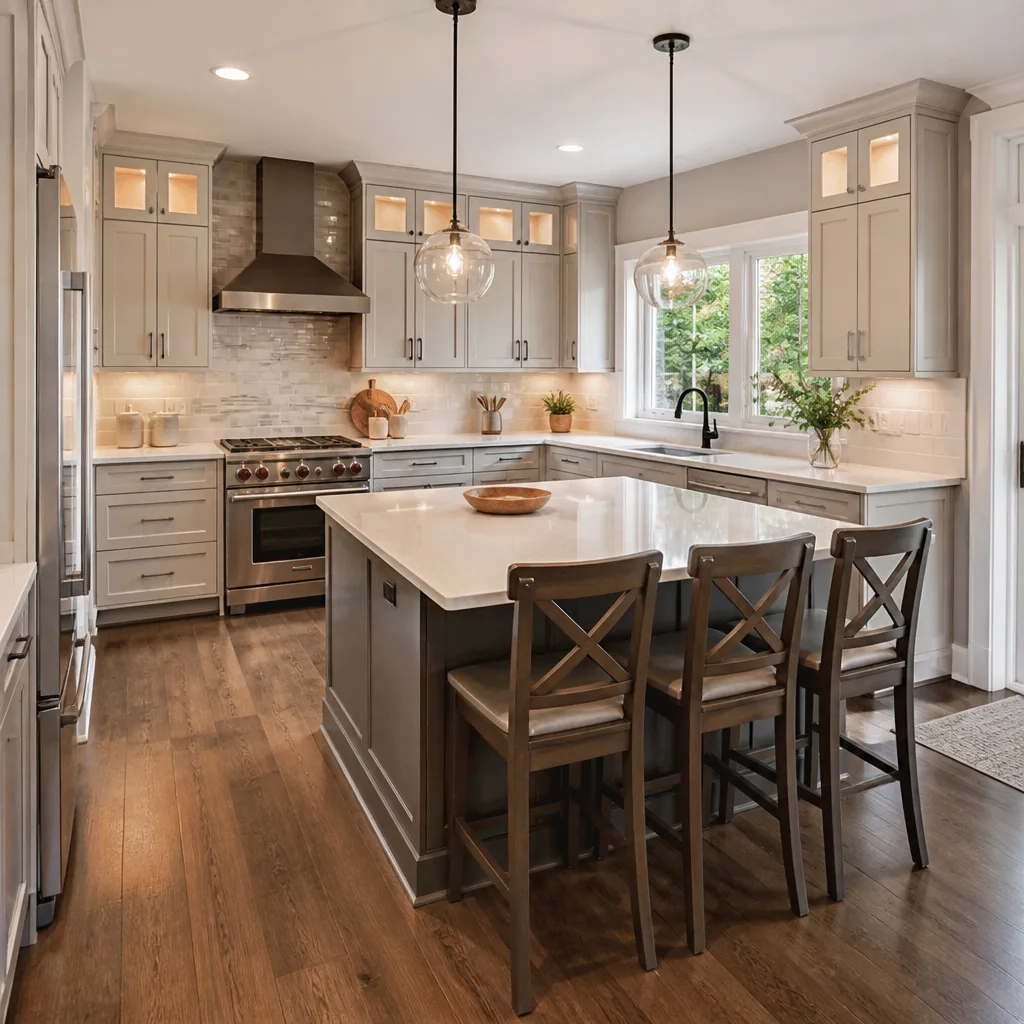
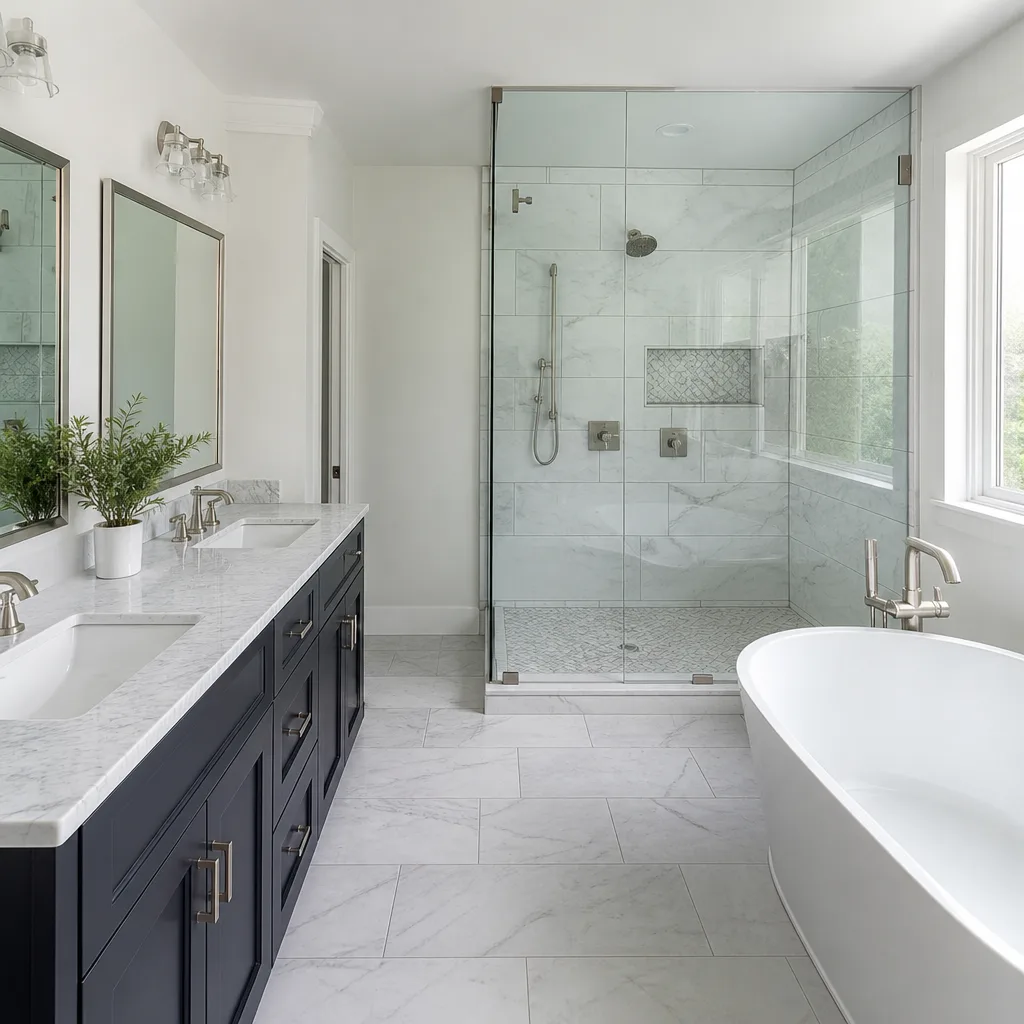
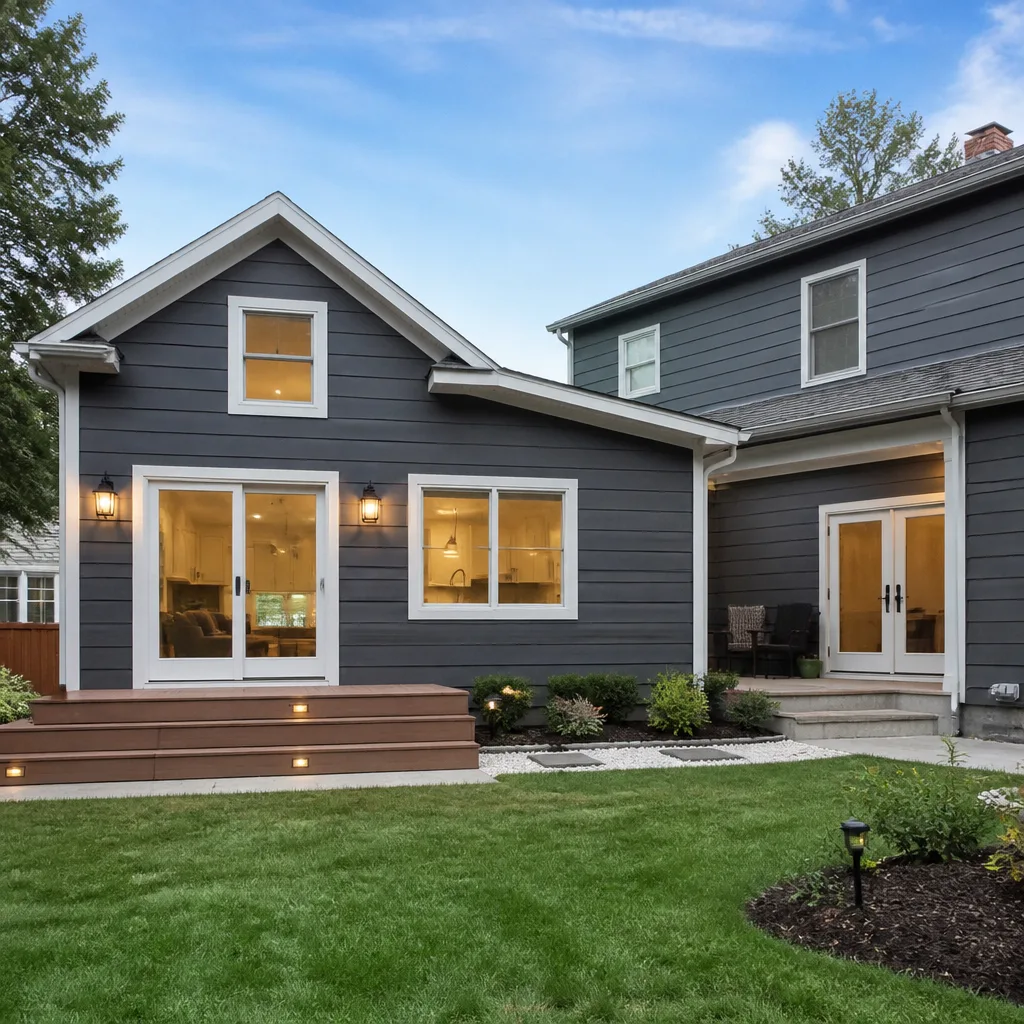

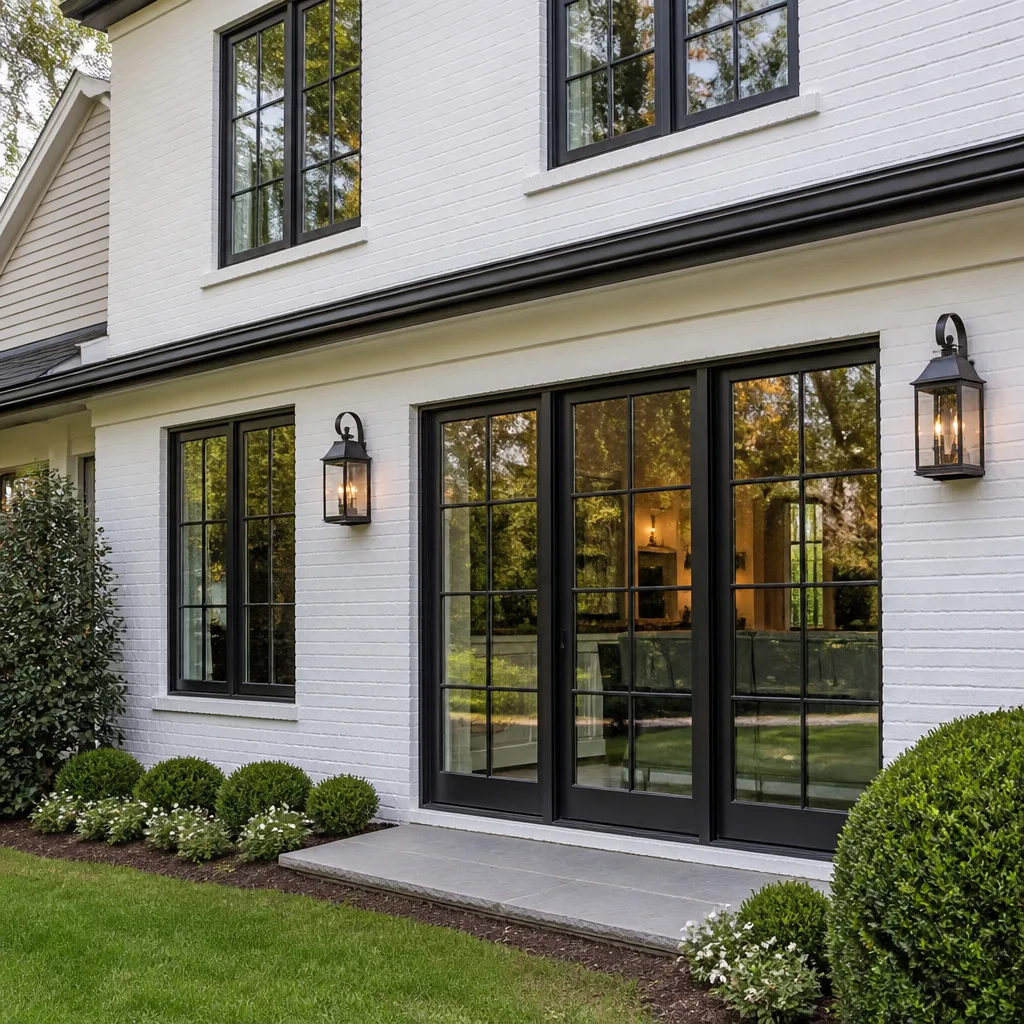
 Before
 After
After Before
 After
After Before
 After
AfterConstruction Permits, Codes & Inspections in CA: What You Need to Know
The most expensive permit mistake in Los Angeles isn’t pulling the wrong one. It’s skipping one on a previous owner’s watch and discovering it during your own remodel, when the city requires you to bring everything up to current code before they’ll sign off on your new work. LA title searches don’t show unpermitted work. That addition the seller loved becomes your problem the moment you open a wall next to it, because the inspector standing in your kitchen doesn’t care who built it. This guide walks you through what actually happens with Los Angeles construction permits, which code layers apply, and how to avoid paying for someone else’s shortcut.
Quick Answer
In California and Los Angeles, most construction beyond cosmetic changes requires a permit from the Los Angeles Department of Building and Safety (LADBS), and work must meet both state code and local overlays like hillside ordinances and fire zone requirements. Unpermitted work from a prior owner is the sleeping liability in most remodels: when you open a wall on permitted new work, inspectors can flag adjacent unpermitted work and trigger current-code compliance on that old work before your project can pass. Running a permit history search on your address before buying or remodeling is the single most protective step you can take, and it’s free through the LADBS portal.
Table of Contents
- How to Run a Permit History Search on Any LA Property
- The Contagion Rule: When Prior Owner’s Work Becomes Your Problem
- LA Code Overlays That Go Beyond State Code
- What an Inspection Hold Is and How Scheduling Works Around It
- Permit-Ready vs. Over-the-Counter Permits
- What Construction Permits Cost in Los Angeles
- Common Mistakes to Avoid
- When to Call a Professional
- Frequently Asked Questions
How to Run a Permit History Search on Any LA Property
Before you buy a house in Los Angeles or before you start demo on one you already own, pull the permit history. It takes about ten minutes and it tells you what was legally built, what was never inspected, and what code cycle the existing work falls under. Sellers rarely mention the unpermitted sunroom or the bathroom added without a sign-off, and disclosure forms in California often list “unknown” rather than “no” when it comes to permits. The burden is on you to find out.
The LADBS portal is at ladbs.org. Here are the steps we walk our own clients through when they’re evaluating a property that might have unpermitted history:
- Go to ladbs.org and click “Check Status” under the Online Services menu.
- Enter the full street address, including the street direction (N, S, E, W) if Los Angeles uses one for your street. Skip the unit number unless you’re in a condo or ADU situation; the base address usually returns the most complete history.
- Look for “Permit” and “Inspection” records side by side. A permit that was issued but never had a final inspection signed off is a red flag. In LA, that means the work exists but the city never verified it.
- Check the “Description of Work” column on every record. Compare what the permit says (“replace water heater”) against what the property actually shows (full bathroom remodel). Mismatches are common, and they mean work was done beyond the scope of what was approved.
- If the search returns nothing at all, don’t assume the house is clean. Older Los Angeles homes, especially pre-1950 construction in neighborhoods like Highland Park, West Adams, or Van Nuys, often have work that predates LADBS digital records. In that case, call 311 or visit your local LADBS district office and ask for a record search. You can also request a Certified Property Records Search, which costs a small fee and gives you a formal document.
We’ve had Los Angeles homeowners discover a fully finished basement apartment that never had an occupancy certificate, a pool added in the 1980s with no electrical inspection, and a garage converted to living space with zero permits. None of those showed up in the seller’s disclosure. All of them showed up in the LADBS portal.
One more thing: if you’re buying, run this search during your inspection contingency period, not after closing. Once the house is yours, the unpermitted work is yours too, and the city doesn’t offer sympathy discounts.
The Contagion Rule: When Prior Owner’s Work Becomes Your Problem
California code has a provision that catches people by surprise: when you pull a permit to remodel part of a house, the inspector is not limited to reviewing only the new work. If they see adjacent work that was clearly done without permits, they can require you to bring that space up to current code before they’ll sign off on your project. We call this the contagion rule. It’s not a formal name in the code book, but it describes exactly how the liability spreads.
Here’s what it looks like in practice. You pull a permit for a kitchen remodel in a 1960s home in the San Fernando Valley. The plan is new cabinets, countertops, and a wall removal. During rough-in inspection, the inspector notices the back bathroom that was clearly redone at some point with new plumbing and wiring that doesn’t match any permit on file for the address. The inspector can put a hold on your kitchen permit and require you to bring that bathroom’s plumbing and electrical up to current code. Your $45,000 kitchen remodel just gained a $18,000 bathroom code-compliance project.
This typically triggers in three situations:
- You open a shared wall or ceiling. Once the framing is exposed, the inspector sees what’s inside. Old knob-and-tube wiring, unpermitted plumbing roughed in behind drywall, or structural cuts that were never signed off all become visible.
- Your project connects to unpermitted systems. If your new kitchen wiring ties into a subpanel that was installed without a permit, or your new bathroom plumbing drains into an unpermitted line, the inspector will trace the system back and flag the old work.
- The inspector has reason to look. A file with a history of complaints, multiple gas or electrical meters that don’t match the record, or visible exterior additions that don’t appear in the permit history all invite closer review.
The rule to remember is this: the inspector standing in your Los Angeles kitchen doesn’t care who built it, when they built it, or whether you knew about it. If it’s not permitted and it’s exposed, it’s yours to fix. Our approach at Penhallow Remodeling home is to run the permit history on every project before we touch a wall. If we see unpermitted work adjacent to the remodel zone, we tell you before the inspector does, and we price the compliance work into the written estimate. That way the number on day one is the number on the invoice, not a surprise discovery at rough-in.
LA Code Overlays That Go Beyond State Code
California building codes apply statewide, but Los Angeles layers its own ordinances on top. Homeowners who read a generic state-code guide think they know what applies to their house, then get a correction notice citing a Los Angeles Municipal Code section they’ve never heard of. These overlays are especially aggressive in hillside zones, fire zones, and anywhere an ADU is proposed.
The three Los Angeles overlay categories that most often change a remodel scope are:
- Hillside ordinances. Los Angeles treats hillside construction differently than flatland. If your property is in a hillside area, which includes much of Bel Air, Studio City’s canyon streets, Silver Lake, Echo Park, and parts of El Sereno, you’ll face stricter grading rules, retaining-wall requirements, and foundation standards. A simple one-story addition on a slope can require a soils report and a geotechnical engineer’s sign-off before the city issues the permit. Flatland homes don’t face that step. Hillside homes do, every time.
- Fire zone requirements. Large portions of Los Angeles sit inside Very High Fire Hazard Severity Zones. This includes neighborhoods along the 210 corridor, the hills above Burbank and Glendale adjacent to Los Angeles, and much of the West Valley’s foothill areas. In these zones, exterior remodels must use ignition-resistant materials. That means Class A roofing, specific eave and vent detailing, and in some cases tempered-glass windows. James Hardie siding is a common material we specify in these zones because it meets the ignition-resistant standards while giving the homeowner a product with a strong warranty behind it. If your house is in a fire zone, your remodel cost will run higher than an identical house in a non-fire-zone neighborhood.
- ADU setback rules by council district. Accessory dwelling units are governed by state law in California, but Los Angeles interprets and enforces that law through council district-specific provisions. Setback requirements, parking requirements, and height limits can vary by district, and a compliant ADU plan in CD4 might need revisions in CD11. If you’re adding an ADU to a Los Angeles property, don’t rely on the state handbook. Check with LADBS and your council district’s planning office for the local interpretation.
These overlays are why a General Contractor in Los Angeles with local permit experience is worth the cost. A contractor who only works to state code will miss the municipal layer, and the correction notice arrives after you’ve already spent money on materials that don’t comply.
What an Inspection Hold Is and How Scheduling Works Around It
An inspection hold in Los Angeles means your project stops. LADBS has placed a hold on the permit, and no further inspections will be scheduled until the issue that triggered the hold is resolved. For a homeowner paying a contractor, an inspection hold is a calendar killer. It can add two weeks to a project without a single tool being picked up.
Holds happen for predictable reasons:
- Unresolved correction notices. The inspector flagged an issue at the last visit, and the correction hasn’t been filed, fixed, or re-inspected.
- Mismatched records. The work on site doesn’t match the approved plans. This happens when a contractor makes field changes without filing a revision.
- Unpermitted work discovered. The contagion rule triggers, and the inspector places the hold until compliance is addressed.
- Fee or document issues. An unpaid LADBS fee or a missing document in the permit file can hold everything up.
The thing about Los Angeles inspection holds is that they’re not arbitrary. They happen for a reason, and they’re almost always avoidable with a contractor who files permits correctly, updates plans when changes happen, and walks the inspector through the work at each stage. The inspection windows themselves are tight: LADBS typically schedules inspections within a few days, and missing an inspector costs you another scheduling cycle. A good contractor’s schedule accounts for these windows rather than pretending they don’t exist. We build inspection buffer days into every project timeline we quote in Los Angeles, because the alternative is telling a homeowner their kitchen is stalled for a week while we wait for the city’s next available slot.
If your contractor tells you they “handle permits on the side” or “know a guy at the city,” ask what happens when a hold comes down. If they can’t explain the resolution process, they’re going to learn it on your project, and you’re going to pay for the delay in lost weeks.
Permit-Ready vs. Over-the-Counter Permits
Los Angeles has two very different permit paths, and homeowners who confuse them add weeks to their timeline. An over-the-counter permit is one you can walk into LADBS and walk out with the same day. These are low-complexity projects: water heater replacements, certain electrical panel upgrades, some window replacements, and simple re-roofs. The review is minimal because the scope is standard.
A permit-ready project is one where the plans are complete, code-compliant, and ready for submission, but the city still needs to review them. Kitchen remodels with structural changes, bathroom remodels that move plumbing, additions, and most projects that touch load-bearing walls fall into this category. “Permit-ready” means your contractor has done their job. It does not mean the permit is approved.
The timeline difference is significant. An over-the-counter permit might be issued the same day. A permit-ready project in Los Angeles can take two to six weeks in plan check, depending on the district office’s current load, the complexity of the project, and whether the plans come back with comments. If the plans aren’t right the first time, the revision cycle adds another round of review.
This is where the phrase “we’ll start next week” needs scrutiny. A contractor can’t start next week on a project that needs plan check, because the city hasn’t approved the plans. What that contractor actually means is they’ll do the demo next week without a permit, which puts your entire project at risk of a stop-work order. Every Kitchen Remodeling in Los Angeles project we price includes the permit plan check timeline in the written schedule. We tell homeowners exactly when the city has signed off and when our crew arrives, and those two dates are never the same.
What Construction Permits Cost in Los Angeles
Los Angeles permit fees are calculated on a valuation basis. The city assigns a value to your project based on the scope of work, and the fee is a percentage of that valuation. For most residential remodels in Los Angeles, permit fees run between 1% and 3% of the project’s construction value, with some categories running higher.
Here’s what that looks like in real numbers for common Los Angeles remodel projects:
- Kitchen remodel with no structural changes: $1,200 – $3,500 in permit and plan check fees, depending on whether electrical, plumbing, or both are involved.
- Bathroom remodel with plumbing relocation: $800 – $2,200, with the higher end applying when a new permit is required for a shower valve change, vent relocation, or waterproofing inspection.
- Whole-home interior remodel: $4,000 – $12,000 in combined permit fees, plan check fees, and LADBS inspection fees, depending on square footage and whether structural work is included.
- ADU construction: $8,000 – $25,000 in city fees alone before construction starts, once you account for LADBS permits, school district fees, and utility connection fees.
These are Los Angeles price ranges based on what we see across projects. Your specific number depends on the scope, your address, and whether your project triggers any of the overlays discussed earlier. The permit fee itself is non-negotiable, but a contractor who files the right scope the first time saves you the cost of revision filings and the time cost of a slower review.
As for materials that support a long-term investment: we install Cambria quartz and Silestone in Los Angeles kitchens, both of which carry manufacturer warranties that sit alongside our own 365-day Done Right Promise. Those material warranties matter when the city’s inspection is done and the real test is how the kitchen holds up over five years of daily use.
Common Mistakes to Avoid
- Skipping the permit history search before buying. In Los Angeles, this is the most expensive omission a homeowner can make. Ten minutes on the LADBS portal can reveal $30,000 in unpermitted liability before you close, and discovering it after closing means it’s yours to fix.
- Trusting a contractor who says “we don’t need a permit for this.” If the work involves structural changes, plumbing, electrical, or anything that changes the home’s footprint or floor plan, you need a permit in Los Angeles. A contractor who says otherwise is asking you to carry the legal risk.
- Confusing permit-ready with approved. “Permit-ready” means the paperwork is in. It doesn’t mean the city has signed off. Starting demo before plan check is approved is how stop-work orders happen.
- Ignoring local overlays. State code is the floor, not the ceiling. Hillside, fire zone, and historic district rules in Los Angeles add requirements that state code doesn’t cover. A contractor who doesn’t know your local overlay doesn’t know your project.
- Letting an unpermitted scope creep past the approved plans. If the contractor changes something in the field and doesn’t file it with LADBS, you’re now doing unpermitted work, and the inspector will catch it at the next visit.
- Not budgeting for permit and inspection time. Every project timeline needs buffer for city review and inspection scheduling. A contractor who promises a start date the week after signing without accounting for plan check is either cutting corners or lying.
- Assuming a seller disclosure is complete. Los Angeles real estate transactions frequently list “unknown” for permit status. Run your own search. Don’t take someone else’s word for it when it’s your kitchen being opened.
When to Call a Professional
Running the LADBS permit search is a homeowner task. Applying for and managing the permit itself is a contractor task, and in Los Angeles, it’s one of the most consequential parts of the job. Call a professional when you’re planning structural changes, when your remodel touches plumbing or electrical, when you’re adding square footage, or when the permit history search turns up anything that doesn’t match the house in front of you. The contractor you choose should file the permit, schedule the inspections, and stand behind the work after the final sign-off. If they can’t show you the permit history search for your address, or if they can’t explain the plan check timeline for your project, keep looking.
Bathroom Remodeling in Los Angeles and kitchen projects are exactly where unpermitted history hides, and the difference between a contractor who reads the file first and one who opens walls blind is the difference between a clean inspection and a hold notice. Penhallow Remodeling offers free estimates in Los Angeles. Call (936) 259-2607 and we’ll pull your permit history before we talk numbers.
Frequently Asked Questions
Go to ladbs.org, click “Check Status,” enter your address, and compare the permit records against what you see in the house. Any work that exists but has no matching permit is unpermitted. If the search returns nothing at all for an older home, call 311 or request a Certified Property Records Search through your local LADBS district office. If you’re mid-remodel and want an exact read on what the city has on file before opening walls, call (936) 259-2607 and we’ll walk the search with you.
Yes, Los Angeles allows retroactive permits for work done without a permit, but the process is not a rubber stamp. LADBS will require an inspection of the work in its current condition, and if it doesn’t meet current code, you’ll need to bring it into compliance before the permit is issued. The cost of retroactive permits varies widely depending on what’s found behind the walls, which is why we recommend checking before you remodel rather than after the inspector points it out.
You’ll receive a stop-work order, and the project halts until a permit is obtained. LADBS can also issue fines, and unpermitted work discovered during a later sale can derail the transaction or force a price reduction. In Los Angeles, unpermitted remodel work also gives your insurance company a reason to deny claims related to that work. The risk outweighs the saved permit fee every time.
Replacing cabinets and countertops without changing plumbing, electrical, or wall locations generally does not require a permit in Los Angeles. If your kitchen remodel includes moving a sink, adding outlets, removing walls, or changing gas lines, a permit is required. The trigger is what’s behind and underneath the surface, not the surface finishes themselves. We install KraftMaid and Wellborn cabinetry and Cambria or Silestone countertops, and we tell every Los Angeles client exactly where their project’s permit line sits before we quote the number.
Plan check for a standard residential remodel in Los Angeles typically takes two to six weeks, depending on the LADBS district office’s current volume and the complexity of your project. Structural changes, hillside projects, and anything in a fire zone add time. A contractor who builds a realistic inspection and plan check timeline into your schedule is one who has actually managed permits in Los Angeles before.
Most Los Angeles residential remodel permits run between 1% and 3% of the project’s construction value. A kitchen remodel permit often runs $1,200 – $3,500, a bathroom remodel $800 – $2,200, and a whole-home interior remodel $4,000 – $12,000 in combined city fees. The exact number depends on scope, address, and whether local overlays apply. For an exact permit cost estimate on your specific project, call (936) 259-2607. Estimates are free.
The Bottom Line
Construction permits in Los Angeles are the difference between a remodel that closes clean and one that stalls in inspection limbo. The city’s records are public and searchable, which means the unpermitted history on almost any house in LA is knowable before you buy or before you demo. Running the search, understanding the code overlays, budgeting for plan check time, and working with a contractor who files permits correctly the first time are the four things that keep a project on schedule and off the inspector’s flag list. For more guides & resources on navigating Los Angeles remodeling, see our blog. If the number on your written estimate includes the permit work, the plan check time, and the inspection schedule down to the week, you’re working with someone who treats the city’s process as part of the job rather than an obstacle to hide from.
Penhallow Remodeling offers free permit history reviews and written estimates for Los Angeles homeowners planning kitchen, bathroom, or whole-home remodels. Call (936) 259-2607 to get a written number before any work starts.
Written by Trevor Nash, Owner at Penhallow Remodeling, serving Los Angeles since 2004.