
Last updated October 8, 2026
Free written scope consultation - allowances, timeline, and change-order rules on paper before a single trade is scheduled
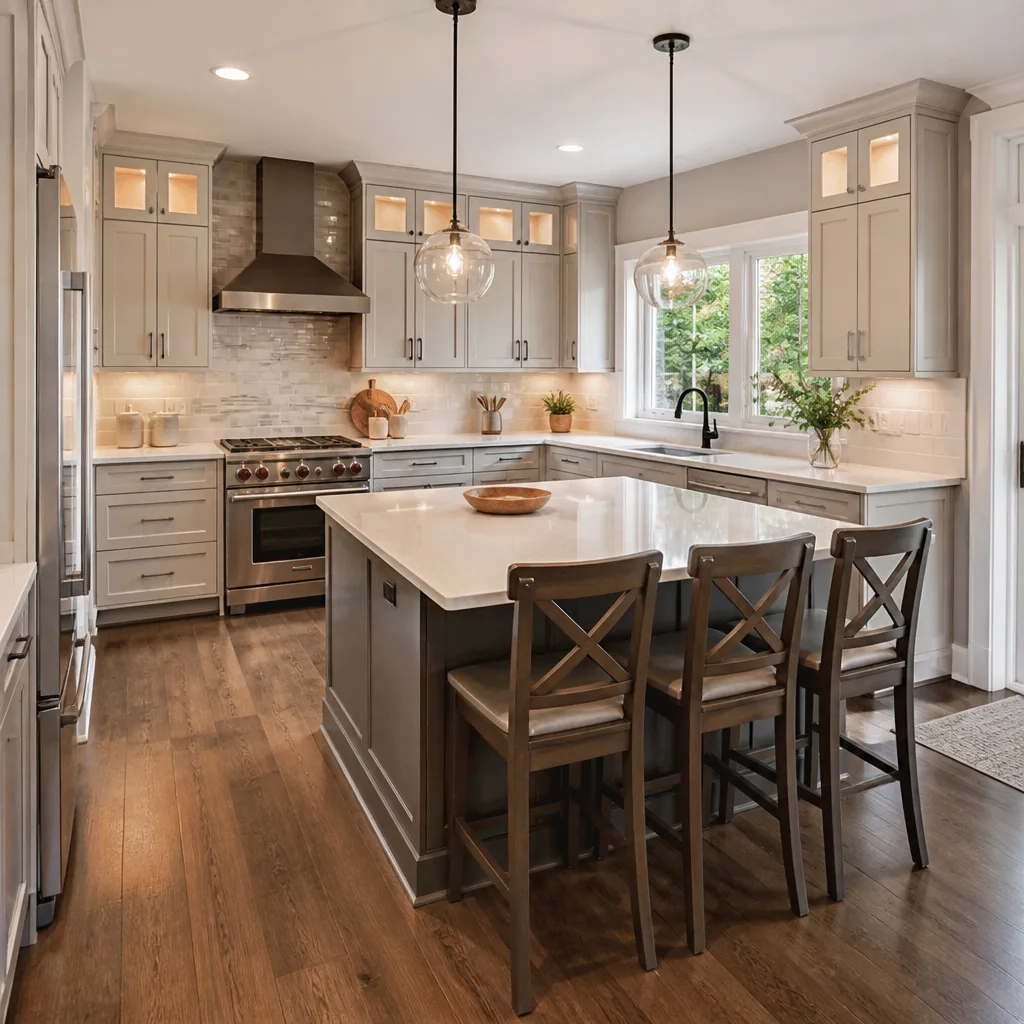
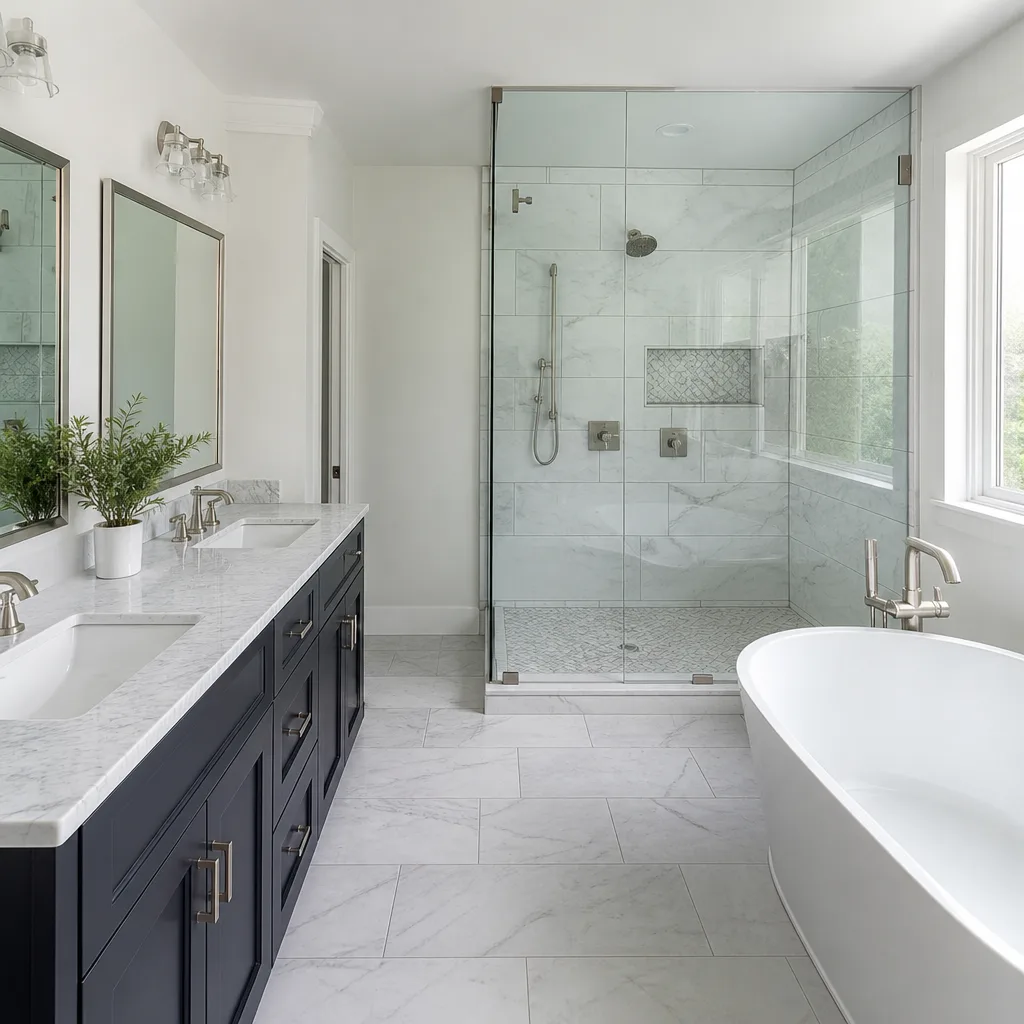
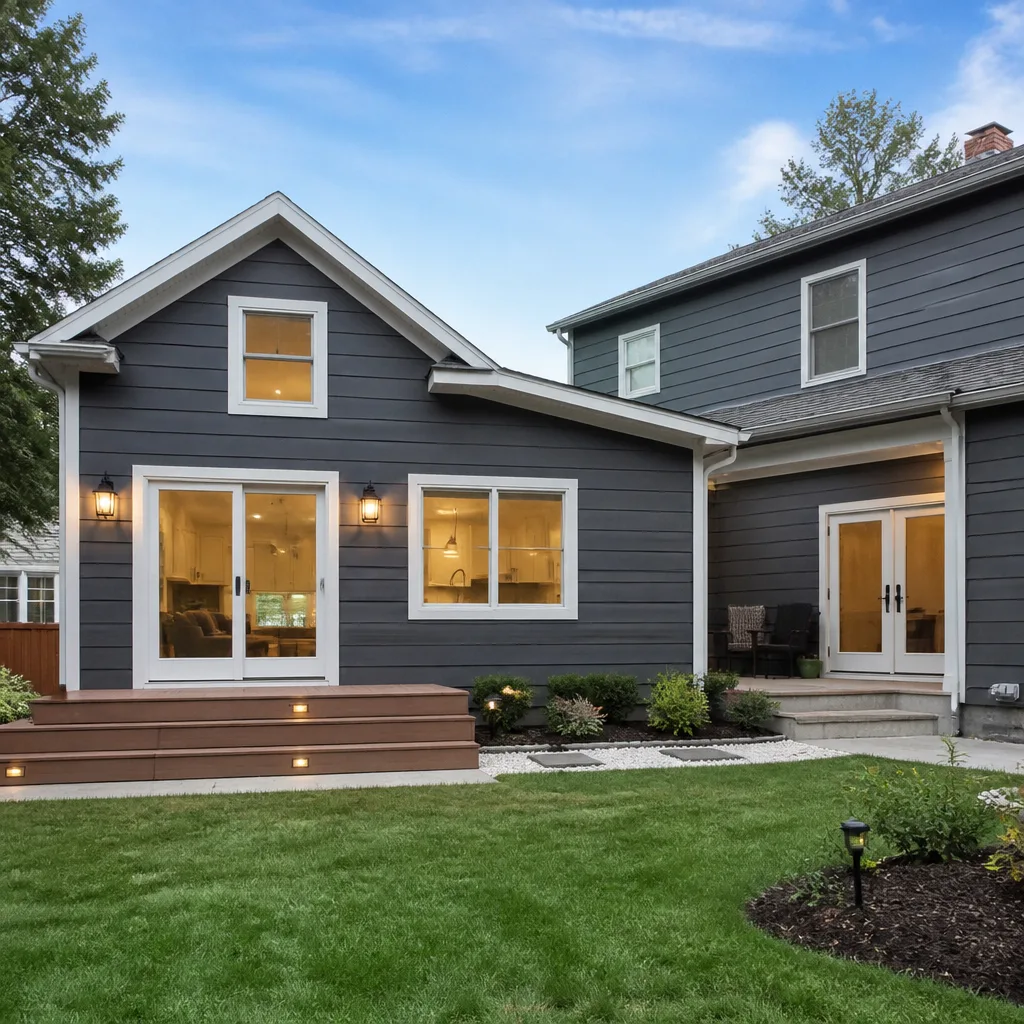

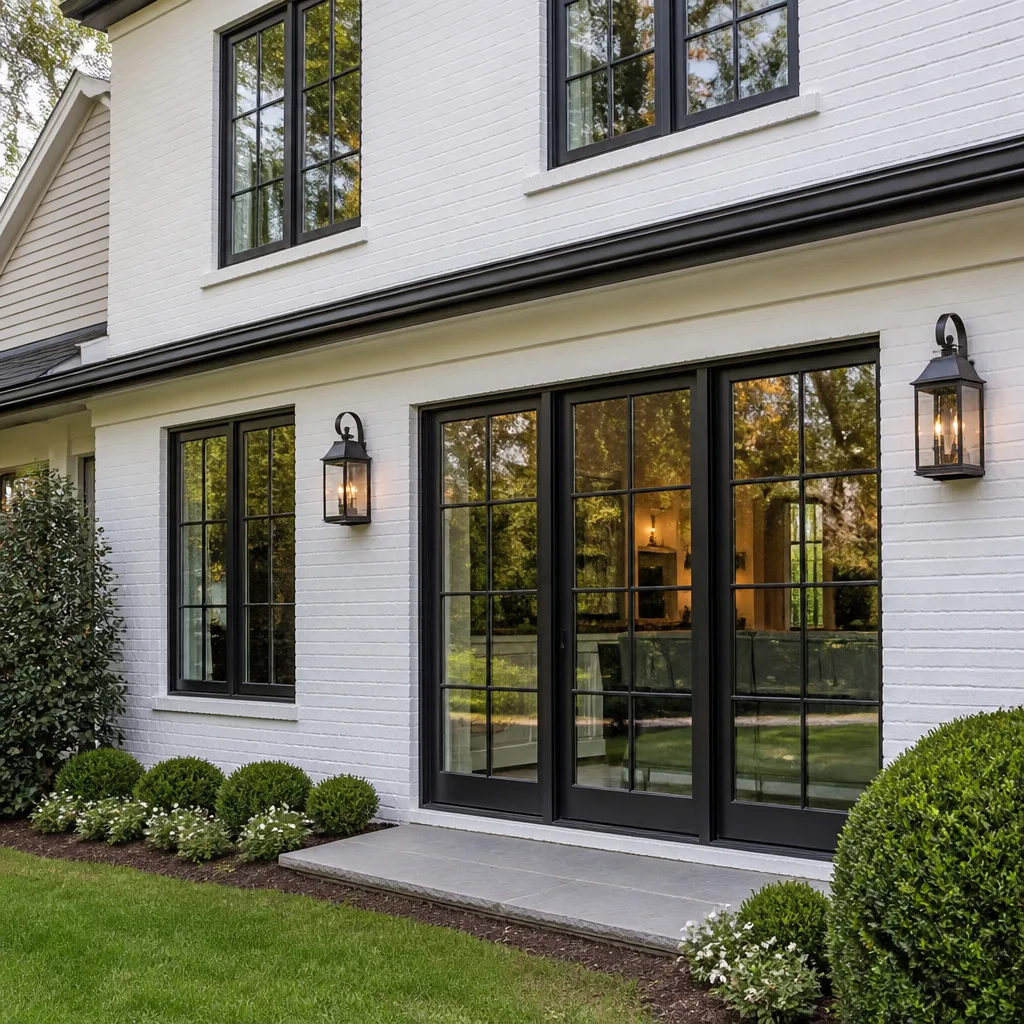
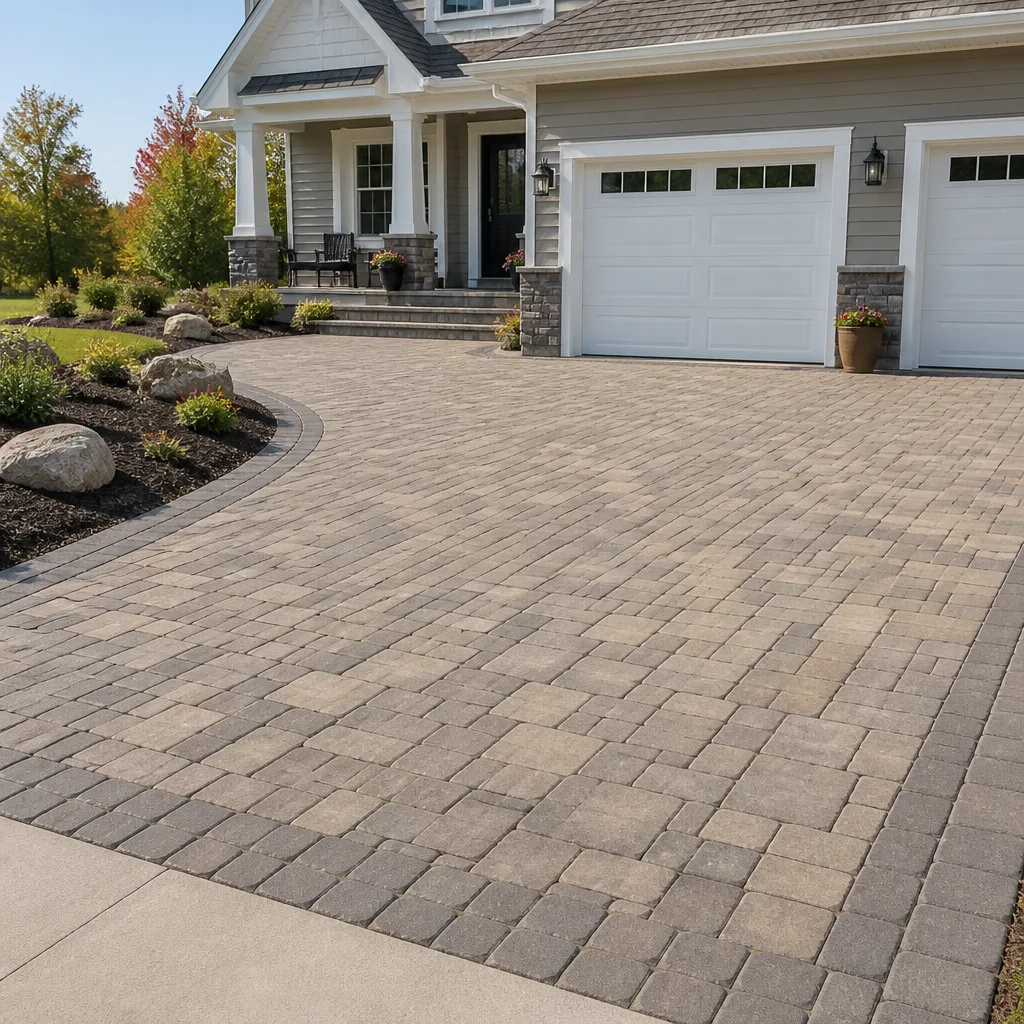
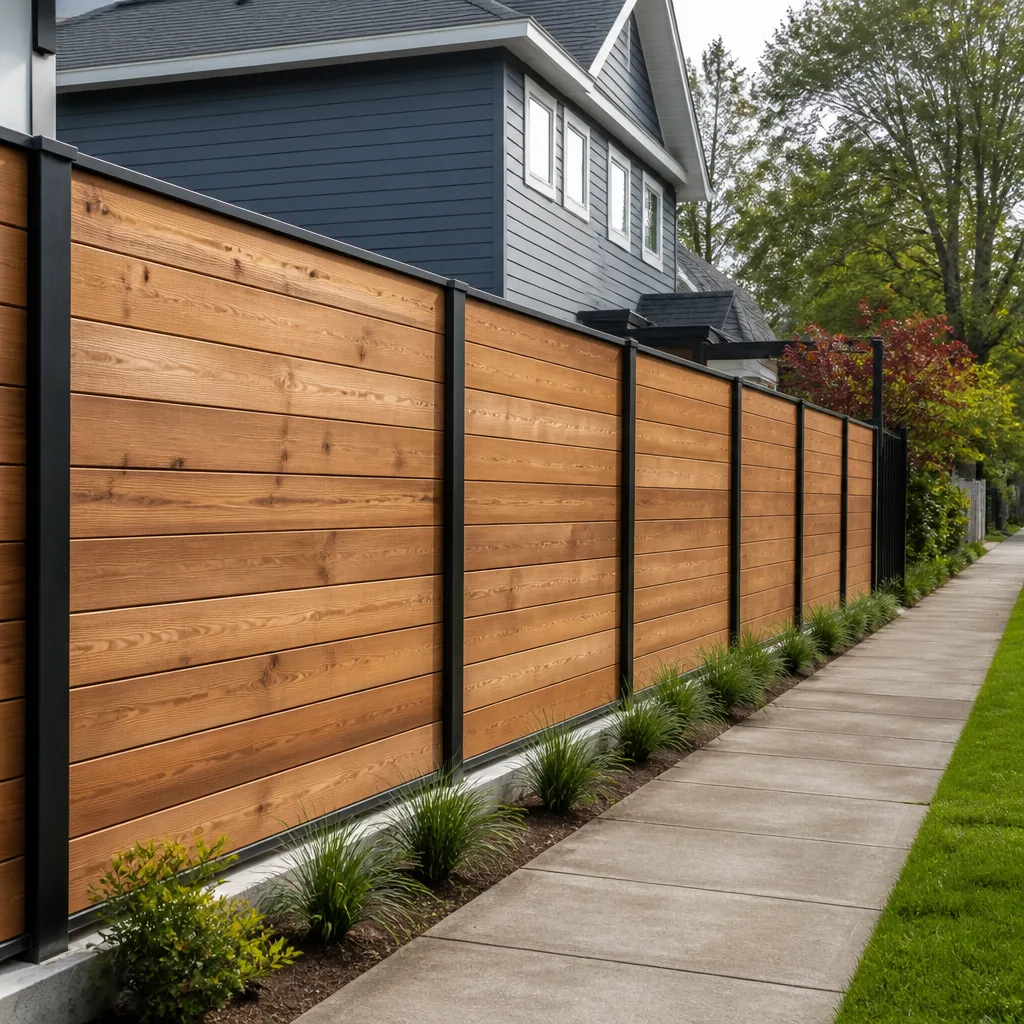
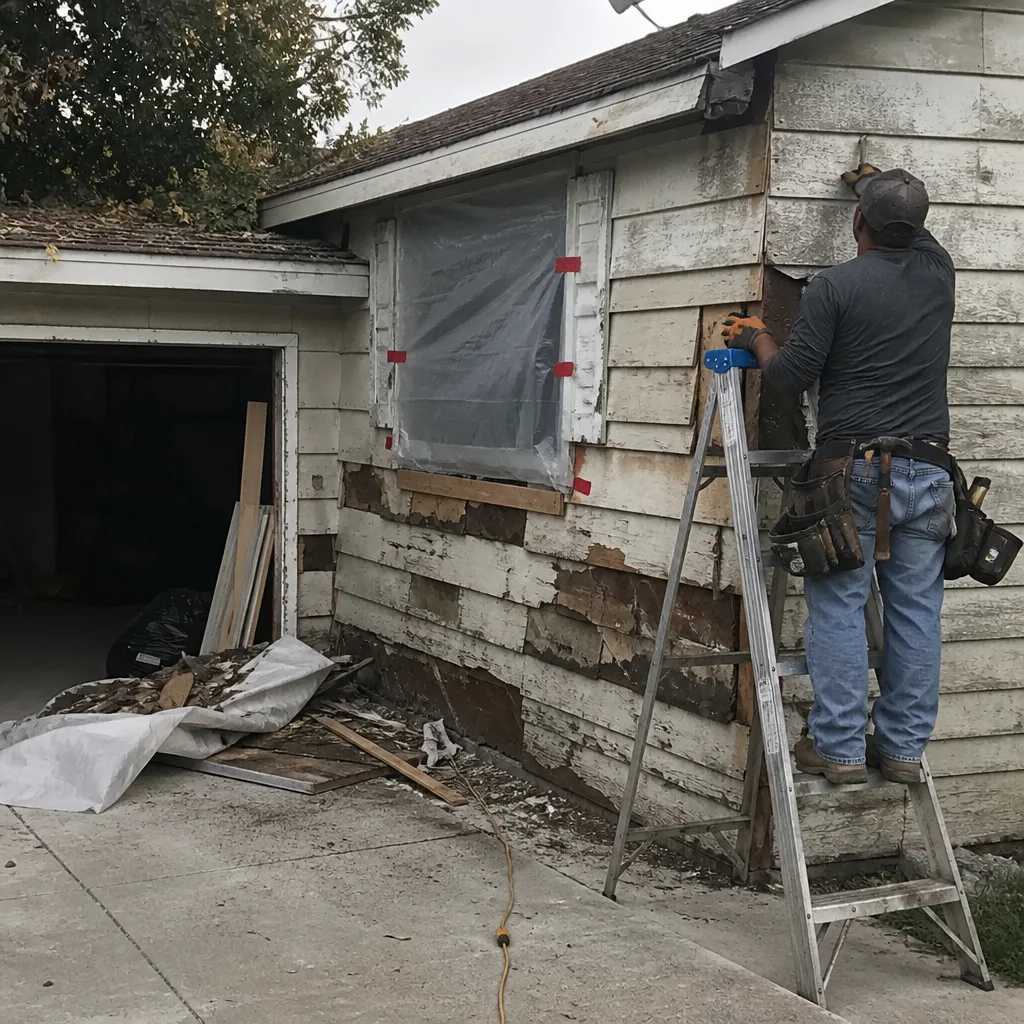 Before
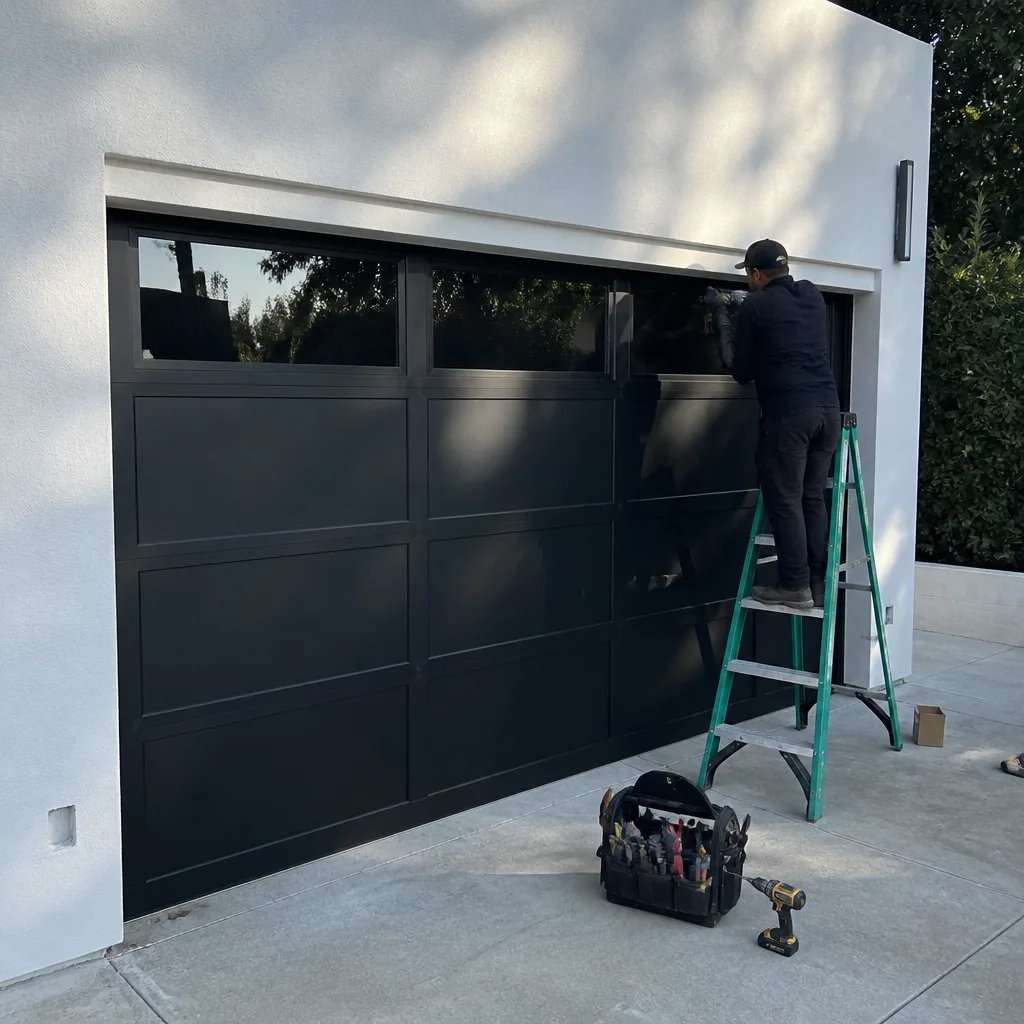 After
After Before
 After
After Before
 After
AfterThe Complete General Contractor Guide for Los Angeles Homeowners
Los Angeles issues more citations for unpermitted construction than any other city in California, and here’s the part most homeowners don’t realize until the inspector is standing on their porch: the homeowner, not the contractor, is the one legally responsible for those violations. You can be fined, forced to tear out finished work, or stuck disclosing unpermitted additions when you sell. This guide walks through the licensing tiers, permit triggers, contract requirements, and seismic rules specific to Los Angeles so you can hire a general contractor with the same clarity you’d bring to any other five-figure decision.
Quick Answer
To hire a general contractor in Los Angeles, verify their California B-license through the CSLB, confirm they carry workers’ compensation and liability insurance, get a written contract that meets Business & Professions Code §7159, and check whether your project triggers LADBS permit requirements. The right contractor is licensed for the scope of work, familiar with LA’s seismic and hillside ordinances, and willing to put pricing and guarantee terms in writing before any demo starts. Penhallow Remodeling offers free estimates for kitchen, bathroom, and whole-home remodels in Los Angeles at general contractor services across Los Angeles.
Table of Contents
- California License Tiers: B vs. C and Why It Matters in LA
- LADBS Permit Triggers: Plan Check vs. Over-the-Counter
- Seismic Zone Requirements: What LA’s Building Code Adds to Your Bid
- What California Contract Law Requires in Every Remodeling Contract
- How to Verify a Contractor Before Signing Anything
- What Remodeling Actually Costs in Los Angeles
- How Long a Los Angeles Remodel Takes, Permit to Punch List
California License Tiers: B vs. C and Why It Matters in LA
California splits contractor licenses into two big buckets: the B-license (General Building) and C-specialty licenses for individual trades like plumbing, electrical, or tile. A B-license holder can legally take on projects that involve at least two unrelated trades, which is almost every kitchen or bathroom remodel you’ll ever do. A C-specialty contractor can only work within their single trade. In Los Angeles, this distinction gets sharp quickly: only a properly licensed contractor can pull permits for work that requires them, and LADBS will reject a permit application from a contractor whose license class doesn’t match the scope.
Here’s what that means in practice. If you’re remodeling a bathroom and moving a wall, that job touches framing (carpentry), plumbing, electrical, and possibly structural work. A C-54 tile contractor might offer to “handle everything,” but they cannot legally pull the building permit for structural changes. You’d end up either running unpermitted, which creates disclosure problems when you sell, or scrambling to find a B-licensed general contractor mid-project to fix the paperwork. In our experience across Los Angeles neighborhoods from Sherman Oaks to Silver Lake, we’ve seen homeowners get burned by this exact scenario: a specialty contractor starts demo, LADBS flags the job, and everything stops cold.
Always check the license number against the CSLB database and confirm the classification says “B – General Building.” That single check filters out most of the horror stories before they start.
LADBS Permit Triggers: Plan Check vs. Over-the-Counter
Not all permits in Los Angeles are created equal. LADBS divides them into two paths: over-the-counter permits and full plan-check permits. The difference comes down to time. An over-the-counter permit for simple work like a water heater replacement or a like-for-like window swap can be issued same-day at a LADBS office. A full plan check, which applies to structural changes, additions, or anything requiring architectural drawings and engineering review, routinely adds three to eight weeks to your timeline before a single tool hits the job site.
Here are the common triggers that push a Los Angeles remodel into plan-check territory:
- Moving or removing walls that are load-bearing, or even non-load-bearing walls that alter the floor plan enough to require updated drawings
- Foundation work, including adding a foundation for an ADU or deepening footings for a second story
- Structural changes to roofs, including dormers, skylight openings larger than a single rafter bay, or re-roofing that involves changing the sheathing
- Electrical service upgrades from 100-amp to 200-amp panels, which most older LA homes need before adding a second bathroom or an EV charger
- Any work in a hillside area subject to the Hillside Ordinance, which adds a geotechnical review and sometimes a soils report
The timeline difference matters because your contractor should tell you which path your project falls into before you sign. If a bid says “we’ll pull permits as needed” without specifying over-the-counter vs. plan check, you’re flying blind on schedule. A contractor who works in Los Angeles regularly knows that a kitchen remodel with structural changes in a 1920s Spanish Revival in Mid-City faces a completely different permitting path than a cosmetic cabinet swap in a 2000s condo in Playa Vista.
Seismic Zone Requirements: What LA’s Building Code Adds to Your Bid
Los Angeles sits in a high-seismic zone, and the city’s building code reflects that in ways that add real line items to nearly every structural remodel. When you open up walls on an older home, especially pre-1980 construction, the inspector will often require you to bring the exposed structure up to current seismic standards. That can mean foundation bolting, plywood shear wall installation, hold-down brackets, or Simpson Strong-Tie connectors that didn’t exist when the house was built.
These requirements are not optional upgrades your contractor is padding the bid with. They’re code-mandated corrections triggered by the permit process. A homeowner who budgets $45,000 for a kitchen remodel and discovers a $6,000 foundation retrofit is not being upsold. The house is being brought into compliance with Chapter 95 of the LA Building Code and the California Existing Building Code.
How to spot whether a Los Angeles bid accounts for seismic work:
- Ask whether the bid includes bringing exposed framing up to current code, or only covers the cosmetic scope
- Check for a line item referencing shear wall, hold-downs, or foundation bolting if your home predates 1980
- Ask whether the contractor has done structural remodels in your specific neighborhood, because hillside zones in Echo Park or Mount Washington add geotechnical requirements that flatland neighborhoods like Westchester don’t face
- Confirm that the bid includes the cost of any structural engineer’s letter or detail drawings that LADBS will require
A good general contractor in Los Angeles flags these items in the initial walkthrough. A great one puts them in writing before you sign.
What California Contract Law Requires in Every Remodeling Contract
California Business & Professions Code §7159 is the consumer-protection backbone for home improvement contracts, and it’s surprisingly specific about what a legally enforceable remodeling contract must contain. This isn’t boilerplate fine print. If a contractor hands you a one-page “estimate” that you both sign and call a contract, it likely fails the legal standard, and the protections you think you have won’t hold up if the project goes sideways.
Under §7159, a home improvement contract in Los Angeles must include:
- A written, detailed scope of work describing exactly what will be done, including materials, finishes, and fixtures
- A fixed price or a clearly defined method for determining the price, including a payment schedule tied to specific work milestones, not calendar dates
- The contractor’s CSLB license number printed on the document itself
- A notice describing the contractor’s bond and how a homeowner can make a claim against it
- The three-day right to cancel in writing when the contract is signed in your home, as required by California and federal law
- A schedule of payments that does not require more than 10% down or $1,000, whichever is less, before work begins
The 10% down payment rule surprises a lot of Los Angeles homeowners. A contractor asking for 40% up front “to order materials” is violating California law, full stop. Legitimate contractors fund materials purchases through supplier credit or their own operating capital, and they get paid as work milestones are completed and inspected. If a contractor asks for a large upfront deposit, that’s a red flag with a statute number attached to it.
Trevor Nash, owner at Penhallow Remodeling, puts it plainly: we operate under the Kingswell standard that every job gets a written price and a written guarantee before work starts. Say the price before the work. Show up in the window we gave. Leave the place cleaner than we found it. That’s the baseline, not the exception, and it’s exactly what §7159 was written to make enforceable.
How to Verify a Contractor Before Signing Anything
Verification in Los Angeles takes about 20 minutes and prevents the majority of contractor horror stories. The Contractors State License Board (CSLB) runs a public database at cslb.ca.gov where you can check license status, classification, workers’ compensation coverage, and pending complaints. Start there, and don’t skip it just because a contractor came recommended by a neighbor. The neighbor may not know their own job was unpermitted.
Follow these five verification steps in order:
- Check the CSLB license and confirm the classification is “B – General Building” for multi-trade remodels. Verify the license is active, not suspended or expired.
- Confirm workers’ compensation insurance is on file with the CSLB. If a contractor doesn’t carry workers’ comp and a worker is injured on your property, your homeowner’s insurance can be held liable in California.
- Request a certificate of liability insurance directly from the contractor’s insurance agent, not from the contractor. The agent can list you as an additional insured at no cost, which protects you if the contractor’s work damages your property.
- Check for building code violations or disciplinary actions through the CSLB and LADBS. LADBS maintains records of contractors who have been cited for unpermitted work in Los Angeles.
- Ask for three recent Los Angeles references, and call them. Ask whether the job stayed on budget, whether the crew showed up in the arrival window, and whether the contractor returned to fix punch-list items without a fight.
Every Penhallow Remodeling technician is background-checked and arrives in uniform, so you know exactly who’s walking into your home. That’s a standard operating practice for us, not an add-on, and it’s the kind of thing you should expect from any contractor working in Los Angeles.
What Remodeling Actually Costs in Los Angeles
Los Angeles remodeling costs run higher than the national average for two reasons: the cost of skilled labor in a city with a huge construction market, and the cost of complying with LADBS requirements including seismic upgrades, energy-code compliance, and sometimes historical preservation review. For a deeper dive, see The Complete Guide to Construction in Los Angeles. Expect to pay 15 to 30 percent more in Los Angeles than the national averages you’ll find in generic online calculators.
Here’s a realistic range based on what we see across Los Angeles:
- Kitchen remodel: $18,000 to $55,000 depending on layout changes, cabinet line, and countertop material. A cosmetic refresh with stock cabinets runs lower; a full gut with semi-custom cabinetry and quartz countertops runs higher.
- Bathroom remodel: $14,000 to $38,000. A standard 5×8 hall bath with tub replacement sits at the low end; a primary bath with a curbless shower, bench, and tile to the ceiling sits at the high end.
- Whole-home remodel (2,000 sq ft or under): $85,000 to $220,000. The spread is driven by how much structural work the house needs, whether you’re moving the floor plan, and what finish level you’re targeting.
Brands matter in these numbers, and that’s not marketing fluff. We install Cambria quartz, which carries its own lifetime warranty alongside our own, and KraftMaid cabinetry for our kitchen remodeling work in Los Angeles. Kohler and Moen fixtures carry manufacturer warranties that stack on top of our 365-Day Done Right Promise. Cheaper materials from a contractor’s “supplier connection” often come with no warranty at all, and we will not install products we can’t stand behind. For hardscape elements on whole-home remodels, brands like Techo-Bloc and Tremron give us a product warranty we can rely on, and those layers of protection are part of what you’re paying for with a legitimate LA contractor.
How Long a Los Angeles Remodel Takes, Permit to Punch List
Timeline expectations in Los Angeles need to account for permit review, material lead times, and the inspection schedule. The physical construction is often the fastest part of the project. Here’s a realistic breakdown for a typical kitchen or bathroom remodel with structural changes:
- Design and scope development: 2 to 4 weeks. This includes measurements, drawings, material selections, and written pricing.
- Plan check at LADBS: 3 to 8 weeks for a full plan check, less for over-the-counter permits. Hillside or historical properties add time.
- Permit issuance and demo: 1 to 2 weeks. Demo happens only after the permit is issued and posted.
- Rough construction (framing, rough plumbing, rough electrical): 2 to 5 weeks depending on scope and whether structural corrections are needed.
- Rough inspection: 1 to 2 weeks depending on LADBS inspector availability in your district.
- Finish work (drywall, tile, cabinets, fixtures, paint): 3 to 6 weeks for a kitchen, 2 to 4 weeks for a bathroom.
- Final inspection and punch list: 1 to 2 weeks.
That puts a structural kitchen remodel at roughly 12 to 20 weeks from first meeting to final punch list in Los Angeles. A bathroom with a plan check usually lands at 8 to 16 weeks. Anyone promising a full kitchen remodel in two weeks is either skipping permits or skipping inspections, and both of those come back on you.
One thing that changes this chart: the quality of your contractor’s LADBS relationships. A contractor who does bathroom remodels in Los Angeles regularly knows which inspectors are assigned to which districts, what they look for in rough inspections, and how to schedule inspections to minimize dead time between trades. That familiarity saves weeks, not days.
Common Mistakes to Avoid
- Hiring a specialty contractor for a multi-trade job. A C-specialty license limits what trades that contractor can legally perform and what permits they can pull. Confirm the B-license before you sign.
- Signing a vague contract without a fixed price. If the scope of work isn’t specific enough to hold up in a dispute, it isn’t a contract under California law. Demand a written number before work starts.
- Paying more than 10% down. California caps down payments at $1,000 or 10%, whichever is less. A larger deposit request is a statutory red flag.
- Skipping the CSLB verification. A contractor without workers’ comp insurance can leave you personally liable for injuries on your property. Check license status, classification, and insurance before demo day.
- Assuming permits are optional for “small” structural changes. LADBS treats moving a wall or adding a header as a plan-check project, and unpermitted work surfaces at the worst possible time: when you’re selling or refinancing.
- Overlooking seismic retrofits in your budget. If you’re opening walls on an older Los Angeles home, plan for code-required seismic upgrades. A good bid includes them; a bad bid hides them until inspection fails.
- Choosing the lowest bid without comparing scopes. In Los Angeles, a low bid usually means something is missing: permits, seismic compliance, workers’ comp, or a written guarantee. Ask what’s excluded, in writing.
When to Call a Professional
Call a licensed general contractor before you start any project that touches structure, plumbing, electrical, or the building envelope in Los Angeles. If your project involves moving walls, relocating a sink or toilet, changing a roofline, adding square footage, or opening walls in a pre-1980 home, you need a B-licensed professional who knows LADBS requirements and the seismic triggers that add line items to the job. Even cosmetic remodels benefit from a contractor who can identify water damage, outdated wiring, or insufficient insulation while the walls are open. For more on planning your project, read The Complete Home Remodeling Guide for Los Angeles Homeowners. Penhallow Remodeling offers free estimates for kitchen, bathroom, and whole-home remodels in Los Angeles. Call (936) 259-2607 to schedule yours, and we’ll walk the project with you before any commitment.
Frequently Asked Questions
Verify the contractor’s California B-license through the CSLB, confirm workers’ compensation and liability insurance, get a written contract that meets §7159 requirements, and check the contractor’s LADBS history before signing. Start with the license check at cslb.ca.gov and work through the verification steps above. For more guides & resources, visit our blog. Call (936) 259-2607 if you’d like a free estimate from Penhallow Remodeling, and we’ll review your project scope, permit path, and written pricing in your home.
A kitchen remodel in Los Angeles typically runs $18,000 to $55,000, with the spread driven by layout changes, cabinet line, countertop material, and whether structural or seismic work is triggered. Code-required upgrades on older homes can add $5,000 to $10,000 beyond the cosmetic scope. We give every homeowner a written price before any work starts, so call (936) 259-2607 for a quote specific to your kitchen.
You need a permit for any bathroom remodel that moves plumbing, alters walls, or changes the electrical layout in Los Angeles. Even a like-for-like fixture swap can require an over-the-counter permit. Unpermitted work becomes a disclosure problem when you sell and can trigger correction orders from LADBS. We handle the full permit process for our bathroom remodeling projects in Los Angeles, including plan check when needed.
A structural kitchen remodel in Los Angeles typically takes 12 to 20 weeks from first meeting to final inspection, including LADBS plan check time. A bathroom remodel usually lands at 8 to 16 weeks. The biggest schedule variable is permit review, which is why we scope the permit path before we write the contract so the timeline is realistic from day one.
Under our Kingswell standard, no. Every Penhallow Remodeling project gets a written price before any work starts, and the number on day one is the number on the invoice. If we find something unexpected behind the walls, we stop, show you what we found, and get written approval before proceeding. You will never find a change order you didn’t sign. Call (936) 259-2607 for a written estimate.
Every Penhallow Remodeling project includes our 365-Day Done Right Promise in writing. If work fails during the guarantee period, we return and fix it at no charge, and if a repair fails, the second visit is free too. No service call, no re-inspection fee, just a promise we stand behind. That guarantee is written into every contract for kitchen, bathroom, and whole-home remodels in Los Angeles.
The Bottom Line
Hiring a general contractor in Los Angeles comes down to paperwork and verification as much as craftsmanship. Confirm the B-license, check workers’ comp and liability insurance, get a written contract with a fixed price and a defined scope, and understand which LADBS permit path your project triggers before you sign. The best Los Angeles contractors anticipate seismic requirements, name their materials and guarantees, and put everything in writing. Penhallow Remodeling operates that way on every job, from our Los Angeles remodeling services to full whole-home projects. Call (936) 259-2607 for a free estimate and a written price before you commit to anything.
Written by Trevor Nash, Owner at Penhallow Remodeling, serving Los Angeles since 2004.