
Last updated October 8, 2026
Free written scope consultation - allowances, timeline, and change-order rules on paper before a single trade is scheduled







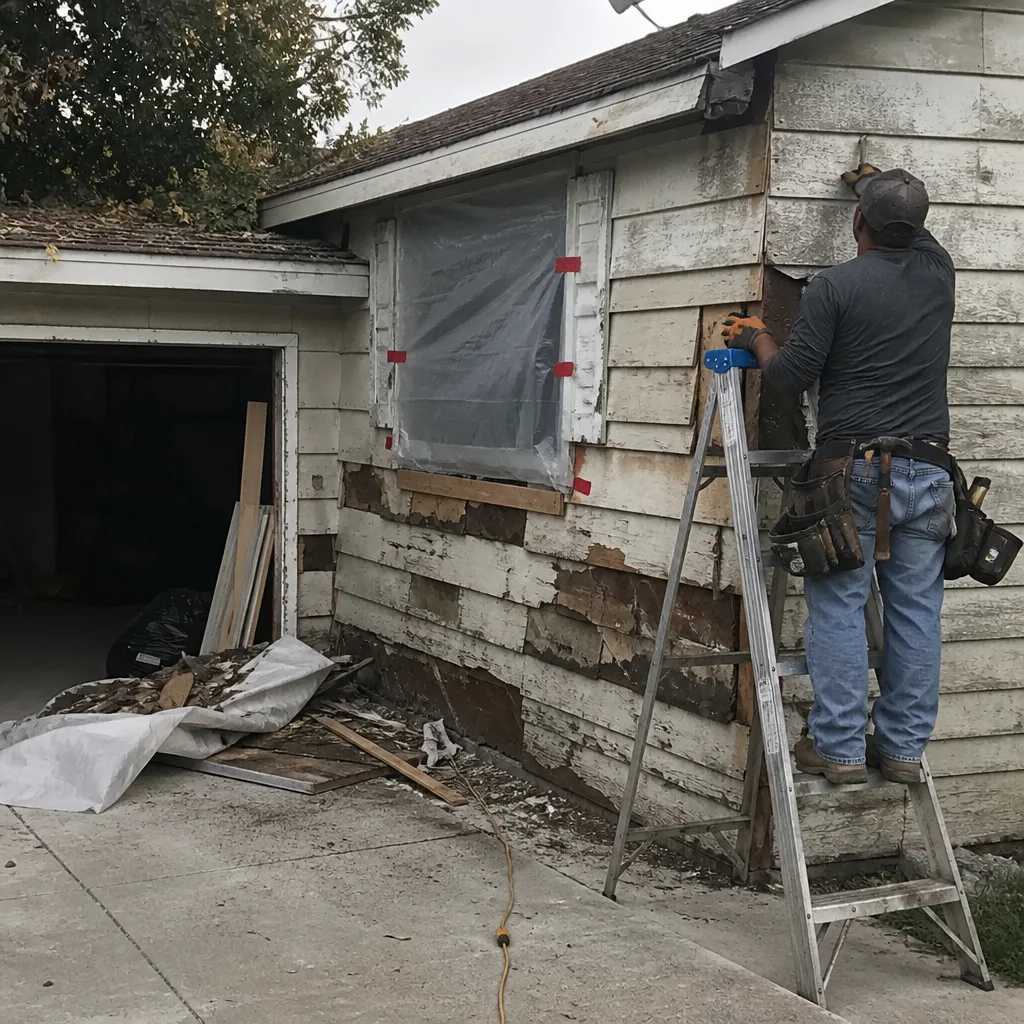 Before
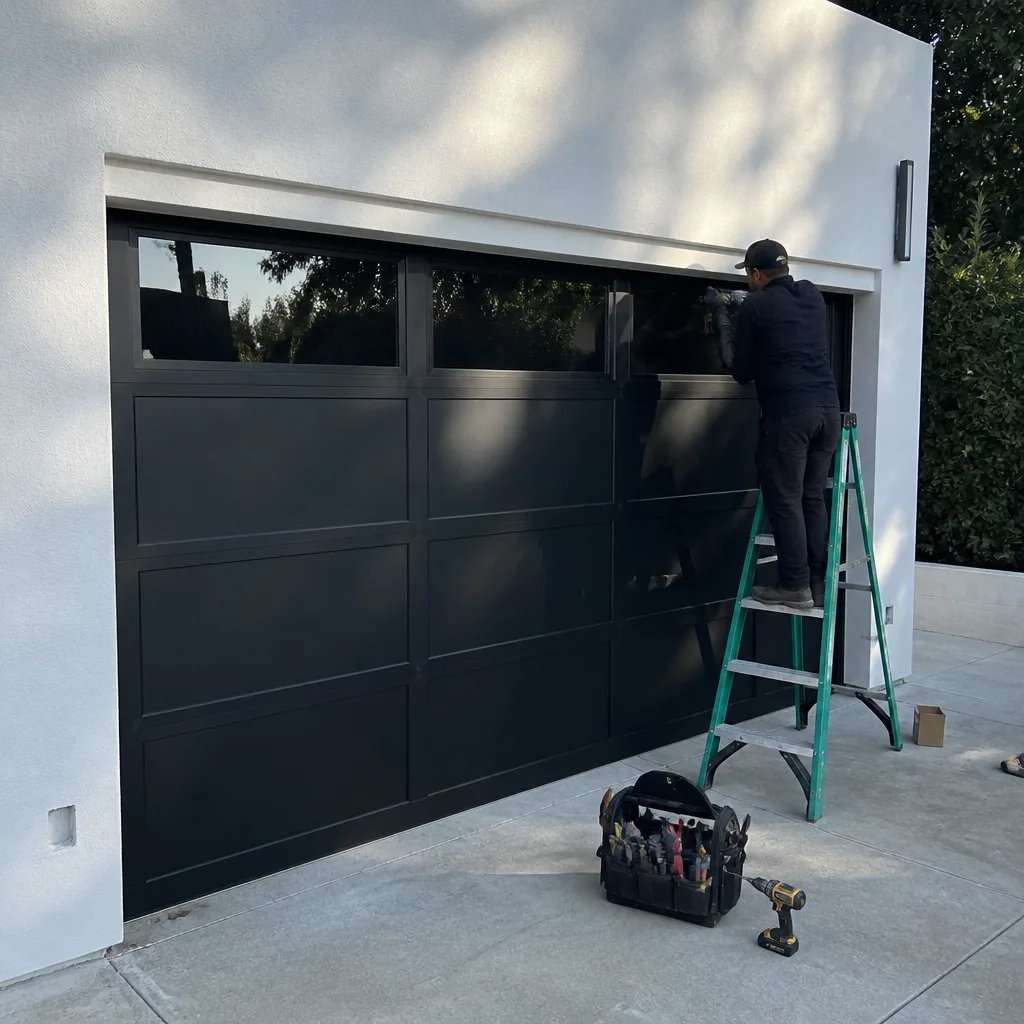 After
After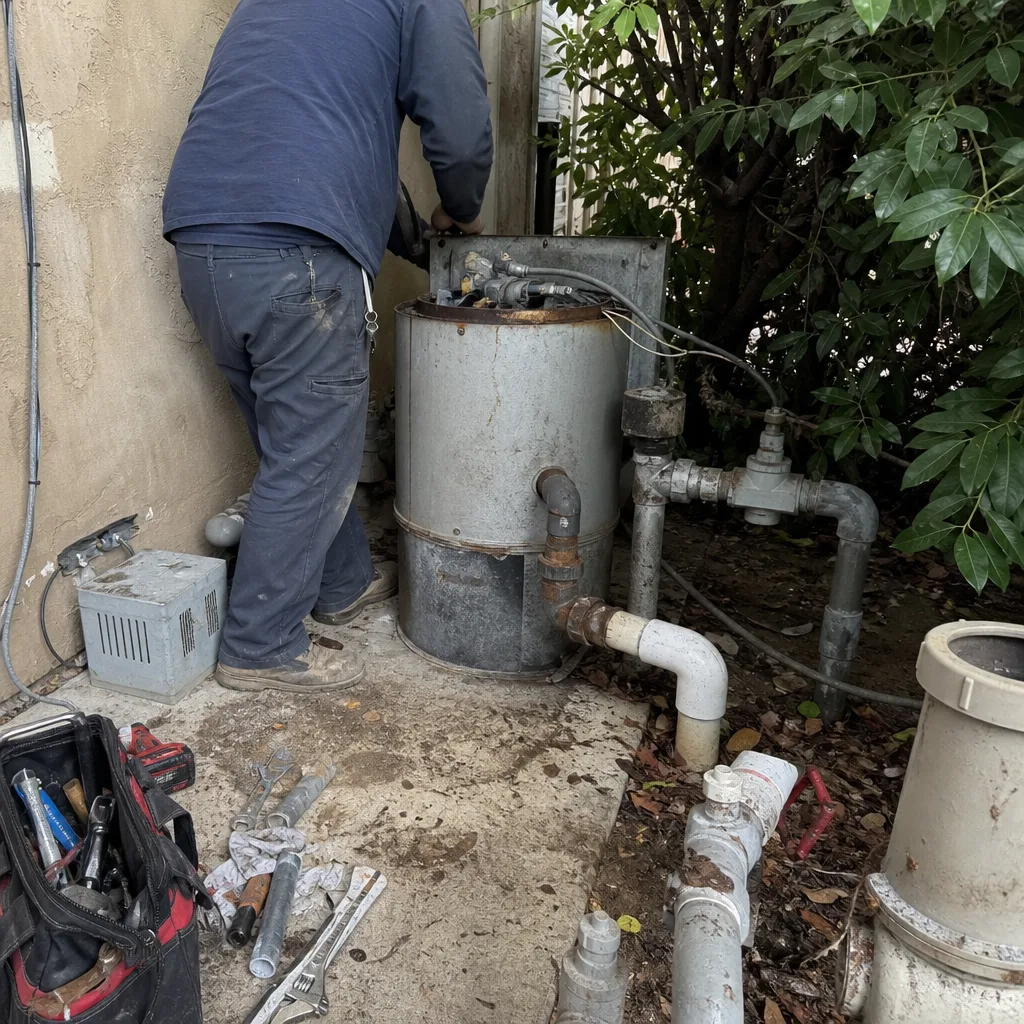 Before
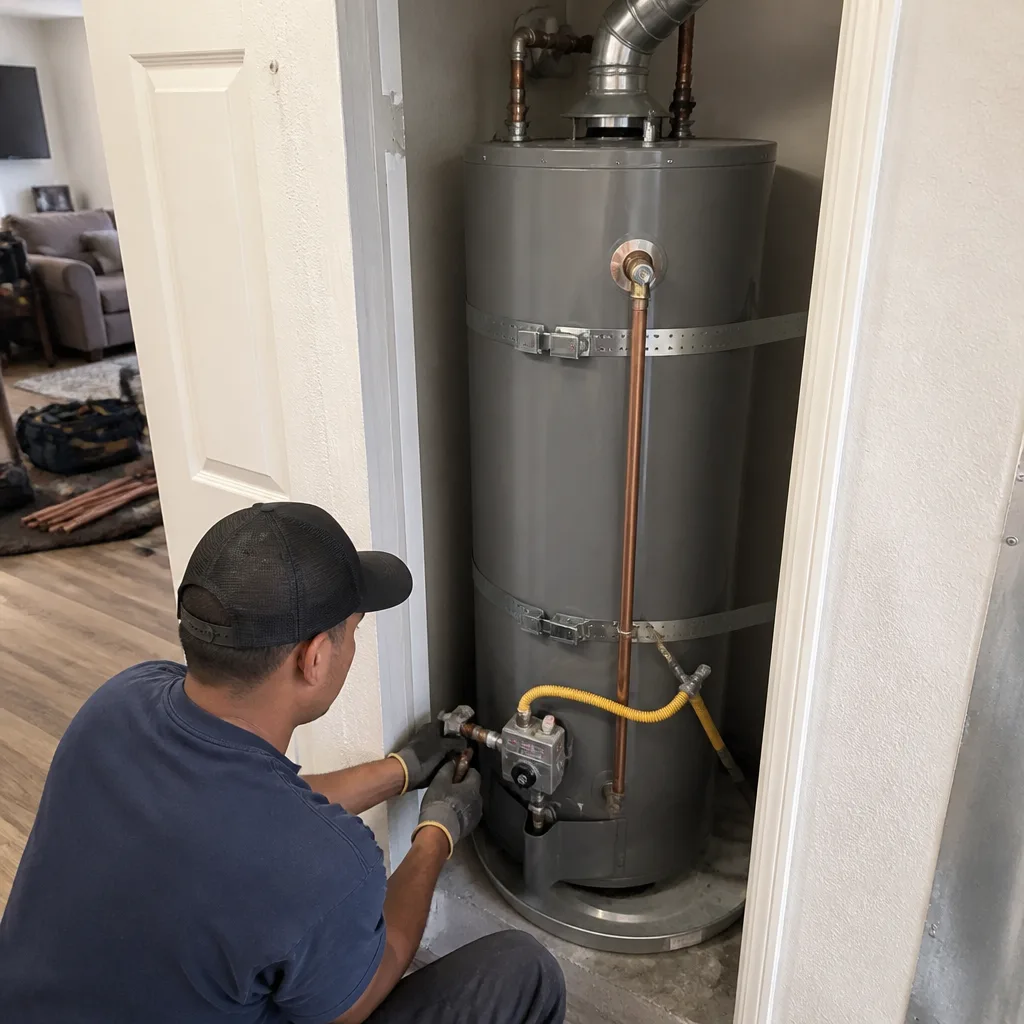 After
After Before
 After
AfterGeneral Contractor Maintenance Schedule: What to Do and When
Most contractors hand you a key at the end of a job and walk away. The ones worth hiring hand you a punch list, a warranty document, and a list of what you need to do in the next 12 months to keep that warranty valid. Here’s the counterintuitive truth about remodeling in Los Angeles: the work doesn’t age on its own schedule. It ages on the schedule your contractor set during construction, based on the materials they chose, the adhesives they used, and the way they tied new work into old framing. This guide covers what to do, when to do it, and which tasks are yours versus which ones should trigger a phone call back to your original General Contractor services.
Quick Answer
A home maintenance schedule after a remodel breaks down into four phases: a 30-day settling check, a 60-to-90-day finish inspection, a 6-month caulk and grout refresh, and an annual seasonal service tied to Los Angeles’s wet winter and punishing summer UV. Most workmanship warranties require homeowners to handle sealing, cleaning, and filter changes on a documented schedule, or the guarantee can be voided. The single most important maintenance window in Los Angeles is September to November, before the first rains hit.
Table of Contents
- The Post-Remodel Maintenance Timeline
- What Your Contractor’s Warranty Actually Covers (and What It Doesn’t)
- The 30-60-90 Day Inspection Checklist
- Building a Room-by-Room Maintenance Calendar
- What Los Angeles Climate Does to Your Remodel
- How to Document Maintenance for Warranty Claims
- Common Mistakes to Avoid
- When to Call a Professional
The Post-Remodel Maintenance Timeline
Every remodel creates its own maintenance schedule, whether the contractor tells you about it or not. We’ve built dozens of kitchens and bathrooms across Los Angeles, and the pattern is consistent: materials move, settle, and react to humidity and temperature in predictable windows. If you’re working with a general contractor in Los Angeles, that timeline should be in writing before the job wraps.
Here’s the schedule we recommend for any completed remodel, broken into the phases that matter:
- Week 1 to Week 4: Shrinkage and settling. New lumber, drywall compound, paint, and adhesive all release moisture in the first month. Hairline cracks at trim joints, small gaps at crown molding intersections, and minor grout fractures are all expected. None of these are defects, but they need documentation.
- Week 6 to Week 12: Finish defects show up. Paint flashing becomes visible, caulk beads shrink, floor finishes settle into their final position, and door reveals shift slightly. This is the window where a contractor’s workmanship guarantee should cover any correction.
- Month 4 to Month 6: The first seasonal stress. In Los Angeles, this is usually the shift from dry summer heat into cooler, damper fall air. Wood expands, exterior caulk pulls, and flat roof seams move. This is when exterior maintenance starts to matter.
- Month 12 and every 12 months after: The annual refresh. Grout sealing, caulk replacement, weatherstripping, HVAC filter swaps, and finish inspections are now your job, and they stay your job as long as you own the house.
We recommend printing this timeline and taping it inside a cabinet door, and checking our more guides & resources for additional tips. The homeowners who keep a maintenance log are the ones whose warranty claims get resolved fastest, because they can show exactly what they did and when.
What Your Contractor’s Warranty Actually Covers (and What It Doesn’t)
There’s a line between the contractor’s responsibility and the homeowner’s responsibility, and it moves based on what the warranty document says. Most workmanship guarantees cover installation defects: a tile that pops, a cabinet door that was hung wrong, a leak at a pipe joint, a countertop seam that fails. They do not cover maintenance failures: grout that was never sealed, caulk that was never refreshed, wood that was never painted, drains that were never cleaned.
Here’s what this means in practice for a kitchen remodeling project in Los Angeles:
- Covered by a workmanship guarantee: A cabinet door that was installed out of square and no longer closes. A countertop seam that opens. A sink flange that leaks at the connection point. A backsplash tile that delaminates from the substrate.
- Not covered by a workmanship guarantee: A cabinet door that swells because the dishwasher vented steam directly into the toe kick for six months. A countertop that stains because red wine sat on an unsealed surface overnight. A siding board that rots because it was never painted after installation. A drain that clogs because grease went down it every night.
At Penhallow Remodeling, our 365-Day Done Right Promise works differently. If something fails inside that guarantee period because of our installation or material selection, we come back and fix it at no charge, and we put that in writing before the job starts. What we can’t do is protect against neglect, and that’s why this maintenance schedule matters.
Read your warranty document carefully. Look for the words “installation defects” versus “normal wear and tear.” If those words aren’t defined, ask your contractor to define them in writing. Your ability to make a claim later depends on what’s written now.
The 30-60-90 Day Inspection Checklist
At 30, 60, and 90 days after a remodel wraps, walk through the project with a flashlight and a notepad. You’re looking for the same things each time, and you’re checking whether anything has changed since the last walk.
Here’s the checklist we give every Los Angeles homeowner at project close:
- 30-day walk: Look for shrinkage. Run your finger along crown molding joints, baseboard corners, and window trim intersections. Hairline gaps under 1/16 of an inch are normal. Anything wider than that, or any gap that’s growing between days 15 and 30, should go on your call list.
- 30-day walk: Check all doors and drawers. Open and close every cabinet door. Pull every drawer. Test interior doors. The reveal (the gap between the door and the frame) should be even on all sides. If a door was hung right, it stays hung right unless the floor settles.
- 60-day walk: Inspect paint and finish. Look at walls in side light. Flashing shows up as sheen differences or roller marks. Touch-ups should be done by the contractor at this point, before you add furniture or wall art.
- 60-day walk: Run the plumbing. Fill sinks, run showers, flush toilets. Check under-sink connections with a dry paper towel. Look for any moisture at the base of the toilet. Los Angeles hard water can accelerate mineral buildup, but leaks don’t wait.
- 90-day walk: Test everything that moves. Slide-out shelves, soft-close hinges, shower doors, window sashes. Lubricate what the manufacturer says to lubricate. Note anything that binds, sticks, or grinds.
- 90-day walk: Check exterior connections. If your remodel touched exterior walls, look at caulk joints around windows, doors, and penetrations. Shrinkage in the first three months is expected. Cracks in the caulk bead are not, and they should be repaired before California’s winter rain season.
Our technicians walk through every job at project close with the homeowner and write down anything that looks off. That written punch list becomes the baseline for the 30-60-90 checks. If something was noted at day one and gets worse, the fix is clearly a workmanship issue. If it appears at day 90 and was never noted, we’ll still come look.
Building a Room-by-Room Maintenance Calendar
Generic homeowner advice says “seal your grout every year.” That’s true for some grout and false for others. The maintenance calendar for your house should be built from the specific materials your contractor installed, not from a one-size-fits-all list.
Here’s what we recommend for a kitchen or bath remodel after a bathroom remodeling project in Los Angeles, organized by material category:
- Quartz countertops (Cambria, Silestone, Caesarstone): Wipe with warm water and mild soap. Do not use abrasive cleaners. No sealing required, ever. Resealing quartz is a myth. Your real job is protecting the surface from thermal shock, which means using trivets under anything straight off the stove.
- Natural stone countertops: Seal every 12 months with an impregnating sealer appropriate for your specific stone. In Los Angeles, where hard water is common, use coasters under glasses and wipe mineral deposits as they form.
- Ceramic or porcelain tile grout: Seal cement-based grout every 12 months. Epoxy grout and urethane grout do not need sealing. Ask your contractor which was used, because applying sealer to epoxy grout leaves a residue that’s hard to remove.
- Hardwood or engineered wood flooring: Maintain indoor humidity between 35% and 55%. In Los Angeles, winter is the problem, not summer. When Santa Ana winds drop humidity into the teens, wood shrinks and gaps open between boards. A portable humidifier in dry winter months prevents finish cracks.
- Cabinet hardware and hinges: Tighten mounting screws every 6 months. Lubricate soft-close mechanisms once a year with a dry silicone lubricant. KraftMaid and Wellborn cabinets carry their own manufacturer warranties, but those warranties assume you’re maintaining the hardware.
- Plumbing fixtures (Kohler, Moen, Delta, Toto): Clean aerators and showerheads every 6 months to remove mineral buildup. Los Angeles water can clog a showerhead enough to drop pressure within a year. Soak in white vinegar for an hour, then scrub with a soft brush.
- James Hardie siding and exterior trim: Inspect caulk joints around penetrations twice a year, in March and September. Repaint or touch up scuffs annually if the finish is exposed. Hardie products are dimensionally stable, but the caulk between them is not.
The point of a room-by-room calendar is that everything on it traces back to a material you can name. “Reseal the stone” is not a schedule. “Reseal the 100% quartz countertop? No, it’s non-porous and needs no sealer. Reseal the marble backsplash? Yes, every 12 months, because marble is porous.” The difference matters.
What Los Angeles Climate Does to Your Remodel
Los Angeles is not a mild climate. It’s a climate of extremes that happen to average out pleasant. Summer temperatures in the San Fernando Valley can hit 110 degrees. Winter rain comes in concentrated bursts, sometimes two inches in an afternoon. UV intensity stays high year-round. All three factors do specific things to a remodeled home.
Here’s what we see across Los Angeles neighborhoods, from the Westside to Pasadena to the Valley:
- Exterior caulk fails from UV before it fails from age. The sun in Los Angeles breaks down caulk polymers at the molecular level within two to three years, not the five to seven years manufacturers claim for shaded climates. If your remodel touched exterior penetrations, plan to re-caulk those joints every 24 to 36 months.
- Flat and low-slope roofs need a fall inspection, every fall. The expansion and contraction cycle from 100-degree summer days to 50-degree winter nights stresses seams and flashing. A seam that’s fine in August may separate by December. The service window that matters most is September through October, before the first major storm.
- Wood trim on south and west-facing walls checks and splits faster than anywhere else. Those are the exposures that take full afternoon sun. If your remodel included new fascia, window trim, or siding, expect to repaint or touch up those faces more often than the rest of the house.
- Humidity swings cause interior wood movement. Santa Ana winds drop relative humidity below 15%. Interior wood trim shrinks. Then rain raises humidity again and wood swells. The annual cycle is behind most of the “cracks appeared out of nowhere” service calls we get. Properly acclimated wood, installed with the right fasteners, moves less. But it still moves.
- Hard water from MWD sources accelerates mineral buildup in fixtures. Los Angeles water is hard, meaning high dissolved minerals. Showerheads, faucet aerators, and toilet fill valves clog faster here than in softer-water cities. Cleaning them isn’t just a cosmetic task. It’s how you avoid paying a plumber for a repair that was really just a clog.
The single most important maintenance window in Los Angeles is September to November. Whatever your remodel touched, inspect it before the first heavy rain. Once water gets behind a failed caulk joint or a cracked seam, you’re no longer doing maintenance. You’re doing remediation.
How to Document Maintenance for Warranty Claims
A warranty claim is an evidentiary process. The contractor has a document that says what they promised. You need a document that says what you did. Without records, a claim becomes your word against theirs, and neither party enjoys that conversation.
We recommend a simple three-part system:
- Keep a maintenance log. A spiral notebook or a notes app works. Every entry gets four things: the date, the task performed, the product used (brand and type), and the room or area. “March 14, 2026: Sealed kitchen backsplash grout with X-brand impregnating sealer.” That’s a complete entry.
- Take photos that include the date stamp. When you seal, caulk, clean, or inspect, take a photo. Date-stamped photos are stronger evidence than written logs alone. Store them in a folder labeled with the room and year.
- File every receipt for maintenance products. Buy sealer, caulk, lubricant, filters on a credit card so there’s a digital trail. If a warranty claim comes up, you can show the contractor exactly what you bought, when, and for what surface.
Our 365-Day Done Right Promise includes a free return visit if a repair fails inside the guarantee period. When a homeowner shows us a maintenance log at that visit, the conversation changes from “did you maintain this?” to “let’s figure out what’s wrong and fix it.” Documentation protects the homeowner’s guarantee. It also protects the contractor from being blamed for neglect. Both parties benefit.
Common Mistakes to Avoid
- Ignoring the post-construction walkthrough because “it looks fine.” Most defects in a remodel show up in the first 90 days. If you don’t document them then, you’re giving the contractor a reason to call them normal wear and tear later. Walk the job with a flashlight and write everything down.
- Applying sealer to surfaces that don’t need it. Resealing quartz countertops or epoxy grout leaves residue, wastes money, and can void a surface warranty. Know what you have before you treat it. When in doubt, ask the contractor before you apply anything.
- Using silicone caulk over latex caulk seams. Silicone won’t bond to old latex residue. The seam will fail, and then you have a bigger job: removing all the old caulk and starting fresh. If you don’t know what was originally used, remove and replace, don’t layer.
- Skipping the fall exterior check in Los Angeles. “It barely rains here” is true until it isn’t. When the first atmospheric river hits, every failed caulk joint and cracked seam becomes a water intrusion point. The cost of prevention is an afternoon. The cost of ignoring it is a mold remediation.
- Assuming the contractor will call you at month 12. Most won’t. The homeowner’s maintenance schedule is the homeowner’s job. If your contractor offers a courtesy follow-up call, great. But don’t rely on it.
- Throwing away product literature and finish samples. That cabinet brochure tells you what cleaner the manufacturer recommends. That tile sample tells you what grout sealer to buy. Keep everything in one folder, stored near your maintenance log.
- Waiting until a small issue becomes a medium issue. A hairline crack at a trim joint costs nothing to fix at day 30. Wait two years and it may need a repaint of the whole wall. The maintenance schedule works when you follow it, not when you catch up later.
When to Call a Professional
Some maintenance tasks are genuinely dangerous, and some signs mean the problem is past the homeowner’s pay grade. High-tension garage door springs, electrical panel work, gas line repairs, and steep-roof access are all areas where a mistake can cause serious injury. Do not attempt these yourself. Call a licensed contractor.
Here’s when to call us instead of reaching for a caulk gun: water staining on a ceiling below a second-floor bathroom. A grout crack that grows wider than 1/8 inch. Any cabinet or countertop that is pulling away from the wall. A seam that opens repeatedly after two repairs. A crack that crosses a tile corner and runs through three or more tiles. None of these are maintenance tasks. All of them are structural signals.
Penhallow Remodeling offers free estimates throughout Los Angeles. Call (936) 259-2607 to schedule a walk-through. We’ll put a written price in your hand before any work starts.
Frequently Asked Questions
Cement-based grout needs resealing every 12 months. Epoxy and urethane grouts never need sealing. In Los Angeles, where hard water accelerates surface wear, an annual seal is a reasonable schedule for cement grout in any kitchen or bath. Call (936) 259-2607 to ask what grout was used in your remodel.
Most workmanship guarantees cover hairline cracks that appear within the first 90 days, especially if they’re in walls or trim installed by the contractor. Cracks from normal material settling are usually documented at the final walkthrough. At Penhallow Remodeling, our 365-Day Done Right Promise covers any installation failure in the first year, and we put that commitment in writing before the project starts.
No. Homeowners insurance covers sudden and accidental events, like a pipe burst or a windstorm. It does not cover gradual damage from deferred maintenance, like a failed caulk joint that leaked for six months. The maintenance schedule protects you from exactly the kind of damage insurance won’t pay for.
Maintaining the caulk and grout at the shower and tub joints. Los Angeles hard water promotes mineral buildup that stains grout and forces caulk beads to separate. A failed joint in a shower or around a tub allows water into the wall cavity, and by the time you see the damage, you’re doing mold remediation, not caulk replacement. Inspect those joints every six months.
A properly installed kitchen from quality materials should go 15 to 20 years before major components need replacement. Cabinets from KraftMaid and Wellborn carry manufacturer warranties that reflect that lifespan. The homeowner’s maintenance load in those years should be light: tightening hardware, cleaning fixtures, and re-sealing grout annually. If a kitchen remodel needs major attention inside five years, something was installed wrong.
You don’t have to, but you might want to. The contractor who installed the materials knows what was used, which means they know what maintenance each surface actually needs. When another contractor comes in without that information, they often apply generic treatments that can damage surfaces or void manufacturer warranties. Call (936) 259-2607 to ask us what your remodel needs, whether or not we built it.
The Bottom Line
A remodel is a system, not a single event. The materials, the installation, and the maintenance all have to work together, and the homeowner’s role starts the day the contractor leaves. The 30-60-90 day inspection catches problems while they’re still the contractor’s problem. The room-by-room calendar keeps you ahead of material-specific failure modes. And the documentation protects your warranty claim if anything goes sideways. In Los Angeles, the fall inspection window is the most important date on the calendar, and the maintenance log is the most important document in the drawer. Do the work, write it down, and call a contractor the minute something looks structural rather than cosmetic.
Written by Trevor Nash, Owner at Penhallow Remodeling, serving Los Angeles since 2004.