
Last updated October 8, 2026
Free written scope consultation - allowances, timeline, and change-order rules on paper before a single trade is scheduled







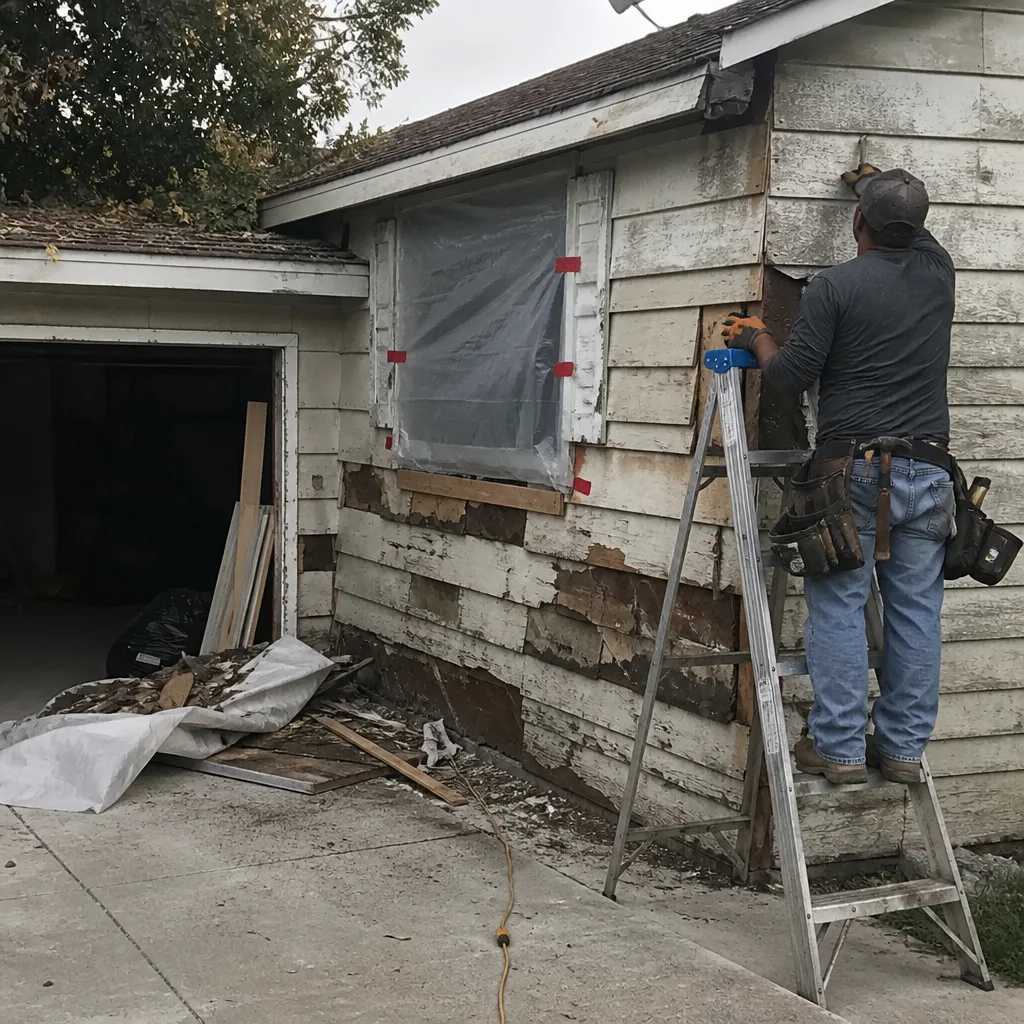 Before
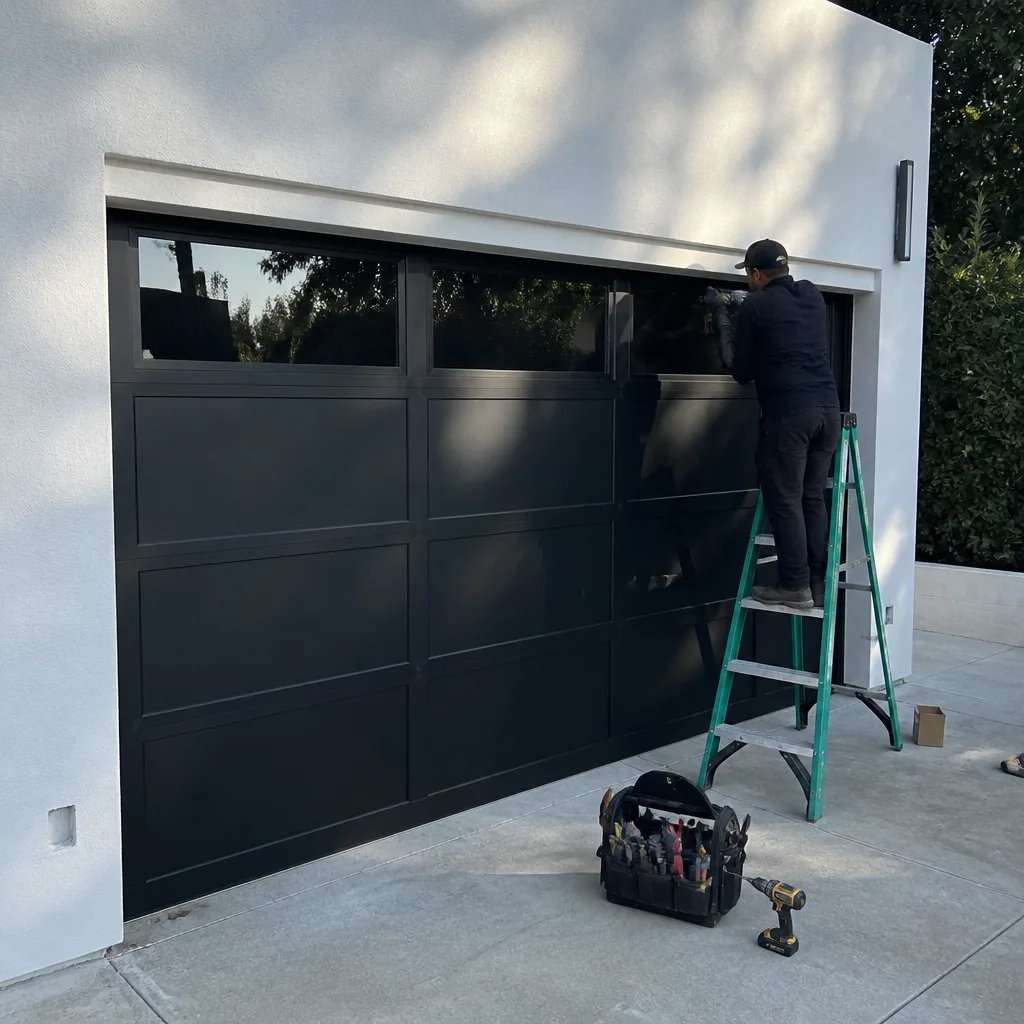 After
After Before
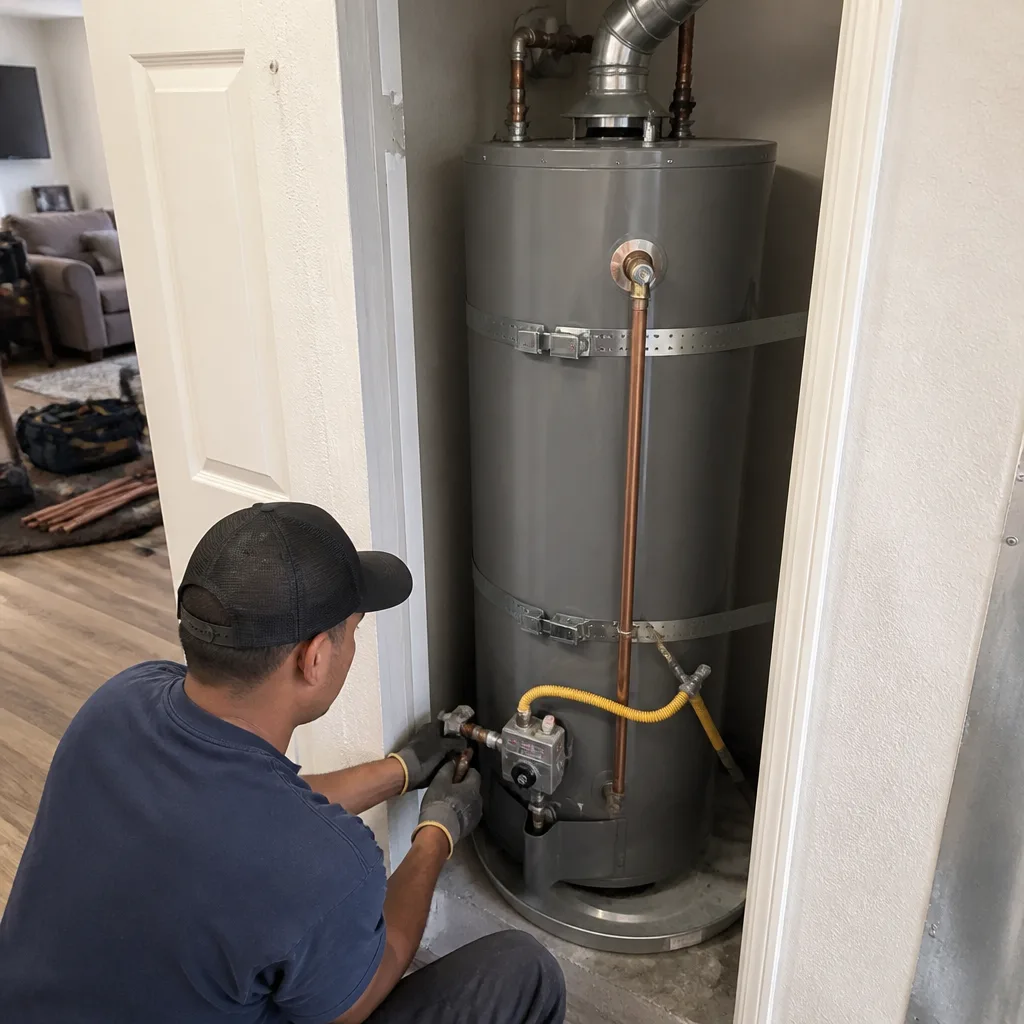 After
After Before
 After
AfterHome Remodeling Maintenance Schedule: What to Do and When
Here’s a number most Los Angeles homeowners never see: the average kitchen remodel in this city runs $18,000 to $55,000, and the bathroom behind it often lands between $12,000 and $35,000. That’s real money, and most of it rides on a warranty most people never actually read. Buried in the fine print of nearly every remodeling contract is a clause that says the guarantee only holds if you maintain the work. Skip the caulk inspection, let the grout dry out, ignore the settling countertop seam – and the warranty quietly dies before the one-year mark. This guide maps every maintenance task to the specific remodel it protects, so you know exactly what to do, when to do it, and which skipped steps can void the written guarantee you paid to get.
Quick Answer
A home remodeling maintenance schedule breaks into four repeating intervals: every 30 days you inspect caulk and grout on bathrooms and kitchens, every 90 days you test and clean the moving parts that remodels introduce, every 6 months you deep-clean finishes and check structural connections, and annually you reseal stone, re-grout worn tile, and schedule a professional inspection. In Los Angeles specifically, the dry climate and hard water mean you’ll reseal grout and stone more often than homeowners in wetter regions, while the absence of freeze-thaw cycles means you can stretch exterior caulk inspections to twice yearly instead of quarterly.
Table of Contents
- Why Your Remodel Warranty Depends on Maintenance
- 30-Day Maintenance: The First Walkthrough That Protects Everything
- 90-Day Maintenance: Moving Parts and Wear Surfaces
- 6-Month Maintenance: Deep Cleaning and Connection Checks
- Annual Maintenance: Resealing, Re-Grouting, and Professional Inspection
- The Los Angeles Seasonal Maintenance Calendar
- What You Can Do vs. What Requires a Licensed Pro
- The One-Page Printable Checklist
Why Your Remodel Warranty Depends on Maintenance
Most remodeling contracts in Los Angeles include a written workmanship warranty – typically one year, sometimes longer depending on the company. At Penhallow Remodeling, every project carries a 365-Day Done Right Promise in writing: if the work fails inside the guarantee period, we come back and fix it at no charge. But here’s what nobody tells you at the contract signing: that promise assumes you held up your end. Caulk that cracks and goes unrepaired lets water behind the tile. Grout that goes unsealed absorbs soap scum, hard water minerals, and eventually moisture. A cabinet hinge that loosens and gets ignored strips the screw hole and fails entirely. When a contractor shows up to inspect a warranty claim and finds neglected maintenance, the answer is often the same regardless of who did the work: the damage came from homeowner neglect, not workmanship, so the claim is denied. This isn’t a trick. It’s the industry standard, and it exists because water damage from ignored caulk looks very different from a bad tile installation. The maintenance schedule below is designed to keep you on the right side of that line.
30-Day Maintenance: The First Walkthrough That Protects Everything
Thirty days after the crew leaves, your remodel has settled. Cabinets have adjusted to your home’s humidity, the tile has fully cured, and the first signs of installation stress – if any – will show themselves. This is your first scheduled walkthrough, and it takes about 20 minutes.
Bathroom Remodels: Grout, Caulk, and the Shower Floor
- Inspect every caulk line. Run a finger along the seam where the tub or shower pan meets the tile. Caulk should be flexible, continuous, and firmly attached. If you see gaps, cracks, or areas where the caulk has pulled away, you have a water entry point. In a Los Angeles bathroom, where average indoor humidity is low but shower use is daily, caulk failure is the number one cause of warranty-voiding water damage.
- Check grout for pinholes. Run your eyes over the grout lines in the shower, on the floor, and around the vanity backsplash. Pinholes and hairline cracks are early signs of grout failure. Don’t panic – small grout defects are easy to repair – but document them and call your contractor if they’re widespread.
- Test the drain and look for pooling. Run the shower for two minutes, then turn it off. Water should drain completely. Standing water means the pan slope was not set correctly, which is a workmanship issue covered by your warranty – not a maintenance item. Report it immediately.
Kitchen Remodels: Seams, Hinges, and the Backsplash
- Check the countertop seams. Run a flat palm across every seam in the countertop. A properly installed seam is nearly invisible and flush. If you feel a lip or a gap, or if the seam appears to be widening, call your contractor. Stone countertops don’t shift on their own unless the cabinet base is settling or the install was flawed.
- Tighten cabinet hinges and drawer slides. Los Angeles homes swing between dry air and occasional humidity spikes, which makes cabinetry expand and contract slightly. Cabinet doors that rub or stick after thirty days are often just adjusting to your home. Tighten hinge screws with a screwdriver, but don’t over-torque them. Stripped screws are a cabinet problem, not a hinge problem.
- Wipe down the backsplash and check the grout. Kitchen backsplashes hold up well in dry climates, but the area behind the sink and range sees constant moisture and grease. Wipe it down and look for crumbling grout or cracked tiles. The area behind the faucet is the most common failure point.
90-Day Maintenance: Moving Parts and Wear Surfaces
At the 90-day mark, the novelty has worn off and the daily wear has begun. This is the interval where loose fasteners, shifting cabinetry, and finish wear first appear. It’s also where most homeowners stop paying attention, which means this is where most home remodeling warning signs every homeowner should know first appear and warranty claims start to slide into denied territory.
Kitchens: The Workhorse Test
- Open and close every cabinet door and drawer. Slow, deliberate, listening for squeaks, grinding, or resistance. Soft-close mechanisms should close smoothly without slamming or sticking. If a soft-close hinge fails, it’s usually a simple replacement part – and within the first 365 days, it should be covered by your contractor’s written guarantee.
- Check the sink seal and the garbage disposal connection. Run the garbage disposal with water running, then check underneath the sink with a flashlight. Look for moisture, drips, or water staining on the cabinet floor. A leaking disposal connection or sink strainer can rot a cabinet base in months, and that damage is almost always attributed to neglected maintenance.
- Inspect the faucet finish and handle movement. Wipe the faucet down with a soft cloth and look for water spots that won’t come off. In Los Angeles, hard water leaves mineral deposits that can etch cheap finishes. If you have a Kohler or Moen fixture installed by a remodeling contractor, the finish carries its own manufacturer warranty – often for life – but only if you clean it according to the manufacturer’s care instructions.
Bathrooms: Moisture Management and Grout Health
- Run the exhaust fan for 20 minutes and listen. The fan should be quiet and move air effectively. Hold a piece of toilet paper up to the grille while it’s running – it should cling to the grille. If it doesn’t, the fan isn’t venting properly, and moisture is staying in the bathroom. That moisture finds its way into grout, caulk, and eventually behind tile.
- Check the toilet for rocking or wax ring seepage. Sit on the toilet and shift your weight slightly. Any movement means the toilet flange or wax ring needs attention. A rocking toilet breaks the wax ring seal, and a broken wax ring leaks sewer gas and water onto your bathroom floor. That’s a fast track to a failed warranty inspection.
- Look for efflorescence on tile and stone. Efflorescence is a white, powdery residue that appears on tile and stone when water moves through the material and evaporates on the surface. It’s common after bathroom remodels in Los Angeles, where showers see daily use. A light dusting is normal and wipes away. Recurring heavy efflorescence means moisture is trapped behind the tile, which is a workmanship issue you should document and report.
6-Month Maintenance: Deep Cleaning and Connection Checks
At six months, your remodel has survived its first full seasonal cycle. In Los Angeles, that means the dry heat of late summer has settled into the cooler, occasionally wetter months. This is the interval for deep cleaning and structural connection checks.
Stone Countertops: Clean, Check, and Protect
Natural stone countertops – granite, marble, quartzite – need a pH-neutral stone cleaner, not vinegar, not bleach, not dish soap. Those acidic or abrasive cleaners strip the sealer and etch the surface, especially on marble. New stone counters typically ship from the fabricator with a sealer applied, but that sealer wears with use. To test whether your stone needs resealing, pour a teaspoon of water on the surface. If the water beads up, the sealer is working. If it soaks in and darkens the stone within a few minutes, it’s time to reseal. In Los Angeles kitchens, where counters see citrus, olive oil, and coffee daily, most natural stone needs resealing every 6 to 12 months. Quartz counters – including Cambria, Silestone, and Caesarstone – are engineered and require no sealing, which is one reason we install them so often in Los Angeles remodels. They carry their own manufacturer warranty alongside our 365-Day Done Right Promise.
Cabinetry: Alignment, Hardware, and Finish Integrity
- Adjust door alignment. Most modern hinges have two adjustment screws: one for depth, one for side-to-side alignment. A Phillips screwdriver and 30 seconds per door will fix most alignment issues. Cabinets that are severely out of alignment even after adjustments may indicate settling or an installation issue.
- Tighten drawer hardware. Drawer slides loosen with use, and extended periods of heat can affect the screw holes. At six months, tighten all drawer slide screws. If a screw spins without catching, the hole is stripped – which is a cabinet repair, not a maintenance item.
- Inspect the cabinet bases for water. Pull out everything from under the sink and inspect the cabinet floor with a flashlight. Look for water rings, darkening, swelling, or softness. A soft cabinet floor is water damage, and water damage in a remodeled kitchen is the single most common reason warranty claims get denied. The water source is almost always a slow leak from the sink, the disposal, or the dishwasher connection.
Annual Maintenance: Resealing, Re-Grouting, and Professional Inspection
Once a year, schedule a full day for the deep maintenance that keeps your remodel in warranty and looking like it did on installation day. In Los Angeles, late spring is the ideal time for this inspection, before the summer heat settles in and while you still have daylight to see fine details.
The Annual Grout and Caulk Audit
- Remove and replace cracked caulk. This isn’t a job you rush. Cut out the failing caulk with a utility knife, clean the joint thoroughly with rubbing alcohol, and apply a fresh bead of 100 percent silicone caulk. In showers and around tubs, silicone is the right material – not latex caulk, which hardens and cracks within months. For a professional clean line, use painter’s tape on both sides of the joint, tool the caulk with a wet finger, and pull the tape before it skins over. The result should be a smooth, concave bead with no gaps.
- Reseal grout lines in the shower and on floors. Sanded grout is porous. In a Los Angeles bathroom, hard water minerals and soap scum work into those pores and break down the grout from the inside. Brush on a high-quality penetrating grout sealer every 12 months. You’ll know it’s working when water beads on the grout instead of soaking in. If grout is crumbling, cracked, or missing in chunks, that’s a re-grout job – and if it’s happening within the first year, document it and call your contractor. Spalling grout is often a sign of a bad mix, not bad maintenance.
- Check the exterior caulk on windows and doors. If your remodel included new windows or exterior doors, the caulk around the frames is your primary line of defense against Los Angeles’s occasional winter rains. Inspect for gaps, shrinkage, or brittle sections. Re-caulk any compromised areas with a weatherproof exterior-grade sealant. In this climate, exterior caulk usually holds well for 5 to 7 years, but seams around south-facing windows take more UV punishment than anywhere else in the house.
The Professional Inspection
Once a year, have a licensed contractor walk the remodel with you. This is not an upsell – it’s due diligence. A professional eye catches things you’ve been walking past for months: the hairline grout crack that’s letting water behind the tile, the cabinet door that’s slowly falling out of alignment, the countertop seam that’s opened up a sixteenth of an inch. These are small repairs when caught early and expensive failures when ignored. At Penhallow Remodeling, every project includes a written guarantee, and we’d rather inspect a job at month 11 and catch a small problem under warranty than wait until month 13 and have a homeowner staring at a cracked shower pan. If something fails inside the guarantee period, we fix it at no charge. If it fails after, we still want to hear about it – the fix is usually far cheaper than the replacement.
The Los Angeles Seasonal Maintenance Calendar
Los Angeles doesn’t have a freeze-thaw cycle, so the maintenance calendar here looks different than it does in Chicago or Boston. Here’s what actually matters in this climate:
- January – February: Rain season awareness. Los Angeles gets most of its precipitation in these months. Check exterior caulk around windows and doors after the first significant rain. Look for water marks on interior walls, especially around new window installations.
- March – April: Post-rain interior check. With the rains mostly behind you, inspect the interior for moisture damage that may have occurred. Check under sinks, around shower bases, and along the bottom edges of exterior-facing walls. Also inspect the attic around any new skylights or roof penetrations from your remodel.
- May – June: Pre-summer deep clean. This is the best time for the annual grout sealing and caulk replacement. Temperatures are mild, so caulk and sealants cure properly. Hard water deposits from winter showers are at their peak – clean everything with a pH-neutral cleaner designed for your specific surfaces.
- July – August: Heat stress check. The dry heat causes cabinetry to shrink slightly, especially in uninsulated garages or south-facing rooms. Wood cabinets may develop small gaps at joints. This is normal, but loose hinges and drawer slides need tightening. Quartz and stone countertops expand slightly with heat – check seams for any slight opening, but don’t panic if a seam is visible only at certain temperatures.
- September – October: Santa Ana wind prep. If your remodel included exterior work – siding, windows, doors – check all caulk and sealant for cracks that could let dust and debris into the wall cavity during wind events. Clean window tracks and check weatherstripping.
- November – December: Holiday kitchen stress test. The holidays put more strain on a kitchen than any other time of year. Test every cabinet door, drawer, and appliance connection before the cooking marathon begins. You don’t want to discover a failing soft-close hinge on Thanksgiving morning.
What You Can Do vs. What Requires a Licensed Pro
Most maintenance on a remodel is owner-performed and doesn’t require a contractor. But there’s a line you shouldn’t cross, and crossing it is how homeowners end up with denied warranty claims and dangerous situations.
Owner-Performed Maintenance
- Inspecting and replacing caulk, grout sealer, and weatherstripping
- Tightening cabinet hinges, drawer slides, and door handles
- Cleaning stone, quartz, tile, and fixtures with appropriate pH-neutral cleaners
- Testing exhaust fans, garbage disposals, and faucets for proper function
- Documenting issues with photos and measurements for warranty claims
Leave to a Licensed Professional
- Re-grouting shower floors or walls. Grout failure in a shower is often a sign of a deeper problem: improper slope, movement in the substrate, or a failed waterproofing membrane. Re-grouting over a structural problem just hides it for another year.
- Replacing or repairing shower pans. A cracked or leaking shower pan is a tear-out job, not a caulk job. Any attempt to patch it is temporary and dangerous – water that gets under the pan rots the subfloor and creates mold conditions you can’t see.
- Moving plumbing or electrical. Any change to the location of a fixture, outlet, or appliance connection requires a permit in Los Angeles and must be done by a licensed tradesperson. Unpermitted work can void your homeowner’s insurance and get flagged during a future sale.
- Structural work of any kind. If you see a crack in a load-bearing wall, a sagging beam, or signs of foundation movement, stop and call a professional. These are not maintenance items – they’re structural problems that need immediate attention.
- Countertop removal or reinstallation. Stone and quartz are heavy, brittle, and unforgiving. A dropped slab destroys cabinets, flooring, and sometimes feet. If a countertop needs to come off for any reason, hire a licensed installer with the right equipment.
The One-Page Printable Checklist
Print this list and tape it inside a kitchen cabinet door. Check off each item as you complete it.
Every 30 Days
- □ Inspect caulk in showers, tubs, and around sinks for gaps or cracks
- □ Check grout in high-moisture areas for pinholes or crumbling
- □ Run the shower and check for proper drainage
- □ Wipe down kitchen faucet and check countertop seams with a flat palm
- □ Tighten any loose cabinet hinges or drawer hardware
Every 90 Days
- □ Test every cabinet door and drawer mechanism
- □ Check under sinks with a flashlight for moisture, stains, or softness
- □ Run the exhaust fan and verify it’s moving air properly
- □ Check the toilet for rocking or seepage around the base
- □ Look for efflorescence on shower tile and stone surfaces
Every 6 Months
- □ Deep clean all stone counters with a pH-neutral cleaner
- □ Test stone sealer with the water droplet test; reseal if needed
- □ Adjust cabinet door alignment on any doors that are sticking
- □ Inspect all cabinet bases for water rings, swelling, or softness
- □ Check exterior caulk around windows and doors after rain events
Every 12 Months
- □ Remove and replace all cracked or failing caulk in wet areas
- □ Reseal all grout lines in showers and on bathroom floors
- □ Re-caulk exterior window and door frames where needed
- □ Schedule a professional inspection with your remodeling contractor
- □ Document everything with photos and notes for warranty records
Common Mistakes to Avoid
- Using the wrong cleaner on stone. Vinegar, bleach, and lemon-based cleaners etch marble and strip sealer from granite. In Los Angeles, where citrus is everywhere, this is a surprisingly common mistake. Buy a pH-neutral stone cleaner and use nothing else on natural stone.
- Caulking over cracked grout. Grout that’s cracking usually means the tile bed is moving or the grout was mixed incorrectly. Caulking over it just traps the movement and the moisture. Address the cause, not the symptom.
- Ignoring a slow drain. A shower that drains slowly is often the first sign of a buildup problem in the trap or drain line – not just a maintenance issue, but a sign of a poorly pitched pipe. Document it, and if it persists, call your contractor while the warranty is still active.
- Skipping the 365-day walkthrough. Most remodeling warranties in Los Angeles are one year, and the smartest homeowners schedule a professional inspection at month 11. Catch a problem at month 11 and it’s covered. Discover it at month 13 and you’re writing a check.
- Painting over water stains instead of investigating them. A water stain on a ceiling or wall after a remodel is a symptom. Painting over it hides the symptom while the water keeps moving through the wall cavity. Find the source first.
- Assuming quartz and solid surface need no maintenance at all. Quartz doesn’t need sealing, but it still needs regular cleaning with the right products, and hard water in Los Angeles will leave deposits that etch the surface over time if ignored.
- Doing electrical or plumbing work yourself to “save money” on maintenance. Unpermitted work voids your warranty, invalidates your insurance coverage, and gets flagged during a home sale in Los Angeles, where building records are aggressively enforced. Hire licensed tradespeople for anything beyond basic tightening and cleaning.
When to Call a Professional
Call a professional the moment you see water where water shouldn’t be: a stain on the ceiling below a bathroom, moisture under the sink, a crack in the shower pan, or softness in any cabinet base. These are not maintenance items – they’re active failures. Also call a pro if your annual inspection turns up grout failure inside a shower, a countertop seam that’s opening, or cabinet doors that won’t hold alignment after adjustment. These issues often point to installation problems, and if you’re inside the warranty period, your contractor should know about them immediately. Penhallow Remodeling offers free estimates in Los Angeles – call (936) 259-2607 for an inspection or a written quote on any repair. We’d rather catch a problem early and fix it under warranty than watch it grow into a tear-out.
Frequently Asked Questions
For a typical Los Angeles kitchen and bathroom remodel, annual maintenance runs $150 to $400 if you do the caulk replacement, grout sealing, and hardware tightening yourself and hire a professional only for the annual inspection. That includes caulk, sealer, cleaners, and replacement hardware like hinges and stoppers. If you hire a contractor for all of it, expect $500 to $1,200 per year. Call (936) 259-2607 for a specific quote on your home.
Yes, and it’s the most common reason warranty claims get denied. If water damage occurs because you ignored cracked caulk, or a cabinet door fails because a hinge was never tightened, the contractor will attribute the failure to neglect rather than workmanship. The 365-Day Done Right Promise from Penhallow Remodeling covers workmanship failures – but the written guarantee assumes you’ve maintained the work as described in this guide.
Every 12 months, and more often if the shower gets daily use or you have particularly hard water. Los Angeles water is moderately hard, and mineral deposits break down grout sealer faster than soft water. If water fails to bead on the grout during a spot test, reseal immediately. Call (936) 259-2607 if you want a professional evaluation of your grout condition.
Quartz counters – including Cambria, Silestone, and Caesarstone brands we install in Los Angeles – never need sealing and resist staining better than natural stone. But they still need regular cleaning with a pH-neutral or non-abrasive cleaner, and hard water spots should be wiped away before they etch. Avoid scouring pads and abrasive cleaners, which dull the surface finish over time.
Most workmanship warranties on remodeling work run one year, which is the industry standard. Some contractors offer longer terms, but one year is what you’ll see most often in Los Angeles. Penhallow Remodeling provides a 365-Day Done Right Promise in writing on every project, with a free return visit if any repair fails inside that window. Manufacturer warranties on materials – cabinetry, countertops, fixtures – often run much longer, sometimes for life.
Yes. Schedule an inspection at month 10 or 11, not month 12. That gives the contractor time to identify issues and complete any warranty repairs before the clock runs out. A written inspection report also documents the condition of the work, which helps if you ever need to file a claim against a material manufacturer’s warranty. Penhallow Remodeling offers free estimates in Los Angeles – call (936) 259-2607 to schedule a pre-warranty inspection.
The Bottom Line
Your remodel is a five-figure investment, and the maintenance schedule that protects it costs a few hundred dollars a year and a few hours of attention. Caulk and grout are your first line of defense against water damage. Cabinet hardware is your first line of defense against mechanical failure. And a professional inspection before your warranty expires is your first line of defense against paying for a repair that should have been covered. In Los Angeles, where the dry climate delays some maintenance but hard water accelerates it, the calendar above is tuned to the conditions you actually live with. Follow it, document your work, and hold onto the written guarantee you negotiated. For more guides & resources on protecting your investment, visit our blog. That guarantee is only as strong as the maintenance that backs it.
Written by Trevor Nash, Owner at Penhallow Remodeling, serving Los Angeles since 2004.