
Last updated October 8, 2026
Free written scope consultation - allowances, timeline, and change-order rules on paper before a single trade is scheduled
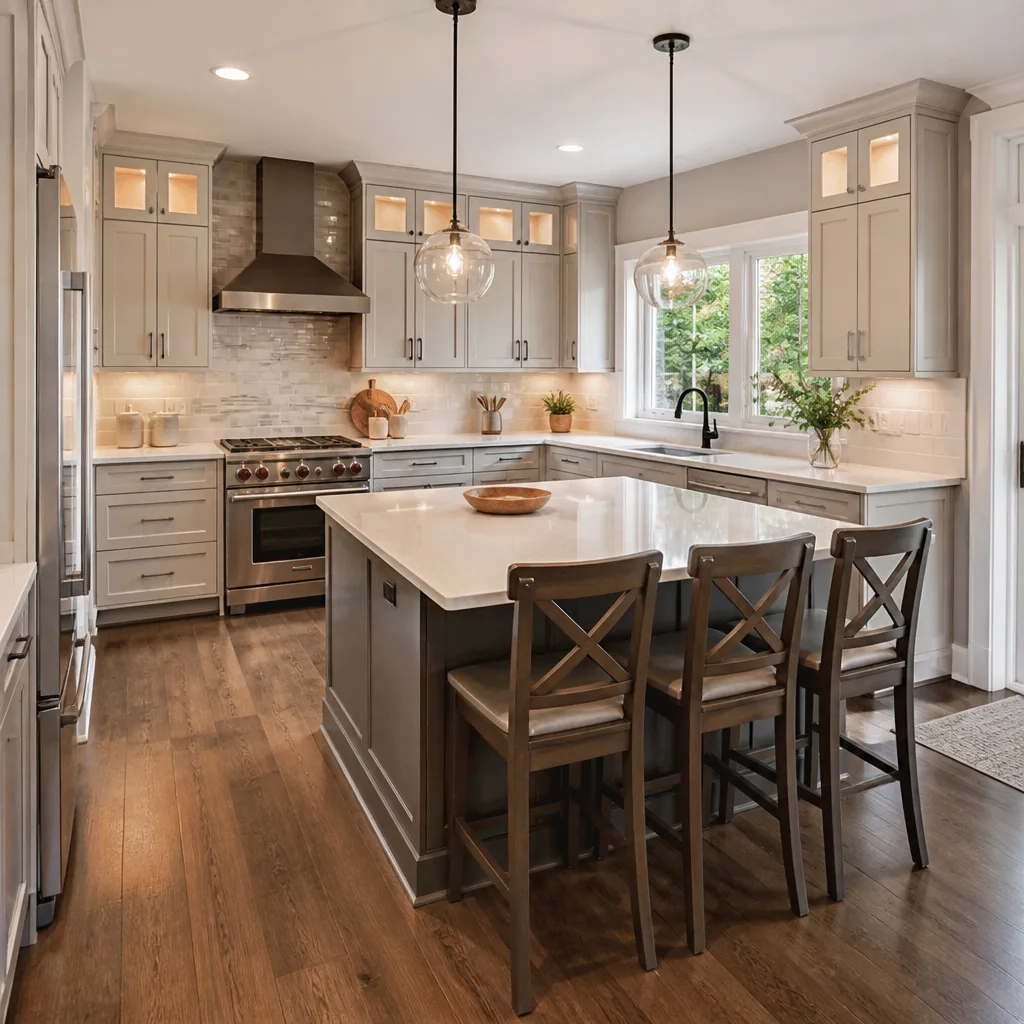
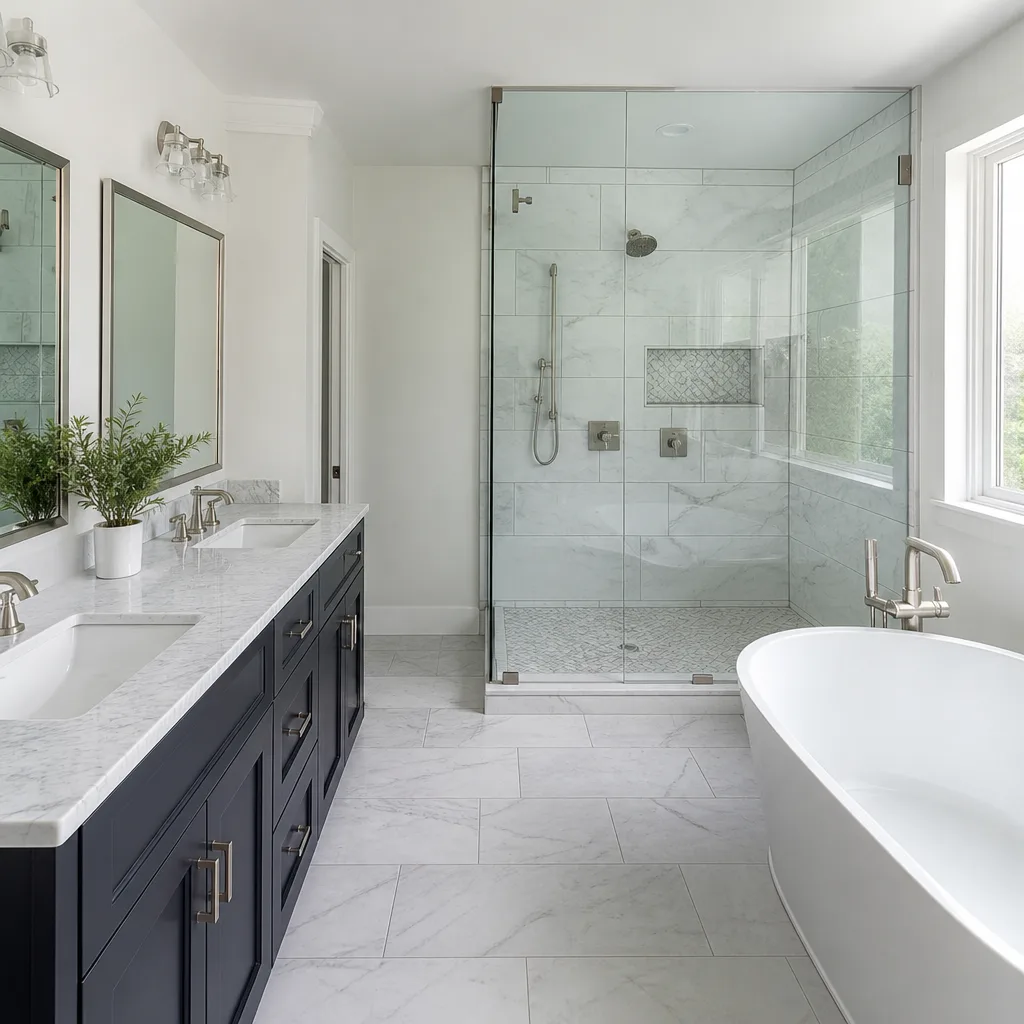
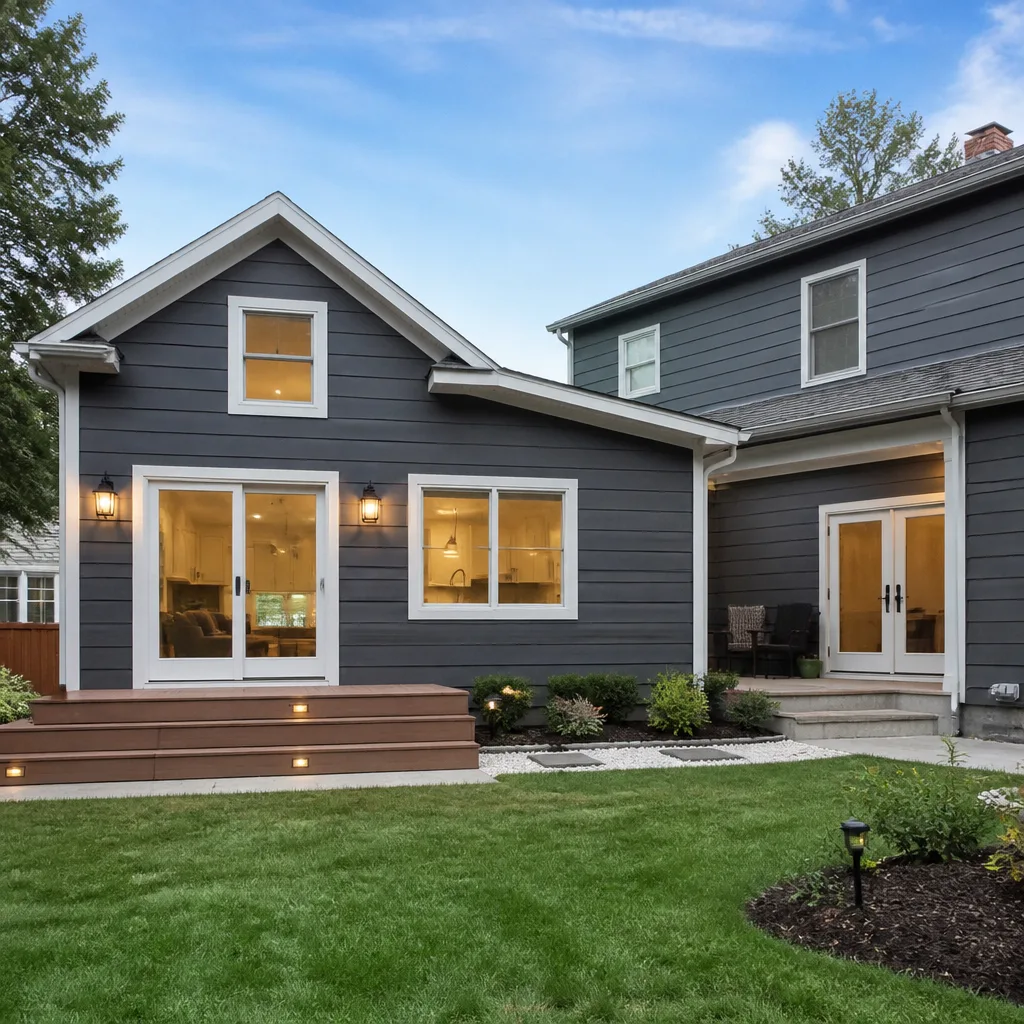

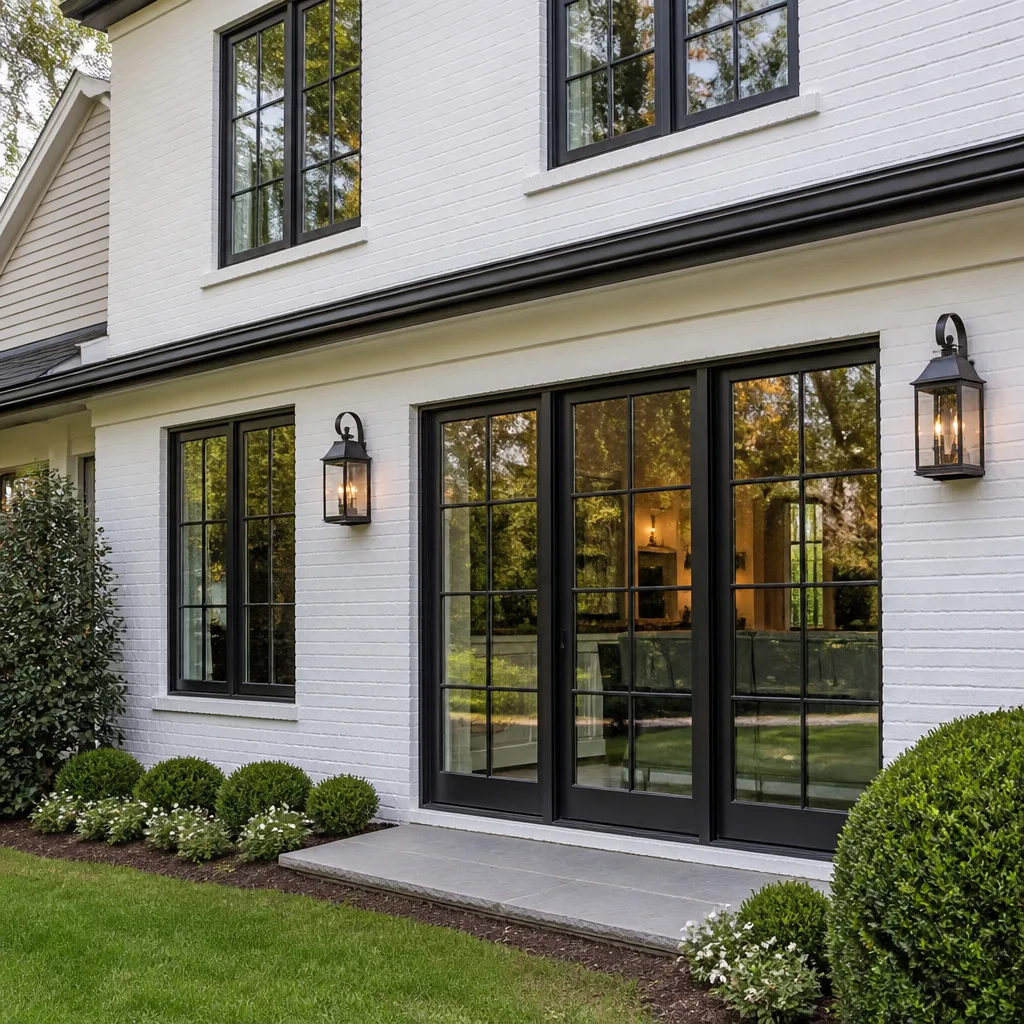
 Before
 After
After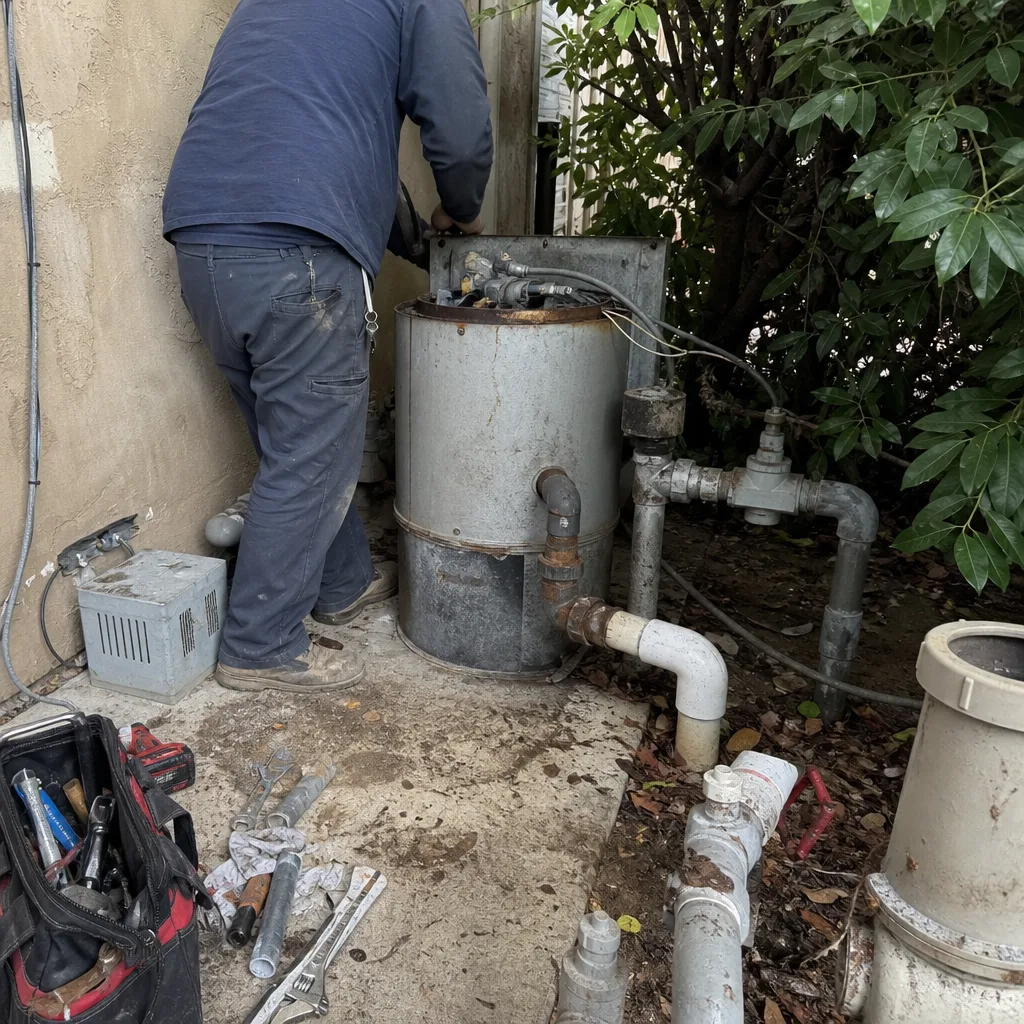 Before
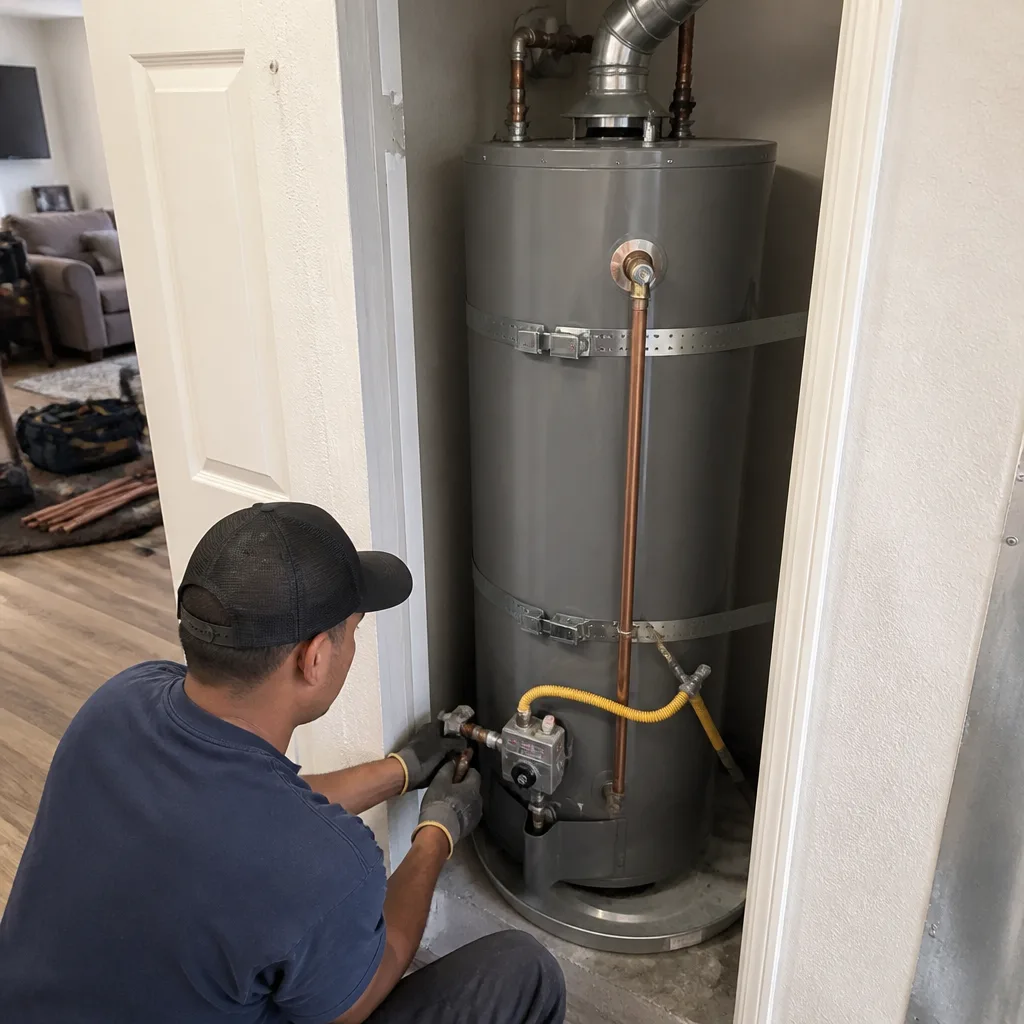 After
After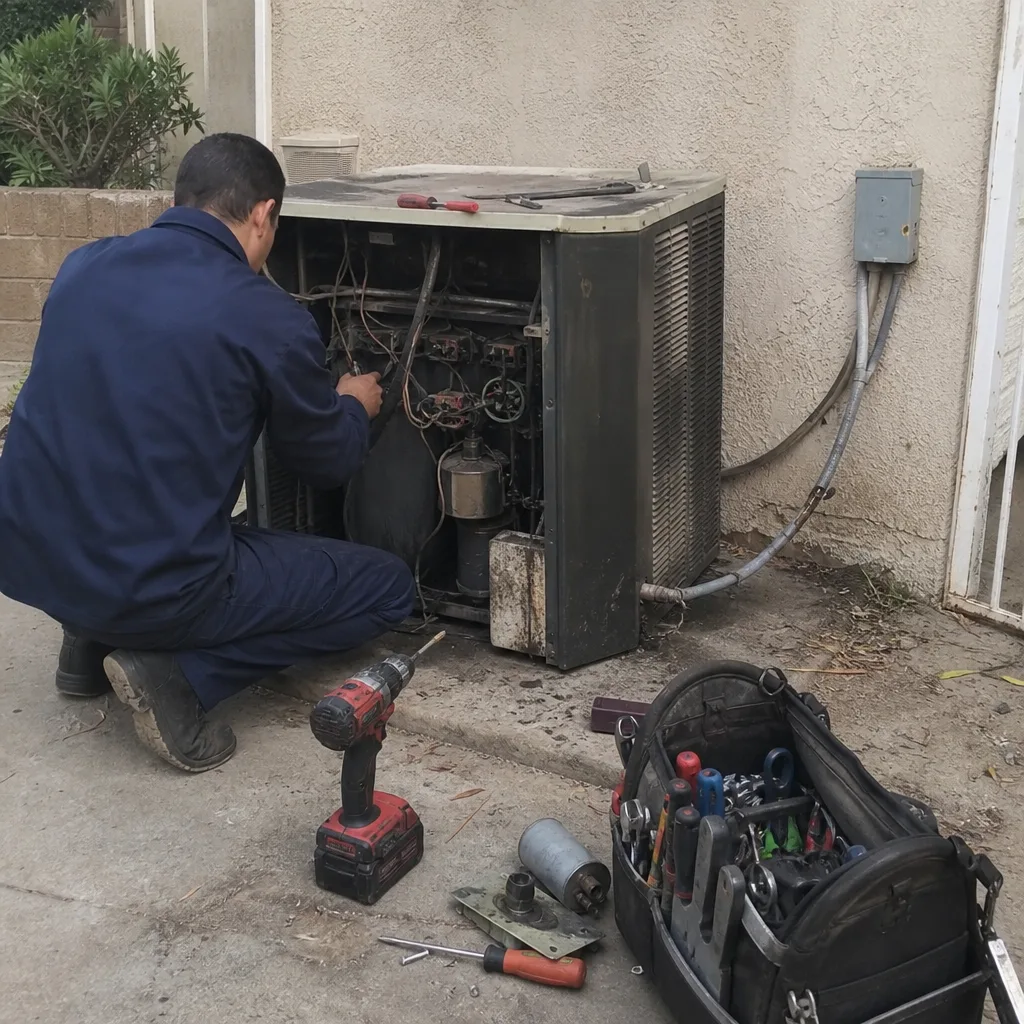 Before
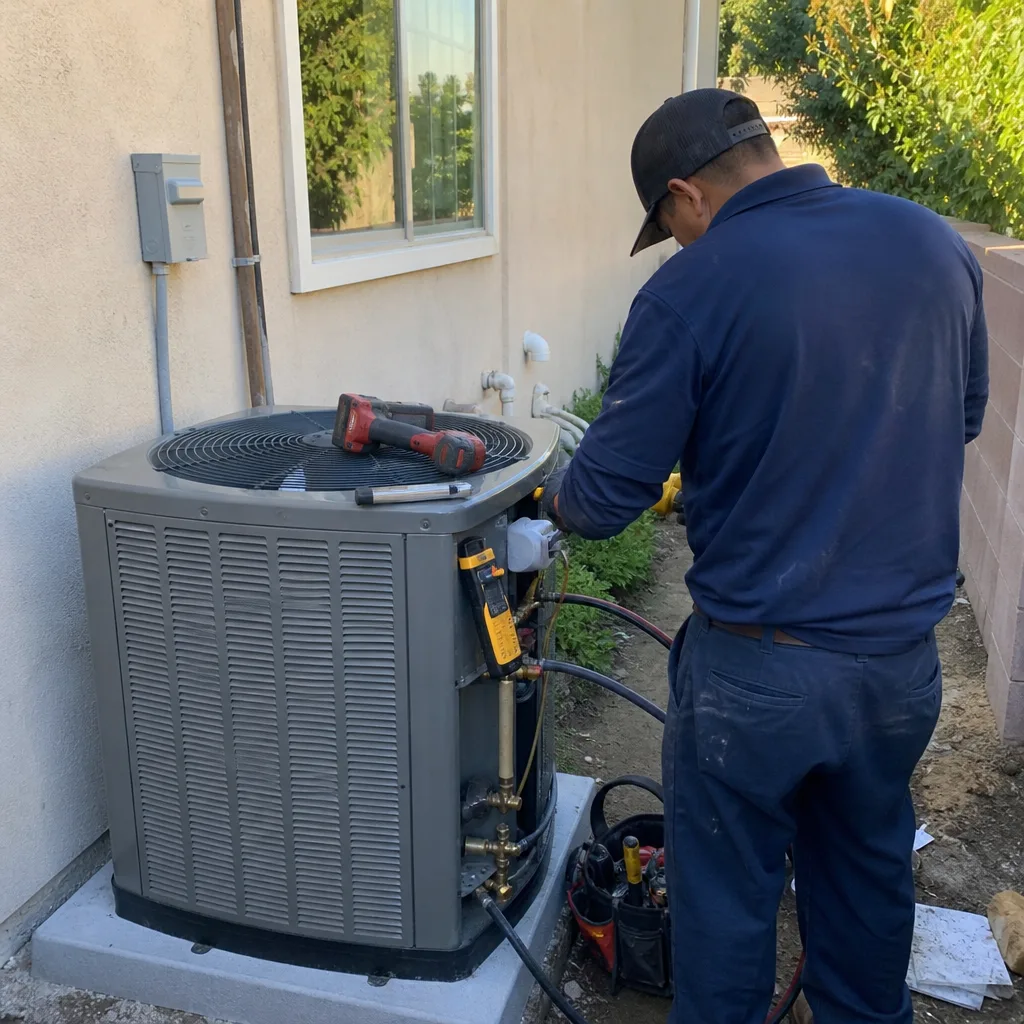 After
AfterDIY vs Professional General Contractor: What’s Safe to Do Yourself
In California, unpermitted electrical or structural work doesn’t just risk a fine – it can show up on a title report and kill a home sale a decade later, long after the original homeowner is gone. A homeowner in Los Angeles who swapped a light fixture without a permit in 2016 may only find out in 2026, when the buyer’s title company flags the unpermitted panel and the escrow falls apart. This guide covers what California law actually allows you to do yourself, what it doesn’t, which mistakes are recoverable, and which mistakes turn into liens, disclosures, or demolition orders. You’ll leave with a clear line between a paint roller and a permit counter.
Quick Answer
You can safely do your own cosmetic work in Los Angeles – painting, trim, flooring, cabinet hardware, non-structural landscaping – without a permit or a contractor. Anything that touches structure, plumbing, electrical, or gas requires a California-licensed contractor, and in Los Angeles specifically, pulling a permit as an owner-builder means signing a legal statement that you performed the work yourself and that it meets code – which almost no first-time DIYer is qualified to sign. If you’re unsure whether a job is permit-exposed, call a general contractor for a free site review before you cut into the first wall.
Table of Contents
- What California Law Actually Says About DIY Work
- The Los Angeles Owner-Builder Permit: What You Sign
- Work That’s Genuinely Safe to DIY
- Work You Should Never DIY in California
- The Hidden Cost of DIY Mistakes
- Three Questions to Ask Before You DIY
- Common Mistakes to Avoid
- When to Call a Professional
- Frequently Asked Questions
What California Law Actually Says About DIY Work
California Business and Professions Code Section 7048 is the law that draws the line. A homeowner may act as an owner-builder on their own primary residence and perform or coordinate work without a contractor’s license. That sounds broad – but the same statute exempts you from the licensing requirement, not from the permit requirement, the code requirement, or the liability that comes with both. In Los Angeles, that means the Department of Building and Safety (LADBS) will still inspect your work, still enforce the California Building Code, and still hold you responsible if the work fails.
The practical effect in Los Angeles neighborhoods – from Valley Glen to Westchester to Highland Park – is that the homeowner who DIYs a remodel carries the same legal exposure as a contractor, without the insurance, the training, or the warranty behind the work. Here is the exact split under California law:
- Owner-builder exempt work: Work on your own occupied single-family home, done by you or by properly licensed subcontractors you hire directly, as long as you pull the permit and sign the owner-builder declaration.
- Work requiring a licensed contractor regardless of who does it: Any work on a property you intend to sell within one year of completion, any work on rental units, any work on a home you do not occupy, and any work involving asbestos removal, certain fire sprinkler work, or hazardous materials.
- Work no homeowner may legally do themselves: Any project that requires a licensed specialty contractor’s certification, including most electrical panel work, gas line work, and structural engineering. In practice, LADBS will accept owner-builder permits for many scopes – but the liability you carry is entirely yours.
What most homeowners miss is that the owner-builder exemption does not protect you from a lawsuit when you sell. If the buyer discovers unpermitted work, the standard California Residential Purchase Agreement requires you to disclose it. And once it’s disclosed, the buyer can demand you retrofit it, repair it, or drop the price.
The Los Angeles Owner-Builder Permit: What You Sign
If you decide to pull a permit yourself in Los Angeles, the LADBS owner-builder process is straightforward on paper. You file an application, pay the permit fee, and sign a declaration. That declaration is where the trouble starts. It states, under penalty of perjury, that you performed the work yourself or hired licensed subcontractors, that the work meets all applicable codes, and that you accept full responsibility for the project’s compliance. Most homeowners sign it without reading it.
Here is the step-by-step of what actually happens:
- File with LADBS. Submit plans (if required for the scope), pay the fee, and sign the owner-builder declaration. For many smaller scopes in Los Angeles – such as re-roofing a single-family home – the plan check may be same-day or online.
- Schedule inspections. LADBS assigns an inspector. That inspector will check the work at specific stages: rough framing, rough electrical, plumbing, and final. If you fail, you correct the issue and re-schedule.
- Pass final inspection. Once the work passes, the permit is signed off and the job is closed out. That sign-off is your proof the work is legal.
- Live with the liability. You are now the contractor of record. If a plumbing line you moved fails and floods the kitchen, your homeowner’s insurance may deny the claim because the loss was caused by unlicensed work you performed yourself.
We see this in Los Angeles constantly. A homeowner in Mar Vista pulls a permit to move a kitchen sink. The rough plumbing passes. Two years later, a slow leak rots the subfloor. The insurance adjuster finds the permit in the owner’s name and denies the water damage claim. A licensed contractor’s general liability policy would have covered that loss. The homeowner eats the entire repair. The permit was legal; the exposure was not.
Work That’s Genuinely Safe to DIY
The DIY conversation isn’t all caution. There is a fairly long list of cosmetic work you can do in Los Angeles with almost zero permit risk, zero resale liability, and no insurance exposure. The key is that none of these tasks alter the structure, move a pipe or wire, or require an inspector to put eyes on the work.
- Interior painting. No permit, no inspection, no code issue. Paint is the single safest DIY project in any Los Angeles home. The only thing at stake is whether you cut in cleanly.
- Trim, baseboards, and crown molding. Fastening decorative wood to walls does not touch structure. A miter saw and a nail gun cover most of it.
- Cabinet hardware and faucet trim. Swapping knobs, pulls, and even entire faucets (when you’re not changing the supply lines behind the wall) is low-risk. Keep the existing shutoff valves, don’t touch the rough plumbing, and you’re fine.
- Flooring – floating or click-lock only. Luxury vinyl plank and laminate that clicks together without adhesive or nails sits on top of the subfloor. It’s removable, non-structural, and safe in a Los Angeles rental or resale. Nailed or glued hardwood is on the edge – fine for many homes, but if the subfloor condition is unknown, that’s a job for a pro.
- Landscape planting and hardscape that doesn’t require drainage permits. Adding plants, mulch, pavers under 30 inches in height, and non-structural garden beds is generally permit-free in Los Angeles. This is different from building a retaining wall over 3 feet, which LADBS treats as structural and requires an engineer’s stamp.
- Decorative shelving, picture hanging, and light fixture covers. As long as you’re not running new wire, changing out a light fixture plate or hanging a shelf is owner-safe.
None of these projects carry meaningful permit exposure in the city of Los Angeles. They also don’t trigger the owner-builder declaration. And critically, a mistake on any of them – a paint drip, a crooked shelf – is recoverable in an afternoon, not a lawsuit.
Work You Should Never DIY in California
Some work is legally DIY-able as an owner-builder and still should not be done by a homeowner. The dividing line is not whether you’re allowed to pull the permit. It’s whether you can survive the consequences if the work fails. In our experience across Los Angeles remodels, the most expensive repair jobs we take on are corrections of failed DIY work in these categories:
- Moving or removing walls. A wall can be load-bearing, shear-braced for earthquakes, or both. Los Angeles sits in seismic design zone D, which is the most demanding earthquake code category in the country. A non-engineered wall removal doesn’t just sag – it can shift the load path during a quake and turn a cosmetic remodel into a structural failure. LADBS requires an engineer’s calculations for any wall removal over a header span, and the inspector will check the strapping, the hold-downs, and the foundation anchor bolts.
- Electrical panel work. Upgrading a panel from 100 amp to 200 amp in Los Angeles is technically something an owner-builder can pull a permit for. It’s also the job where a wrong lug torque or a mis-sized feeder wire becomes a fire. Los Angeles Department of Water and Power (LADWP) must disconnect and reconnect the service drop – a step that can leave your home without power for days if the paperwork isn’t sequenced right. This is not a weekend project.
- Gas line modification. Moving a gas range or adding a gas line for a dryer means working with natural gas. A small leak behind a wall accumulates. In a Los Angeles house with a tankless water heater in a closed garage, a leaking gas joint is a serious hazard. Gas work requires a pressure test witnessed by the inspector, and a failed test means tearing back into the wall to find the leak.
- Waterproofing a shower or tub surround. This one surprises people. It looks like tile work, which feels cosmetic. But the waterproofing layer – the shower pan, the membrane, the cement board substrate (the moisture-resistant layer behind your tile) – is a craft. A DIY shower that leaks will rot the subfloor, the joists, and the ceiling below. Los Angeles bathroom remodels fail most often at the shower pan, not at the tile.
- Roof replacement or structural roof repair. Los Angeles roofing codes include specific requirements for seismic strapping, underlayment class, and ventilation. A roof that passes in Visalia fails in Mar Vista because of wind exposure maps. Once a roof leaks, the damage reaches the framing and the drywall – and the repair bill triples.
The pattern is consistent: the work that looks unapproachable (painting, floors) is safe. The work that looks approachable (a wall, a panel, a shower) is where Los Angeles DIY projects go wrong, because the risk is hidden inside the assembly.
The Hidden Cost of DIY Mistakes
The DIY pitch is always the same: you’ll save the labor. A DIY vs Professional Kitchen Remodeling: What’s Safe to Do Yourself project in Los Angeles runs $18,000 to $55,000 depending on layout, cabinet line, and countertop material, and a large share of that is labor. So the temptation to do it yourself is real. What the pitch omits is the cost of mistakes that require a licensed contractor to correct – and the fact that correction often costs more than the original job would have.
Here’s why. When a contractor builds a wall, runs a wire, or waterproofs a shower, the work is done in sequence. Framing, rough-in, inspection, close-up, finish. When a homeowner does part of that sequence wrong, the correcting contractor has to undo the work before doing it again. Demolition is not free. And the re-do is often more expensive than the original because the contractor is now working around whatever the homeowner already altered.
- Pre-construction pricing change. When a wall was removed without engineering, the correcting contractor often has to install a larger header or add a post. The permit is re-opened, the plans are revised, and the inspector requires a new set of calculations.
- Failure-to-disclose costs at resale. Unpermitted work is a title-report item in California. The standard disclosure asks whether any work was done without permits. If the answer is yes, the seller may need to pay to bring it up to code before closing – and in Los Angeles, the buyer’s inspector will find it.
- Insurance denial. As noted in the owner-builder section, water or fire damage linked to unpermitted DIY work is frequently denied by carriers. The claim for a flooded kitchen may be $15,000. The claim denied is the entire $15,000.
- Brand warranty voiding. If you install a Cambria or Silestone countertop yourself and the seam fails, the product warranty may not apply because certified fabrication and installation is a warranty condition. The material manufacturer stands behind the product when a qualified installer does the work.
None of this is an argument that all DIY is bad. It’s an argument that the economics change when the project touches permit-exposed or warranty-covered scope. The risk-adjusted cost of a DIY shower pan is often higher than hiring the remodeler, because the downside is not a crooked tile – it’s a full tear-out.
Three Questions to Ask Before You DIY
Every homeowner should be able to honestly answer three questions before deciding whether to DIY a structural, plumbing, or electrical scope. We’ve used this framework for years on Los Angeles projects, and it holds up in every neighborhood from Atwater Village to Tarzana.
- What is the worst plausible failure mode, and who pays for it? If the answer involves water inside a wall, fire inside a panel, or a structural change, the failure is not recoverable by repainting. In those cases, DIY is not a savings strategy; it’s a risk transfer from a licensed contractor’s insurance to your homeowner’s policy, which may deny the claim.
- Do I understand the permit and inspection path, or am I guessing? In Los Angeles, the answer matters more than in most cities. LADBS has specific requirements for detached structures, retaining walls, kitchen layouts, shower valves, and electrical grounding. If you don’t know which items require a plan check versus which are over-the-counter permits, you’re not ready to pull the permit.
- If I fail, can I afford to have a professional do it twice? The honest answer is often no. The correction cost for a failed DIY job is not the difference between the original quote and the new one – it’s the original quote plus the demolition plus the new quote, sometimes with structural revisions and a new permit cycle on top.
A homeowner who answers all three questions with confidence may be in good shape for a mid-size DIY project. A homeowner who hesitates on any of them should talk to a licensed general contractor before the first tool comes out. The consultation costs nothing at most reputable Los Angeles firms.
Common Mistakes to Avoid
- Pulling an owner-builder permit without reading the declaration. The statement you sign in Los Angeles puts you on the hook as the builder of record. Most homeowners treat it like a formality. It’s a legal document that follows the property.
- Assuming “cosmetic” means “permit-free.” Not always. In Los Angeles, replacing a kitchen layout, moving an electrical outlet, or changing a window size is not cosmetic in the eyes of LADBS, even if it looks cosmetic in the room.
- Underestimating seismic requirements. California’s earthquake code applies to more than new construction. A homeowner who re-pours a patio or adds a story without seismic detailing is creating a liability that a future buyer’s structural inspector will flag.
- Skipping the permit entirely. The worst outcome of unpermitted work is not a fine – it’s the forced retrofit or teardown at resale, often years after the original homeowner has moved. In Los Angeles, the buyer’s inspector will check the permit history against the house.
- Trusting a handyman to do contractor-scope work. A handyman in California may legally do work under $500 per job. Many so-called handymen quote larger structural or plumbing jobs and do them without a license, without a permit, and without insurance. The homeowner who saves $1,000 is the same homeowner who pays $12,000 to fix the result.
- Believing a verbal quote is a price. In Los Angeles, a verbal estimate is not a contract. You want a written price before any work starts, with the scope and the number in writing. Any contractor who won’t put it in writing is planning to charge you more later.
- Using product-brand names as a substitute for installation quality. A KraftMaid cabinet or a Cambria quartz countertop is only as durable as the install behind it. Buying a premium material and having it installed poorly is the most expensive way to get a mediocre result.
When to Call a Professional
Call a licensed general contractor whenever the scope touches a permit-required trade: structural, electrical, plumbing, gas, or waterproofing. For more guides & resources, see our blog. Call one when the failure mode is water in a wall or fire behind a panel. Call one when you’re buying premium materials like James Hardie siding, a Thermador range, or a Kohler shower valve – because the product warranty depends on a qualified install. And call one when you’ve already partially started a project and realize the scope is beyond what you can produce safely. No reputable contractor will shame you for pulling out of a DIY job mid-way; we fix partial DIY work every week in Los Angeles. Penhallow Remodeling offers free estimates in Los Angeles – call (936) 259-2607.
Frequently Asked Questions
Yes, California law permits an owner-builder to perform electrical work on a primary residence if you pull the permit through LADBS and sign the owner-builder declaration – but doing your own panel upgrade, service change, or any work involving the main service drop is not recommended, because LADWP must disconnect and reconnect the service and a mistake at the panel is a fire risk. The safer route is to hire a licensed general contractor who carries electrical liability insurance and who has done panel work in Los Angeles repeatedly. Call (936) 259-2607 for a free estimate on any electrical scope that feels beyond a fixture swap.
Unpermitted work is a required disclosure on the California Residential Purchase Agreement, and the title report will flag it when the buyer’s title company pulls the LADBS permit history. At that point, the buyer can demand the work be permitted retroactively, repaired to code, or credited against the purchase price – and since the seller is the one who signed the owner-builder declaration of record, the seller carries the exposure. In Los Angeles, this is one of the most common reasons escrows fall apart on otherwise clean homes.
LADBS permit fees vary widely by scope, but most over-the-counter permits for small to mid-size remodels run between $300 and $2,500 depending on the project valuation, and the plan check for a simple kitchen or bath remodel may clear in 2 to 4 weeks. The time sink is not the fee – it’s the inspection cycle, which requires you to be on site for rough and final inspections during LADBS business hours, often on short notice. A general contractor handles that scheduling for you; an owner-builder handles it alone, and the inspections are non-negotiable if you want a signed-off permit.
Tile over a dry surface, like a kitchen backsplash on an existing wall, is safe for DIY because the surface is not waterproofed and a mistake is recoverable. Tile inside a shower or on a bathroom floor over a wet area is a different category entirely – that work requires a waterproof membrane, a sloped shower pan, and a cement board substrate, and a leak in that assembly rots the structure. We do not recommend DIY shower waterproofing; the cost of a tear-out exceeds the cost of the original professional install.
No – not legally for any job over $500. California caps handyman work at $500 including materials, and any plumbing or electrical scope of consequence exceeds that immediately. If the handyman is doing larger jobs without a license, they are also uninsured, and any failure falls on you. For any plumbing or electrical work beyond a faucet or fixture swap, hire a licensed contractor whose insurance covers the work. A written price before work starts is the standard you should hold – and that’s the standard Penhallow Remodeling operates under on every job. Start with our Penhallow Remodeling home page.
You don’t, not reliably, without opening the ceiling and checking the joist direction, the top plate, and the foundation carry-down – and in Los Angeles, the wall may also be a shear wall, which means it’s not holding weight but it is holding the house together in an earthquake. The safe path is to have a structural engineer or a licensed general contractor evaluate the wall before you swing a hammer. If you’re planning a remodel that involves moving walls, a general contractor in Los Angeles can assess the layout, the header requirements, and the permit path in a single visit.
The Bottom Line
The DIY-vs-hire decision is not about how handy you are. It’s about what you’re allowed to touch, what you sign, and what happens when the work fails. In Los Angeles, the list of genuinely safe DIY projects is long enough to keep a weekend warrior busy for years – paint, trim, flooring, hardware, landscaping. The list of projects that look approachable but aren’t – load-bearing walls, shower pans, electrical panels, gas lines – is where the risk lives. If the downside is recoverable, do it yourself. If it isn’t, call a pro. Penhallow Remodeling puts the price in writing before the first tool comes out, and the 365-Day Done Right Promise covers the work in writing too. If you’re comparing DIY against a pro, compare against a written number, not a verbal one. For a kitchen remodeling in Los Angeles or a bathroom remodeling in Los Angeles project, call (936) 259-2607 and we’ll tell you honestly whether the scope is DIY-safe or worth hiring out.
Written by Trevor Nash, Owner at Penhallow Remodeling, serving Los Angeles since 2004.