
Last updated October 8, 2026
Free written scope consultation - allowances, timeline, and change-order rules on paper before a single trade is scheduled
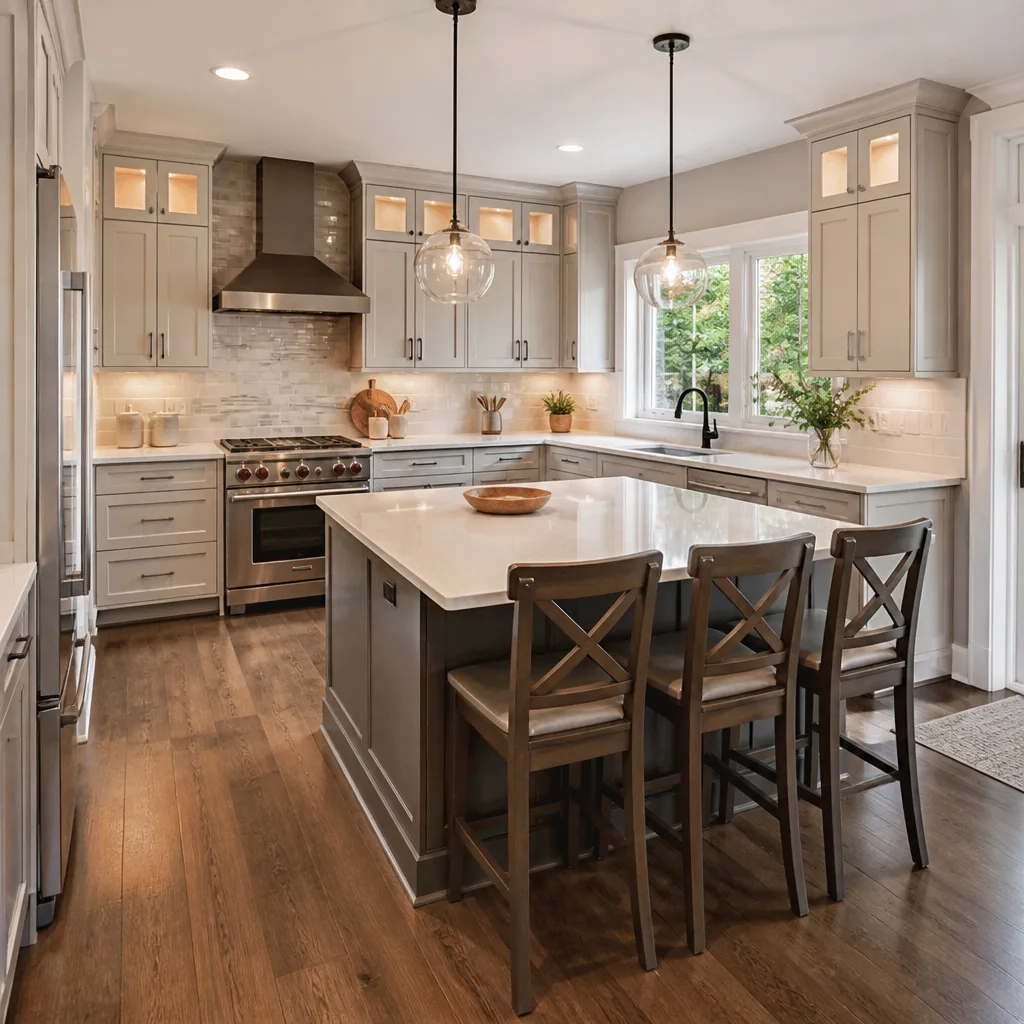

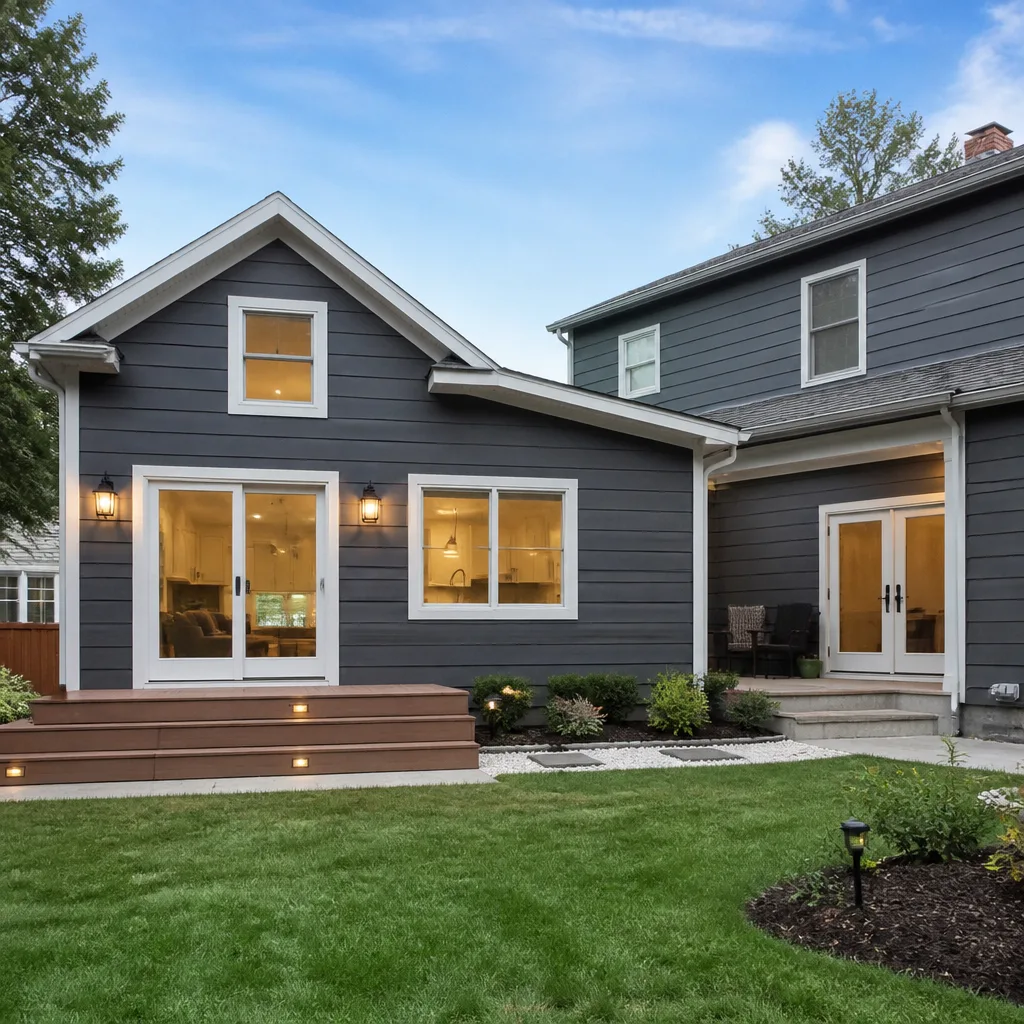

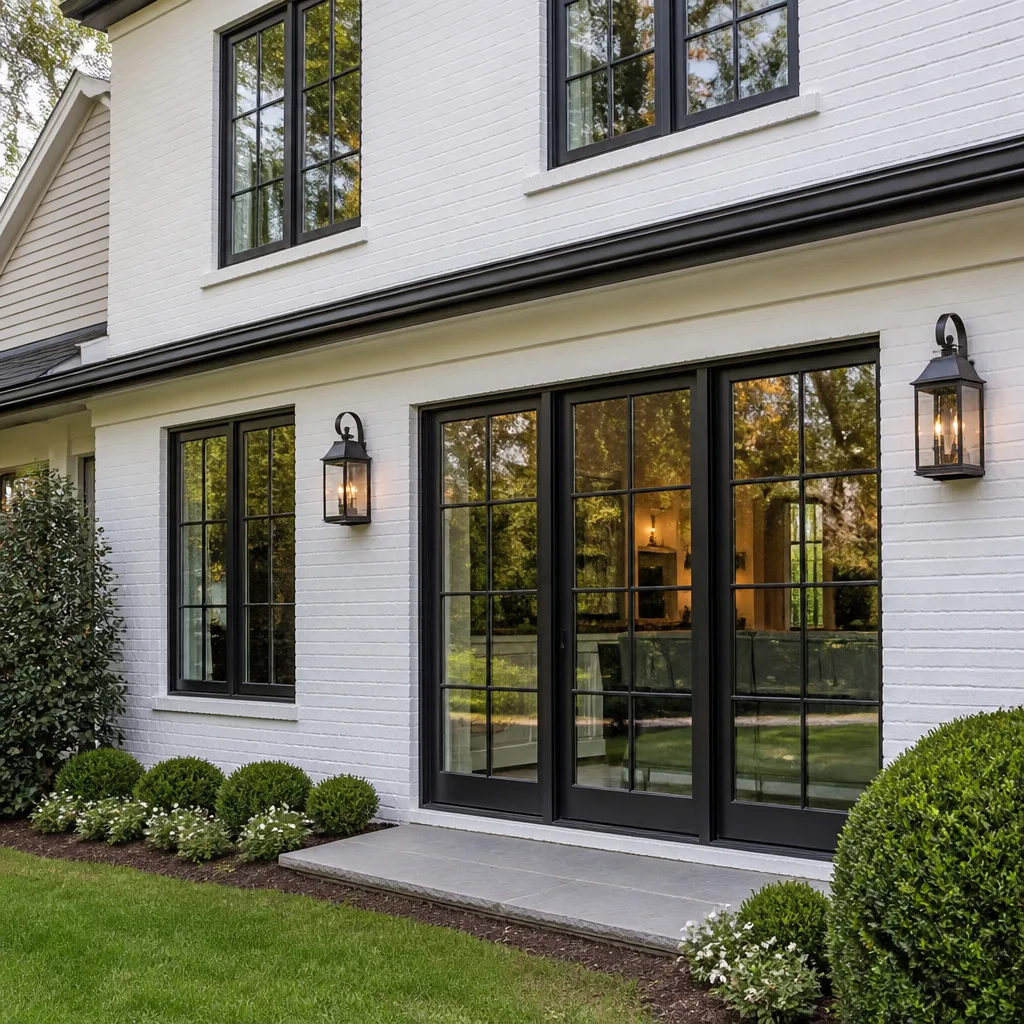
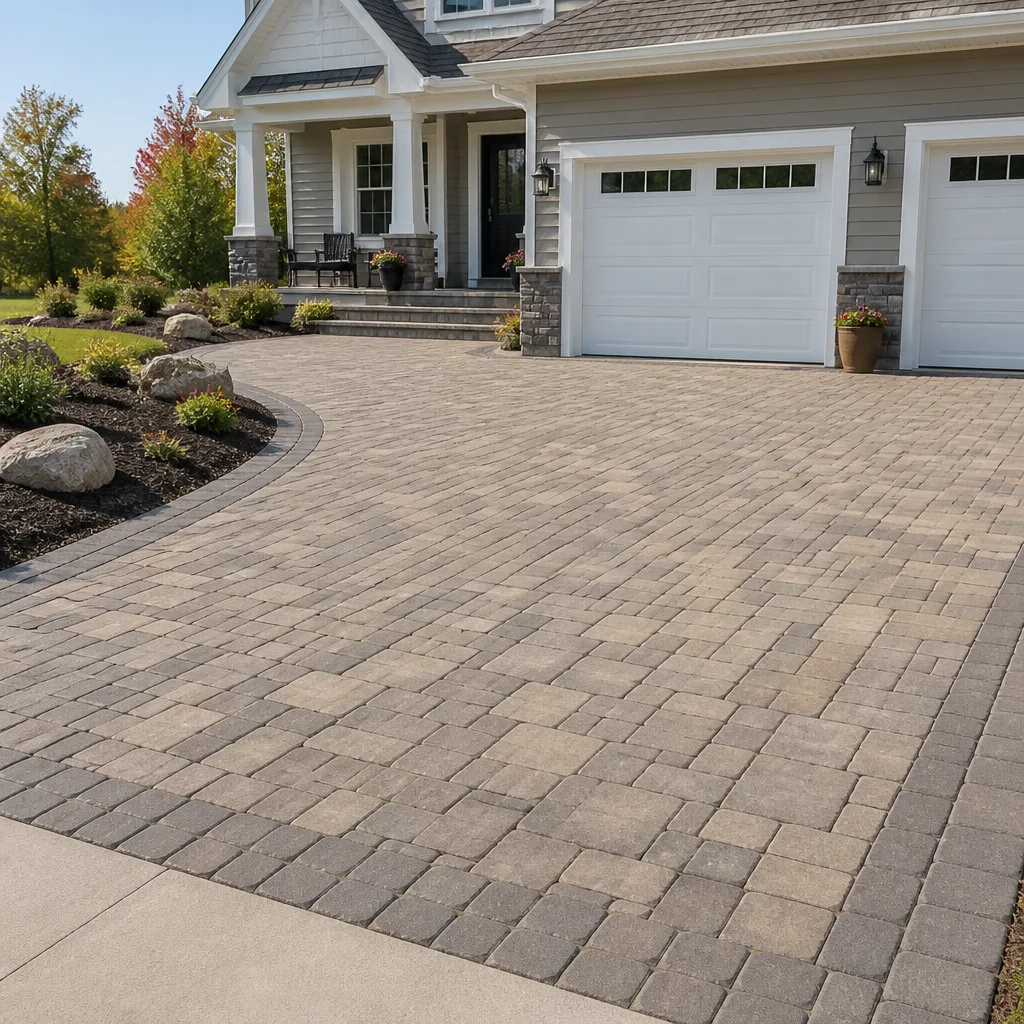
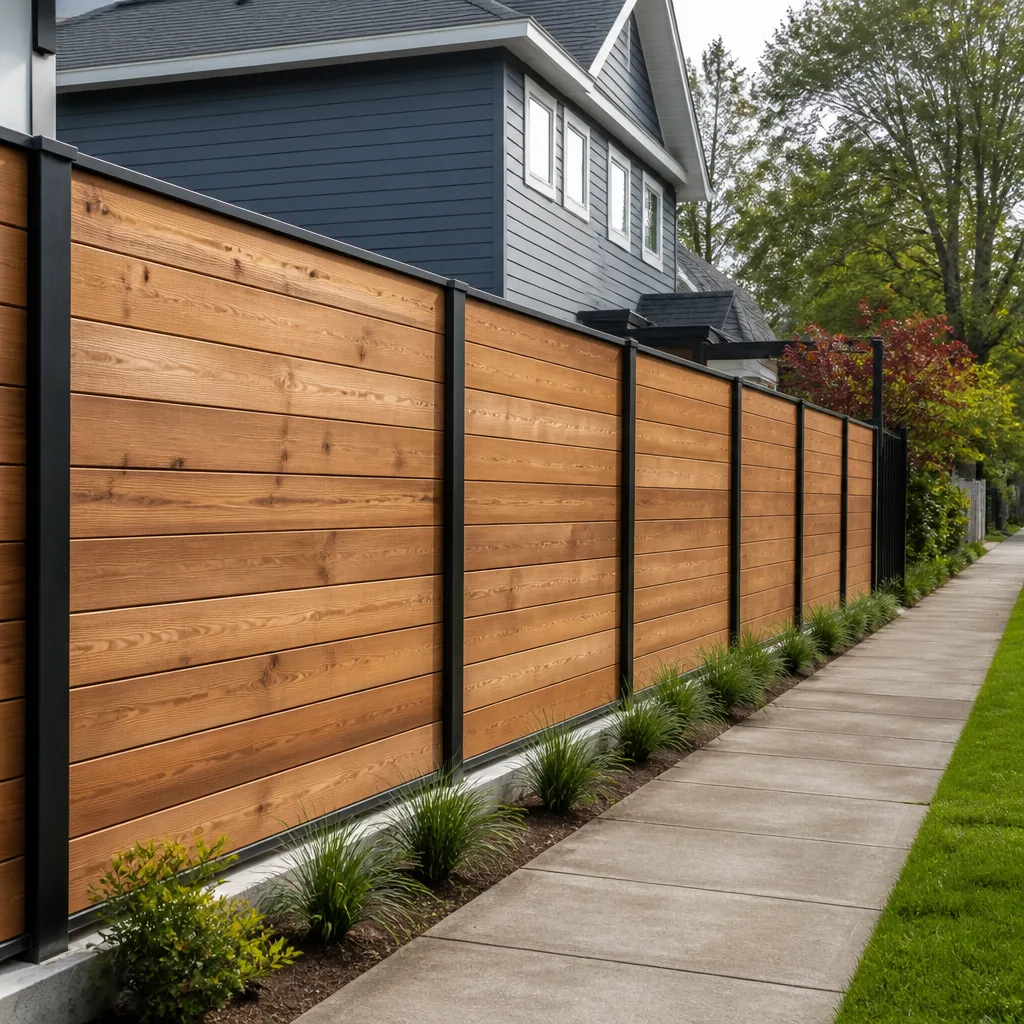
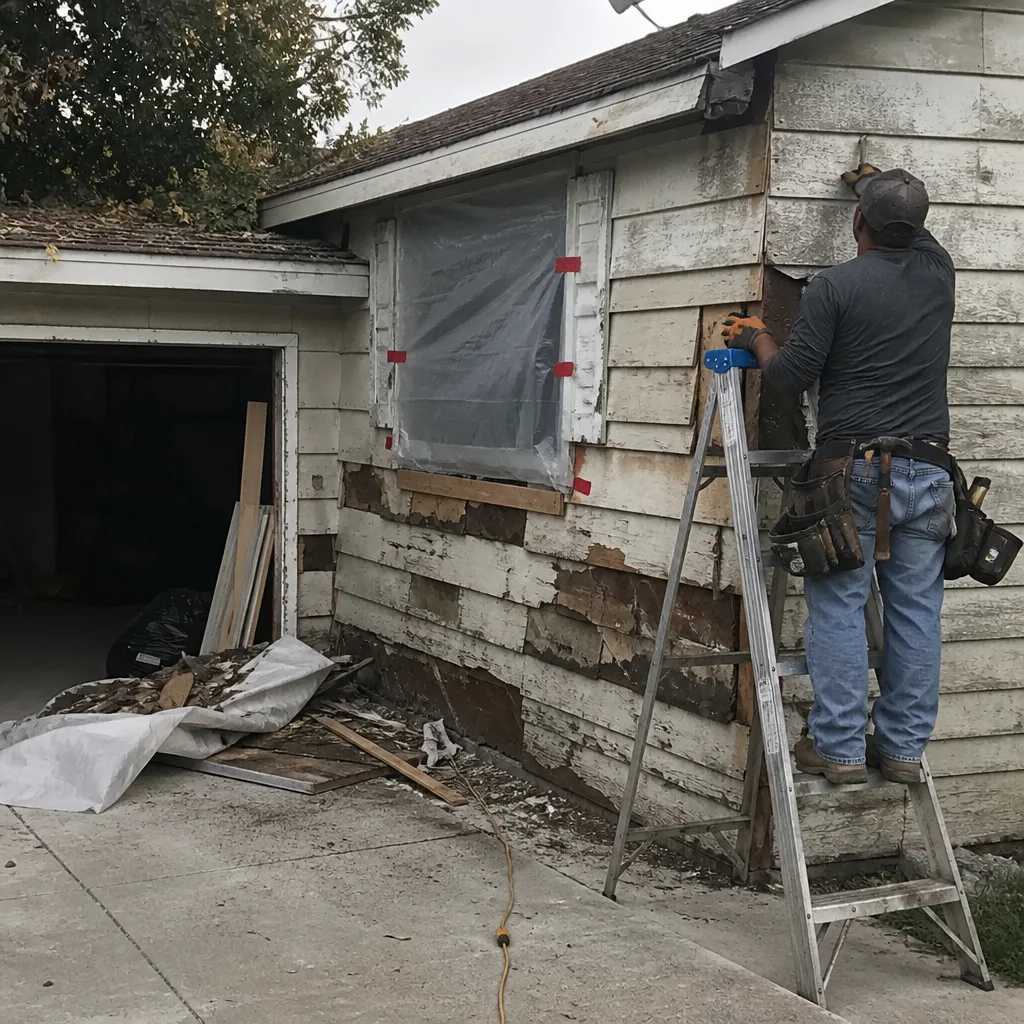 Before
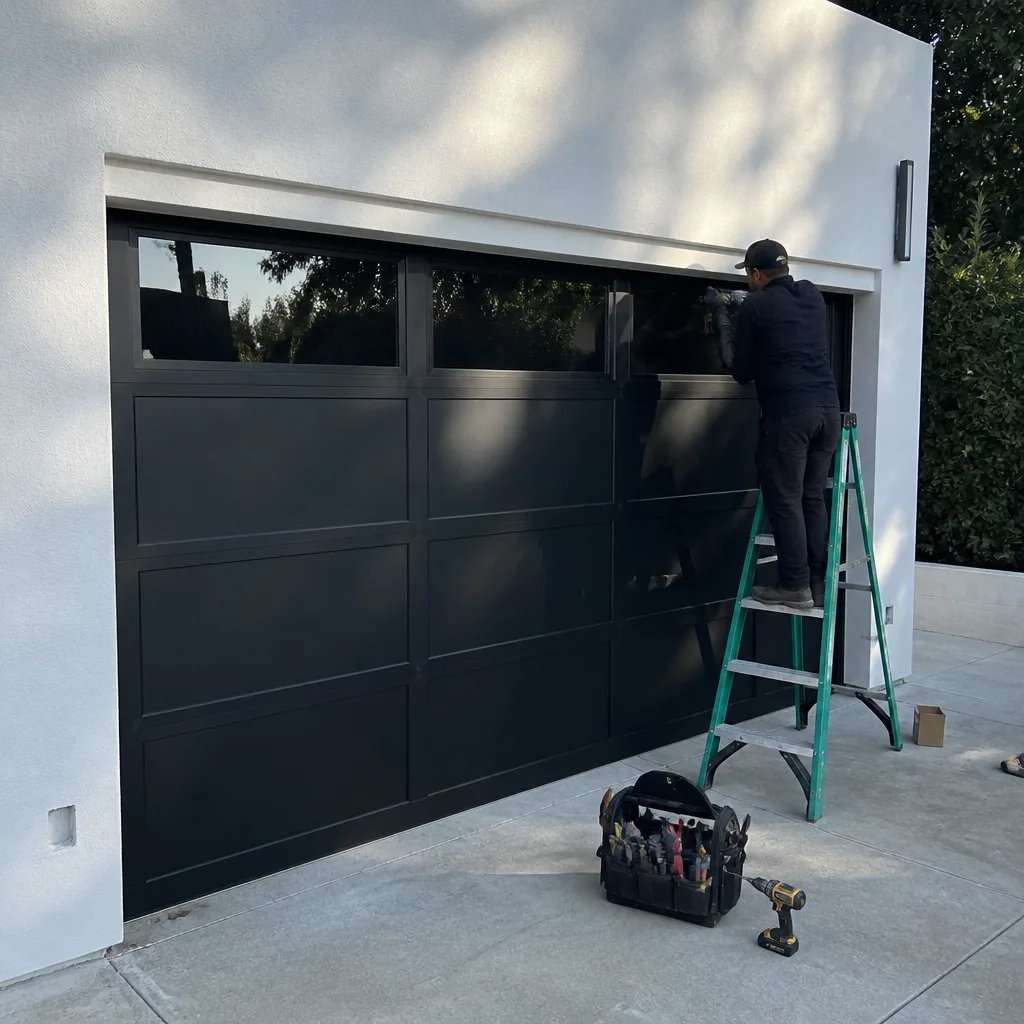 After
After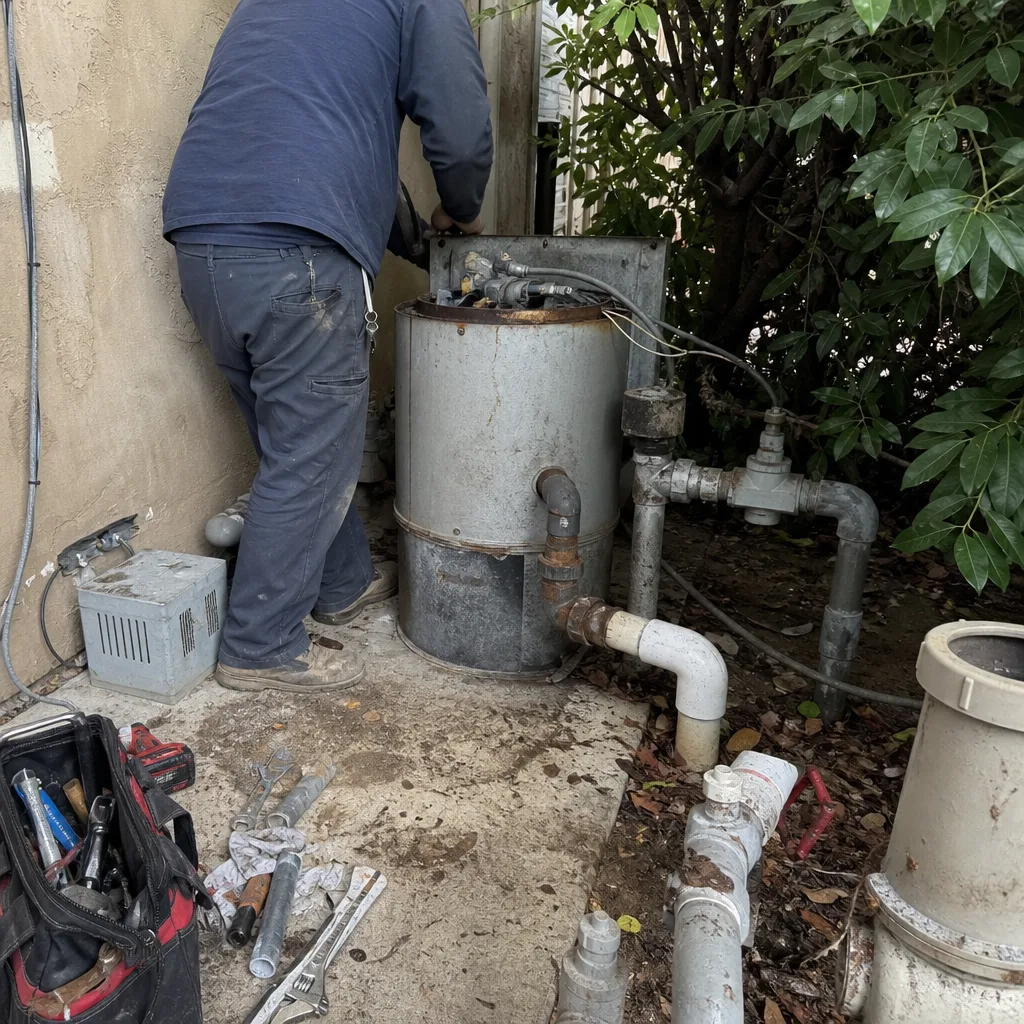 Before
 After
After Before
 After
AfterHow Long Does General Contractor Take? Timelines and What to Expect
Most homeowners in Los Angeles hear a remodel timeline and quietly double it in their heads. That instinct exists because the industry has earned it. The real answer is not a single number. A bathroom gut remodel runs five to eight weeks once work starts. A kitchen with structural changes runs ten to sixteen weeks. A whole-home interior remodel can span four to eight months. But here’s what nobody tells you in the sales meeting: the clock often starts months before anyone swings a hammer, and in Los Angeles, the city’s permit desk controls the first stretch of that schedule more than your contractor does. For deeper insight, see our guide on How Long Does Home Remodeling Take? Timelines and What to Expect.
Quick Answer
A typical Los Angeles home remodel takes three to six months from signed contract to final inspection, depending on scope. Kitchen remodels average ten to sixteen weeks of construction time, bathrooms five to eight weeks, and whole-home projects four to eight months. Permit processing with LADBS can add anywhere from three weeks to six months before construction even starts, and that variable is the single biggest reason schedules slip.
Table of Contents
- Why Remodel Timelines in Los Angeles Differ From Everywhere Else
- The LADBS Permit Process: The Hidden Schedule Variable
- Phase-by-Phase Timeline Breakdown
- Material Lead Times and What They Do to a Schedule
- How to Read a Contractor’s Project Schedule
- What a Real Arrival Window Looks Like vs. Vague Scheduling
- How to Write Delay Clauses Into Your Contract
- Common Mistakes to Avoid
Why Remodel Timelines in Los Angeles Differ From Everywhere Else
Los Angeles is not a normal construction market. It is the second-largest metro economy in the country, and every contractor, subcontractor, and material supplier in it is stretched across more demand than they can comfortably serve. When we plan a kitchen remodel for a homeowner in Echo Park or Sherman Oaks, we are scheduling against the same electricians, plumbers, and tile setters that a hotel renovation in Santa Monica and a restaurant build-out in Downtown LA are also chasing. That labor squeeze shows up in every schedule we write.
Then there is the city itself. The Los Angeles Department of Building and Safety, or LADBS, operates one of the busiest permit systems in the United States. A simple water heater replacement permit might clear in a day if it is over-the-counter eligible. A structural remodel that requires plan check can sit for weeks or months depending on the department backlogs at that moment. Add Los Angeles-specific code requirements like seismic retrofit triggers, hillside foundation reviews, and coastal zone overlays, and you start to see why a contractor who quotes you a timeline based on Phoenix or Dallas averages is setting you up for disappointment.
Climate matters less here than in other regions for scheduling, but it is not zero. Los Angeles rarely loses workdays to rain. When it does rain, it tends to come in concentrated winter bursts that shut down exterior work, roof work, and any phase where the house envelope is open. A remodel that hits a February atmospheric river while a roof is stripped or a wall is opened loses days, not hours. Experienced Los Angeles contractors build those buffer days in. Inexperienced ones do not, and then act surprised in March.
The LADBS Permit Process: The Hidden Schedule Variable
Before any construction timeline in Los Angeles has meaning, you need to know which permit path your project takes. LADBS breaks permit applications into three broad lanes, and each one moves at a different speed.
Over-the-Counter Permits
These are the simplest permits. Cosmetic work, fixture swaps, some kitchen cabinet replacements, and certain non-structural bathroom updates can qualify. An over-the-counter permit can be issued same-day or within a few business days at an LADBS office, assuming your paperwork is complete and your contractor knows exactly how to present it. This is why a bathroom remodel that keeps the same footprint and does not move plumbing can start construction two to three weeks after you sign the contract.
Plan Check Permits
Any project that moves walls, changes structural framing, alters the building footprint, or modifies load-bearing elements goes through plan check. This is where timelines get real. LADBS plan check processing times have ranged from three weeks to six months depending on project type and department backlog. A straightforward single-family kitchen remodel with a header change might clear plan check in four to eight weeks. A hillside addition with geological review and structural peer review can stretch to four or six months before a permit is issued. No contractor can compress this timeline. What a good contractor can do is tell you the current range, file the application correctly the first time so it does not get bounced back for corrections, and track it while it moves through the system.
Expedited Review
LADBS offers expedited plan check pathways for certain project types, though they come with higher fees and eligibility requirements. Some projects qualify for counter plan check, which keeps the review at the district office level, and others can use certified third-party plan reviewers under specific conditions. The value of knowing these pathways is not that they always apply to your project. It is that a contractor working in Los Angeles regularly should be able to tell you, within one conversation, which lane your project falls into and approximately how long that lane has been taking this quarter. If they cannot answer that, they have not been pulling permits here recently.
How to Check Current LADBS Wait Times
LADBS publishes permit activity and service metrics online, and some district offices post current processing time estimates. The practical way to get a real number before you sign a contract is to ask your contractor to show you the LADBS application receipt and the expected review windows based on their most recent jobs. If the contractor has done three kitchen remodels in Los Angeles in the past year, they can tell you exactly how long each permit took. That data matters more than anything printed on a city website months ago.
Phase-by-Phase Timeline Breakdown
Here is what a mid-range kitchen remodel in Los Angeles actually looks like week by week, assuming the permit has already cleared plan check and construction is about to begin.
Weeks 1 – 2: Demo and Rough-In
Demolition is fast. The slow part is what happens after: plumbing rough-in, electrical rough-in, HVAC adjustments, and framing corrections. In Los Angeles housing stock that ranges from 1940s bungalows in Highland Park to 1980s tract homes in West Hills, we regularly find surprises in this phase. Galvanized pipes that need replacement. Knob-and-tube wiring hiding behind a ceiling. A load-bearing wall that was not what the original drawings showed. Each surprise is a schedule event, and this is where an experienced contractor’s timeline estimates diverge from a rookie’s.
Weeks 3 – 5: Inspections and Close-Up
After rough-in work is complete, LADBS requires inspections before walls can be closed. Plumbing, electrical, and framing each have their own inspection call. In Los Angeles, inspection scheduling is generally faster than plan check, but the sequencing matters. If your electrician finishes on a Thursday and the inspection window is the following Tuesday, the drywall crew cannot start until Wednesday. Multiply that gap by five or six inspection points across a whole-home project and you have added a week or two to the calendar without any actual construction delay.
Weeks 4 – 8: Drywall, Paint, and Finishes
Once the walls are closed, the project hits its most visible stretch. Drywall, texture, paint, tile, and millwork all move quickly compared to the earlier phases, but many of them depend on materials that were ordered weeks ago. This is where material lead times, which we address below, either keep the job moving or bring it to a stop.
Weeks 6 – 10: Cabinets and Countertops
Cabinets typically arrive in the final third of a kitchen remodel. A critical sequencing step in Los Angeles is the countertop template appointment. After the base cabinets are installed and leveled, the countertop fabricator measures the space with a laser template, then returns one to three weeks later to install the finished slab. If cabinets arrive late, the template is pushed, and the countertop pushes with it. Homeowners who choose semi-custom cabinet lines should expect a four to eight week production lead time from order to delivery.
Weeks 8 – 12: Final Trim, Punch List, and Final Inspection
The last phases are detail work: fixtures, backsplash, final electrical trim-out, appliance installation, and then the LADBS final inspection. The final inspection closes the permit. Until that sign-off happens, the job is not legally complete, and no reputable contractor will tell you otherwise.
Material Lead Times and What They Do to a Schedule
Material availability has been the wild card in remodeling schedules since 2020, and it has not fully normalized. Certain categories still carry lead times that surprise homeowners who last remodeled a decade ago.
- Custom and semi-custom cabinetry: four to twelve weeks from order to delivery, depending on the manufacturer and finish. We install KraftMaid and Wellborn cabinetry, and both publish lead times that fluctuate by season. A contractor should confirm current lead times at contract signing, not guess at them.
- Quartz and natural stone countertops: one to four weeks after templating. Cambria, Silestone, and Caesarstone quartz each carry different production windows, and the slab selection process itself can add a week or two if you are choosing from multiple suppliers.
- Windows and exterior doors: six to twelve weeks for most manufacturers, longer for custom sizing or specialty finishes. If your remodel touches the building envelope, these become critical-path items.
- Specialty tile: one to six weeks depending on source. Imported or small-batch tile can hold up an entire bathroom if it is not ordered early.
- Plumbing fixtures and lighting: two to eight weeks for specified finishes. Kohler, Moen, and Delta stock commonly used lines in local distribution, but non-stock finishes and custom configurations ship on the manufacturer’s schedule, not yours.
The pattern here is consistent: the contractor who orders materials the week the contract is signed keeps the schedule moving. The one who orders after demo discovers what is behind the walls is the one who tells you in week four that your cabinets are eight weeks out. At Penhallow Remodeling home, our process puts material selections and orders in the first two weeks of the project, because every experienced general contractor knows that material lead time is the most controllable of the uncontrollable variables.
How to Read a Contractor’s Project Schedule
Most homeowners accept a start date and an end date and hope for the best. That is not enough in Los Angeles. You need to see the schedule the way a contractor sees it, because the difference between a real schedule and a wish list shows up on paper.
A real schedule includes these elements
- Permit milestone dates. When the application was filed, which review lane it is in, and the expected approval window. If the schedule starts with “Week 1: Demo,” and your project needs plan check, the schedule is already fiction.
- Inspection dates or inspection weekends. Every phase that requires an LADBS inspection should show a planned inspection point. If the schedule has no inspection events on it, ask why not.
- Material order dates and lead time windows. Cabinets, counters, windows, and doors should each appear with an order date that precedes the installation date by at least the manufacturer’s current lead time.
- Trade sequencing. Which subcontractor is on site when, and what the handoff looks like between them. A schedule that just says “Week 3: Electrical” without noting that drywall starts after rough-in inspection is not a schedule. It is a calendar.
- Buffer days. Real remodel schedules in Los Angeles include slack for inspection windows, sub availability, and the occasional rain event. A schedule with zero buffer is a schedule that will slip.
A vague schedule looks like this
“We’ll start mid-month and should be done in about ten weeks.” No permit dates. No inspection events. No material order dates. No named phases. That is not a timeline. It is a sales conversation wearing a schedule costume. We write schedules with actual dates and phases because homeowners deserve to hold us to something real, and because a written schedule is the only way to know whether a delay is normal or a problem.
What a Real Arrival Window Looks Like vs. Vague Scheduling
There is a difference between a schedule and a promise to show up. Most contractor frustration in Los Angeles is not about the total timeline. It is about the daily arrival experience: the crew that was supposed to be there at 8:00 a.m. and calls at 11:30, or does not call at all.
A real arrival window sounds like this: “The plumbing crew will be on site between 8:00 and 9:30 on Tuesday morning. You will get a text by 7:30 a.m. with the name of the crew lead and the truck description.” A vague promise sounds like this: “We’ll be there in the morning.” The second statement means nothing and should be treated as if the contractor said nothing at all.
The Kingswell Way, which has governed how Penhallow operates since 2004, is specific about this. Say the price before the work. Show up in the window we gave. Leave the place cleaner than we found it. That middle clause matters because a defined arrival window is not a courtesy; it is the basic unit of trust. If a contractor cannot commit to a two-hour window for a crew that works for them, what exactly are they committing to in a twelve-week schedule?
Every General Contractor in Los Angeles should be able to tell you, before you sign, how arrival windows work: who calls you, when they call, and what happens if a crew member is running late. If the contractor stumbles on that question, keep looking.
How to Write Delay Clauses Into Your Contract
Every remodel contract in Los Angeles should define what happens when the schedule changes. Most contracts are silent on the subject, which means every delay becomes a negotiation, and the homeowner is negotiating from the weaker position.
A useful delay clause separates excusable delays from contractor-controlled delays. That distinction matters because it determines who absorbs the cost of a schedule slip.
Excusable delays
- LADBS plan check timelines that exceed the contractor’s documented estimates at the time of filing
- Material manufacturer backorders or production delays beyond the contractor’s control
- Severe weather events that make work unsafe
- Inspector no-shows or LADBS scheduling backlogs
Contractor-controlled delays
- Failure to order materials by the dates listed in the schedule
- Missing inspection appointments that were scheduled in advance
- Subcontractor no-shows where the contractor failed to confirm availability
- Failure to communicate schedule changes within a defined notice window, typically 24 to 48 hours
A solid delay clause will also define remedies. If a contractor-controlled delay pushes the project past the agreed completion date, the contract should specify what happens: a rate adjustment, an expedited make-up schedule at the contractor’s cost, or another defined remedy. Homeowners in Los Angeles who skip this step end up in exactly the situation they were trying to avoid: a kitchen torn apart for an extra month with no clear answer about whose fault it is and no leverage to fix it. The written price and written schedule we provide at contract signing exist partly so that delay conversations, if they ever happen, are grounded in a document rather than a memory.
Common Mistakes to Avoid
- Signing a contract with a start date but no permit plan. If the contract does not say when the permit application was filed or will be filed, and which review path it takes, you do not have a start date. You have a hope. In Los Angeles, plan check is the single largest schedule variable, and a contractor who cannot speak to it specifically is telling you something important.
- Ordering materials after demo. This is the classic schedule killer. Demo reveals conditions that change the material list, and suddenly the cabinets that should have been ordered six weeks ago are just being ordered now. The write-up price and material order schedule should be tied together in the first two weeks.
- Choosing a contractor on price alone and then holding them to a premium schedule. The low bid in Los Angeles is often low because the contractor has not priced in the cost of a real schedule: a construction coordinator who answers the phone, buffer days, and subcontractors who are paid well enough to show up. The schedule is part of the price.
- Ignoring the countertop template step. Homeowners who have never remodeled do not know that countertops require a separate template appointment after cabinet installation and then another one to three weeks for fabrication. If the contractor has not put that step in writing, the finish date is soft.
- Accepting a completion date without inspection dates. A remodel is not done when the contractor’s crew leaves. It is done when LADBS signs off on the final inspection and the permit is closed. A schedule that does not include final inspection is not a schedule for a legal remodel.
- Changing scope mid-project without asking what it does to the schedule. Every change order has two costs: money and time. A contractor should tell you both. If they only tell you the money number, they are not managing your schedule; they are managing their invoice.
- Assuming Los Angeles remodels follow national average timelines. National averages are useless here. LADBS processing, sub availability, and the specific housing stock of any Los Angeles neighborhood each pull a schedule in different directions. A contractor who quotes you a national average has not done the local homework.
When to Call a Professional
If your project involves moving walls, relocating plumbing, changing the electrical system, or touching any structural element, it is time to work with our General Contractor services rather than a handyman or a rotating cast of tradespeople you coordinate yourself. The permit process alone is enough reason: contractors who pull Los Angeles permits regularly know the correct forms, the right filing offices, and the current processing times. A homeowner doing it alone makes an avoidable mistake and the schedule doubles.
You should also call a professional if you have been burned before: a price that changed after demo, a crew that stopped showing up, a finish that cracked in six weeks. That history is exactly what a written schedule, a written price, and a Bathroom Remodeling in Los Angeles or Kitchen Remodeling in Los Angeles contract should protect against. Penhallow Remodeling offers free estimates in Los Angeles. Call (936) 259-2607 to schedule yours, and ask us to show you the schedule format we use, the permit path for your project, and the material order dates we commit to in writing.
Frequently Asked Questions
A typical kitchen remodel in Los Angeles takes ten to sixteen weeks of construction time after the permit is approved. For a detailed breakdown, read How Long Does Kitchen Remodeling Take? Timelines and What to Expect. That range covers moderate layout changes, new cabinetry, countertops, and finish work. If the project moves plumbing or walls, plan check adds four to eight weeks before construction starts. Call (936) 259-2607 for a schedule built around your specific scope and the current LADBS processing times.
A standard bathroom remodel in Los Angeles runs five to eight weeks of construction time when the layout stays the same and the permit qualifies for over-the-counter review. Moving a drain line, relocating a toilet, or changing the shower footprint pushes the project into plan check and adds permit time. The best way to know your actual timeline is to have a contractor review your existing plumbing and the scope you want before quoting a schedule.
LADBS permit approval ranges from same-day for simple over-the-counter permits to three to six months for complex plan check projects during busy periods. The specific project type, whether it triggers structural review, and the current department backlog all affect the timeline. We can show you our most recent permit timelines for projects like yours when we quote your remodel.
Most underestimates come from treating LADBS plan check as a fixed number and assuming subcontractor availability is predictable. In Los Angeles, both are variable. Plan check backlogs shift quarterly, and busy trades like electricians and tile setters book out weeks in advance. A schedule that does not account for either variable will slip, and the contractor who wrote it will blame the city or the sub instead of the estimate.
A whole-home interior remodel in Los Angeles typically runs four to eight months of construction after permits are issued. If the project includes additions, seismic retrofit work, or hillside structural changes, the total timeline can stretch past a year. The permit phase should be separated from the construction phase in every honest schedule, because each has its own variables and its own finish line.
Put the schedule in the contract, with named phases, inspection dates, material order windows, and a defined delay clause that separates excusable delays from contractor-controlled ones. Then check in weekly against the written schedule. A contractor who committed to dates in writing will be able to tell you, every week, whether the job is on track and why. Call (936) 259-2607 if you want to see what that kind of written schedule looks like before you sign anything.
The Bottom Line
Remodel timelines in Los Angeles are longer than most contractors initially estimate, and the reason is usually structural rather than dishonest: LADBS plan check backlogs, material lead times, and subcontractor availability each add layers that smaller markets do not carry. The homeowners who get accurate schedules are the ones who demand them in writing, with permit milestones, inspection dates, and material orders listed phase by phase. Explore more guides & resources to stay informed throughout your project. The schedule is not a promise the contractor makes to you. It is a document you both sign, and the only useful question on day one is whether the document reflects Los Angeles as it actually is, not as everyone wishes it were.
Written by Trevor Nash, Owner at Penhallow Remodeling, serving Los Angeles since 2004.