
Last updated October 8, 2026
Free written scope consultation - allowances, timeline, and change-order rules on paper before a single trade is scheduled
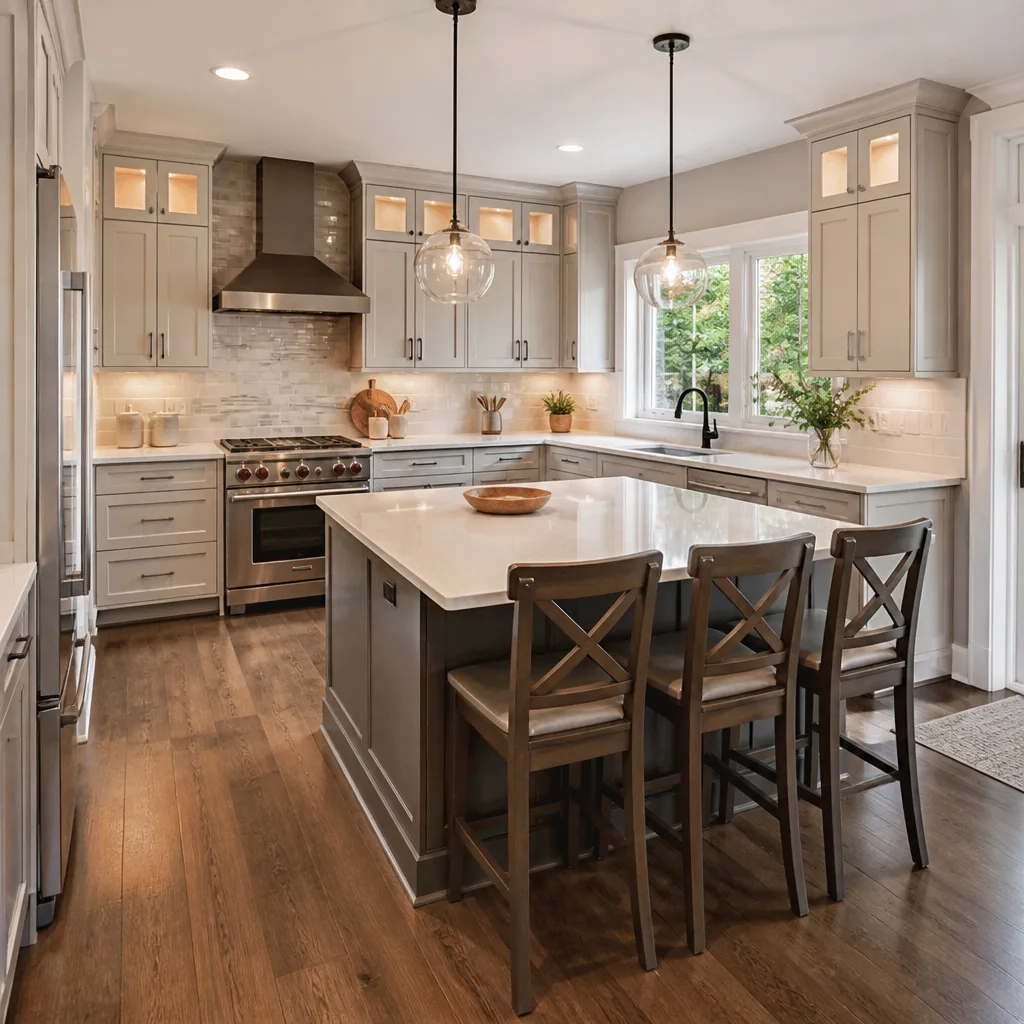
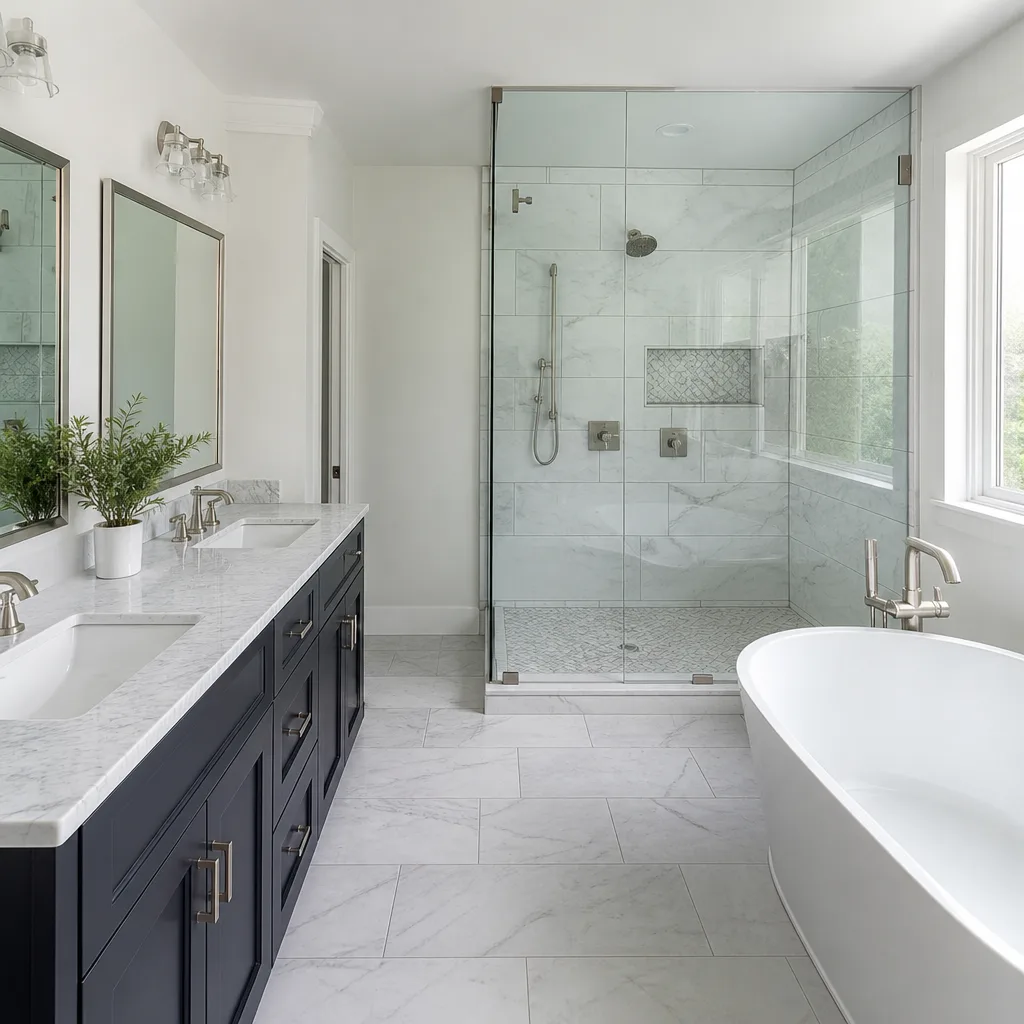
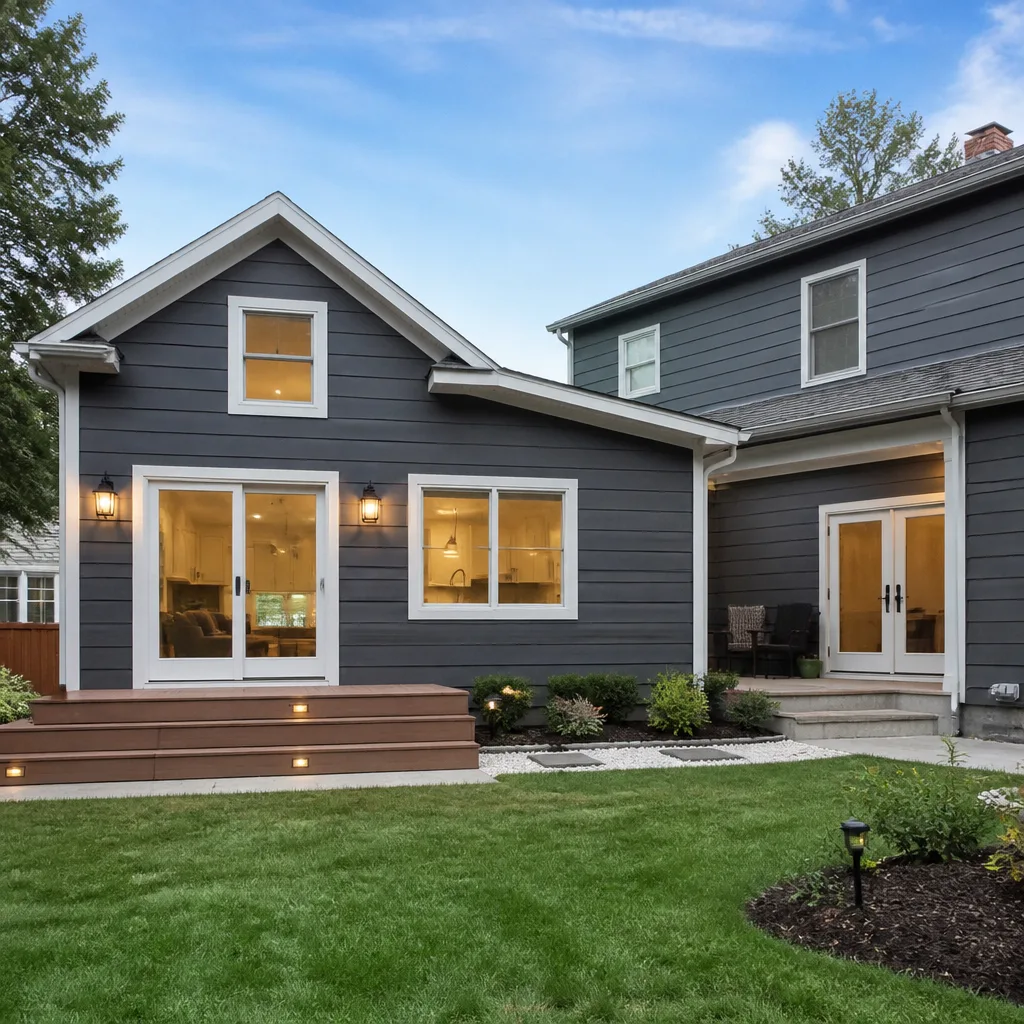
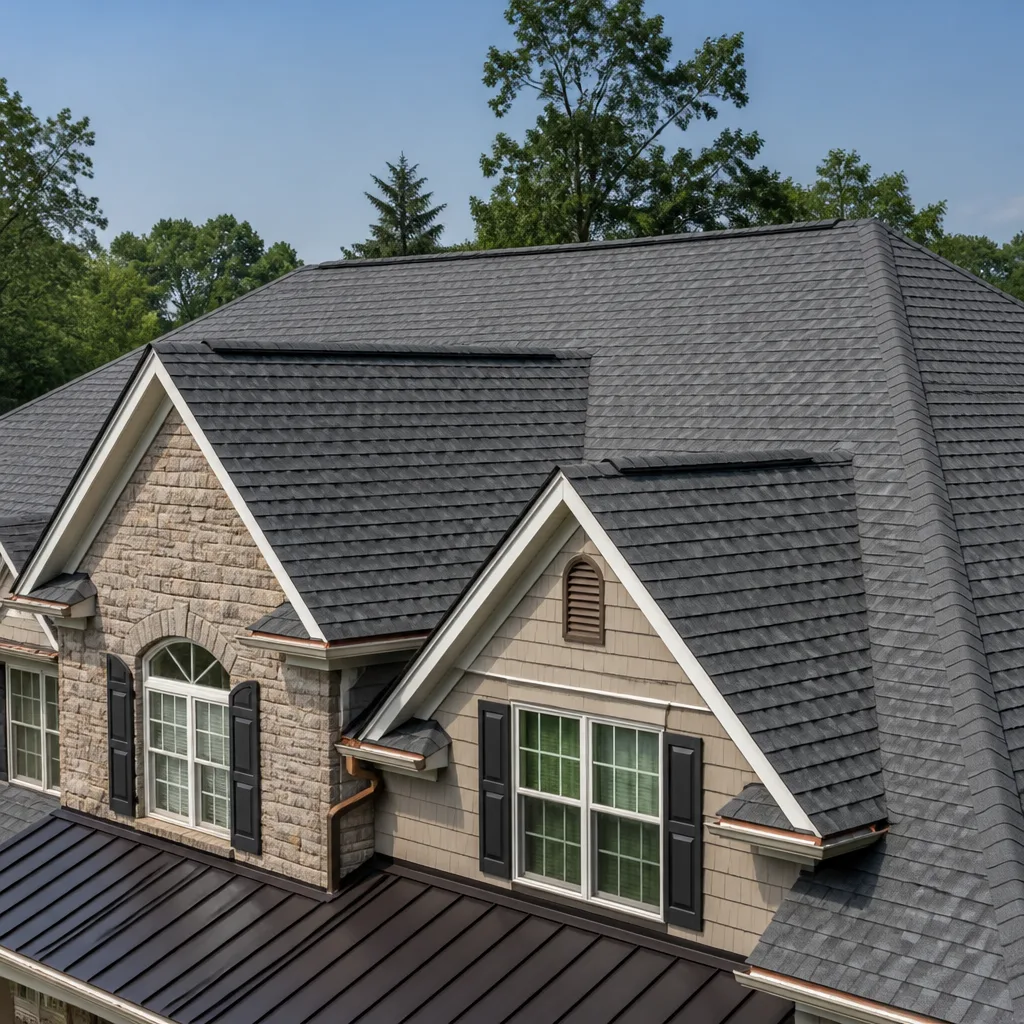
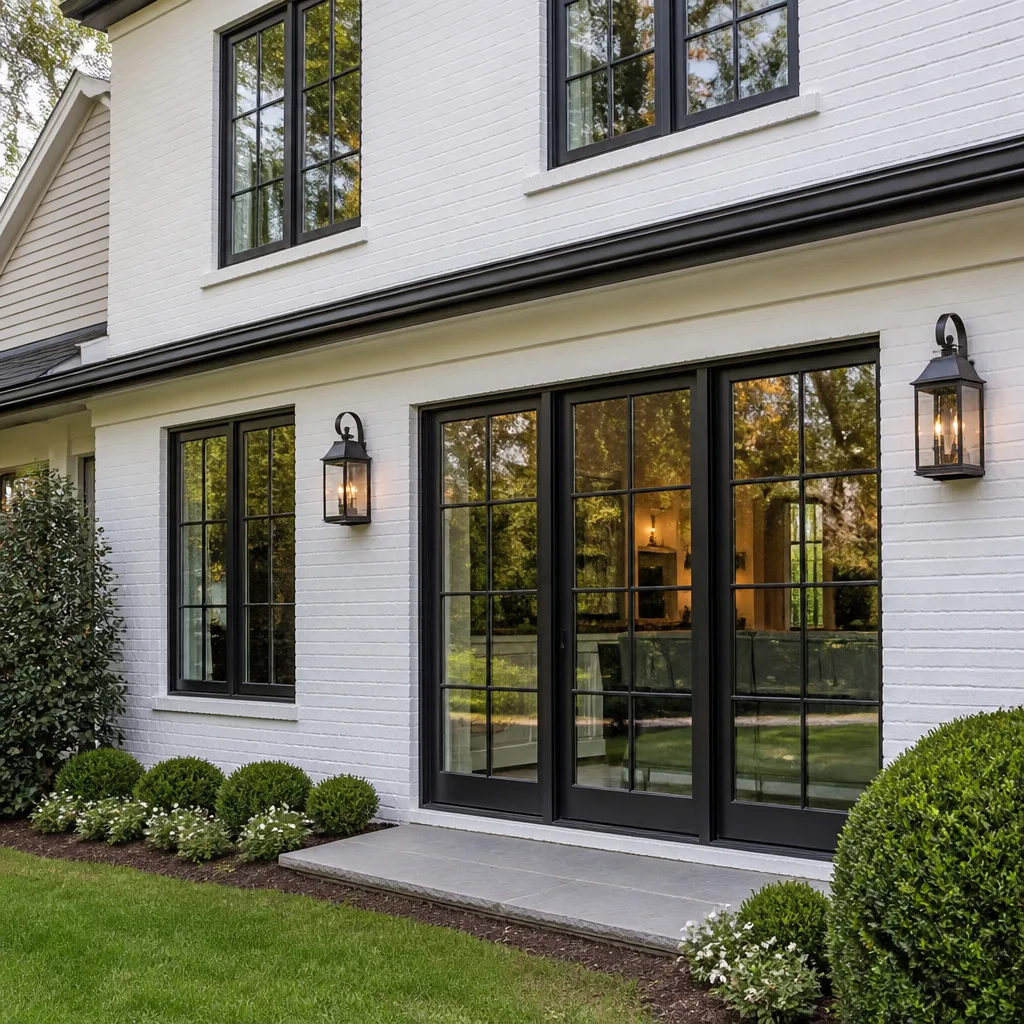
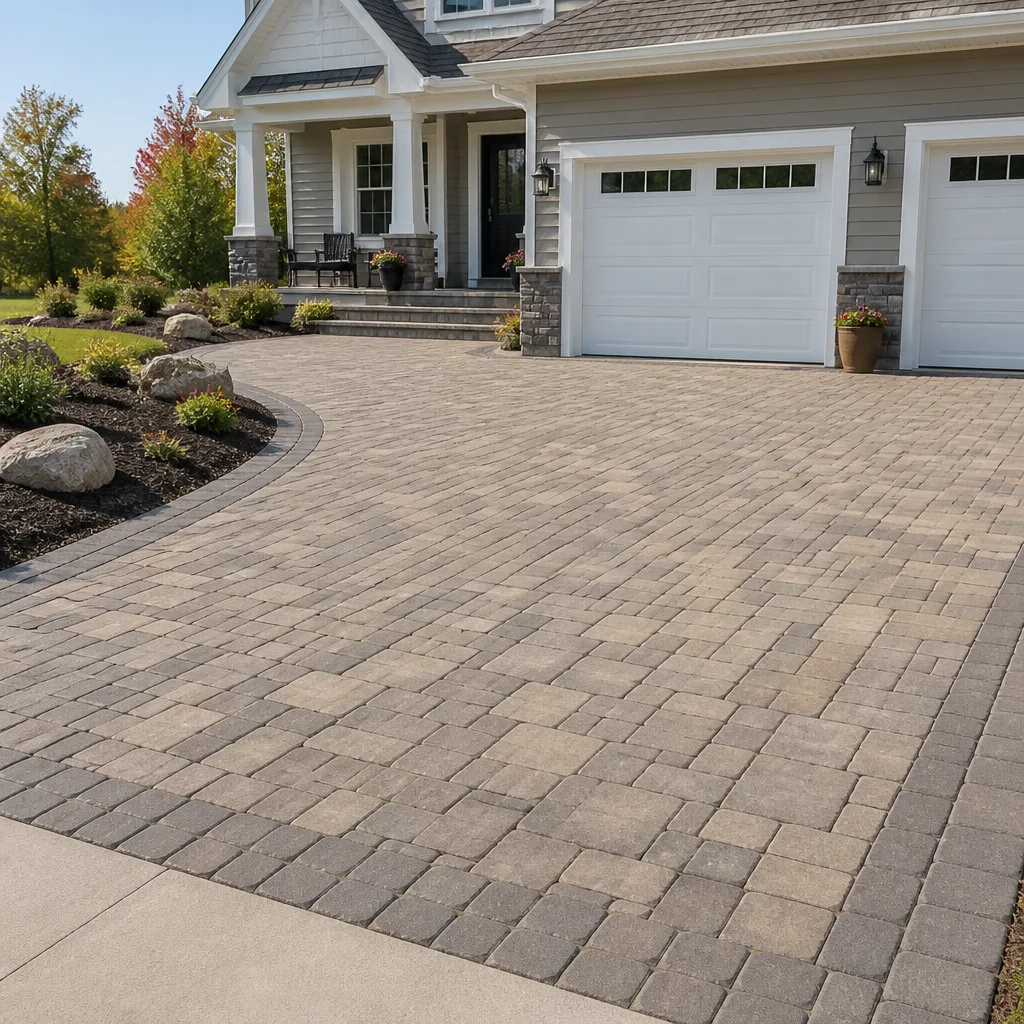
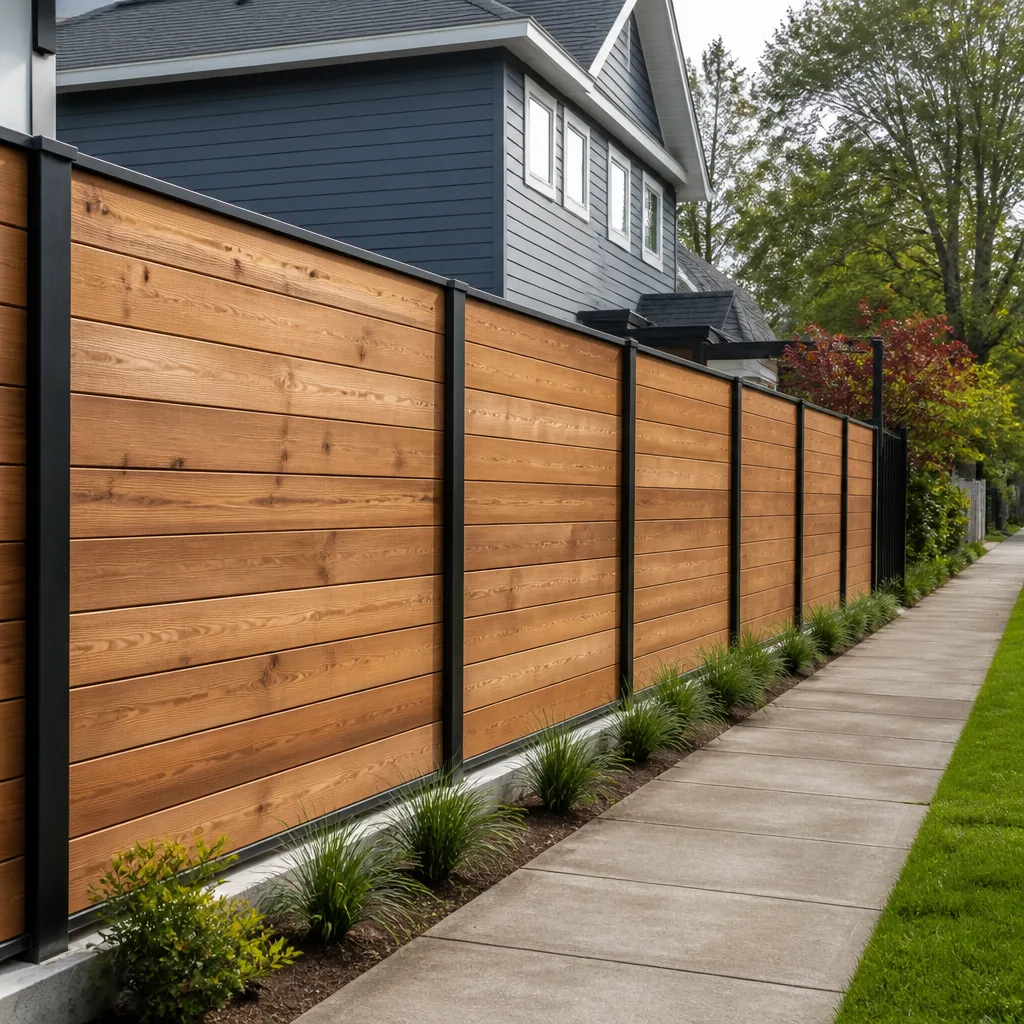
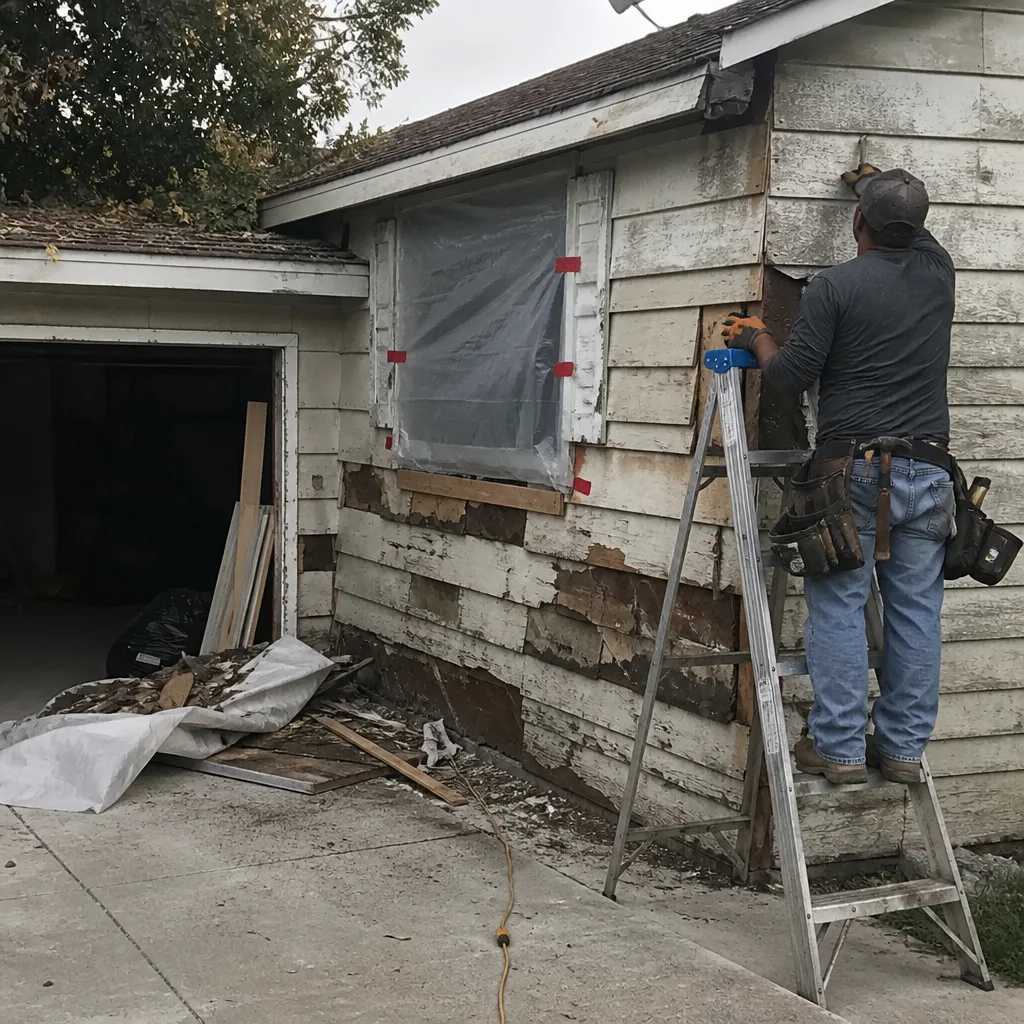 Before
 After
After Before
 After
After Before
 After
AfterThe Complete Bathroom Remodeling Guide for Los Angeles Homeowners
Here’s a number most national cost guides won’t tell you: a bathroom remodel in Los Angeles runs 15% to 30% higher than the national average, and the reasons have nothing to do with contractors padding invoices. California’s Title 24 plumbing standards restrict which fixtures can legally be installed. LADBS permit triggers catch scopes that fly under the radar in other states. And much of LA’s housing stock predates 1980, which means lead paint, galvanized supply lines, and subfloor rot are all live possibilities the moment the tile comes up. Our Bathroom Remodeling guide walks through the real drivers of cost, the permit rules that actually matter, the contract language worth fighting for, and how to avoid buying fixtures you can’t legally use. Whether you’re in Sherman Oaks, Echo Park, or Westchester, the numbers here reflect what we see on actual bids across Los Angeles.
Quick Answer
A bathroom remodel in Los Angeles typically costs $14,000 to $38,000 for a standard 5×8 bathroom, depending on scope. Cosmetic refreshes run $7,000 to $14,000, mid-gut remodels land between $18,000 and $32,000, and full structural rebuilds with layout changes start around $35,000 and go up from there. Factor in roughly 10% to 15% above out-of-state averages for Title 24 fixture compliance, LADBS permit fees, and the realities of working in pre-1980 LA housing stock.
Table of Contents
- Los Angeles Permit Rules: What Actually Triggers an LADBS Permit
- Title 24 Fixture Compliance: Why Your Big-Box Fixtures Might Be Illegal
- Real Cost Breakdown by Scope Tier for LA Bathroom Remodels
- The Pre-1980 Factor: Lead Paint, Galvanized Pipes, and Subfloor Risk
- What a Written Fixed-Price Contract Should Include
- How Long a Bathroom Remodel Takes in Los Angeles
- Common Mistakes to Avoid
- Frequently Asked Questions
Los Angeles Permit Rules: What Actually Triggers an LADBS Permit
In Los Angeles, the line between permit-exempt and permit-required comes down to one question: are you moving water lines, drain lines, or structural walls? Cosmetic work, tile replacement, fixture swaps in the same location, paint, and new vanities that sit in the same footprint are generally permit-exempt. But the moment you relocate a drain, add a new shower, move a toilet even 12 inches, open a wall to reroute supply lines, or alter load-bearing framing, LADBS wants a permit on file. And moving a drain? That’s not just a plumbing permit. In many LA neighborhoods, relocating a waste line triggers a change-of-use evaluation under the city’s plumbing code, which can pull in additional inspections.
Here’s the scope breakdown we use when we walk a bathroom in Los Angeles:
- Permit-exempt scope: retiling shower walls over existing substrate, replacing a vanity in the same position, swapping faucets and showerheads, painting, new flooring over sound subfloor, replacing light fixtures without moving wiring.
- Permit-required scope: moving or adding a drain line, relocating a toilet or shower drain, adding a bathroom where none existed, removing a wall that carries load, changing window size, adding or relocating electrical circuits, and any gas line work.
- The grey zone: replacing a tub with a walk-in shower in the same footprint. If the shower drain aligns with the existing tub drain, it can fall under exemption. If the drain moves more than 6 inches, it’s a permit job.
What does an LADBS permit cost? Building permit fees for a typical bathroom remodel in Los Angeles run $400 to $1,200, plus separate electrical and plumbing permits at $150 to $400 each. Inspection scheduling adds 3 to 10 business days to the timeline. Some contractors will offer to work without permits to save you money, but that leaves you exposed on resale: unpermitted work discovered during a home sale in Los Angeles can delay closing by weeks or force you to tear out finished work to expose the unpermitted plumbing. A Penhallow Remodeling home standard is pulling permits when the scope requires them and passing inspection the first time.
Title 24 Fixture Compliance: Why Your Big-Box Fixtures Might Be Illegal
California’s Title 24 building standards are the single biggest reason LA bathroom remodels cost more than the national guides suggest. Title 24 regulates faucet flow rates and showerhead output across the state, and it applies to every fixture installed in a remodeled bathroom. Since 2018, bathroom faucets are capped at 1.2 gallons per minute, showerheads at 1.8 GPM, and toilets at 1.28 gallons per flush. In practice, that means a lot of the faucets and showerheads sitting on big-box shelves aren’t legal to install here. The federal standard is higher, and many national retailers stock product that passes federal code but fails California’s. A homeowner who buys their own fixtures to save markups can easily end up with a faucet the inspector flags, and now the contractor can’t legally install it.
Where do compliant fixtures come from? We source from Kohler, Moen, Delta, Grohe, and Toto because those manufacturers maintain California-compliant product lines and stamp their packaging with flow-rate certifications. That matters at inspection and it matters for warranty. A Kohler faucet bought through a supply house is the same product at any price point, but the packaging tells the inspector what he needs to see. Cambria, Silestone, and Caesarstone countertops don’t face Title 24 flow restrictions, but they’re part of the same sourcing logic: products with manufacturer warranties that stand alongside our own 365-Day Done Right Promise.
The practical takeaway: if you’re planning to buy fixtures yourself, check the flow-rate label on the box before you buy. If it doesn’t show a California-compliant GPM, you’ll be returning it. Better to ask your contractor to spec the fixtures and include them in the written price.
Real Cost Breakdown by Scope Tier for LA Bathroom Remodels
National guides average all bathrooms together, which produces a number nobody actually pays. In Los Angeles, what you pay depends on which tier you’re in. Here’s the breakdown we walk through with homeowners every week:
Tier 1: Cosmetic Refresh ($7,000 to $14,000)
- Reglaze or replace existing tub/shower trim and fixtures: $800 to $2,500
- New vanity and countertop in same footprint: $1,500 to $4,000
- Tile refinishing or new flooring over existing substrate: $1,200 to $3,500
- Paint, lighting swap, new mirror, accessories: $800 to $2,000
- No permit required if fixtures stay in place
A cosmetic refresh takes 1 to 2 weeks. No walls open, no plumbing moves, no inspections beyond the fixture swap.
Tier 2: Mid-Gut Remodel ($18,000 to $32,000)
- Demo down to studs in wet areas, new cement board substrate: $2,500 to $5,000
- New shower with title and glass enclosure: $4,500 to $10,000
- New vanity, countertop, flooring, lighting: $5,000 to $12,000
- Plumbing updates in same locations: $1,500 to $3,500
- Electrical updates including new GFCI circuits: $1,200 to $3,000
- Permit fees and inspections: $600 to $2,000
A mid-gut keeps the toilet, sink, and shower drains where they are, but opens the walls and replaces everything from the studs out. This is the most common scope in Los Angeles, and it runs 3 to 5 weeks.
Tier 3: Full Structural or Layout Change ($35,000 to $70,000+)
- Moving drains, water lines, or load-bearing walls: $4,000 to $12,000 in plumbing and framing alone
- Structural engineering and LADBS plan review: $1,500 to $4,000
- Everything from Tier 2 plus layout changes: $20,000 to $45,000
- Specialty finishes, custom cabinetry, heated flooring: $5,000 to $20,000
Full structural remodels run 6 to 12 weeks and require plans, engineering, and multiple inspection cycles. In Los Angeles, we’ve seen this tier stretch to 4 months on pre-1980 single-family homes where the subfloor needed rebuilding after demo. We quote a fixed price for Tier 1 and Tier 2 work every time. Tier 3 often includes allowance line items for materials that can’t be priced until the walls are open, which is why The Complete General Contractor Guide for Los Angeles Homeowners stresses that contract language matters so much.
The Pre-1980 Factor: Lead Paint, Galvanized Pipes, and Subfloor Risk
Mos of Los Angeles’ single-family housing stock was built before 1980. In neighborhoods like Mid-Wilshire, Silver Lake, and the Valley’s older pockets, that means the walls behind your tile are hiding three risks that remodelers in newer markets don’t have to price:
- Lead paint. Pre-1978 homes in Los Angeles fall under EPA RRP rules, which require contractors to be certified in lead-safe work practices. That certification isn’t optional, and the containment and disposal procedures add $500 to $1,500 to a typical bathroom demo. It’s a line item that should appear on your written quote if your home falls in this window.
- Galvanized supply lines. Steel pipes corrode from the inside, reducing water pressure to a trickle. If your bathroom has low pressure and a pre-1980 house, expect to replace the galvanized supply lines back to the nearest accessible point. That’s $800 to $2,500 depending on access.
- Subfloor condition. Bathrooms with decades of moisture exposure often have rotted subfloor under the tile. You won’t know until the tile comes up. In our experience on LA’s older homes, roughly 1 in 4 bathroom remodels uncovers some level of subfloor replacement, costing $1,000 to $3,500. A contractor who prices the job without saying this aloud isn’t doing you any favors.
None of this should scare you off. It should make you insist on a contract that names what happens when the wall opens and the rot appears. Which is exactly what the next section covers.
What a Written Fixed-Price Contract Should Include
In Los Angeles, a bathroom remodel contract is only as useful as its change-order language. The contractors who give you a verbal ballpark and let the price drift after demo day are the ones who give the whole industry a bad name. A written fixed-price contract should include these five elements, in writing, before any work starts:
- A line-item scope. Every fixture, every material, every labor category. If it’s not in the scope, it’s not in the price. If you want to add it later, that’s a change order with a new price.
- Allowance line items. For fixtures and finishes not yet selected, the contract should name an allowance amount and the exact upgrade path. If you choose a tile that’s $8 per square foot over the allowance, you see exactly what that adds before you commit.
- Change-order triggers. The contract should state what happens when hidden conditions appear, subfloor rot, galvanized pipes, lead abatement. A written change order goes to you with a price before the work proceeds. No surprises at the end.
- Payment schedule tied to milestones. Not a percentage of the project down. Typical structure: deposit at contract signing, a payment at rough-in inspection, a payment at finish stage, and a final payment at close-out after you’ve walked the bathroom and signed off. Never pay in full before the final walk.
- A warranty in writing. This is where our 365-Day Done Right Promise comes in. If something fails inside the first year, we come back and fix it. Free. It’s written on every contract, and a free return visit is part of it. No service call, no re-inspection fee. That’s not standard in Los Angeles; it’s the standard we choose to operate under.
The Kingswell Way, as we practice it, is exactly this: say the price before the work. Show up in the window we gave. Leave the place cleaner than we found it. And put the guarantee in writing where you can hold us to it.
How Long a Bathroom Remodel Takes in Los Angeles
Expect a cosmetic refresh to finish in 1 to 2 weeks, a mid-gut in 3 to 5 weeks, and a full structural remodel in 6 to 12 weeks. Add roughly 1 week per inspection cycle if LADBS is involved, which is typical for drain moves or layout changes. In Los Angeles, the practical reality is that permit scheduling and inspector availability add buffer to the tail end of the job. Here’s a typical mid-gut sequence:
- Week 1: Demo, containment, lead-safe setup if required.
- Week 2: Rough plumbing and electrical, first inspection.
- Week 3: Substrate, waterproofing, tile work begins.
- Week 4: Tile completion, cabinetry, countertop template and install.
- Week 5: Fixtures, glass, final electrical and plumbing, close-out walk.
If you’re working with a general contractor on a larger project, a full General Contractor in Los Angeles relationship should include a written schedule with defined arrival windows, not just a start date and a shrug. That schedule is part of the price, not a favor.
Common Mistakes to Avoid
- Buying fixtures before checking Title 24 compliance. A faucet with the wrong flow rate is a paperweight in Los Angeles. Check the GPM on the box, or let the contractor spec it.
- Skipping permits to save money. Unpermitted bathroom remodels in Los Angeles can stall a sale for weeks and may force you to rip out tile to expose unpermitted plumbing. The $800 to $2,000 in permit fees is cheap insurance.
- Accepting a verbal estimate on a mid-gut remodel. If the price isn’t written and the scope isn’t line-itemed, you’re funding the contractor’s learning curve. A Bathroom Remodeling in Los Angeles project should never start with a handshake and a number said out loud.
- Ignoring the pre-1980 risks. Galvanized pipes and rotted subfloor are the two most common surprises in LA’s older homes. A good contract names exactly what happens when those appear.
- Choosing the cheapest bid without reading the warranty. The low bid often has no warranty, no return-visit language, and no fixed price. That’s not saving money; that’s deferring it.
- Specifying finishes without checking long-lead timelines. Custom shower glass, some Cambria colors, and specialty tile can add 2 to 4 weeks. Order it before demo starts.
- Doing the demo yourself to save money. In pre-1978 Los Angeles homes, DIY demo can expose you to lead dust without proper containment. Plus, the contractor inherits whatever you left behind, and that inherits liability issues.
When to Call a Professional
If your bathroom remodel involves moving a drain, opening a wall, touching electrical, or dealing with a pre-1980 home with unknown subfloor condition, call a licensed contractor before you buy a single fixture. The same goes if you’ve gotten quotes and the numbers are all over the map: a written fixed-price quote will settle it. Penhallow Remodeling offers free estimates in Los Angeles, and every estimate includes a written price, a scoped line-item breakdown, and the 365-Day Done Right Promise in writing. Call (936) 259-2607 and ask for Trevor.
As a full-service Kitchen Remodeling in Los Angeles partner, we handle bathroom and whole-home remodels under the same standard: written price, real arrival window, clean job site, and a promise to make it right if it isn’t.
Frequently Asked Questions
A bathroom remodel in Los Angeles typically costs $14,000 to $38,000 for a standard 5×8 bathroom. Cosmetic refreshes run $7,000 to $14,000, mid-gut remodels land between $18,000 and $32,000, and full structural rebuilds start around $35,000 and rise from there based on finish level and plumbing scope. Call (936) 259-2607 for a written quote specific to your bathroom.
You need an LADBS permit if you’re moving or adding drain lines, relocating a toilet or shower, altering load-bearing walls, changing window sizes, or adding electrical circuits. Cosmetic work like retiling and fixture swaps in the same location is permit-exempt. If the scope sits anywhere near that line, a permit is the safer choice.
Yes, but only if the fixtures meet California’s Title 24 flow-rate standards: faucets capped at 1.2 GPM, showerheads at 1.8 GPM, and toilets at 1.28 GPF. Many big-box fixtures pass federal code but fail California’s. Check the packaging for the CA-compliant GPM stamp before you buy.
With a written fixed-price contract, the only legitimate reason for a price change is a documented change order, typically triggered by hidden conditions like rotted subfloor, galvanized pipes, or lead paint. That’s why the contract should spell out exactly how change orders are priced and presented before any additional work proceeds.
A cosmetic refresh takes 1 to 2 weeks, a mid-gut remodel 3 to 5 weeks, and a full structural or layout change 6 to 12 weeks. LADBS permit scheduling and inspection cycles can add 1 to 2 weeks to any permitted scope.
A written estimate is a professional guess; a written fixed price is a contractual number that doesn’t change unless you approve a change order. Every Penhallow Remodeling project at the Kingswell standard includes a written fixed price before work begins.
The Bottom Line
A bathroom remodel in Los Angeles costs more than the national guides suggest because Los Angeles isn’t a national market. Title 24 restricts which fixtures can legally touch your pipes. LADBS draws a permitting line that moves with every drain you relocate. And the city’s pre-1980 housing stock hides lead paint, galvanized supply lines, and subfloor rot that only honest pricing can account for. The fix is the same in every neighborhood: a written price, a scoped breakdown, a permit when the code requires one, and a guarantee in writing. For the full picture, see The Complete Guide to Construction in Los Angeles. If a contractor won’t give you that, you’ve got your answer.
Written by Trevor Nash, Owner at Penhallow Remodeling, serving Los Angeles since 2004.