
Last updated October 8, 2026
Free written scope consultation - allowances, timeline, and change-order rules on paper before a single trade is scheduled
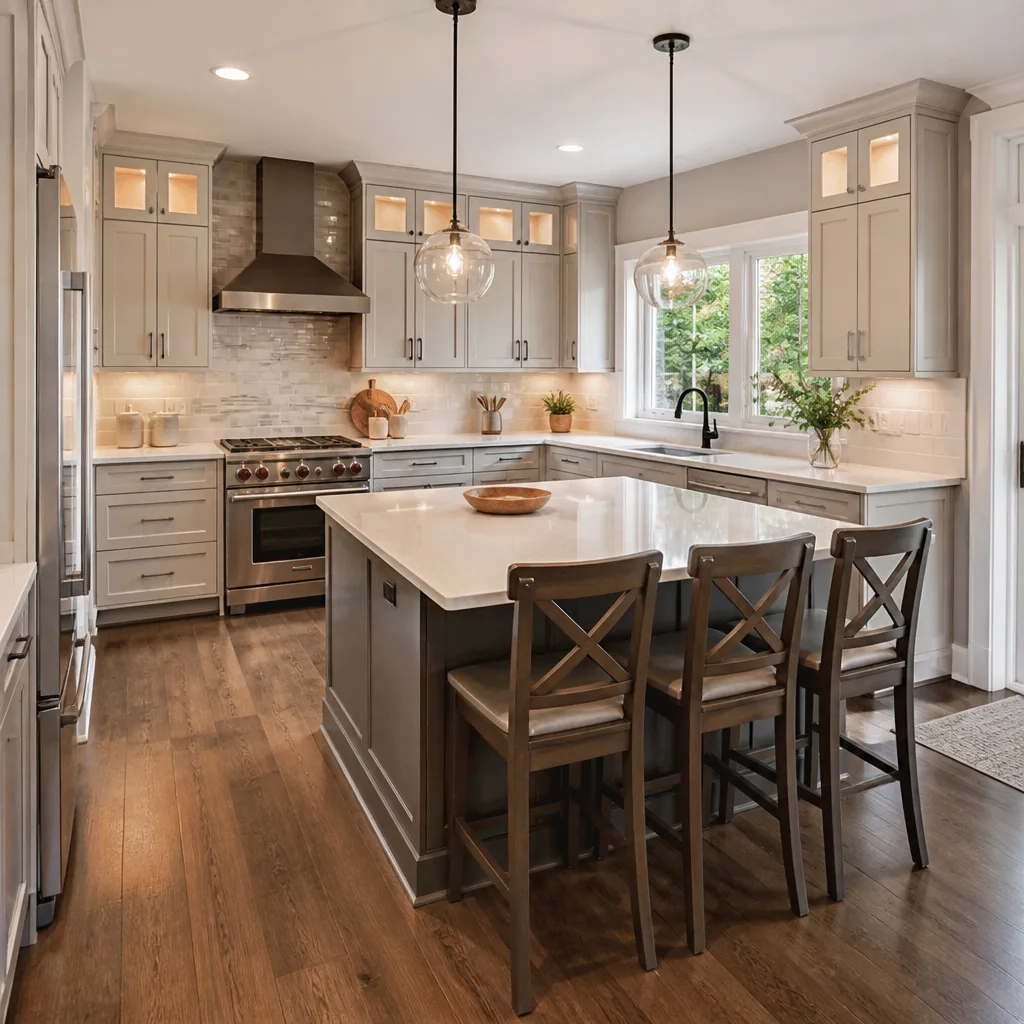
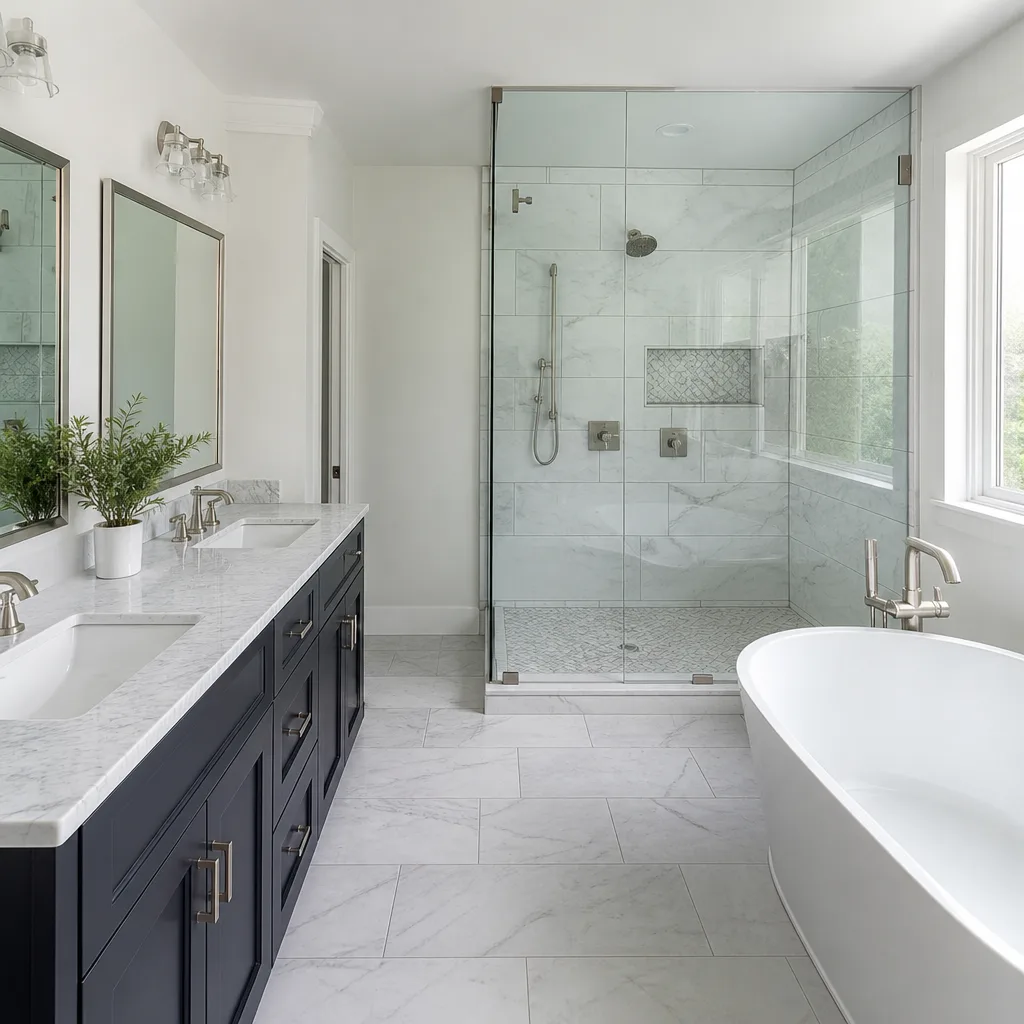
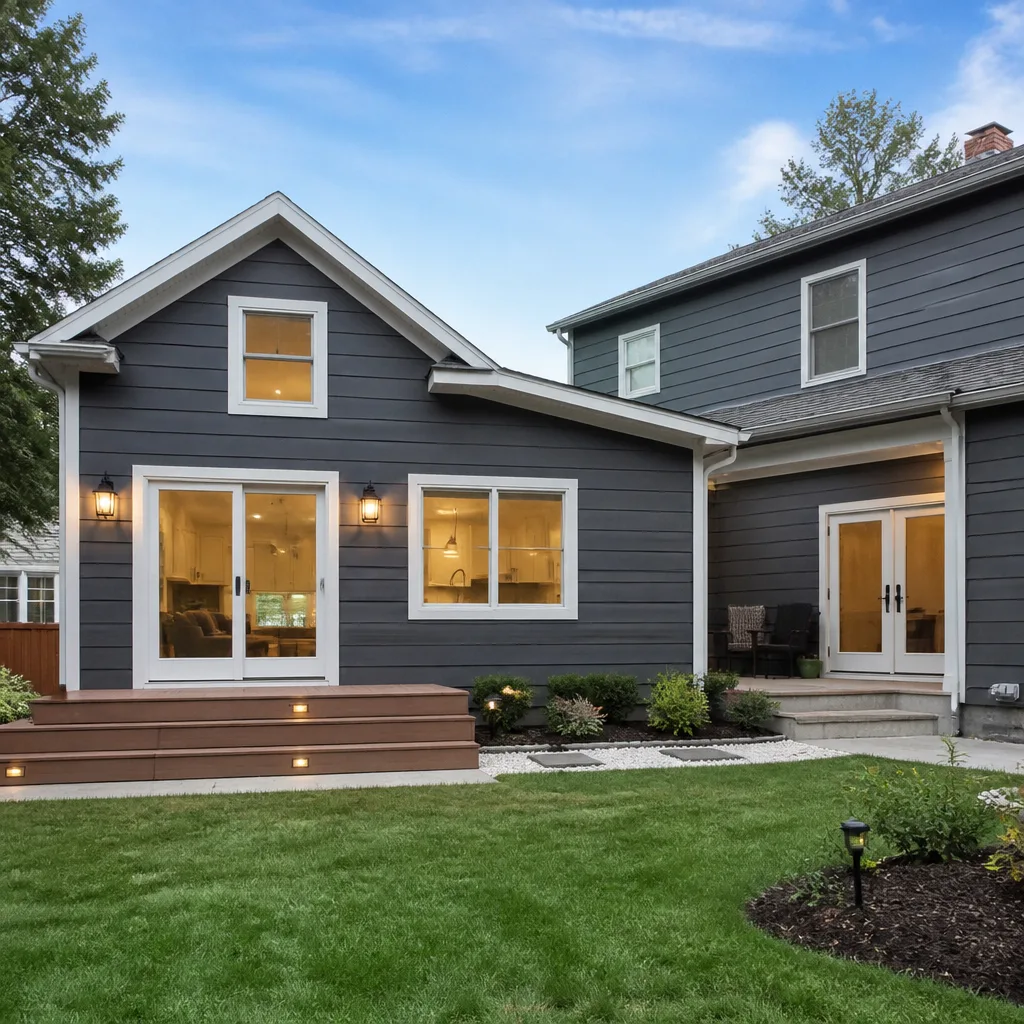
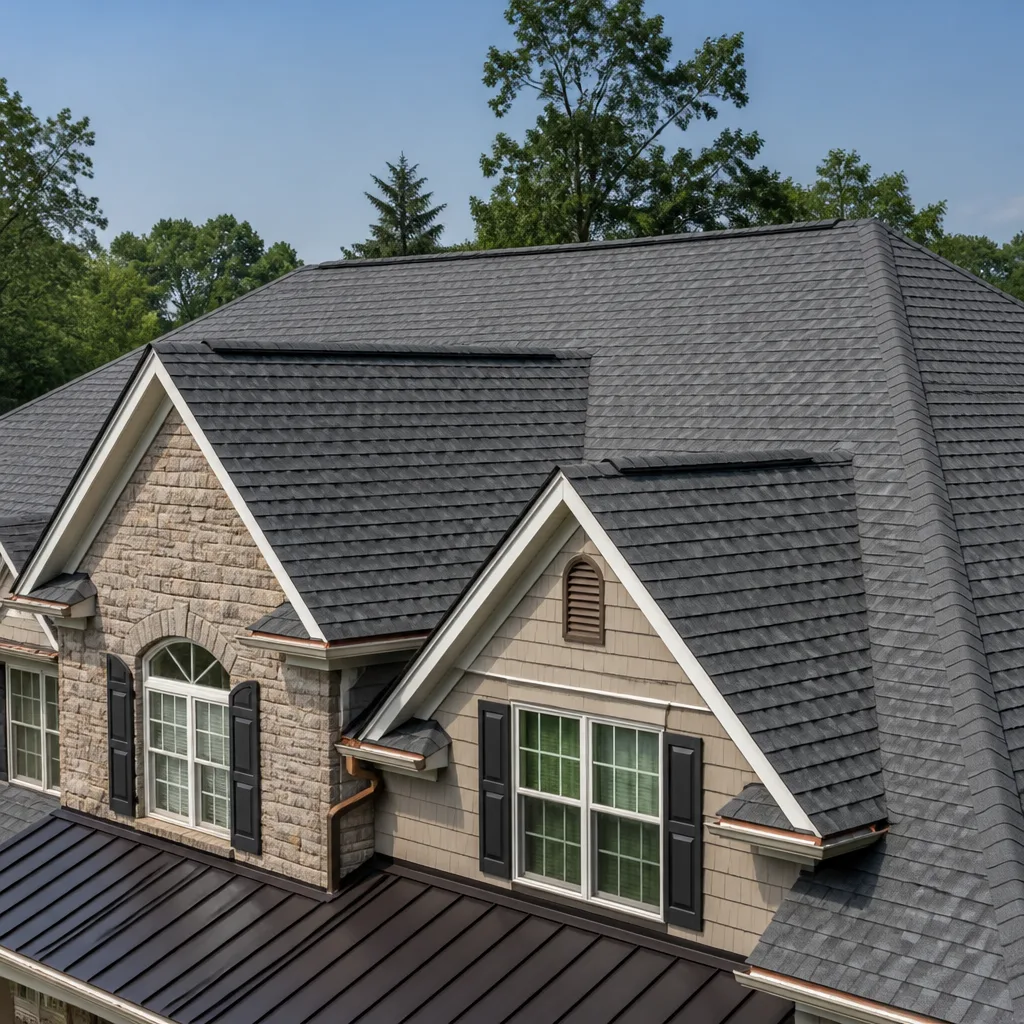
 Before
 After
After Before
 After
After Before
 After
AfterThe Complete Kitchen Remodeling Guide for Los Angeles Homeowners
Los Angeles homeowners routinely pay 15 to 20 percent more for kitchen remodels than the national averages you’ll find online. The reason isn’t contractor markup. It’s that LA kitchens carry a stack of costs most guides never mention: LADBS permit fees, seismic strapping for upper cabinets, longer material lead times from local suppliers, and the reality that a kitchen in this market is a resale asset with zip-code-specific math. Our Kitchen Remodeling guide walks you through all of it, from permit triggers to realistic pricing to the paperwork every LA homeowner should demand before signing anything. By the end, you’ll know exactly what your kitchen remodel should cost, which changes require permits, and how to protect yourself from the classic LA contractor horror stories.
Quick Answer
A kitchen remodel in Los Angeles typically costs $18,000 to $55,000 for a mid-range project, with full gut renovations running higher depending on layout changes and finishes. You’ll likely need an LADBS permit if you move the sink, alter gas or electrical lines, or change the cabinet layout enough to affect seismic anchoring. The single most important document in your file is a written price and a written guarantee before work starts, because that’s the difference between an LA remodel that stays on budget and one that doubles after demo day.
Table of Contents
- Which Kitchen Changes Require LADBS Permits in Los Angeles
- Seismic Rules That Change How LA Kitchens Get Built
- Three Realistic Budget Tiers for an LA Kitchen Remodel
- The Written Price and Written Guarantee Checklist
- Neighborhood ROI: Silver Lake vs. Chatsworth Kitchen Math
- Material Choices That Hold Up in Southern California
- What an LA Kitchen Remodel Timeline Actually Looks Like
- How to Structure Payments Without Getting Burned
Which Kitchen Changes Require LADBS Permits in Los Angeles
The Los Angeles Department of Building and Safety treats kitchen work differently depending on what you’re actually changing. Swapping out cabinet doors? No permit needed. Pulling new electrical circuits for a second oven? That’s a permit. Here’s the practical breakdown most LA contractors won’t hand you in writing:
- No permit required: Painting cabinets, replacing countertops on the same footprint, swapping out a faucet, installing a new garbage disposal on an existing circuit, replacing cabinet hardware.
- Permit required: Moving the kitchen sink to a different wall, relocating or adding gas lines, adding or relocating electrical outlets, installing a range hood that vents to the exterior, any structural change to load-bearing walls, changing a window opening size or location.
- Gray zone that usually requires a permit: Removing an upper cabinet run and replacing it with open shelving, changing from a freestanding range to a built-in cooktop and wall oven, installing an island that requires new power.
Here’s what too few Los Angeles homeowners understand about the consequences. If you remodel without a permit and then try to sell, the buyer’s lender will flag unpermitted work during the escrow process. You’ll either get asked to legalize it retroactively, which means opening walls for inspection at your expense, or you’ll eat a price reduction. In our Los Angeles kitchen projects, we’ve seen unpermitted remodels knock $20,000 to $40,000 off a sale price in neighborhoods like Encino and Sherman Oaks. The cost of pulling the permit correctly upfront, usually $800 to $1,800 in LADBS fees depending on scope, is almost always cheaper than the resale hit. And that’s before you get to the safety issue of electrical work done without inspection in an earthquake-prone city.
Seismic Rules That Change How LA Kitchens Get Built
Los Angeles building code treats kitchens as rooms full of projectiles. In an earthquake, upper cabinets become heavy boxes that want to leave the wall, and islands want to walk across the floor. That’s why any legitimate LA kitchen remodel includes seismic details that a contractor from Phoenix or Dallas would never think about:
- Upper cabinet anchoring: California code requires upper cabinets to be screwed directly into wall studs with specific fasteners, not hung on drywall anchors. When we replace upper cabinets in Los Angeles, every cabinet gets secured through into studs at multiple points, and we mark the locations in the project file so future work doesn’t guess.
- Island anchoring for stone tops: A quartz or granite island top can weigh 400 to 600 pounds. In a significant quake, an unanchored island shifts. LA-appropriate installation means the island base gets mechanically fastened to the floor structure, not just set in place with adhesive. This matters more in homes built before current codes took effect, especially 1950s and 1960s construction in the San Fernando Valley.
- Gas line flexibility: If your remodel touches the gas range, the connection from the wall to the appliance should include a flexible connector rated for movement. This is a small detail, and it’s one inspectors in Los Angeles check.
None of this adds dramatic cost. Seismic strapping and proper anchoring might add $600 to $1,200 to a mid-range remodel. But it’s exactly the kind of line item that separates a Los Angeles kitchen built to code from a cosmetic remodel that looks fine until the first decent shaker. When you talk to any contractor about your project, ask directly: “How are you anchoring the uppers, and how is the island secured?” If the answer is vague, keep looking.
Three Realistic Budget Tiers for an LA Kitchen Remodel
National kitchen remodel averages are almost useless for a Los Angeles homeowner. Between LADBS permits, local labor rates, and the fact that most LA homes were built decades before open-concept layouts existed, the real numbers sit higher. Here are three genuine tiers based on current 2024 material and labor costs in this market:
- Refresh: $18,000 to $32,000. This is the kitchen where the footprint stays exactly the same. You repaint or reface cabinets, replace countertops with a mid-range quartz like Silestone, swap the sink and faucet, and update lighting. No walls move, no plumbing relocates. You might not need a permit beyond electrical for new lighting, though we always check with LADBS first. Timeline: 3 to 5 weeks.
- Mid-range remodel: $38,000 to $55,000. This is the most common LA project. Cabinets come out and new ones go in, often KraftMaid or Wellborn, and that means new seismic anchoring. Countertops upgrade to Cambria or Caesarstone. You replace the backsplash, install new appliances, and often add an island or extend the counter run. Plumbing and electrical usually move. Permits are almost always involved here, and that’s a feature, not a bug: the inspection record protects you at resale. Timeline: 6 to 9 weeks.
- Full gut or layout change: $60,000 and up. Walls come out, the kitchen relocates within the home, or you’re converting a closed 1950s kitchen into an open plan. This tier means structural engineering, LADBS plan review, potentially upgrading the electrical panel, and a full rework of plumbing and gas runs. Large LA homes in areas like Brentwood or Studio City routinely hit $90,000 to $130,000 on this kind of project, and that’s a normal number for the scope.
One thing that surprises Los Angeles homeowners: cabinetry is usually 25 to 30 percent of a mid-range budget, not the 40 percent national blogs claim. The reason is that LA labor and materials for electrical, plumbing, and seismic work add a layer of cost that generic calculators don’t include. That’s also why asking a national guide for your kitchen budget is like asking a weather app in Ohio what to wear in Santa Monica in June.
The Written Price and Written Guarantee Checklist
Every Los Angeles homeowner has heard the story. The contractor gives a number over the phone, shows up, and suddenly the price is “a little more” because of something behind the drywall. By the time the cabinets arrive, the number from the original conversation is a memory. The fix for this is simple, and it’s specific: require a written price and a written guarantee before any work starts, and hold both in your hand before you sign anything.
Here’s the checklist we’d hand to any friend or family member remodeling in Los Angeles:
- Written price, not a verbal range. The document should list every line item: demo, rough plumbing, electrical, drywall, cabinets, counters, backsplash, tile labor, fixtures, permits, and disposal. If the contractor won’t write it down, you don’t have a price, you have a hope.
- Written guarantee with a specific duration. The Penhallow 365-Day Done Right Promise exists for a reason: if the work fails inside the guarantee period, we come back and fix it at no charge, in writing, on every project. The Kingswell Way has operated on this principle since 2004, and it’s the single biggest difference between a kitchen you enjoy and a kitchen you resent.
- Defined arrival window. You should know when the crew arrives, not “sometime next week.” The standard we’ve operated under for two decades is simple: say the price before the work, show up in the window we gave, leave the place cleaner than we found it.
- Permit responsibility in writing. Who pulls the permits? Who schedules the inspections? Who stands there while the inspector walks through? Get the answer in the contract. We pull permits, schedule inspections, and document everything in Los Angeles.
- Brand names for materials. If the quote says “quartz countertops,” that could mean anything from Silestone to a no-name import with a price to match. A real written quote names the brands: Cambria, Silestone, Caesarstone for counters; KraftMaid or Wellborn for cabinets; Kohler or Moen for fixtures.
- Change order process in advance. Even the best-planned remodel uncovers something. The question is what happens to the price when that occurs. A written change order process means you approve added costs in writing before work proceeds, and nothing gets added to your invoice by surprise.
We cannot overstate how much of the LA remodel horror-story economy exists because homeowners skip steps one and two. The written number on day one should be the number on the invoice. If a contractor won’t put that in writing, the conversation is over.
Neighborhood ROI: Silver Lake vs. Chatsworth Kitchen Math
A $60,000 kitchen in Silver Lake and the same $60,000 kitchen in Chatsworth return differently. It’s not about quality, it’s about what buyers in each zip code are willing to pay for. Los Angeles is not one market, it’s fifty markets that share a freeway system.
In Silver Lake, Echo Park, and Los Feliz, buyers are often paying a premium for architectural character. A remodel that preserves or echoes mid-century lines, uses period-appropriate tile, and doesn’t sand every bit of character off the walls tends to recover more of its cost at sale. The competition for turn-key, design-forward kitchens in these neighborhoods is intense, and a well-executed remodel can add $45,000 to $70,000 in a market where updated kitchens are expected. We’ve also seen home owners in Silver Lake deliberately avoid ultra-modern white-on-white kitchens because the neighborhood’s buyer pool skews toward people who want the house to feel like it belongs there.
In Chatsworth, Porter Ranch, and the broader west Valley, the calculus shifts. These are homes where practical updates matter: a functional layout, quality appliances, durable countertops. Buyers in these neighborhoods may not pay as much of a premium for design statements, but they heavily discount kitchens that need immediate work. A tired original 1980s kitchen in Chatsworth can sit on the market while its updated equivalent sells in weeks. Here, the remodel’s ROI often comes from avoiding the discount rather than adding a mint. A $45,000 to $60,000 refresh in these neighborhoods keeps a home competitive and typically recovers its cost at sale, sometimes plus a bit more.
Before you pick cabinets, pick the comps. Look at what’s sold in your specific zip code over the last six months. If every sale in your neighborhood has white shaker cabinets and quartz counters, that’s a signal about what buyers expect. Then remodel to your taste and the market’s tolerance in balance. As general contractor in Los Angeles, we walk through this with you before a single cabinet gets ordered, because the right kitchen for your home is also the right kitchen for your resale.
Material Choices That Hold Up in Southern California
Los Angeles kitchens live in dry air, occasional heat spikes, and unrelenting sunlight through big windows. That changes what materials make sense. Here’s what holds up in this climate, and what quietly degrades:
- Quartz over marble for counters. Marble is beautiful and porous and stains when a lemon sits on it for twenty minutes. In LA, where citrus trees drop lemons like it’s a civic duty, quartz like Cambria or Caesarstone gives you the stone look without the acid-etch anxiety. Quartz also doesn’t need sealing, which is one less maintenance task in a city where no one remembers to schedule it.
- Engineered wood or tile over solid hardwood underfoot. Kitchens with full hardwood floors look great until a refrigerator water line leaks. Engineered wood handles modest moisture better, and tile shrugs it off entirely. For a Los Angeles kitchen, we typically steer clients toward a quality porcelain tile or engineered product from a recognized manufacturer like Boral, which handles the dry air of South Pasadena as easily as the damp marine layer mornings in Playa del Rey.
- Range hoods with actual exterior venting. Half the LA kitchens we see started life with a recirculating hood that does almost nothing. If you cook with any regularity, especially on gas, put a vented hood in the scope. It’s an extra permit line item and an extra couple hundred in ducting, and it changes the whole air quality equation in a home sealed up against the heat.
- Cabinet finishes built for direct sun. If your kitchen gets an hour of direct afternoon sun through a window, that’s UV damage by year three on lower-quality cabinet finishes. KraftMaid and Wellborn both offer finish options that hold up under sun exposure, and it’s the kind of detail worth checking before you pick a color.
For countertop edge profiles, sink configurations, and fixture finishes, the honest answer is personal taste. You’ll live with these choices for years. Pick what you like. But the substrate, the cabinet construction, the venting, the anchoring: those are functional decisions where cutting corners in Los Angeles climate and seismic reality means paying twice. We use that phrase deliberately. Cutting corners costs twice.
What an LA Kitchen Remodel Timeline Actually Looks Like
The timeline for a Los Angeles kitchen remodel has a shape most homeowners don’t expect. It doesn’t start with demo. It starts with permitting, and in LA, that’s measured in weeks. Here’s an honest mid-range timeline from signed contract to first dinner cooked:
- Weeks 1 to 3: Plan review and permit submittal. Once you’ve signed, we pull dimensions, finalize the material selections, and submit plans to LADBS. For a project needing electrical, plumbing, or structural work, this is non-negotiable scheduling time. In some parts of Los Angeles, plan review runs faster than others, but three weeks is a realistic planning number.
- Weeks 3 to 7: Material lead time runs in parallel. Cabinets typically take 4 to 8 weeks once ordered. Countertops get templated after cabinets are installed, then fabricated within 1 to 2 weeks. The smart contractors order cabinetry when the permit is submitted, so the boxed cabinets are waiting by the time demo wraps.
- Weeks 4 to 9: Demo and rough-in work. Old kitchen comes out, plumbing and electrical get roughed in, drywall goes up, and the LADBS inspector signs off on the rough work. Seismic anchoring happens at this stage.
- Weeks 9 to 12: Cabinets, counters, fixtures, finishing. Cabinets install, counters template and fabricate, backsplash tile goes up, fixtures and appliances land, trim and paint close it out.
- Week 12 to 13: Final inspection and punch list. The city signs off, we walk the project with you, and anything not perfect gets addressed under the written guarantee.
The full sequence for a mid-range Los Angeles kitchen runs roughly 10 to 14 weeks from contract to completion, with permitting and cabinet lead times consuming the hidden weeks. The contractors who quote you three weeks are describing their labor time, not your life. Ask for a timeline in writing alongside your written price.
How to Structure Payments Without Getting Burned
Los Angeles contractors have a reputation problem, and the payment schedule is ground zero for the bad actors. The classic play is a huge upfront deposit, then a second big draw early, then the contractor disappears or slows down because the financial incentive to finish just evaporated. The structure of your payment schedule is a contract term, and you can negotiate it.
Here’s what a sensible LA kitchen remodel payment structure looks like:
- Initial deposit: 10 to 15 percent. This is enough to cover permit fees and initial material deposits for a contractor with normal cash flow. Anything over 20 percent as a deposit is a red flag, not a standard.
- Progress draws tied to milestones, not dates. Payments should hit when specific work completes: demo and rough-in complete, cabinets installed, countertops installed, final inspection passed. Each draw should be 15 to 25 percent of the total, with the final 10 percent held until you’ve done your punch-list walkthrough and the inspector has signed off.
- The final payment is your leverage. A contractor who asks for full payment before final inspection has just told you something important. Hold back 10 percent until the permit is closed and the punch list is clear. The Penhallow standard is a written final walkthrough before final payment is requested.
California state law also caps down payments for home improvement contracts at $1,000 or 10 percent, whichever is less, for any contractor without a valid performance and payment bond. Know that number, and know whether your contractor has a bond. It’s the same kind of knowledge that keeps a Chatsworth homeowner from funding someone else’s vacation in Palm Springs.
Common Mistakes to Avoid
- Believing the national average. Los Angeles costs run higher than national kitchen remodel figures. Budget for local reality: permits, seismic work, and local labor rates.
- Skipping the permit because it’s “just a small change.” An unpermitted electrical or gas alteration comes back at resale, and in Los Angeles, that means escrow complications and price reductions. Do it right the first time.
- Choosing the cheap paint-grade cabinets to save $2,000. In a sunlit LA kitchen, cheap finishes fade and peel, and you’ll replace them while the rest of the kitchen still looks new.
- Not verifying how the contractor anchors upper cabinets. Seismic strapping costs a few hundred dollars and keeps 150 pounds of dinnerware from becoming airborne projectiles. Ask directly.
- Signing a contract without a written guarantee. A handshake guarantee is no guarantee. If the badge of quality isn’t in writing with a specific duration, it doesn’t exist.
- Designing for someone else’s resale instead of your own life. You’ll live with this kitchen for years before you sell. A kitchen built for the taste of imaginary buyers serves no one well.
- Ignoring the venting. A recirculating hood in a sealed-up LA home means cooking odors and moisture never leave. Add proper exterior venting to the scope.
When to Call a Professional
Small upgrades like cabinet hardware, a new faucet, or a peel-and-stick backsplash are weekend projects. The line where a Los Angeles homeowner should call a professional sits at the first electrical wire, gas line, or load-bearing wall. If your project involves moving the sink, relocating a range, removing a wall, adding an island with power, or changing cabinet layouts, the stakes are high enough that a mistake costs more than a contractor. And remember that in this city, seismic anchoring and LADBS inspections are part of doing it right. Penhallow Remodeling offers free estimates in Los Angeles, including a written price and written guarantee before work starts. Call (936) 259-2607 to get your kitchen on the schedule. Learn more about our kitchen remodeling services in Los Angeles or bathroom remodeling in Los Angeles if you’re planning a second project.
Frequently Asked Questions
A kitchen remodel in Los Angeles typically costs $18,000 to $55,000, with full gut renovations running $60,000 and up depending on layout changes. The biggest drivers are cabinet quality, countertop material, whether plumbing or electrical relocates, and LADBS permit requirements. Call (936) 259-2607 for an exact written quote, it’s free.
You need an LADBS permit in Los Angeles if you move the sink, alter gas or electrical lines, change structural walls, or relocate windows. Painting, cabinet refacing, and in-place countertop replacement generally don’t require permits. If you skip a required permit, you’ll face problems at resale when the buyer’s lender flags unpermitted work.
A mid-range kitchen remodel in Los Angeles takes roughly 10 to 14 weeks from contract to completion. The hidden time is in LADBS permit review and cabinet lead times, which run 3 to 8 weeks depending on the line and the scope. Any contractor quoting three weeks is leaving out permitting, inspections, or both.
A kitchen remodel contract should include a written price with line-item detail, a written guarantee with a specific duration, a defined arrival window, permit responsibility, brand names for materials, and a change order process. If any of those are missing, the contract protects the contractor more than it protects you.
A kitchen remodel typically adds value in Los Angeles, but the return depends on neighborhood. In areas like Silver Lake and Echo Park, design-forward updates can add substantially to sale price. In Valley markets like Chatsworth and Porter Ranch, a remodel keeps your home competitive and prevents the discount buyers apply to dated kitchens.
A written price from a contractor operating under The Kingswell Way stays the number on the invoice unless you approve a written change order for newly discovered conditions. The 365-Day Done Right Promise means if something isn’t right inside the guarantee period, we come back and fix it at no charge, in writing. Call (936) 259-2607 to get your written quote.
The Bottom Line
A kitchen remodel in Los Angeles is a different animal than the national guides describe. You need LADBS permits for any plumbing or electrical relocation. You need seismic anchoring on upper cabinets and islands because the ground here moves. You need a realistic budget in the $18,000 to $55,000 range for a mid-project, and you need a written price and written guarantee before any work starts. Skip the permits and skim the anchoring, and you’ll pay for it at resale or in the first decent earthquake. The Los Angeles homeowners who get it right do three things: they budget for local reality, they demand paperwork, and they hire someone who puts the price and the promise in writing. That’s the whole game.
Written by Trevor Nash, Owner at Penhallow Remodeling, serving Los Angeles since 2004. Penhallow Remodeling home