
Last updated October 8, 2026
Free written scope consultation - allowances, timeline, and change-order rules on paper before a single trade is scheduled
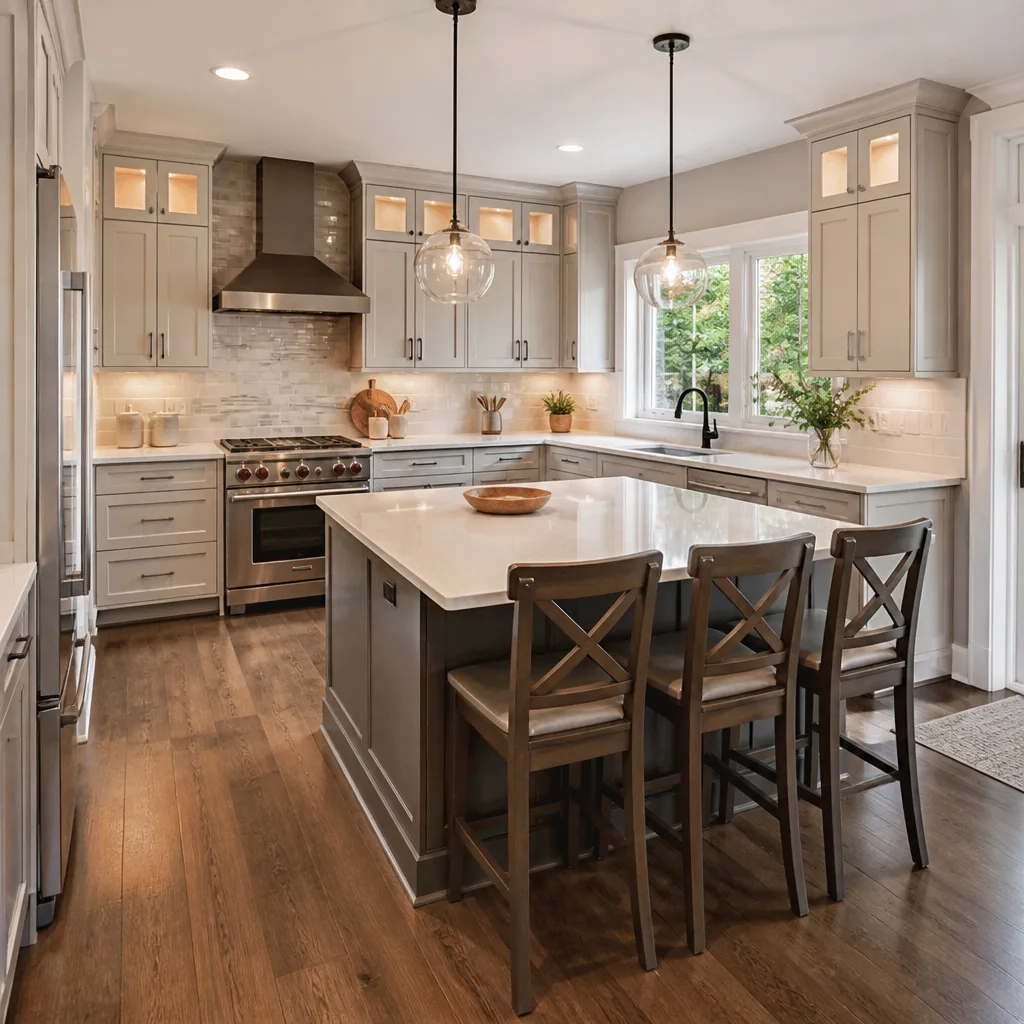
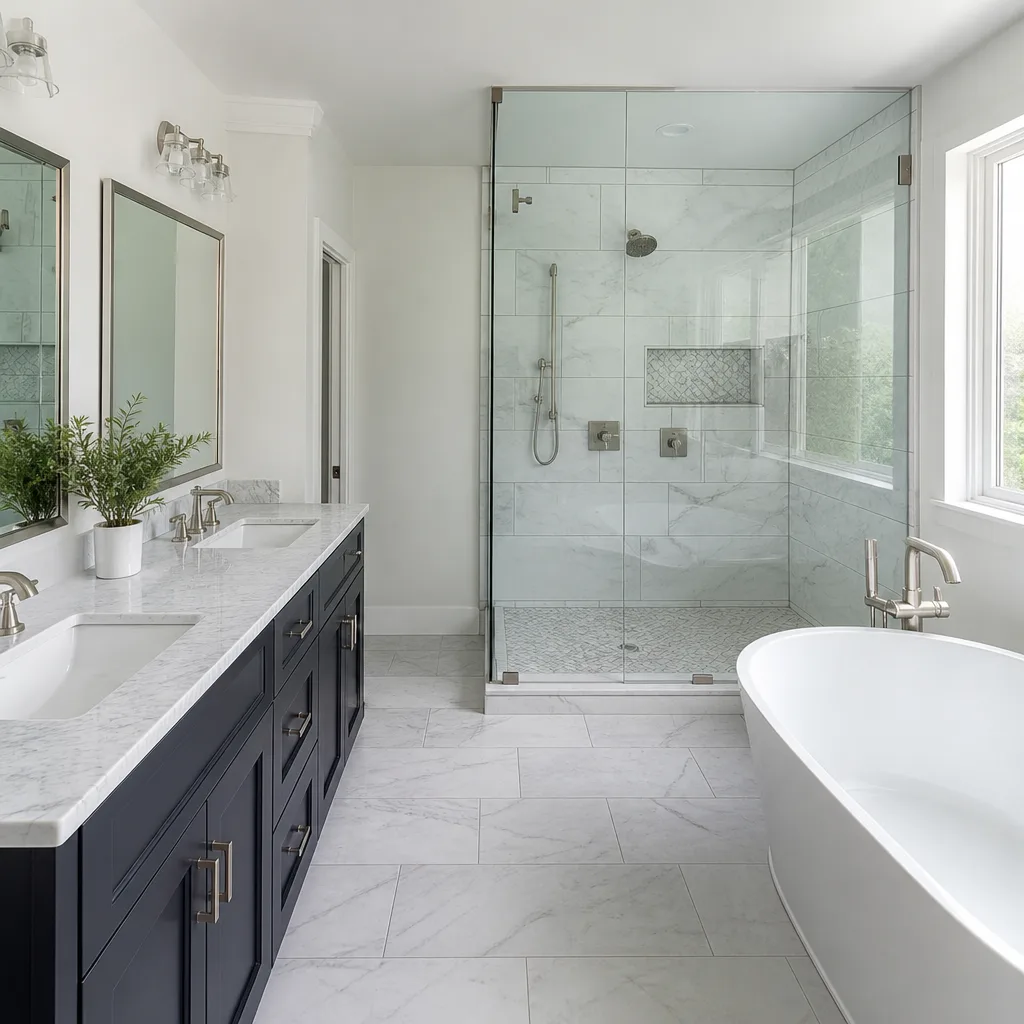
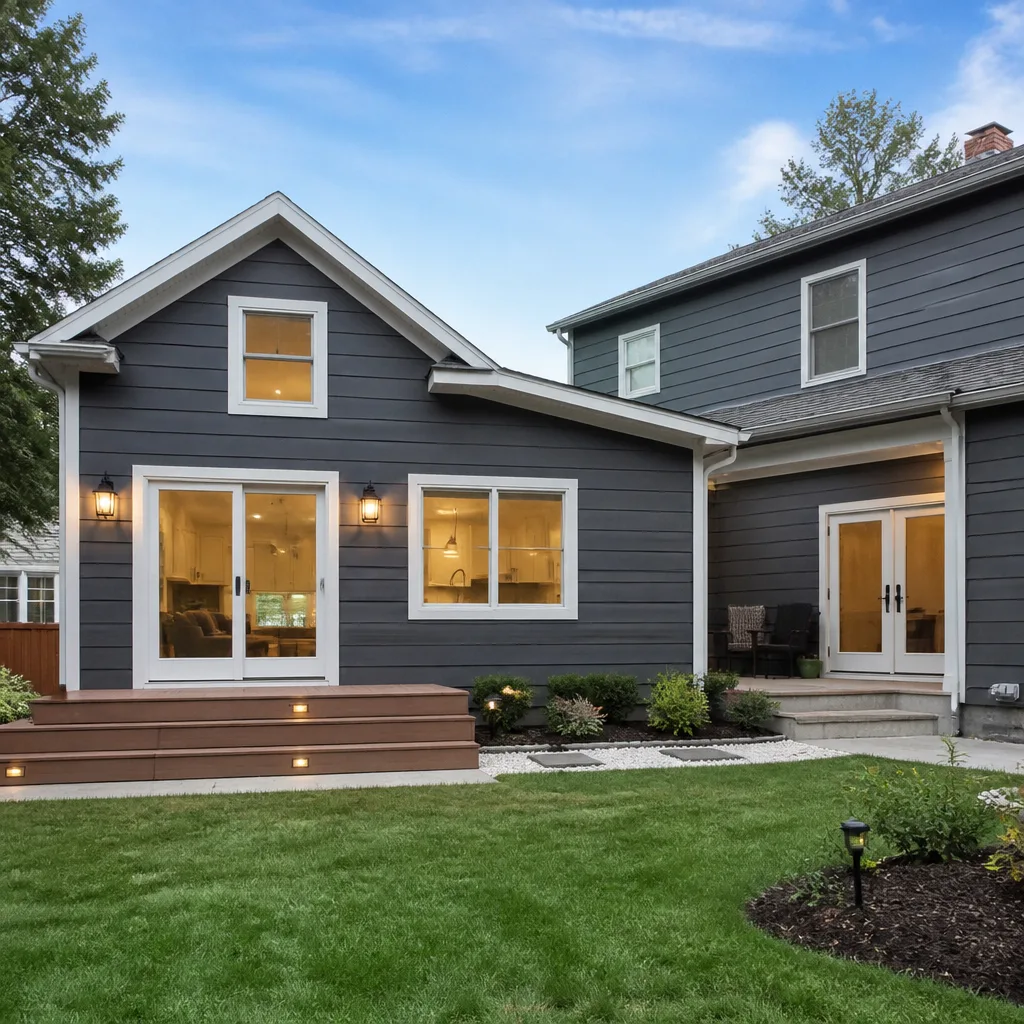

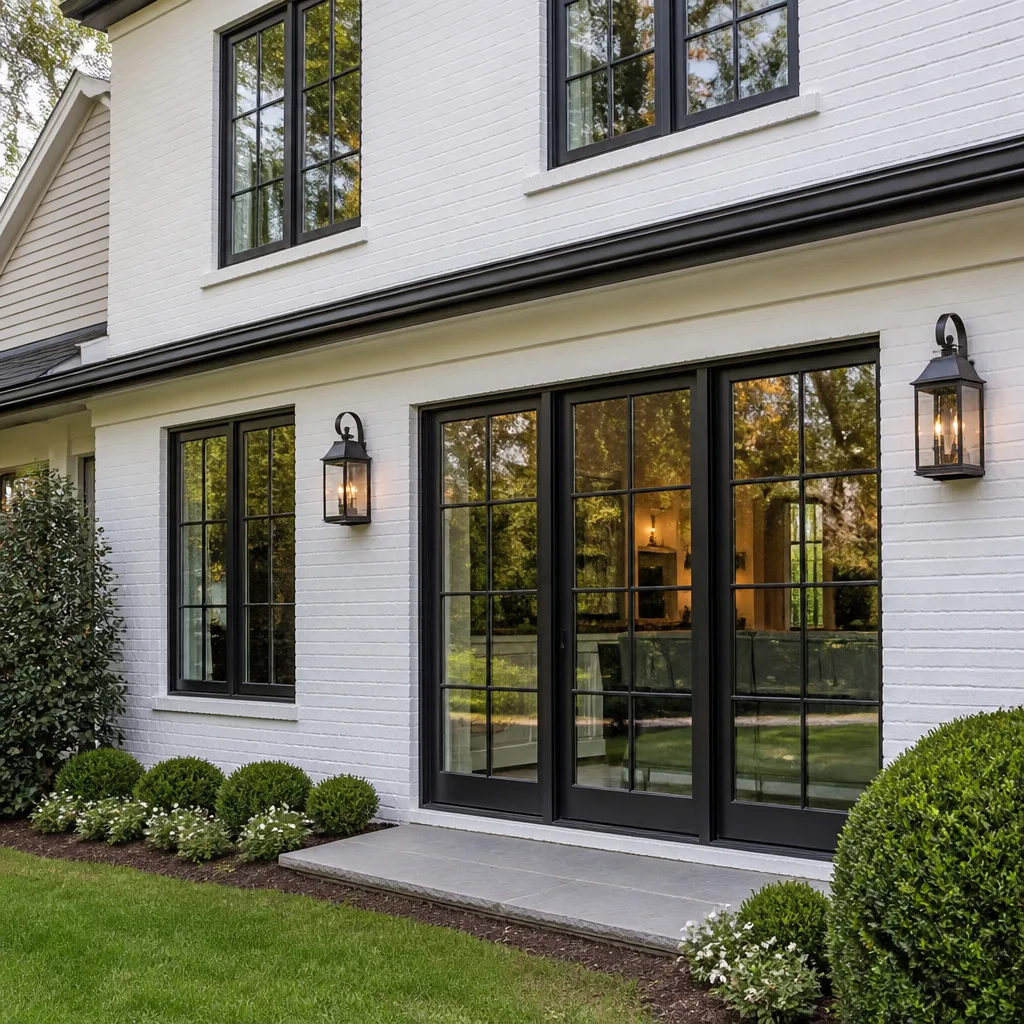
 Before
 After
After Before
 After
After Before
 After
AfterHow Long Does Kitchen Remodeling Take? Timelines and What to Expect
Cabinet lead time alone runs 6 to 14 weeks for semi-custom, and longer for full custom. That means a kitchen remodel that “starts next month” in Los Angeles may not have new cabinets on-site until spring, regardless of when demo happens. Most timelines you’ll hear at the signing table leave out the two phases that actually cause delays: the permit window and the cabinet order. This guide builds the real schedule from those two anchors outward, so you can plan your life around honest dates instead of optimistic guesses.
Quick Answer
A full kitchen remodel in Los Angeles typically takes 8 to 16 weeks from the day work begins on-site, but the total timeline from signing a contract to final walkthrough usually spans 4 to 7 months once permits, cabinet lead times, and countertop templating are factored in. The on-site construction phase itself is rarely the bottleneck. What stretches the schedule is what happens before the first hammer swings and between cabinet delivery and countertop installation. If you’re planning a kitchen remodel, the smart move is to build your calendar around cabinet lead time and LADBS permit processing, not demo day. For a full-service approach, explore our Kitchen Remodeling services.
Table of Contents
- Why Cabinet Lead Time Is the Real Critical Path
- Los Angeles Permit Timelines: What LADBS Actually Requires
- The Phase-by-Phase Kitchen Remodel Timeline
- Where Delays Actually Happen (And Where They Don’t)
- What a Written Project Schedule Should Include
- How to Protect Your Timeline Contractually
- Frequently Asked Questions
Why Cabinet Lead Time Is the Real Critical Path
We tell every Los Angeles homeowner the same thing at the first meeting: the cabinets drive the schedule. Not demo. Not rough-in. Not tile. Cabinets. Here’s why.
Stock cabinets, the kind you pull off a shelf at a big-box store, ship in 2 to 4 weeks. Semi-custom lines like KraftMaid or Wellborn, which let you choose door styles, finishes, and modifications, run 6 to 14 weeks from order to delivery. Full custom cabinetry, built to your kitchen’s exact dimensions by a local shop, can stretch 16 weeks or more depending on the shop’s workload. Add freight from the manufacturer to Southern California, and you’re looking at another week or two.
The sequence matters more than the total. Cabinets go in after rough-in (plumbing, electrical, drywall) and before countertop templating. You cannot template for quartz or granite until the base cabinets are set, because the stone fabricator measures off the installed boxes, not the plan drawings. That means a two-week cabinet delay pushes countertops, backsplash, sink installation, and appliance hookup all at once. In our experience across Los Angeles, cabinet delivery is the single most common reason a kitchen remodel runs past its original completion date.
Practical takeaway: order cabinets the day your contract is signed and your measurements are locked. Do not wait for demo. Do not wait for permit approval. The cabinet order should be in motion before anything else on the project calendar.
Los Angeles Permit Timelines: What LADBS Actually Requires
Los Angeles has its own permitting process through the Department of Building and Safety, and it is not the same as neighboring cities. If your remodel is cosmetic only (painting, replacing cabinet doors, swapping a faucet, new flooring), you may not need a permit at all. But the moment you move a sink, relocate a gas line, add or remove a wall, or change the electrical layout, you’re in LADBS territory.
LADBS divides kitchen work into two paths. Minor scope changes where the footprint stays the same often qualify for an over-the-counter permit at a local LADBS office, and these can sometimes be issued the same day or within a week. Larger scope projects, anything that changes the floor plan or the building system, go through plan check. Plan check in Los Angeles currently runs 2 to 6 weeks depending on the complexity of the drawings and the current workload at your assigned office, which is a moving target month to month. Then there’s the inspection cycle: rough-in inspections, final inspections, and any corrections in between.
The honest takeaway: a kitchen remodel that moves plumbing or electrical in Los Angeles should budget 3 to 8 weeks for the permit process in total, not including the time it takes to prepare drawings. A good general contractor handles the paperwork and appearance at inspections, but no contractor can make LADBS move faster. For help choosing one, see How to Hire a Construction Contractor in Los Angeles: A Step-by-Step Guide. Anyone who promises you a start date without confirming the permit status is guessing.
The Phase-by-Phase Kitchen Remodel Timeline
Here is the full sequence, based on a typical Los Angeles kitchen remodel with semi-custom cabinets, quartz countertops, and no structural changes. Your job will shift based on scope, but the order of operations is the same almost every time.
- Contract and cabinet order (week 1): Sign the contract, lock the design, pay the cabinet deposit. The cabinet lead time clock starts now, not at demo.
- Permit submission and approval (weeks 1 – 8): Drawings go to LADBS. Over-the-counter permits clear faster; plan-check submissions take longer. Nothing gets scheduled on-site until this clears.
- Demo (days to a week): Cabinets out, flooring up, walls opened where needed. Demo is fast, dusty, and loud, but it is the shortest phase in the project.
- Rough-in: plumbing, electrical, framing (1 – 2 weeks): Pipes moved, wires run, walls repaired. This is where the work you’ll never see happens, and it has to pass inspection before the walls close.
- Drywall and painting (1 week): Walls patched, textured, primed, painted. The room starts to look like a room again.
- Cabinet installation (2 – 5 days): Semi-custom boxes arrive and go in. This can only happen when the cabinets are actually on-site, which is why lead time drives the whole schedule.
- Countertop templating and fabrication (1 – 3 weeks): A stone fabricator measures off the installed cabinets, cuts the slab, and returns to set it. Cambria, Silestone, and Caesarstone all have their own fabrication timelines.
- Fixtures, backsplash, appliances (1 – 2 weeks): Sink, faucet, lighting, backsplash tile, and appliances installed. Appliance delivery windows from the retailer have to align with this phase.
- Final inspection and punch list (days to 1 week): LADBS final inspection passed, small items touched up, walkthrough completed.
Total on-site time in Los Angeles: 8 to 16 weeks. Total calendar time from contract signing to completion: 4 to 7 months. The gap between those two numbers is the part most people don’t plan for.
Where Delays Actually Happen (And Where They Don’t)
Homeowners preparing for a kitchen remodel usually brace for demo chaos and rough-in surprises. In practice, those phases are rarely the problem. What we’ve seen slow down Los Angeles projects, again and again, is quieter.
Delays you should expect:
- Cabinet delivery: Manufacturer backlogs, freight problems, or a missed measurement discovered at dry-fit. This delays countertops and everything after.
- Countertop templating: The fabricator’s schedule is booked out. Some Los Angeles shops run 2 to 3 weeks from template to install, and they will not template until cabinets are set.
- Appliance delivery: The range you ordered in week two arrives in week nine, and the hood doesn’t arrive until week eleven. Appliance logistics routinely disrupt the endgame.
- Permit corrections: LADBS kicks back a drawing with a note. Your contractor revises, resubmits, and waits again. This is normal, not a red flag, but it costs time.
Delays you don’t need to fear:
- Demo: Pulling out a kitchen takes days, not weeks. The scary part is temporary.
- Rough-in: Competent plumbers and electricians in Los Angeles work fast. The inspection itself is usually the waiting period.
- Painting and finishing: Once drywall is up, the finish trades move on predictable schedules.
When a kitchen remodel drags on in Los Angeles, it is almost always because something ordered in week one arrived late or a permit took longer than forecast. Plan around the supply chain and City Hall, and the rest follows.
What a Written Project Schedule Should Include
Before you sign anything, ask for a written project schedule. Not a start date and an end date. A schedule with milestone dates for each phase. Here is what a real one includes:
- Contract signing date and cabinet order date, with the cabinet lead time stated in weeks from the manufacturer.
- Permit submission date and the expected LADBS review window, plus the name of the office handling the file.
- Demo start date, contingent on permit approval.
- Rough-in completion date and the scheduled inspection date.
- Cabinet delivery date from the manufacturer, even before it’s confirmed.
- Countertop template date and the fabrication lead time from the stone vendor.
- Appliance delivery windows for each major appliance, so the installer isn’t waiting on a range.
- Final inspection date and a punch-list walkthrough date.
A contractor who writes this down before work starts is making themselves accountable to it. We put it in writing on every project under The Kingswell Way: say the price before the work, show up in the window we gave, leave the place cleaner than we found it. The schedule is part of that promise. A contractor who will not commit milestone dates to paper is one who expects the timeline to slip quietly.
How to Protect Your Timeline Contractually
Every kitchen remodel uncovers something once the walls are open. Rot behind the sink. Wiring that isn’t to current code. A joist that was notched by a plumber twenty years ago. How the contractor handles those discoveries determines whether the job slips by days or months.
A good change order clause in your contract covers three things: how the new work is priced, how the schedule moves, and when the work must stop for your approval. It should say that any additional work beyond the original contract requires a written change order signed by you before the work proceeds. It should state that the price of the change order is the full price, not an estimate to be reconciled later. And it should explain the schedule impact in days, so a change that adds three days of framing does not silently become three weeks.
We hand homeowners a written price before any work starts, and we extend that logic to change orders. If we find rot behind the sink, you get a written number and a written schedule adjustment before we open the wall further. That is not a favor. It is how a project stays on track when the unknown shows up, as it always does in a Los Angeles kitchen. Your contract should spell this out, and you should refuse to sign one that leaves change orders to a verbal handshake.
Common Mistakes to Avoid
- Booking a vacation around the “end date” from the first conversation. The date that matters is the one in the written schedule after permits and cabinet lead times are confirmed. A Los Angeles kitchen remodel can shift by weeks if plan check runs long.
- Waiting to order cabinets until after demo. This adds the full cabinet lead time to the back end of the project for no reason. Order first, demo later.
- Ignoring the permit timeline. Starting unpermitted work might feel faster, but in Los Angeles it can trigger a stop-work order from LADBS, and that wait will dwarf whatever you saved.
- Assuming countertops are quick. Templating happens after cabinets, and fabrication runs 1 to 3 weeks. The kitchen sits idle during that window if no one planned for it.
- Ordering appliances too late. A refrigerator arriving two weeks after the kitchen is done means the final inspection and your return to normal both wait.
- Picking a contractor based on speed promises. Anyone who says they can do a full Los Angeles kitchen remodel in three weeks is cutting a corner somewhere. Real schedules have real structure.
When to Call a Professional
You should bring in a general contractor the moment the project involves moving plumbing, electrical, or walls. These are the scopes that trigger LADBS permits, and they are also where structural and code issues hide. If you are replacing cabinet fronts and painting, you may not need one. If the sink is moving, the range is getting a new gas line, or a wall is coming out, a licensed general contractor is the difference between a permit that clears and a stop-work order on the door. Penhallow Remodeling offers free estimates in Los Angeles, and every estimate includes a written price and a written project schedule before you commit. Call (936) 259-2607 to set one up.
You can also visit our Penhallow Remodeling home page to see how we structure kitchen projects under The Kingswell Way. If you’re weighing broader work, read our General Contractor in Los Angeles page for how we handle whole-project scopes. And if the kitchen leads to a bathroom, our Bathroom Remodeling in Los Angeles page covers that process with the same written-price standard.
Frequently Asked Questions
A full kitchen remodel in Los Angeles takes 8 to 16 weeks of on-site work, but the total timeline from contract signing to final walkthrough usually runs 4 to 7 months because of cabinet lead times and LADBS permitting. The construction itself is the faster part. Call (936) 259-2607 if you want a written schedule for your specific kitchen, and we’ll walk you through the real dates.
Cabinet lead time is the longest single phase in most Los Angeles kitchen remodels, running 6 to 14 weeks for semi-custom lines like KraftMaid or Wellborn and longer for full custom. Countertop fabrication and permit review are the next biggest stretches. Ordering cabinets before demo starts is the single best way to compress the overall timeline, and we do that on every project we run.
You can do purely cosmetic work, like painting, replacing cabinet doors, or swapping a faucet, without a permit in Los Angeles. Moving plumbing, electrical, or walls requires an LADBS permit, and doing that work unpermitted can bring a stop-work order. The permit process adds time, but a good contractor builds it into the schedule from day one.
Stock cabinets ship in 2 to 4 weeks, semi-custom lines like KraftMaid and Wellborn run 6 to 14 weeks, and full custom cabinetry can take 16 weeks or more. The clock starts when the order is placed, which is why we place cabinet orders at contract signing, not after demo. That lead time is the critical path for the whole project schedule.
Yes, and sometimes longer in Los Angeles. The stone fabricator measures off the installed cabinets, cuts the slab, and returns to set it, which typically runs 1 to 3 weeks depending on the shop’s workload. Cambria, Silestone, and Caesarstone all have their own fabrication timelines. Until the countertops are set, the sink, faucet, and backsplash cannot be finished, so this window matters more than it looks.
A real project schedule includes milestone dates for every phase: cabinet order, permit submission, demo, rough-in, cabinet delivery, countertop templating, appliance delivery, final inspection, and punch-list walkthrough. A start date and an end date are not a schedule. If a contractor won’t put milestone dates in writing, the timeline is likely to slip without accountability.
The Bottom Line
A kitchen remodel in Los Angeles is a 4 to 7 month commitment from signed contract to completed walkthrough, even though the on-site work only takes 8 to 16 weeks. The difference is cabinet lead time, countertop fabrication, appliance logistics, and LADBS permit review. Plan around those anchors, get a contractor who writes down milestone dates and change-order terms, and you will not be the homeowner staring at an empty kitchen wondering where the cabinets are. For more guides & resources, visit our blog. Call (936) 259-2607 for a free Los Angeles kitchen remodeling estimate, and we’ll give you a written price and a written schedule before you commit to anything.
Written by Trevor Nash, Owner at Penhallow Remodeling, serving Los Angeles since 2004.