
Last updated October 8, 2026
Free written scope consultation - allowances, timeline, and change-order rules on paper before a single trade is scheduled
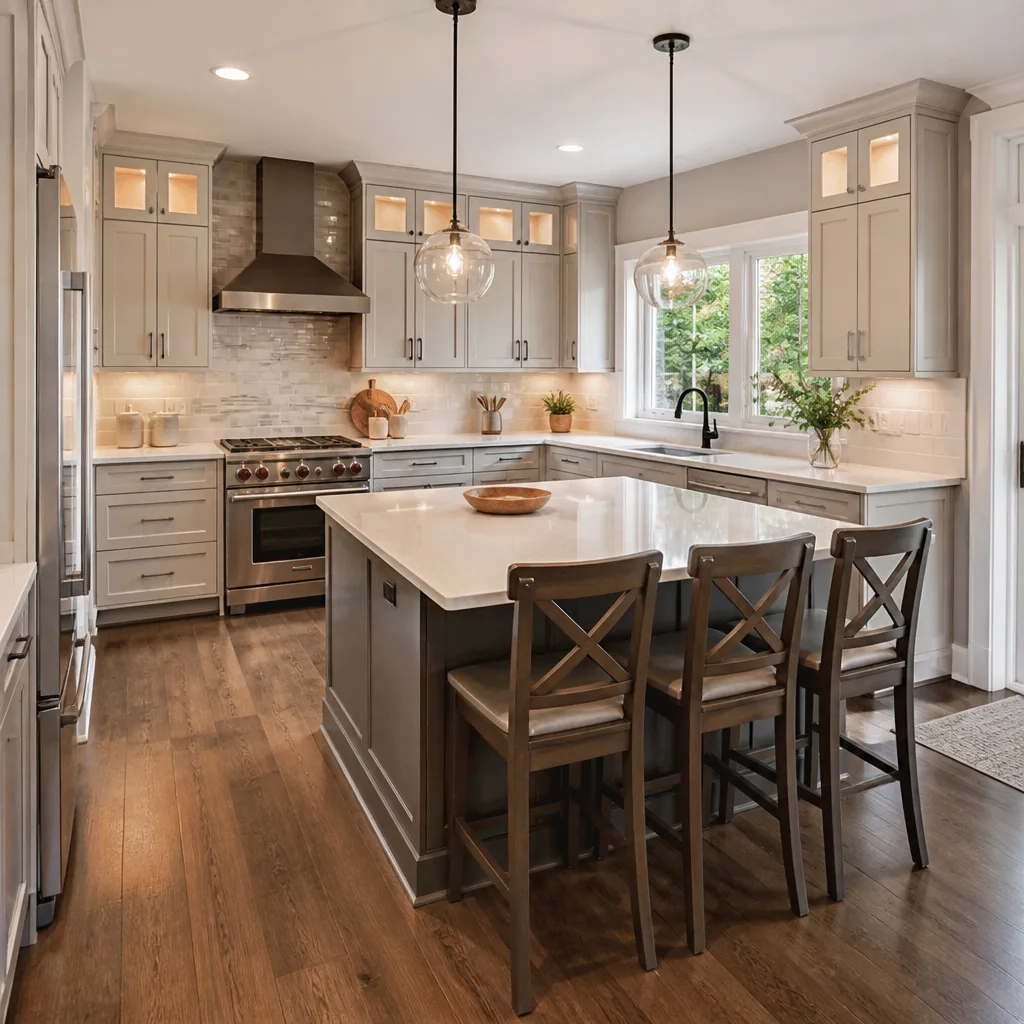






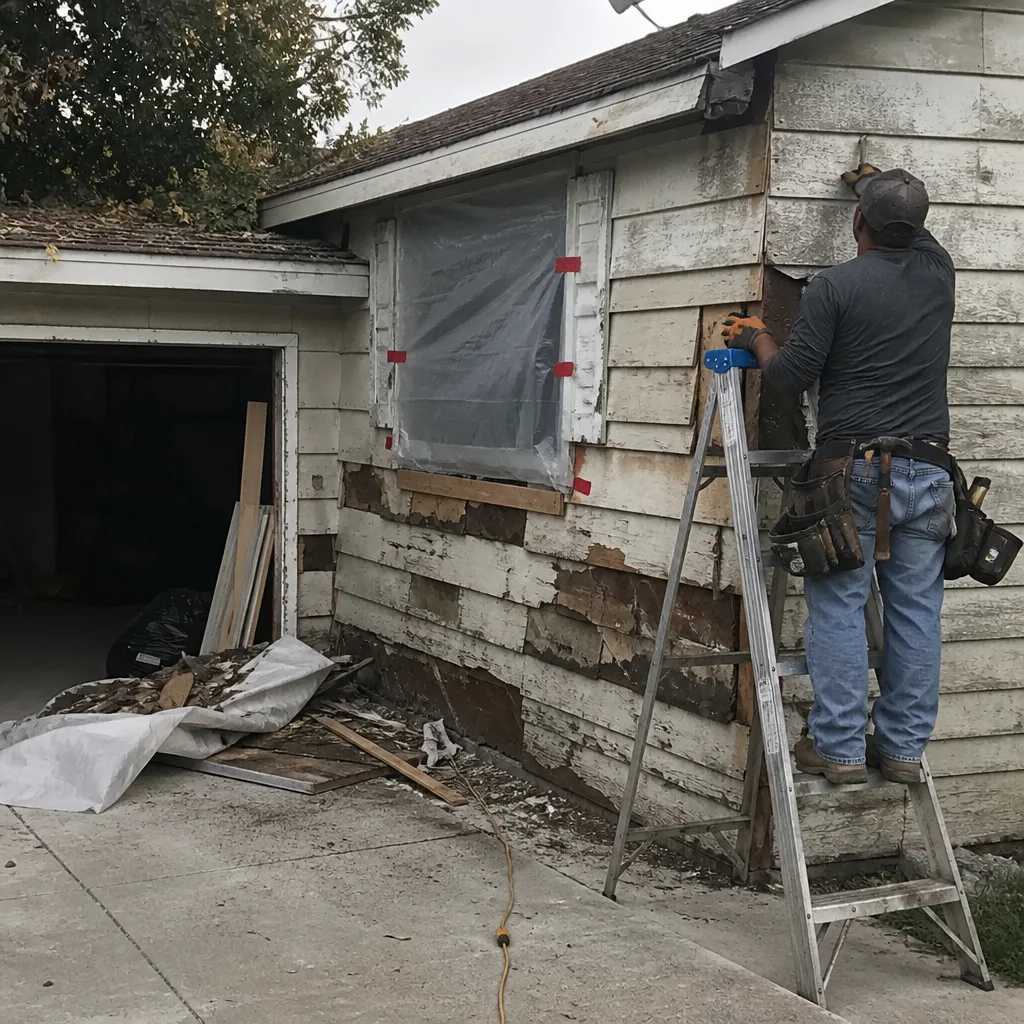 Before
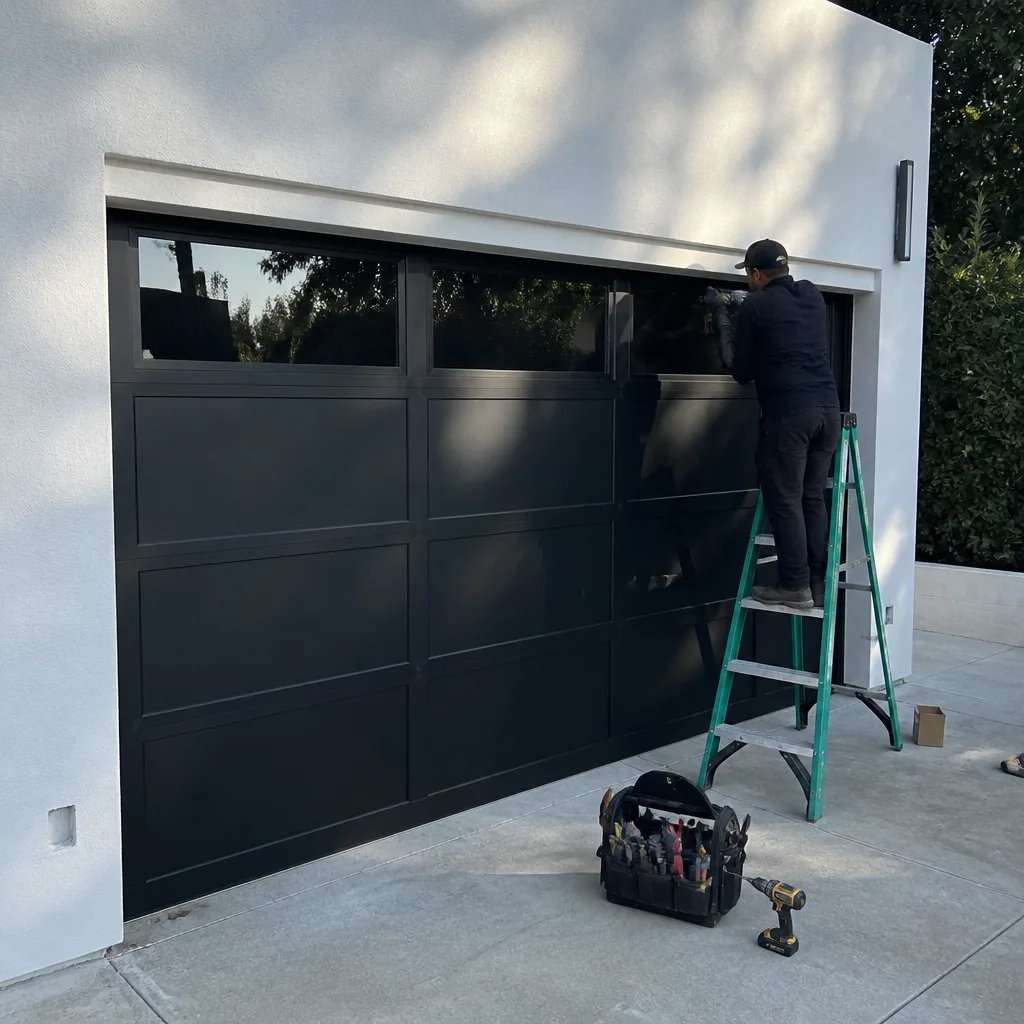 After
After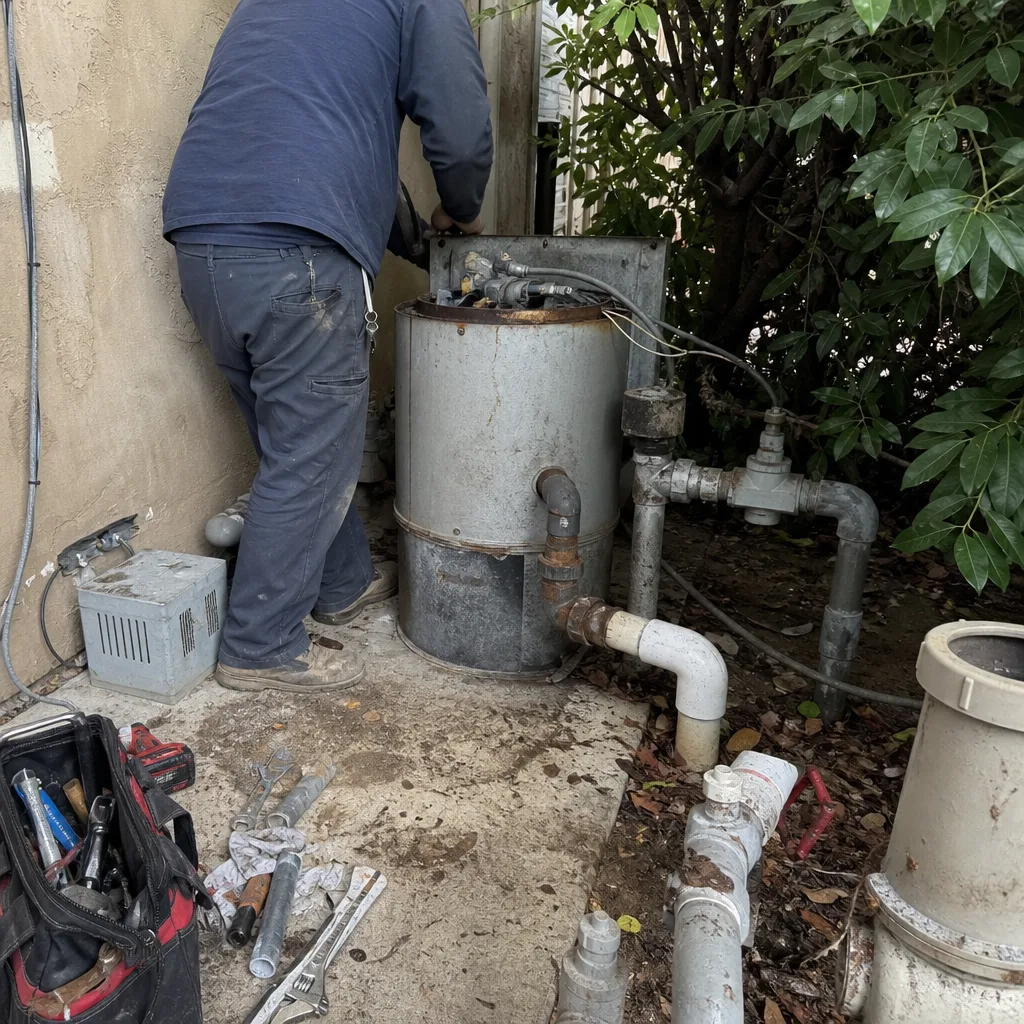 Before
 After
After Before
 After
AfterHome Remodeling Warning Signs Every Homeowner Should Know
The verbal estimate that “shouldn’t change much” is the single most expensive sentence in Home Remodeling services. It doesn’t appear in writing because it was never meant to be a promise. We’ve watched too many Los Angeles homeowners hand over deposits based on a handshake and a hope, only to find themselves standing in a gutted kitchen with a contractor who suddenly remembers that plumbing is extra. This guide covers what most articles miss: the physical red flags hiding in your walls after a bad remodel, and the contractual red flags sitting in plain sight before the job ever starts. Learn what to look for in the tile, in the paperwork, and in the crew standing on your front porch.
Quick Answer
The most reliable home remodeling warning signs fall into two groups. In the home itself, watch for efflorescence on tile (white chalky mineral deposits that signal water behind the surface), soft spots near plumbing walls, unshimmed cabinet boxes, and outlets near sinks without GFCI protection. In the contract, the deal-breakers are no written price, no license number on the paperwork, no payment schedule tied to milestones, and no defined warranty period. Any contractor who won’t put the price and guarantee in writing before demo day is showing you the clearest warning sign of all.
Table of Contents
- Physical Warning Signs a Previous Remodel Was Done Wrong
- Contractual Warning Signs Before You Sign Anything
- What a Real Guarantee Covers vs. a Warranty That Sounds Good
- Mid-Project Warning Signs You Should Never Ignore
- A Plain-Language Checklist to Run Against Any Contract
- What Los Angeles Homeowners Should Know About Local Costs and Code
- Common Mistakes to Avoid
- When to Call a Professional
Physical Warning Signs a Previous Remodel Was Done Wrong
Poor workmanship leaves fingerprints. You just have to know what you’re looking at. In Los Angeles, where homes range from 1920s Spanish bungalows in Highland Park to 1960s ranch houses in the Valley, the age of the structure means every remodel sits on top of someone else’s decisions. Here are the physical signs we check first when a homeowner calls us after a disappointing previous remodel.
Efflorescence on tile. That chalky white film on grout lines or tile faces is not normal aging. It’s mineral deposits left behind when water evaporates through the surface. Efflorescence means moisture is moving through the substrate (the layer beneath your tile), and the waterproofing either failed or was never installed correctly. In a bathroom, you’ll commonly see it on shower walls near the pan, or on floor tile near a tub skirt. In a kitchen, it appears on backsplash tile near a sink or dishwasher line. The fix is not scrubbing. The fix is opening the wall to see what’s happening behind it.
Soft spots near plumbing walls. Press your thumb against the drywall or baseboard adjacent to a bathroom, kitchen sink, or laundry hookup. If it gives, if it feels spongy, or if the paint is bubbling in that one spot, water has been seeping there long enough to break down the drywall or the framing behind it. We’ve opened walls in Los Angeles homes where a slow drain leak had been quietly rotting a stud for years, hidden behind a fresh coat of paint from a flipper. The paint was the warning sign.
Outlets near sinks without GFCI protection. The National Electrical Code requires ground-fault circuit interrupter (GFCI) protection on any outlet within six feet of a water source. In a kitchen, that’s all countertop outlets. In a bathroom, that’s everything. GFCI outlets have those two little buttons between the plug holes: “test” and “reset.” If you see an outlet near your sink without those buttons, either the installer skipped a required safety device or the protection is on a hidden GFCI breaker in the panel that you can’t see. Either way, it’s worth a licensed electrician’s visit. This one isn’t cosmetic. It’s a genuine shock and fire hazard, and it’s a tell that someone took shortcuts on the parts of the job you can’t see.
Cabinet boxes with no shim marks. This is subtle, but once you know it, you can’t unsee it. When a carpenter installs kitchen cabinets properly, the boxes get leveled and plumbed using thin tapered wedges called shims. Those shims are then trimmed flush. On the back or bottom edge of a properly installed cabinet, you’ll often see the thin sliver of a shim, or the faint mark where one was cut. If your cabinets butt tight against the wall and the floor with no evidence of leveling, and your countertop has a visible slope, the installer hung boxes and called it done. Crooked cabinet runs mean trouble for countertop seams, appliance fit, and door alignment. In a kitchen remodel, the foundational work is invisible precisely because someone took the time to do it.
Physical signs like these are why a thoughtful remodeling company walks the whole house before quoting a project. The new tile only works if the substrate beneath it is sound. The new cabinets only sit level if the floor was checked. When we price a kitchen remodeling in Los Angeles project, the condition of what’s underneath the surface drives the number as much as the cabinet style you pick.
Contractual Warning Signs Before You Sign Anything
Here’s the counterintuitive part. The most dangerous remodel warning signs are not in the walls. They’re in the paperwork. A cracked tile tells you something already went wrong. A missing payment schedule tells you something is about to. Most homeowners are handed a contract they don’t know how to read, and the clauses that protect the contractor at your expense are written in language designed to sound reassuring while committing to nothing.
No written price. If the “estimate” is a number spoken aloud or scribbled on a business card, you don’t have an estimate. You have a starting point. A legitimate written price includes a scope of work, a total, a payment schedule, and a process for change orders if you alter the plan. At Penhallow Remodeling, every homeowner receives a written price before any work starts. Not a range. Not a ballpark. A number you can hold us to, with a written guarantee behind it. If a contractor won’t put the number on paper, there’s a reason.
No license number on the contract. In California, a contractor’s license number must appear on all contracts, bids, and advertisements. If the number isn’t on the paperwork, you cannot verify the license is current, that the contractor carries the required bond and workers’ compensation insurance, or that the person signing has any legal standing to do the work. Check the number against the Contractors State License Board website. This takes ninety seconds and it is the single most protective thing you can do before writing a deposit check.
No defined payment schedule. A payment schedule that says “as work progresses” is not a schedule. It’s an invitation. Legitimate projects tie payments to milestones: a deposit to schedule, a payment at rough inspection, a payment at cabinet install, a final payment at completion and sign-off. If the agreement lets the contractor request money whenever they feel the job has “progressed,” you’ve lost your leverage. We’ve met Los Angeles homeowners who paid 80% of their kitchen budget before a single cabinet arrived because the contract allowed it.
No mention of a warranty period. If the contract doesn’t say how long the work is covered and what happens if something fails, the answer is: nothing is covered, and you’ll pay to fix it. A real warranty period is written down. It names a duration. It says what happens if the tile cracks or the cabinet door sags or the grout fails. It’s not a verbal assurance. It’s a clause with a number in it.
What a Real Guarantee Covers vs. a Warranty That Sounds Good
Not all guarantees are equal. The biggest trap is the warranty that sounds comprehensive but excludes labor. Here’s how it typically works: a contractor offers a “five-year warranty” on your shower remodel. Three years in, the grout fails and water leaks into the wall. The contractor agrees to honor the warranty, thoughtfully provides replacement grout at no charge, and then bills you $900 for the labor to remove the old grout and reapply the new. The materials were covered. The work was not. You’re paying again for a failure you didn’t cause.
So what should a real guarantee look like? Let us lay out the Penhallow Remodeling home standard, because it’s the one we sign our name to. The 365-Day Done Right Promise means that if the work fails inside that guarantee period, we come back and fix it at no charge. Not parts only. The whole repair, including labor. It’s backed in writing on every project, included with every job, and it includes a free second visit if a repair fails. No service call fee. No re-inspection fee. Those details matter because they’re the difference between a promise and a policy.
When you’re comparing contracts, ask the contractor to point to the exact clause that says what happens if the work fails at month six. If the answer is, “we’ll take care of you,” you’re back to a verbal estimate in a different costume. Look for specifics: what’s covered, for how long, who pays for labor, and what happens if the first fix doesn’t hold. The Kingswell Way, the operating standard behind Penhallow Remodeling since 2004, puts it like this: say the price before the work, show up in the window we gave, leave the place cleaner than we found it. A guarantee is just the last of those promises in writing.
Mid-Project Warning Signs You Should Never Ignore
Signing with the right contractor is not the end of your vigilance. Mid-project warning signs are real, they’re common, and they show up on jobs with otherwise good paperwork. Once the wall is open or the floor is up, a contractor has significant leverage, and the way they use it tells you who you hired.
Workers who can’t explain what they’re doing. Every tradesperson on your job should be able to tell you what they’re working on and why. A tile setter should be able to say, “I’m installing cement board substrate, which is the moisture-resistant layer behind your tile, and I’m taping the seams with mesh before waterproofing.” A carpenter should be able to explain why the cabinet boxes are being shimmed. If the person working in your home can’t answer a basic question about their own work, or worse, gets cagey about it, call the project manager before they touch anything else.
Daily requests for unscheduled payments. A payment schedule exists to protect both parties. When a contractor starts asking for “just a little more to keep things moving” or “a draw for materials that just came in,” outside the agreed milestones, that’s a lever being pulled. It usually means cash flow problems in the contractor’s business, which is not your problem until the job stops and your kitchen is a shell. Stick to the schedule you signed. A legitimately professional company prices the job to survive between milestone payments. We do.
Work that skips inspections. In Los Angeles, most remodeling work that involves structural changes, electrical work, plumbing changes, or additions to the square footage of the home requires a permit and at least one inspection by the city. If your contractor suggests skipping permits to save money or time, you’re not saving either. You’re carrying the liability. Unpermitted work can void your homeowner’s insurance coverage, complicate a future sale, and in some cases require you to tear out finished work to prove the rough work was done correctly. A contractor who proposes working without permits is asking you to accept the risk they should be carrying. We don’t do that, and you shouldn’t either.
A Plain-Language Checklist to Run Against Any Contract
Before you sign, run the paperwork through this checklist. It takes ten minutes and it’s saved more than one Los Angeles homeowner from a five-figure mistake. If a single item is missing, ask for it in writing before you commit.
- The contractor’s full legal name and license number. Verify it at the CSLB website. Not the salesperson’s name. The licensed entity’s name and number, printed on the contract.
- A written total price. Not a range, not a “target,” not a “budget projection.” A number. The scope of work it covers should be listed in plain English.
- A payment schedule tied to milestones. Look for specific triggers: “after rough inspection,” “after cabinet installation,” “after final walkthrough.” Avoid any contract that permits draws “as work progresses.”
- A defined start date and completion window. Construction is not an exact science, but the contract should name a start date and a reasonable completion range. “We’ll fit you in” is a warning sign in a contract.
- A defined warranty period with labor included. The warranty section should say how long the coverage lasts, what it covers, and specifically that labor to fix covered failures is included at no charge. If the word “labor” doesn’t appear in the warranty section, ask why.
- A change order process. This is the clause that says what happens if you add a pot filler or decide on a different countertop mid-project. It should require a written change order with a new price before the work changes. A good contract protects you from “I didn’t know adding a second sink would cost extra.”
- Proof of insurance. The contractor should carry workers’ compensation and general liability insurance. Ask for a certificate. If someone gets hurt on your property and the contractor isn’t insured, the claim can land on your homeowner’s policy.
If a contractor balks at any of these items, that’s information. It tells you how the rest of the job will go. The general contractor in Los Angeles you want is the one who pulls out a pen and answers the question on the spot.
What Los Angeles Homeowners Should Know About Local Costs and Code
Remodeling in Los Angeles carries costs and complications that don’t exist in Dallas or Phoenix. The city’s permitting process is thorough, the building stock is old, and the cost of labor reflects the cost of living. Knowing what drives the number helps you evaluate a quote intelligently.
Kitchen remodels in Los Angeles typically run $18,000 to $55,000 depending on layout, cabinet line, and countertop material. A compact kitchen with stock cabinets and a laminate counter sits at the low end. A larger kitchen with custom or semi-custom cabinets, quartz countertops, and a structural change sits at the high end. Bathroom remodels run $12,000 to $35,000, with the biggest variables being tile scope, waterproofing method, and whether the shower pan is a pre-formed acrylic base or a custom mortar bed. See How Long Does Bathroom Remodeling Take? Timelines and What to Expect for a full breakdown of what drives the schedule. Whole-home remodels vary too widely for a useful range, but expect $100,000 as a realistic floor for a meaningful whole-house update in Los Angeles.
The age of the housing stock is a cost driver homeowners rarely see coming. In neighborhoods like Silver Lake, Echo Park, and parts of the Valley, remodel work frequently uncovers knob-and-tube wiring, cast-iron drain pipes at the end of their service life, or framing that was never strapped for seismic movement. California building code requires seismic strapping and bracing on water heaters, proper shear wall installation, and specific anchoring for cabinets and fixtures in earthquake country. A quote that seems too low often assumes none of that older infrastructure needs updating. A quote that’s thorough will mention it by name.
On the materials side, what you specify changes both the price and the length of the guarantee behind the work. We install Cambria quartz countertops, which carry their own lifetime warranty alongside our 365-Day Done Right Promise, and Kohler fixtures, which have decades of brand support behind their finishes. A knowledgeable contractor should be able to explain why a particular material costs what it does and what stands behind it. That’s part of the price transparency we practice on every project, including bathroom remodeling in Los Angeles, which you can read about here.
Common Mistakes to Avoid
- Paying a large deposit before paperwork is complete. A deposit to hold a spot is normal. A 50% deposit before the contract is signed is not. In California, the legal maximum down payment for a home improvement contract is the lesser of $1,000 or 10% of the project cost. Anyone asking for more is already out of compliance.
- Choosing the lowest bid without understanding why it’s low. A low bid almost always means cheaper materials, skipped waterproofing steps, or an assumption that old infrastructure doesn’t need work. If three quotes are $40,000 and one is $22,000, the $22,000 quote is not a bargain. It’s a contractor who doesn’t know what the job costs or doesn’t intend to do the job that costs.
- Skipping the license check because the contractor “seems nice.” The nicest people in the world run unlicensed operations. The CSLB verification is free and public. There is no reason to skip it, and every reason to do it.
- Signing a contract with no change order clause. You will change your mind about something. Maybe the faucet you want is backordered. Maybe you decide to add under-cabinet lighting. The change order clause is what keeps that decision from becoming a surprise invoice.
- Letting the contractor handle permits “in their name” without confirming. Permits in Los Angeles are issued to the licensed contractor or the homeowner. Either way, the permit card should be posted on the job site. If you never see a permit and you paid for one, that’s a warning sign.
- Believing a verbal warranty. “We stand behind our work” is a sentiment. “Failures within 365 days are repaired at no charge, including labor, as described in the Done Right Promise” is a warranty. One of them holds up if things go sideways.
When to Call a Professional
Some remodeling issues are genuinely DIY-adjacent: swapping a faucet, painting a room, replacing a light fixture. The warning signs in this guide are not. Efflorescence on tile means hidden water. Soft spots mean structural decay. Cabinets falling out of level mean a failed installation. Contract issues mean legal and financial exposure. None of these are weekend projects. A professional assessment after a bad remodel gives you a clear picture of what’s actually wrong, what it costs to fix, and what can wait. Explore our more guides & resources to protect your investment. Penhallow Remodeling offers free estimates in Los Angeles. Call (936) 259-2607 to schedule one.
Frequently Asked Questions
The most common sign is efflorescence: the white chalky mineral deposit on tile and grout that indicates water is moving through the surface because the waterproofing behind it failed or was never installed. Other common tells include soft drywall near plumbing fixtures, outlets near sinks without GFCI protection, and cabinet boxes installed without shims. If you see any of these, call (936) 259-2607 for a professional assessment; estimates are free.
A kitchen remodel in Los Angeles typically costs $18,000 to $55,000, depending on layout, cabinet line, countertop material, and whether any structural changes or infrastructure updates are required. The age of the home pushes the number up; older Los Angeles housing stock frequently hides knob-and-tube wiring or cast-iron drain lines that must be replaced to meet current code. Call (936) 259-2607 for an exact written quote.
A California remodeling contract should include the contractor’s license number, a written total price, a payment schedule tied to milestones, a defined warranty period with labor coverage, a change order process, and proof of insurance. State law caps the down payment at $1,000 or 10% of the project cost, whichever is less. If any of those elements are missing, get them in writing before you sign.
A warranty typically covers materials only, leaving the homeowner to pay for the labor to redo the failed work. A guarantee like the 365-Day Done Right Promise covers the entire repair, including labor, at no charge. When comparing contracts, ask specifically whether labor is included in the warranty section; if the word “labor” doesn’t appear, it isn’t covered.
In most cases, yes. Any remodeling work that involves moving plumbing, altering electrical circuits, removing or adding walls, or changing the square footage of the home requires a permit and inspection through the Los Angeles Department of Building and Safety. Unpermitted work can void your insurance coverage and complicate a future sale. A legitimate contractor pulls permits as standard practice.
Yes. Penhallow Remodeling offers free estimates on kitchen remodeling, bathroom remodeling, and whole-home remodels throughout Los Angeles. Every estimate includes a written price before any work starts and a written guarantee on the completed project. Call (936) 259-2607 to schedule your free estimate.
The Bottom Line
Home remodeling warning signs come in two forms: the ones hiding in your walls and the ones hiding in your paperwork. The physical signs, efflorescence, soft spots, missing GFCI protection, unshimmed cabinets, tell you a previous contractor cut corners. The contractual signs, no written price, no license number, no payment schedule, no labor-backed warranty, tell you a future contractor intends to. Run every contract through the seven-item checklist, ask the questions that make an honest contractor nod and a dishonest one squirm, and get the price and the guarantee in writing before a single cabinet is pulled. That’s the standard we work to on every project in Los Angeles, and it’s the standard you should accept nowhere else.
Written by Trevor Nash, Owner at Penhallow Remodeling, serving Los Angeles since 2004.